


Most new sites quietly join that 96%, not because the owners didn’t try, but because they did the work in the wrong order.
This guide fixes that. I’m going to walk you through exactly how to do SEO for a new website in New Zealand, step by step, in the order that actually works.
You’ll know what to set up first, what to expect month by month, and where to spend your limited time when you can’t do everything at once.
I run Expert SEO, an SEO company that’s just 8-months old — so this isn’t theory.
It’s the same process I’ve used to take a brand-new site from nothing to ranking and getting cited in Google’s AI answers, while competing against businesses with a decade of head start.
Why SEO Matters More When Your Site Is Brand New
A new website has no authority, no rankings, and no traffic.
SEO is how you build all three — and the earlier you start, the sooner the compounding kicks in.
Think of it like a savings account. The interest is boring for a long time, then it isn’t.
Every page you publish, every link you earn, and every fix you make stacks on top of the last one.
A site that started six months ago and did the work properly will quietly pull away from one that launched the same day and didn’t.
The reason it matters more for a new site is simple: you’re starting from behind.
Established competitors already have the rankings, the links, and the trust.
If you skip the fundamentals, you don’t just grow slowly — you stay in that 96% that gets no traffic forever. Get the fundamentals right and you give Google a clear reason to start trusting you.
How Long SEO Actually Takes for a New Website
Expect three to six months for early traction and six to twelve months for solid results — and that’s if you execute well in a sensible niche.
I know that’s not what anyone wants to hear, but the data backs it up.
Ahrefs analysed top-ranking pages and found the average page sitting at #1 in Google is about five years old, and only around 13.7% of pages in the top 10 are less than a year old.
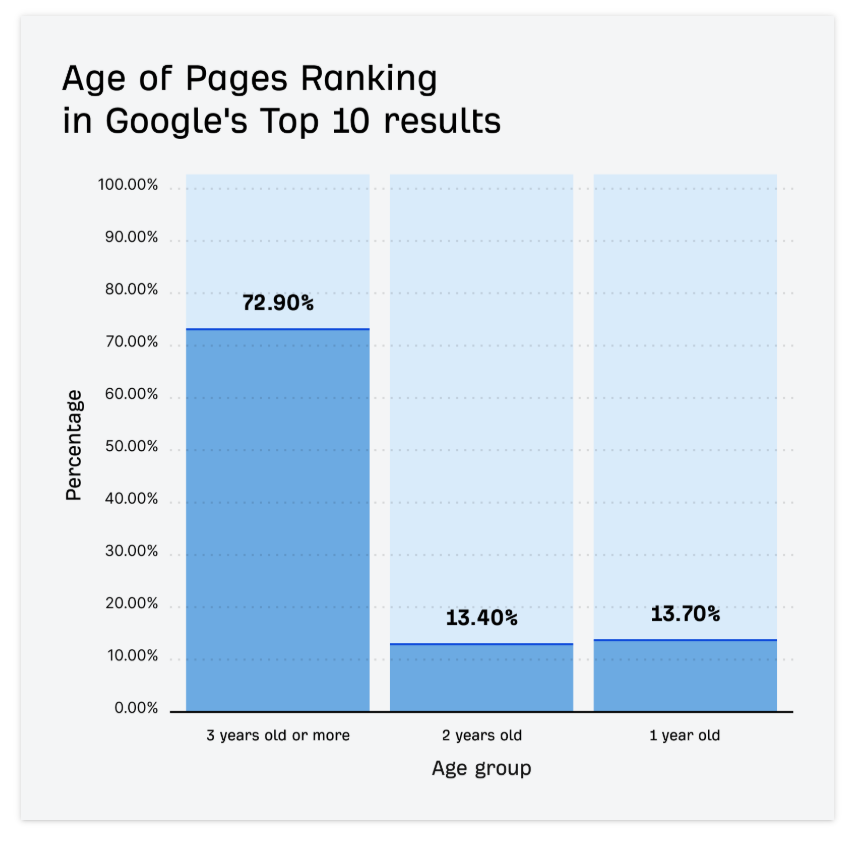
New pages can break through faster — but it’s the exception, not the rule.
So what does that look like in real life for a new NZ site?
- Month 1–2: Almost nothing visible. Google is crawling, indexing, and slowly building trust. This is normal. It is not a sign your SEO is broken.
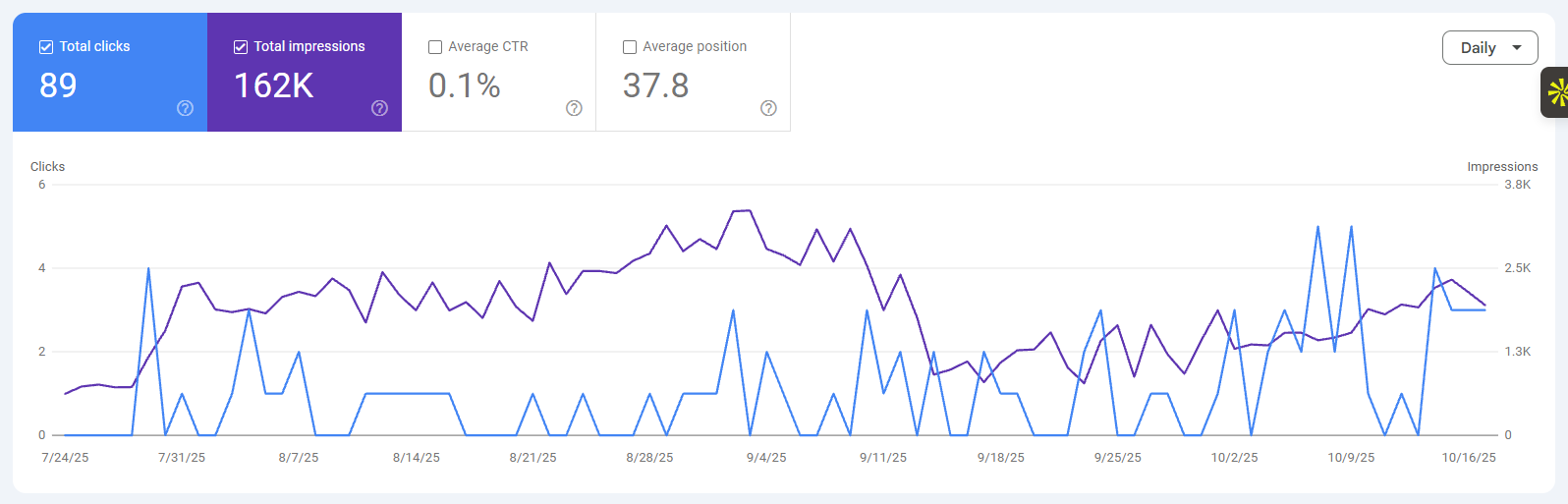
- Month 3–4: Impressions start climbing in Google Search Console. You’ll rank for easy long-tail terms before competitive ones.
- Month 5–6: Real clicks. A few keywords reaching page one. Local terms often move faster than national ones.
- Month 6–12: Momentum. Rankings compound, and the work you did in month one starts paying off properly.
Here’s the practitioner reality nobody tells you: your first three months will usually look like nothing is working.
That’s the exact point most people quit — right before it starts.
My own company, Expert SEO, is just over 8-months old and competing against firms that have spent up to ten years building authority.
It’s already ranking, gaining traffic, and getting cited in Google’s AI answers.

Not because of a trick. Because the fundamentals were done in the right order and nothing was abandoned at the three-month mark.
For a deeper breakdown of timeframes by campaign type, this is the bit most owners underestimate, which is why how long SEO takes trips up so many new businesses.
Get the Foundations Right Before Anything Else
Before you write a word of content, make sure Google can find, crawl, and index your site. If it can’t, nothing else you do matters.
This is the step the NZ agency guides get right and most DIY owners skip. Here’s the order.
1. Set up Google Search Console. It’s free, and it shows you how Google sees your site — which pages are indexed, what you rank for, and any errors holding you back. Add your site as a property and verify you own the domain.
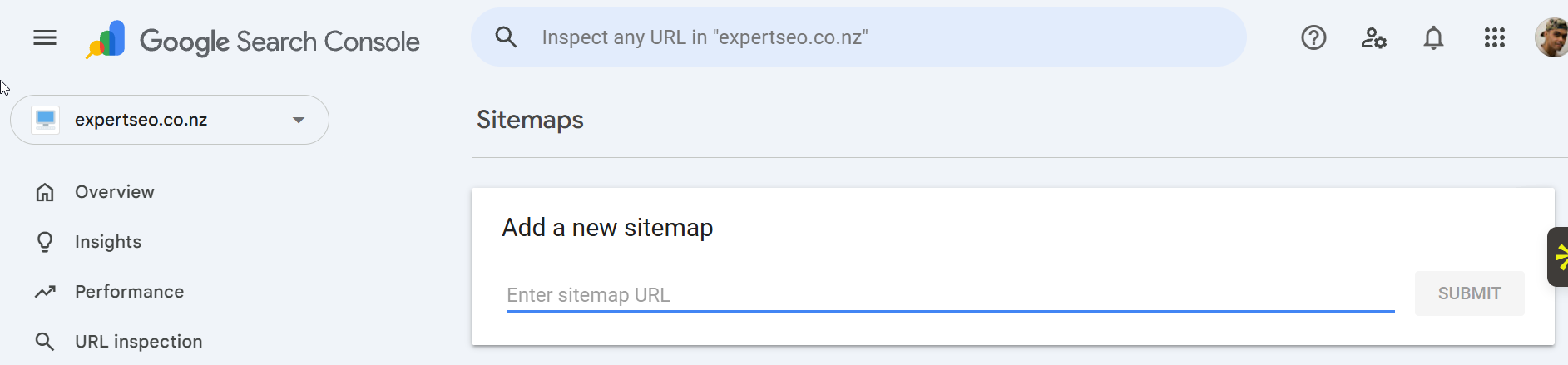
2. Create and submit a sitemap. A sitemap is a list of the pages you want Google to find. Generate one (most WordPress SEO plugins do this automatically), then submit the URL under “Sitemaps” in Search Console.
3. Check your site is actually indexable. A surprising number of new sites accidentally block Google — a leftover “noindex” from the staging site is the classic killer. In Search Console, confirm your important pages are indexed. Make sure nothing important is set to noindex or blocked in robots.txt.
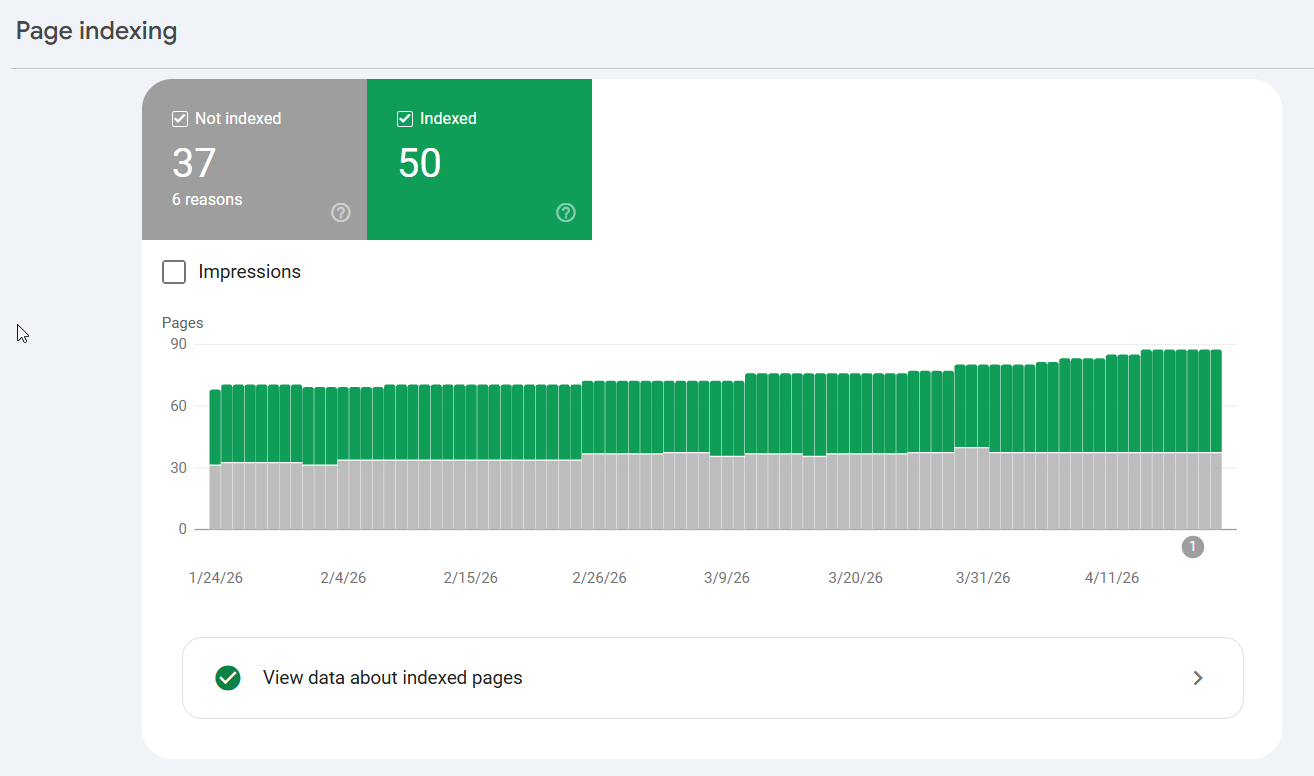
4. Set up Google Analytics 4. Search Console tells you how you’re doing in Google. GA4 tells you what people do once they land on your site.
5. Cover the basic health checks. Secure the site with HTTPS (a free SSL through your host), make sure it loads and works properly on a phone, and fix any broken pages.
Most NZ traffic is mobile, so if your site breaks on a phone, your rankings and your conversions both suffer.
Do these five things and you’ve already done more than most new sites ever bother with.
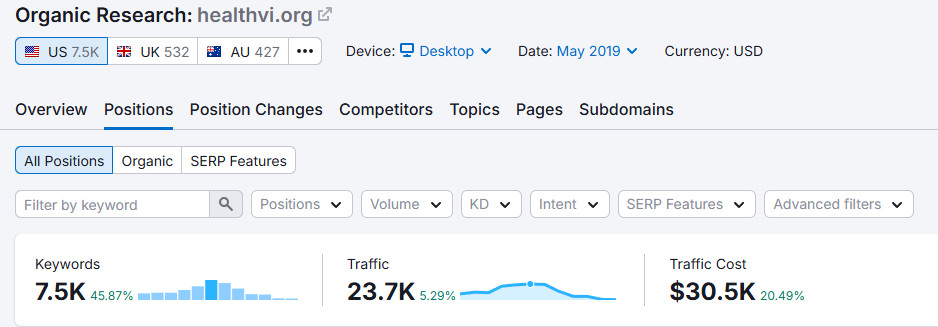
This is the unglamorous foundation that lets everything else work — it’s the same starting point I used to grow a health site (HealthVI) from zero to over 1,000 daily visitors in under a year.
Do Keyword Research for a Brand-New Site
Keyword research is finding the exact phrases your customers type into Google, so you build pages that match real demand instead of guessing.
For a new site, the rule is different from an established one: go after low-competition, specific terms first.
You can’t win “plumber Auckland” in month two.
You can absolutely win “emergency hot water cylinder repair West Auckland.”
Start with your money terms — usually your service plus your location.
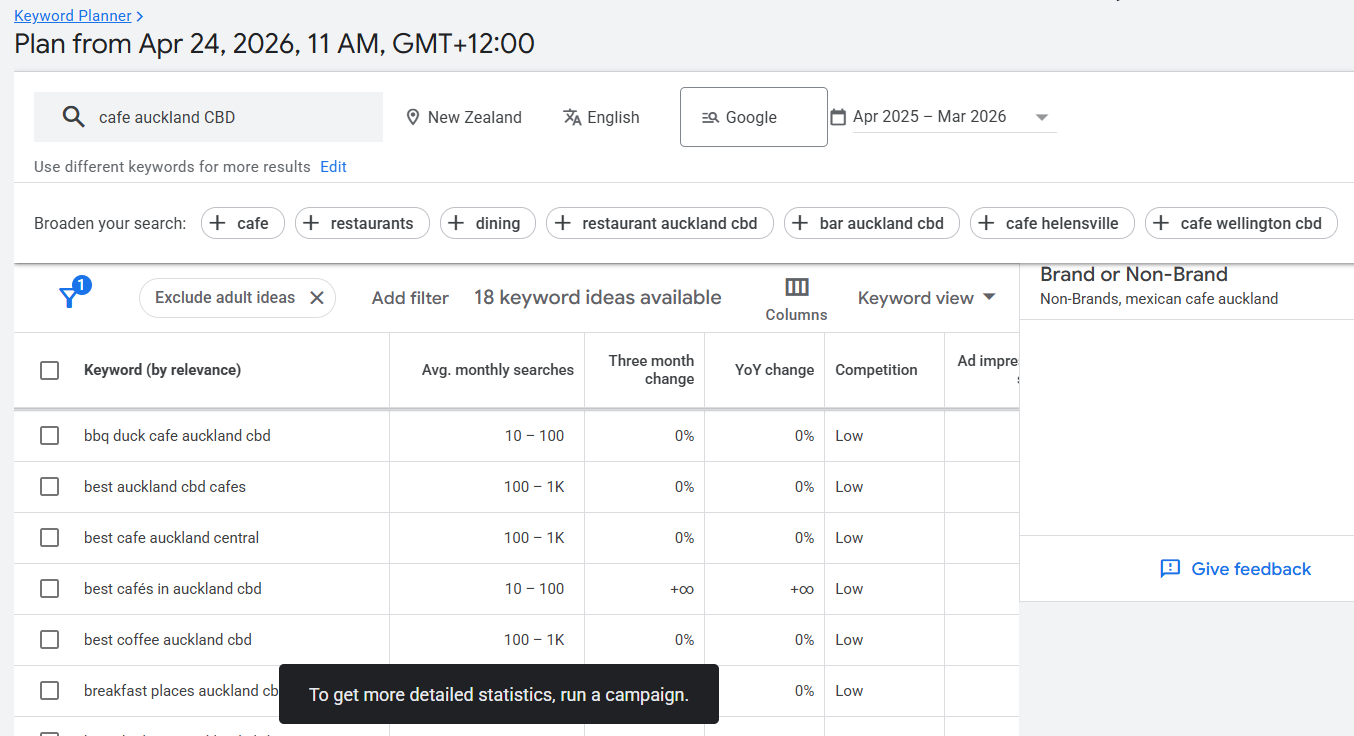
If you’re a café in Auckland CBD, that’s “cafe Auckland CBD,” “best coffee Auckland CBD,” “brunch Auckland CBD.”
The fastest way to build the list is to ask ChatGPT to generate every core keyword for your business, then validate the volumes in Google Keyword Planner.
Then go after the long tail.
Long-tail keywords are the more specific versions — “affordable dentist Auckland CBD open weekends” instead of “dentist Auckland.”
They’re easier to rank for, they convert better because the searcher knows what they want, and they’re exactly the kind of phrase a new site can actually win early.
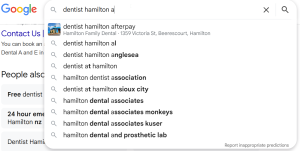
A quick way to find them: type your core keyword into Google and run through the alphabet — “dentist hamilton a,” “dentist hamilton b,” and so on.
Google’s autosuggestions hand you a steady stream of real searches.
Dump everything into a simple Google Sheet, grouped by topic. That’s the backbone of finding the keywords your customers actually search for — and it stops you wasting months writing pages nobody is looking for.
Match Search Intent to the Right Page
Search intent is the reason behind the search. Get it wrong and you won’t rank, no matter how good your page is.
Google already knows what it wants to show for each keyword. Your job is to match it.
For most NZ businesses it comes down to two buckets: people who want to learn something (informational) and people who want to buy something (commercial or transactional).
| Keyword | Search intent | What to create |
|---|---|---|
| how to choose a café in Auckland | Informational | Blog post |
| best brunch spots Auckland CBD | Informational | List-style blog |
| café Auckland CBD | Commercial | Location/service page |
| book café Auckland CBD | Transactional | Booking/landing page |
The easy check: Google your keyword and look at what’s already ranking.
If you see blog posts and guides, Google wants information. If you see service pages and map listings, it wants a commercial page.
Build whatever Google is already rewarding, then make it better.
Build Your Money Pages First, Then Supporting Content
Start with the pages that make you money — your service and location pages — then build blog content around them.
New sites get this backwards and pour months into blog posts before they have a single page that converts.
Your money pages map to your commercial keywords. If you’re that Auckland dentist, you need one strong page for “dentist Auckland CBD” that explains what you offer, where you are, why someone should choose you, and how to take the next step.
One clear page per core keyword beats ten thin ones every time.
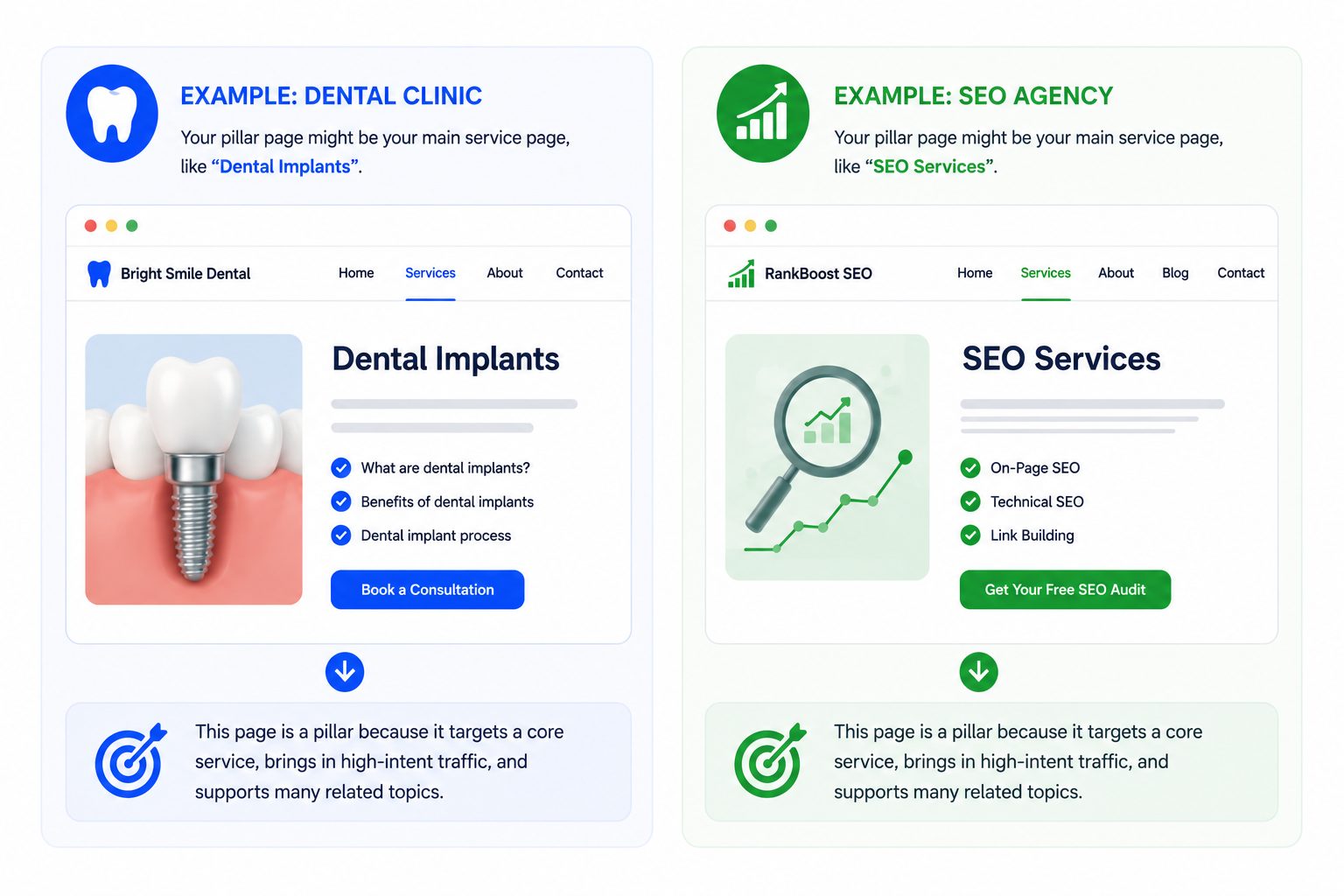
Once those are live, build supporting blog content around your informational keywords — the questions people ask before they buy.
The café might add “best brunch spots in Auckland CBD” and “how to choose a good café in Auckland.” Each one links back to the money page.
Before you publish anything, search your target keyword and look at the top three results.
What do they cover? What’s missing? Better doesn’t mean longer — it means clearer, more useful, and more trustworthy.
Add real examples, NZ-specific detail, and proof, and you give Google a reason to pick you over an older competitor.
That’s the heart of content marketing that actually earns rankings.
Nail On-Page SEO
On-page SEO is how you tell Google what each page is about. Even a great page won’t rank if the signals are unclear.
Put your primary keyword in the places that matter most:
- Title tag (what shows in Google results)
- H1 (your main heading)
- URL slug (keep it short —
/dental-implants-auckland/, not/page?id=123) - Opening paragraph
- A couple of H2s, where it reads naturally
- Image alt text
If your keyword is “dental implants Auckland,” your title might be Dental Implants Auckland | Natural-Looking Teeth Replacement and your H1 Dental Implants in Auckland.
The key word there is natural.
Don’t jam the keyword in ten times — Google understands context, and stuffing makes the page worse, not better.
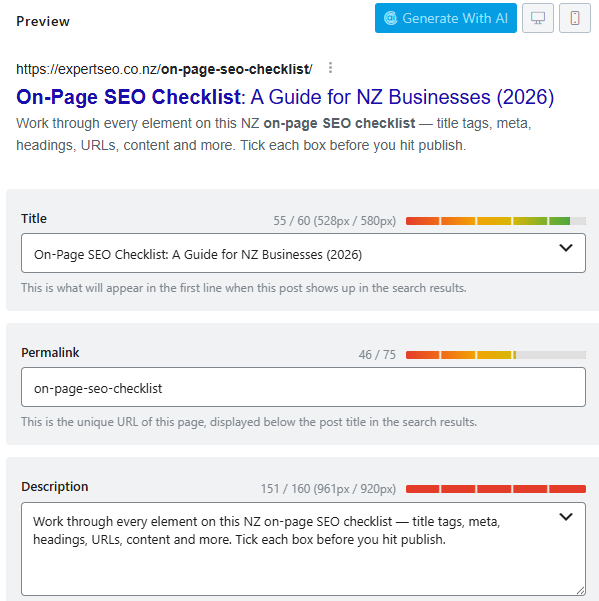
While you’re at it, add a few internal links to related pages, give your images sensible filenames and alt text, and keep paragraphs short.
This is on-page SEO done properly, and for a single page it takes about 10 minutes.
Cover the Technical Basics
Technical SEO makes sure Google can crawl and use your site without tripping over anything. For a brand-new site you don’t need to go deep — you need the basics clean.
Think of it like checking under the hood before a road trip. You’re not rebuilding the engine. You’re making sure nothing’s obviously broken.
The handful that matter for a new site:
- Page speed — compress large images and don’t load your site up with random plugins. Test key pages in PageSpeed Insights.
- Mobile-friendly — Google indexes the mobile version first, so it has to work on a phone.
- No broken pages — fix or redirect any 404s.
- Clean URLs — short, readable, keyword-aligned.
- No duplicate content — one topic per page.
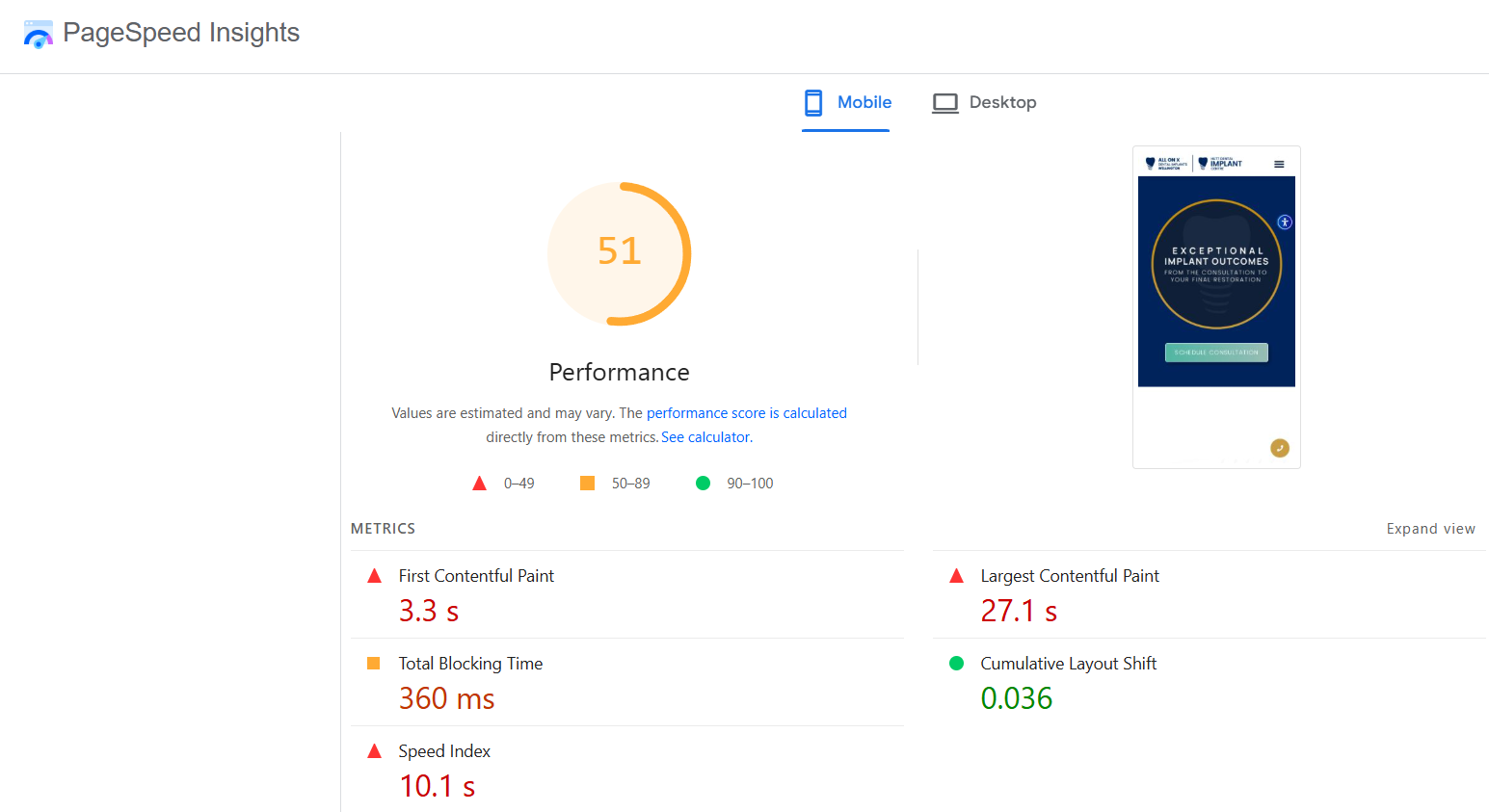
You don’t need perfect scores. You need fast enough to load quickly on mobile and clean enough that Google never gets confused.
If you want the full picture later, the technical side of SEO goes well beyond this — but for launch, the basics are plenty.
Build Authority From Zero: Links and Reviews
A new site has no authority, and authority is what Google trusts. You build it with backlinks and reviews — and you start with the easy wins.
Backlinks are links from other websites pointing to yours. Google treats them like votes of trust: the more good sites link to you, the more credible you look. With a brand-new site, here’s where to start:
- Get listed on relevant NZ directories. Local business directories and industry listings. Keep your name, address, and phone number identical everywhere.
- Build local partnerships. Sponsor a junior sports team, collaborate with another local business, get featured on a supplier’s site. These naturally turn into links.
- Create something worth linking to. A genuinely useful local guide (“Best Coffee Beans in New Zealand”) earns links over time.
- Reach out. Find NZ blogs and publications that could logically mention you, and pitch them.
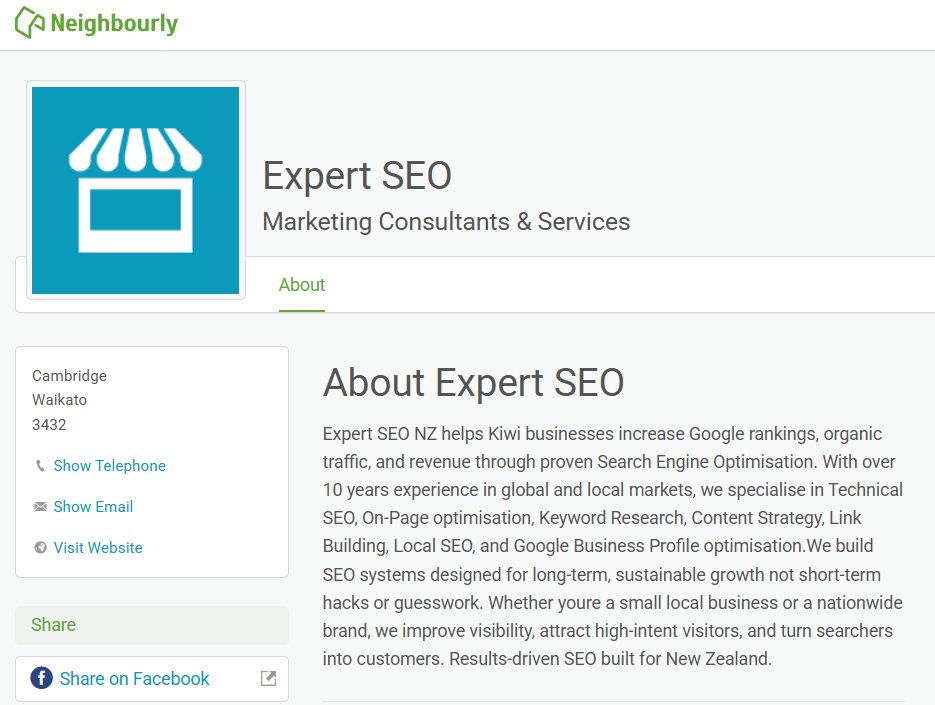
Avoid cheap bought links and spammy directories — they do more harm than good.
Slow and relevant beats fast and spammy every time.
There’s far more to building links once you’re established, but for a new site, consistency on these basics is what moves the needle.
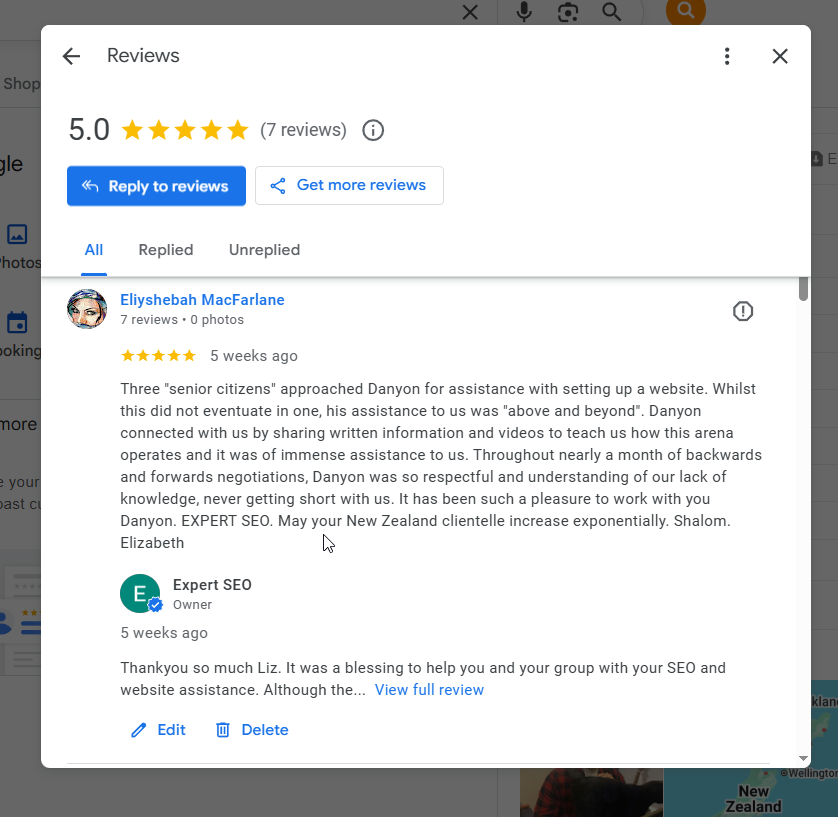
Reviews matter too, especially for local businesses. They build trust with customers and with Google, and increasingly with AI tools deciding which businesses to recommend.
Set up a simple system: ask for a Google review the moment a job’s done and the customer’s happy, send a direct link, follow up once.
Get Found in AI Search
Ranking in Google is no longer the whole game. People now get answers straight from ChatGPT, Gemini, and Google’s AI Overviews — and a new site can get cited in those answers faster than you’d think.
This matters more every month. AI Overviews have expanded fast and now appear on close to half of Google searches, up from around a third a year earlier.
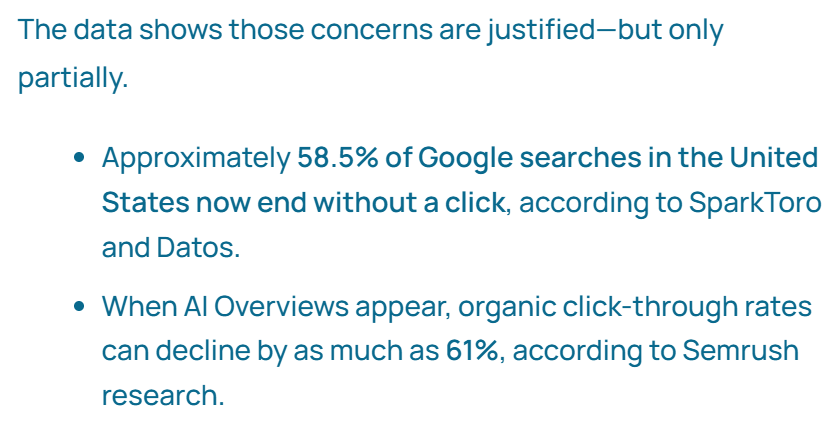
At the same time, roughly 58% of Google searches now end without a click — the searcher gets their answer on the results page. If you’re not in that answer, you’re invisible to a growing share of your market.
The good news for a new site is that getting cited rewards exactly the things you can control quickly:
- Answer questions directly. Start a section with a clear, one-sentence answer, then expand. AI systems scan and extract — give them something clean to lift.
- Structure cleanly. Clear H2s and H3s, short paragraphs, the odd table. Messy content is hard to extract.
- Build topical depth. Cover a topic from several angles, not one shallow page. Depth signals that you’re a credible source.
- Get mentioned around the web. The more your brand appears across credible NZ sources, the more AI tools recognise and recommend you.
Can ChatGPT do your SEO for you?
It’s a great research and drafting assistant — for keyword ideas, intent analysis, and first drafts — but it can’t replace strategy, real experience, or genuine proof. Treat it as a tool, not the plan.
If you want to go deeper on getting cited in AI search, it’s the same fundamentals as traditional SEO, done with more clarity and structure.
Here’s a NZ-specific angle most guides miss: local searches are far less likely to trigger an AI Overview.
Ahrefs found AI Overviews show on only about 7.9% of local queries compared to 22.8% of non-local ones.

For a local NZ business, that means the traditional organic and map-pack opportunity is still wide open — AI hasn’t eaten it yet.
Local SEO for a New NZ Business
If you serve a local area, local SEO is where a new NZ site can win fastest — often within three months instead of six.
The foundation is your Google Business Profile. Create or claim it, then fill in everything properly: exact business name, address, phone, website, hours, and the most accurate category you can pick.
The category genuinely matters — a dental clinic should choose the closest dental category, not something vague.

Then stack the three signals Google uses for local ranking:
- Reviews — the biggest factor in the map pack. Ask consistently.
- Location-focused pages — if you’re a plumber in Auckland who mostly works the North Shore and West Auckland, build genuinely useful pages for those areas. Don’t just swap suburb names on duplicate pages.
- Local trust signals — NZ directories, local sponsorships, mentions from community organisations.
Get those pointing in the same direction and your local SEO compounds quickly. Ranking in the map pack is often the single highest-ROI move a new local business can make.
Track the Right Things Early
Track impressions, clicks, and average position in Google Search Console — and at the start, watch impressions most of all.
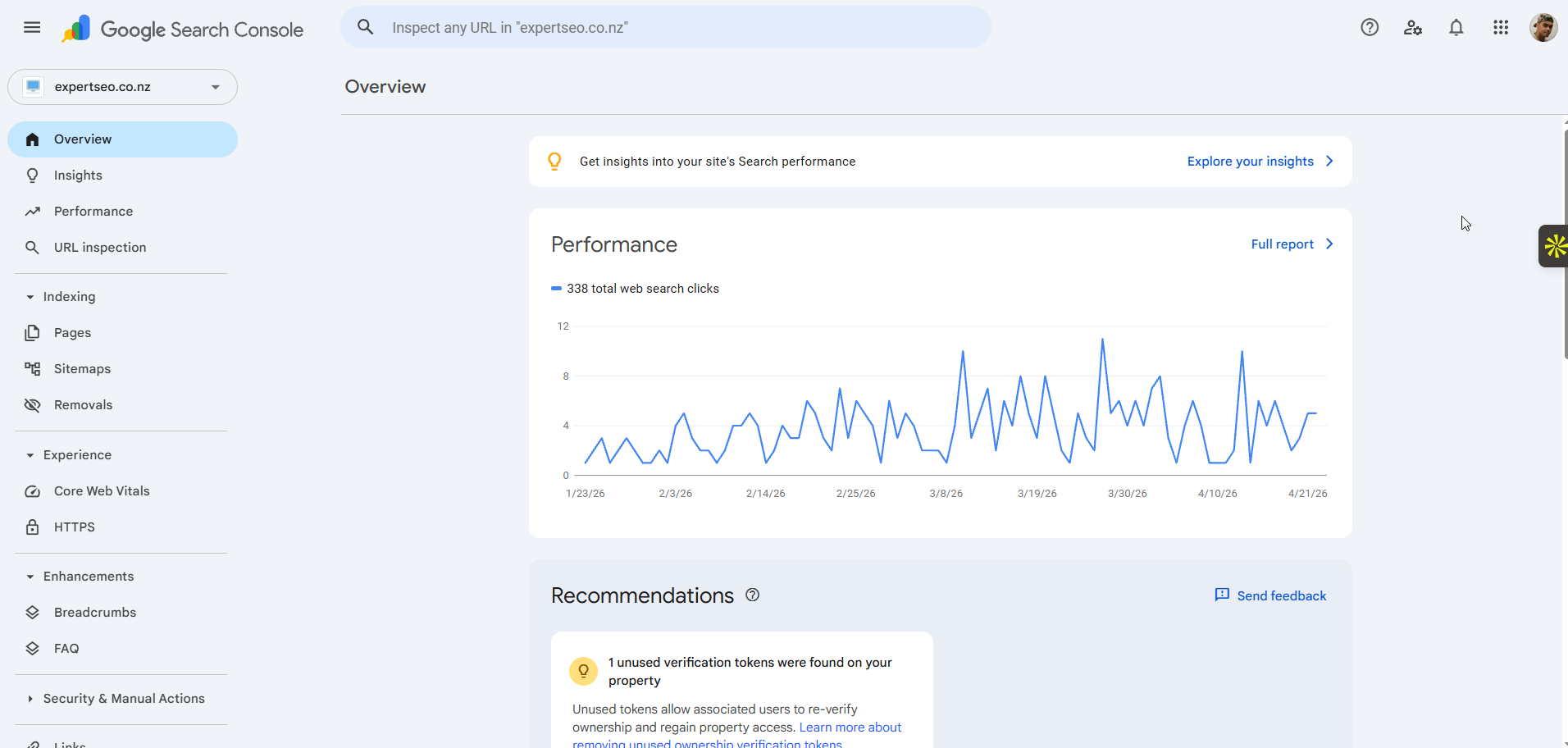
For a brand-new site, clicks are hard to come by early because Google doesn’t trust you yet.
That’s normal. Don’t panic about clicks in month two.
Watch impressions instead — if they’re climbing, Google is showing your site more, and clicks follow as your positions improve.
The pattern to look for: impressions up first, then average position improving, then clicks. As long as those trend in the right direction over a few months, your SEO is working.
If You Only Have Time for Three Things
Most new business owners don’t have time to do all of this at once. So if you do nothing else, do these three.
- Foundations. Search Console, sitemap, indexing, HTTPS, mobile. Without these, nothing else counts.
- One great money page per core service. Built around a real keyword, matching intent, genuinely better than what’s ranking.
- Google Business Profile plus a steady stream of reviews (if you’re local). This is the fastest path to visibility for a new NZ business.
Everything else — blog content, links, technical depth, AI optimisation — builds on top of those three.
Get them solid first, then expand. Trying to do everything at once is how new sites end up doing nothing well.
Should a New Business Do SEO or Google Ads First?
If you need leads this week, run Google Ads. If you want leads that compound and don’t disappear when you stop paying, do SEO.
For most new NZ businesses, the honest answer is both — Ads for cash flow now, SEO for the long game.
SEO takes months to pay off, as we covered. Google Ads can bring traffic the day you switch them on, but it stops the moment you stop paying.
The smart play for a brand-new business is usually to run modest Ads to keep leads coming while your SEO builds in the background. Then, as your organic rankings grow, you can lean less on paid.
The trap is treating them as either/or. They’re not. If you want the full comparison, SEO versus Google Ads comes down to speed versus compounding value — and whether SEO is worth it for your situation depends mostly on how long you can stay patient.
Mistakes New Sites Make
A few avoidable errors sink more new sites than any algorithm update.
- Quitting at month three. The exact point things usually start working. Most people stop right before the payoff.
- Writing blog posts before money pages. Build the pages that convert first.
- Chasing keywords that are too competitive. A new site can’t win “lawyer Auckland” in month two. Win the long tail first.
- Buying cheap backlinks. Spammy links can tank a new site faster than they help it.
- Ignoring the foundations. No Search Console, no sitemap, accidental noindex. You can’t fix what you can’t see.
- Expecting instant results. SEO compounds. New sites that treat it as a sprint always lose.
When to Do It Yourself vs Hire an Expert
You’ve got the full process. From here there are two paths.
Do it yourself. Follow these steps in order, stay consistent, and a new NZ site can absolutely get results. Expect a learning curve and a few months of patience.
Work with an expert. If you want it done faster and more predictably — strategy, execution, and ongoing optimisation handled for you — that’s where we come in. We help new businesses get found across New Zealand, including:
- SEO Services Auckland
- SEO Services Hamilton
- SEO Services Tauranga
- SEO Services Wellington
- SEO Services Christchurch
- SEO Services Queenstown
If you’d rather build it yourself, work through this guide properly. If you want it done right and done faster — backed by done-for-you SEO from a team that’s grown new sites from scratch — that’s exactly what we do.