
How Long Does SEO Take? Realistic Timelines for NZ Businesses (2026)

You’ve probably heard that SEO takes “3 to 6 months.”
But what does that actually mean? What happens during those months? And is it even worth the wait?
These are the real questions. And if you’re a business owner in New Zealand trying to decide whether to invest in SEO, you deserve straight answers — not vague agency timelines designed to keep you paying retainers.
This guide gives you actual timelines, real NZ case studies with numbers, the factors that speed things up or slow them down, and the data to help you decide whether SEO is worth it for your business.
Here’s the short answer upfront: SEO typically takes 3 to 6 months for early traction and 6 to 12 months for significant results. Local SEO in New Zealand often moves faster — sometimes showing results in as little as 2 to 3 months.
Now let’s break down what that actually looks like.
How Long Does SEO Take?
SEO typically takes 3 to 6 months to produce measurable traction, and 6 to 12 months to deliver significant traffic, leads, and revenue growth.
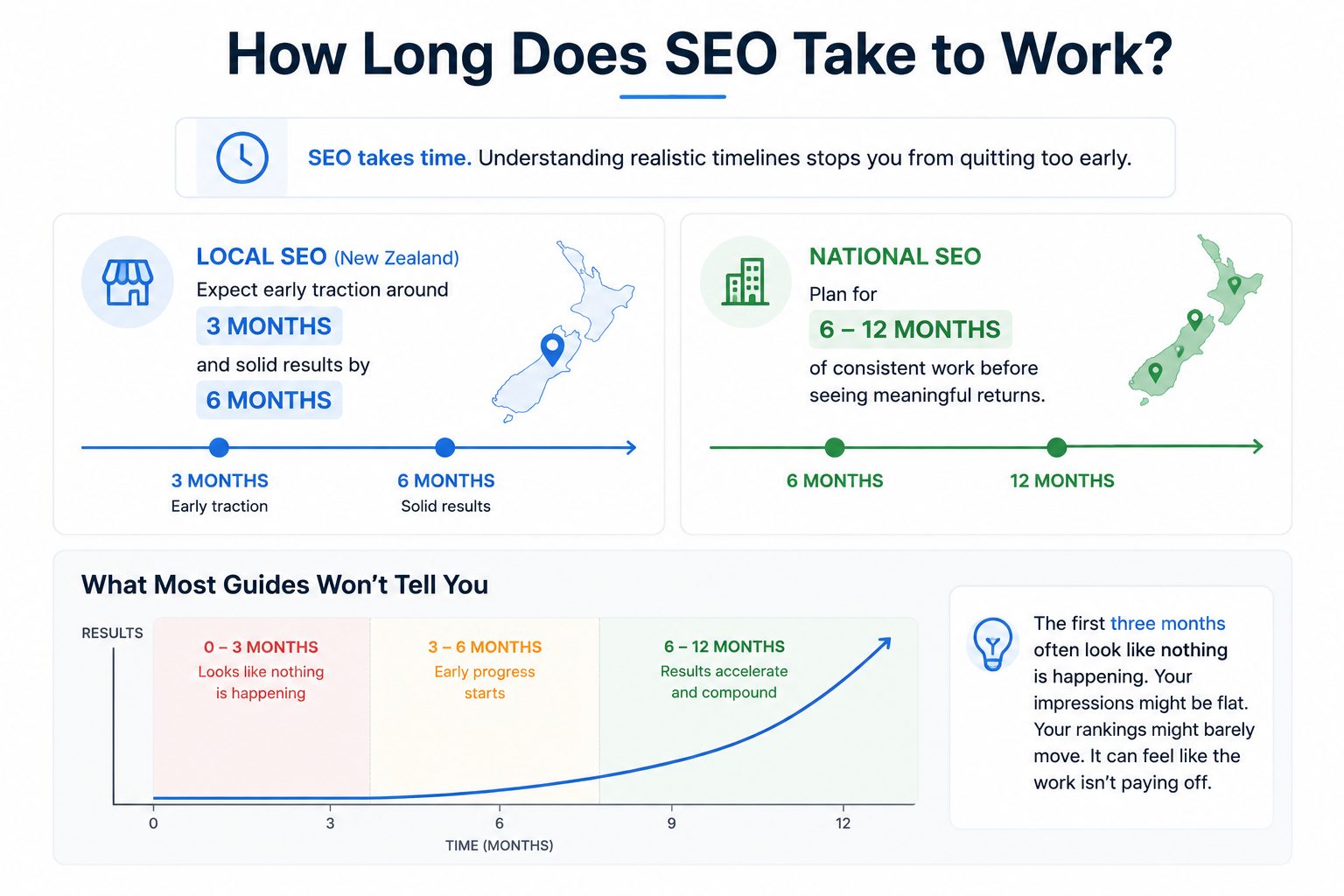
The exact timeline depends on where you’re starting from, how competitive your market is, and how consistently you execute.
That’s the honest answer — not a guarantee or a sales pitch, just what the data and real-world experience consistently show.
What Google Actually Says
Google has addressed this directly. In an official video, Google’s Maile Ohye said: “In most cases, SEOs need four months to a year to help your business first implement improvements and then see potential benefit.”
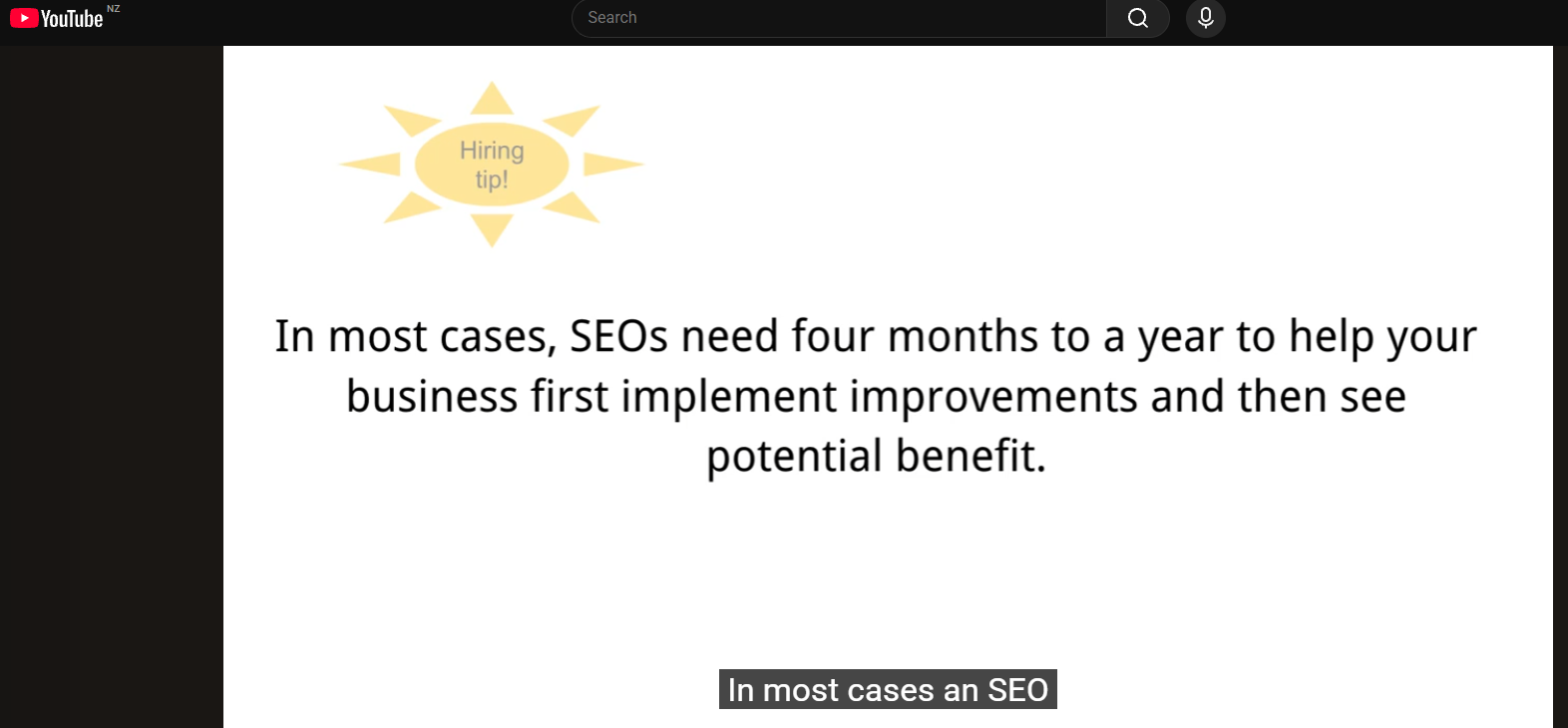
That’s straight from Google — not an agency trying to sell you something. Four months to a year. And notice she said “implement improvements” first, then “see potential benefit.” The work comes before the results.
What the Data Shows
Ahrefs ran a poll of 3,680 SEO professionals asking how long SEO takes to show results. The most common answer was 3 to 6 months.
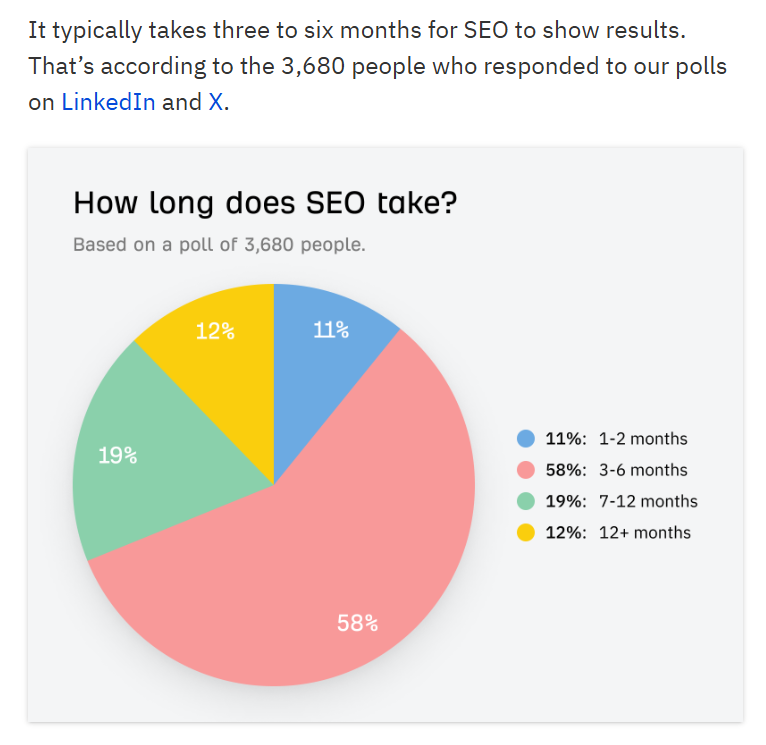
That aligns with what most practitioners see in the real world, including what I’ve seen across my own projects here in New Zealand.
Different Timelines for Different Situations
Not every business is starting from the same place. Here’s a rough guide:
| Scenario | Expected Timeline |
|---|---|
| Local SEO in a small NZ market (e.g., plumber in Hamilton) | 2–3 months for early traction |
| Local SEO in a competitive NZ market (e.g., dentist in Auckland) | 3–6 months |
| National SEO with a new website | 6–12 months |
| National SEO with an established website | 3–6 months |
| Highly competitive industry (e.g., law, finance) | 6–12+ months |
These are ranges, not guarantees. But they give you a realistic starting point for setting expectations.
What SEO Results Actually Look Like Month by Month
Most SEO timelines tell you what the SEO team is doing each month.
That’s useful for the person doing the work, but it’s not what you actually care about. You want to know: what should I expect to see happening with my website?
Here’s what that looks like in practice.
Month 1–2: Foundations
This is the setup phase. Your site gets audited. Keyword research happens. A strategy gets built. Technical issues get identified and fixed.
What you’ll see during this time: not much. Maybe some small fixes go live. Google Search Console gets set up if it wasn’t already.
This is normal. It’s like prepping the soil before planting — necessary work that doesn’t look like progress from the outside.
Month 2–3: Implementation Begins
Technical fixes start rolling out. Content gets published or improved. Your pages start getting optimised for the keywords you’re targeting.
What you’ll see: if you check Google Search Console, you might notice your impressions starting to rise. Impressions are how many times your site shows up in Google search results, even if nobody clicks yet.
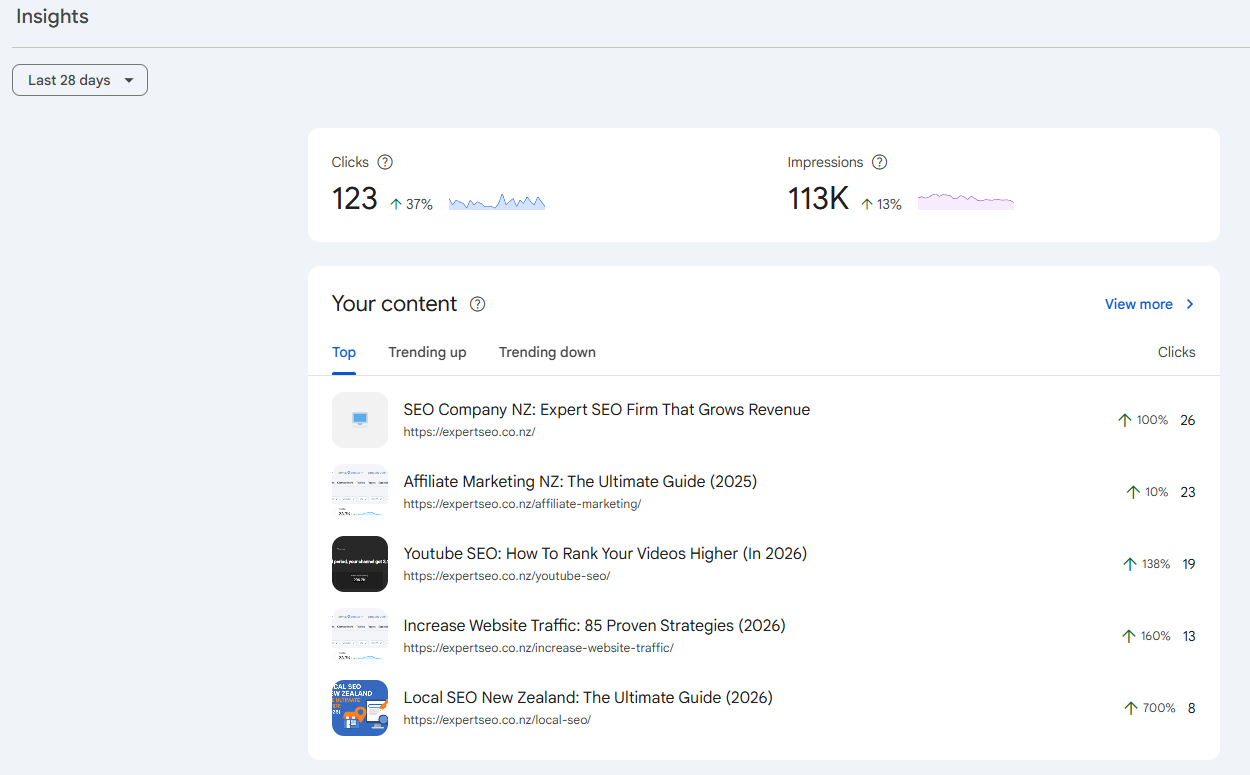
This is one of the earliest signs that your SEO is gaining traction.
Most business owners don’t check impressions. They only look at traffic. So they miss this early signal.
Month 3–4: Early Signals
Google has had time to crawl your updated pages and start re-evaluating them.
Rankings begin to move, especially for longer, more specific keywords (called long-tail keywords — things like “emergency plumber West Auckland” rather than just “plumber Auckland”).
What you’ll see: rankings fluctuating. A page might jump from position 40 to position 15, then drop to 22, then climb to 12.
This is normal. Google is testing your page against the competition. Don’t panic when you see movement in both directions.
Month 4–6: Traction
This is where things start to feel real. Lower-competition keywords begin hitting page one. Traffic starts to pick up. You might start getting enquiries that came from Google.
What you’ll see: actual visitors from organic search. Your Google Search Console will show clicks increasing alongside impressions. Some of your pages are now ranking consistently.
Month 6–9: Real Growth
Broader keywords start climbing. Traffic growth becomes more consistent month over month. The pages you built in months 2 to 4 are now established and gaining authority.
What you’ll see: real business impact. Leads coming through your website. Phone calls from people who found you on Google. Revenue you can directly trace back to SEO.
Month 9–12: Compounding
This is where SEO really starts to pay off. Every month of consistent work builds on the last. New content ranks faster because your site has built up authority. Your existing pages continue to grow in rankings and traffic.
What you’ll see: a snowball effect.
Traffic doesn’t just grow — it accelerates. Pages you published months ago keep bringing in visitors without any additional work. This is the compounding effect in action.
12 Months and Beyond: Scaling
By this point, the foundations are solid.
Content from the past year keeps performing. New content starts ranking faster because Google already trusts your site. This is where SEO becomes your most powerful marketing channel.
What you’ll see: predictable, growing traffic. Faster results from new content. More leads, more revenue, and a growing gap between you and competitors who aren’t doing SEO consistently.
Why Your First 3 Months Often Look Like Nothing Is Happening
The first three months of SEO typically show little visible change in traffic, even when the strategy is working correctly.
That’s because Google needs time to crawl, process, and re-evaluate your pages before rankings move.
This is the part nobody talks about, and it’s the reason so many business owners give up on SEO too early.
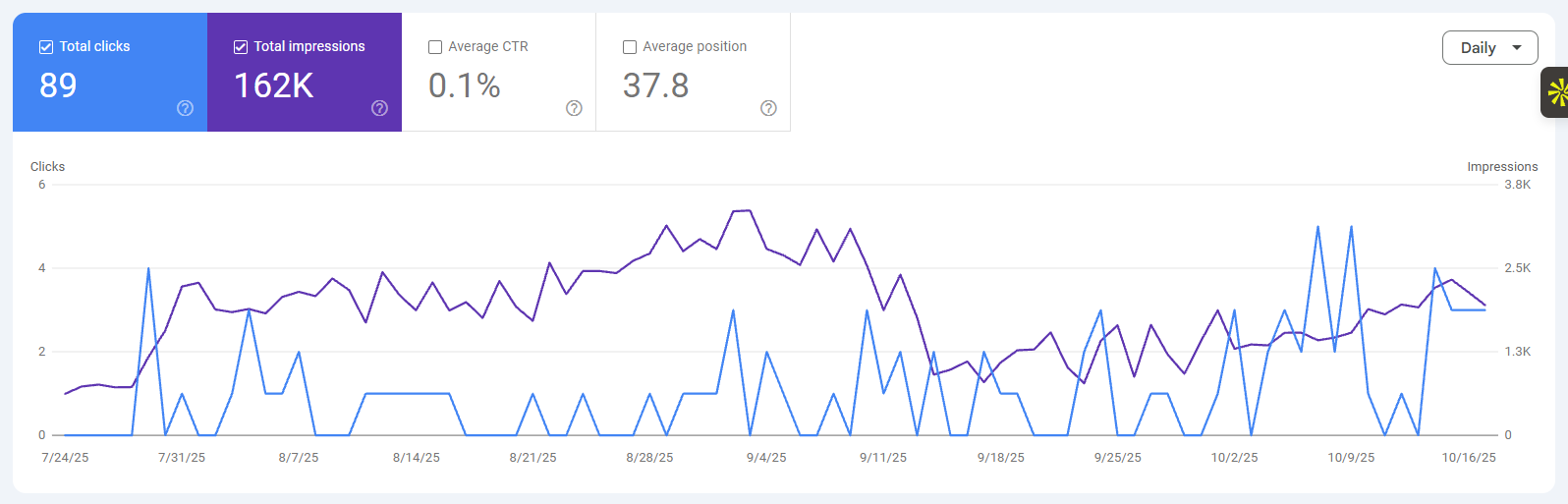
Your first three months will feel quiet. You might check your website traffic and see a flat line. You’ll wonder if anything is actually working. You might start questioning whether you’re wasting your money.
Here’s what’s actually happening during those early months.
Google needs time to crawl your site, process the changes, and re-evaluate your pages. For some pages, it takes weeks. For others, a couple of months.
Rankings don’t move in a straight line.
Google often pushes a page up, drops it back down, then moves it up again before settling on a final position. It’s testing how your content performs against the competition.
A temporary drop doesn’t mean your SEO is failing — it means Google is still making up its mind.
The key is knowing what to look for. Instead of watching traffic (which is the last thing to move), watch your impressions in Google Search Console. If impressions are trending up, Google is showing your site to more people. Clicks and traffic will follow.
Think of it like planting a garden. You prepare the soil, plant the seeds, and water consistently. For the first few weeks, the surface looks like bare dirt. But underneath, roots are forming. Growth is happening — you just can’t see it yet.
The businesses that succeed with SEO are the ones that trust the process through these early months. Those that quit at month two never get to see the results that were just around the corner.
What Affects How Long SEO Takes
Six main factors determine where you’ll fall within the 3 to 12 month range.
Your Starting Point
A brand-new website with no existing content, no backlinks (links from other websites pointing to yours, which act like votes of trust), and no history with Google is going to take longer than an established site that’s been live for years.
New domains need to build trust from scratch. Google’s John Mueller has said it can take up to a year for Google to figure out where to rank a new website.
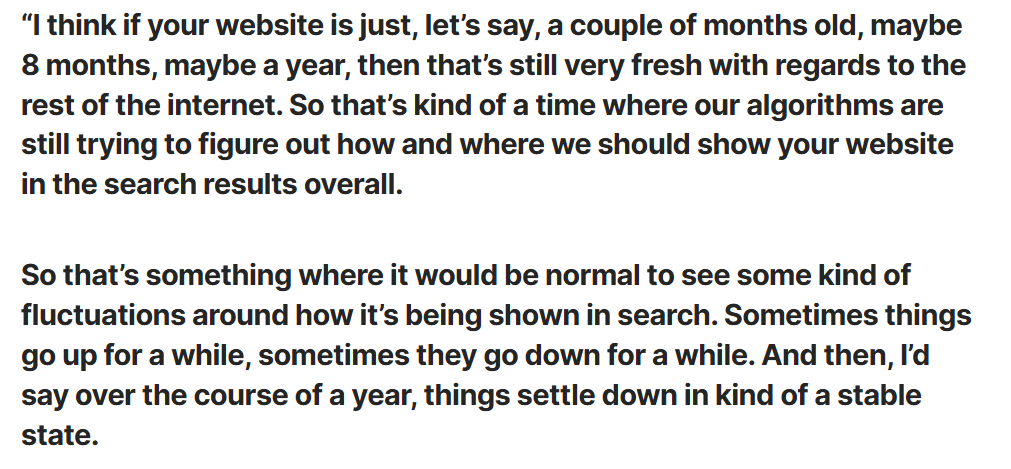
Meanwhile, an established site that’s never had proper SEO work done often sees faster gains because the foundations are already there — they just need to be optimised.
Your Competition
This one is straightforward.
If you’re a plumber in a small NZ town competing against three other plumbing websites, you’ll rank faster than a lawyer in Auckland CBD competing against 50+ firms that have been building their websites for a decade.
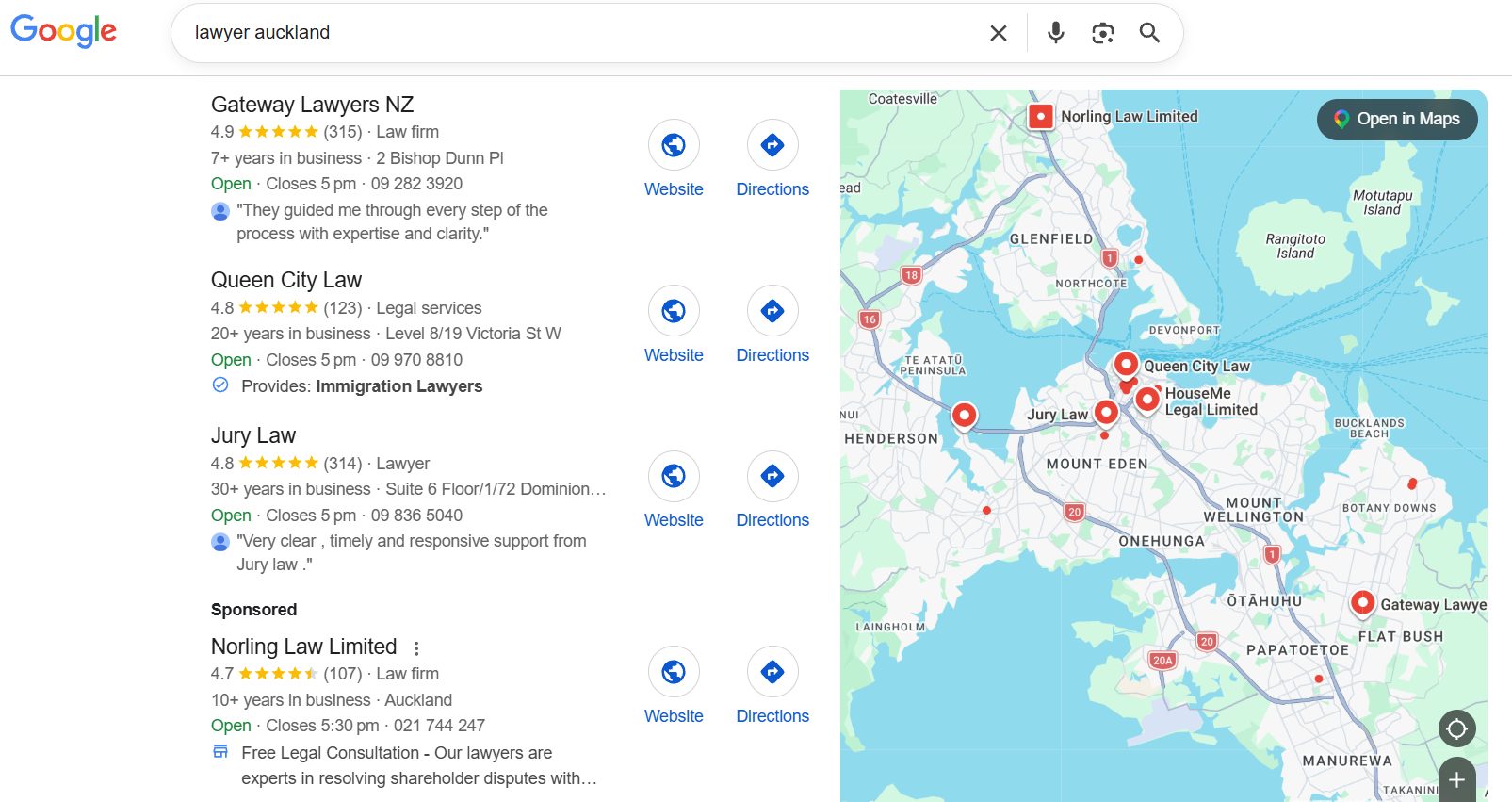
The more competitors investing in SEO for the same keywords, the longer it takes to break through. That’s why targeting specific, less competitive keywords first is one of the best ways to speed things up.
Your Content Quality
Generic, surface-level content takes longer to rank because Google has no reason to prefer it over what’s already out there.
Content that’s genuinely useful — content that answers real questions, provides step-by-step guidance, and includes real examples — tends to rank faster because it gives Google a clear reason to show it to searchers.
You’re not just matching the competition, you’re beating them.
Your Technical Health
If Google can’t properly crawl your website (meaning its bots can’t access and read your pages), nothing else matters. Broken links, slow loading speeds, mobile issues, and messy site structure all slow things down.
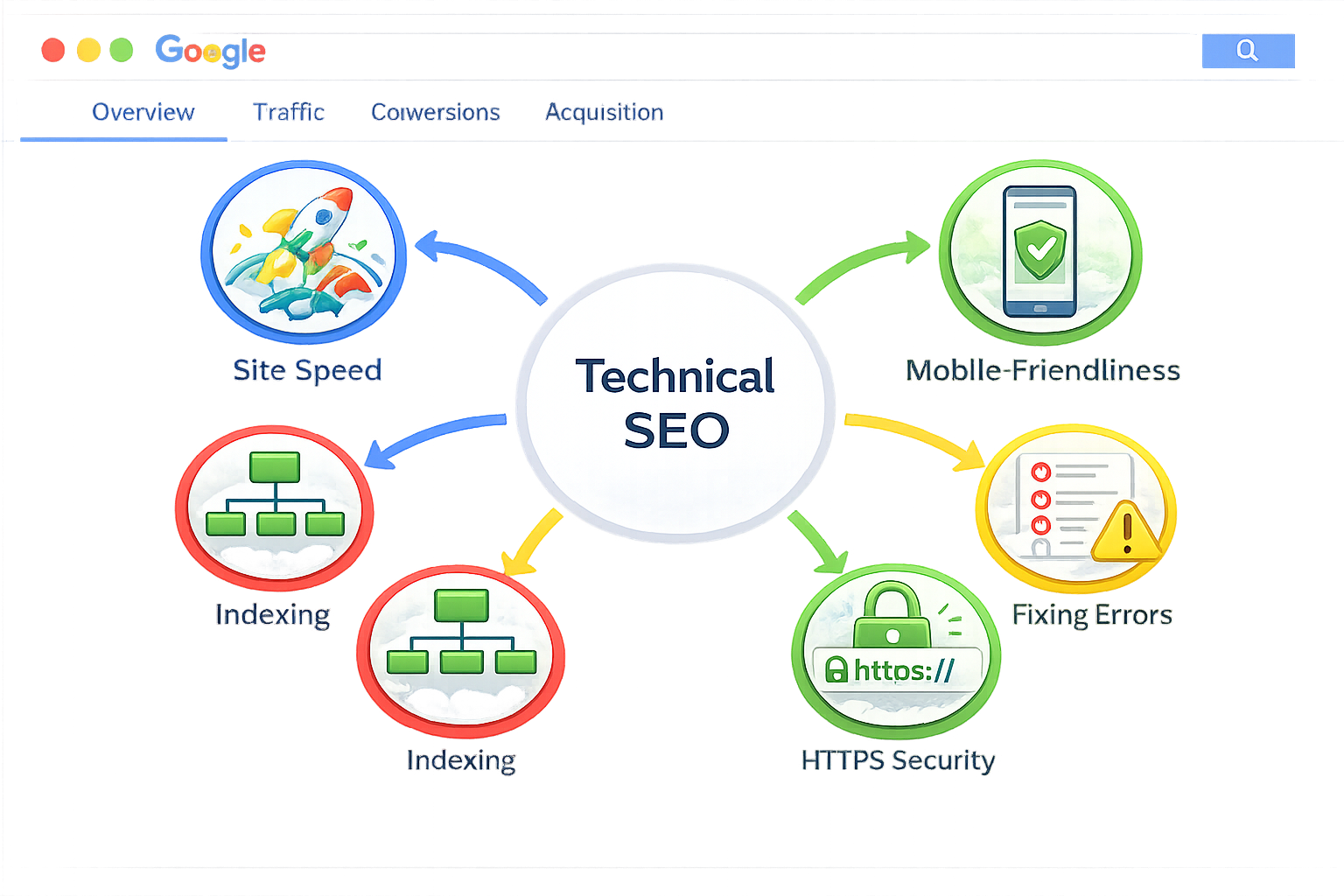
Think of it like trying to sell a house with a broken front door. The interior might be beautiful, but if nobody can get in to see it, it doesn’t matter.
Your Backlink Profile
Backlinks are one of the strongest ranking factors in SEO. A website with quality links from relevant, trusted sites will rank faster than one with no links at all.
Building links takes time because they need to come from real websites that genuinely reference your content. That’s why link building is an ongoing part of any good SEO strategy, not something you do once and forget about.
Your Consistency
SEO rewards consistency over intensity. Publishing content regularly, building links steadily, and maintaining your site over time will always outperform a burst of activity followed by months of silence.
The businesses that get the best results from SEO are the ones that treat it as an ongoing part of their marketing — not a one-off project they can set and forget.
How Long Does Local SEO Take in NZ?
Local SEO in New Zealand typically shows results in 2 to 3 months, with strong visibility by 6 months. That’s significantly faster than national SEO, and New Zealand’s smaller market makes it even more achievable.
Local SEO is how you show up when someone searches for a business in a specific area — things like “dentist Auckland” or “café Hamilton CBD.” It focuses heavily on your Google Business Profile, reviews, and location-specific content.
Why Local SEO Moves Faster
The map pack (those three business listings that show up at the top of local searches with the map) runs on different ranking factors than the regular organic results.
Google Business Profile optimisation, reviews, and local trust signals all build relatively quickly compared to traditional SEO ranking factors.
In most cases, you can set up and optimise a Google Business Profile in a few days. Getting a review system running takes a few weeks. Creating location-specific content can happen in the first month or two. These signals start working fast.
The NZ Advantage
Here’s something most international SEO guides don’t tell you: New Zealand’s smaller market is actually a massive advantage for local SEO.
“Plumber Lower Hutt” has far less competition than “plumber Los Angeles.” “Dentist Hamilton” is far easier to rank for than “dentist London.”
In many NZ suburbs and cities, you might only be competing against a handful of businesses that are actively doing SEO. That means you can often dominate local search results much faster than businesses in bigger markets.
A Realistic Local SEO Timeline for NZ
| Month | What Happens |
|---|---|
| Month 1 | Google Business Profile set up and optimised. Review collection starts. |
| Month 2–3 | Local keywords start moving. GBP listing begins appearing for searches. |
| Month 4–6 | Map pack visibility. Consistent enquiries from local search. |
| Month 6+ | Dominant local presence. Steady leads from Google. |
This timeline assumes consistent effort. If you set up your profile and then ignore it, the results will stall.
Real NZ Case Studies: How Long SEO Actually Took
Theory is useful. Real numbers are better. Here’s exactly how long SEO took across three real projects I’ve worked on.
HealthVI — From 0 to 20,000+ Monthly Visitors in One Year
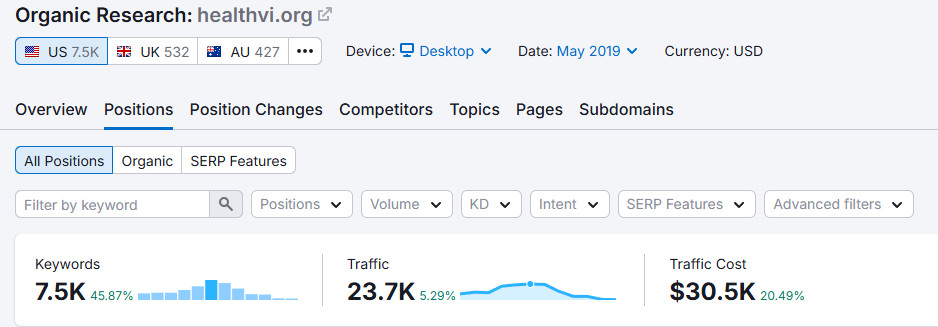
HealthVI was a health website that started from zero — no existing traffic, no established authority, nothing.
I followed a consistent SEO process — keyword research, content creation, on-page optimisation, and link building — and within about a year, it grew to over 20,000 monthly visitors. Eventually it reached over 1,500 visitors per day, with a traffic value exceeding $30,000 per month.
The first few months were slow. Traffic barely moved. But once the content started compounding, growth accelerated rapidly. That’s the pattern with SEO — slow, slow, slow, then fast.
Expert SEO — Ranking #1 for Multiple Keywords in 8 Months

My own SEO company, Expert SEO, launched from scratch into one of the most competitive niches in New Zealand — SEO services. I was competing against businesses that had been building their websites and authority for up to 10 years.
Within 8 months, the site was ranking #1 for multiple competitive keywords, with a monthly traffic value exceeding $3,000 and growing every month.
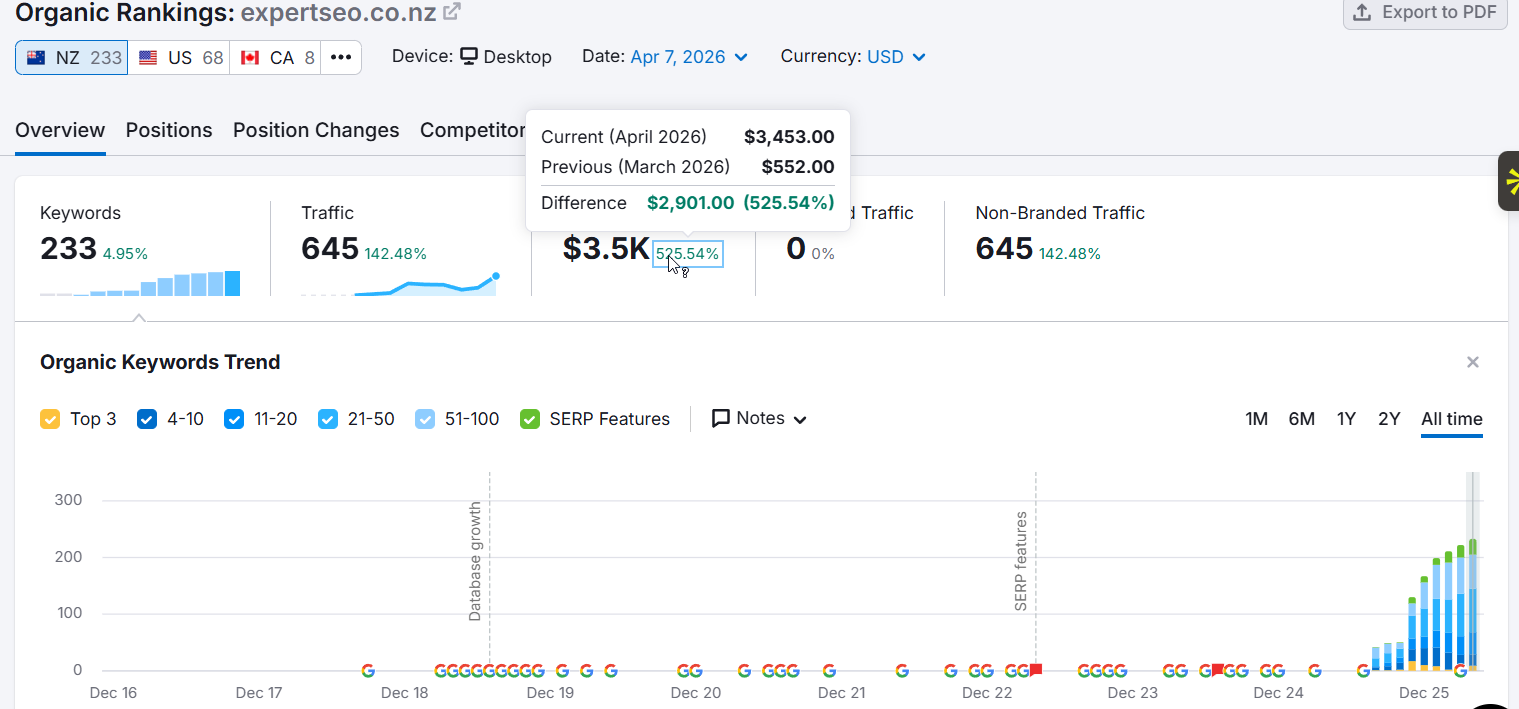
And here’s the thing — this was heavily under-optimised. I know there’s significantly more growth to come. Even without perfect execution, the results came because the fundamentals were done right and done consistently.
YouTube — 2,000 to 30,000+ Subscribers in One Year
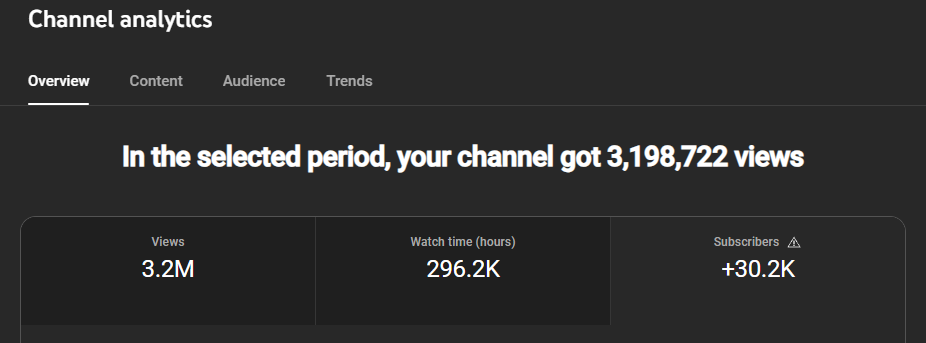
My YouTube channel grew slowly for six years, reaching about 2,000 subscribers.
Then I started applying proper SEO to the channel — optimising titles, descriptions, tags, and content strategy around what people were actually searching for.
In one year, the channel grew to over 30,000 subscribers and 3 million views. Same channel, same creator — the only difference was applying SEO properly.
The lesson here is that SEO applies beyond Google, and the gap between “doing SEO” and “doing SEO properly” is enormous.
Is SEO Worth the Wait?
If you’re going to be in business for more than a year, SEO is one of the smartest investments you can make. Here’s why.
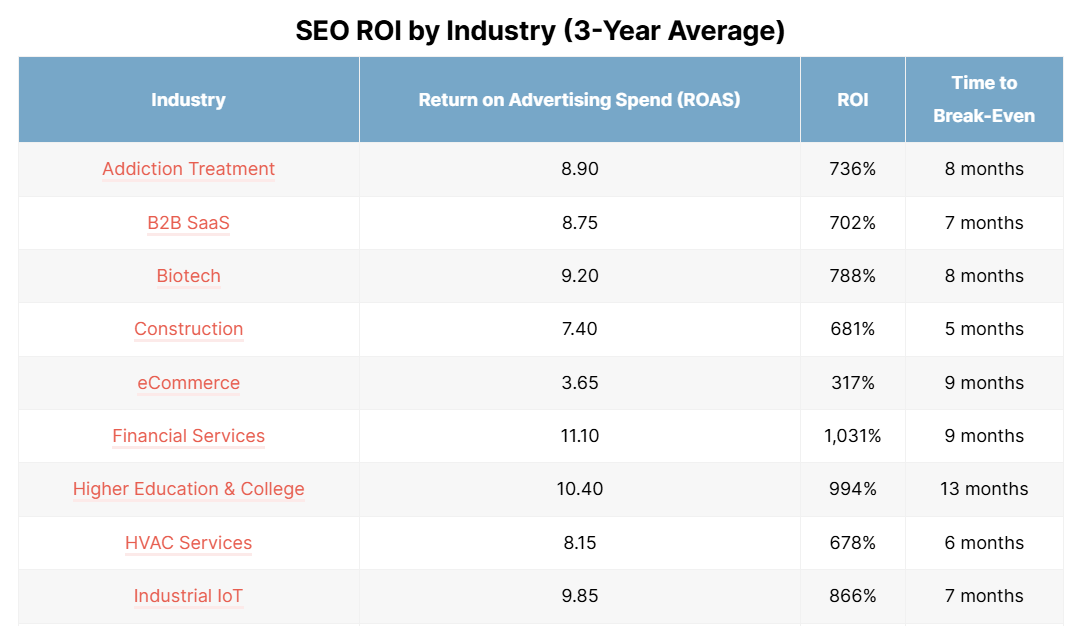
The median ROI for SEO is 748% — meaning businesses earn $7.48 for every $1 invested, according to First Page Sage’s 2026 data.
SEO leads close at a rate of 14.6%, compared to just 1.7% for outbound marketing.
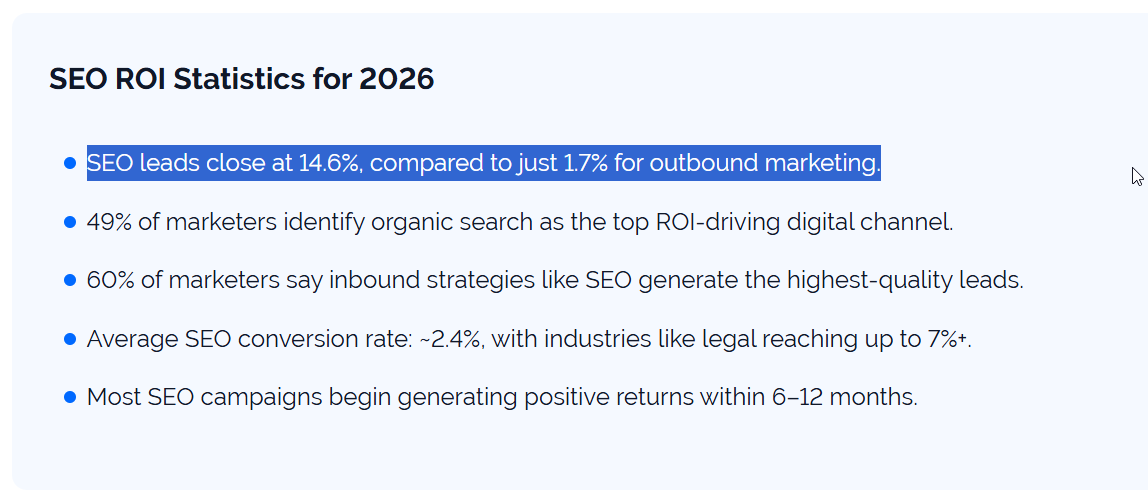
And organic search still drives over 53% of all website traffic globally.
These aren’t small numbers. SEO consistently outperforms most other marketing channels on a return basis.
And here’s why the “wait” is worth it: SEO compounds.
Paid ads are renting attention. The moment you stop paying, the traffic stops. SEO is building an asset you own.
Every piece of content you create, every link you earn, every month of consistent work adds to what came before. The snowball gets bigger over time.
With HealthVI, the first few months produced almost nothing.
By month 12, the site was getting over 1,500 visitors a day — without any additional spend. That traffic keeps coming because the content and authority are already built.
If you’re going to be running your business for the next year, three years, five years — why would you not invest in the marketing channel that compounds, generates the highest-quality leads, and builds your brand at the same time?
How to Speed Up Your SEO Results
You can’t hack your way to page one overnight. But you can make smart decisions that shorten the timeline.
Target low-competition keywords first. Instead of going after “lawyer Auckland” from day one, start with specific, less competitive terms like “family lawyer Ponsonby” or “how much does a lawyer cost NZ.”
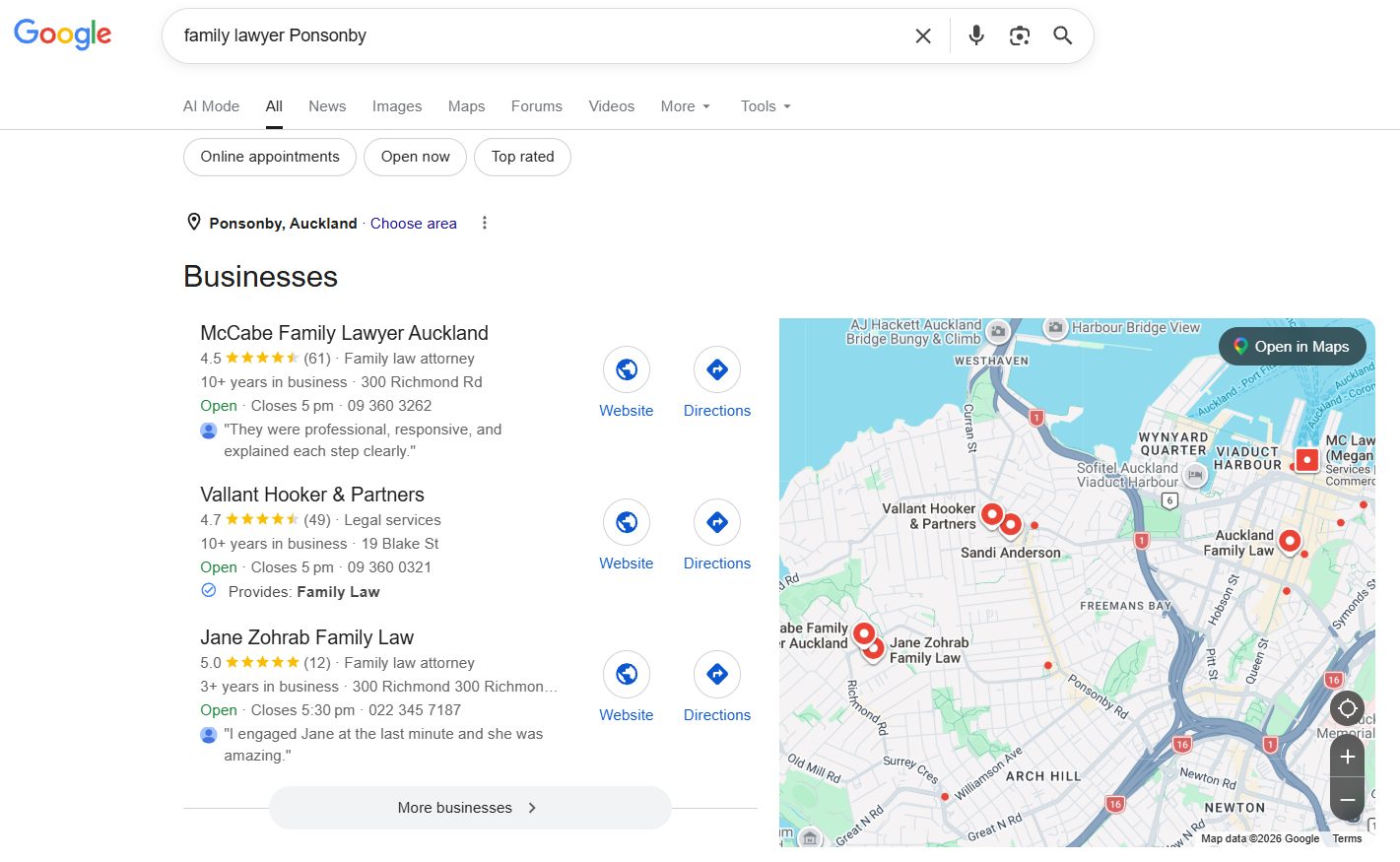
These are easier to rank for and start driving traffic while you build authority for the bigger terms.
Fix technical issues early. Broken links, slow page speed, mobile issues — these are blockers. Get them sorted in the first month. If Google can’t crawl your site properly, nothing else you do will matter.
Create genuinely useful content. Not more content — better content. One comprehensive, well-structured page that answers a real question will outperform ten thin pages every time. That’s what good content marketing looks like.
Build your Google Business Profile and get reviews. For local businesses, this is the fastest path to visibility. A fully optimised GBP with consistent reviews can start driving results within weeks.
Build quality backlinks. Focus on relevant, trustworthy websites. One link from a legitimate NZ business directory or industry site is worth more than 100 links from random overseas websites.
Be consistent. Publish regularly. Build links steadily. Don’t do a burst of activity then disappear for three months. SEO rewards the businesses that show up consistently.
What Happens If You Stop Doing SEO?
The compounding effect works both ways.
When you keep going, SEO builds on itself — every month of work makes the next month stronger. But when you stop, the opposite happens. Not immediately, but gradually.
Your competitors don’t stop. They keep publishing content, building links, and improving their websites. Google keeps updating its algorithms. Your content starts going stale. Technical issues accumulate if nobody is maintaining the site.
Rankings don’t disappear overnight. But they decay. The gap you worked hard to close starts reopening. And the longer you leave it, the harder it is to recover the ground you’ve lost.
It’s like going to the gym. Six months of consistent training builds real fitness. Stop for three months and you lose most of it. Getting back to where you were takes almost as long as getting there the first time.
If SEO is working for your business, keep going. The cost of maintaining momentum is far less than the cost of rebuilding it from scratch.
SEO Timeline Myths That Cost NZ Businesses
There’s a lot of bad information out there about how long SEO takes. Here are the myths that trip up NZ business owners the most.
“SEO should work in 30 days.” It shouldn’t. Even Google says 4 to 12 months. If an agency promises you page-one rankings in 30 days, that’s a red flag. Either they’re targeting keywords nobody searches for, or they’re using tactics that will hurt your site long-term.
“More content means faster results.” Wrong. Publishing 50 thin blog posts in a month won’t help you rank. In fact, Google has repeatedly penalised sites that publish large volumes of low-quality content. Quality and relevance always beat volume.
“Once you rank, you stay there.” Not how it works. Rankings shift constantly. Competitors improve. Google updates its algorithms. Content goes stale. Staying at the top requires ongoing effort, not a one-off push.
“Paying more guarantees faster results.” Budget helps — it lets you do more, faster. But throwing money at bad strategy won’t speed anything up. The businesses that get results fast are the ones with the right strategy and consistent execution, not necessarily the biggest budgets.
When to Do It Yourself vs Hire an SEO Expert
You’ve got the information. Now you’ve got two clear paths.
Option 1: Do it yourself. Follow the steps in this guide and our SEO checklist. Put in the time. Learn as you go. Expect a learning curve and some trial and error. This works best if you’ve got more time than budget and you’re willing to invest the hours to learn.
Option 2: Work with an SEO expert. If you want faster, more predictable results without having to figure everything out yourself, outsource it. You get strategy, execution, and ongoing optimisation handled by someone who does this every day.
We help businesses across New Zealand with SEO services, including:
- SEO Agency Auckland
- SEO Agency Hamilton
- SEO Agency Tauranga
- SEO Agency Christchurch
- SEO Agency Wellington
- SEO Agency Queenstown
If you’re happy to DIY, use this guide and work through it properly. If you want it done right and done faster, that’s where we come in.
How Long Does SEO Take? FAQ
How long does it take for SEO to show results?
SEO typically takes 3 to 6 months for early traction and 6 to 12 months for significant results. Local SEO in New Zealand can show movement in as little as 2 to 3 months with proper setup and consistent effort.
How long does SEO take for a new website?
Longer than an established site. New websites need to build trust with Google from scratch, which means there’s limited backlink history, no branded search demand, and no performance data. Expect 6 to 12 months for meaningful traction. Targeting low-competition keywords first helps speed things up.
How long does local SEO take?
Faster than national SEO. In New Zealand, most local businesses start seeing results in 2 to 3 months when they properly set up their Google Business Profile, start collecting reviews, and create location-specific content. The NZ market is smaller and less competitive than international markets, which works in your favour.
How long does SEO take to pay for itself?
Typically 6 to 12 months, depending on your industry and competition. Positive ROI from SEO campaigns usually arrives in the first year, with peak results in the second and third year as the compounding effect kicks in. Once it’s working, SEO becomes one of the most cost-effective marketing channels available.