

Backlinks are one of the biggest factors in how you rank on Google — and one of the more confusing corners of SEO to get your head around.
This guide keeps it simple. You’ll learn exactly what backlinks are, why they matter so much for SEO, and why getting them in New Zealand is genuinely harder than the overseas guides admit.
Then the practical stuff: where to actually get backlinks here, how to spot the scams that waste your money or land you a penalty, and how to check whether your links are doing anything.
I’ll also show you how I earned a backlink from a site pulling over 600,000 visitors a month, with a Domain Rating of 89 on Ahrefs — and what it taught me about the links actually worth chasing.
What Are Backlinks?
A backlink is a hyperlink on another website that points to yours. If the local business directory links to your homepage, that’s a backlink. If a supplier lists you as a stockist and links your site, that’s a backlink too.
The mental model that sticks: a backlink is a vote. When one site links to another, it’s effectively saying “this is worth a look.” Google counts those votes — and weighs them — to work out which pages deserve to rank.
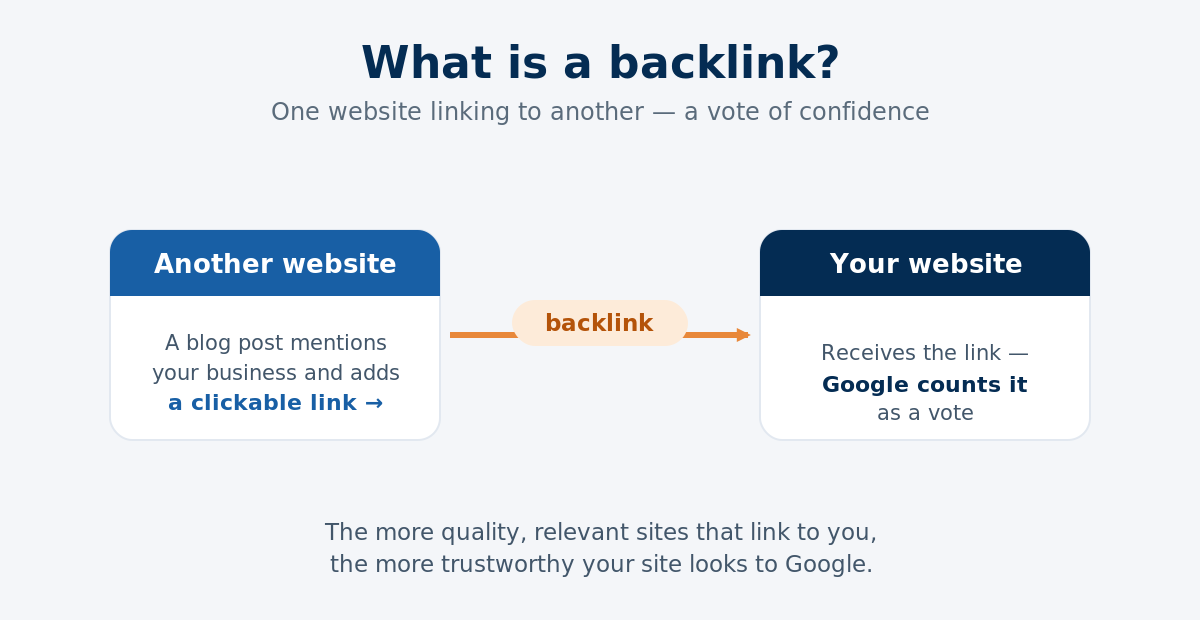
You’ll see the same thing called a few different names: an inbound link, an incoming link, or an external link. They all mean the same thing — someone else’s site pointing at yours.
One quick distinction, because it trips people up. A backlink comes from another website to you. An internal link is you linking between your own pages. Both matter, but only one is a vote from someone else — and that’s the one this guide is about.
Why Are Backlinks Important?
Backlinks matter because they’re one of the strongest trust signals Google has. A page with lots of quality, relevant links pointing at it looks established; a page with none looks like it’s talking to an empty room.
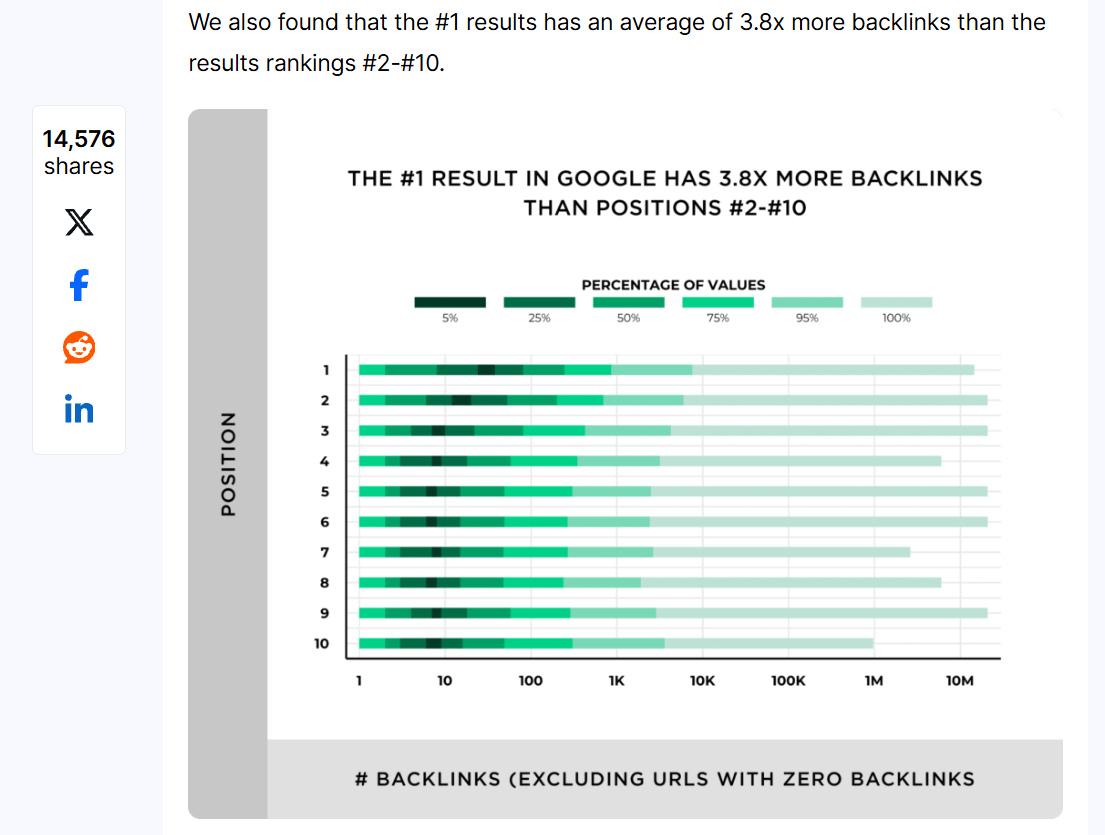
The data backs this up. Backlinko’s analysis found the pages sitting in Google’s top 10 have, on average, 3.8x more backlinks than the pages ranking below them.
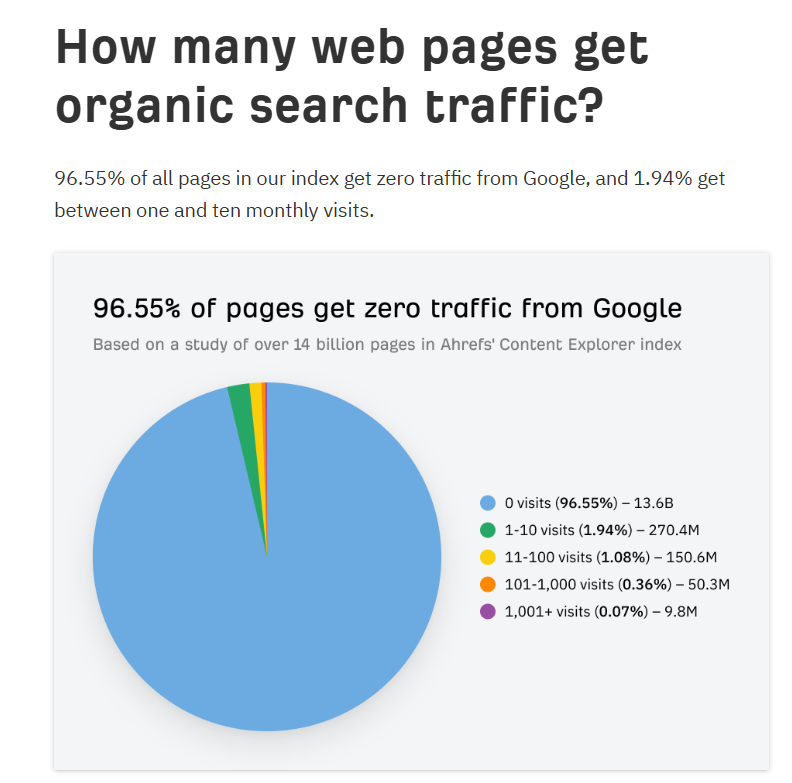
The flip side is brutal. Ahrefs found that over 90% of pages get no organic traffic from Google at all — and the single biggest reason is a total lack of backlinks. No votes, no trust, no rankings.
Backlinks do two more jobs worth naming. They send referral traffic — a link on a busy, relevant NZ site sends real humans your way, not just ranking signal. And they increasingly feed AI visibility: AI search tools lean on sources they trust, and links are a big part of how trust gets measured. More on that later.
So links aren’t busywork you get around to later. For most sites, they decide whether you show up on Google or stay invisible on it.
What Makes a Good Backlink?
Not all links are equal. A single link from a trusted, relevant site can be worth more than a hundred from spammy directories — so aim for quality, not a bigger number.
A few factors decide the difference.
Authority of the linking site. A link from an established, trusted website carries more weight than one from a site nobody’s heard of. You’ll see this measured as Domain Rating (Ahrefs) or Domain Authority (Moz) — a rough 0–100 score for how strong a site is.
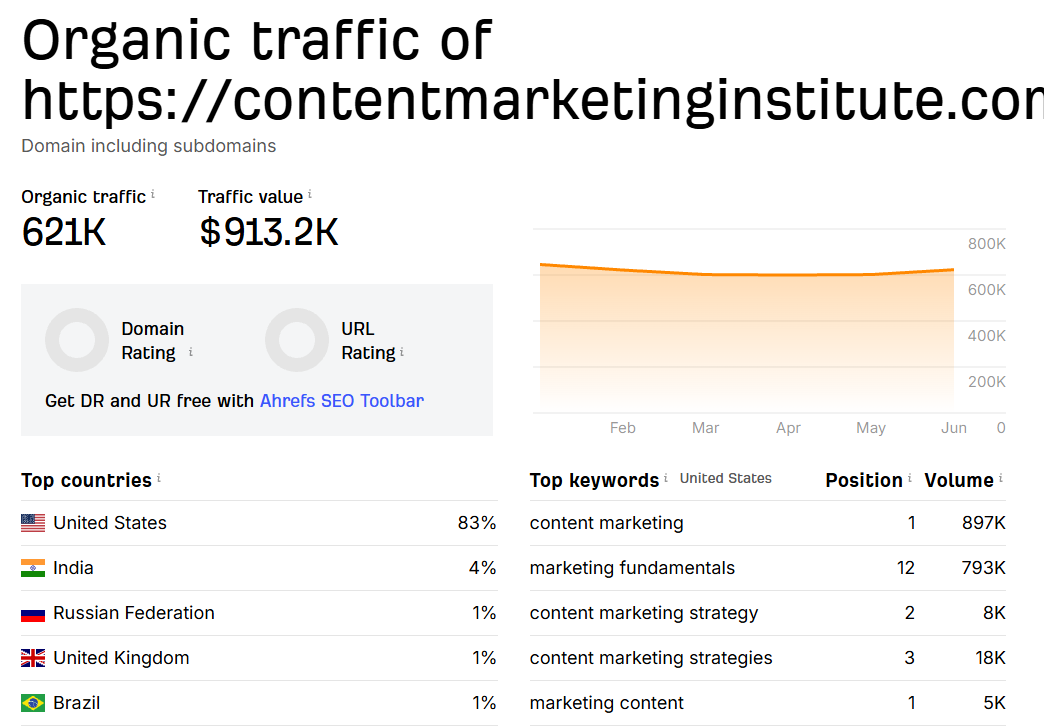
Take the Content Marketing Institute, where some of my own work has been featured.

That feature is a link from a site with a Domain Rating of 89 and over 600,000 visitors a month on Ahrefs — so it carries the weight of somewhere the whole industry already listens to.
Topical relevance. A link from an NZ business or marketing site means far more to us than one from an unrelated cooking blog. Google reads relevance as a signal that the vote is genuine.
Anchor text. That’s the clickable words the link sits on. Natural, descriptive anchor text — like New Zealand SEO agency — helps; stuffing the same exact keyword into every link looks manipulative and can backfire.
Placement. A link worked into the main body of an article beats one buried in a footer, a sidebar, or an author bio. The more it looks like a genuine editorial mention, the more it’s worth.
Dofollow vs nofollow. By default, links pass authority — those are “dofollow.” A “nofollow” tag (used on many social, sponsored, and user-generated links) tells Google not to pass ranking credit. Nofollow links still have their place for traffic and discovery, but the ones that move rankings are dofollow.
Run any link you’re chasing through those five. If it’s from a relevant, trusted site, sits in real content, and reads naturally — that’s a good backlink.
Types of Backlinks
Backlinks come in three broad types, sorted by how they’re earned. Value tends to drop as you move down the list.
Editorial (earned) links. Someone links to you because your content is genuinely useful — no asking required. These are the gold standard, because they’re the hardest to fake.
The best proof I can give you is one from a competitor. A rival agency linked to one of our guides — not because we asked, but because the content was the best reference for the point they were making. When someone you compete with sends a link your way, the content did the work.

Manual outreach links. You ask for them: guest posts, digital PR, building relationships with other site owners in your space. Legitimate, effective, and the backbone of most link building.
Self-created links. You place them yourself — directory listings, forum profiles, social bios. They’re easy to get, which is exactly why they carry the least weight. Fine in small doses for consistency and discovery; useless as a whole strategy.
A quick note on what’s gone stale. Mass directory submissions, blog-comment spam, and link exchanges (“you link me, I’ll link you”) were tactics a decade ago. Today they do little, and at scale they can actively hurt you.
How Many Backlinks Do You Really Need?
There’s no magic number — and for most New Zealand businesses, it’s far lower than the US blogs imply. In a normal-competition NZ niche, a handful of quality, relevant links will move you. You’re not trying to beat Wikipedia; you’re trying to look more trusted than the other local sites you’re up against.
First, a myth to kill: “5,000 backlinks” means almost nothing. What matters is referring domains — the number of separate websites linking to you — not the raw link count. One site can link you 5,000 times and it still counts, roughly, as one vote.
Here’s a real example. This dead TradeMe page holds 980 backlinks — but they come from just 50 referring domains. Fifty votes, not 980.

Second, competition sets the bar — not a universal target. The head term “backlinks” is brutally hard: Ahrefs pegs it at keyword difficulty 84 and estimates you’d need around 455 referring domains to crack the top 10, because it’s fighting global giants.
Your local service keyword — “mortgage broker Tauranga,” say — needs a tiny fraction of that.
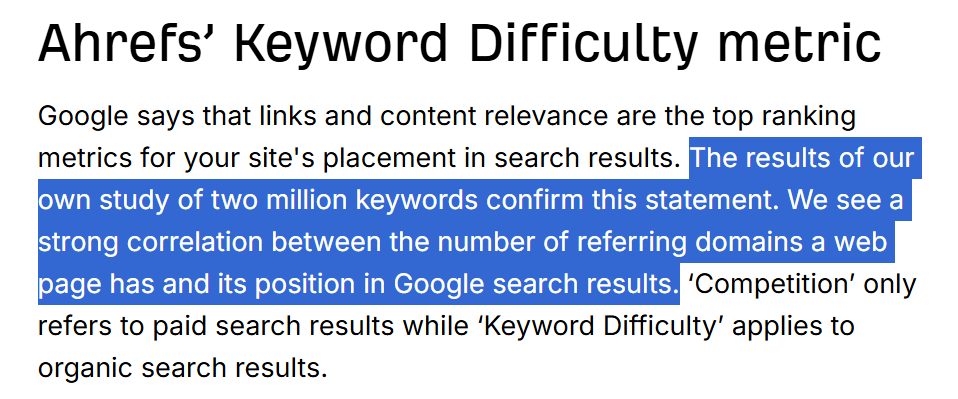
Want proof volume isn’t everything? A New Zealand agency’s blog post on this exact topic ranks on page one for “backlinks” with a Domain Rating of 18 and a single referring domain. One link, done relevantly, beat sites with thousands. Usefulness and relevance carried it.

The honest answer to “how many do I need,” then: enough quality, relevant links to out-trust your actual competitors. In a lot of NZ niches, that’s single digits.
Why Getting Backlinks in New Zealand Is Hard
Here’s the part the overseas guides skip: New Zealand is a small market, and that makes link building genuinely harder here than the US playbooks let on. There are simply fewer sites, fewer publications, and a much smaller pool of high-authority local domains to earn links from.
The local media is thin, too — a handful of major outlets, some regional papers, a bit of trade press, and they’re all picky about who they cover. Everyone’s fishing the same small pond: the same directories, the same associations, the same Chamber of Commerce. Relevant local links are limited, and you’re competing with every other NZ business for them.
The US “build thousands of links” advice assumes a giant web of sites that we just don’t have. Copy it here and you’ll either come up empty or resort to buying junk.
The upside is real, though. Because every NZ competitor faces the same squeeze, you don’t need many links to get ahead — a few genuinely good local ones go a long way. Which is exactly what the next section is about.
Where to Get Backlinks in New Zealand
The best NZ backlinks come from places you already have a reason to be — local, relevant, and real. You don’t need a global outreach machine; you need to work the sources on your own doorstep. Here’s where to start.
Local and NZ directories. Getting listed in the directories that matter (and your Google Business Profile ecosystem) builds a base of local citations. Whitespark’s data shows the average small business has around 37 directory citations feeding its local visibility. These won’t rocket you up the rankings on their own, but they’re table stakes for looking legitimate.

Industry associations and your local Chamber of Commerce. A .nz industry body or regional Chamber — the Canterbury Chamber for a Christchurch SEO push, say — is relevant, trusted, and often links its members. That’s a genuine, defensible link most competitors never bother to claim.
Suppliers, partners, and the local community. Ask suppliers for a stockist or partner-page link. Sponsor a local club, event, or charity — the sponsor page usually links back, and it’s a real relationship, not a bought one. This is where local link building actually differs by city: a Queenstown SEO play might lean on tourism operators and event sponsorships, while an Auckland SEO campaign for a law firm leans on professional bodies and business associations.
Local and regional media. A mention in Stuff, the Herald, or your regional paper is a powerful link. You earn it with something newsworthy — a local milestone, a bit of original data, an expert comment. This is digital PR, and it works just as well for a Wellington SEO campaign as it does for a national one.
Guest posts and outreach. Writing a genuinely useful article for a relevant publication earns you a link and puts you in front of their audience. This kind of outreach is a big part of what our SEO services involve — it’s how we earned a link to our local SEO guide from BizWin, a guest contribution that put the link somewhere relevant and real.
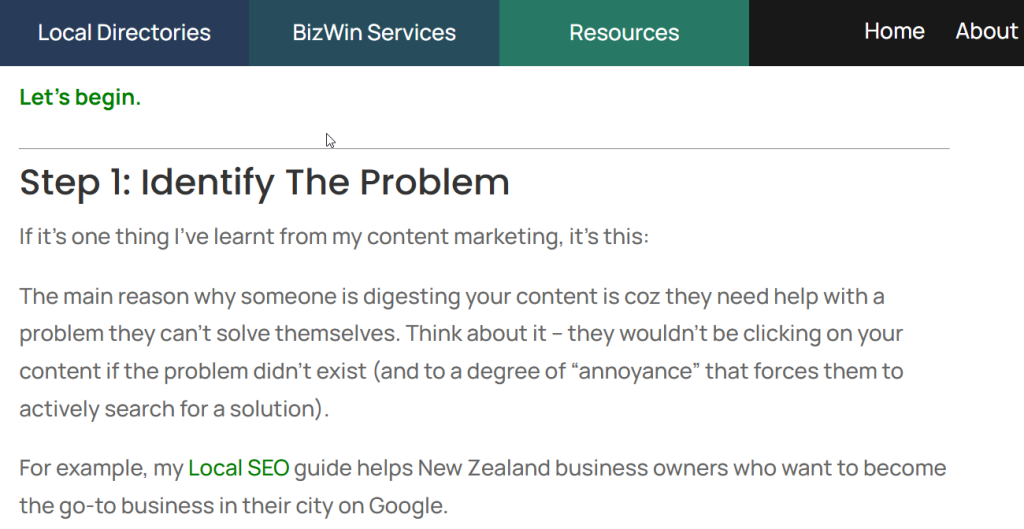
Linkable assets. This is the one that compounds: create something worth citing — original research, a genuinely useful local guide, a free tool — and links come to you. It’s how that competitor ended up linking to us. Slower to build, but it earns links while you sleep.
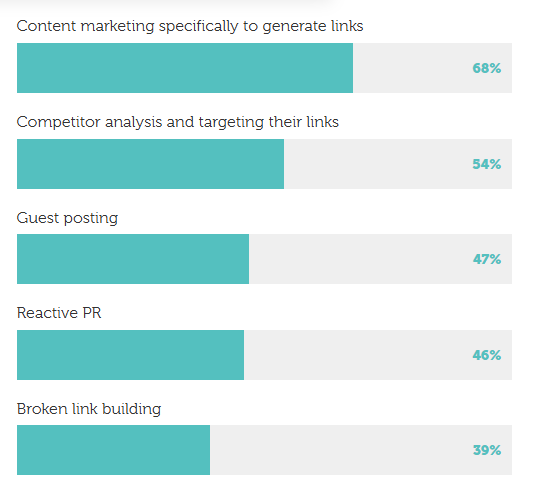
If you look at what actually works across the industry, content and outreach dominate. Aira’s State of Link Building survey has content marketing (68%), competitor analysis (54%), and guest posting (47%) as the top tactics — the boring, durable stuff, not the shortcuts.
Starting from zero? If your site has no authority yet, don’t overthink it. Claim your Google Business Profile and the core local directories, join one relevant association, get one supplier or partner link, sponsor one local thing, and publish one genuinely useful page worth linking to. Five real links beat five hundred fake ones — and that’s a fortnight’s work, not a career.
How to Spot and Avoid Backlink Scams
If someone offers you thousands of backlinks for the price of a lunch, walk away. Those links do nothing at best, and at worst they earn you a Google penalty that’s a nightmare to undo.
You’ve seen the offers. Search “backlinks” and the marketplace results are full of them — Fiverr gigs promising hundreds of links for pocket change, listings for “5000 SEO Backlinks” at around NZ$53, “100 Unique Domains Do Follow Backlinks” for NZ$418, bulk foreign links by the thousand. It looks like a bargain. It’s a trap.
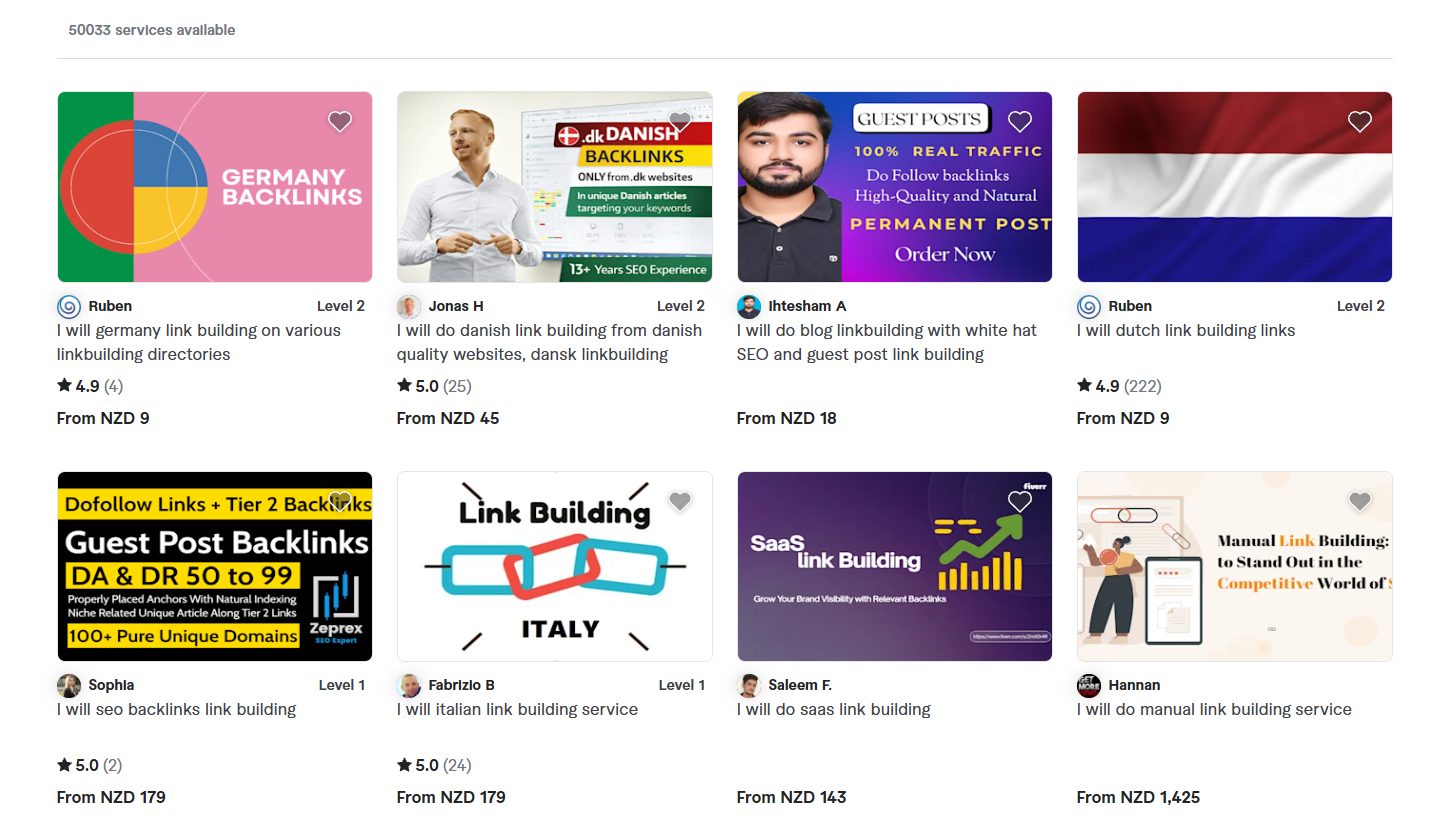
Here’s why it backfires. Buying links breaks Google’s spam policies on link schemes outright. Best case, the links are ignored and you’ve burned your money. Worst case, you get hit with a manual action or a spam-update demotion, and your rankings fall off a cliff.
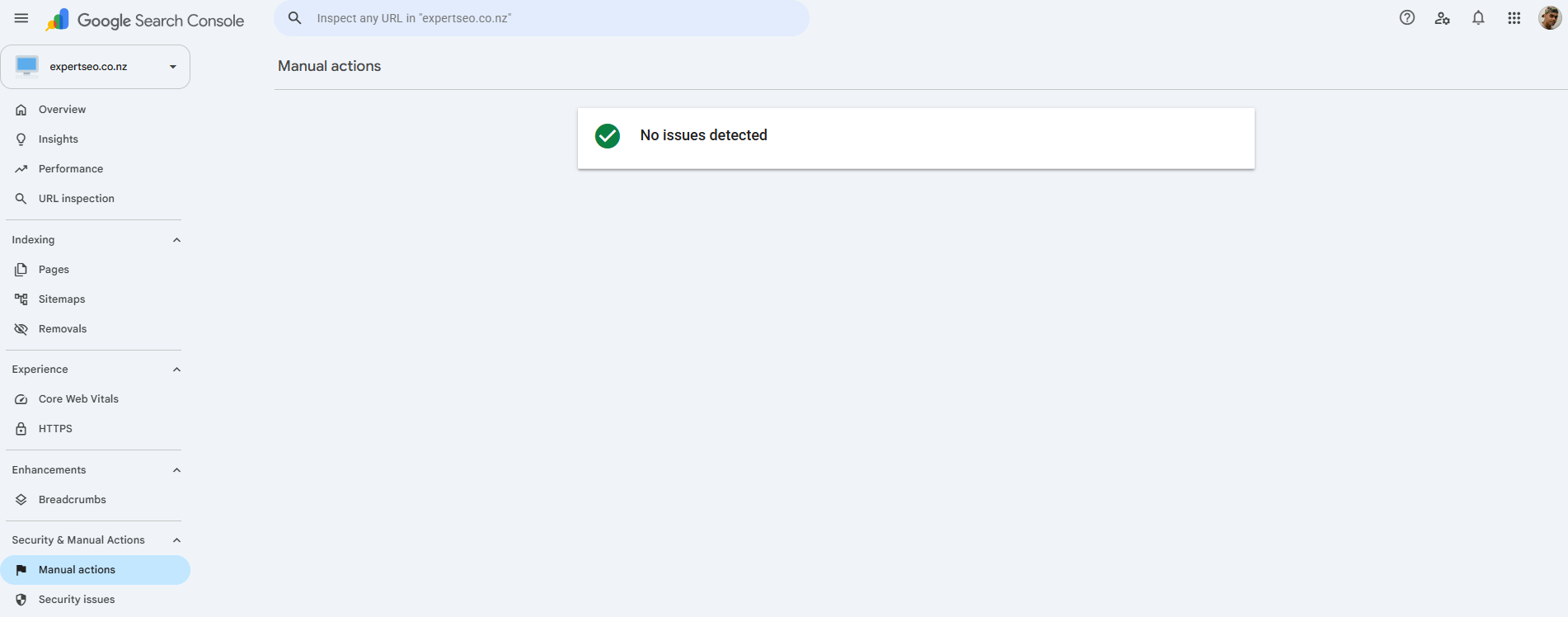
The same warning covers private blog networks (PBNs), link exchanges, and comment spam. They’re all variations of “faking votes,” and Google has spent fifteen years getting good at spotting them.
So what does a real link actually cost? Legit link building is a cost in time and relationships, not a $5 bulk buy. Digital PR, guest posts, and building linkable assets take effort — which is the whole point. Even the black-market rate tells the story: Wikipedia cites the average cost of buying a link at US$291–$391 back in 2019, a world away from the dollar-a-link junk. If it’s cheap enough to be tempting, it’s cheap enough to be worthless.
And yes, bad links can hurt you — but you’ve usually got options (more on removing them shortly).
How to Check Your Backlinks
You can see who links to you for free — no paid subscription required to get started. The quickest first-party option is Google Search Console: under Links, it shows your top linking sites and the pages they point to, straight from Google.

For a fuller picture, the free backlink checkers from Ahrefs and Semrush let you look up any site — yours or a competitor’s.
They’ll show you referring domains, the authority of each linking site, the anchor text used, and whether links are dofollow or nofollow. The free tiers are limited, but they’re plenty to get oriented.
The real trick is checking competitors. Run a rival through a backlink checker, see who links to them, and you’ve got a ready-made list of sites that might link to you too — directories, associations, and publications that already cover your industry. Their backlink profile is your prospect list.
How to Tell If Your Backlinks Are Working
Judge your links by outcomes, not by a counter ticking up. A backlink is doing its job if it grows your referring domains over time, sends real referral traffic, or lifts the rankings of the page it points at. Watch trends, not vanity totals.
Referring domains over time. This is the number to watch — a steady climb in separate sites linking to you, tracked in Ahrefs or Semrush. It matters far more than your total backlink count.

Referral traffic. Check Google Analytics for actual visits coming from the linking site. A good link on a busy, relevant page sends people, not just ranking signal.
Ranking movement. Did the linked page climb for its target terms after the link landed? Google Search Console’s performance report will tell you. That’s the outcome you’re actually paying for.
One caution: give it time — links rarely move rankings overnight.
Are Backlinks Still Worth It in the Age of AI Search?
Yes — and now they’re pulling double duty. Backlinks remain a core Google ranking signal in 2026, and they’ve picked up a second job: helping AI search tools decide which sources to trust and cite.
“Backlinks are dead” gets repeated every couple of years, and it’s wrong every time. What’s changed is the emphasis — relevance and genuine authority now matter more than raw volume. The spammy shortcuts died; the fundamentals didn’t.
The AI angle is the new part. AI Overviews and tools like ChatGPT lean heavily on sources they consider trustworthy, and a strong backlink profile is a big part of how that trust gets built.
Even Google is blunt that the old rules still apply: its own documentation confirms good SEO is still the foundation for showing up in generative AI search.

So the reader worried that SEO is a dead end in the AI era can relax. The channel is shifting, not vanishing — and links are still one of the levers that decide who gets seen, whether that’s in ten blue links or an AI summary.
How Long Do Backlinks Take to Work?
Most backlinks take weeks to months to show up in your rankings, and the effect builds rather than spikes. Google has to find the link, index it, and weigh it against everything else before it moves the needle.
The sequence looks like this: the link goes live, Google crawls and indexes it, then it gradually factors into how the target page ranks. A single strong, relevant link can matter more than a rush of weak ones — quality compounds, quantity clutters.
Set your expectations accordingly. The first month or two of link building can look like nothing’s happening, right up until it does. Earned links keep paying off long after they land — that CMI mention and the competitor link weren’t one-off hits; they’re still vouching for us today. Patience is the job here.
Final Thoughts
Getting high-quality backlinks is one of the hardest parts of SEO — if not the hardest. It’s hard because it’s relentless: the same outreach, the same asks, the same follow-ups, over and over, for a single link at the end of it. You can send a hundred emails and earn one backlink for the effort.
That grind is exactly why the links you do earn are worth so much. A few genuinely good NZ links, built the slow way, will always beat a bulk package of fake ones — so start with five real ones, watch your referring domains rather than a vanity counter, and give it time to compound.
Backlinks: FAQ
Is Pinterest or Facebook a backlink?
Technically yes — a link from a social profile or post does point to your site. But most social links are tagged "nofollow," so they pass little to no ranking authority. They're still worth having for traffic and discovery; just don't expect them to lift your rankings on their own.
How much do backlinks cost?
Legitimate link building is a cost in time and effort, not a set price per link — you're paying for outreach, digital PR, or content worth citing. Steer well clear of the "$5 for 500 links" offers; they're worthless at best and harmful at worst. If you hire an agency, you're paying for the hours and relationships behind each genuine link.
Can AI or ChatGPT create backlinks for me?
No. AI can help you write outreach emails, find prospects, or draft link-worthy content, but a backlink still needs a real website to choose to link to you. There's no tool — AI or otherwise — that conjures up genuine links; the work behind them is still human.
Can backlinks hurt your site?
Yes. Spammy, paid, or irrelevant links can trigger a Google penalty or a spam-update demotion that tanks your rankings. Natural, relevant links won't hurt you — the danger comes from buying links or building them in bulk. If a batch of toxic links does point at you, you can disavow them.
How do you remove or disavow backlinks?
First, try to get the link removed at the source by asking the site owner. If that fails and the links are genuinely harmful, use Google's disavow tool to tell Google to ignore them. For most sites this is rarely needed — Google already ignores the majority of low-quality links automatically.
Do backlinks still matter in 2026?
Absolutely. Backlinks remain one of Google's core ranking signals, and they now also help AI search tools decide which sources to trust and cite. What's changed is the emphasis on quality and relevance over sheer volume — a few genuine links beat thousands of junk ones.
Recommended Reading


 Best SEO Tools
The tools worth paying for — including the backlink checkers mentioned in this guide.