

You’ve probably been told backlinks matter. Maybe you’ve had the emails too — “100 backlinks for $50, rank #1 in a week.”
Somewhere between the hype and the spam, a fair question gets lost: what does link building actually look like for a business operating in a market the size of New Zealand?
Nearly everything that ranks for this topic is written for a US audience with a US budget and a US-sized pool of websites to earn links from. Useful, but it skips the part that matters to you.
This guide fixes that. Plain English on what link building is and how backlinks work, the strategies that genuinely earn links in 2026, the traps that get sites penalised, what it costs here in NZD, and how long it really takes.
Key Takeaways
- What it is: Link building is the practice of earning links from other websites to yours — each backlink acts as a vote of confidence that builds your authority in Google.
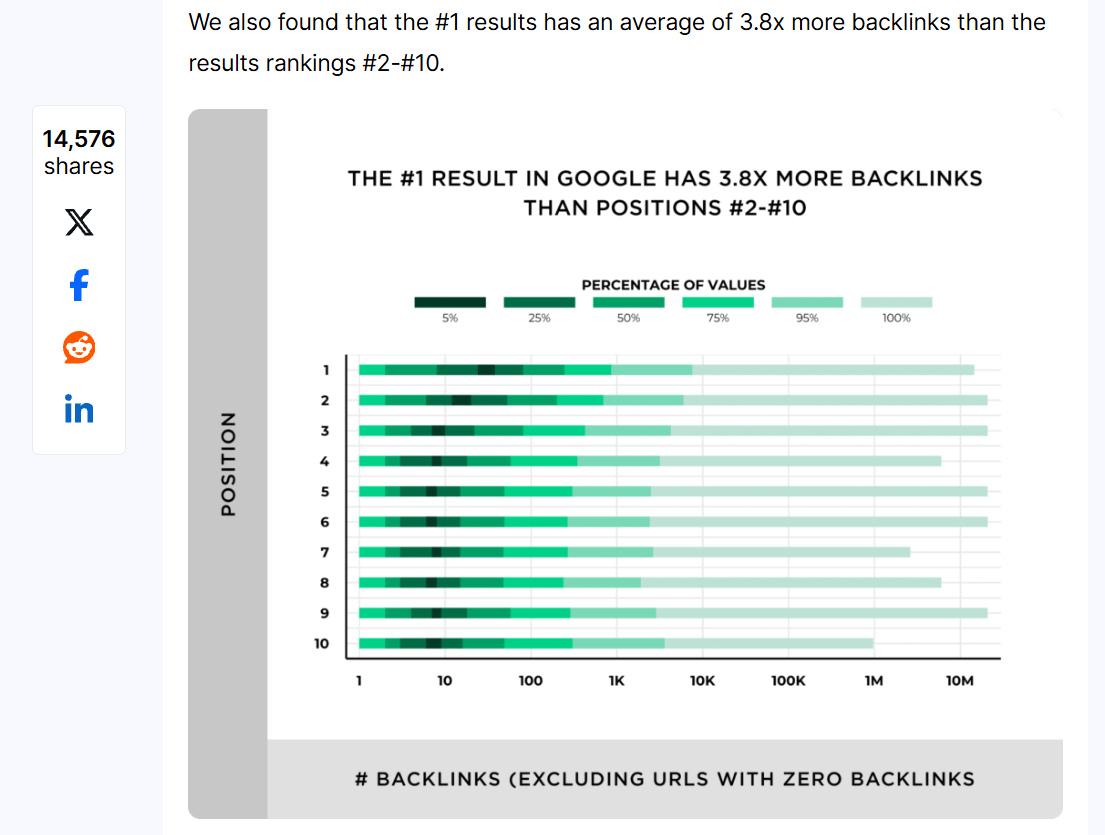
- Backlinks are still one of Google’s strongest ranking signals: the #1 result has 3.8x more of them than positions two to ten.
- In a small market like New Zealand you need fewer, better links — not the high-volume playbooks written for the US.
- The strategies that actually work are white-hat: linkable assets, digital PR, guest posting, broken link building, and local links.
- Avoid the shortcuts — bought links, PBNs, and cheap Fiverr packages breach Google’s guidelines and can get you penalised.
- Quality link building in NZ usually sits inside a monthly SEO retainer of roughly NZ$1,500–$5,000, not a few dollars a link.
- It compounds slowly: expect your first links within weeks, but meaningful ranking movement in three to six months.

What Is Link Building?
Link building is the process of getting other websites to link to yours. Each of those links — a backlink — works like a vote of confidence: when a trusted site points to your page, it tells Google your content is worth paying attention to.
Think of it the way search engines were designed to think of it. A link from one site to another is a recommendation. The more genuine recommendations you earn from credible, relevant sources, the more authority your site carries — and authority is a big part of what decides who ranks.
It sits inside off-page SEO, the half of the game that happens away from your own website. Your on-page SEO tells Google what your page is about; your backlinks tell Google whether anyone else agrees. You need both.
One thing to hold onto early: not all links are equal. A single link from a respected New Zealand publication is worth more than fifty from recycled directories. We’ll get to why.
Why Is Link Building Important?
Backlinks matter because they do three jobs at once — they build search authority, they send you real traffic, and they grow your brand where your buyers already spend time.
Start with authority, because it’s the one with the hardest evidence behind it. Backlinko analysed 11.8 million search results and found the #1 result in Google has, on average, 3.8 times more backlinks than positions two through ten. Links aren’t the only ranking factor, but the correlation is hard to argue with.
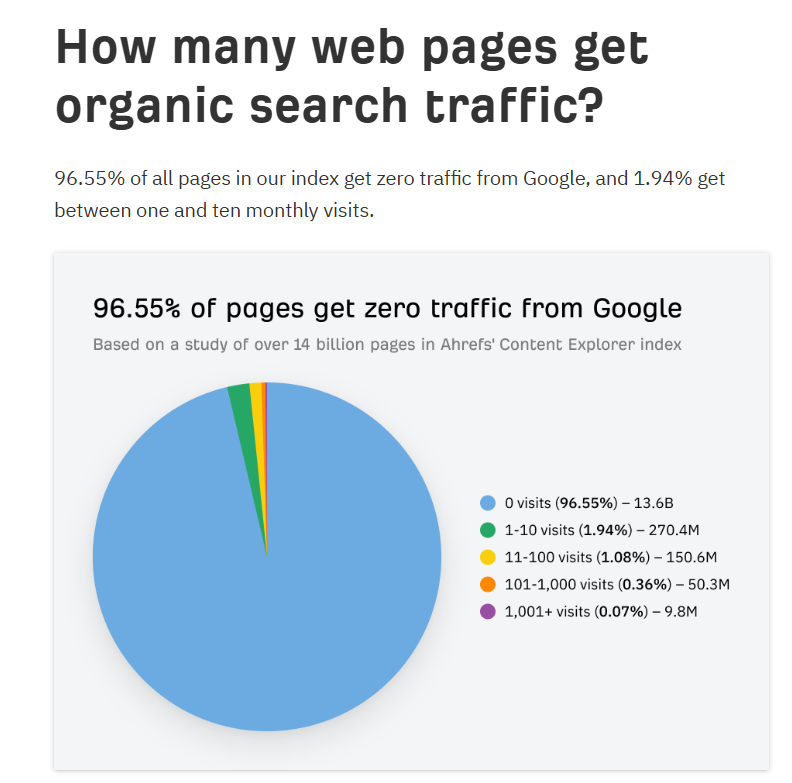
Now the flip side. Ahrefs studied billions of pages and found the vast majority get no organic traffic from Google at all — and a leading reason is a simple one: no backlinks. A page with nothing pointing at it is a shop with no road leading to it. Beautifully stocked, completely invisible.
The second job is referral traffic. A link isn’t only a ranking signal — it’s a road. When a relevant site links to you, some of their readers click through, and those visitors arrive already warmed up because a source they trust sent them.
The third is brand visibility. Getting mentioned in an industry publication or a well-read local blog puts your name in front of the exact people you want as customers, whether they click or not.
I’ll show you our own numbers rather than borrow someone else’s. Expert SEO is an SEO company in New Zealand running on a domain under a year old, and it’s already climbed to a Domain Rating of 36 with links from over a hundred websites — outranking established agencies for competitive NZ terms.
That didn’t come from a clever trick. It came from earning links.

How Do Backlinks Work?
A backlink’s value comes down to three things: the authority of the site linking to you, how relevant that site is to your topic, and how naturally the link is placed. Get those right and one link can move the needle. Get them wrong and a hundred links do nothing — or worse.
Authority. A link passes a share of the linking site’s own credibility. That’s why a mention from a major news site outweighs a link from a page nobody visits. Tools like Ahrefs (Domain Rating) and Moz (Domain Authority) score this on a 0–100 scale, which gives you a rough read on how much weight a link might carry.
Relevance. A link from a site in your industry — or in your country — counts for more than a random one. For a New Zealand business, a link from a NZ site carries both topical and geographic relevance, which is doubly useful.
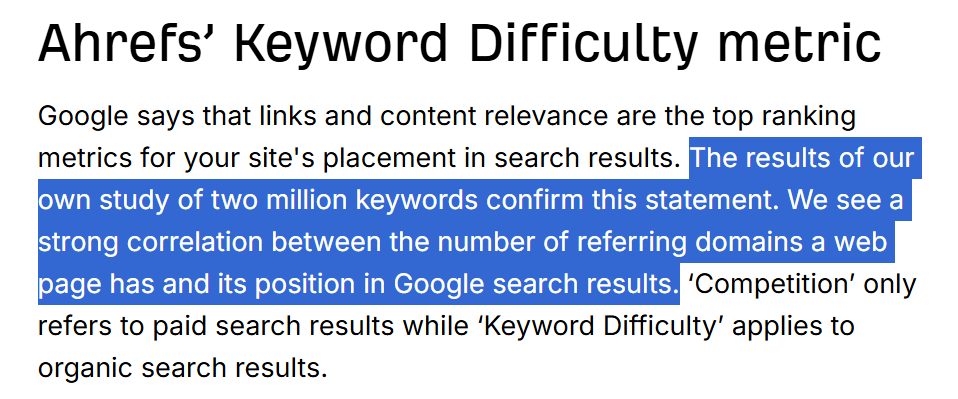
Ahrefs built its entire keyword difficulty metric on a study showing how tightly a page’s referring domains track its ranking position — relevant links are the ones doing that work.
Anchor text. The clickable words in a link tell Google what your page is about. Natural, varied anchors read like a human wrote them. Fifty links all using the exact phrase “cheap SEO Auckland” read like you built them yourself — and that pattern is one of the first things a spam filter looks for.
Two quick answers to questions I get all the time. Dofollow versus nofollow: a dofollow link passes authority, a nofollow tells Google not to count it, and a healthy profile has a natural mix of both.
And no, a link you place yourself — your Facebook profile, a directory you signed up to, your own other website — doesn’t carry the weight of one you earn. It can still be worth having for visibility, but Google knows the difference between a link you gave yourself and one someone gave you.
Does Link Building Still Work in 2026?
Yes — and if anything it matters more now, because the same authority that ranks you in Google is what gets your business named by AI.
Let’s kill the objection head on, because I hear it weekly: “isn’t SEO dead now that everyone uses ChatGPT?” The opposite is happening.
ChatGPT, Google’s AI Overviews and AI Mode all lean on the same signal — they pull answers from sources they consider trustworthy, and trust is built largely on links and mentions. Well-linked sites don’t just rank; they get cited.
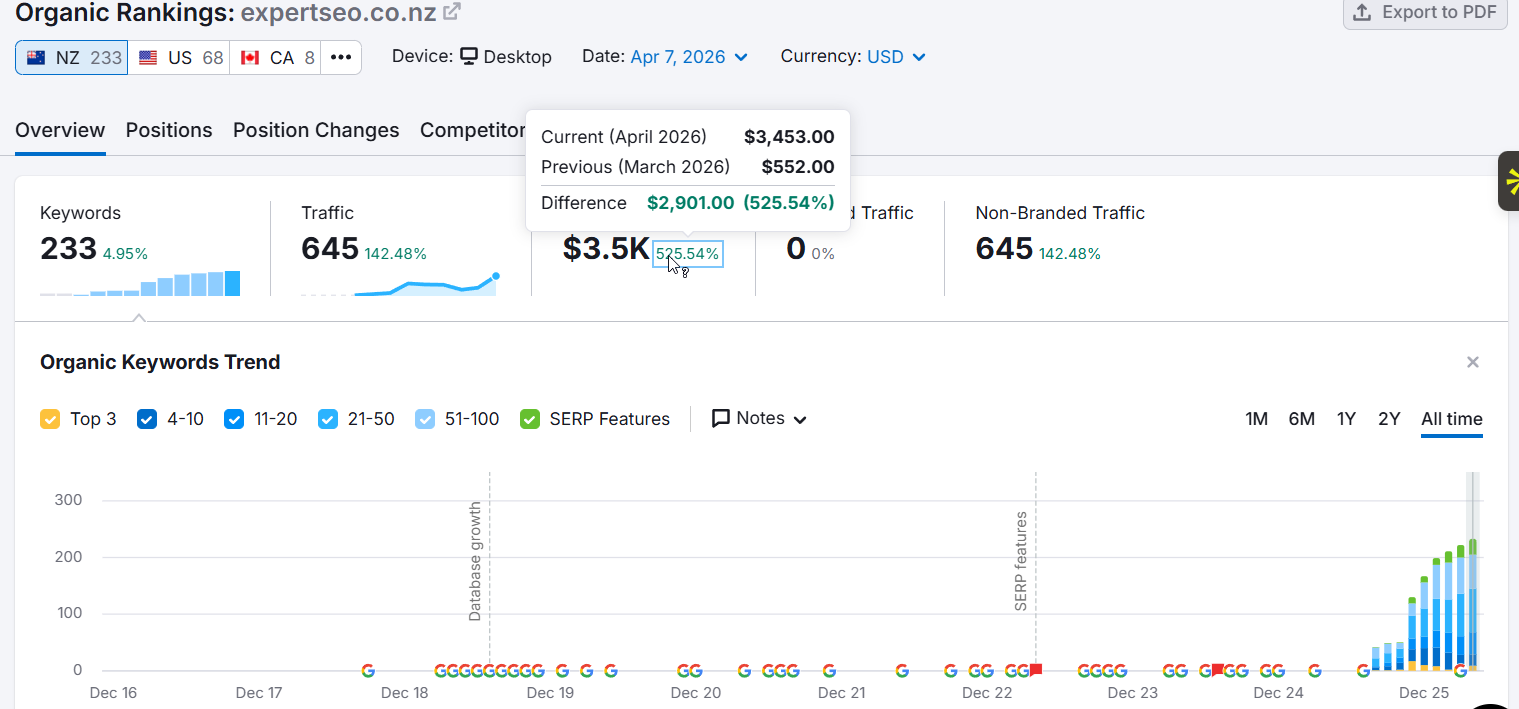
I can prove that with our own site. In under eight months, a brand-new Expert SEO domain was ranking for 233 keywords with a traffic value around $3,500 a month — during the exact period people kept insisting AI would kill search.
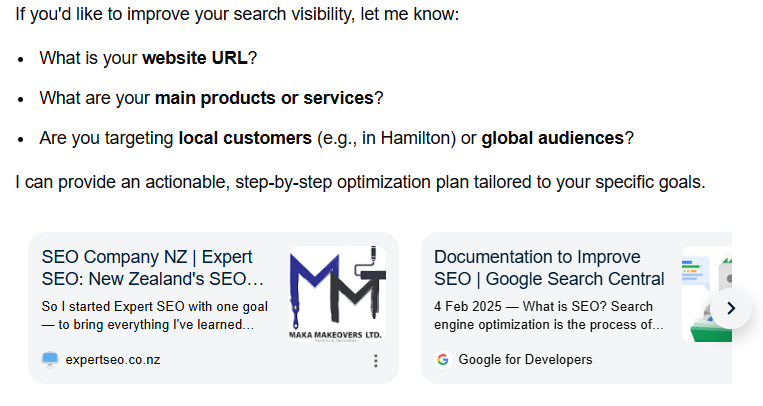
And it’s not only ranking. Expert SEO now gets named directly inside AI answers as a source for improving search visibility in New Zealand — sitting alongside Google’s own documentation.
That citation is authority made visible, and authority is what link building buys you.
What has changed is tolerance. Google is far better at ignoring junk links than it was five years ago, so the spammy shortcuts that once worked now do nothing or actively hurt. The bar has moved toward genuine authority and digital PR.
That’s good news if you’re willing to do it properly.
Why Link Building Is Harder in New Zealand
Here’s the part the global guides never mention: link building is genuinely harder in a small market. New Zealand has a far thinner pool of relevant websites, publications and blogs to earn links from than the US, UK or Australia — so the volume-based playbooks written overseas simply don’t translate.
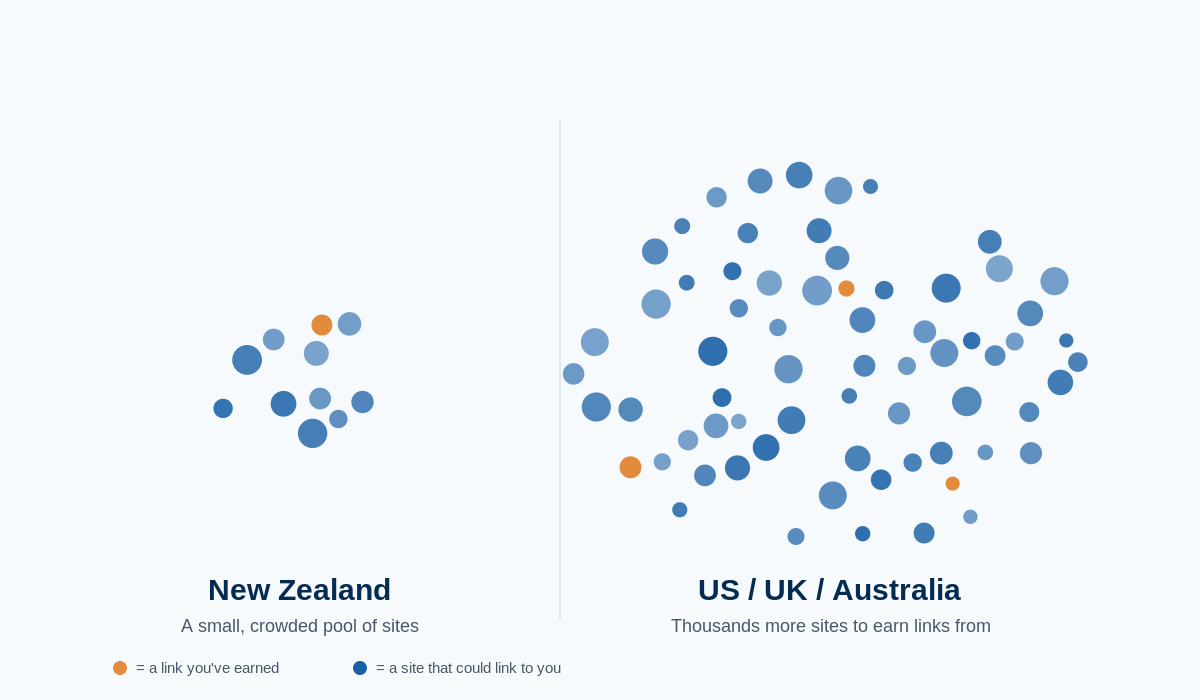
Picture it. An American SaaS company chasing “build 200 links this quarter” has tens of thousands of relevant blogs, newsletters and news sites to pitch.
A mortgage broker in Tauranga has a few dozen genuinely relevant NZ sites, and half of those belong to competitors. Copy the American plan and you’ll either run out of targets or start scraping the barrel with links that do harm.
So the game here is different. You need fewer, better links — not more. Quality and creativity beat volume every time in a market this size.
The upside is real, though. Because the pool is small, a handful of strong local links moves you further here than it would overseas, and there’s far less competition for the genuinely good ones.
Google clearly rewards local relevance too. Look at who ranks for competitive NZ terms — smaller New Zealand sites holding their own against global giants with a fraction of the backlinks. We’ve done exactly that, ranking #1 in New Zealand for “local SEO” above Ahrefs and Semrush.

Link Building Strategies That Work
You don’t need a dozen tactics. You need a few proven, white-hat strategies run consistently.
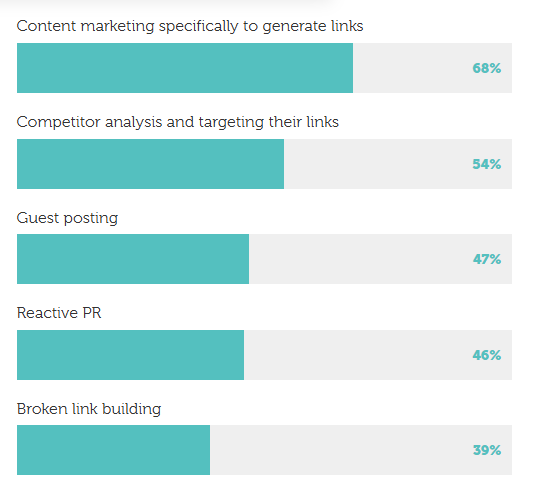
Aira surveys hundreds of link builders every year, and their State of Link Building report puts the winners in order: content marketing (68%), competitor analysis (54%), guest posting (47%), reactive PR (46%) and broken link building (39%). Here’s what each one is, why it works, and how to do it here.
Create Linkable Assets
The most reliable way to earn links is to publish something worth linking to — original data, a genuinely useful guide, a free tool, a piece of research nobody else has.
This is content marketing doing double duty: it ranks, and it attracts links on its own while you sleep.
It works because you flip the effort. Instead of begging for every link, you build one strong asset and let other people choose to cite it.
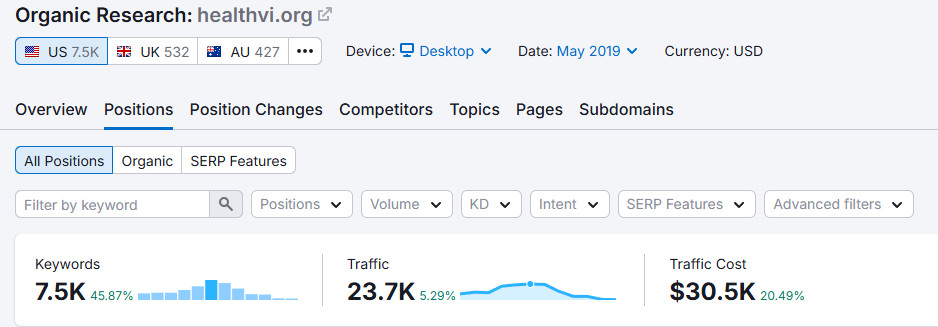
I built a health site, HealthVI, from zero to over 20,000 organic visitors a month on the back of content that earned its own links — no outreach campaign, just material people wanted to reference.
You know it’s working when competitors start linking to you. That’s the clearest signal an asset has landed — a rival deciding your page is the best reference for their readers.

For a local service business, a linkable asset doesn’t need to be a research study. A properly researched “cost of X in New Zealand” guide, a local buyer’s checklist, or original survey data from your own customers will earn links from other NZ sites that need something credible to point to.
Digital PR and Outreach
Digital PR means pitching journalists, bloggers and relevant site owners to feature you, quote you, or link to something you’ve made.
Done well, it earns the strongest links there are — editorial mentions on sites you could never buy your way onto.
The mechanism is a relationship, not a transaction. You give a writer something genuinely useful — a data point, an expert quote, a story angle — and the link follows.
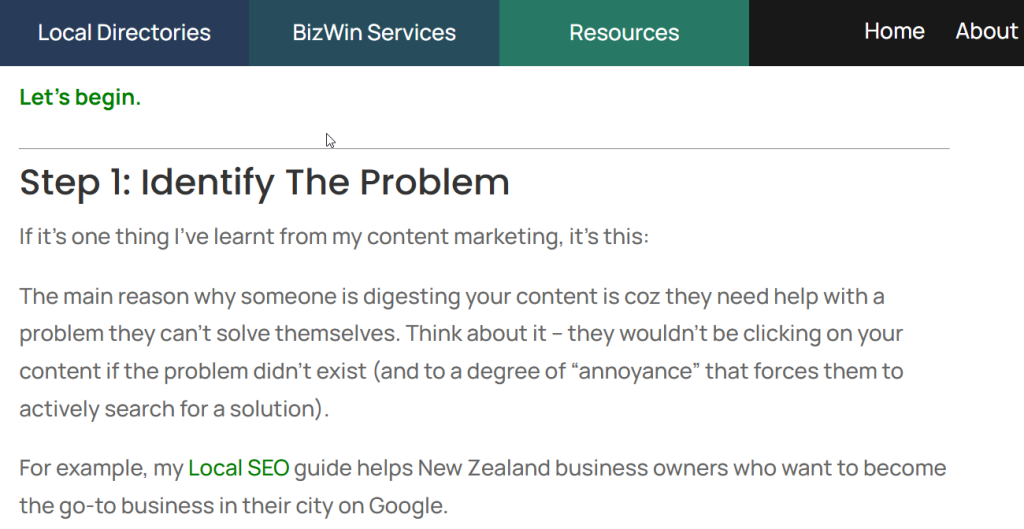
One of our guides earned an organic backlink from BizWin after Leo Zeldenrust found it genuinely useful and referenced it himself. No payment, no exchange — the content did the work.
Aim at the outlets that actually exist in your world: regional news sites, NZ industry publications, association newsletters, established local blogs. A single feature in a publication your customers already read is worth a month of small links.
My own work has been featured on the Content Marketing Institute — a site pulling hundreds of thousands of visits a month — and one mention like that carries more weight with both Google and the AI engines than a pile of directory listings ever could.

Guest Posting
Guest posting is writing a genuinely good article for an established, relevant site in exchange for a link back. It still works — as long as the site is real, relevant and has an audience, not a link farm dressed up as a blog.
The test is simple: would you want this placement if links didn’t exist? If the site’s readers are your potential customers, it’s worth doing.
If the only reason to be there is the link, walk away. I’ve placed ghostwritten guest posts on industry publications pulling over 300,000 organic visits a month — real audiences, real referral traffic, links that hold their value.

Broken Link Building
Broken link building is finding dead links on relevant sites, then offering your content as the replacement. It works because you’re doing the site owner a favour — nobody wants broken links on their pages — while earning a link in the process.
The how-to is mechanical. Point a tool like Ahrefs or Semrush (both covered in our rundown of the best SEO tools) at a relevant NZ site, pull its broken outbound links, find one where you have — or can quickly write — a better replacement, then email the owner to let them know.
We regularly find NZ sites with dozens of dead outbound links sitting there; one industry site had over a hundred.

A close cousin: dead pages that still hold links. Tools will surface NZ pages returning errors while sitting on hundreds of backlinks — a signpost for where opportunities hide.

Be a Source for Journalists
Reporters need expert quotes on deadline, and being the source who supplies one earns a link from the article. This is where HARO used to live — but if you’ve read older guides telling you to “just use HARO,” they’re out of date.
HARO was shut down in December 2024, then revived under Featured.com in 2025, and the space is now spread across several platforms like Featured, Qwoted and Source of Sources.
The tactic still works; the tools just changed. Sign up, watch for requests in your field, and send a tight, genuinely helpful answer fast.
Expertise gets you noticed — a Harvard researcher once reached out to interview me for a study on AI, purely off the back of visible authority. Being findable as an expert is the whole game.

One note on niche. The mix shifts depending on what you sell: a local dental practice leans on local links and directories, an ecommerce store leans on product-led digital PR and linkable assets, and a B2B or SaaS company leans on original data and guest posts. Same toolkit, different weighting.
Where New Zealand Businesses Can Get Backlinks
The fastest wins for a NZ business are the local links the global guides never mention. Here’s where to look first.
Quality NZ directories and citations. Not the spammy hundred-for-ten-dollars kind — the ones that matter for local search, like your Google Business Profile, industry-specific NZ directories, and reputable local listings.
The average small business has around 37 directory citations influencing its local visibility, according to Whitespark, and consistency across them feeds directly into your Google Maps rankings.

.nz industry associations and professional bodies. Most trades and professions have a national body with a member directory. A link from your industry association is relevant, trusted, and often just sitting there waiting for you to claim your listing.
Regional news and NZ digital PR. Local papers and regional news sites run stories constantly and need local voices. A genuine story — a milestone, original data, a community angle — can earn a link from a NZ news outlet that carries real weight.
Chambers of commerce and local partnerships. Your chamber, your suppliers, businesses you partner with, stockists who list you — these are natural, honest links most owners never think to ask for.
Local sponsorships. Sponsor a sports club, a school event or a community group and you’ll often earn a link from their site. It’s genuine, it’s local, and it builds real-world goodwill on top of the link. Backlinks are a big part of why businesses in the local map pack average nearly a thousand of them — local links compound.

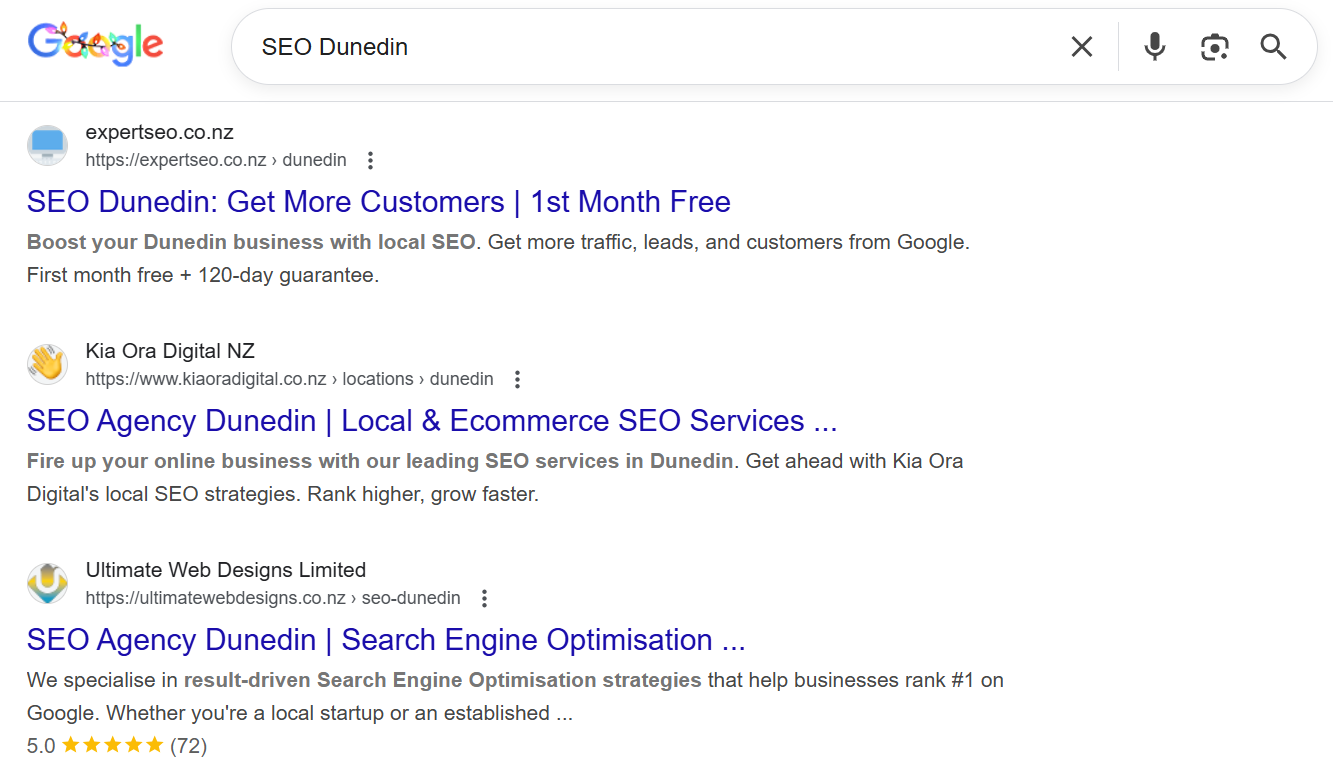
This is exactly how we’ve ranked city pages across the country — build a genuinely useful local page, earn a few relevant local links, and let authority carry it. It’s how Expert SEO ranks #1 for “SEO Dunedin” without a giant budget.
Link Building Mistakes to Avoid
Nearly every link building disaster comes from chasing shortcuts. The tactics that feel fast are the ones that get you penalised — and in a small market where your reputation travels, that’s an expensive mistake.
Buying links. Paying for links that pass ranking credit is a direct violation of Google’s spam policies. Google’s guidance is blunt: a paid link has to be tagged nofollow or sponsored, or it’s a link scheme. Get caught and you’re looking at lost rankings, not a slap on the wrist.
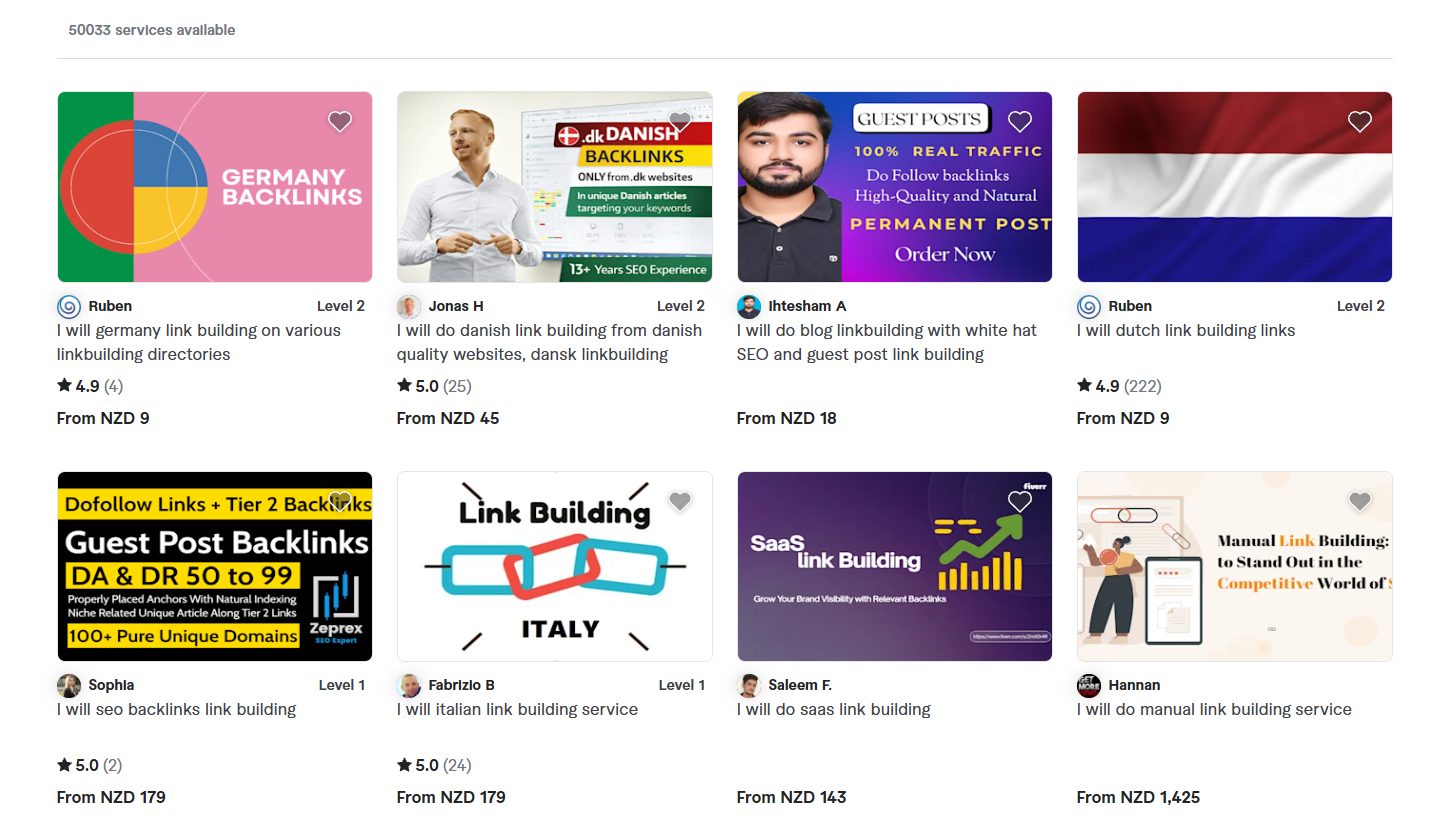
Cheap bulk packages. The “500 backlinks for $30” offers on Fiverr and similar are the same trap wearing a different hat. Those links come from the same networks Google has spent a decade learning to ignore — best case they do nothing, worst case they drag you down.
PBNs and link farms. Private blog networks — clusters of fake sites built purely to link to clients — are high-risk and getting riskier as Google’s detection improves. The whole model is a bet that you won’t get caught. It’s not a foundation for a real business.
Over-optimised anchors and mass low-quality directories. Fifty exact-match anchors or a hundred junk directory links form a footprint that screams manipulation. Natural profiles are varied and a bit messy, because real links are.
Is any of this illegal? No — link building isn’t against the law. But it is against Google’s rules, and Google gets to decide who ranks. The penalty isn’t a court date; it’s disappearing from search.
If you’re not sure whether your current links are helping or hurting, that’s worth a proper look — an SEO audit will tell you what’s in your profile before it becomes a problem.
The one rule that keeps you safe: would you still want this link if Google didn’t exist? If the answer is yes, it’s a good link.
How Much Does Link Building Cost in New Zealand?
Quality link building isn’t cheap, because you’re paying for time and relationships, not volume. The honest ranges depend on how you buy it and what quality you’re after.
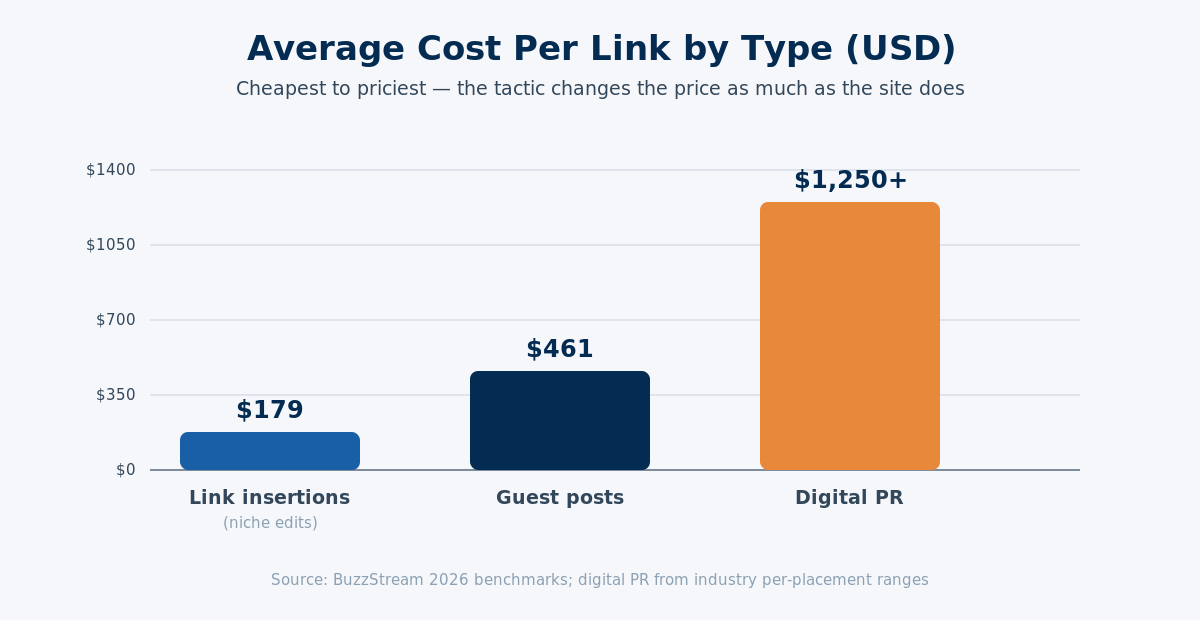
Internationally, the price of a single quality link runs from around NZ$250 for a straightforward placement to well over NZ$1,500 for a digital PR link on a major publication.
The pattern holds here: link insertions sit at the low end, guest posts in the middle, and digital PR at the top — because each one takes more skill and time to earn.
Buying links one at a time is rare here, though. Link building usually lives inside a monthly SEO retainer, which for a small local business commonly runs from around NZ$1,500 to NZ$5,000 a month depending on how competitive your market is.
What drives the number is simple: the quality of links you’re targeting, the outreach hours behind them, and how tough your niche is.
And cheap is the expensive option. A $30 package that earns a penalty costs you months of recovery and lost revenue.
Fewer, better links from someone who knows the NZ landscape is the cheaper path once you count the whole bill. If it makes more sense to have it handled properly than to learn outreach from scratch, that’s what our professional SEO services are built for.
How Long Does Link Building Take?
Link building is a compounding game. Expect your first links within weeks, but meaningful movement in rankings usually takes three to six months — and that’s normal, not a sign it isn’t working.
The sequence runs like this: you earn links, Google finds and processes them, your authority ticks up, and rankings follow.
None of those steps is instant. The first month or two can look like nothing is happening while the groundwork settles — the point where a lot of people quit right before the payoff.
What you’re building is link velocity: a steady, natural pace of new referring domains over time. Our own profile has climbed exactly that way — a consistent rise in referring domains, no spikes, no shortcuts.

Consistency beats bursts. Ten good links earned steadily over a few months will do far more for you than fifty dumped in a week — which, to Google, looks exactly like manipulation anyway.
Whether you’re tackling SEO in Auckland or SEO in Hamilton, the timeline plays out the same way: slow, steady, and worth it.
Final Thoughts
Link building is slower and harder in a small market — but that’s the opportunity, not the obstacle.
A handful of genuine New Zealand links will move you further than a hundred spammy ones ever could, and most of your competitors are still either ignoring links or buying the wrong ones.
You can absolutely start this yourself: build something worth linking to, claim your local citations, and earn a few relevant links the honest way.
Pair that with the rest of your SEO done properly and it compounds faster — which is where an SEO consultant earns their keep. Either way, start earning the good links now.
The site you build authority for today is the one getting cited a year from now.
Link Building: FAQ
What is link building in simple words?
Link building is the process of getting other websites to link to yours. Each of those links, called a backlink, works like a recommendation that tells Google your site is trustworthy, which helps you rank higher. The goal is to earn links from credible, relevant sites rather than create them yourself.
Do backlinks still matter in 2026?
Yes, and arguably more than ever. Backlinks remain one of Google's strongest ranking signals, and the same authority they build is what gets your business cited in AI Overviews and ChatGPT answers. The spammy shortcuts no longer work, but genuinely earned links matter as much as they always have.
Is link building illegal?
No, link building is not illegal. But buying links that pass ranking credit, running private blog networks, and similar shortcuts breach Google's spam policies. The penalty isn't legal trouble, it's losing your rankings, so the risk is very real even though nothing about it is against the law.
How much does link building cost in New Zealand?
A single quality link ranges from around NZ$250 for a straightforward placement to well over NZ$1,500 for a digital PR link on a major publication. Most NZ businesses buy it inside a monthly SEO retainer, which commonly runs from about NZ$1,500 to NZ$5,000 depending on how competitive their market is.
How long does link building take to work?
Expect your first links within weeks, but meaningful movement in rankings usually takes three to six months. Link building compounds, so the first month or two can look like nothing is happening while Google finds and processes the links. Consistency over time beats bursts of activity.
How do you build links for a brand-new website?
Start by publishing something worth linking to, then claim the easy local links first: quality NZ directories, your industry association, chambers of commerce, and local sponsorships. From there, add guest posts and digital PR on relevant NZ sites. Focus on a few genuinely relevant links rather than chasing volume.
Recommended Reading
 How Many Backlinks Do You Need to Rank?
The honest answer on how many links it actually takes to rank an NZ page, and why quality beats the number.
 SEO Strategy
Where link building fits in the bigger picture, and how to build a plan that ranks in a small market.
 Technical SEO
The on-site foundation your backlinks build on: find and fix the issues quietly capping your rankings.