

For twenty years, SEO had one obsession: the keyword.
Find the phrase people type. Put it in the title. Sprinkle it through the page. Rank.
That game is ending. Not slowly — it’s already half gone.
Search engines stopped counting words a long time ago.
Now they read for meaning. They want to know what your page is about, who you are, and how the two connect to everything else they already understand about the world.
They’re looking for entities, not strings of text.
This is the full breakdown: what entity SEO is, why it matters more every month, exactly how to do it, and a real New Zealand example you can copy.
Plus my honest take on why you need to stop thinking in keywords and start thinking in entities before your competitors do.
Key Takeaways
- Entity SEO is optimising for concepts, not keywords. An entity is any distinct thing Google can identify and understand — a person, place, business, product, or idea — plus its relationships to other things.
- It’s the shift from “strings to things.” Keywords are just clues to a bigger topic. Entity SEO tells search engines what that topic actually is.
- It’s how you win in AI search. AI Overviews, ChatGPT, Gemini and Perplexity pull from Google’s Knowledge Graph and from sources they understand as authoritative entities. No entity, no citation.
- The core moves: build an entity home, add schema markup with
sameAslinks, stay ruthlessly consistent, build topic clusters, and get yourself into trusted databases like Wikidata. - NZ businesses have an opening. Almost no local guide covers this properly, and entity competition in most Kiwi niches is thin. First movers get recognised fast.
What Is Entity SEO?
Entity SEO is the practice of optimising your content, your website, and your brand around entities — the distinct people, places, things, and concepts that search engines recognise as real — rather than around isolated keywords.

So what’s an entity? Google’s own definition is a thing that is “singular, unique, well-defined and distinguishable.”
In plain English: a thing the search engine can identify, understand, and tell apart from every other thing.
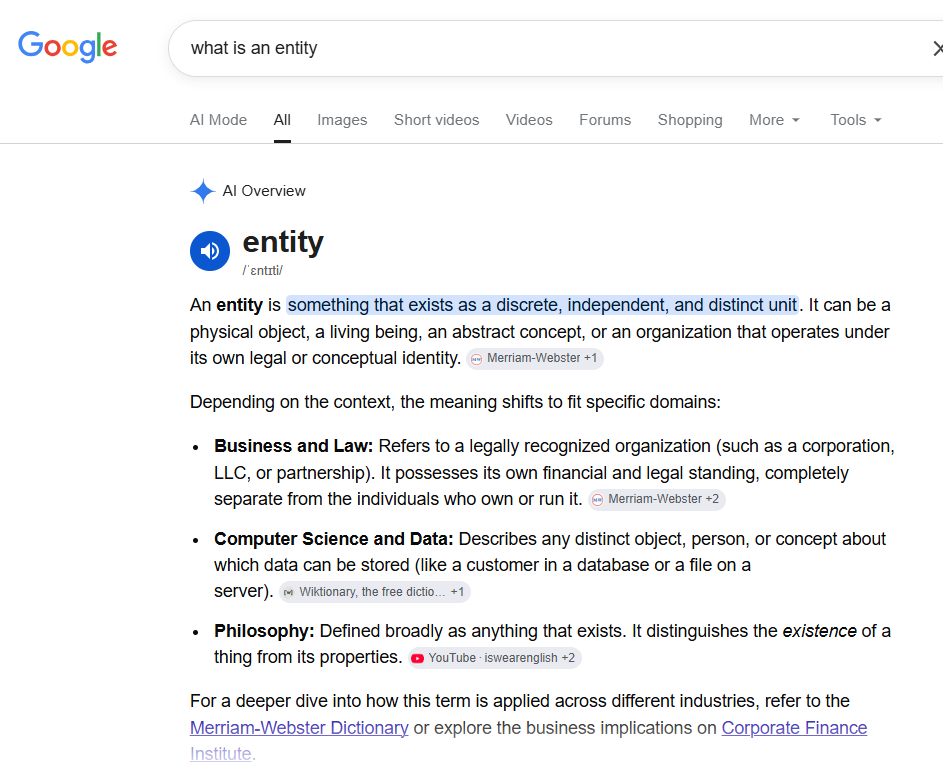
You, your business, your suburb, your product, the concept of “provisional tax” — all entities. Google stores them, and the connections between them, in a giant database called the Knowledge Graph.
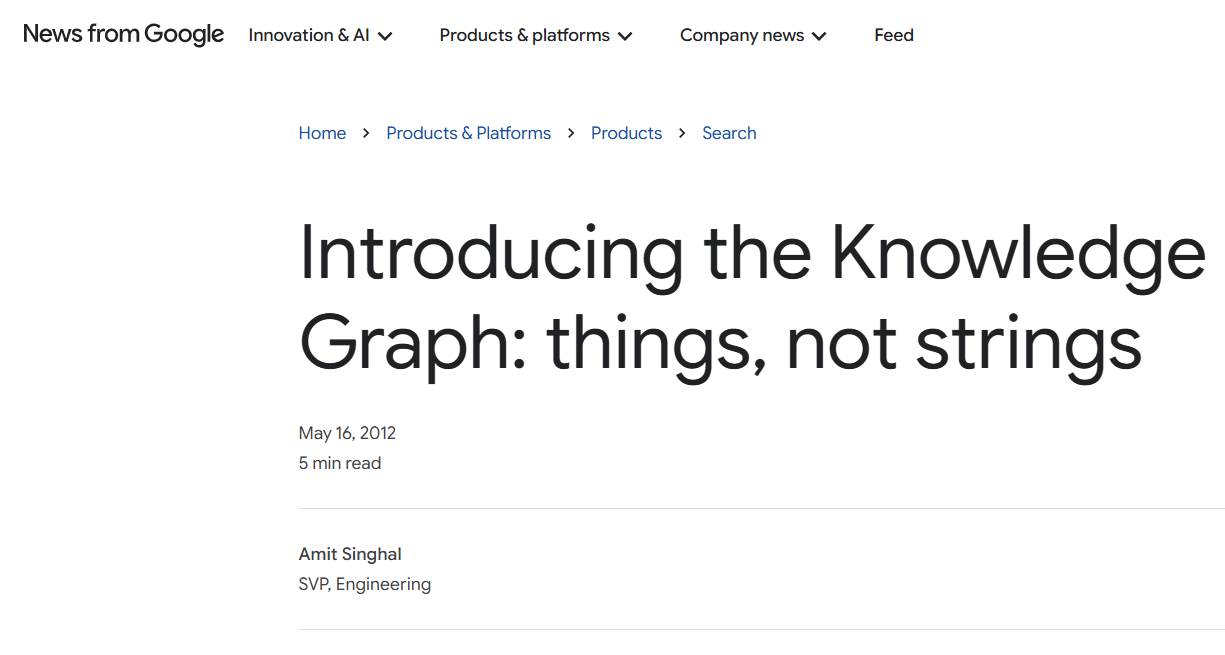
Back in 2012, Google announced this with a line that became the whole philosophy of modern search: it was moving from “strings to things.”
Instead of matching the letters you typed against the letters on a page, it started matching the meaning behind your words against real-world things it understands.
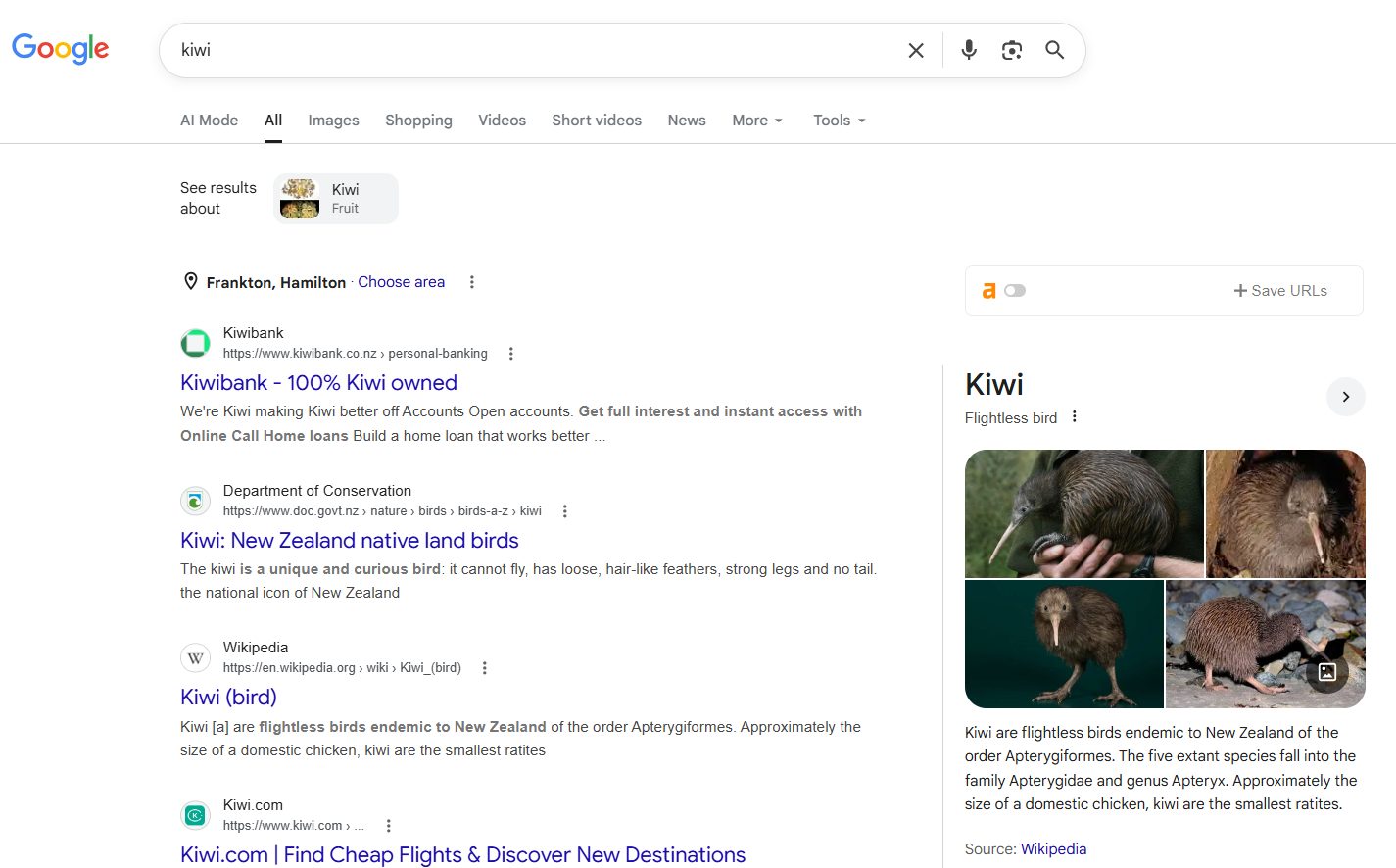
Here’s the classic way to grasp it. Search “Kiwi” and Google has to work out which thing you mean — the bird, the fruit, the person, or the shoe polish.
It doesn’t guess from the letters. It reads the surrounding context and connects your query to a specific entity. That disambiguation is entity search in action.
Same with your business. “Auckland plumber” is a string. But the specific plumbing company — with its name, address, service area, reviews, and reputation — is an entity.
Entity SEO is about making sure Google understands your thing clearly enough to trust it, surface it, and recommend it.
Keywords vs Entities: What’s Actually Changing
Here’s my honest opinion, and it’s the spine of this whole article: we are moving from keyword-based SEO to entity- and topic-based SEO, and it’s not reversing.
Keywords aren’t dead. But their role has changed. A keyword used to be the target. Now it’s just a signal — a clue pointing at a much bigger thing.
Think about it from Google’s side. When someone searches “how to fix a leaking tap,” the search engine no longer sees a keyword to match.
It sees a person with a problem, sitting inside a whole topic — plumbing, home maintenance, DIY repair, the tools involved, the risks of getting it wrong.
The keyword is just the doorway into that topic. The engine has gotten smart enough to know the words are only an indicator of the bigger entity underneath.
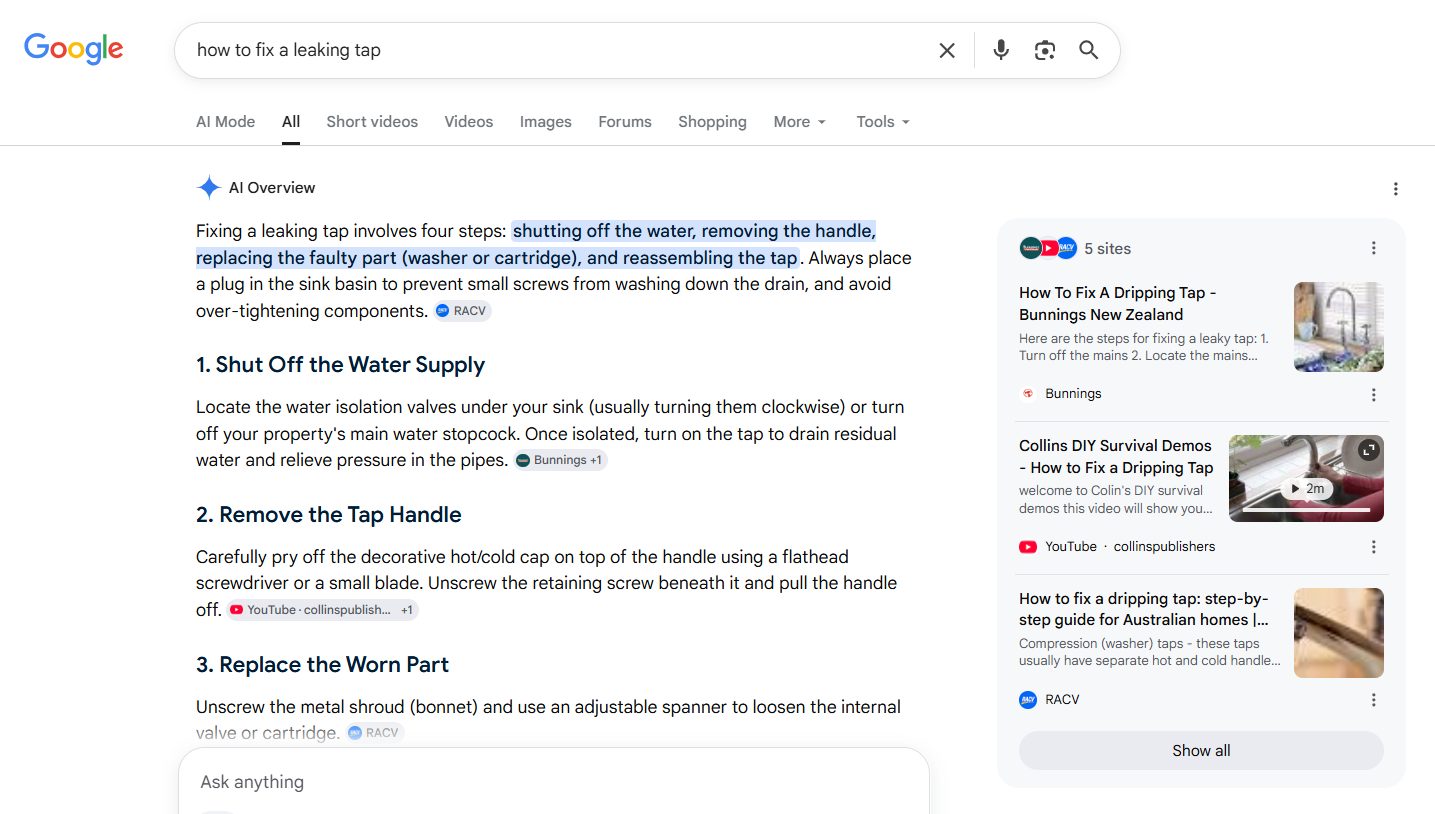
That changes the whole job. Under the old model, you’d write one page for “leaking tap,” another for “dripping tap,” another for “tap washer replacement” — three thin pages chasing three variations of the same idea.
That’s keyword cannibalisation waiting to happen, and it maps your expertise as shallow.
Under the entity model, you write one genuinely complete resource on the topic, and Google understands you cover the whole thing. You stop competing for a phrase and start owning a subject.
| Keyword-based SEO | Entity-based SEO |
|---|---|
| Targets the words people type | Targets the concepts behind the words |
| One page per keyword variation | One deep resource per topic |
| Success = matching phrases | Success = being understood as an authority |
| Optimises for Google’s old index | Optimises for the Knowledge Graph and AI |
| Easy to fake with repetition | Earned through depth and consistency |
If you want the fundamentals underneath this, it’s worth understanding what keywords actually are and how search intent works — because entities don’t replace those ideas, they sit on top of them.
You still research keywords. You just use them as a map to the entity, not as the destination.
Why Entity SEO Is Important?
Two words: topical authority. And increasingly, a third: citations.
When you structure your business and content around entities and topics instead of scattered keywords, you come across as a genuine authority in your market. And both Google and the AI answer engines are built to reward exactly that.
Cover a topic comprehensively and consistently, and you become the obvious thing to rank — and the obvious thing to quote.
That second part is where this gets urgent. Search isn’t just ten blue links anymore. AI Overviews sit above the results. People ask ChatGPT and Perplexity questions that used to go to Google.
And every one of those systems decides who to cite by understanding entities and their authority.
Here’s the thing most people miss: AI engines don’t “rank pages” the way old Google did. They build a model of the world out of entities and relationships, then answer from the sources they understand and trust as authorities on those entities.
If Google doesn’t clearly recognise your business as an entity, you’re not in the running to be cited at all.
I can show you this working, not just claim it. Expert SEO is under a year old — but Google already understands it as a distinct entity, describes the business in its own AI Overview, and cites the site as the source:
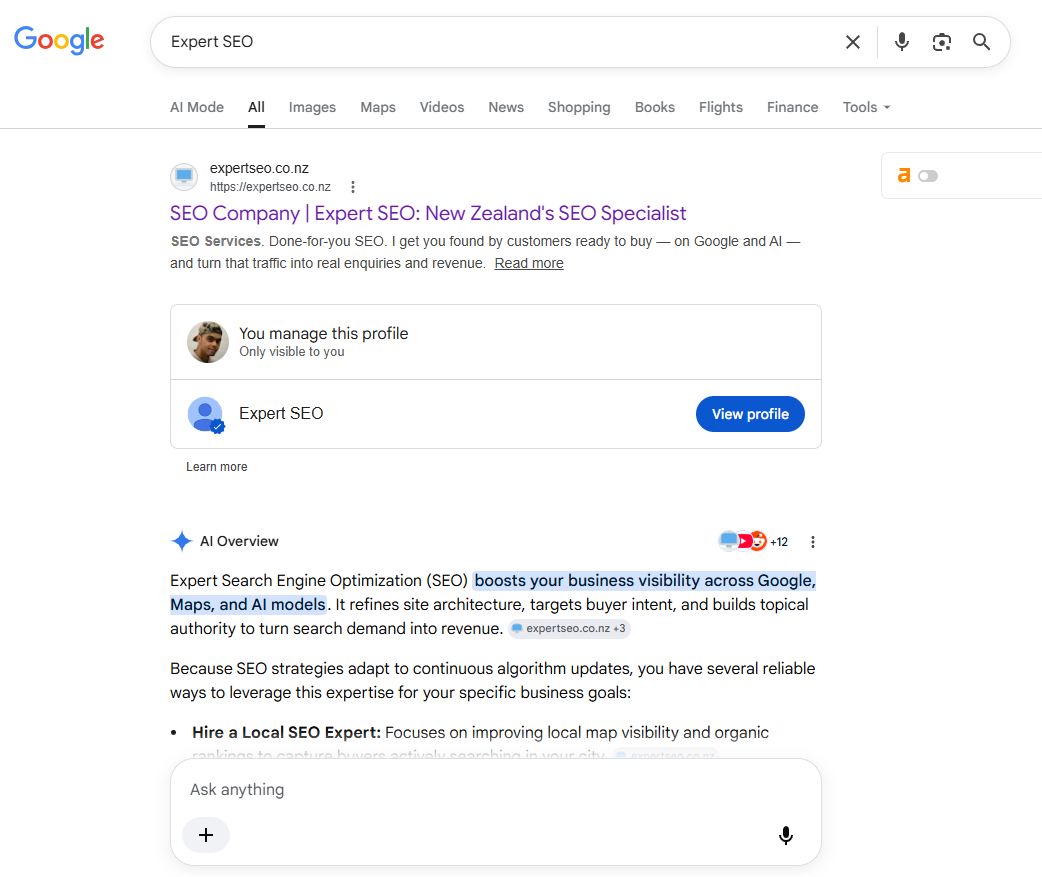
That’s the payoff of entity SEO in one screenshot. A young Kiwi website, understood clearly enough by Google to be described and cited by its AI.
This isn’t a 2030 prediction — it’s happening now, and it’s the outcome every business should be chasing.
For the full picture of how AI search rewards this, see SEO vs GEO and my guide to generative engine optimisation.
There’s also a real advantage for NZ businesses specifically: entity competition here is thin. Most local companies have never heard of this, let alone done it.
In a lot of Kiwi niches, being the one business that builds a clear entity presence means you get recognised fast — long before the market catches up.
How Search Engines Identify Entities
You can’t optimise for something you don’t understand, so here’s what’s happening under the hood — kept simple.
When Google crawls your page, it doesn’t count keywords. It runs your text through Natural Language Processing (NLP) and performs Named Entity Recognition (NER) — machine reading that pulls the “things” out of your sentences and works out what each one is.
For each entity it finds, Google works out three things:
- Type — is this a person, a place, an organisation, a product, an event?
- Salience — how central is this entity to the page? A page that’s about Whittaker’s chocolate scores it high; a page that mentions it once in passing scores it low.
- Connection — does this match a known entity in the Knowledge Graph, and how does it relate to the other entities on the page?
Then it maps all of that against everything it already knows.
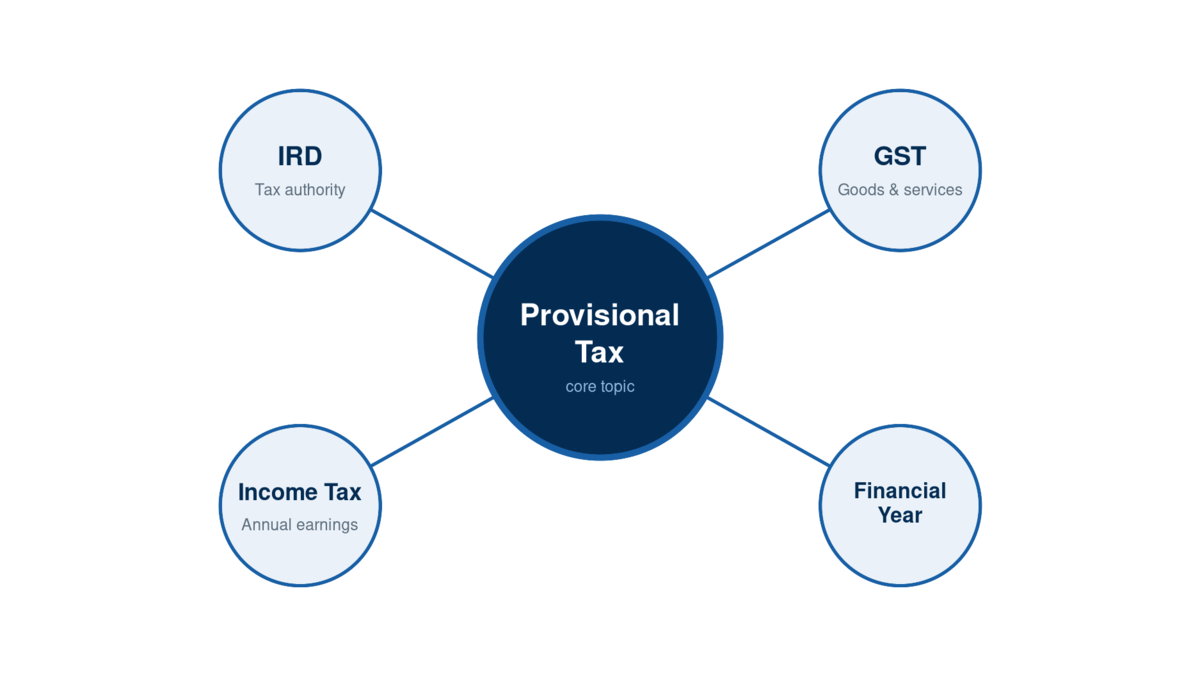
If your page about “provisional tax” also confidently discusses IRD, GST, income tax, and the New Zealand financial year — and does it in a way that lines up with what Google already understands about those things — you get read as a genuine authority on the topic, not a page that happened to use the phrase.
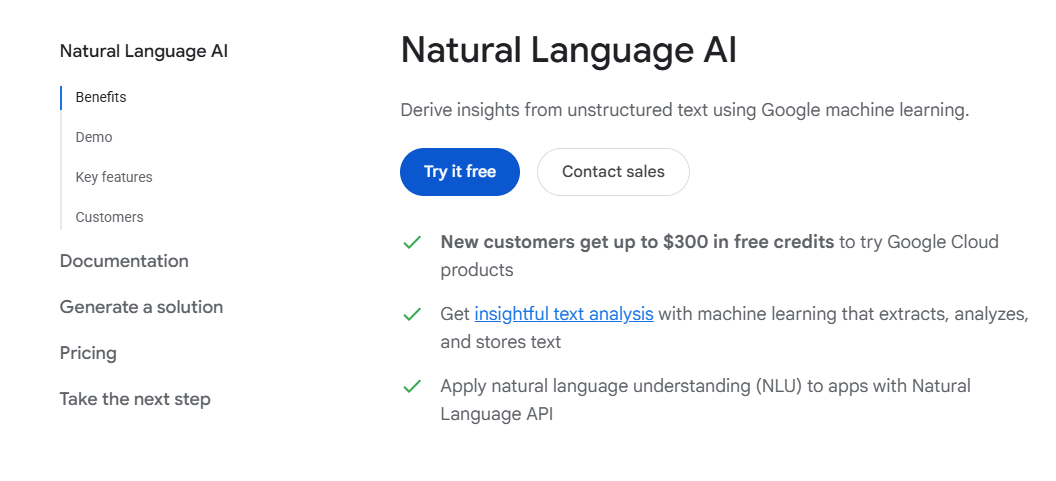
Want to see exactly what a machine sees when it reads your site? Google’s own Natural Language API demo lets you paste in your content and shows you the entities it extracts, their types, and their salience scores.
It’s the single most eye-opening free tool for this — most people are shocked at how differently a machine reads their page compared to how they wrote it.
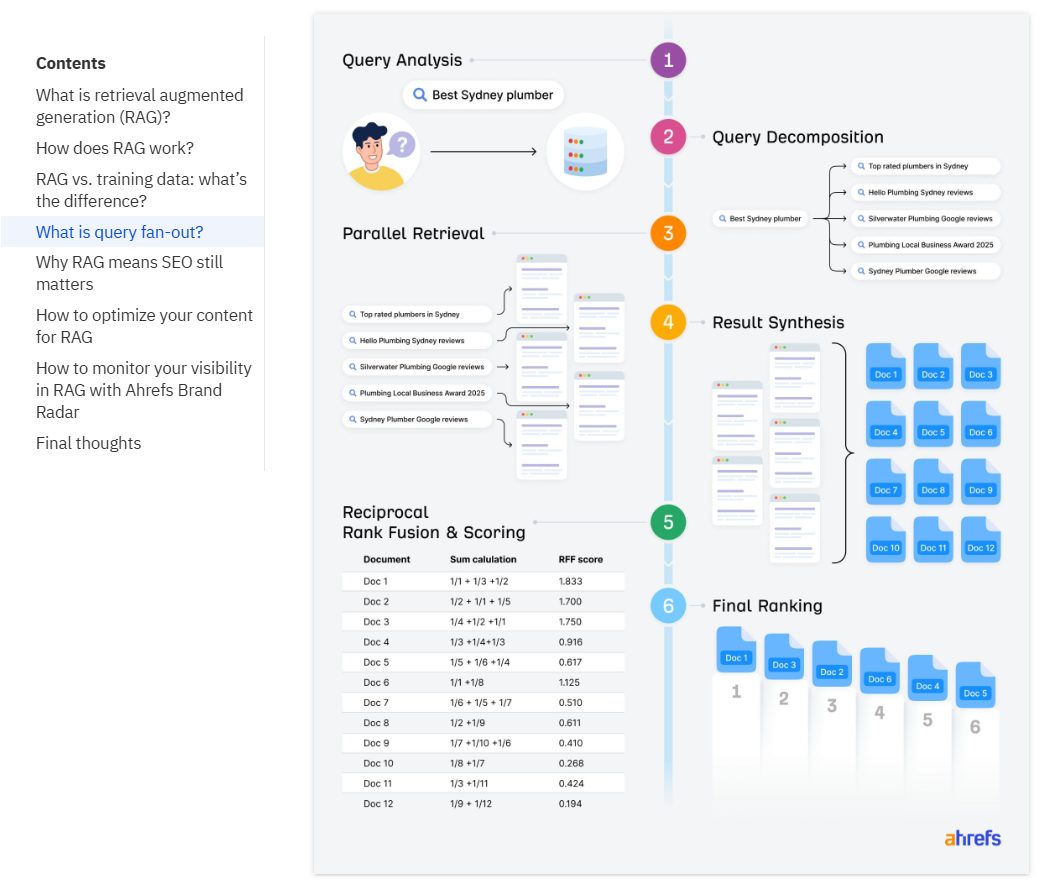
If you want the broader context on how crawling, indexing and ranking fit together, I’ve broken the whole pipeline down in how search engines work.
How to Do Entity SEO
Enough theory. Here’s the actual playbook — the moves that make search engines understand and trust your entity. Work through them in order; the early ones are the foundation.
1. Build an Entity Home
Every business needs one authoritative page that acts as its single source of truth. Usually your homepage or your About page.
This “entity home” states the core facts clearly: who you are, what you do, where you operate, when you started, who’s behind it. It’s the page Google returns to when it wants to confirm what your business actually is.
Vague, waffly “we deliver quality solutions” copy is useless here — you want plain, factual, unambiguous statements a machine can read and trust.
2. Add Structured Data (Schema Markup)
Schema markup is code that spells out your entity for search engines in a language they can’t misread. Instead of hoping Google infers you’re a local business, you tell it — name, address, phone, services, hours, the lot — using the vocabulary at schema.org.
The most powerful piece for entity SEO is the sameAs property.
It lets you point Google to your other verified profiles — your Wikipedia page, Wikidata entry, LinkedIn, Facebook, Google Business Profile — so it can confirm you’re the same entity across the whole web.
That cross-referencing is exactly how Google builds confidence in who you are.
If schema is new to you, start with the basics in my technical SEO checklist, and note that even breadcrumbs use structured data to help Google map how your pages relate.
3. Be Ruthlessly Consistent
Inconsistency confuses search engines and weakens your entity. Your business name, address, and phone number (your NAP) must be identical everywhere — your website, Google Business Profile, Yellow NZ, Finda, NZ Business Number listing, social profiles, every directory.
“Dave’s Plumbing Ltd” on your site and “Daves Plumbing” on Facebook and “Dave Plumbing Hamilton” on a directory reads as three possible entities, not one strong one. Pick one exact version of everything and enforce it everywhere.
4. Build Topic Clusters, Not One-Off Keyword Pages
This is where entity thinking replaces keyword thinking on the page level.
Instead of one shallow page per keyword, you build a cluster: one comprehensive pillar page on the core topic, supported by deeper pages on every sub-topic, all internally linked with clear anchor text.
That structure maps your full expertise to Google — it can see you cover the entire subject, not just one corner of it.
This is the heart of holistic SEO: become the most complete resource on your topic and you become the default source for both a ranking and a citation. Plan your clusters properly with a real keyword strategy and a solid content brief behind each piece.
5. Become an Entity Google Can Verify
Here’s the step almost no NZ business takes. You can actively get yourself into the databases that feed the Knowledge Graph:
- Wikidata — a free, open database anyone can add a business to (with proper sourcing). It feeds directly into how Google understands entities.
- Crunchbase, industry bodies, and reputable directories — corroborating references that confirm you exist and what you do.
- The NZ Business Number and Companies Office — official records that anchor your business as a real, registered entity.
- Wikipedia — harder to earn (you need genuine notability and independent coverage), but the gold standard entity signal if you qualify.
The more trusted, independent places confirm the same facts about you, the more confident Google becomes that you’re a real, well-defined entity worth trusting.
6. Earn Authority and Mentions Across the Web
Entities gain strength from validation. When respected sites mention and link to you, they’re voting for your credibility — and those votes now feed both Google’s rankings and the AI’s trust model.
This is where classic authority work still matters enormously. Genuine backlinks, brand mentions, digital PR, being referenced by name in forums and by AI tools — it all reinforces your entity.
If you’re building this side up, start with how to improve domain authority and understand page authority. And because entities live and die on trust, E-E-A-T — experience, expertise, authoritativeness, trustworthiness — is the quality bar sitting over all of it.

Entity SEO in Practice: A Real NZ Example
Let me make this concrete with a New Zealand brand almost every Kiwi knows: Whittaker’s.
Whittaker’s is a textbook strong entity, and it’s worth pulling apart why, because the same signals are exactly what a smaller business should be building.
Search “Whittaker’s” and Google doesn’t just show a website — it shows a full knowledge panel: founded 1896, headquartered in Porirua, family-owned, New Zealand’s biggest chocolate brand. Google isn’t guessing any of that from the letters.
It knows Whittaker’s as a distinct entity, and here’s where that knowledge comes from:
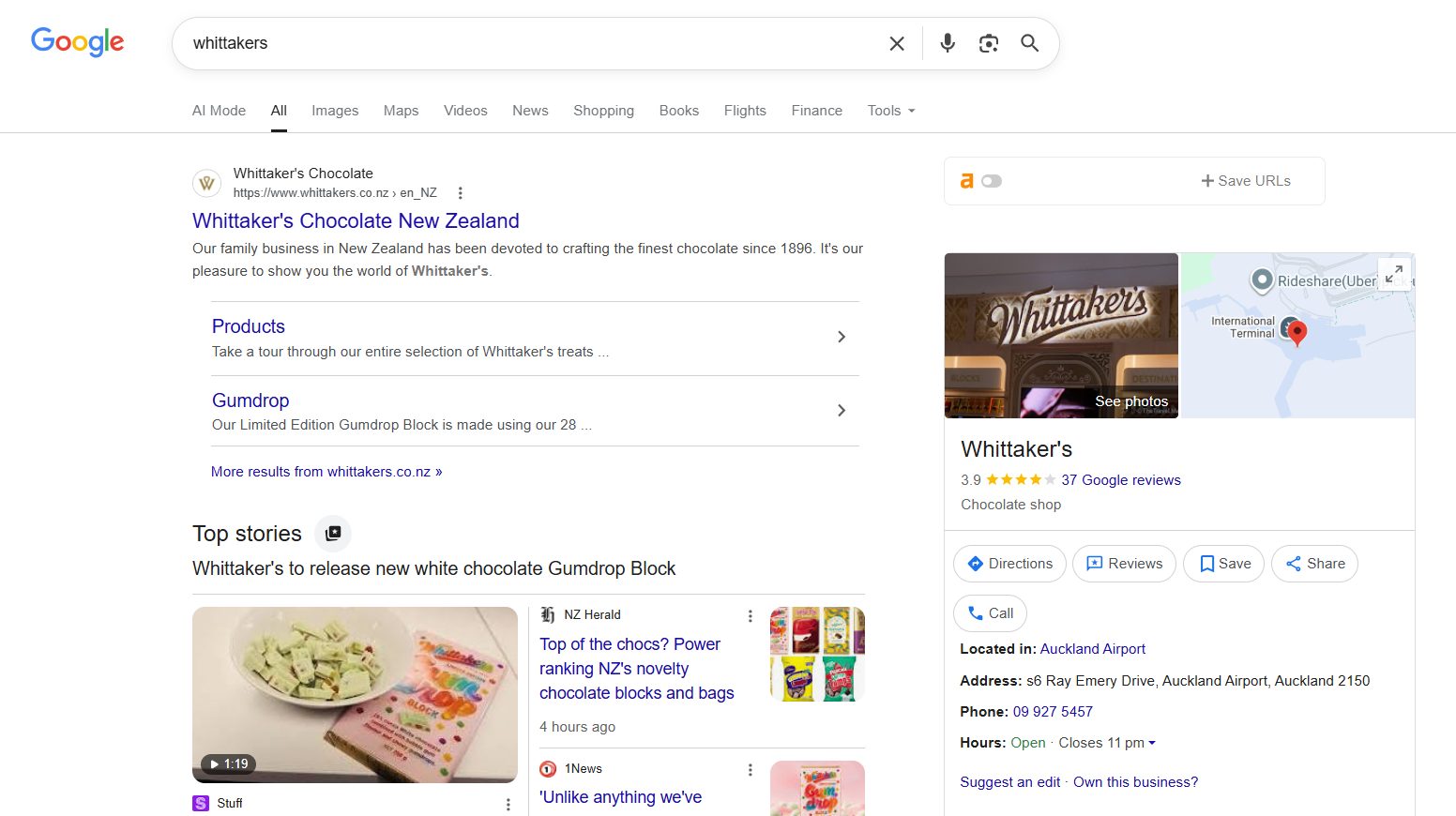
- A Wikipedia page laying out its history, founder (James Henry Whittaker), and facts — independent, authoritative confirmation of who they are.
- A Wikidata entry feeding structured facts straight into the Knowledge Graph.
- Relentless consistency — the same name, the same brand, the same story across its website, packaging, social profiles, and every directory and news mention.
- Deep topical association — Whittaker’s is connected in Google’s mind to “New Zealand chocolate,” “palm oil-free chocolate,” “Porirua,” and the Whittaker family. It owns a topic, not just a keyword.
That’s the anatomy of an entity: an authoritative home, verified references in the databases Google trusts, ironclad consistency, and strong topical connections.
Whittaker’s didn’t get there by stuffing “buy chocolate NZ” into title tags. It got there by being a clear, consistent, well-documented thing.
Now here’s the part that matters for you. You don’t need to be Whittaker’s to use this.
Take a Hamilton plumbing company. Here’s the exact entity playbook, scaled down:
- Entity home — an About page that states plainly: the business name, that it’s a plumbing company serving Hamilton and the Waikato, when it was founded, and who owns it.
- Schema markup with
LocalBusinessdata andsameAslinks pointing to its Google Business Profile, Facebook, and NZBN listing — tying every profile to one entity. - Perfect NAP consistency across the website, Google Business Profile, Yellow NZ, Finda, and every directory. One exact name, one exact address, one exact phone number.
- A topic cluster on Hamilton plumbing — a pillar page plus genuine, experience-led articles on common local jobs (villa pipe failures, hot water cylinder replacement, emergency callouts) that prove deep expertise in the whole subject.
- Verification signals — an NZBN record, listings in reputable trade directories, a Wikidata entry, and real reviews all corroborating the same facts.
- Authority — links and mentions from other Waikato businesses, local news, and suppliers.
Do that, and over a few months Google stops seeing “a website that mentions plumbing in Hamilton” and starts seeing “the Hamilton plumbing entity” — the one it trusts enough to rank and to feed into an AI answer when someone asks ChatGPT for a good local plumber.
That’s the whole game, and it’s completely achievable for a small NZ business. Expert SEO proved it on its own brand in under a year.
The tactics don’t require a big budget — they require doing the unglamorous entity work that almost nobody else in your market is doing, which is exactly what our SEO services focus on.
How to Measure Entity SEO
Most guides skip this entirely, which is mad, because you need to know if it’s working. Here’s what to actually watch.
- Do you have a knowledge panel? Search your exact brand name. If a panel appears with your logo and facts, Google recognises you as an entity. If it doesn’t yet, that’s your first target.
- Brand search volume and branded impressions. In Google Search Console, rising impressions for your brand name mean Google is surfacing you as an entity more often.
- AI citations. Ask ChatGPT, Gemini, Perplexity, and Google’s AI Overview questions your business should answer. Are you mentioned? Cited? This is the clearest signal that AI understands you as an authoritative entity — and the numbers on why it matters are stacking up fast in the AI SEO statistics.
- Topic coverage. Track how many sub-topics in your cluster actually rank. Broad coverage climbing over time means your topical authority is being recognised.
- The Knowledge Graph check. Google’s Knowledge Graph API (and the Natural Language demo) will tell you whether your entity is officially registered and how it’s classified.
Watch these over months, not days. Entity recognition typically takes a few months to a couple of quarters once your signals are consistent — faster in thin NZ niches, slower in crowded ones.
Common Entity SEO Mistakes
The traps I see most often:
- Chasing keywords, ignoring the topic. Still writing one thin page per phrase instead of building complete topical coverage. It’s the single biggest hangover from old SEO.
- Inconsistent NAP and branding. Three slightly different business names across the web, quietly splitting your entity into three weak ones.
- No structured data. Leaving Google to guess who you are instead of telling it explicitly with schema and
sameAs. - A vague entity home. An About page full of marketing waffle and zero clear, factual statements a machine can extract.
- Ignoring off-site entirely. Believing entity SEO is only an on-page job, when verification and authority come from the wider web — Wikidata, directories, mentions, links.
- Expecting overnight results. Entities are built on trust, and trust compounds. This is a few-months play, not a few-days one.
Final Thoughts
Here’s where I’ll put my neck out.
Keywords were a product of a specific era — the 2000s, when search engines were basically sophisticated word-matchers.
That era is over. Search engines have gotten smart enough to understand that the words you type are just an indicator of a much bigger topic and a much bigger entity underneath.
So the whole game is changing. You should stop structuring your content, your website, and your business around keywords, and start structuring them around entities and topics.
Do that, and you come across as a genuine topical authority in your marketplace — and both traditional search and AI search are far more likely to promote you.
None of this means throwing keywords out.
You still research them, you still use them — as the map to the entity, not the destination. But the mindset has to flip. Stop asking “what keyword do I want to rank for?” and start asking “what entity and topic do I want to own?”
That’s the shift. It’s already underway, it’s not reversing, and the future of SEO belongs to the businesses that make it first — getting it right takes real expertise, and an SEO consultant can help you make the jump faster than working it out on your own.
Entity SEO: FAQ
What is an entity in SEO?
An entity is any distinct, well-defined thing a search engine can recognise and tell apart from other things — a person, place, business, product, or concept — along with its relationships to other entities. Google stores them in its Knowledge Graph. Entity SEO is about making sure Google understands your business, content, and brand as clear, trustworthy entities rather than just pages containing keywords.
What is entity-based SEO?
Entity-based SEO is optimising your content and brand around concepts and their relationships instead of isolated keyword phrases. Rather than writing one page per keyword, you build comprehensive topical coverage and clear signals — schema markup, consistent branding, verified references — so search engines and AI understand you as an authority on a whole subject.
What's the difference between keywords and entities?
Keywords are the words people type. Entities are the real-world things those words point to. "Auckland plumber" is a keyword; the specific plumbing business, with its name, location, and reputation, is the entity. Modern search treats keywords as clues to the underlying entity and topic, not as the target themselves.
What is entity-first SEO?
Entity-first SEO is a strategy that starts with the entity and topic you want to own, then works backwards to the content and keywords that support it — the reverse of keyword-first SEO, which starts with a phrase and builds a page around it. It's about owning a subject and being understood as an authority, rather than chasing individual search terms.
What is entity linking in SEO?
Entity linking is connecting a mention in your content to a known, defined entity — for example, using sameAs schema to link your brand mention to your Wikipedia or Wikidata entry, or internally linking related topics so search engines can see how the entities on your site relate. It helps Google disambiguate and confidently connect your content to the right things.
How do I do entity SEO for a small business?
Build one clear "entity home" page with your core facts, add LocalBusiness schema with sameAs links to your profiles, keep your name, address and phone identical everywhere, build a topic cluster proving deep expertise in your niche, and get listed in trusted databases like Wikidata and your NZBN record. Then earn genuine mentions and links. Over a few months, Google starts recognising you as a distinct, trustworthy entity.
Does entity SEO actually help rankings?
Yes — increasingly it's essential. Google ranks and AI engines cite the sources they understand as authoritative entities on a topic. Building clear entity signals and comprehensive topical coverage improves classic rankings and, just as importantly, makes you eligible to be cited in AI Overviews, ChatGPT, and other answer engines, where a huge share of searches now end.
Recommended Reading
Generative Engine Optimisation (GEO)
How to get your NZ business cited inside AI-generated answers.
Holistic SEO
Become the most complete resource on your topic — and the obvious source to rank.
E-E-A-T
How to build the experience, expertise and trust that entities run on.