

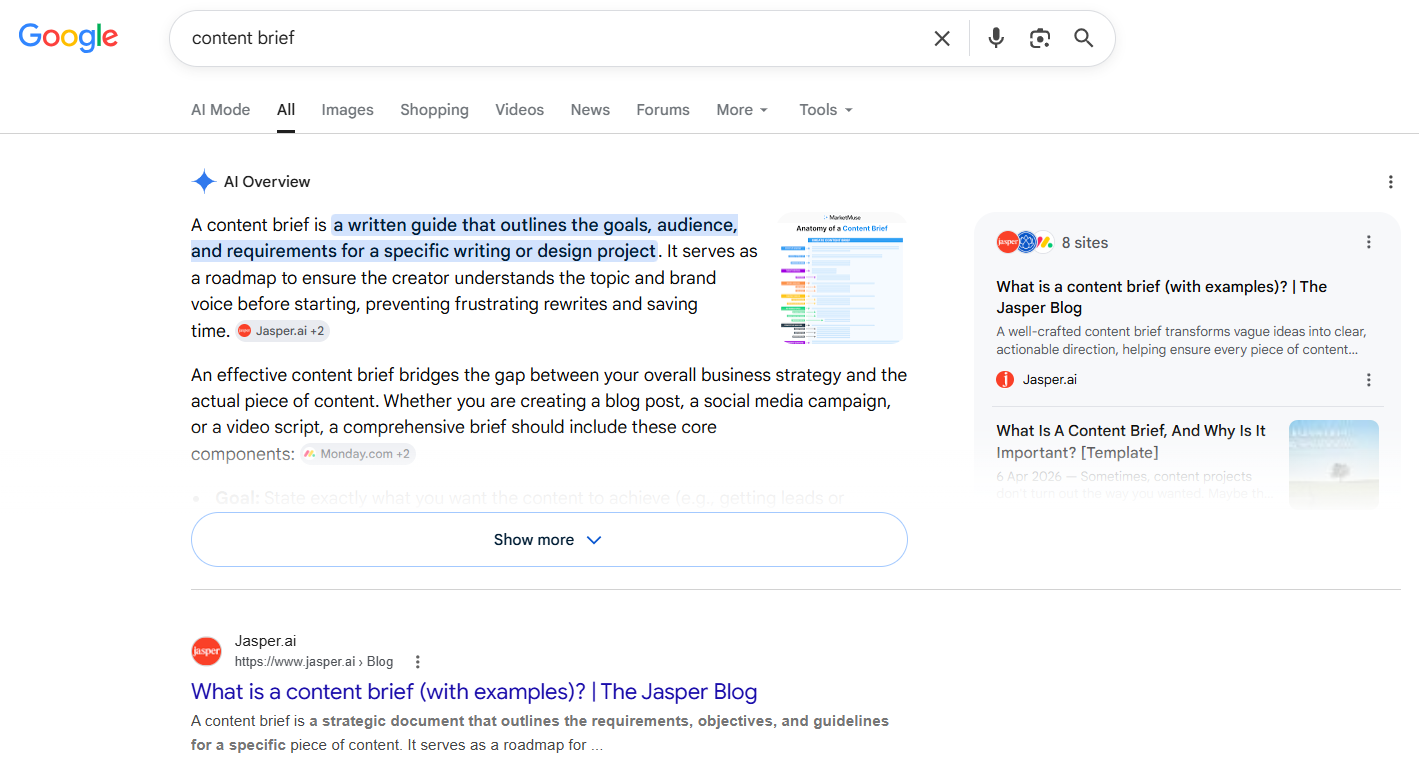
Search “content brief” and look at who’s ranking. Jasper. Monday. Semrush. MarketMuse.
Every single result is a software company teaching you what a content brief is — right before it offers to sell you the tool that writes one for you.
They’re not wrong about the what.
But not one of them shows you a real brief that led to a page actually ranking. And none of them are writing for a New Zealand business trying to get found in their own city.
For the decade I’ve been doing SEO, I’ve built a content brief before every single piece I publish. It’s the step that separates a page that ranks from a page that just sits there.
This guide walks you through exactly how I do it — the intent-first way — and I’ll show you the real brief behind my SEO Auckland page.
What Is a Content Brief?
A content brief is a short document that spells out exactly what a piece of content needs to cover, who it’s for, and what it should achieve — before a single word gets written.
Think of it as the plan for the article. Not the article itself, and not the outline either: the brief is the layer above both, where you decide what you’re making and why before you worry about how.
A good one captures a handful of core things:
- The objective — what this piece is meant to do (rank for a keyword, answer a question, bring in leads).
- The audience — who’s reading it and what problem they’ve got.
- The keywords — the main term and the variations around it.
- The outline — the headings and questions the piece has to answer.
- The details — word count, tone, internal links, the bits that keep it consistent.

Here’s a fun admission: the article you’re reading right now was built from one of these.
I ran the exact process below before writing a word — read the intent, mapped the problem, checked what was ranking, then wrote to the plan. Practise what you preach, and all that.
Why Content Briefs Are Important for SEO?
A brief is where you match your content to search intent — and matching search intent is the whole game.
Get it right before you write, and the page has a real shot. Skip it, and you’re guessing.
Let me explain why intent sits at the centre of this.
To rank, your page has to be the answer Google wants to show. And Google decides that based on one thing above almost everything else: does this content give the searcher what they were actually after?
Ahrefs puts search intent near the top of its list of ranking factors — they once got 516% more traffic to a single page in under six months just by reshaping it to match what searchers expected.

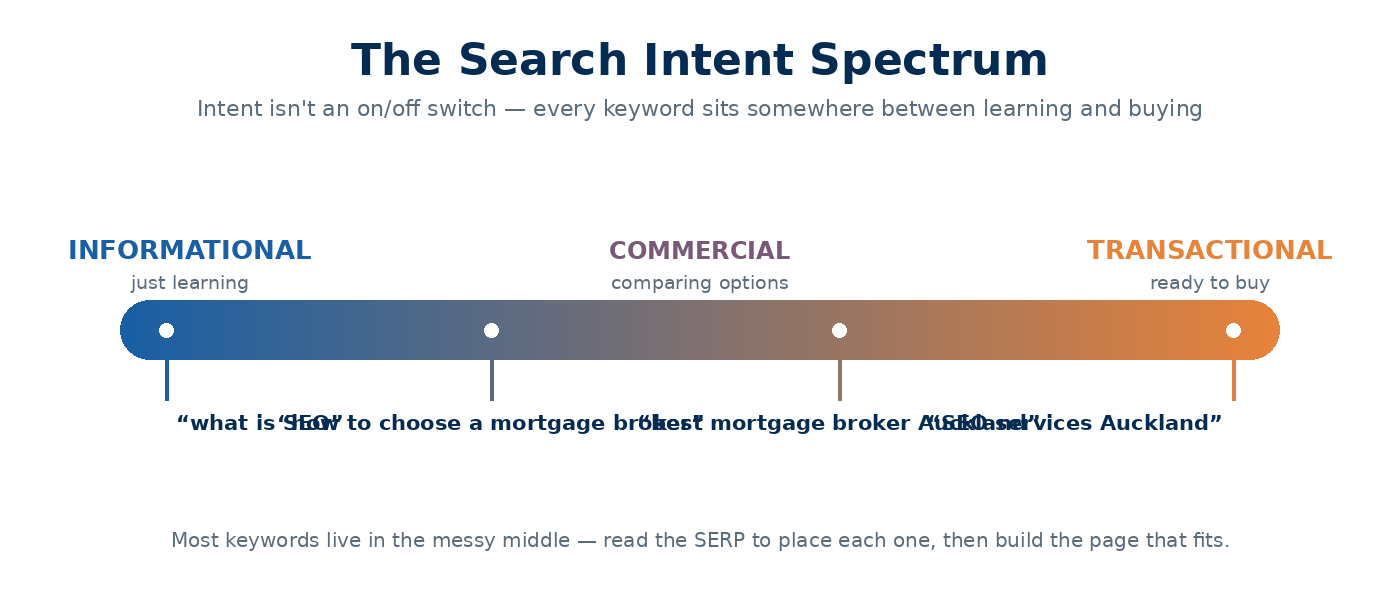
Intent lives on a spectrum, too — from someone just learning (“what is SEO”) to someone ready to buy (“SEO services Auckland”). Where a keyword sits on that line decides what kind of page you owe the searcher.
So here’s the problem the brief solves: you can’t match intent if you’ve never pinned it down. And you can’t pin it down mid-sentence, halfway through a draft, with the writer already off and running.
The brief is where you name the searcher’s problem — the real one — and line your content up against it. Problem on one side, solution on the other. That’s it. That’s the job.
Skip that step and you get busy work. Pages published, words written, a whole lot of motion — and you’re a chicken with its head cut off while the SERP quietly eats you alive.
It shows up in the data, too. Two of the biggest frustrations marketers report are getting content to rank and matching search intent — which are really the same frustration wearing two hats.
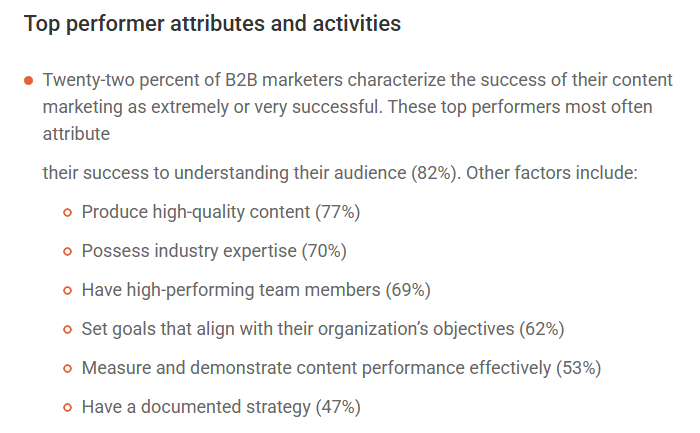
And the teams that win lean on exactly that — 82% of top-performing content teams put their success down to understanding their audience. The brief is where that understanding gets written down.
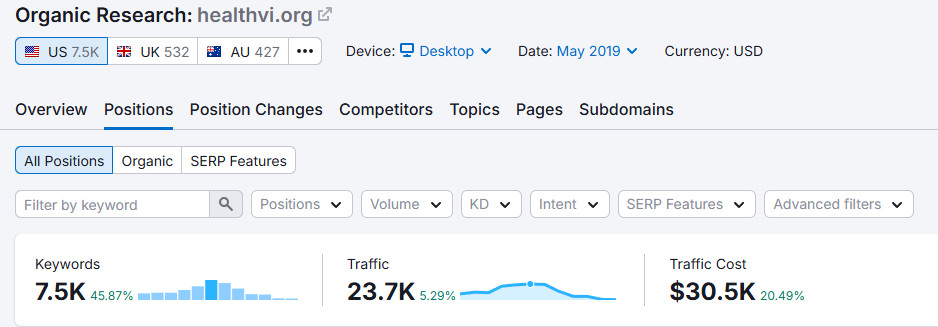
I’ve watched this compound in real life. Back in 2017 I started a project called HealthVI with my former business partner and SEO mentor, Ian Pribyl.
We took it from zero to over 20,000 organic visitors a month — and the reason it worked wasn’t some clever trick. It was doing this exact planning step, every time, before we published.
How to Create a Content Brief
Build the brief in order: understand the intent, break the problem down, see what’s already ranking, then map it all onto your page. Do it in that sequence and the writing part gets easy.
Most guides hand you a template with a dozen fields and wish you luck. The fields are the easy part. The hard part — the part nobody teaches properly — is knowing what actually goes in them. That’s what these steps are for.
Step 1 — Read the search intent off the SERP
Before anything else, figure out what the searcher genuinely wants. And the best place to find that isn’t in your head — it’s sitting right there in Google’s results.
Open an incognito window, search your keyword, and read the top ten. Ahrefs frames this as the three Cs: content type (blog post, product page, video?), content format (how-to, list, comparison?), and content angle (best, cheapest, for beginners?).
Search “how to file a tax return” and it’s wall-to-wall guides — informational intent, plain as day.
If the whole first page is long how-to guides, Google is telling you exactly what it wants to rank. Fighting that is how you lose.

Now flip it. Say I’m briefing a page for “panel beater Hamilton”. I search it, and the results are all local service pages and map listings — not blog posts.
That tells me the intent is commercial: this searcher wants to hire someone now, not read a 2,000-word explainer on how panel beating works. The brief has to reflect that, or the page never ranks.
Step 2 — Break down the major problem and every sub-problem
Once you know the intent, get specific about the problem. There’s the headline problem — and then there’s every little question sitting underneath it.
Take a guide on keyword research. The major problem is obvious: the reader can’t find keywords worth targeting.
But underneath sit a dozen sub-problems — how do I know if a keyword is worth targeting, how much search volume is enough, how do I check if I can actually rank for it, what tools do I need?
Answer only the headline and your page feels thin. Answer the sub-problems too and suddenly you’re the most complete thing on the page.
This is the step that turns a shallow article into a deep one. Write every sub-problem into the brief so the writer can’t skip them.
Step 3 — Study what’s already ranking
Now go back to those top pages and read them properly — not to copy, but to find the holes.
What do they all cover (that’s your table stakes — you have to match it)? What do they miss? Where are they vague, out of date, or clearly written by someone who’s never done the thing? Every gap is a spot where you get to be better.
That’s your information gain, and it’s the whole reason your page deserves to outrank a site with ten years on you.
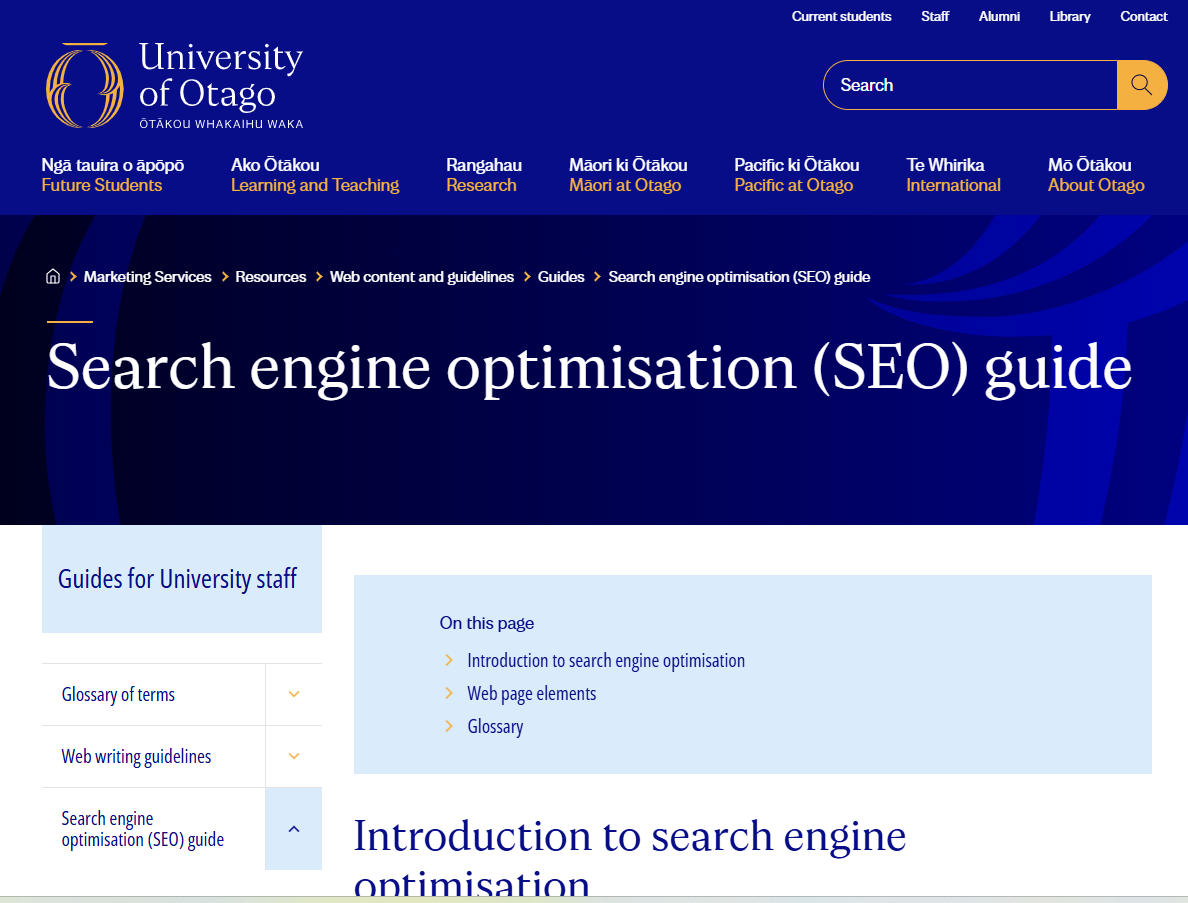
And a big domain doesn’t mean a good page. The University of Otago’s SEO guide sits on one of the most authoritative domains in the country — and says almost nothing useful. That’s a hole you can drive a truck through.
For reading a SERP quickly I’ll lean on Ahrefs or SEMrush to pull the ranking pages, their word counts and the keywords they’re winning — but honestly, half the insight comes from just opening the pages and reading them like a human.
Step 4 — Map it all onto your page
Now you assemble. Intent, the problem breakdown, and the gaps become your structure: your headings, your angle, and — the part that actually wins — the unique teaching layer only you can add.
This is where your real experience goes in. Your own results, your NZ examples, the thing you learned doing this for a client that no tool will ever surface.
Anyone can restate what’s already ranking. Nobody else can tell your story with your numbers. Build the argument in your voice; land it on a clean claim Google can lift.
Step 5 — Add the SEO essentials
Last, the housekeeping: your target keyword and the secondary variations, the internal links you want the page to carry, the meta title and description, and a word-count guide based on what’s ranking.
These belong in the brief so they’re decided upfront, not bolted on at the end. A writer who knows the keyword and the links before they start writes a far cleaner first draft than one who’s optimising in hindsight.
What a Real Content Brief Looks Like — My SEO Auckland Page
Here’s the exact thinking behind the brief for my SEO Auckland page — the plan I built before writing a word, aimed at one of the most competitive local markets in the country.
When I built that page, I couldn’t just start typing. I had to know what to say.
And to know what to say, I had to know what the searcher needed — someone in Auckland, typing “SEO Auckland”, almost always looking to hire.
So the brief captured the things that person actually weighs up before they pick an agency:
- Every service we offer, and how each one genuinely helps a business owner — not features, outcomes.
- What makes our process different from the agency down the road.
- The experience edge: I’ve spent years competing in the United States, which — humbly — most SEO agencies in New Zealand simply haven’t. That goes in the brief, because it’s the reason someone should choose us.
Then I ran that same process for every location page. Auckland first — that became my SEO Auckland page.
Then the same intent-mapping for Hamilton, Wellington, Tauranga, Christchurch and Queenstown, each one briefed off what a searcher in that city needed, not a copy-paste with the town name swapped.
And the payoff of doing the homework upfront? A page built on exactly what an Auckland searcher needs — in the mix against agencies a decade older than mine, off a brief instead of a guess.
That’s a brief made concrete: the map that told me what the page had to say before I said it.
Content Brief vs Creative Brief
A content brief guides one piece of written content. A creative brief guides a whole campaign or design project. Same family, different jobs.
People mix these up constantly, so here’s the clean split.
A content brief is for the written stuff — a blog post, a landing page, a guide. It’s about the topic, the keywords, the angle, and what the words need to do.
A creative brief is broader. It’s the document behind an ad campaign, a brand shoot, or a web design project — tone, visuals, the big creative direction across lots of assets at once.
If you’re writing an article to rank, you want a content brief. Reach for a creative brief and you’ll get direction on mood boards when what you needed was a keyword and an outline.
Common Content Brief Mistakes
A brief only helps if it starts from the searcher. Most weak ones start from the writer’s own head instead — and it shows.
I see the same few mistakes over and over.
Briefing from assumptions instead of intent. You decide what the article “should” say without ever checking what’s ranking.
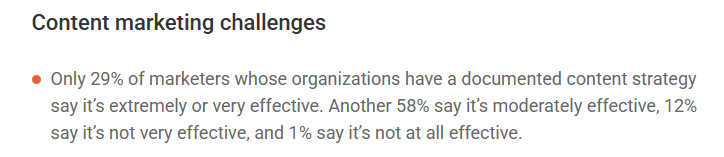
This is the big one, and it’s why plenty of documented plans still flop — only 29% of teams with a documented content strategy call it extremely or very effective. A plan that ignores intent is still a plan for a page that won’t rank.
Skipping the SERP entirely. The search results are a free answer key for what Google wants, and people write whole briefs without ever looking at them.
Making the brief so rigid the writer can’t breathe. Give the broad strokes — the intent, the must-cover points, the keywords — then trust the writer to write. A brief that scripts every sentence produces stiff, joyless content.
Confusing the brief with the outline. The brief is the strategy; the outline is the structure that flows from it. Jump straight to headings and you’ve skipped the thinking that makes the headings right.
Can You Just Use AI to Write a Content Brief?
AI can draft the scaffolding of a brief in seconds. It can’t supply the intent read, the real proof, or the unique angle — and that’s the part that actually ranks.
Nearly everyone’s reaching for it: 97% of content marketers plan to use AI in their work this year.

And for the boring bits — laying out the fields, suggesting a rough structure — it’s genuinely useful.
Here’s ChatGPT spinning up a brief-style outline and first draft for a dental keyword in seconds.
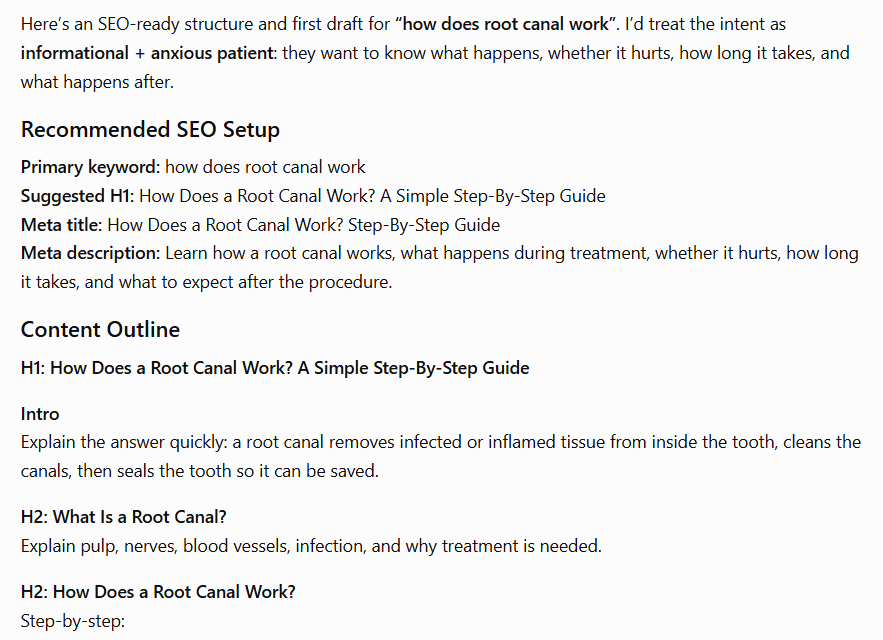
But hand the whole brief to AI and you lose the things that made it worth doing. It doesn’t know how you read the intent on this specific SERP. It doesn’t have your client results or your NZ context.
And it can’t drop in the one hard-won insight that makes your page different from the ten it was trained on.
Here’s the irony: the human part is exactly the part that gets you cited by AI.
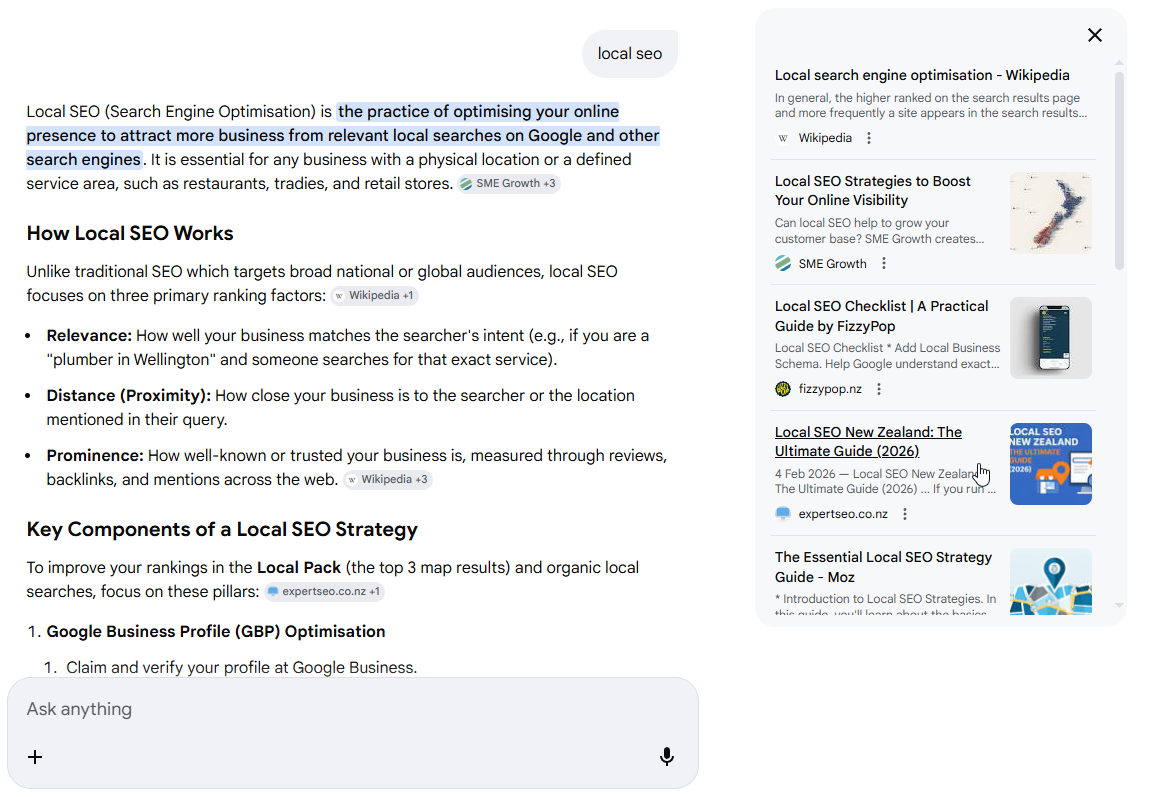
My SEO company is barely more than a year old, competing against businesses a decade deep — and it’s already being pulled into Google’s AI Mode and quoted in ChatGPT.
Not because a tool wrote the briefs, but because the briefs were built on real experience the models had nowhere else to find.
Use AI as the fast hands. Keep the strategy human.
Final Thoughts
A content brief is the cheapest edge in SEO.
Fifteen minutes of real thinking — read the intent, map the problem, check what’s ranking — against a page that actually pulls its weight once it’s live. The effort is tiny. The payoff compounds every time you hit publish.
And here’s what should make you sit up: most of your competition doesn’t bother. They pick a topic, hand it to a writer or an AI, and hope.
Brief every piece properly and you’re already a step ahead of them on the exact thing SEO rewards most — giving the searcher what they came for.
That’s why I build one for every single piece I publish. Not just the big ones. Every one. Do the same for your New Zealand business and that edge is yours to keep.
You can run this whole process yourself — it’s a system, not a secret, and now you’ve got it. Pair it with an SEO operation that lives and breathes this every day, though, and it compounds a lot faster. That’s where we come in.
Content Brief: FAQ
What are the 5 C’s of content?
The 5 C’s are clarity, conciseness, consistency, credibility and a call to action — a checklist for making finished content effective. A content brief is a different thing: it’s the plan you write before the content, not a quality check on the piece afterwards.
What should a content brief include?
At minimum: the objective, the target audience, the primary and secondary keywords, an outline of what to cover, and the details like word count, tone and internal links. The best briefs also pin down the search intent and the angle that makes the piece different from what’s already ranking.
How long should a content brief be?
Long enough to remove the guesswork, short enough to read in a couple of minutes — usually half a page to a page. If it’s so detailed that it scripts every sentence, it’s gone too far and will squeeze the life out of the writing.
Do I write the content brief before or after keyword research?
After. Keyword research tells you what to target and what the intent is; the brief turns that research into a plan for one specific page. The order is always research first, then brief, then write.
Recommended Reading
 SEO Strategy: What It Is And How To Create One
The plan that ties keywords, content and links back to real business goals.
 The Complete SEO Checklist for NZ Businesses
The full step-by-step process, from setup to ranking, in one place.
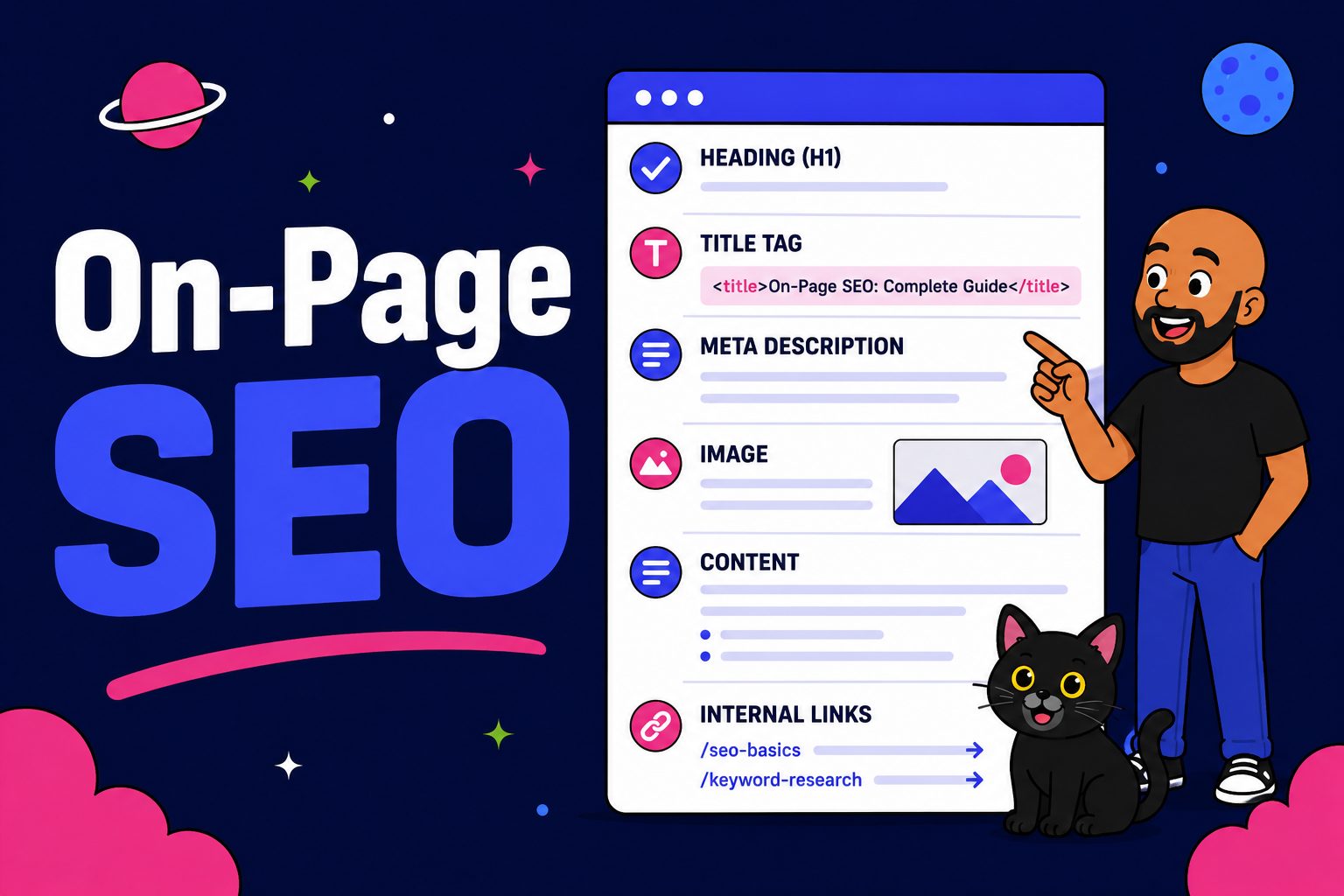 On-Page SEO: The Complete Guide For NZ Businesses
How to optimise each page so Google knows exactly what it’s about.