

Here’s a number I’m proud of: 36.
That’s the Domain Rating my own site, Expert SEO, sits at on Ahrefs — their version of domain authority — on a domain that’s under a year old, in a market full of agencies with a decade’s head start.

On paper, a one-year-old site shouldn’t be able to lay a glove on them.
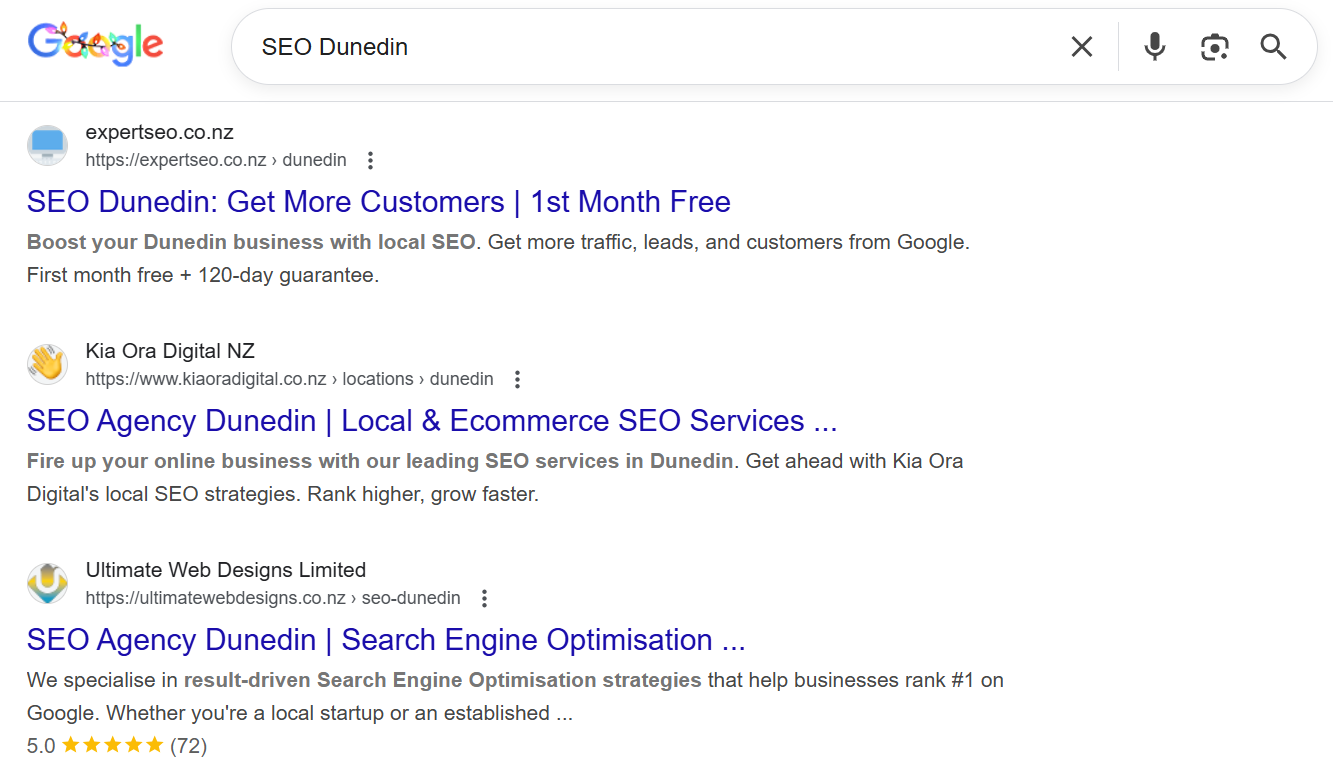
But that authority has done real work. It’s what’s put this site at #1 for SEO in Dunedin — ahead of agencies that have been in that market for years.
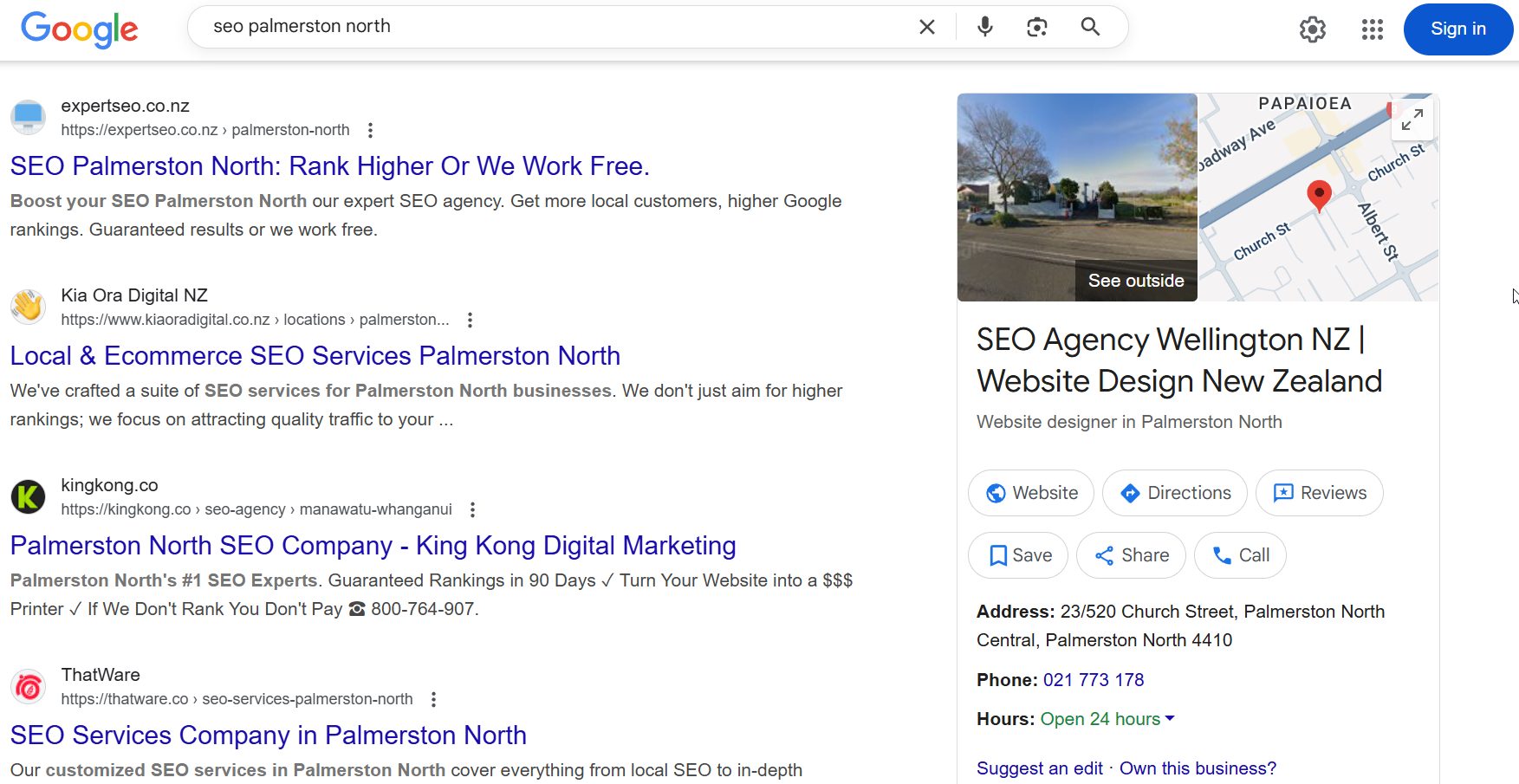
Same story in Palmerston North: #1 there too.
And #2 for SEO in Hamilton, a tougher, busier market.

It’s also part of why Google’s AI Mode now cites us when people ask about SEO in New Zealand — sitting in the answer above Ahrefs and Semrush on some queries.
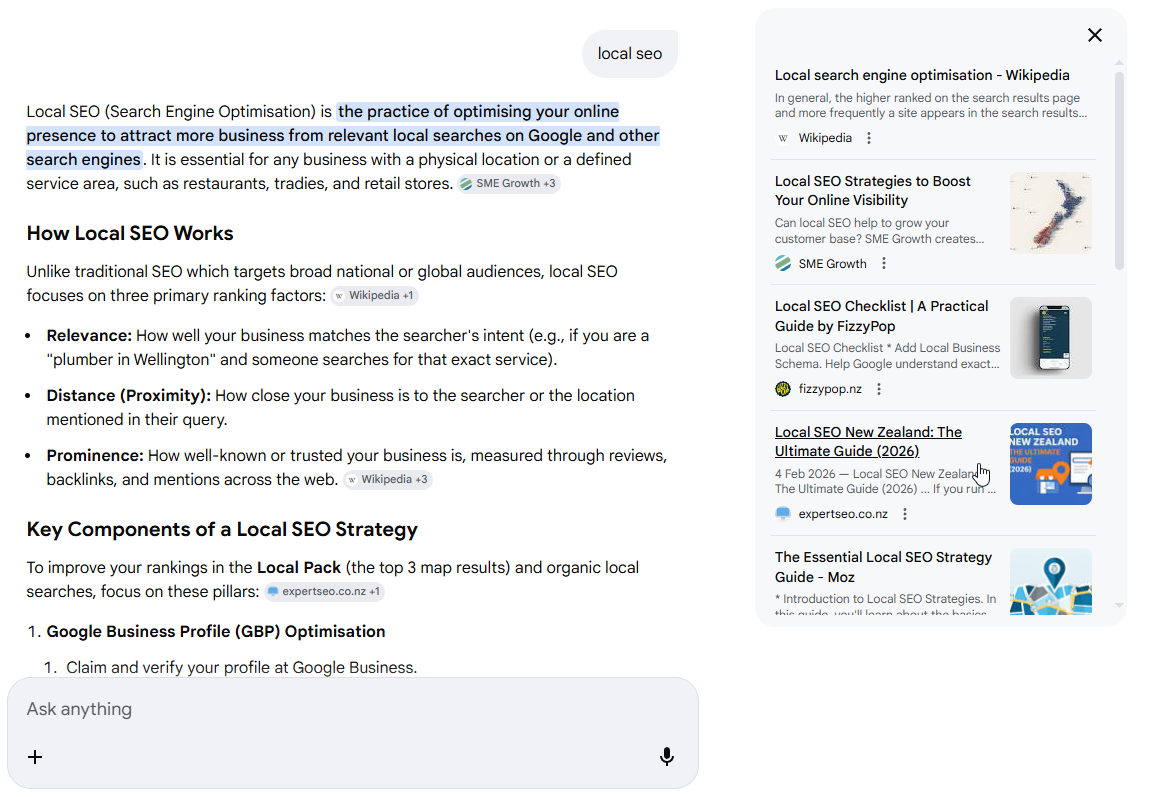
None of that came from buying links or chasing a score. It came from a handful of specific moves, done consistently.
I won’t re-explain what domain authority is here — our full domain authority guide already breaks that down. This piece is the how: eight strategies that actually build authority, each one I’ve run on the exact site you’re reading.
1. Earn Links From More Referring Domains
Ask any tool how to lift your authority and the honest answer is always the same: get more websites linking to you.
Not more links — more websites.
That distinction is the whole game, and it’s where most people waste months. Fifty links from one blog barely move the needle. Five links from five separate, credible sites move it a lot. Ahrefs is blunt about it — getting links from more unique referring domains is the only real way to lift your Domain Rating.
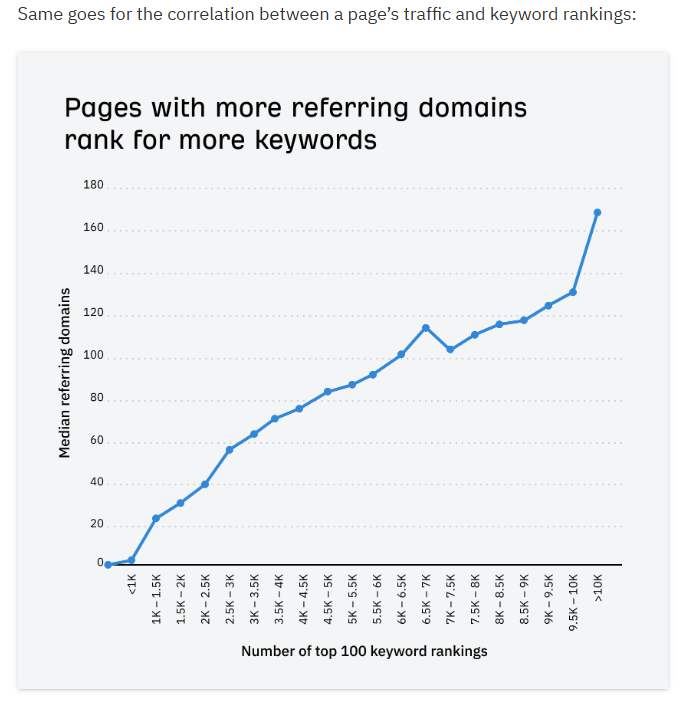
Why does Google care? Because a link is a vote. One site vouching for you fifty times is one opinion shouted fifty times over. Fifty sites vouching for you once each is fifty independent opinions — and that’s what looks like genuine authority.
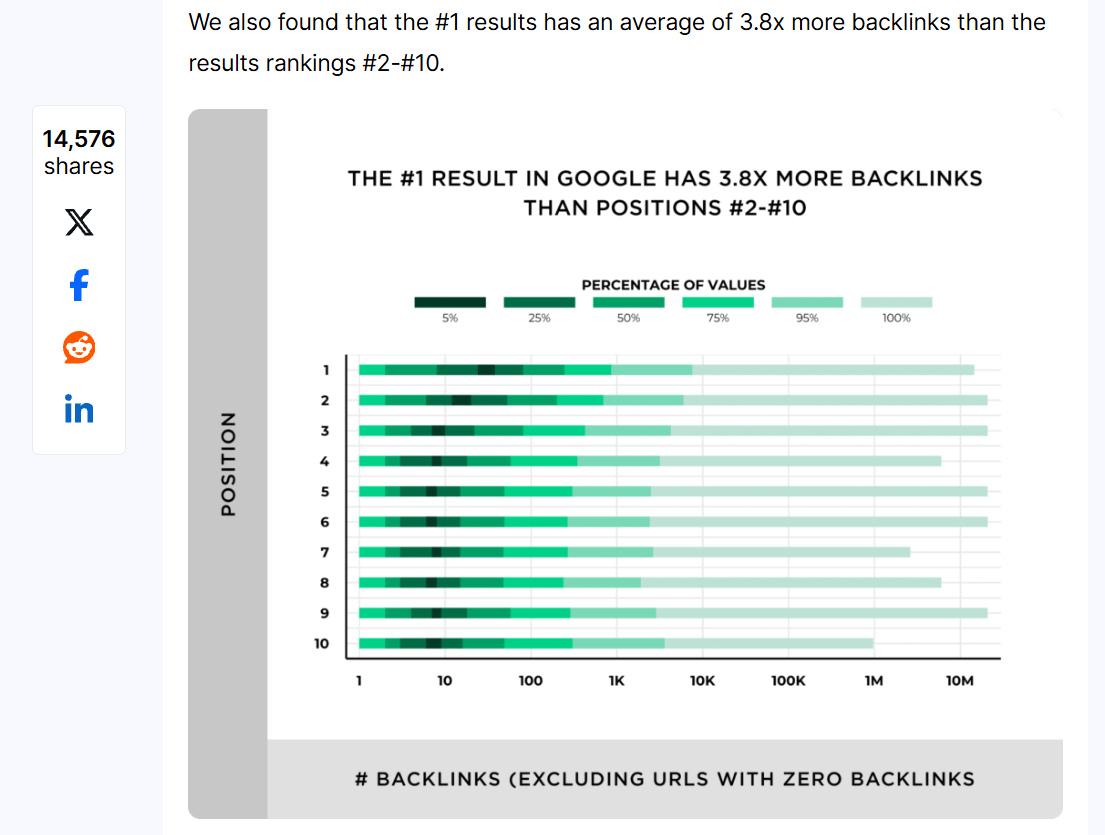
The numbers back it up. Pages sitting in Google’s top ten have, on average, 3.8x more backlinks than the pages below them.
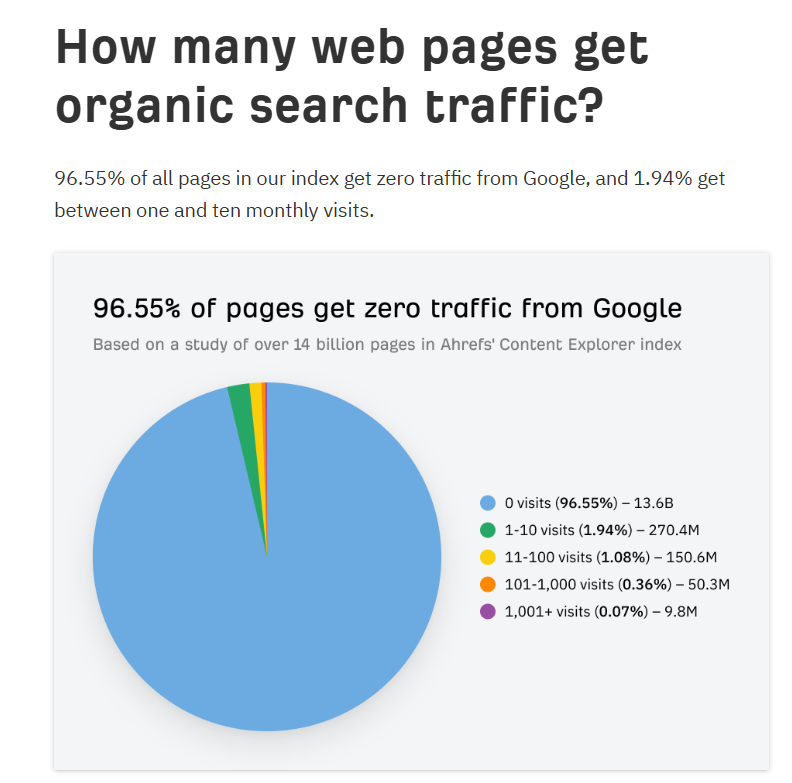
And roughly 90% of all pages get zero organic traffic from Google, mostly because nobody links to them at all.
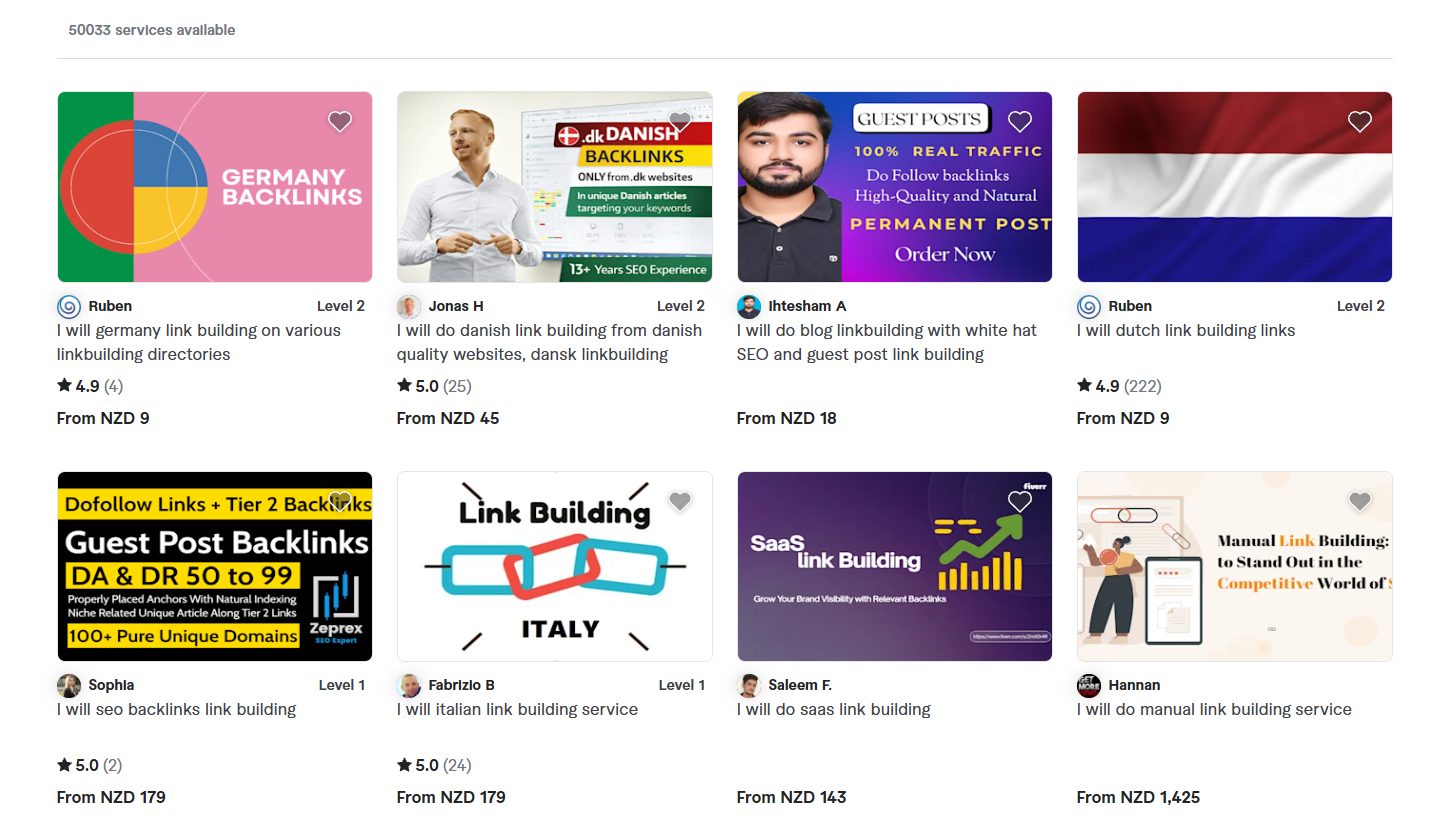
So how do you actually earn one? Not by swapping links with mates (Google spots reciprocal patterns from a mile off) and not by buying a bundle off Fiverr — more on why that’s a fast track to trouble later.
You earn a link the slow, real way: proper link building, giving a genuine site a genuine reason to point at you.
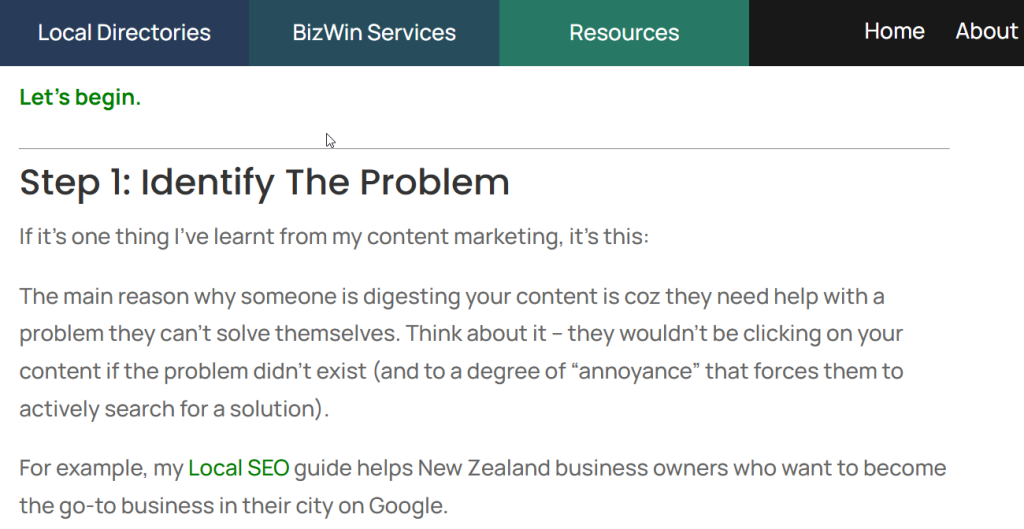
Here’s a real one. When Leo at BizWin linked to our local SEO guide from his site, that single editorial link did more for our authority than a hundred directory submissions ever would.
It came from a relevant NZ business site, in our niche, placed inside real content — every signal Google wants to see.
One clean backlink from the right site beats a hundred from the wrong ones. Chase domains, not link counts.
2. Create Content Worth Linking To
The scalable way to earn those referring domains: build things people link to without being asked.
This is the difference between begging for links and attracting them. Outreach works, but it’s slow and it caps out. A genuinely useful asset — original data, a definitive guide, a free tool — earns links on autopilot while you sleep.
It compounds because every person who finds your resource and cites it is a referring domain you didn’t have to chase. Write one great guide, and links trickle in for years off the back of it.
What actually earns links in practice:
- original research or stats nobody else has,
- a guide so complete it becomes the reference for a topic,
- or a tool that solves a real problem.
The test is simple — would another site owner link to this to make their own content better? If yes, you’ve got a linkable asset. A thin 400-word post rehashing what’s already out there won’t earn a single link.
One sign you’re on the right track: when even your competitors start linking to your content.

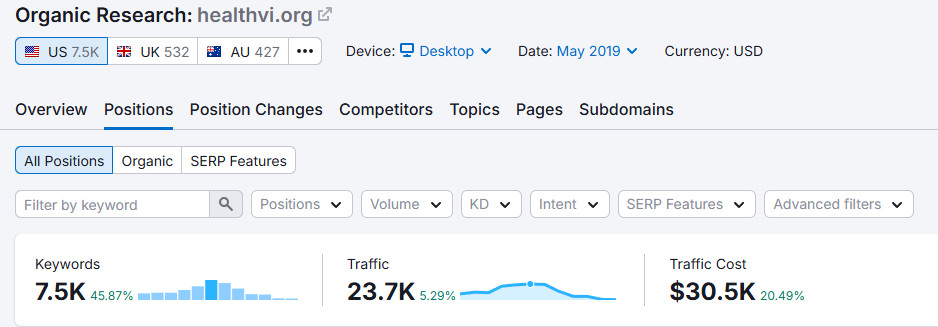
The proof: I grew a health site, HealthVI, from zero to over 20,000 monthly organic visitors, built with my former business partner and SEO mentor Ian Pribyl.
We didn’t do it by spamming outreach. We did it by publishing content thorough enough that people linked to it and Google trusted it. The links followed the value, like they always do.
There’s a neat move that ties this straight back to your money pages, too — the “middleman” method. You build the linkable, informational content (that’s what earns the links), then you link from inside it to your commercial pages.
The informational page catches the authority; your internal links pass it along to the pages that actually make you money.
Build the thing worth linking to first. Everything after that gets easier.
3. Build Topical Authority With a Pillar and Cluster
Depth beats breadth. Cover one subject completely and Google starts treating you as a genuine source on it — which lifts every page sitting under that umbrella.
This is called a pillar-and-cluster, and it’s the single biggest reason a site under a year old can outrank sites that have been around for a decade.

Here’s how it works. You build one comprehensive “pillar” page on a broad topic. Then you write a cluster of focused articles around it, each covering a sub-topic in depth, all linking back to the pillar.
Google reads that web of related, interlinked content and concludes you actually know this subject — not that you wrote one post and wandered off.
It moves authority faster than random blogging for a simple reason: scattered posts on unrelated topics don’t reinforce each other. Ten posts about ten different things read like a hobby blog. Ten posts orbiting one topic read like an authority.
The proof is the site you’re on. We went deep on local SEO — a pillar guide plus a full cluster of supporting articles — and it took us to #1 in New Zealand for “local SEO,” sitting above Ahrefs and Semrush in the results.

On a sub-year-old domain. That’s topical authority doing the heavy lifting — and it’s the same foundation we then used to rank SEO in Auckland, Christchurch, Wellington, and a string of other city pages.
To map your own:
- Pick the topic you most want to be known for.
- Write the definitive pillar on it.
- List every question and sub-topic a customer might have, and turn each into a supporting post.
- Link them all back to the pillar.
Do that, and authority compounds page by page.
4. Point Your Internal Links at the Pages That Matter
Every link you earn dumps authority onto one page. Internal links are how you move it to the pages that actually matter.
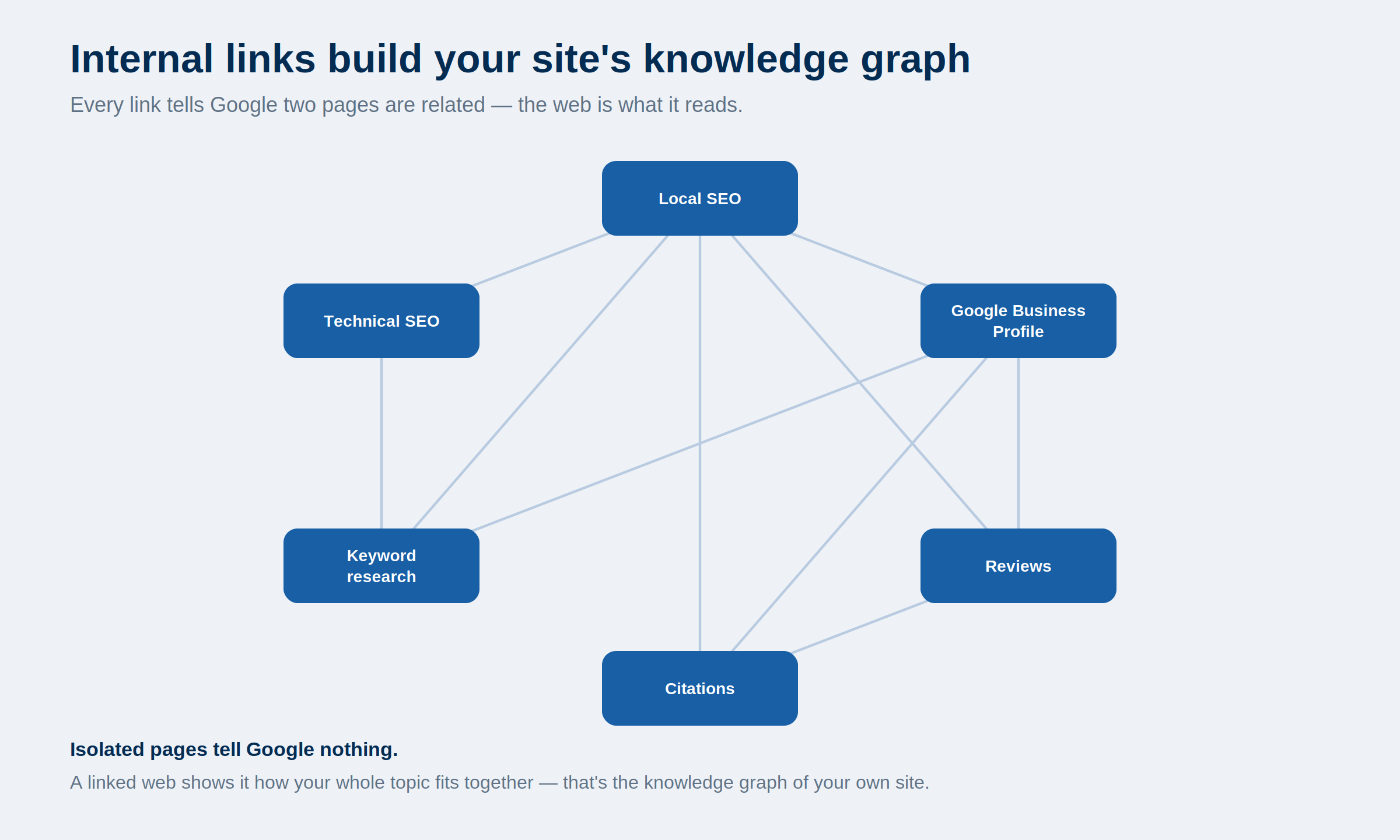
This is the most underused lever in SEO, and it’s completely free. No outreach, no waiting — just linking your own pages together with intent.
Picture this. You earn a cracking backlink to a blog post. Without internal links, that authority just sits there, marooned on the blog post.
Add a link from that post through to your main service page, and some of that authority flows through — lifting the page you actually want ranking.
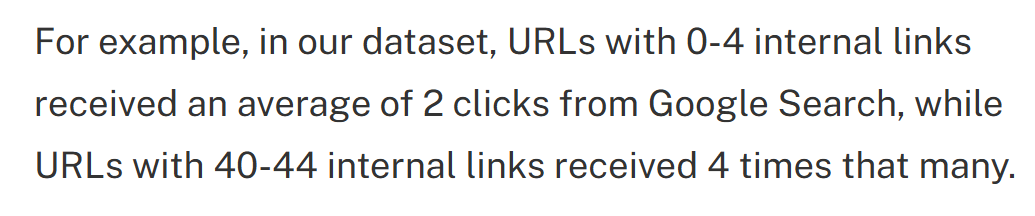
The data’s striking. A Zyppy study of 23 million internal links found pages with 40–44 internal links pointing to them got four times the clicks of pages with just 0–4. And around 66% of pages have barely any internal links at all — so sorting yours out puts you ahead of most competitors on day one.
How to do it, practically:
- Identify your money pages — the ones you most want ranking.
- Link to them from your relevant blog posts and guides using descriptive anchor text. If a post mentions a service you offer, link that phrase to the service page.
A tool like Link Whisper surfaces these opportunities across your whole site if you’d rather not do it by hand.
The rule underneath it all: authority should flow from your content down to your money pages, not the other way round. That’s internal linking done properly, and it’s the fastest win on this entire list.
5. Fix the Technical Foundation Underneath It All
You can earn all the links in the world, but if your site is slow, broken, or a mess for Google to crawl, you’re pouring authority into a leaky bucket.
Technical SEO is the plumbing. It won’t win you rankings on its own, but neglect it and everything else works twice as hard for half the result.
The essentials to check:
- Page speed and Core Web Vitals — a slow site frustrates users and Google both.
- Broken links and 404s — they waste crawl budget and leak authority into dead ends.
- Thin or duplicate pages — they drag your whole domain’s quality signal down.

How to find the problems without guessing: run your site through a crawler.
An SEO audit with a tool like Screaming Frog or a SEMrush site audit will surface broken links, redirect chains, and slow pages in a few minutes, then hand you a checklist to work through.

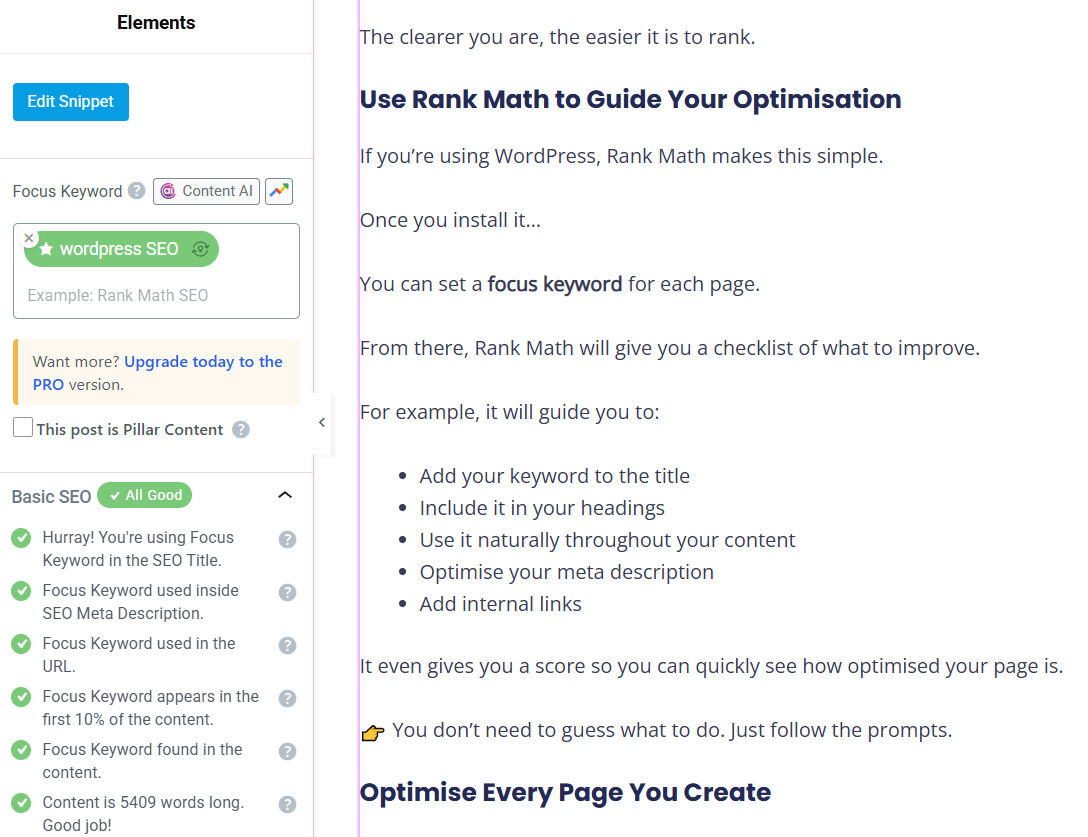
On WordPress, Rank Math handles a lot of the on-page technical basics — sitemaps, indexing settings, schema — from one dashboard.
You don’t need to get fancy. Fix the speed, kill the broken links, prune the dead-weight pages. A clean, fast site holds onto the authority you’re building instead of letting it drain out the bottom.
6. Lock In Consistent Local Citations
If you’re a local NZ business, consistent citations are one of the most overlooked authority signals going.
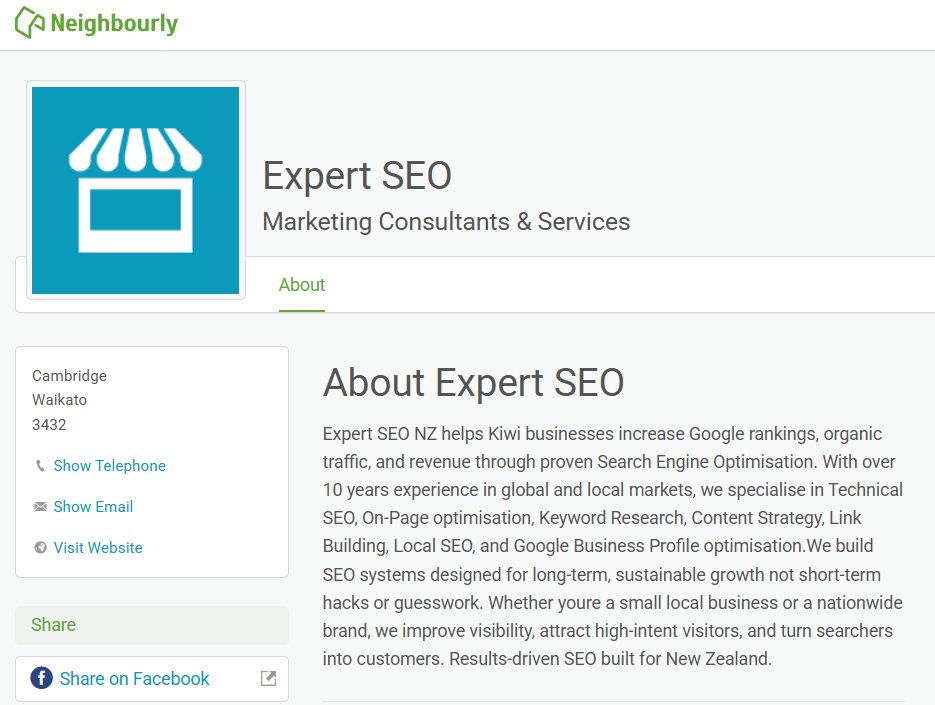
A citation is any mention of your business name, address, and phone number — your NAP — on another site: directories, listings, local platforms. Consistency is the whole point: your details written identically everywhere.
Why does it matter? Because Google cross-checks. If your business is “Ltd” on one directory and “Limited” on another, or an old phone number is still floating around on three listings, that inconsistency makes Google hesitate to trust you.
Get it consistent and it becomes a steady drip of signals confirming you’re a real, established business.

Where to start:
- Claim and fully complete your Google Business Profile first — exact name, address, phone, hours, category.
- Get listed, with identical details, across the main NZ directories: Yellow, Localist, Finda, NZS, plus your industry bodies.
A tool like BrightLocal’s Citation Builder pushes a consistent listing out to the main directories for you, so you’re not hand-typing your NAP into thirty separate forms.
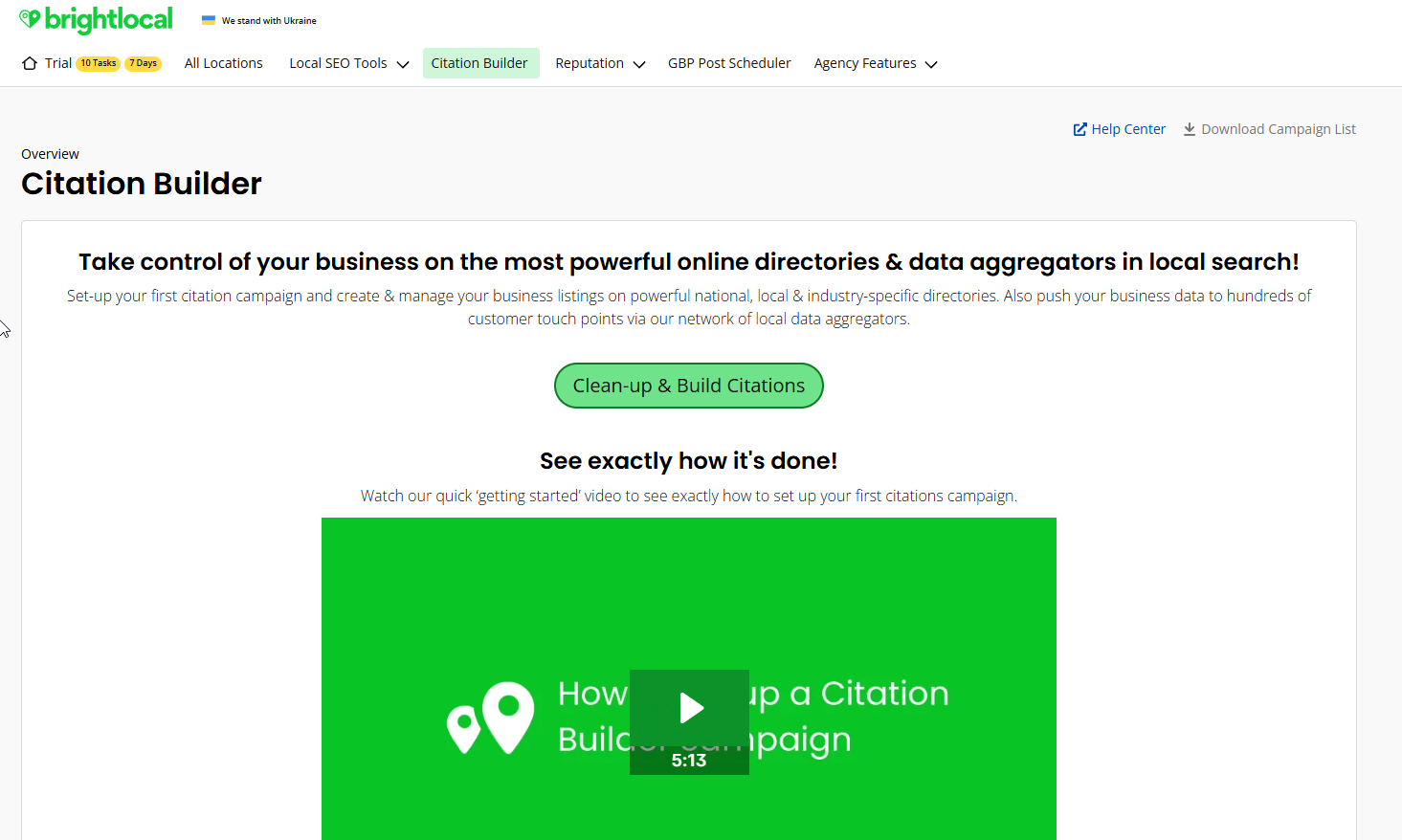
It’s grunt work, not glamour. But it’s foundational — and with half of business listings carrying incorrect information, getting yours clean and consistent is an easy edge over the competition.

7. Clean Up the Toxic Links Dragging You Down
Sometimes your authority is capped by the links you’ve picked up, not the ones you’re missing. A pile of spammy backlinks can quietly hold your rankings down.
This usually hits sites that bought cheap links at some point, or accumulated junk from dodgy directories and hacked sites over the years.
The nuance most people get wrong: low authority doesn’t mean toxic. A link from a small, legit NZ blog with barely any traffic isn’t hurting you — it’s just not doing much.
Toxic means genuinely spammy: link farms, irrelevant overseas sites, networks that exist purely to sell links. Those are the ones worth worrying about.
How to clean it up:
- Pull your backlink profile in Ahrefs and sort by the sketchiest-looking domains.
- Flag the ones that are clearly spam.
- Compile them into a disavow file — a simple text list.
- Upload it through Google’s Disavow Tool in Search Console.
That tells Google to ignore those links when it sizes up your site.
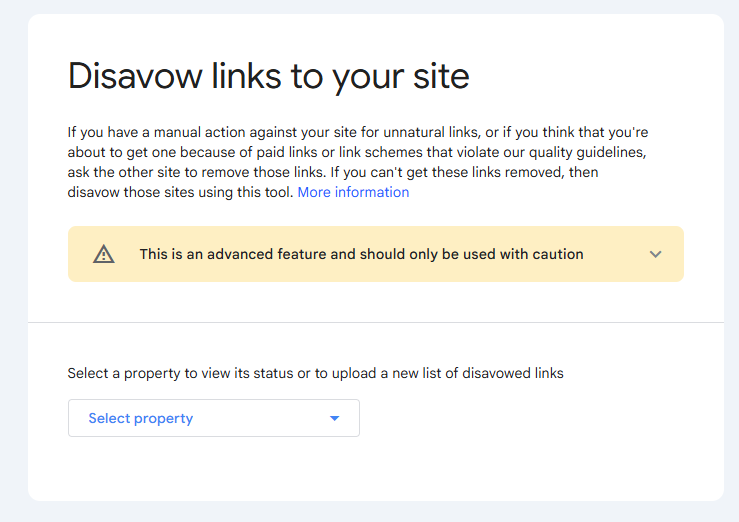
One caution — don’t get trigger-happy. Disavowing good links by mistake does more damage than the spam ever did. When in doubt, leave it in. Only disavow what’s obviously toxic.
8. Give It Time and Know Why the Number Stalls
Here’s the part nobody wants to hear: this takes months, not days. Domain authority is a lagging metric, and the early stretch often looks like nothing’s happening at all.
Two things work against your patience.
First, this stuff is slow by nature. When Ahrefs tracked a million freshly published pages, only 1.74% cracked Google’s top ten within a year — and the ones that did overwhelmingly came from sites that already had authority behind them.
Even a brilliant new link has to be crawled, weighed, and factored in before you feel the payoff.

Second, the scale is logarithmic. Moving from 20 to 30 is reasonably quick; 70 to 80 is brutal.
The higher you climb, the more work each point costs — which is oddly good news when you’re starting low. Those first jumps from 20 to 30 are the easiest you’ll ever get.
Why might your score be stuck, or even dropping? Usually one of a few things: you’ve stopped earning new referring domains (the flow dried up), a chunk of your old links went dead, or a competitor is simply out-earning you.
The fix is almost always the same — get back to consistently earning links to genuinely useful content.
For a real timeline: our own city pages went from nothing to ranking #1 in Dunedin, #1 in Palmerston North and #2 in Hamilton within months of building them, off a domain under a year old.
That lines up with what multi-location SEO normally takes — early traction around three months, real momentum by six. The businesses that win are the ones still building in month nine, long after the impatient ones have quit.
The Score Is the Scoreboard, Not the Game
Time for the honest bit half these guides bury: Google does not use Domain Authority. Or Domain Rating. Or Semrush’s Authority Score. None of them.
They’re all third-party metrics — Moz, Ahrefs and Semrush each built their own proxy to estimate what Google might do, and Moz says plainly that DA isn’t a Google ranking factor.
They’re useful as a rough gauge of your link profile and a way to size up competitors. Useless as a target to chase for its own sake.

So which one should you actually track? Pick whichever tool you already live in and watch the trend, not the exact figure. I use Ahrefs’ DR because I’m in Ahrefs all day. The number matters far less than the direction it’s heading.
Here’s where missing this gets expensive. Because these scores can be gamed in the short term, an entire industry exists to sell you a fast one: “We’ll boost your DA to 40 in 30 days.”
What they’re actually doing is firing a network of spammy links at your site. The score ticks up for a while — then Google, which never cared about the score anyway, spots the toxic link pattern and tanks your real rankings. You’ve paid someone to sabotage you.
Real authority can’t be bought like that. It’s earned: the referring domains, the linkable content, the topical depth, the clean technical base.
Do those, and the score climbs on its own as a side effect. So the real move is simple: stop optimising for the scoreboard, and start playing the game it’s measuring.
Should You Do This Yourself or Bring Someone In?
Honestly? Everything above is doable yourself. It’s the actual playbook I’ve used, no secret sauce held back.
If you’ve got the time to earn links, publish genuinely useful content, and stay consistent for six-plus months, you can absolutely build your own authority. Plenty of businesses do.
It tips into hire-someone territory when the constraint becomes time, or the gap becomes skill.
Link building is the hard part — slow, relationship-driven, and done wrong it backfires. Topical authority at pace means publishing a lot of genuinely good content.
Most business owners have a company to run and can’t spend their week pitching sites and mapping clusters.
That’s the call. More time than money? Do it yourself, with this as your guide. More money than time — or you’ve tried and the needle won’t budge? That’s where done-for-you SEO comes in.
We’ve built this exact authority on our own domain, in under a year, in a crowded market. Rather talk it through first? That’s what a no-pressure chat with an SEO consultant is for.
Either way, the strategies don’t change. Earn the links, build the depth, keep the foundation clean — and let the number climb on its own.
How to Improve Domain Authority: FAQ
How long does it take to improve domain authority?
Months, not weeks. Expect early movement around three months of consistent link-earning, with real momentum by six. It's a lagging metric, so the first stretch often looks flat even when the work is landing.
What is a good domain authority score?
There's no universal "good" number — it's relative. What matters is beating the specific sites ranking for your keywords, not hitting an arbitrary figure. For plenty of NZ niches, a DA or DR in the 20s to 30s is enough to outrank far older competitors.
Can you buy domain authority?
You can buy a short-term bump, but not real authority. Services promising to "boost your DA fast" fire spammy links at your site; the score ticks up briefly, then Google spots the pattern and your actual rankings take the hit.
Does domain authority affect Google rankings?
Not directly — Google doesn't use Domain Authority at all. But the things that raise it, like quality links, strong content and a clean technical base, are genuine ranking factors, which is why higher-authority sites tend to rank better.
What's the difference between Domain Authority and Domain Rating?
Same idea, different toolmakers. Domain Authority (DA) is Moz's metric; Domain Rating (DR) is Ahrefs'. Both estimate the strength of your link profile on a 0–100 scale. Pick whichever tool you use and track the trend, not the exact number.
How do I check my domain authority?
Use a free checker like Ahrefs' Website Authority Checker or Moz's Link Explorer — enter your domain and it returns your score plus your referring domains. Watch the direction it moves over time rather than fixating on the daily figure.
Recommended Reading
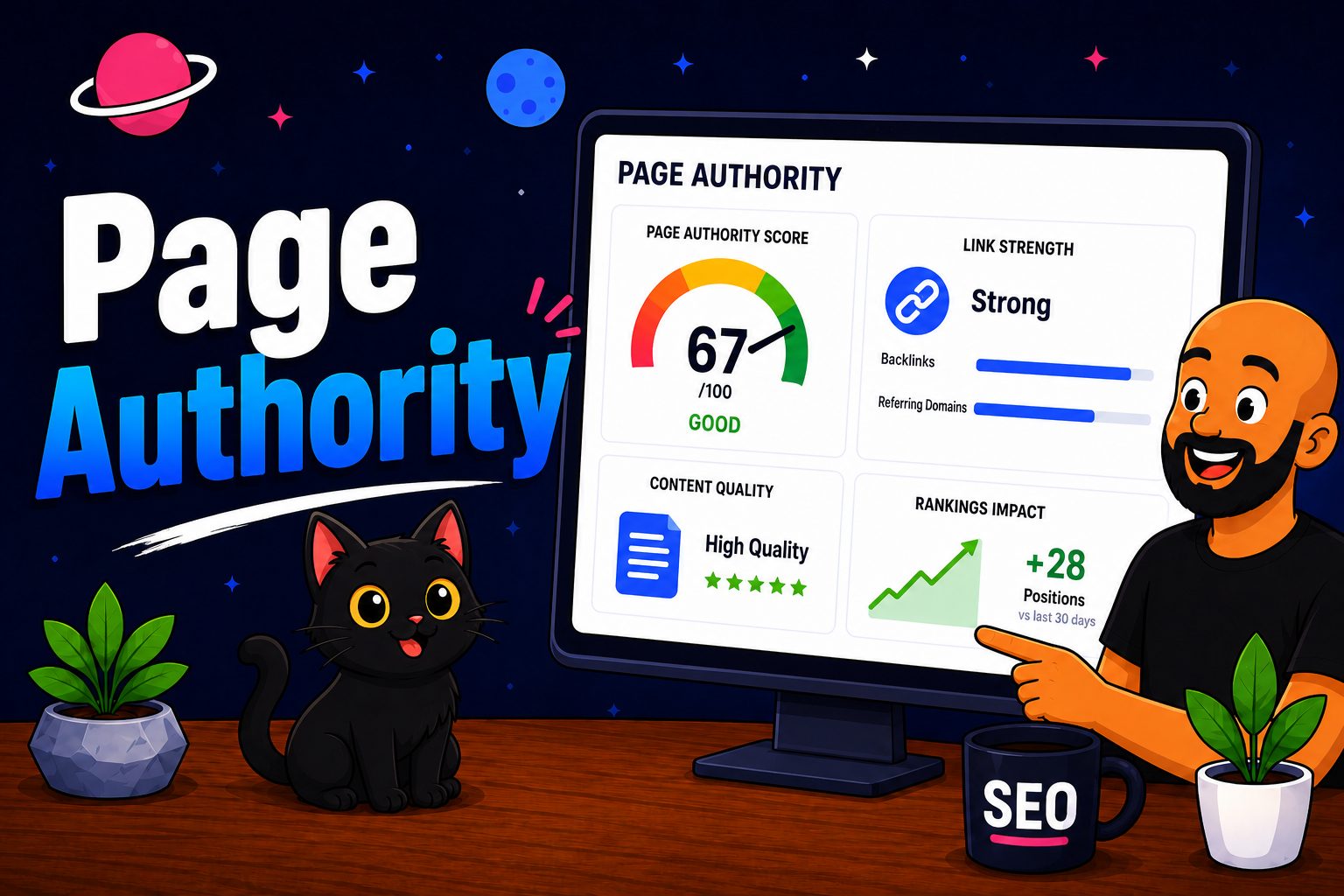
Page Authority
The page-level version of the same metric — and how to lift it on the pages that matter.
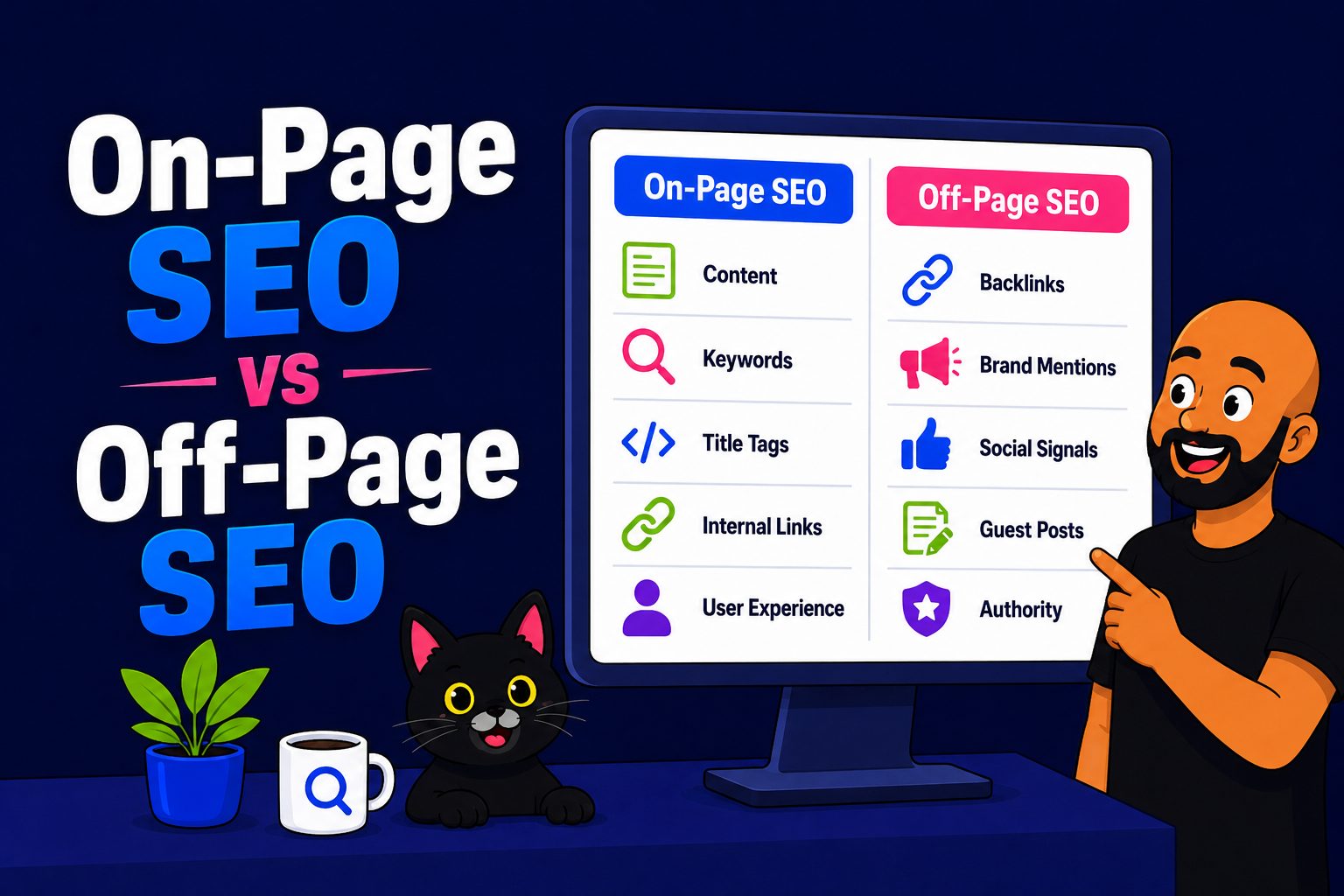
On-Page SEO vs Off-Page SEO
Where authority actually comes from — the off-page half of SEO, explained.

White Hat SEO
How to build rankings the durable way, without the shortcuts that get sites burned.