
Every SEO blog, every agency pitch, every YouTube tutorial throws the word “keyword” around like we all quietly agreed on what it means.
Ask ten New Zealand business owners what a keyword actually is, though, and you’ll get ten different answers — most of them the shallow version that keeps their website invisible.
So let’s fix that properly.
By the end of this you’ll know what a keyword is, the different types, and the part almost nobody teaches: the keyword itself is only the surface.
Underneath it sits something far more valuable — the topic and the intent behind the search. Get those right and you stop chasing words and start owning markets.
Keywords still matter. They’re just one piece of a much bigger puzzle. Let’s start with the piece everyone knows.
What Is a Keyword?
A keyword is a word or phrase someone types into a search engine to find something — and the same word or phrase you put on your page so search engines know your page answers it.
That’s it in one sentence. Now let me show you what it actually looks like.
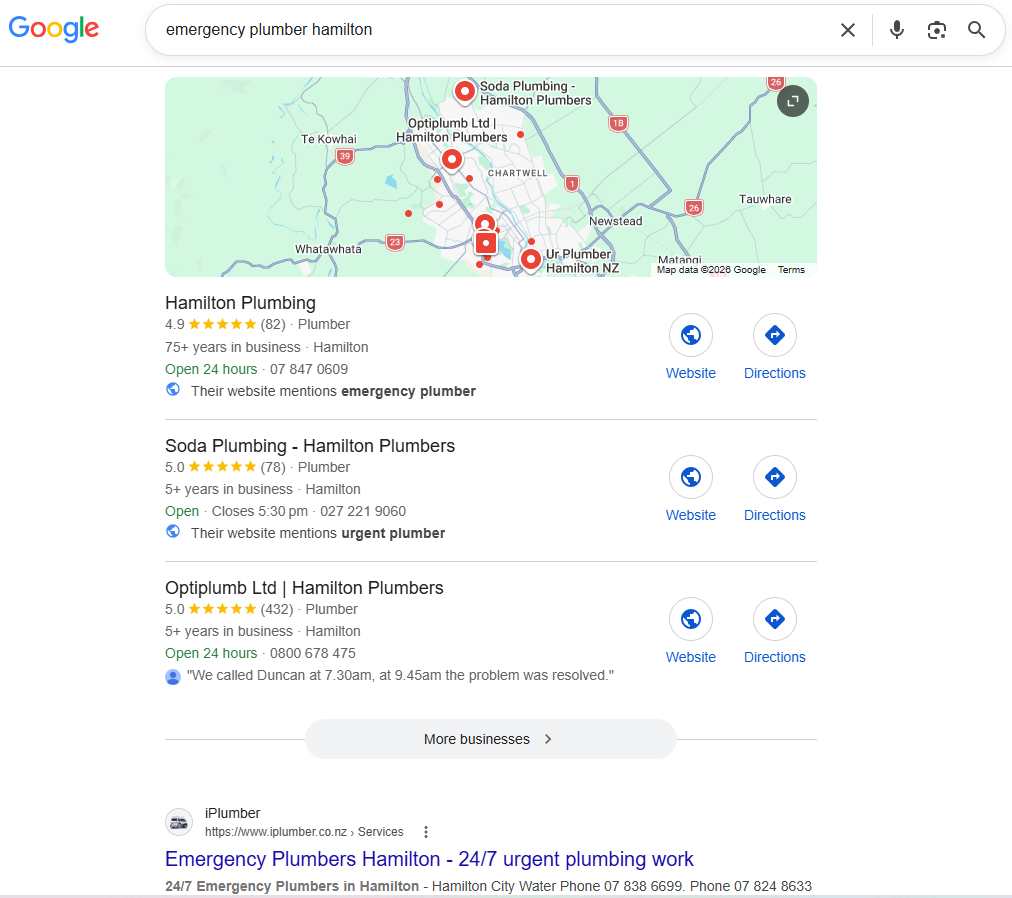
Say you’re doing SEO in Hamilton for a plumbing business. Someone’s hot water cylinder has just died on a Sunday night. They grab their phone and type emergency plumber Hamilton.
That phrase — emergency plumber Hamilton — is a keyword.
It’s a keyword twice over: it’s what the searcher used to go looking, and it’s what you’d want on your page so Google can connect that search to your business. The keyword is the meeting point between a person with a problem and a business with the answer.
Keyword vs Search Query
Here’s a distinction worth clearing up early, because it trips people up constantly.
A search query is the exact string a person types. A keyword is the term you target — the concept underneath a whole family of queries.
Three people needing that Hamilton plumber might type emergency plumber Hamilton, 24 hour plumber near me, and plumber Hamilton urgent hot water.
Three different queries. One underlying keyword and one underlying need.
You don’t build a separate page for every phrasing. You target the keyword — the concept — and let it catch the whole cluster of queries around it. Hold that thought, because it’s the seed of the bigger idea later.
Why Keywords Are Important for SEO
Keywords matter because they’re the bridge between demand that already exists and the page you put in front of it. No keyword match, no visibility.
Think about the mechanism for a second. Someone searches. Google scans everything it has indexed, decides which pages best answer that search, and ranks them.
If your page doesn’t line up with the words and meaning behind the search, you’re not in the running — you’re not even on the shelf.
That’s why keywords are the starting point of the entire game. They tell you what people actually want, in their own words, in the quantities they want it.
Guess what your customers are searching and you’re gambling. Know it, and every page you build has a job before you write a single line.
Picture a café in Auckland hoping people just stumble in off the street.
Now picture the same café showing up every time someone searches best brunch Ponsonby or coffee near me Auckland CBD.
Same café, same coffee — the difference is one of them worked out the keywords its customers were already typing, and put itself in the path of that demand.
Here’s the part that should make you sit up. Ahrefs studied around 14 billion web pages and found that 96.55% of them get no traffic from Google at all. None.
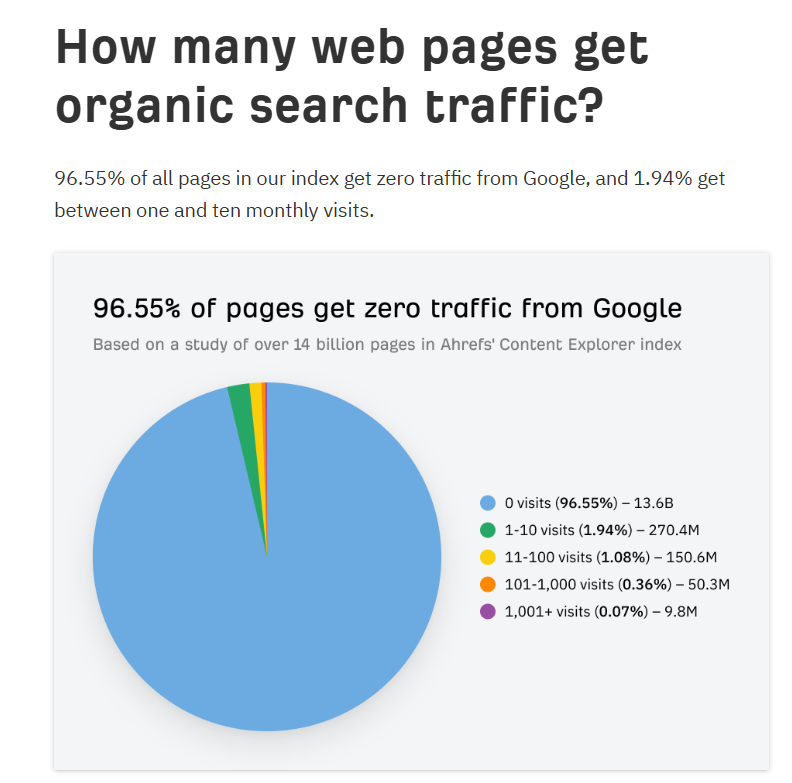
Most of those pages aren’t broken. They’re just built around words nobody searches, or they answer a search the writer never bothered to understand. That’s a keyword problem before it’s anything else.
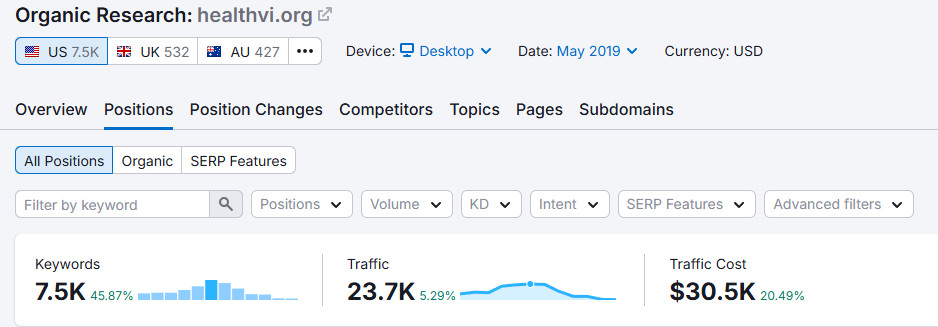
Get it right and it compounds hard. I grew a health website, HealthVI, from zero to over 20,000 organic visitors a month by starting every piece with what people were genuinely searching for — not what I felt like writing about.
The keyword research came first; the traffic followed.
The Types of Keywords
Keywords sort two ways: by length, and by the intent behind them. Those are the two lenses that actually change what you do, so they’re the two worth knowing.
By Length: Short, Medium and Long-Tail
Line keywords up by how many words they contain and a pattern appears — the “search demand curve.”
Short-tail keywords are one or two words. Plumber. Coffee. Massive search volume, brutal competition, and vague intent — someone searching plumber could want a job, a definition, or a tap fixed.
Medium-tail keywords add a word or two and some direction. Plumber Wellington. Less volume, less competition, clearer purpose.
Long-tail keywords are the specific ones. Emergency gas plumber Wellington CBD. Low volume each, but far less competition, and the intent is crystal clear — that person needs a specific thing, now.
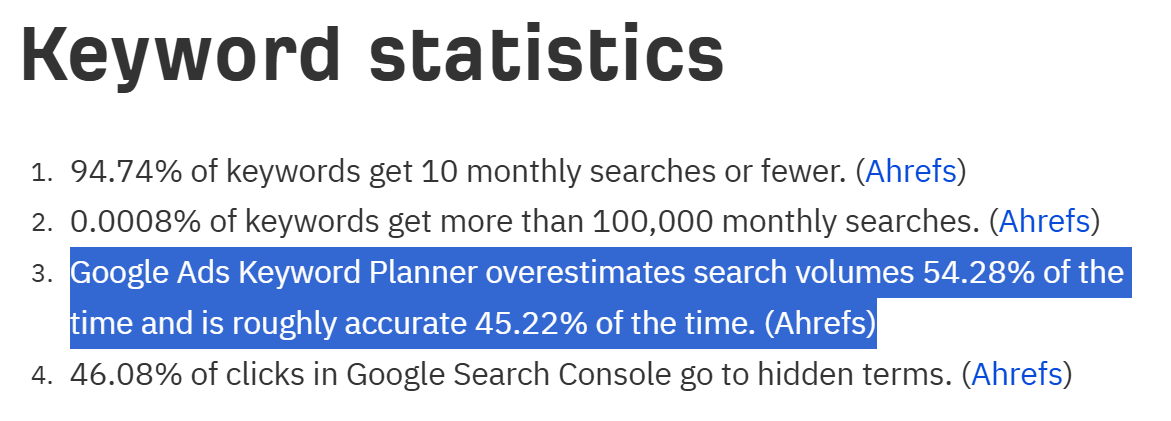
Here’s the stat that reframes how you should think about the whole curve. Ahrefs found that around 95% of all keywords get 10 or fewer searches a month — roughly 3.8 billion of them in their US database alone.
The short, fat, high-volume terms everyone fights over are a rounding error. The real ocean of search is long-tail.
For a smaller NZ business, that’s the whole opportunity. You’re not going to outrank a national chain for plumber tomorrow. But emergency gas plumber Wellington CBD? That’s winnable, the searcher is ready to book, and there are thousands of variations like it.
By Search Intent: The Four Types
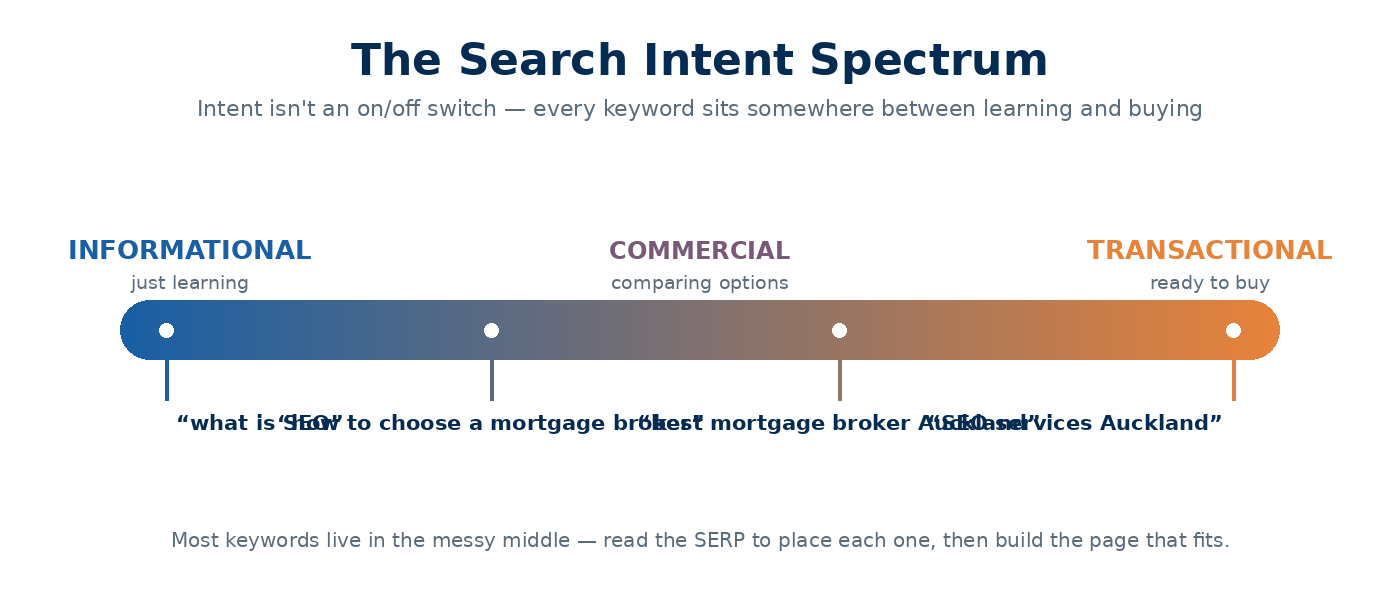
Now the more important lens. This is what people mean when they ask about “the four types of keywords” — the four kinds of intent behind a search:
- Informational — they want to learn something. How does a kitset home work.
- Navigational — they want a specific site or brand. Mike Greer Homes.
- Commercial — they’re comparing before they buy. Best builders Christchurch.
- Transactional — they’re ready to act. Builder Christchurch quote.
The intent is the whole story, because it decides what you build. Same topic — house building in Christchurch — four completely different pages:
| Keyword | Intent | What they want | What you build |
|---|---|---|---|
| how does a kitset home work | Informational | To understand | A blog post |
| Mike Greer Homes | Navigational | A specific brand | (Not your battle) |
| best builders Christchurch | Commercial | To compare options | A comparison / “best of” page |
| builder Christchurch quote | Transactional | To hire, now | A service or quote page |
Point a blog post at a transactional keyword and you’ll get readers who never buy. Point a service page at an informational keyword and you’ll get bounces.
Match the page to the intent and everything clicks — which is exactly where most keyword work stops, and exactly where the real work should start.
How Keywords Fit Into Topics and Search Intent
Here’s the shift that separates people who dominate a market from people who chase words.
A keyword is the surface. Underneath it sits a topic you can own and an intent you have to satisfy — and those two are what you actually optimise for.
The hierarchy runs like this: topic, then intent, then keyword. The topic is the territory. The intent is what the searcher wants inside that territory.
The keyword is just how that intent shows up as text on a given day. Fixate on the keyword and you’re staring at the tip of the iceberg, optimising for the 10% you can see and ignoring the 90% that decides whether you rank.

Why does this matter so much? Because Google stopped ranking pages for repeating a phrase a long time ago.
It ranks the page that best covers the topic and best satisfies the intent. Cover the topic properly and you rank for hundreds of terms you never explicitly targeted.
That’s not a theory. Ahrefs found the average top-ranking page also ranks in the top 10 for nearly 1,000 other relevant keywords. One page. A thousand keywords.
Not because someone stuffed a thousand phrases in — because the page owned its topic.

The chase-the-keyword approach breaks down for a second reason too. Ahrefs notes Google has reconfirmed that roughly 15% of daily searches have never been searched before.
You literally cannot build a page for every keyword, because a huge slice of them don’t exist yet. What you can do is own a topic and nail the intent — and catch those never-before-seen searches as they’re born.
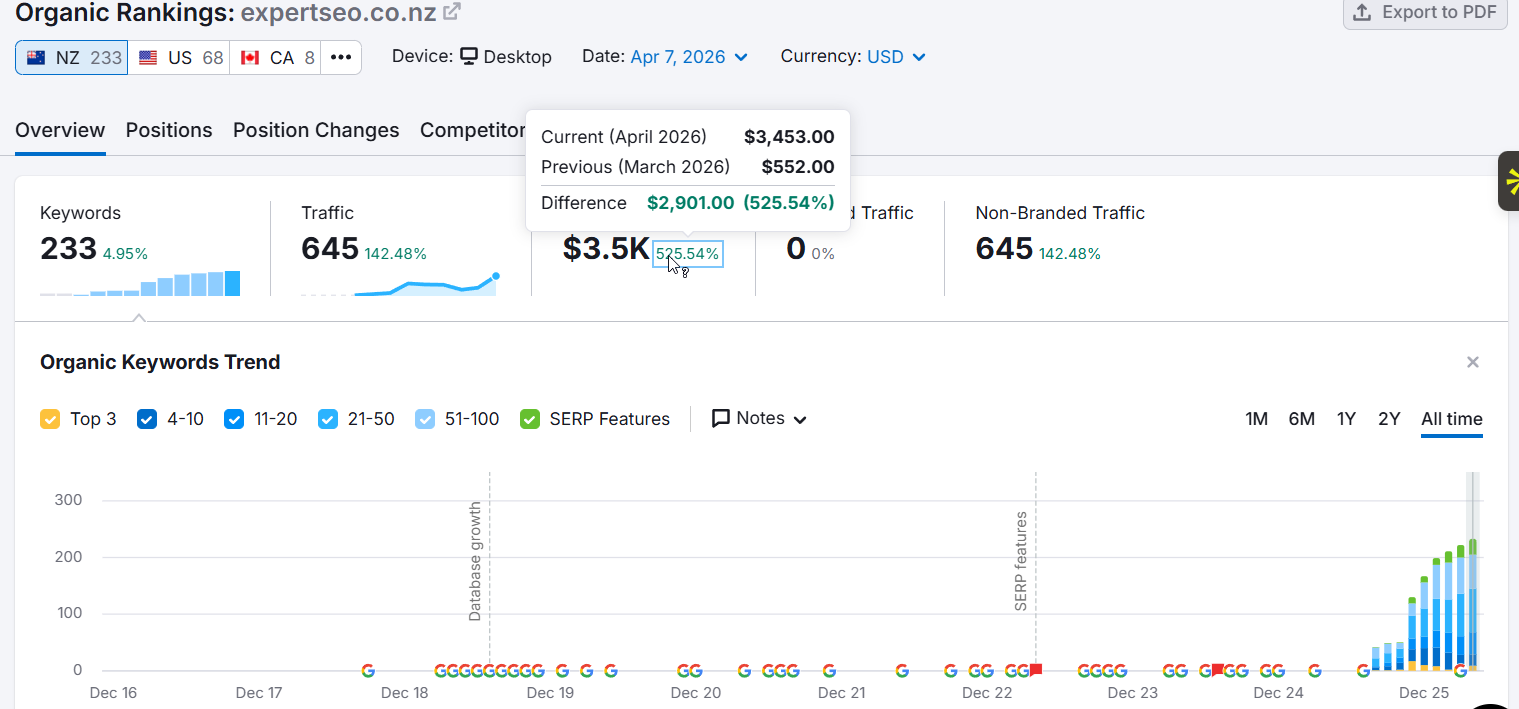
This is also why the topic-and-intent approach is the one that works in a competitive market. My own SEO company, Expert SEO, is barely a year old and going up against NZ agencies with a decade’s head start.
In under a year it’s ranking for hundreds of keywords worth around $3,500 a month in traffic — because it’s built around topics and intent, not a spreadsheet of phrases.
And it’s about to matter more, not less. Google’s AI Overviews now reach over 2 billion users a month, per Google’s own reporting.
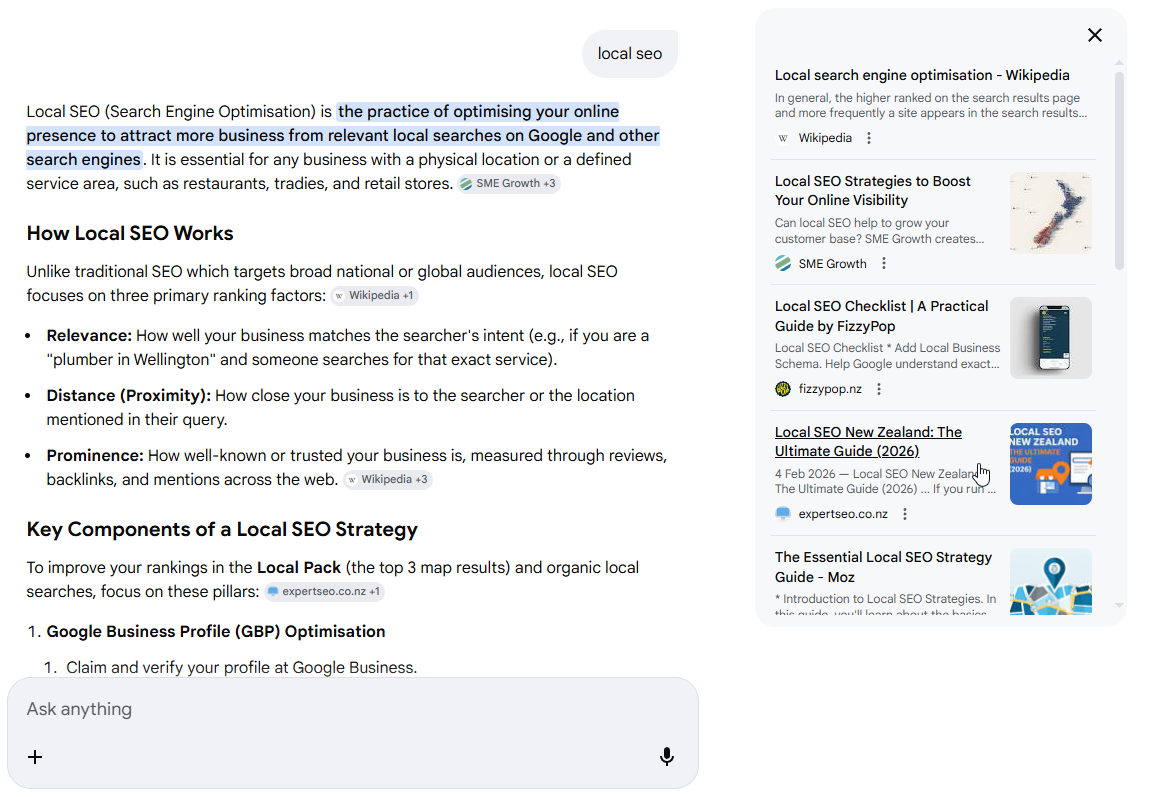
AI search doesn’t match keywords — it reads topics and answers intent. The businesses that already think in topics and intent are the ones getting pulled into those answers; Expert SEO is already being cited as a source inside Google’s AI Mode.
The ones still chasing single keywords are invisible to them.
So the real question was never “what keyword do I target.” It’s “what topic can I own, and what does this searcher actually want.” The keyword just tells you where to start digging.
Why Keyword Research in New Zealand Is So Shallow
Now the uncomfortable bit.
For the decade I’ve been doing SEO — a fair chunk of it in the brutal United States market — I’ve watched keyword research get treated here as a box to tick.
Type a term into a tool, copy the list, done. That’s not keyword research. That’s collecting keywords.
And it’s not just business owners doing the shallow version. I’ve talked to New Zealand SEO agencies — plenty of them — who never take it past that flat list.
No topic map. No intent read. No sense of the bigger structure the keywords are meant to hang off. They hand a client a spreadsheet and call it a strategy.
Here’s the thing though: that’s fantastic news for you.
It means the bar in most NZ markets is on the floor.
When 96.55% of pages already get no traffic and half the competition is chasing keywords without understanding topics or intent, you don’t need to be a genius to win — you just need to do the layer everyone skips.
Own the topic. Match the intent. Do it properly.
Even the big names leave the door open.
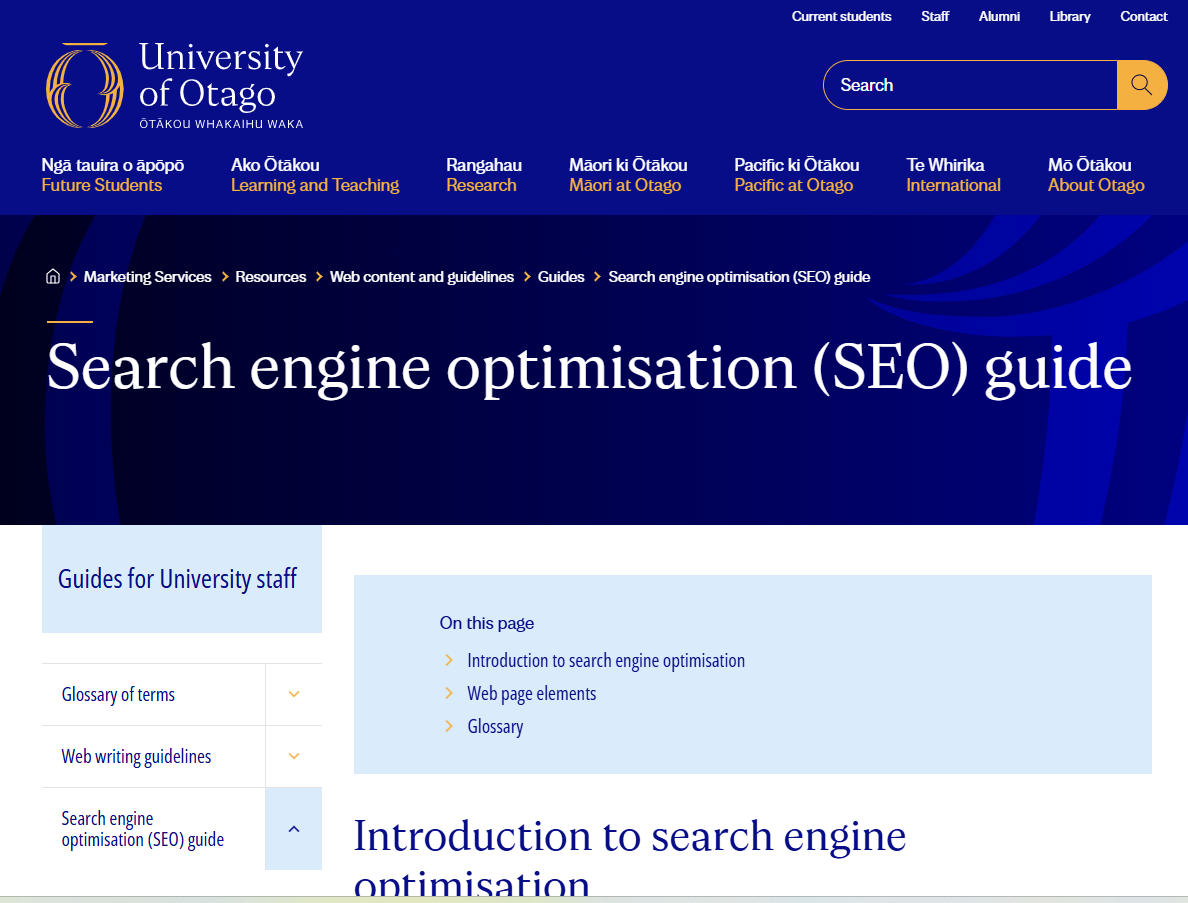
The University of Otago — one of the highest-authority domains in the country — has an SEO guide that’s thin and generic underneath all that authority.
A huge domain doesn’t save you if the work behind the page is shallow; and that’s most of the field.
Nine times out of ten, that’s enough to beat businesses that have been at it far longer than you.
How to Find and Use Keywords
You could write a whole guide on the how — and I have. But here’s the shape of it, done the right way round.
Start with the topic, not the keyword. Before you open any tool, ask what your customer is actually trying to do.
A Queenstown lodge owner isn’t “targeting keywords” — they’re trying to be found by people planning a trip, comparing places to stay, and booking a room. That’s three topics before you’ve touched a keyword.
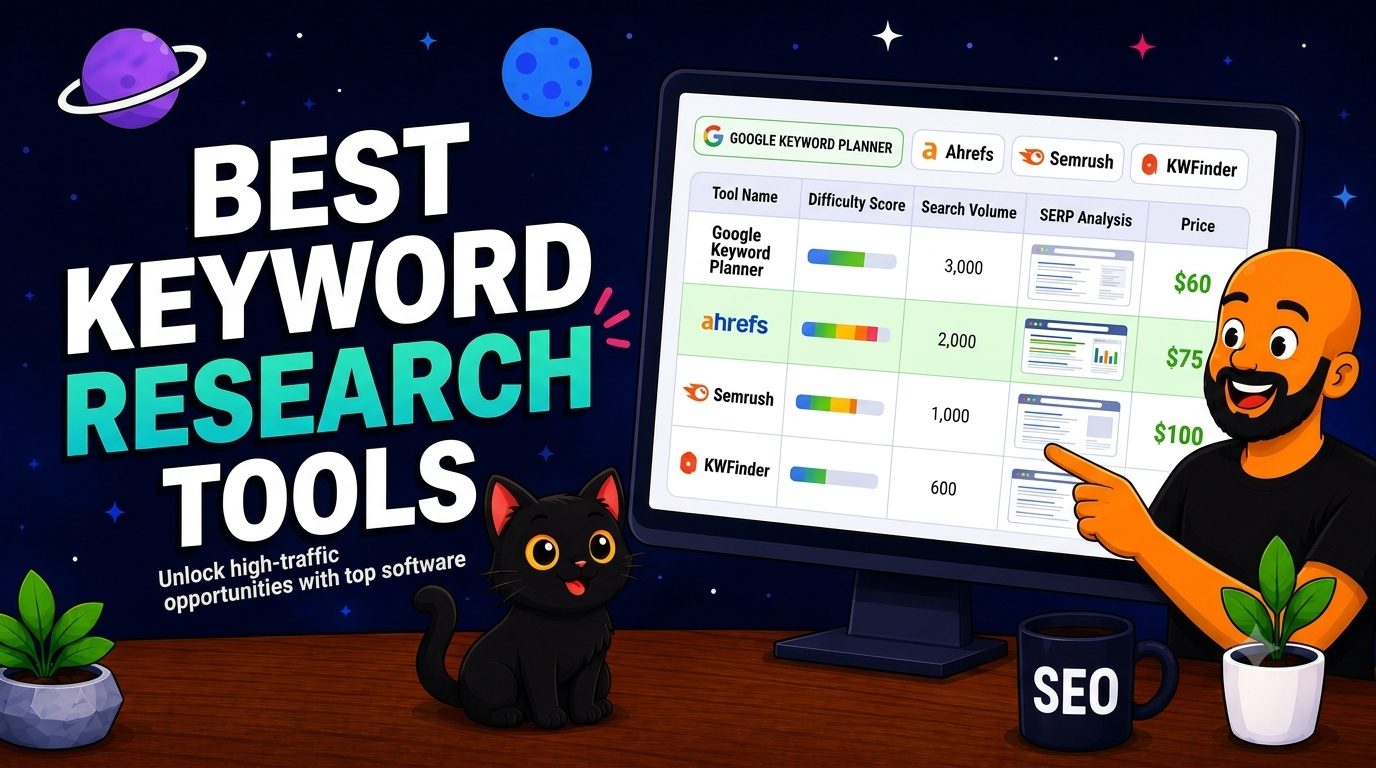
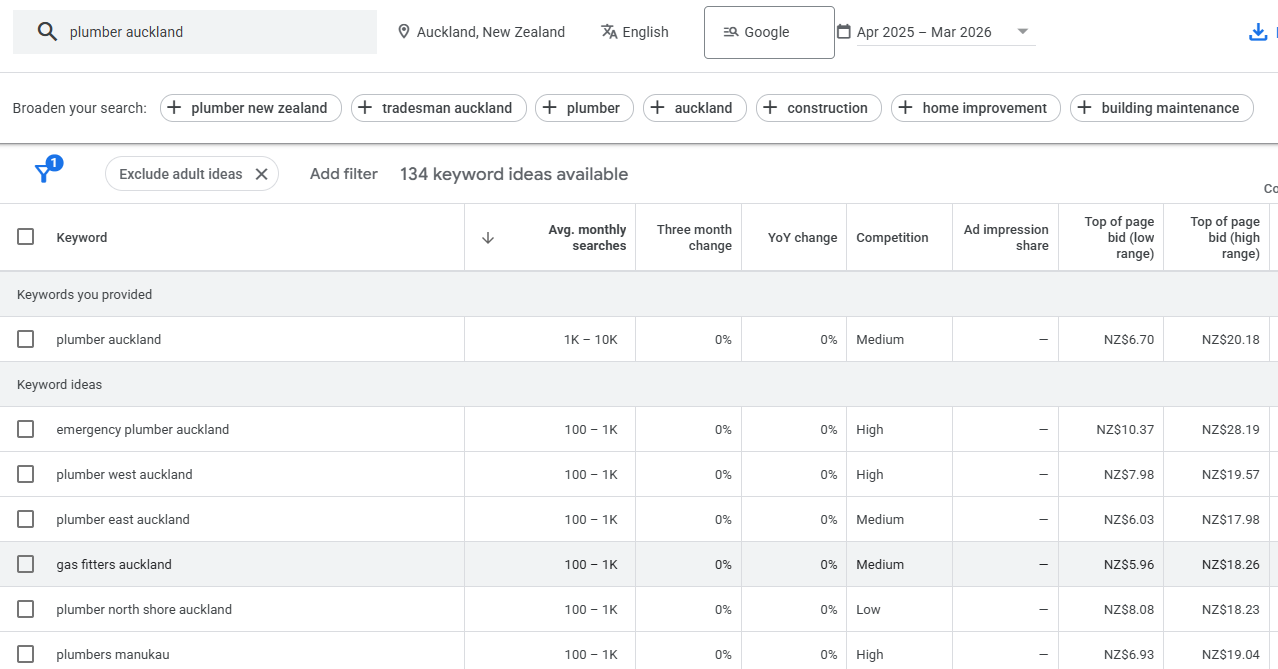
Then see what people actually search. This is where the tools come in. Google Keyword Planner is free and pulls real search data straight from Google — enter a seed term, set the location to New Zealand, and it hands back what people type and roughly how often.
A paid tool like SEMrush or Ahrefs goes deeper, showing difficulty and the full cluster of related terms.
Then match every keyword to its intent before you decide what to build. Informational terms become blog content that builds your authority.
Commercial and transactional terms become the money pages that bring in the work. Same research, sorted by what the searcher actually wants — that sorting is the strategy.
Do that, and you’re already doing keyword research at a level most of your competitors never reach.
Final Thoughts
Here’s my honest take, and it’s the thing I’d want you to walk away with above everything else in this article.
Understanding what a keyword is? That’s fine. That’s the entry point, and everyone has to start there.
But if the goal isn’t just to improve your SEO — if the goal is to actually dominate the market you’re in — you have to transcend the keyword. Keywords are a sub-aspect of something bigger: topical authority.
The businesses that win big aren’t the ones with the longest keyword spreadsheet. They’re the ones Google trusts as the definitive source on an entire subject, because they’ve covered it from every angle a searcher could come at it.
So start with keywords. You have to — they’re how you find the demand in the first place. But don’t stop there. Move to topical authority, because that’s the level where individual rankings stop mattering and the whole market starts coming to you.
The keyword was only ever the door — what matters is what’s behind it.
What Are Keywords: FAQ
What is a keyword in SEO?
A keyword is a word or phrase someone types into a search engine — and the same term you put on your page so search engines know it answers that search. It's the meeting point between a searcher's problem and your business's answer.
What are the four types of keywords?
The four types are based on search intent: informational (learning something), navigational (finding a specific site), commercial (comparing before buying) and transactional (ready to act). Matching the page to the intent is what decides whether it ranks.
What's the difference between a keyword and a search query?
A search query is the exact string a person types; a keyword is the underlying term you target, covering a whole family of related queries. You target the keyword and let it catch the cluster of queries around it.
What are long-tail keywords?
Long-tail keywords are longer, more specific phrases like "emergency gas plumber Wellington CBD". Each gets low search volume, but they're far less competitive and the intent is crystal clear — and they make up around 95% of all searches.
How many keywords should one page target?
One primary keyword per page, plus a few closely related terms it can naturally rank for. Cover the topic properly and a single page can rank for hundreds of related keywords you never explicitly targeted.
Are keywords still important in 2026?
Yes, but they're the starting point, not the whole game. AI search reads topics and intent rather than matching exact words, so the businesses that win think in topics and search intent — with the keyword as the doorway in.