

You’ve probably heard of E-E-A-T before — or E-A-T, the older version. It’s one of those SEO terms that gets thrown around constantly, usually without anyone explaining what to actually do about it.
So let’s fix that.
In this guide I’ll walk you through what E-E-A-T is, why it matters for your SEO, and how to build it for your New Zealand website. Step by step, no fluff.
I’ve used the E-E-A-T framework on my own site to get real results.
Expert SEO is under a year old, but it ranked #1 in New Zealand for “local SEO” — above Ahrefs and Semrush, the two tools most SEOs use to measure authority in the first place.
On a domain with almost no age or backlinks behind it.

That’s what building E-E-A-T on purpose can do. Here’s how it works — and how to do it yourself.
What E-E-A-T Means
E-E-A-T stands for Experience, Expertise, Authoritativeness, and Trustworthiness. It’s the framework Google’s human quality raters use to judge whether the content on a page is worth trusting.
Break it down and it’s simpler than the acronym makes it sound:
- Experience: you’ve actually done the thing you’re writing about.
- Expertise: you genuinely know your subject.
- Authoritativeness: other people recognise you for it.
- Trustworthiness: your site and content are accurate, honest, and safe.
Four questions, really: have you done it, do you know it, do others vouch for you, and can people trust you?
The framework comes from Google’s Search Quality Rater Guidelines — the handbook a global team of human reviewers use to score search results.
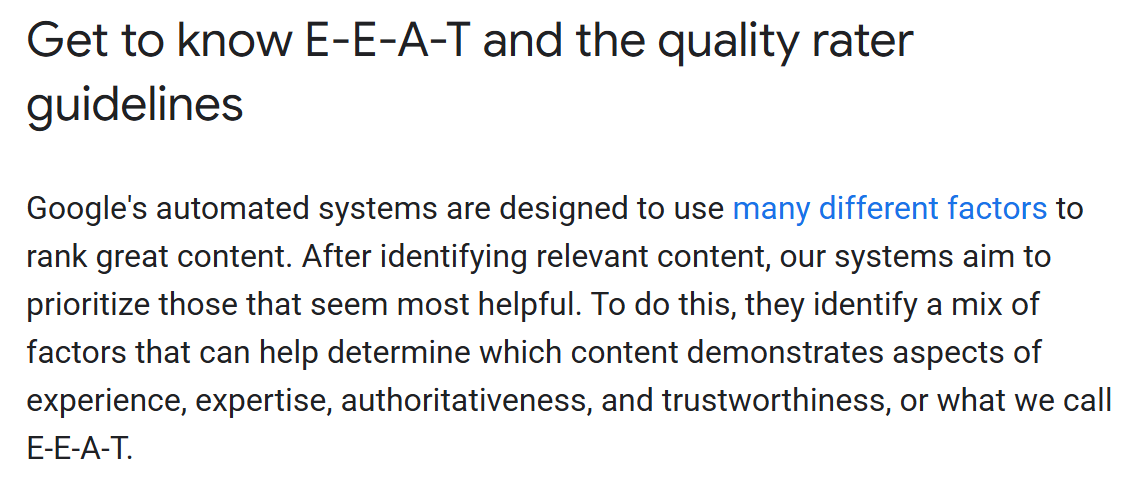
It started life as E-A-T. Google added the extra “E” for Experience in December 2022, because it realised first-hand experience often matters more than credentials.
A product review from someone who’s used the product beats a polished summary from someone who hasn’t.
One more thing, and it’s the part most people skim past: Trust is the most important of the four.
Google says so directly. You can have experience, expertise, and authority, but if a page isn’t trustworthy, the whole thing falls over.
The other three exist to build trust; trust is what Google is actually measuring.
Is E-E-A-T a Real Ranking Factor?
No — and this is where the confusion starts. E-E-A-T is not a direct ranking factor. There’s no score in Google’s algorithm labelled “E-E-A-T” that lifts or drops your page.
Google has said this plainly, more than once.
Which is exactly why you’ll find threads on Reddit calling it “snake oil” and “just another BS SEO acronym.” I get the frustration. If it’s not a ranking factor, why does every SEO on earth bang on about it?
Here’s the bit those threads miss.
Google’s quality raters don’t set your rankings directly.
What they do is score thousands of real search results against the E-E-A-T guidelines, and Google uses that feedback as training data to sharpen its ranking systems.
So E-E-A-T isn’t a lever you pull. It’s the target Google is teaching its algorithm to hit. Miss it and the algorithm quietly learns to rank you lower — you just never see a line item explaining why.
If you want the receipt, look at August 2018. Google rolled out a core update the SEO world nicknamed the “Medic update”.
Health and finance sites with thin, faceless, low-trust content dropped like a stone overnight.
SEO analyst Marie Haynes, who studied it closely at the time, put it plainly: the update was primarily about Google’s ability to work out the E-A-T of a website.

So treat E-E-A-T like a compass, not a dial. You can’t punch in a number. But every decision it points you toward — real authors, real experience, real proof — is a decision that makes Google trust your site more.
Dismiss that as snake oil and you’re arguing with the one thing that decides whether you rank.
What E-E-A-T Looks Like When It Works
You don’t need a ten-year-old domain and a fat backlink profile to earn E-E-A-T. You need real signals of experience, expertise, and trust — and you can start stacking those from day one.
I’ve been building it in public, so I’ll use my own site as the example.
Expert SEO is under a year old, up against agencies and tools that have been compounding authority for a decade. On paper, it shouldn’t rank for anything competitive.

Yet it ranked #1 in New Zealand for “local SEO,” above both Ahrefs and Semrush — the companies whose tools SEOs use to measure authority in the first place.
It’s not built on tricks; it’s built on real topical authority and content designed to be more useful than what ranks above it.
It’s also being pulled into Google’s AI Mode as a cited source, and quoted in ChatGPT answers.
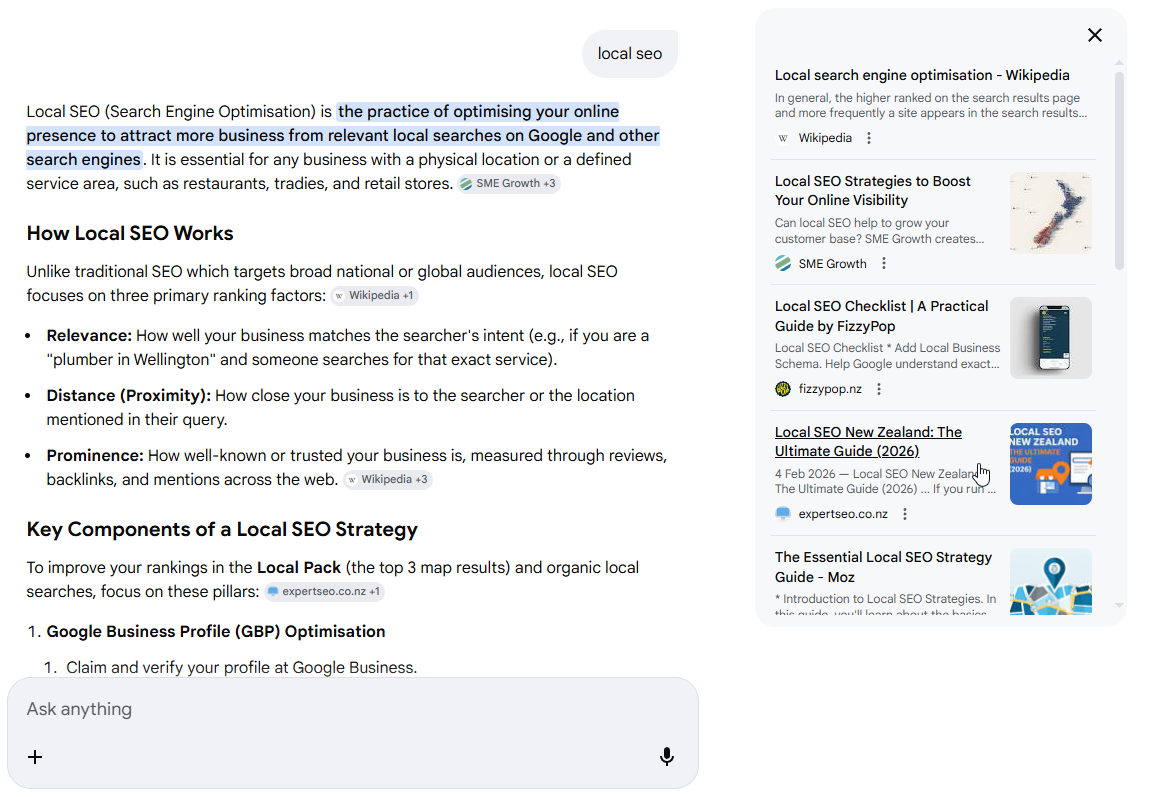
A brand-new domain, cited by the AI that’s supposed to favour established, trusted sources. That only happens if the trust signals are there — a named author who’s actually done this for a decade, first-hand experience behind every guide, and proof on the page.
I’ve done it before, too.
Back in 2017 I started a health site called HealthVI with my former business partner and SEO mentor, Ian Pribyl. We grew it from zero to over 20,000 organic visitors a month.
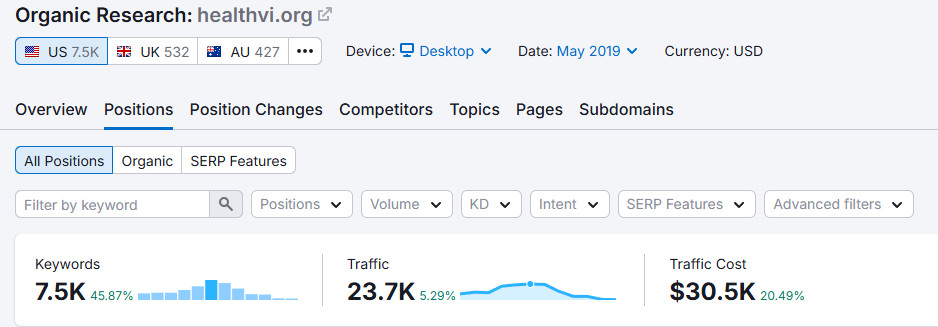
Same playbook: real experience, real proof, content people and Google could trust.
The lesson underneath both is the one big brands don’t want you to notice: E-E-A-T isn’t reserved for big budgets. It’s a set of signals any site can send — and a new site that sends them clearly beats an old one that doesn’t.
Why E-E-A-T Matters for Your SEO
E-E-A-T matters because Google is increasingly ranking who’s credible, not just which page is best optimised. Get the credibility signals right and you rank — and keep ranking through the updates that wipe out everyone who didn’t.
Think about what Google’s actually trying to do. It wants to send its users to sources that won’t waste their time or steer them wrong.
A page can be perfectly optimised — right keywords, clean structure, fast load — and still be the wrong answer if nobody behind it knows what they’re talking about. E-E-A-T is how Google tells the two apart.
That’s also why strong E-E-A-T is your insurance against core updates. Google refreshes its algorithm constantly, and when it does, sites with thin, anonymous, untrustworthy content are the ones that tank.
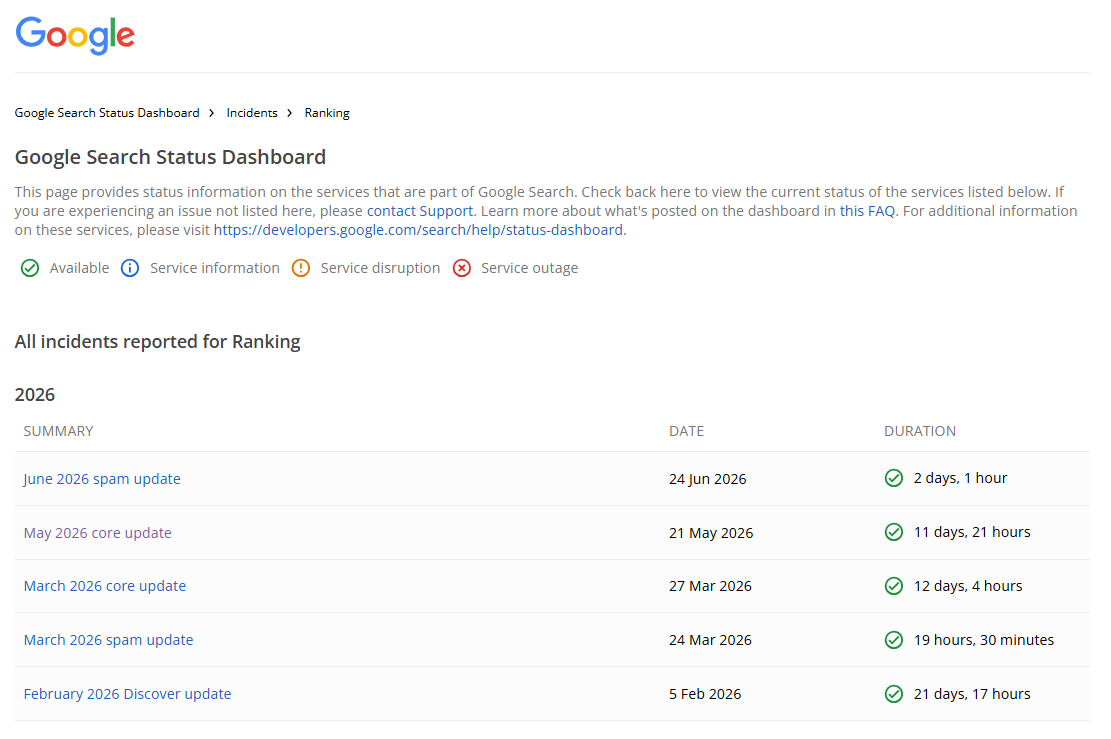
Sites with genuine experience and trust behind them tend to hold, or climb — because the update is usually built to reward exactly what they’ve got.
E-E-A-T and YMYL Content
There’s one type of content where E-E-A-T stops being a nice-to-have and becomes non-negotiable: YMYL, short for “Your Money or Your Life.”
These are the topics that can genuinely affect someone’s health, finances, safety, or legal standing.
A Wellington law firm writing about tenancy rights. A mortgage adviser explaining how much you can borrow. A physio giving injury advice.
Get it wrong and a real person gets hurt or loses money, so Google holds these pages to a far higher E-E-A-T standard.

If you’re in a YMYL industry, this is where your author credentials, citations, and trust signals earn their keep.
A tenancy-rights page written by a named, qualified lawyer at a real firm will out-rank an anonymous listicle every time, because Google can see who’s accountable for the advice.
For a Wellington law firm fighting for those YMYL rankings, that accountability is the whole foundation of SEO in Wellington: earn the trust and you rank, miss it and you’re filtered out.
The stakes are higher, so the bar is higher. If your business touches money, health, or legal, treat E-E-A-T as part of the job, not an SEO afterthought.
How E-E-A-T Decides Whether AI Cites You
Here’s where E-E-A-T got a second life. In 2026 it’s not just about ranking blue links — it’s what decides whether ChatGPT, Google’s AI Overviews, and Perplexity quote you as the answer or leave you out completely.
The mechanics make sense once you see them. When someone asks an AI a question, it doesn’t want ten links — it wants one trustworthy answer to hand back.
So it leans hard on the same signals E-E-A-T describes: who wrote this, do they know the topic, does the wider web treat them as a source, can this be trusted? Weak signals, and the AI skips you for someone safer.
This is the shift people now call GEO — generative engine optimisation, the job of getting cited inside AI answers.
Strip away the new acronym and it runs on old fuel: experience, expertise, authority, trust. Even Google’s own Danny Sullivan has said good SEO is effectively good GEO.
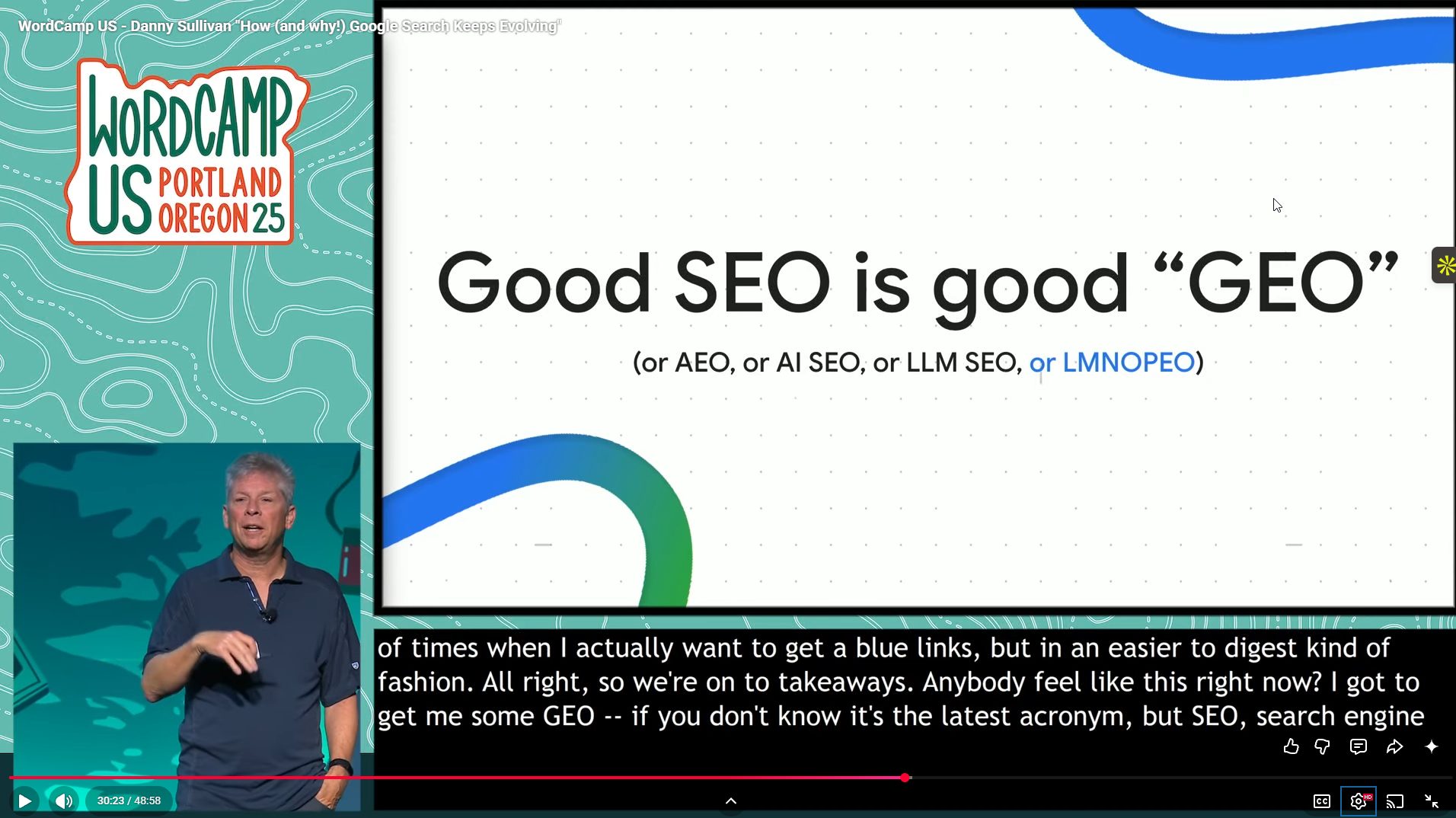
The businesses winning at AI SEO aren’t doing anything exotic. They’re the ones whose E-E-A-T was already strong enough for a machine to trust.
And the shift is real. When Google shows an AI summary, only 8% of users click a normal result, versus 15% when there’s no summary — so a huge share of searches now end inside the answer, with no click at all.
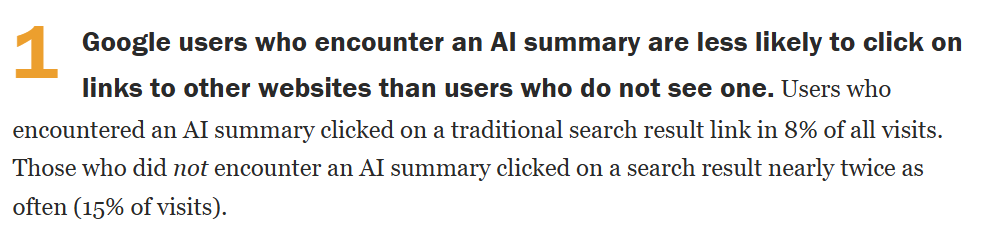
If your business isn’t inside that answer, you’re invisible for the search — no matter where you rank underneath it.
And getting in pays: pages cited inside Google’s AI Overviews earn around 120% more organic clicks than the ones left out (Seer Interactive).
This isn’t theory for me either — Expert SEO is already getting named as a cited source in AI answers, on a domain barely a year old, precisely because the trust signals are there.
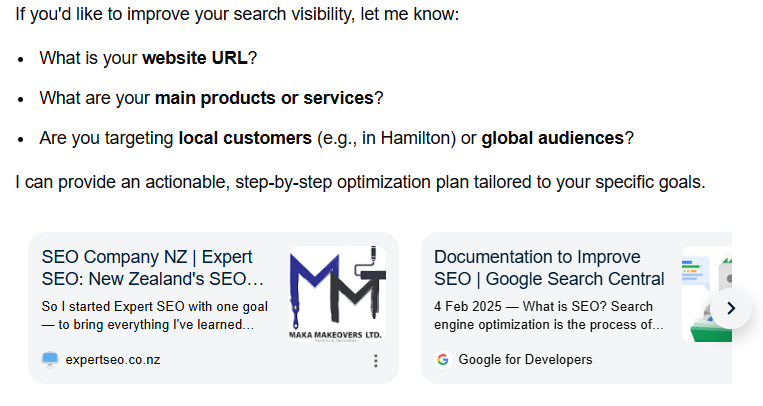
And it’s not tied to one platform. The same E-E-A-T signals get you referenced everywhere it counts — Google’s AI Overviews, AI Mode, and ChatGPT. Ask ChatGPT “who is the best SEO agency in Cambridge”, and Expert SEO comes up by name.
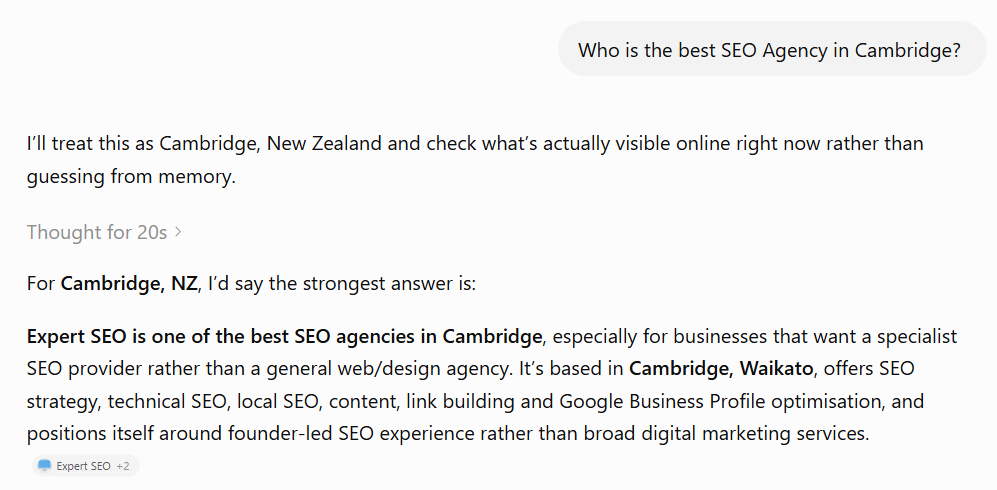
Build E-E-A-T properly and you’re not just ranking; you’re becoming the answer the AI reads out.
How to Build E-E-A-T on Your Website
Building E-E-A-T comes down to four jobs: prove you’ve done the thing, show who’s behind the content, get the wider web to vouch for you, and make your site obviously safe and honest. Here’s how to do each one.
Build Experience: Prove You’ve Done It
Experience is the easiest pillar to fake and the easiest to prove — which is exactly why Google added it. It wants evidence you’ve done the thing, not just read about it.
The fix is to put your real involvement on the page. Take Bakers Builds, an Auckland building company. Their Google profile is full of real photos from real sites — scaffolding up, framing going in, the finished villa. Nothing staged, nothing stock.
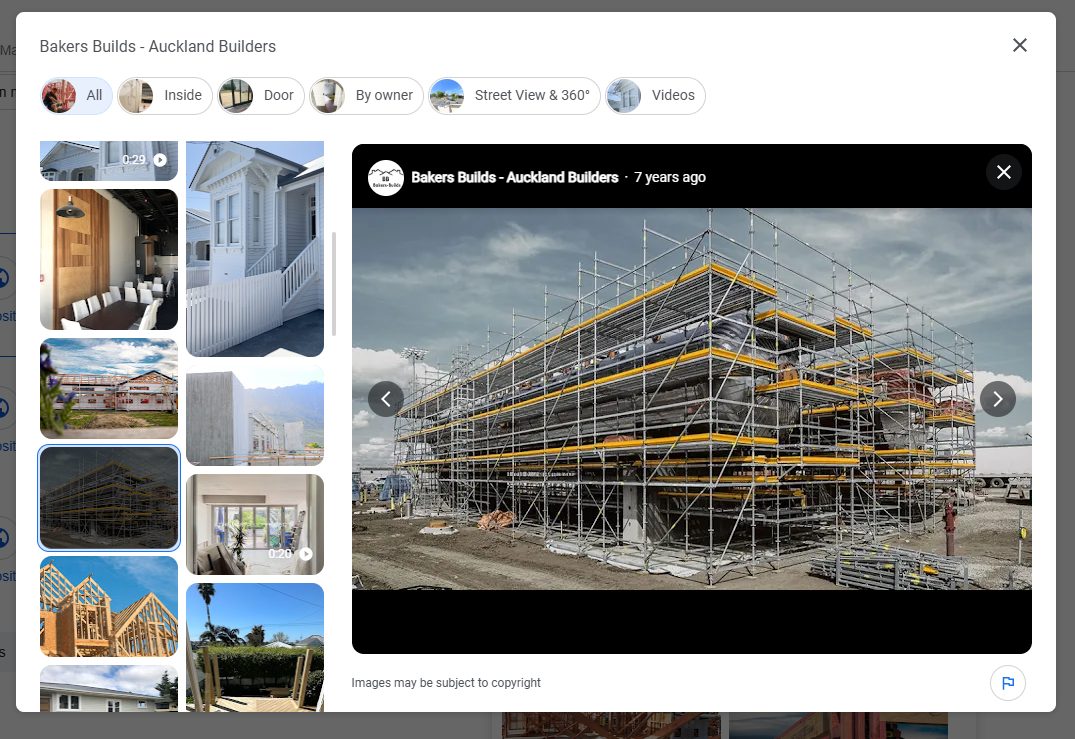
That’s experience a customer and Google can both see at a glance. For a builder chasing SEO in Auckland, those real photos are a ranking signal a stock-image competitor can’t fake.
Compare it to a builder running stock images and copy that could describe any company in the country: one page reeks of real work, the other reeks of a template.
Concretely, on any page where you’re making a claim from experience:
- Add one piece of first-hand proof — an original photo, a screenshot, a real number, or a short “here’s what happened when I did this.”
- Write in first person where it fits: “I did X, here’s what happened,” not “one might consider X.”
- Name specifics. Not “a project,” but the suburb, the job, the actual result.
Build Expertise: Show Who Knows the Subject
Expertise is about making it obvious that a real, qualified person stands behind the content, not an anonymous “admin” account.
The core move is a proper author byline and bio on every piece of content. Step by step:
- Create an author page for each writer with their real name, photo, credentials, and relevant experience.
- Byline every article, and link that byline to the author page.
- Add author schema — the structured data that tells Google who the author is and what they’re expert in. On WordPress, Rank Math lets you add this without touching code: you fill in the details and it outputs the markup for you.
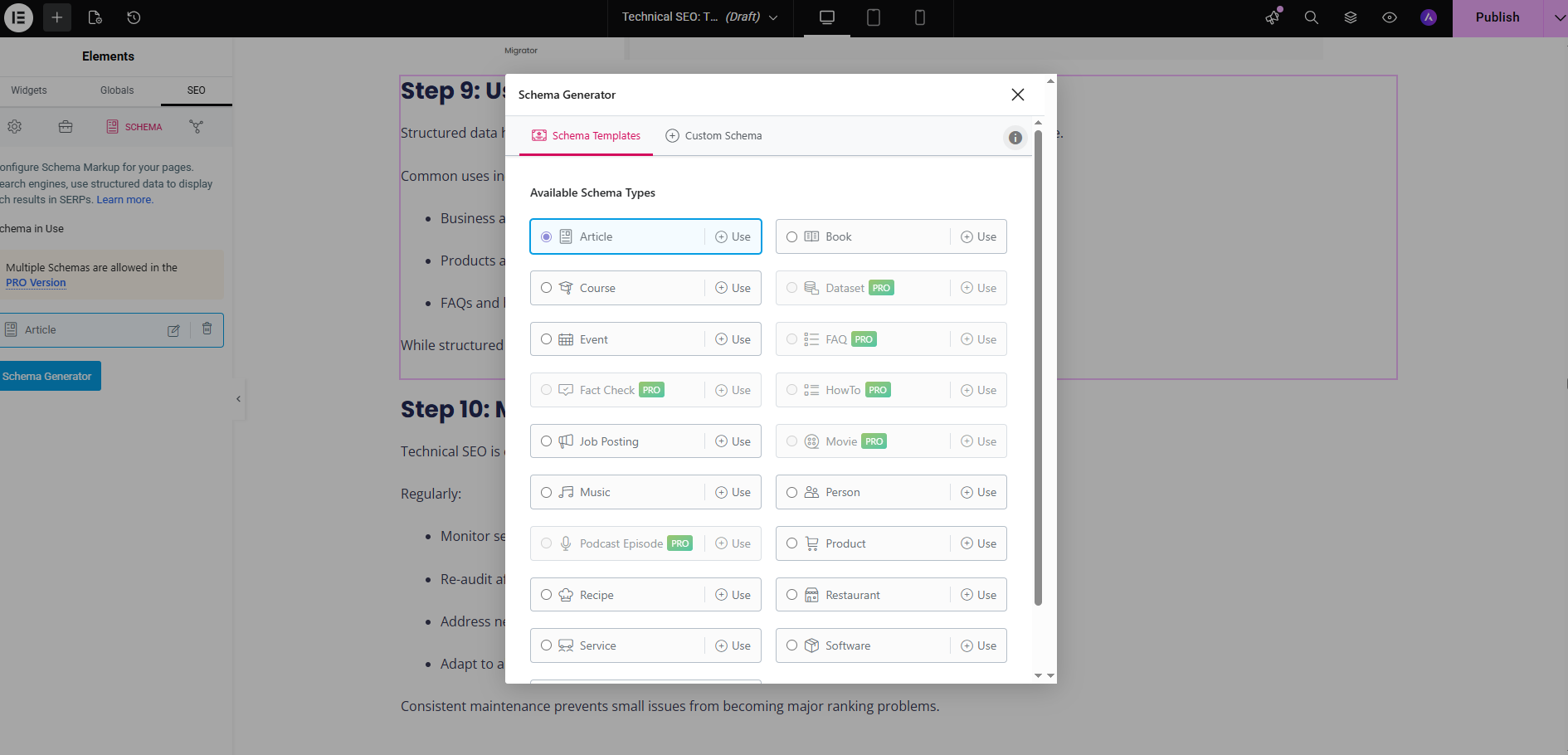
For YMYL, this is heavy lifting. A Christchurch dental clinic publishing “root canal or extraction?” should have that page written or reviewed by a named, registered dentist, with their qualification on the byline.
That single signal tells Google — and the patient — the advice comes from someone allowed to give it.
For a dental practice, that credentialed byline is a genuine edge in SEO in Christchurch, where trust decides who ranks.
If your writers aren’t the experts, bring the experts in. Have a subject-matter expert review the piece and credit them. A quote from a real specialist beats a paragraph of confident guessing.
Build Authoritativeness: Get Others to Vouch for You
Authoritativeness is the pillar you can’t fully control — it’s your reputation, and reputation is something other people hand you.
It’s built mostly through link building and brand mentions: other credible sites linking to you, citing you, or talking about you. Every quality link is a vote that says “this source is worth referencing.”
How to earn them without buying junk:
- Create something genuinely worth linking to — original data, a properly useful guide, a real case study.
- Put it in front of the right people through outreach and relationships, not spam.
- Get listed and mentioned in relevant, real places — industry bodies, local directories that matter, genuine partners.
A real one from my own patch: I earned a link to my local SEO guide from BizWin, a New Zealand business run by Leo Zeldenrust — not by buying it, but by contributing something genuinely useful to their readers.
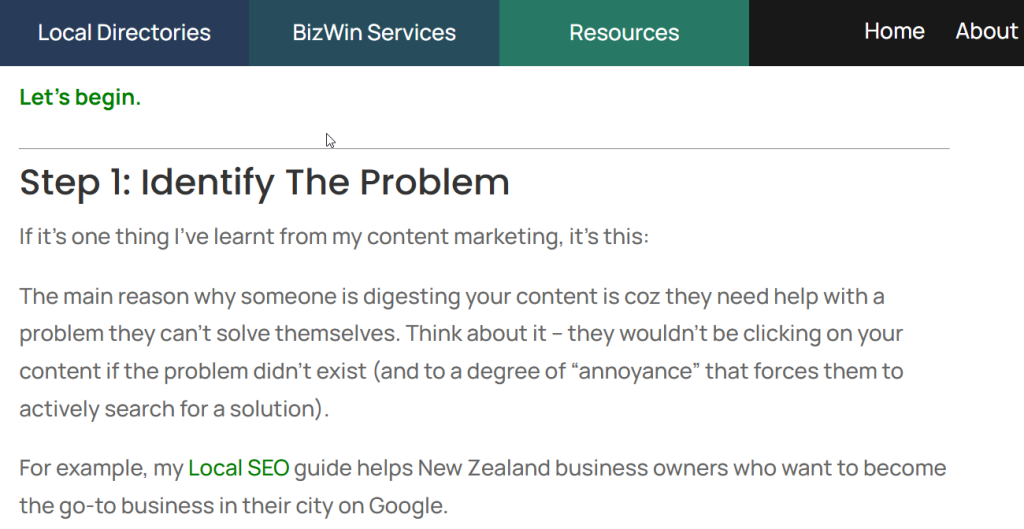
One relevant, trusted NZ link like that does more than fifty directory links nobody reads. Expert SEO’s also been featured by the Content Marketing Institute — the kind of mention that carries real weight.

Why does one mention matter that much?
Because the Content Marketing Institute pulls over 600,000 visitors a month — so when a site like that references you, Google and the AI engines both take it as a serious vote of trust.
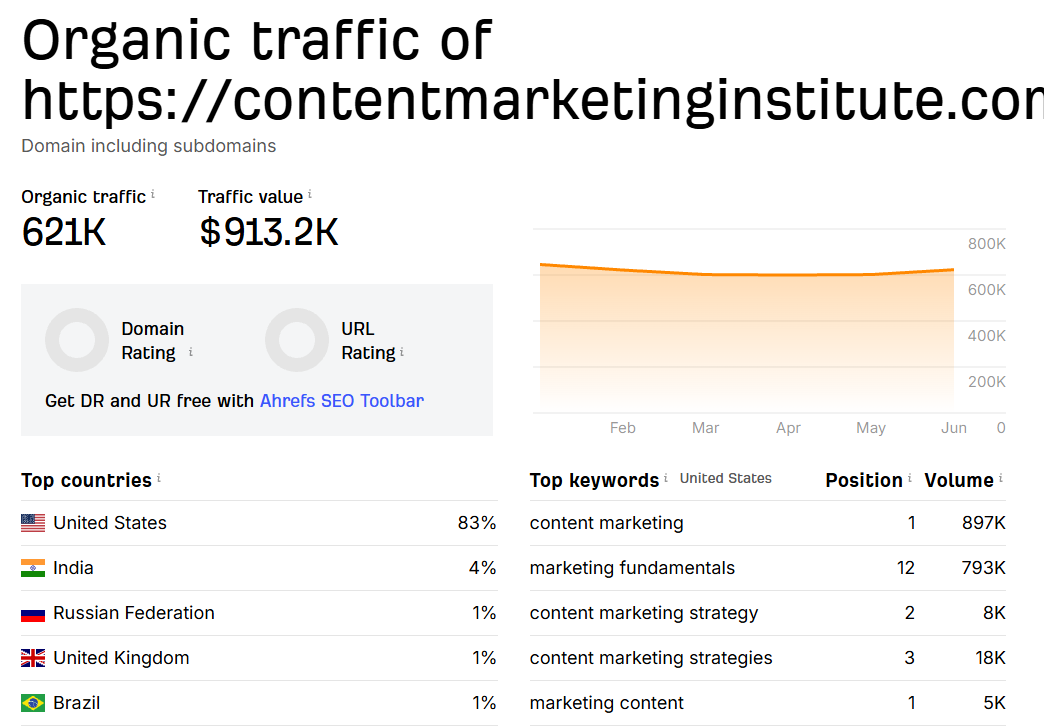
That’s authoritativeness in a sentence: the web treating you as a source worth pointing to.
Build Trust: Make Your Site Safe and Honest
Trust is the pillar everything else feeds into, and the one Google weights above all. A page can be experienced, expert, and authoritative, and still fail if it isn’t trustworthy.
Most of trust is unglamorous housekeeping, and most sites do it badly:
- A real About page — who you are, your story, actual humans.
- Real contact details — address, phone, a way to reach you. Hiding these reads as hiding.
- HTTPS across the whole site (the padlock). Non-negotiable.
- Accurate, sourced content — link your claims to credible sources so anyone can check them.
- Genuine reviews and testimonials, plus clear privacy, returns, and terms pages.
For a service business, reviews do a lot of the heavy lifting. An Auckland dentist with 200-plus real Google reviews and a clear About page sends a wall of trust signals a faceless competitor simply can’t match.
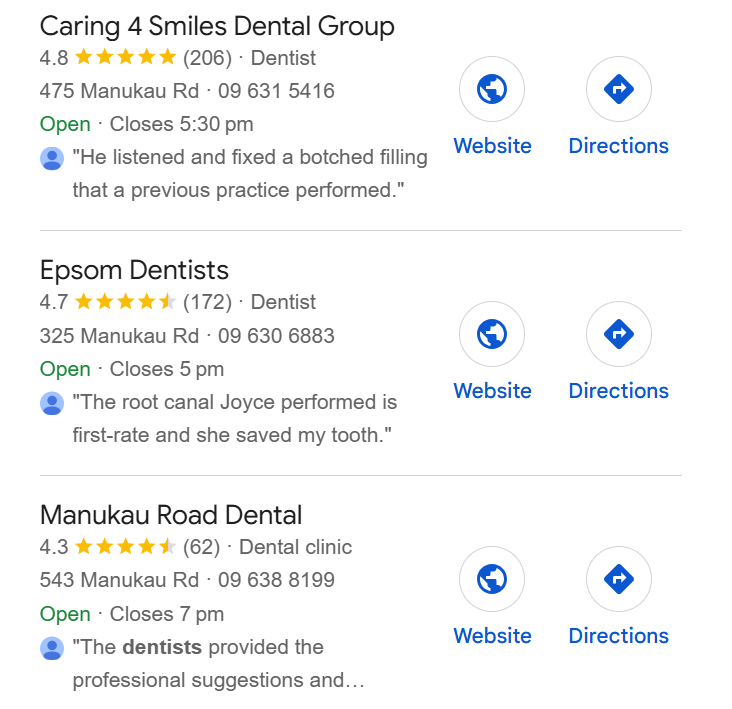
The test for this whole section: could a stranger land on your page and quickly see who’s behind it, why they should believe you, and how to reach you if something’s wrong? If not, that’s where your E-E-A-T is leaking.
What Strong and Weak E-E-A-T Look Like
The gap between strong and weak E-E-A-T isn’t abstract — it shows up in concrete, checkable signals on the page. Here’s the difference, signal by signal.
| Signal | Strong E-E-A-T | Weak or missing E-E-A-T |
|---|---|---|
| Authorship | Named author, photo, bio, credentials | “Admin” or no author at all |
| Experience | Original photos, real numbers, first-hand detail | Stock images, generic advice, no proof |
| Sources | Claims linked to credible sources | Bold claims, zero references |
| Reviews | Real, visible customer reviews | None, or obviously fake |
| About & contact | Clear About page, real contact details | No About, hidden or missing contact |
| Security | HTTPS, clear privacy and policy pages | HTTP, no policies, sketchy checkout |
You can feel the difference the moment you land on a page.
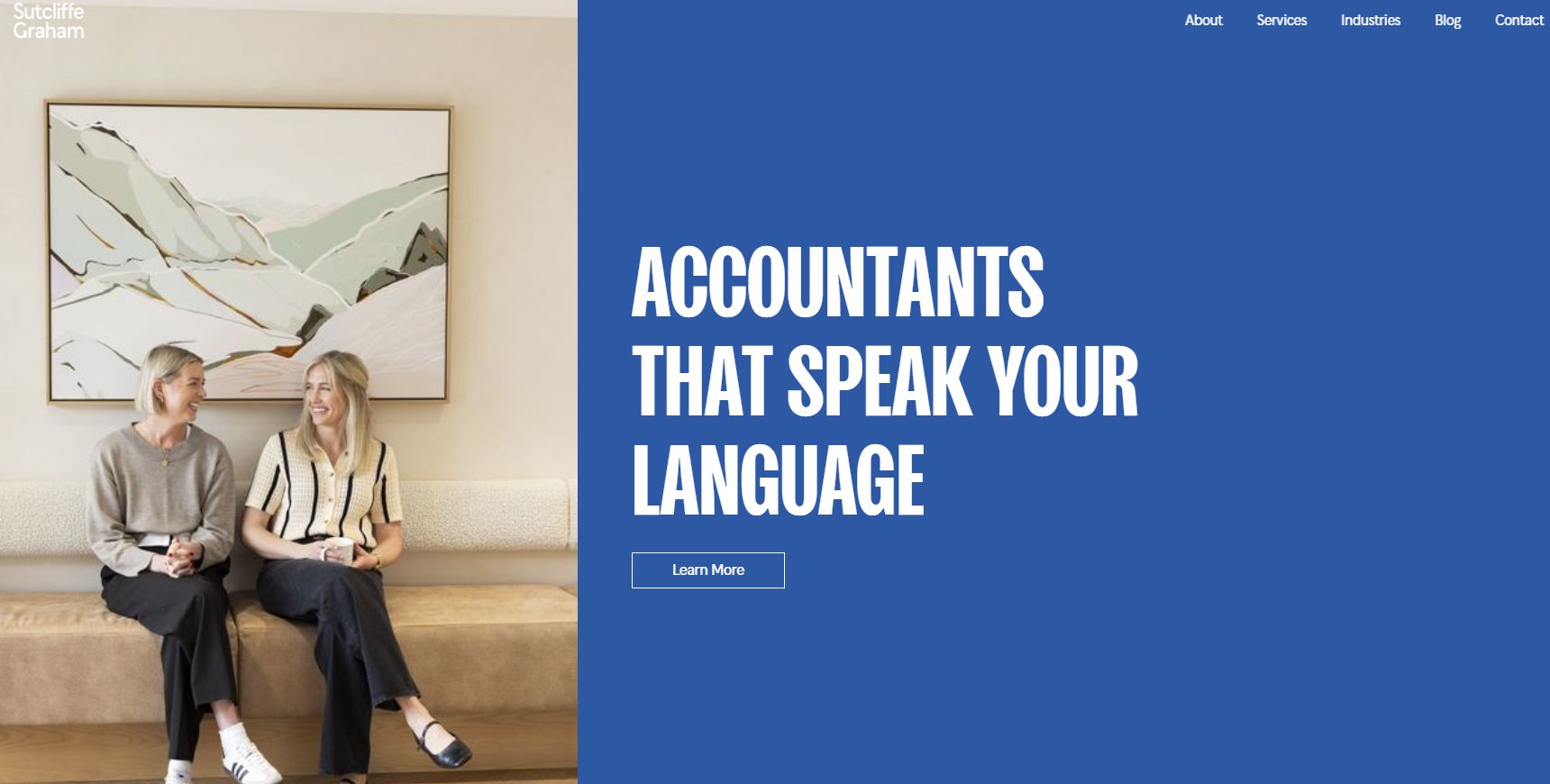
Strong: a Queenstown accountant’s tax guide, written by a named chartered accountant, with a real headshot, a link to IRD as the source, and thirty genuine reviews down the sidebar.
The messaging is clear about who they are and who they help, so you believe them before you’ve read a word — the instant credibility that SEO in Queenstown is built on.
Weak: the same topic on an anonymous blog — “posted by admin,” no sources, a stock photo of a calculator, no way to tell who wrote it or whether they’ve ever filed a return in their life.
Might be perfectly accurate. But you’ve no reason to trust it, and neither does Google.
Same information, completely different trust. That gap is E-E-A-T, and it’s usually the reason one page ranks and the other doesn’t.
How to Audit Your Own Site’s E-E-A-T
You don’t need a paid tool to check your E-E-A-T. You need to look at your site the way a Google rater would — pillar by pillar — and be honest about the gaps.
Run this quick pass over your most important pages:
- Is there a named author with a real bio and credentials?
- Does the page show first-hand experience — photos, numbers, a real story?
- Are claims backed by links to credible sources?
- Are there genuine reviews or testimonials visible?
- Is there a clear About page and real contact details?
- Is the whole site on HTTPS, with privacy and policy pages in place?
Start with your highest-stakes pages first — your money pages and anything YMYL. Those are the ones Google scrutinises hardest, and the ones costing you money if they’re leaking trust.
Then fix in order of effort-to-payoff. The quick wins go first: add author bios, switch on HTTPS, surface your reviews, link your sources.
The slow burn — earning authority and links — comes after, because it takes months, not minutes.
You’ll see E-E-A-T “score checker” tools advertised. They’re fine as a rough prompt, but be clear on what they are: proxies. There’s no real E-E-A-T score sitting inside Google to read, so no tool can show you one.
Trust the checklist and your own honest eyes over a number a tool invented. If you’d rather have someone map the gaps for you, a proper SEO audit does exactly that — page by page, prioritised by what’ll actually move the needle.
When to Build E-E-A-T Yourself, and When to Get Help
Most of E-E-A-T is genuinely DIY-able. Some of it compounds faster with help. Knowing which is which saves you a lot of wasted effort.
You can do most of it yourself, starting this week. Author bios, a real About page, switching on HTTPS, surfacing reviews, writing from genuine experience, linking your sources — none of that needs an agency.
It needs an afternoon and a bit of honesty about where your site’s thin.Where it gets harder is the authority side.
Earning real links, getting mentioned by the right people, building the kind of reputation that gets you cited by AI — that takes outreach, relationships, and the judgement to tell a link worth chasing from one that’ll do nothing.
That’s the part that eats months while you’re trying to run a business.
That’s where bringing in help pays for itself. Done-for-you SEO points the trust-building work straight at the pages that drive your revenue, so you’re not guessing, and not spending a year learning what someone could do for you in a quarter.
(And yeah, I cut my teeth competing in the US, where the SEO runs a few weight classes heavier than the average Kiwi agency is used to.)
If you’d rather keep it in your own hands but want a second opinion, an SEO consultant can map where your trust is leaking and let you run the fixes.
Either way, the move is the same: stop treating E-E-A-T as a box to tick, and start treating it as the thing that decides whether Google and the AI engines trust you enough to put you in front of customers. Get that right, and everything else in your SEO gets easier.
E-E-A-T: FAQ
What does E-E-A-T mean?
Is E-E-A-T a word?
Is E-E-A-T a ranking factor?
What is the E-E-A-T standard?
What are E-E-A-T signals?
Does E-E-A-T matter for small or new sites?
Recommended Reading
How to Improve Domain Authority
The authority side of E-E-A-T — 8 proven ways to build it in NZ.
Page Authority
What page-level authority is, why it matters, and how to lift it.
How to Rank Higher on Google
The full step-by-step process for ranking a NZ site on Google.