
Sooner or later, anyone doing SEO hears about a shortcut. A faster way to the top. Buy a batch of links, spin up a few keyword-stuffed pages, and watch the rankings climb.
And it works. Right up until Google notices.
Then the rankings don’t slip. They disappear. The traffic your enquiries depend on is gone, often overnight, and clawing it back can take months you don’t have.
White hat SEO is the alternative. It feels slower and pays off faster than most people expect.
This guide covers what it actually is, how it differs from black and grey hat, the techniques that work, and a straight answer to the question everyone quietly asks: isn’t the dodgy stuff just quicker?
Plus real proof, from New Zealand, that doing it properly ranks — and ranks fast.
What Is White Hat SEO?
White hat SEO is the practice of improving your Google rankings using methods search engines approve of: creating genuinely useful content, running a fast and clean website, and earning links instead of buying them.

The simplest way to think about it is this:
White hat SEO means optimising for the person searching, not the algorithm. You’re trying to be the best result, not trick Google into thinking you are.
There’s an easy test for whether a tactic counts.
Would you still do it if search engines didn’t exist?
Writing a genuinely helpful guide, fixing your site speed, earning a mention from a respected local website — all of these help real people, so all of them are white hat.
Stuffing hidden keywords into a page or buying 500 links from an overseas link farm? Pointless without an algorithm to game. That’s the line.

If you’re new to all of this, it helps to understand what is SEO at a basic level first, because white hat SEO is really just SEO done the way it’s meant to be done.
White Hat vs Black Hat vs Grey Hat SEO
There are three approaches to SEO, and they sit on a spectrum from completely safe to almost guaranteed to get you penalised.
| Approach | What it is | Example tactics | Risk | Outcome |
|---|---|---|---|---|
| White hat | Follows Google’s guidelines and helps users | Quality content, on-page SEO, earned links | None | Slower build that compounds and lasts |
| Grey hat | Not clearly banned, but risky | Aggressive link exchanges, expired domains, mass AI content | Medium — fine until an update says otherwise | Works until it doesn’t |
| Black hat | Tricks the algorithm and breaks the rules | Keyword stuffing, cloaking, buying links, PBNs | High — penalties or de-indexing | Fast spike, then collapse |

Black hat SEO is anything that tries to manipulate rankings against Google’s rules. Keyword stuffing (cramming a phrase in 50 times), cloaking (showing Google one page and users another), buying links, and running private blog networks all fall under it.
Grey hat is the murky middle. These are tactics Google hasn’t explicitly banned but wouldn’t endorse either — buying expired domains for their old links, swapping links aggressively, pumping out thin AI content at scale.
They’re fine until an algorithm update decides they’re not, and you don’t get a warning before that happens.
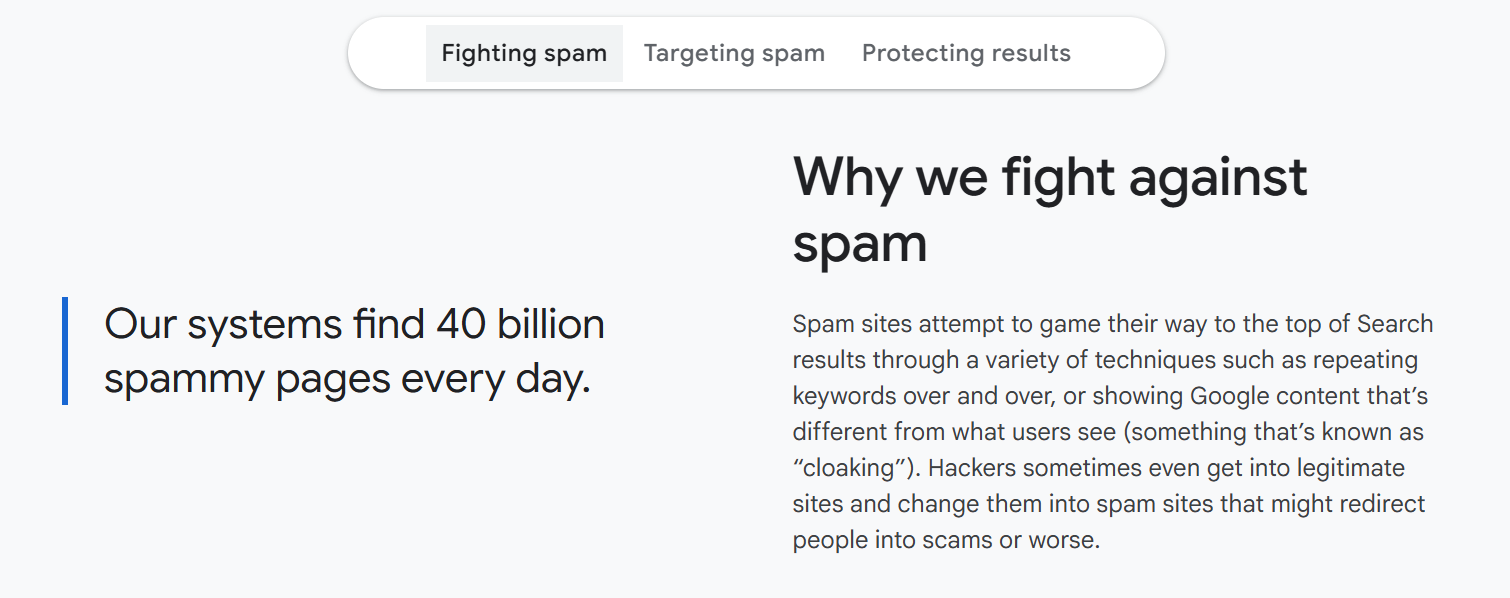
Google is not gentle with the dark stuff. Its systems find 40 billion spammy pages every day, and after one link spam update its detection system caught 50 times more link spam sites than the previous round.
The old “short-term gain, long-term pain” line isn’t just a saying. It’s what actually happens.
Why White Hat SEO Matters More Than Ever in 2026
White hat SEO protects you from penalties and is now the only reliable way to get surfaced by AI search, which only cites sources it trusts.
Three reasons it matters right now:
It survives algorithm updates. Google rolls out core and spam updates constantly. Sites built on tricks get hammered. Sites built on genuine quality usually hold steady or improve. White hat is the only approach that doesn’t leave you holding your breath before every update.
It builds real trust. Google’s spam fighting is good enough that more than 99% of visits from its results lead to spam-free experiences.

The flip side is simple: the system is built to reward sites that earn their place, and that trust carries straight through to the people landing on your page.
AI search now depends on it. Google’s AI Overviews already reach over 2 billion users a month.
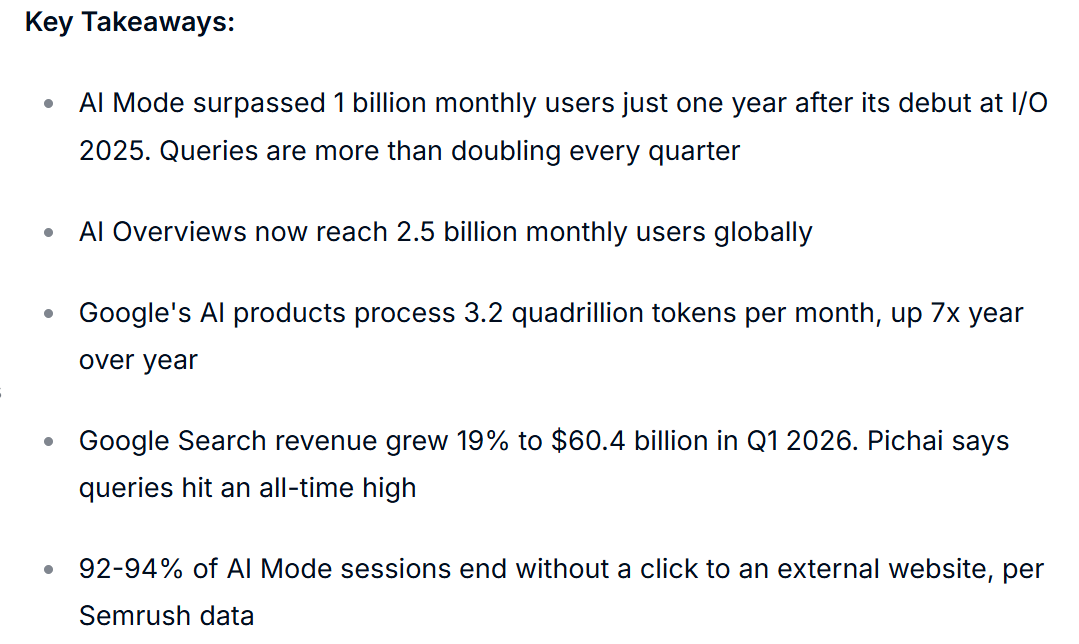
AI engines summarise and cite sources they consider trustworthy and well structured.
Black hat tricks don’t get cited. Clarity, authority, and real usefulness do. If you want a shot at getting cited by AI, white hat isn’t optional anymore.
White Hat SEO Techniques That Actually Work
Doing white hat SEO comes down to a handful of disciplines done consistently. Here are the ones that move the needle.
Create genuinely helpful content
Helpful content is the foundation everything else sits on. Your job is to answer what the searcher actually wants better than the pages already ranking.
That means real depth, clear explanations, and information people can use, not 800 words written to hit a word count.
If you run a plumbing business in West Auckland and someone searches “why is my hot water cylinder leaking,” the page that explains the likely causes, what’s a quick fix versus a callout job, and roughly what it costs in NZ will beat a thin page every time.
Do proper keyword research
Before you write anything, you need to know what people are actually searching for. That’s finding the keywords your buyers actually search for, then matching the page to the intent behind each one.
A Hamilton accountant searching “accountant Hamilton” wants to hire someone.

Someone searching “how to file a GST return NZ” wants to learn.

Same industry, completely different pages. White hat SEO means giving each searcher exactly what they came for.
Get your on-page SEO right
On-page SEO is how you tell Google what a page is about, clearly and honestly. Put your main keyword in the title tag, the H1, the URL, and the opening paragraph.
Use proper headings to structure the page. Write a meta description that earns the click.
The white hat part is keeping it natural. You’re making the page easy to understand, not jamming the keyword in until it reads like a robot wrote it.
Sort out your technical foundation
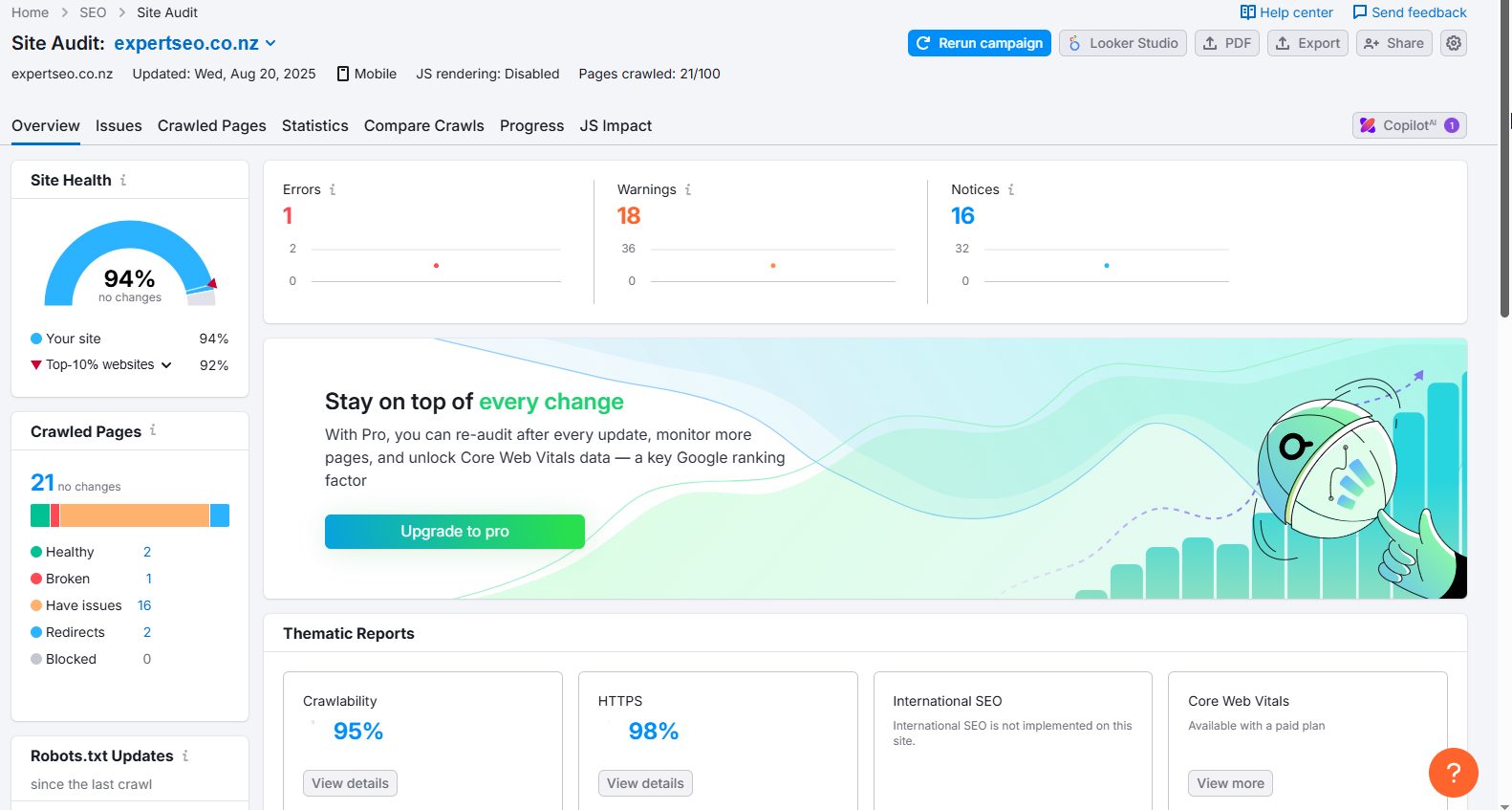
If Google can’t crawl your site properly, none of the above matters. Technical health covers page speed, mobile friendliness, clean URLs, fixing broken links, and making sure your important pages are actually indexed.
This is the technical side of SEO, and it’s all white hat by nature — you’re making the site work better for both Google and the people using it.
The quickest way to find what’s holding you back is to run an SEO audit and fix the biggest issues first.
Earn backlinks the right way
Backlinks are still one of Google’s strongest ranking signals, confirmed by Google itself back in 2016 and backed by study after study since.
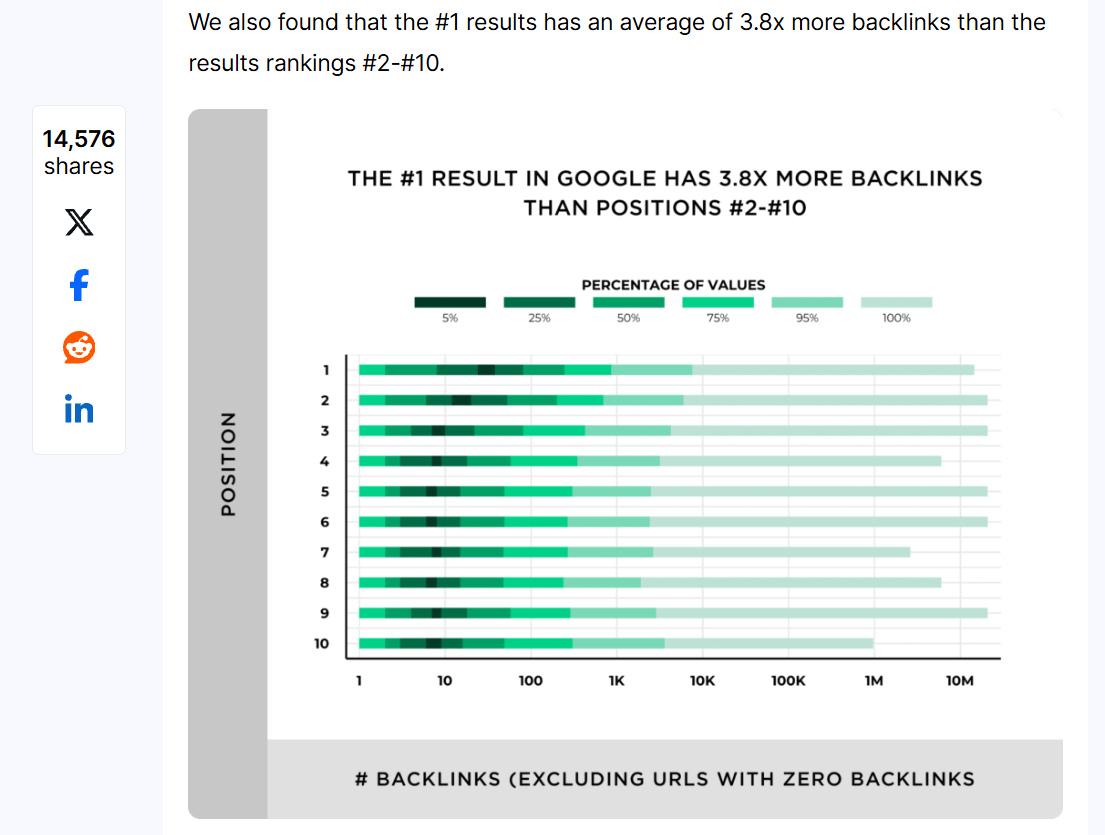
Analysis of search results consistently shows the top-ranking page has around 3.8 times more backlinks than the pages ranked below it.
The white hat approach to building links is earning them, not buying them. Create something worth referencing, get featured on relevant NZ websites, partner with local businesses, and pitch genuinely useful guest posting to sites in your industry.
These are the backlinks that hold up over time instead of getting your site flagged.
Make the experience good for users
Google watches how people interact with your page. A site that’s slow, cluttered, or hard to use on a phone sends bad signals no matter how good the content is.
Fast loading, clean layout, readable text, and easy navigation all feed straight into your rankings, because good user experience and good SEO pull in the same direction.
“Isn’t Black Hat Just Faster?”
Yes, black hat can rank faster in the short term. The problem is that the downside isn’t a dip in rankings. It’s losing everything you built, often permanently, with no warning.
This is the question nobody in the SEO world likes to say out loud, so let’s be honest about it.
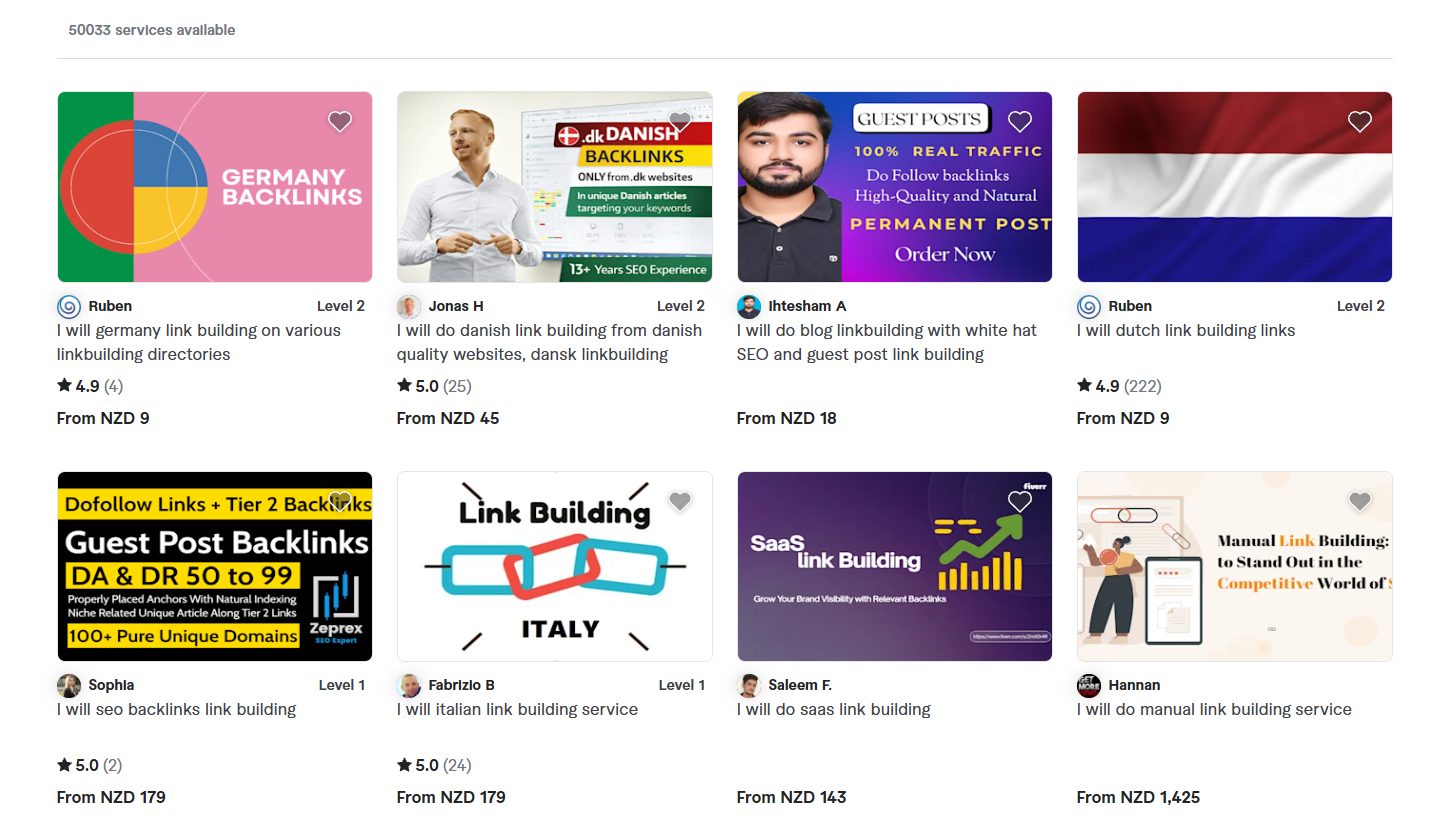
Buying links or spinning up pages can move the needle quickly. It’s tempting, especially when white hat feels slow at the start and the results aren’t showing yet.
Here’s the maths that matters, though. A black hat win is borrowed, not earned.
When an update or a manual penalty hits — and across enough sites and enough time, it does — you don’t go back to where you started.
You can lose your rankings, your traffic, and the trust signals it took months to build, then spend even longer trying to recover, if you recover at all. Weigh the few months you saved against that, and the shortcut stops looking clever.
White hat compounds. Every solid piece of content, every earned link, every technical fix stacks on the last one and keeps paying off. Black hat decays. It needs constant feeding and it’s always one update away from collapse.
The “white hat is slow” idea is also half a myth. Done properly, it’s faster than people think — which is exactly what the next section proves. If you want a realistic picture of how long SEO takes, it’s months, not years, for most NZ businesses.
Real Proof White Hat SEO Works (and Works Fast)
White hat SEO isn’t theory. Done properly, it ranks quickly, even against far bigger competitors.
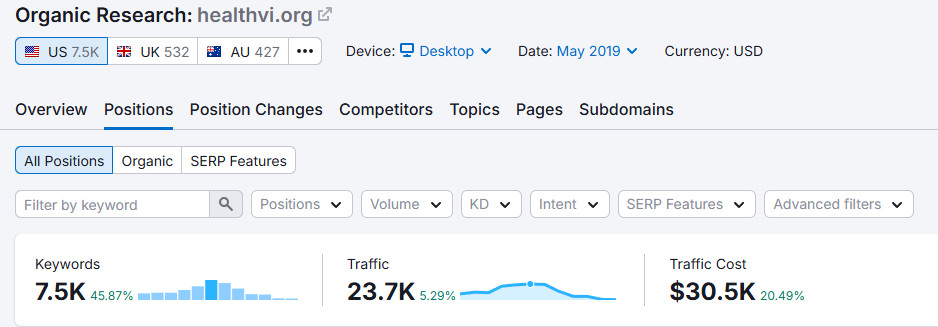
Take HealthVI. It went from 0 to over 20,000 monthly visitors in under a year, built entirely on the white hat process above — helpful content, clean structure, and earned authority. No tricks, no shortcuts.
Then there’s our own business.
Our SEO agency at Expert SEO is only about six months old, competing against companies that have been building their sites and authority for up to ten years.
Despite that, it’s already being mentioned in Google AI Overviews, cited in ChatGPT responses, and gaining rankings and traffic consistently.
Both results came from exactly the techniques in this guide. That’s the point. White hat is the approach that actually compounds, and it moves quicker than most sceptics claim.
Where the White Hat Line Actually Sits in 2026
Most tactics aren’t obviously black or white. The honest test is whether you’d be comfortable explaining the tactic to Google’s face.
A few grey areas trip people up. Paid links are against the rules, but a sponsored post marked correctly with a sponsored tag is fine.
Link exchanges happen naturally between relevant businesses, but swapping links at scale just to game rankings crosses the line.
AI-generated content isn’t banned, but publishing piles of thin, unedited AI articles to flood the index is heading straight for trouble.
The judgement call is always the same. Are you doing this to genuinely help users and earn your ranking, or to manipulate the algorithm? If you’d happily explain the tactic to a Google engineer, you’re on the right side of the line. If you’d hide it, you already know the answer.
How to Start Doing White Hat SEO
Start by fixing the basics, then build outward from content. This is the order that works.
- Audit what you’ve got. Find what’s broken, slow, or risky on your site before you build anything new.
- Fix the technical foundation. Sort speed, mobile, indexing, and broken links so Google can crawl you properly.
- Do real keyword research. Find what your market is searching for and match each page to the intent.
- Create genuinely helpful content. Build the pages and articles that answer those searches better than what’s ranking.
- Earn links over time. Get featured on relevant NZ sites, build local partnerships, and create things worth linking to.
- Track and stay consistent. Watch your rankings, clicks, and impressions, then keep doing more of what’s working.
If you want the full version of this, our guide to doing SEO step by step walks through the whole process in detail.
Common White Hat SEO Mistakes to Avoid
White hat isn’t a free pass. Doing it badly still fails. These are the traps that catch most people.
Thin content that’s technically “white hat.” Following the rules doesn’t help if the content is shallow. A page that ticks every on-page box but doesn’t actually answer the question won’t rank.
Quitting too early. SEO compounds, which means the first few months can feel like nothing’s happening. Most people stop right before it starts working.
Ignoring technical health. Great content on a slow, broken site is wasted effort. The foundation has to be solid.
Chasing low-quality links that look legitimate. Not every link is worth having. A handful of relevant, trusted links beats a hundred random ones, and the random ones can do real damage.
When to DIY vs Hire an SEO Expert
You’ve got the full picture now, so you’ve got two clear paths.
Do it yourself. Work through the steps above, put in the time, and stay consistent. You can absolutely get results. Just expect a learning curve and a bit of trial and error along the way.
Bring in help. If you want faster, more predictable results, you can outsource it. You get strategy, execution, and ongoing optimisation without having to learn it all yourself.
The best place to start is to work with an SEO consultant who can map out the plan. Or if you’d rather hand the whole thing over, that’s exactly what our done-for-you SEO is for.
We help businesses across New Zealand rank with proper white hat SEO, including:
- SEO Services In Auckland
- SEO Services In Hamilton
- SEO Services In Tauranga
- SEO Services In Wellington
- SEO Services In Christchurch
- SEO Services In Queenstown
Whether you do it yourself or get help, the approach is the same. Rank the right way, and you build something that lasts. That’s where we come in.