

For a New Zealand business, there are only a few types of keywords you actually need to know for SEO.
Some guides list four. Some stretch it to twenty-seven. It’s easy to close the tab more confused than when you opened it.
Here’s what actually matters: not the count, but being able to look at any search term and know what it is — an informational keyword that needs a blog post, or a buyer keyword that needs a service page.
That’s the whole skill.
By the end of this you’ll know every type worth knowing, with a real New Zealand example for each — and you’ll know which ones your business should chase first.
What Are Keywords, and How Do They Get Sorted?
A keyword is any word or phrase someone types into Google. Plumber Auckland is a keyword. How do I unclog a drain is a keyword. Best DSLR camera 2026 is a keyword.

“Types of keywords” just means the different ways we sort those searches into groups so we can do something useful with them (this is one of the first steps of my SEO services).
And there are really only three lenses worth looking through:
- By intent — what the searcher actually wants (to learn, to find, to buy).
- By length — how many words the phrase is, which tells you how specific and how winnable it is.
- By role — the job the keyword does inside your own strategy.
Everything else you’ll ever read about keyword types slots into one of those three buckets. Same terms, sliced up for a longer list.
Take one search — SEO agency Auckland. Through the intent lens, it’s commercial (someone’s shopping for an agency).
Through the length lens, it’s medium-tail (three words, fairly specific). Through the role lens, it might be the primary keyword an agency builds its whole services page around.
One keyword. Three lenses. That’s the entire framework — and once you see it that way, the “how many types are there” question sort of answers itself.
Why Knowing Your Keyword Types Actually Matters
If you can’t read a keyword’s type, you’ll build the wrong page for it — and then wonder why it never brings in a single lead.
That’s the real cost. It’s not academic.
Here’s what happens when you get it wrong.
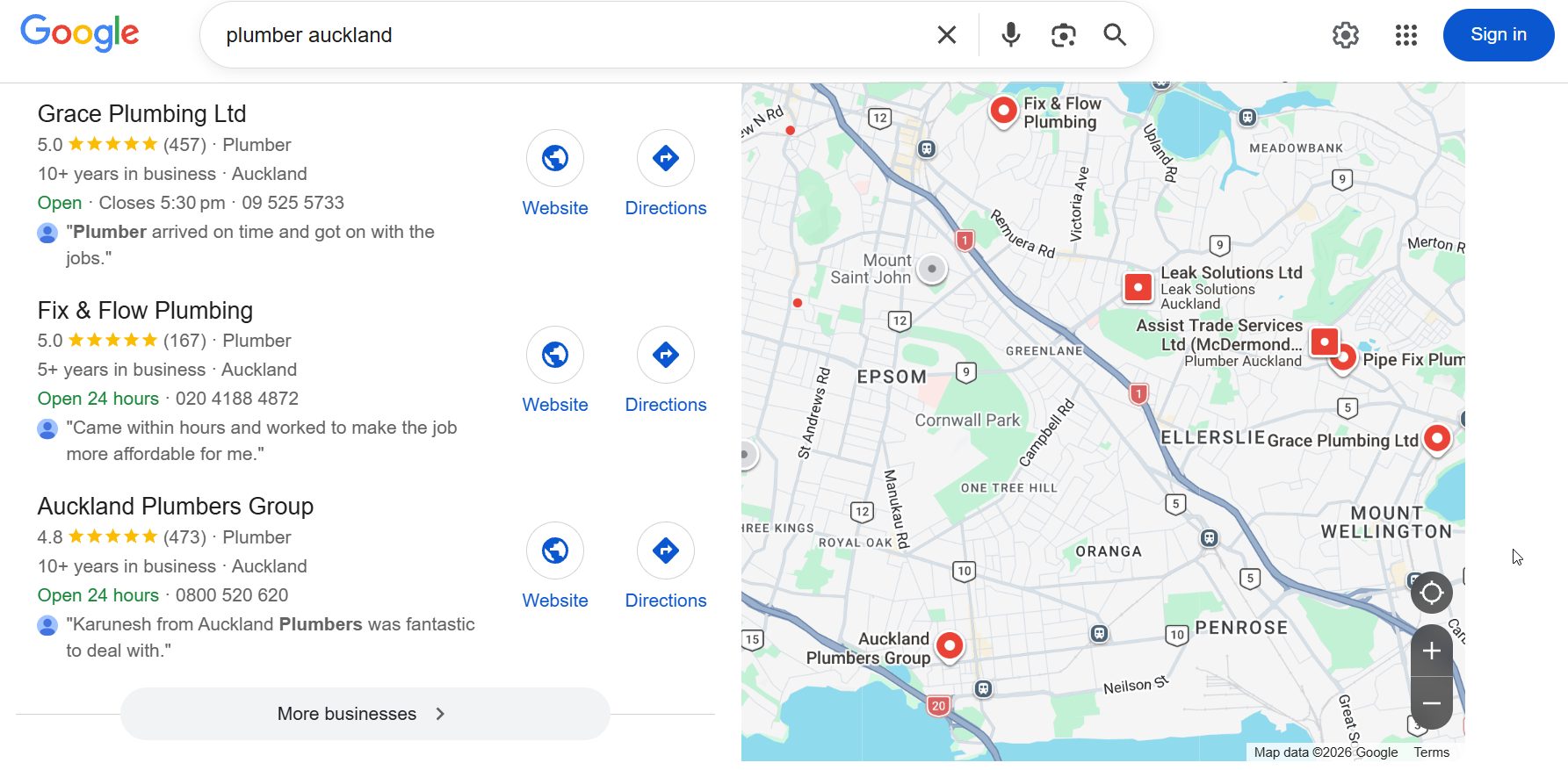
Say a plumber writes a big, chatty blog post targeting emergency plumber Wellington.
Problem is, that’s a buyer term — someone with water coming through the ceiling doesn’t want a 1,500-word read, they want a phone number.
Google knows this, so it ranks service pages and the map pack for that search, not blog posts. The plumber’s article never stood a chance.
Match the type to the right kind of page and the opposite happens. The type tells you two things at once: what content to build, and where the searcher sits in their journey.
Someone Googling what is conveyancing is just learning — they’re months from hiring anyone. Someone Googling conveyancing lawyer Christchurch quote is basically holding their credit card.
Different types. Different pages. Different money.
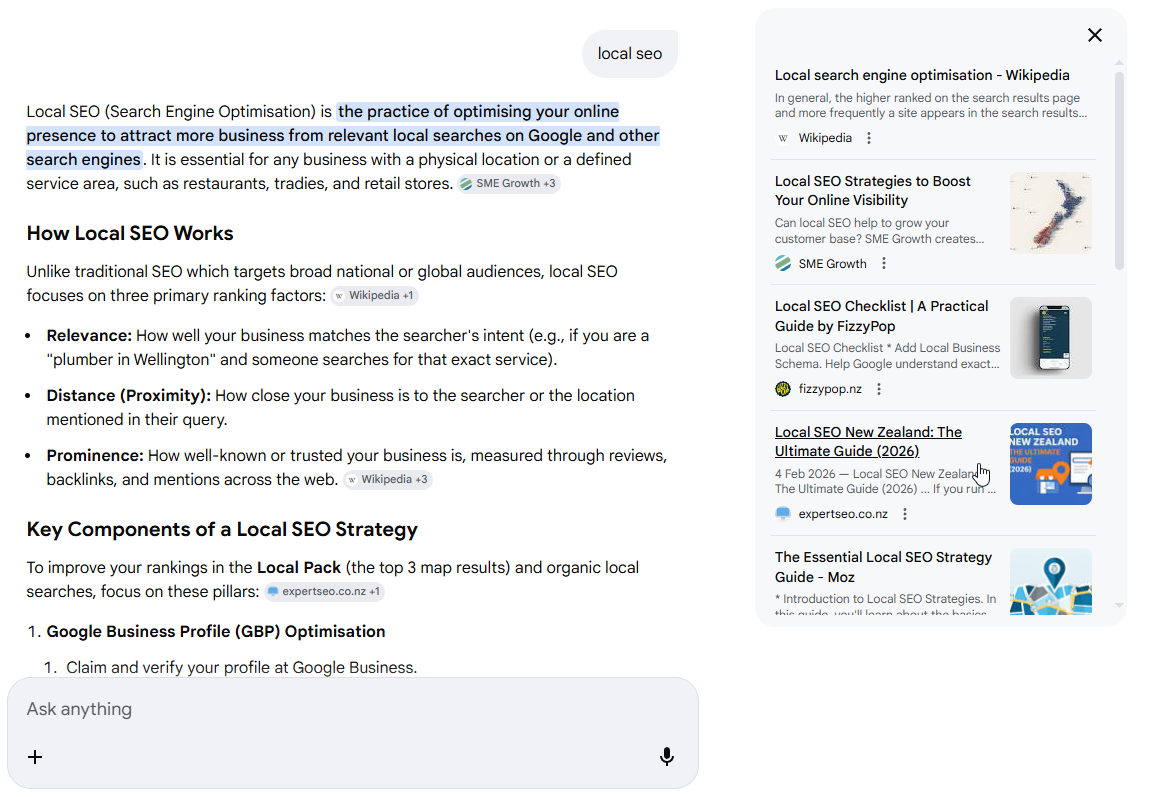
There’s an AI angle here too, and it’s only getting bigger. Google’s AI Overviews — those AI-written summaries sitting above the normal results — now reach around 1.5 billion users a month.
They almost always show up on informational searches — one study found they appear for 82% of desktop queries under 1,000 monthly searches.

So knowing which of your keywords are informational (and writing them so they’re easy for AI to lift and quote) is how you get cited by the machine, not just ranked below it.
My own agency site gets pulled into Google’s AI answers and ChatGPT responses regularly. That doesn’t happen by accident — it happens because the informational content is built for exactly that.
Keyword Types by Search Intent
Intent is the most important way to sort a keyword, full stop. It’s the reason behind the search — and it decides everything about the page you build.
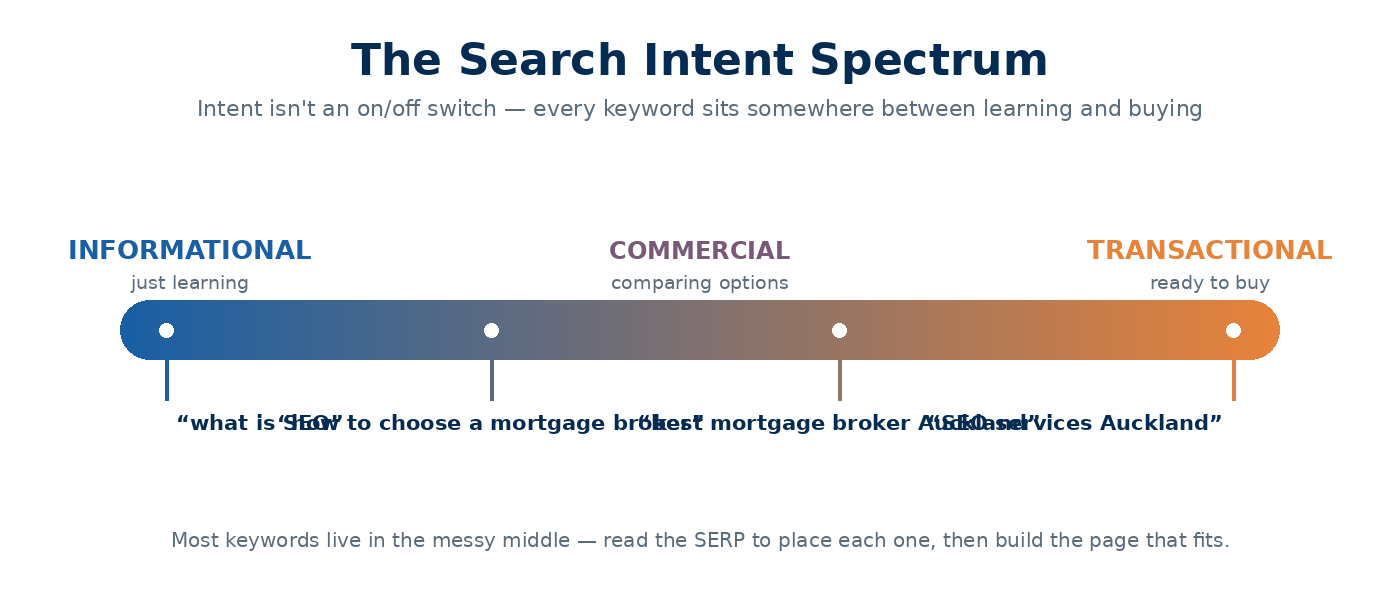
The textbook splits intent four ways. I’ll give you those, because you should know them. But then I’ll show you the shortcut I actually use, because four boxes is more than you need in the real world.
The four intent types
Informational — the searcher wants to learn something. How to whiten teeth at home. What is a contracting out agreement. These are questions and how-tos. You answer them with blog posts, guides, and FAQs.

Navigational — the searcher’s looking for a specific site or brand they already know. Facebook login. ANZ internet banking. Or a law firm’s actual name. You can’t really win these unless the brand is yours.
Commercial — the searcher’s comparing options before they buy. Best employment lawyer Auckland. Xero vs MYOB. They’re close to spending, just not decided yet. You answer these with comparison pages, reviews, and strong service pages.
Transactional — the searcher’s ready to act right now. Book a consultation with a divorce lawyer. Hire an electrician Hamilton. These want a landing page with an obvious next step, not an essay. Good tools will even label the intent for you, so you’re not guessing.
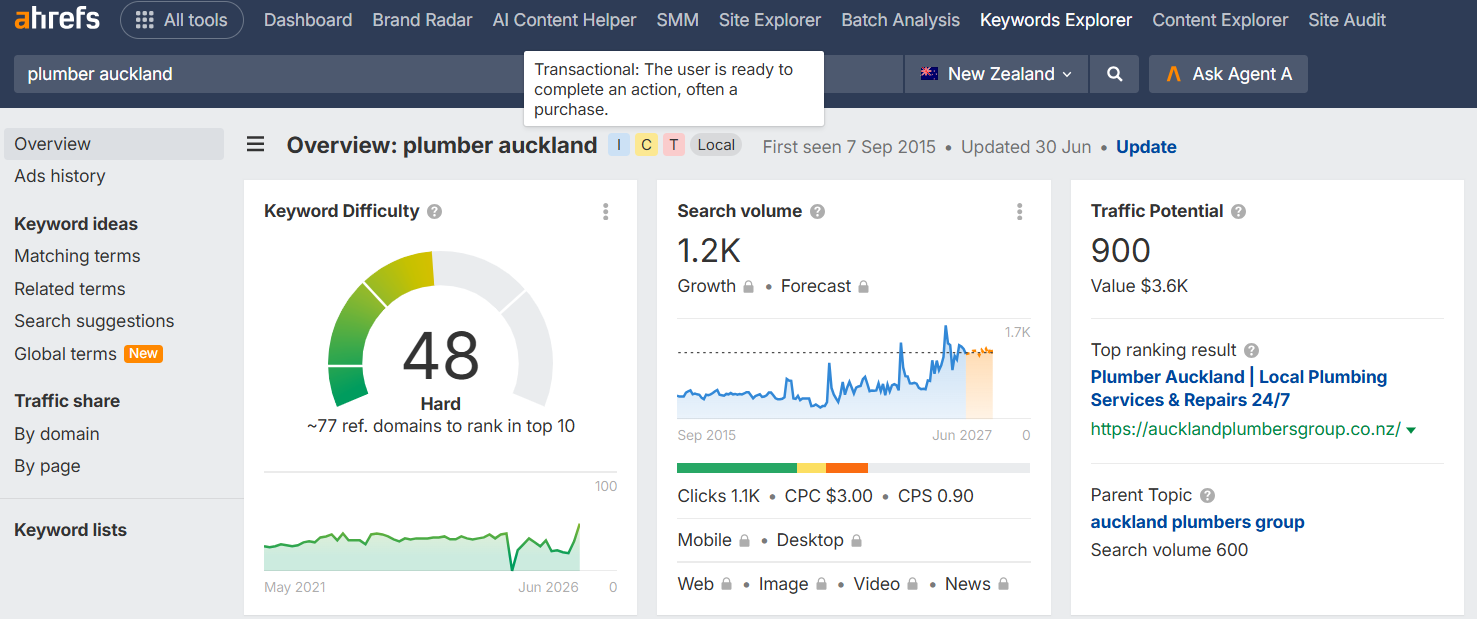
That’s the four. Now here’s how I actually think about it.
The shortcut: two buckets, not four
Off the top of my head, I don’t sort keywords into four boxes. I sort them into two: is this person trying to learn something, or trying to buy something?
Informational or commercial. That’s the first cut, every time.
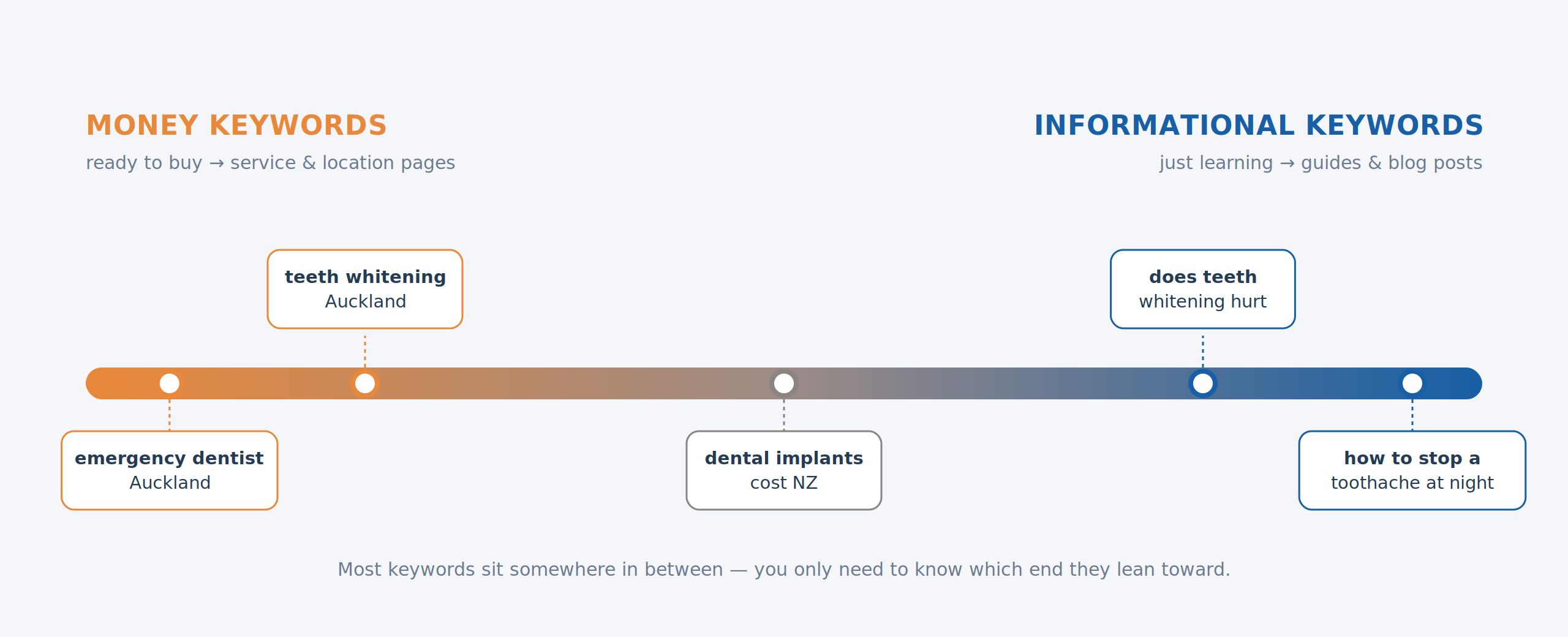
Everything else is a branch off those two. Transactional is just commercial with the wallet already out.
Navigational is its own little thing that mostly matters for your own brand name. Get the learn-versus-buy call right and you’re 90% of the way there.
And each of those two buckets fans out into its own family — which is where it gets useful.
How commercial keywords branch out
Let me use my own agency, Expert SEO, because I can show you the real ladder rather than a made-up one.
At the top, you’ve got direct service keywords — SEO services, SEO consultant. Broad, obvious, and absolutely brutal to rank for, because every agency on earth is fighting over them.
One rung down, you’ve got industry-modified keywords — SEO for lawyers, SEO for dentists.
Still commercial, still buyers — but warmer, more specific, and far more winnable. A dentist searching SEO for dentists is a better lead for me than a tyre-kicker searching SEO, and there’s less blood on the floor to rank for it.
Then you’ve got the location branch — SEO Tauranga, local SEO — which is its own beast, so I’ve given it a whole section further down.
Same shape works for any service business. A law firm’s commercial ladder runs from lawyer (direct, hopeless) → employment lawyer (specialisation) → employment lawyer Auckland (specialisation plus place). The more specific the rung, the warmer the lead and the easier the climb.

How informational keywords branch out
The learn bucket fans out too. There’s the straight question (what is SEO), the how-to (how to do keyword research), and the comparison-that-teaches (Ahrefs vs SEMrush).
My own informational content follows exactly this — and the article you’re reading right now is a perfect example.
“Types of keywords” is an informational keyword. Nobody Googling it is about to hire an agency; they’re learning. So I built a guide, not a sales page. The selling happens later, once the trust’s already there.
Keyword Types by Length
Length is really just a proxy for specificity — and specificity is a proxy for how winnable a keyword is. The longer the phrase, the clearer the intent and the easier the ranking.
Three rungs on the ladder:
Short-tail (head) keywords are one or two words. Lawyer. SEO. Coffee. Massive search volume, almost no intent (is the coffee-searcher buying beans, finding a café, or learning to brew?), and a nightmare to rank for. On a new site, forget it.
Medium-tail keywords sit in the middle. Employment lawyer Auckland. Best flat white Ponsonby. Decent volume, clearer intent, actually rankable.
Long-tail keywords are the specific, four-plus-word searches. Can I be made redundant while on parental leave NZ.
Tiny volume each — but there are millions of them, they convert like crazy because the intent is crystal clear, and a new site can actually rank for them.
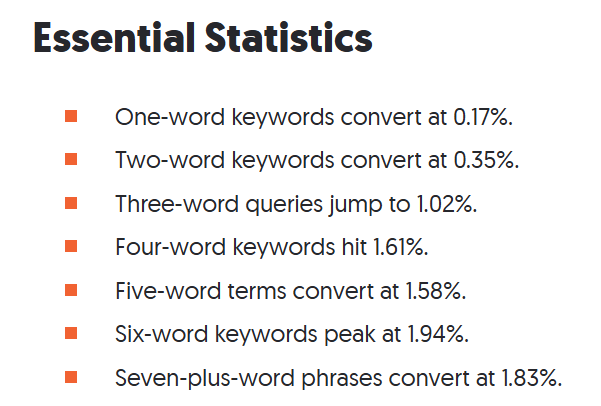
And here’s the part beginners miss: long-tail isn’t a niche. It’s the bulk of all search. Backlinko’s study of 306 million keywords found 91.8% of all search queries are long-tail. Google reconfirmed the same pattern in 2025 — around 93% of keywords get fewer than ten searches a month.
The head terms are loud, but the tail is where the traffic actually lives.

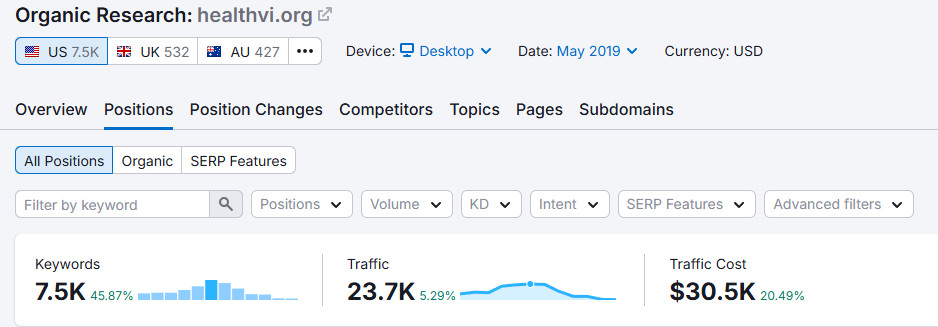
This is exactly how I grew HealthVI, a health site I built with my old business partner and mentor Ian Pribyl, from zero to over 20,000 organic visitors a month. We didn’t chase head terms.
We stacked long-tail win on long-tail win until the site had the authority to compete for the big ones. Slow at first, then it snowballs.
The beginner mistake is the opposite move: launching a brand-new site and immediately swinging at lawyer or plumber. On paper, no chance. Start at the tail and work your way up.
Keyword Types by Role
Some “types” aren’t about the searcher at all. They’re about the job a keyword does inside your own strategy — so they get their own labels, and people constantly confuse them with the intent types above.
Quick and clean:
- Seed keyword — the broad starting point you plug into a tool to generate ideas. SEO is a seed. It’s the input, not the target.
- Primary keyword — the one main term a single page is built to rank for. This page’s primary keyword is types of keywords.
- Secondary keywords — the supporting terms that give the page context. Here, that’s things like keyword types by intent and long-tail keywords.
- LSI / semantic keywords — conceptually related words Google expects to see on a page about this topic. On a page about coffee, that’s espresso, beans, roast. Their absence makes a page look thin.
- Branded keywords — searches with your name in them. Expert SEO. If people are searching your brand, that’s trust you’ve earned.
The thing to lock in: these are roles, not search intents. “Seed” and “primary” describe how you’re using a keyword.
“Commercial” and “informational” describe what the searcher wants. Two different systems. The 27-types lists blur them together, and that’s exactly why they leave you more confused than when you started.
Location and Geo-Targeted Keywords
For any business that serves a place, location keywords are the ones that actually pay the bills.
This is the single most under-covered keyword type out there — and the most important one for a normal Kiwi business.
A geo-targeted keyword is any search with a place attached. Plumber Auckland. Family lawyer Ponsonby. Panel beater Hamilton.
Sometimes the place is spoken out loud; sometimes Google just infers it because you’re searching on your phone.
They also trigger the map pack — that block of three business listings with the map. Rank in it and you don’t just show up; you show up in the spot most people tap.
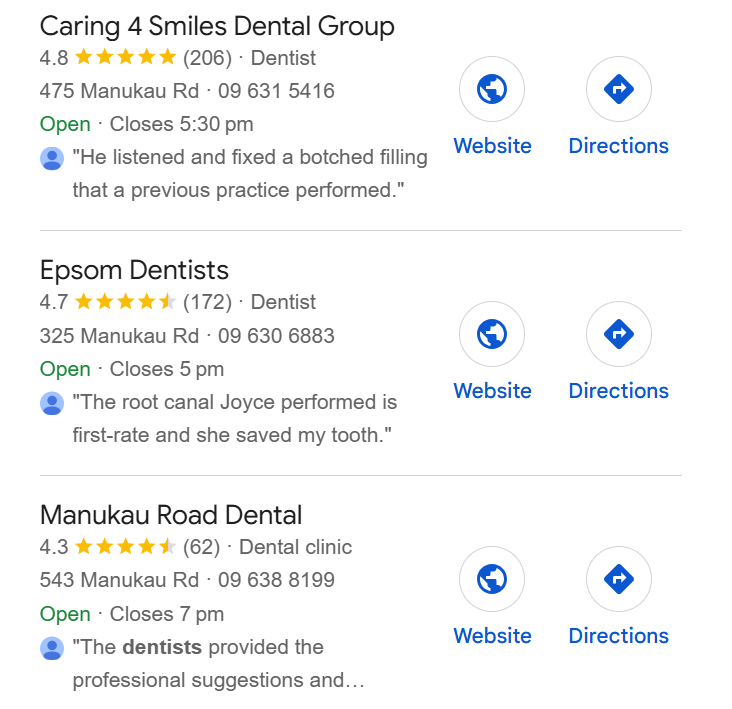
Here’s why they matter so much: location intent means the searcher is close to acting.
Around 46% of all Google searches have local intent, and 76% of people who run a “near me” style search visit a business within 24 hours.
That’s not someone browsing. That’s someone about to walk in the door.
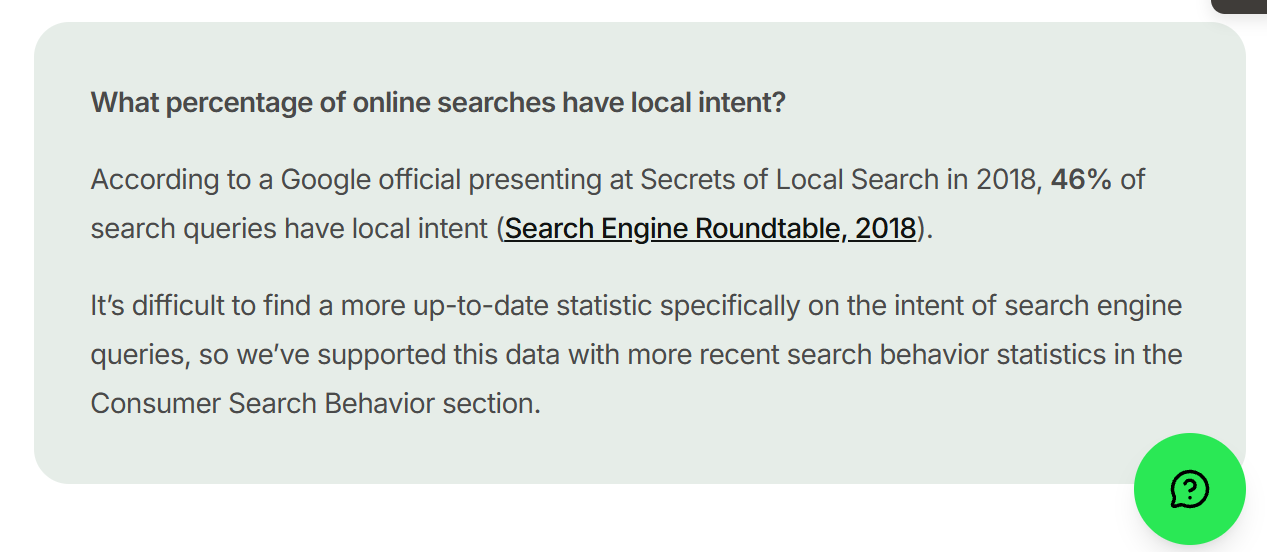
And roughly 42% of local-search clicks land in the map pack, above the normal blue links.

This is my strongest ground, so I’ll show you rather than tell you.
Expert SEO ranked number one in New Zealand for local SEO — a commercial keyword with a location baked right in — sitting above the giant tools like Ahrefs and Semrush.

The location branch stacks the same way the commercial ladder does.
For my agency it runs local SEO → SEO Auckland → SEO Hamilton. For a law firm it’s employment lawyer Wellington, conveyancing lawyer Christchurch, family lawyer Tauranga.
Same service, different suburbs and cities, each its own keyword.
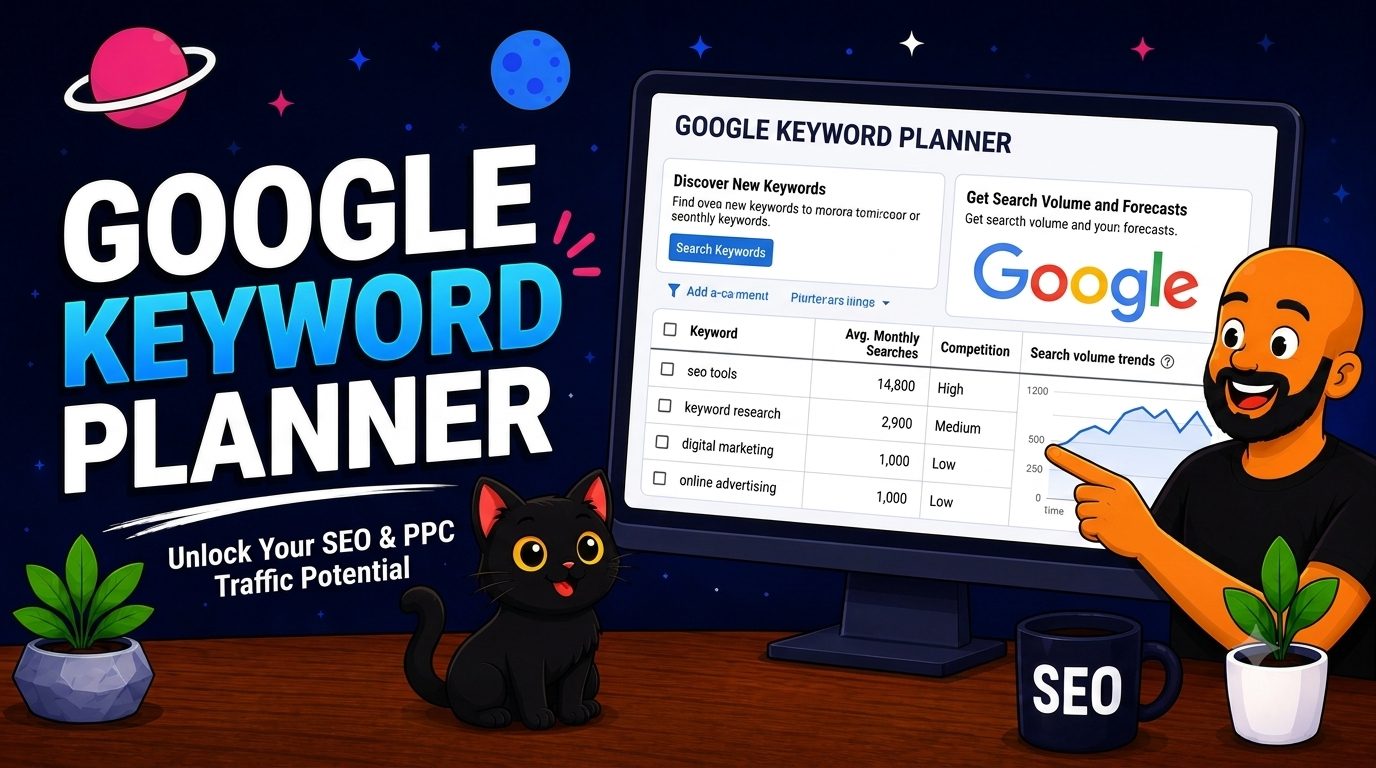
Finding them is dead simple: take your service, bolt on every city and suburb you serve, and check the volumes in a tool like Google Keyword Planner. That’s your geo keyword list, sorted in an afternoon.

And the smaller the market, the more geo keywords are worth: SEO for a Queenstown business faces a fraction of the competition an Auckland one does, so the local terms are almost the whole game.
Use them whenever you’ve got a physical location or a service area. The one time not to bother is if you sell nationwide online with no local angle — then a place name just narrows your audience for no reason.
Which Keyword Types Actually Matter for Your Business
You don’t need all of them. You need the three or four that match where your business is right now — and that’s the whole game everyone else skips.
Stop collecting types. Start using them. The move is to map your keywords across the journey, then weight your effort by where you actually sit.
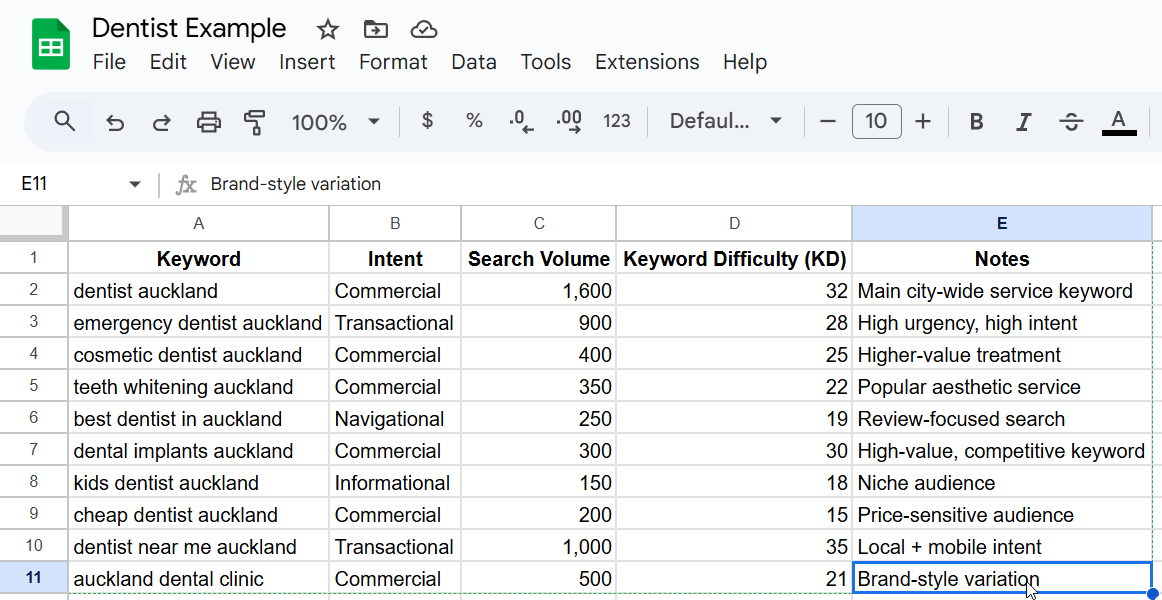
If your site is new (low authority, not much content yet): live at the tail. Long-tail and informational keywords first.
You’re building a base and earning topical authority before you’ve got any right to swing at the head terms. This is the HealthVI playbook — and it’s exactly how I’d start SEO for a Wellington business with no authority yet: boring for three months, then it compounds.
If you’re established and want leads now: commercial, local, and transactional. You’ve got the authority to rank service pages, so point it at the money terms — the play for SEO for a Christchurch business that’s ready to sell.
Here’s the line I’d tattoo on a beginner if I could:
Informational keywords build your authority; commercial and local keywords build your revenue.
You need both, but you spend on them in different seasons.
And the two feed each other. My informational content — guides like this one — isn’t charity. Every one of them links to my money pages and funnels authority straight to them.
The blog posts do the ranking groundwork; the service pages cash it in. That’s keyword research working as a system instead of a scavenger hunt.
Anyone can list the types. Knowing which ones to chase next is the actual skill.
Final Thoughts
If you forget everything else here, remember this: the one call that matters most is whether a keyword sits on the informational side or the commercial side.
Informational means they’re learning — that’s a blog post. Commercial means they’re buying — that’s a service page.
Match your content type to that intent and you’re doing the part that actually moves the needle. Everything else is detail.
Types of Keywords: FAQ
What are the 4 types of keywords?
The four main types are informational (someone learning), navigational (someone looking for a specific site or brand), commercial (someone comparing options before buying), and transactional (someone ready to buy now). They're sorted by search intent, and each one needs a different type of page to rank.
What are the 4 types of search intent?
The four types of search intent are informational, navigational, commercial, and transactional — the same four labels used for keywords, because a keyword's intent is what defines its type. Informational and commercial are the two that matter most day to day: one wants to learn, the other wants to buy.
What are examples of keywords?
Examples include "plumber Auckland" (a local commercial keyword), "how to whiten teeth" (informational), "best employment lawyer Auckland" (commercial), and "book a dental appointment" (transactional). Any word or phrase typed into Google is a keyword — the type just depends on its intent, length, and the job it does in your strategy.
What are basic keywords?
Basic keywords are short, broad "head" terms of one or two words, like "lawyer," "SEO," or "coffee." They get huge search volume but carry almost no clear intent and are very hard to rank for, which is why most businesses target more specific long-tail keywords instead.
How many types of keywords are there?
There's no fixed number — guides list anywhere from 4 to 27 — because the same keywords get sorted three different ways: by intent, by length, and by role. Instead of memorising a count, focus on reading intent (informational vs commercial) and length (head vs long-tail), which is what actually changes your strategy.
Recommended Reading
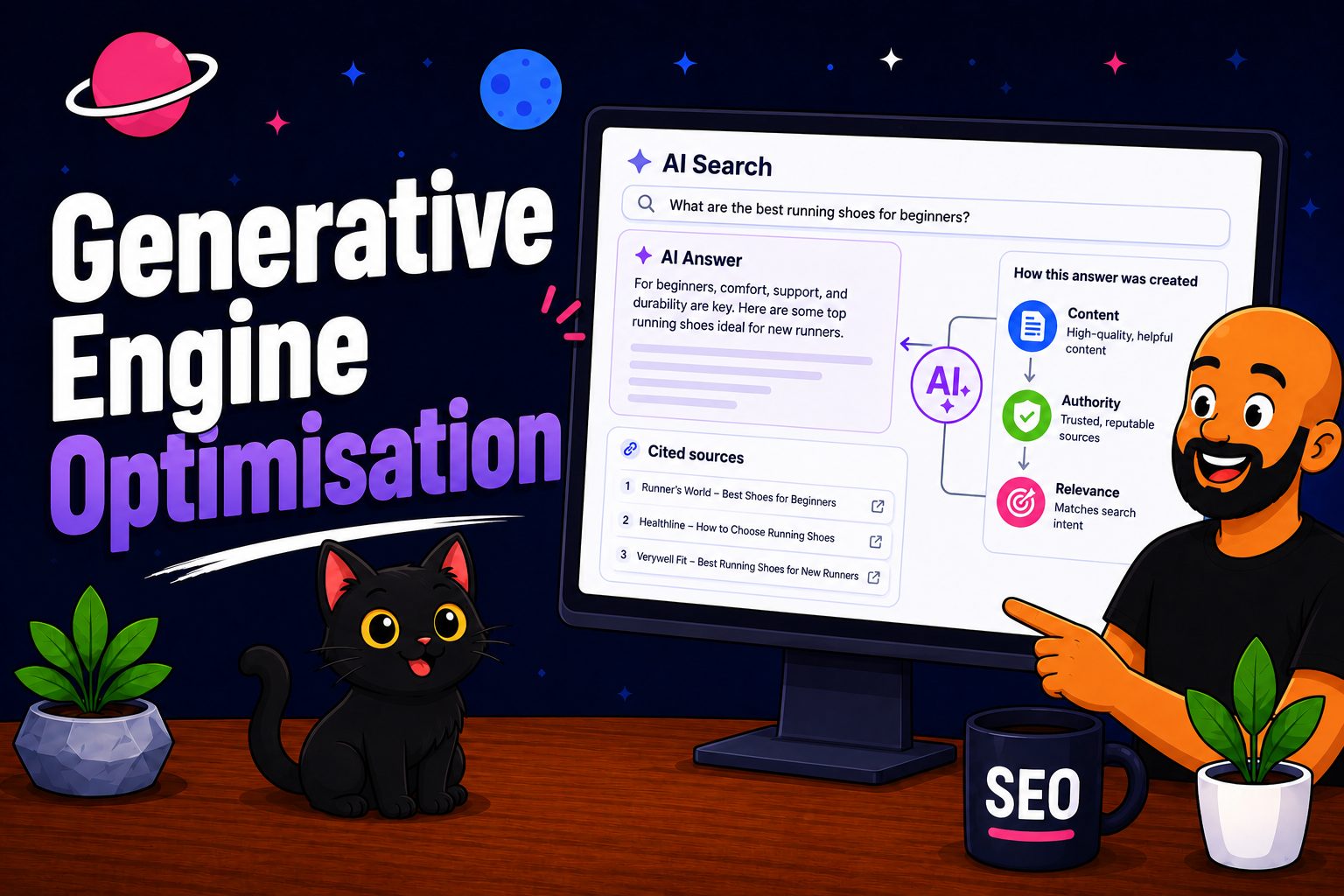 Generative Engine Optimisation
How to get your content cited in AI Overviews and ChatGPT, not just ranked below them.
