

Broken link building is one of the oldest, most well-known, and — let’s be honest — most dated forms of link building still floating around.
So let’s get into it. In this guide I’ll show you what broken link building is, how it actually works step by step, and why, in my opinion, it’s an outdated strategy in 2026.
I run an SEO company here in New Zealand, I use this stuff on real client campaigns, and I’ll give you the honest version the tool-company guides won’t. It still works and it’s still white-hat — but it’s a 6/10 at best, and where it really sits in a modern link building strategy is a lot lower than those guides let on.
Key Takeaways
- What it is: finding a dead page that other sites still link to, building a better replacement on your own site, and asking those sites to swap the dead link for yours.
- It still works and it’s still white-hat — but in 2026 it’s a 6/10: slow, tough to scale, and reliant on other people’s mistakes lining up.
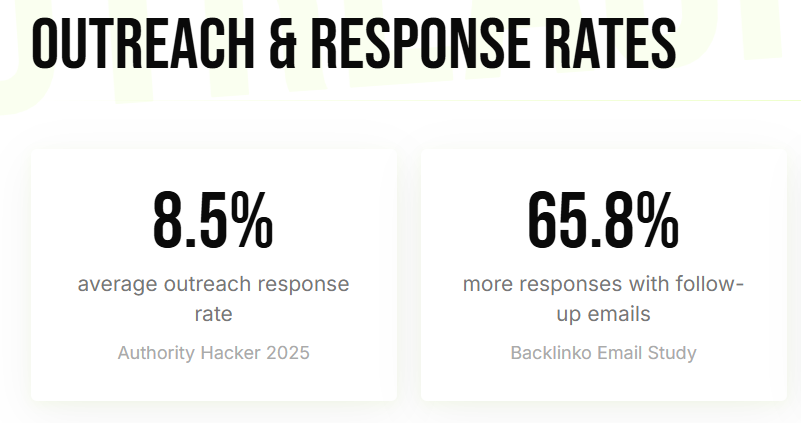
- The whole tactic lives or dies on outreach. Only around 8.5% of cold emails get a reply, so you need a solid list of prospects and a follow-up or two.
- The process is four steps: find broken pages that still have links, vet them properly, build a replacement worth linking to, then pitch the swap.
- Use it opportunistically — when a local competitor folds, or to top up a money page — not as your main link building strategy.
- For a better return on your time in 2026, lead with digital PR, link-earning content, and guest posting instead.
What is broken link building?
Broken link building is the tactic of finding a dead page that other websites still link to, building a better version on your own site, then asking those sites to swap the dead link for yours.
You get the backlink, they fix a link that was sending visitors to a dead end, and Google sees one more quality site pointing at you.
The whole thing runs on one human truth: nobody wants a broken link on their site. It makes a page look neglected, like a shop with a flickering sign out front. Point it out, hand them an easy fix, and a slice of people will say yes.
That slice — the percentage who actually reply and swap the link — is the entire game. Hold that thought, because it’s where the tactic gets hard.
What counts as a broken link?
A broken link is any link pointing to a page that no longer loads. Nine times out of ten that’s a 404 (Not Found) error, but a dead domain, a 410 (Gone), or a page that got moved without a redirect all count too.
The test is simple to run: click the link, and if you hit an error page instead of real content, it’s broken. Yes — a 404 is a broken link, and it’s the most common kind you’ll find.
Does broken link building still work in 2026?
Yes, with an asterisk the size of a house — which is why it’s not a core part of our professional SEO services.
It works because the mechanic hasn’t aged: pages still die, people still link to them, and site owners still don’t want dead links on their site. That part is timeless.
Here’s the asterisk. It’s slow, it doesn’t scale, and every result depends on other people’s mistakes lining up in a row — someone has to let a page die, someone else has to have linked to it, and a third someone has to care enough to reply to a stranger’s email.
That’s three coin flips before you see a single link.
The wider industry has quietly voted on this already. In Aira’s annual State of Link Building report — which surveys 250+ working SEOs — broken link building sits near the bottom of the pack for effectiveness, while digital PR and content marketing sit at the top.
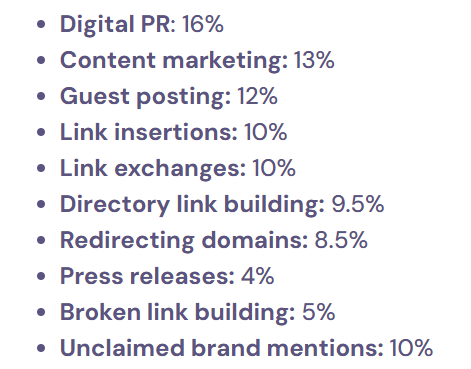
So it’s a supporting tactic, not a headline act. I still pull it out in specific situations — I’ll show you which ones near the end — but I wouldn’t build a month’s link building around it.
How to do broken link building
Every campaign, whoever’s guide you read, comes down to the same four moves:
- Find broken pages that still have backlinks
- Vet each one so you don’t waste a week
- Build a replacement page worth linking to
- Reach out and pitch the swap
Beginners sprint through steps 1 and 4 and skip 2 and 3 entirely — which is exactly why their reply rate is a rounding error. Let’s do it properly.
Step 1: Find broken pages worth chasing
The goal here is a dead page that still has good links pointing at it — because a dead page nobody links to is worthless to you.
Doing this at any real speed needs a backlink tool; you can start free, but a paid tool like Ahrefs or Semrush turns hours into minutes and covers all four methods below.
Four ways to find opportunities, easiest first.
Mine a competitor’s dead pages. Every site deletes and reshuffles content over time, and when they forget to redirect the old URLs, the backlinks pointing at them break.
In Semrush it’s Backlink Analytics → Indexed Pages → tick Broken Pages; in Ahrefs, drop the domain into Site Explorer, open Best by links, and filter for “404 not found”. Sort by referring domains, highest first.
Here’s a real one. Run Trade Me through Semrush’s broken pages filter and dead marketplace listings surface with their links still attached — one 410’d page was sitting on 980 backlinks from 50 referring domains.
You’re never going to rebuild a Trade Me listing, but that’s the exact report you’d run on a competitor in your own niche. If you’re chasing SEO for an Auckland business, you’d point it at a bigger local rival and hunt for a dead page on a topic you can actually write about.

Scan resource pages. Resource pages are curated lists of “helpful links” on a topic. They’re perfect because people rarely update them (links rot) and the resources they point to tend to have plenty of links themselves.
Find them with Google operators like keyword intitle:resources inurl:links or keyword "helpful resources", then scan each page with the free Check My Links Chrome extension, which highlights dead links in red right on the page.
This is close enough to its own tactic that it gets its own playbook — resource page link building — and honestly it’s often the better use of your time.
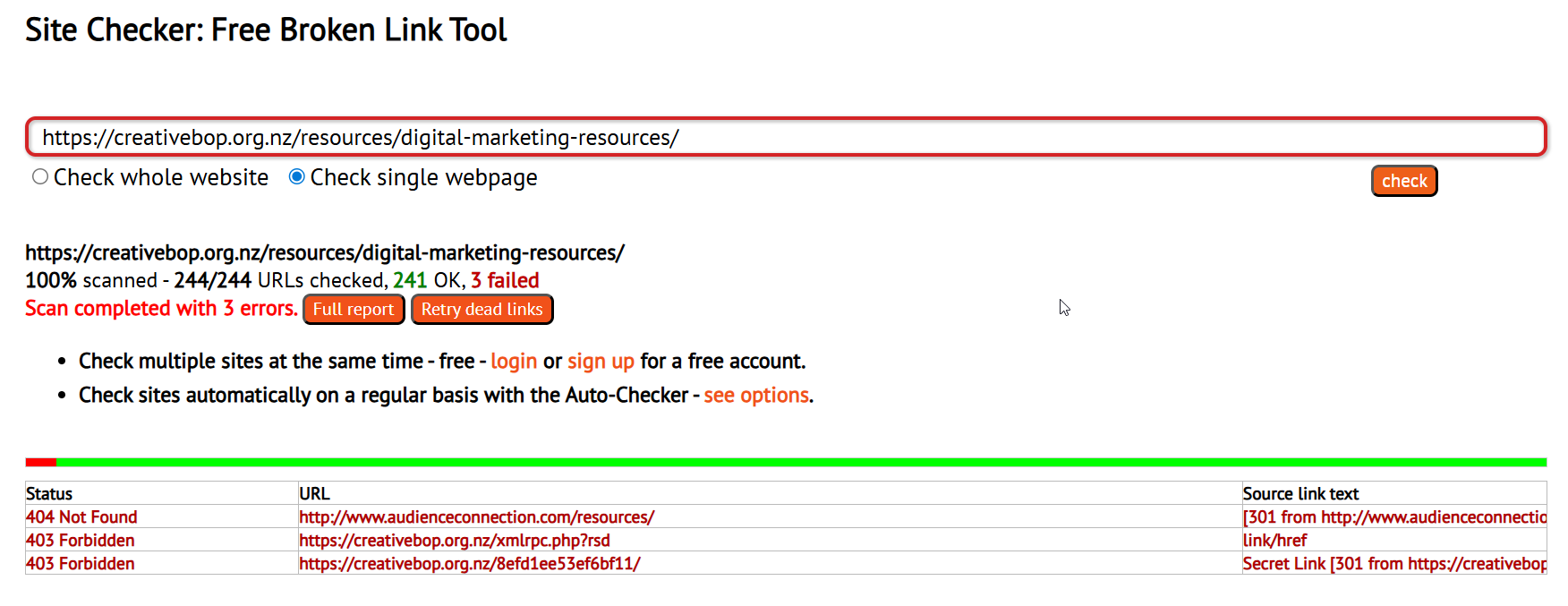
Check what a competitor links out to. The flip side is finding the dead pages a site is linking to. In Ahrefs Site Explorer, enter a domain and open the Broken Links report.
Take marketing.org.nz: its resource-hub post on inclusive marketing examples links out to a 404’d Daily Mail image and a dead ImpactPlus article, and there are 111 broken outbound links across the domain to pick through.
Every one is a page the owner might happily swap for a working equivalent of yours.

Search the web by topic. The advanced move: use Ahrefs’ Content Explorer to search its index for dead pages on a specific topic with a minimum number of referring domains. Powerful, paid, and worth it once the first three methods feel easy.
Step 2: Vet the opportunity before you write a word
This is the step everyone skips, and it’s the one that saves you a wasted week. Before you build anything, interrogate the dead page with two questions.
Are the backlinks actually any good? A dead page with 100 links sounds like a jackpot until you see 90 of them are spam.
Pull the page’s live backlinks in your tool and filter for dofollow links from real sites with some domain authority and real traffic. If only a handful survive the filter, the opportunity might be thinner than it looked.
Why did people link to it in the first place? This tells you what your replacement has to be. Some links are vague (“great resource here”); others are specific (“this guide shows how to X”). The specific ones are gold, because now you know exactly what to build and exactly what to say in your pitch.
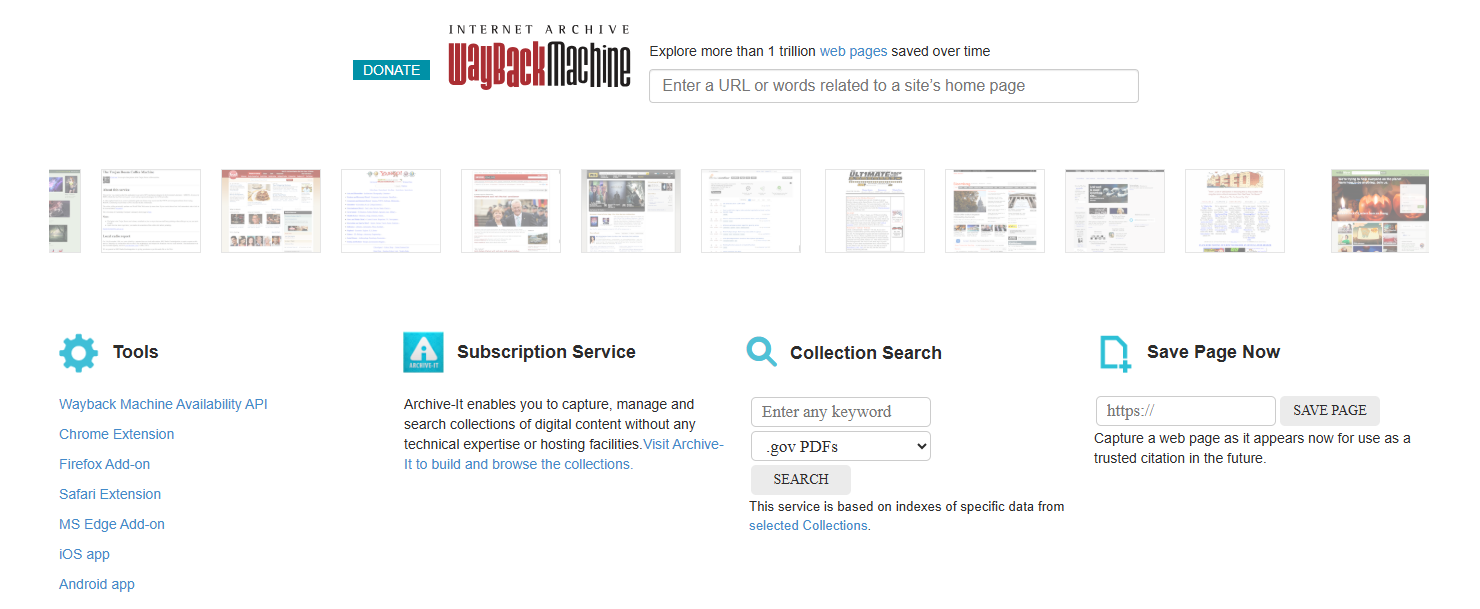
Drop the dead URL into the Wayback Machine to see what the page actually contained — that’s your blueprint.
If the links are weak and the reasons are vague, walk away. Being ruthless here is the difference between people who land links and people who fire 50 emails into the void.
(Quick aside, because it’s the same skill pointed inward: the links pointing at your own dead pages are worth reclaiming too. That’s a two-minute win any SEO audit will flag — fix the redirect and you keep equity you already earned.)
Step 3: Build a replacement page worth linking to
Now you build the page you’ll pitch — and the bar is “better than the dead one”, not “same as”.
Use the old page’s structure (from the Wayback Machine) as a rough skeleton, then beat it: make it clearer, add a template or checklist, fix anything out of date. If the original leaned on a 2021 stat, use a 2026 one.
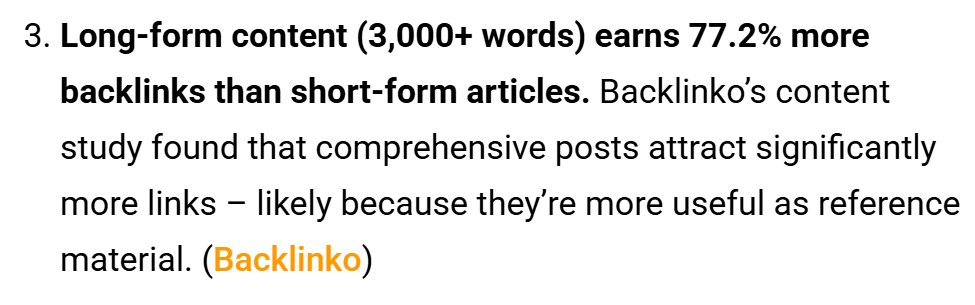
There’s a reason this matters beyond pride. Thorough, genuinely useful pages earn links on their own — Backlinko’s analysis of nearly a billion pages found long-form content over 3,000 words earns 77% more backlinks than short articles.
A better replacement doesn’t just win the swap; it keeps pulling links long after your outreach ends.
The mindset shift that lifts reply rates: you’re not offering a replacement, you’re offering a better replacement.
“Your link’s dead, here’s mine” is weak. “Your link’s dead, here’s mine, it’s more current and there’s a free template” is a swap people actually make. Plan that page the way you’d plan any ranking page, not a throwaway blog post.
Step 4: Outreach — where the whole thing lives or dies
You can find perfect opportunities and write a brilliant replacement and still get nothing, because outreach is where broken link building actually happens. It’s the hard part, and it’s where most people quietly give up.
Keep the first email short, human, and specific — nobody reads an essay from a stranger. Here’s a template that pulls its weight:
Subject: quick heads up — dead link on [Page Name]
Hi [Name],
Reading your page on [topic] — the bit on [specific detail] is genuinely useful.
One heads up: your link to [dead resource] is 404ing now. Here’s where it sits on the page: [screenshot].
I’ve got a current guide on the same thing here: [your link]. If you’re ever updating that page it might slot in as a replacement — no worries either way.
Cheers, [Your name]
A few rules decide whether it works:
- Lead with their broken link, not your pitch. You’re doing them a favour first; the link is the afterthought.
- Screenshot the dead link so they can see exactly where it is. Make saying yes take ten seconds.
- Follow up once. A single polite nudge a week later can lift responses by around 65%, and almost nobody bothers sending one.
- Personalise the opener. One real sentence about their page is what separates you from the outreach spam they delete on sight.
Now set your expectations, because the maths is brutal and it’s the honest heart of why I only rate this a six.
Backlinko’s study of 12 million outreach emails clocked an average reply rate of 8.5%, and only a fraction of replies become links. Send ten well-researched emails, land one link — on a good week. That’s normal, and it’s exactly why the tactic won’t scale.
Where broken link building fits for a NZ business
Here’s the part the big overseas guides can’t give you: what this looks like in a market the size of New Zealand.
New Zealand is a small pond. Fewer relevant sites, fewer resource pages, and plenty of Kiwi site owners who never check the inbox that outreach lands in. Pure volume-based broken link building is even harder here than it is in the US — the coin flips get rarer.
But there are two spots where I genuinely reach for it.
The opportunistic win. When a local competitor shuts up shop or lets their site lapse, any links they’d earned are suddenly up for grabs — and in a small market you’ll often know it happened.
Picture getting found in Queenstown, where the pool of tourism operators is tiny: one competitor folds, you spot their best dead pages, and you rebuild the resource and claim the links before anyone else notices. That’s a rare, high-value window worth grabbing.
Topping up a page that already matters. When I’m building links to a core money page — a service page, or a city page for SEO in Christchurch — broken link building is one of several tactics feeding that page, never the only one.
A single broken-link win on a page that drives revenue beats ten on a blog post nobody reads.
The rule underneath both: make the link land naturally on the pages that actually earn you money — your home page, your services, your city and industry pages — not just your blog.
A mortgage broker chasing SEO for mortgage brokers doesn’t need a link to a “what is a home loan” post; they need it on the page that books consultations.
This is the slow, unglamorous side of link building most owners don’t have the hours for — hunting the rare opportunistic win, feeding the money pages, binning the dead ends. If you’d rather hand the whole link building side over, you can work with me directly.
The tactics I’d reach for before this in 2026
If broken link building is a six, here’s what scores higher — and where your time goes further.
Digital PR. Build something genuinely newsworthy — a survey, a data study, a spicy-but-defensible opinion — and earn links from real publications. It’s the highest-value method going, and it builds brand while it builds links. Start with digital PR.
Content that earns links while you sleep. The best backlink is one you never had to ask for. It’s also the rarest — Backlinko found 94% of all content gets zero external links, so the bar is genuinely high — but a page that clears it keeps pulling links for years with no outreach at all.

Guest posting and outreach you control. Still one of my favourites, because you choose the anchor, the target page, and the context instead of praying a stranger swaps a link — it’s how I ranked a page to #2 in the US.
None of these are easy — link building is hard, full stop. But every one scales better and hands you more control than chasing dead pages one email at a time.
The honest verdict
Learn broken link building if you’re starting out. It’s one of the cleanest ways to understand how manual link building really works, and a couple of early wins will make you a sharper link builder for good.
Use it opportunistically once you’re experienced — when a golden opportunity lands in your lap, take it. Just don’t build your strategy on it, because in 2026 your hours pay you back more in digital PR, link-earning content, and guest posting.
You can absolutely run all of this yourself — the steps above are the whole game. Just go in knowing it’s a fundamental to master, not the strategy you build a whole year around.
Broken Link Building: FAQ
What is broken link building?
Broken link building is an SEO tactic where you find a dead page that other websites still link to, create a better replacement on your own site, and ask those sites to swap the broken link for yours. You pick up a backlink, they fix a link that was sending people to a dead end.
What is the main goal of broken link building?
The goal is to earn quality backlinks. Replacing a dead link with a live link to your content builds your site's authority and helps it rank — while doing the site owner a favour by fixing their broken link.
Is a 404 a broken link?
Yes. A 404 “Not Found” error is the most common type of broken link. Dead domains, 410 “Gone” pages, and pages that were moved without a redirect all count too.
Does link building still work in 2026?
Yes. Backlinks are still one of Google's strongest ranking signals, and they increasingly influence AI search results too. What's changed is how you build them — quality, relevance and digital PR now beat old-school volume tactics.
Is broken link building worth it in 2026?
It still works, but it's not the most efficient tactic anymore. It's great to learn and useful in specific situations — like when a local competitor closes down — but for most NZ businesses, digital PR, link-earning content and guest posting deliver a better return on your time.
How do you find broken links for link building?
Four main ways: check a competitor's domain for 404 and 410 pages that still have backlinks, scan resource pages with the free Check My Links extension, find the dead pages a competitor links out to, or search a tool like Ahrefs' Content Explorer for dead pages on your topic. Always confirm the dead page still has quality links before investing time.
Recommended Reading
 How to Get Backlinks
Broken link building is just one tactic — here are 10 that actually work for NZ businesses.
 Link Building Strategies
The full playbook of link building strategies that genuinely move rankings in NZ.
 How Many Backlinks Do You Need to Rank?
The honest answer on how many links you really need — and why quality beats volume.