
How to Get Backlinks: 10 Strategies That Work in NZ (2026)
Backlinks are one of the strongest ranking factors in SEO. That’s not opinion. It’s data.
A study of 11.8 million Google search results found that the number one result has 3.8x more backlinks than positions two through ten.
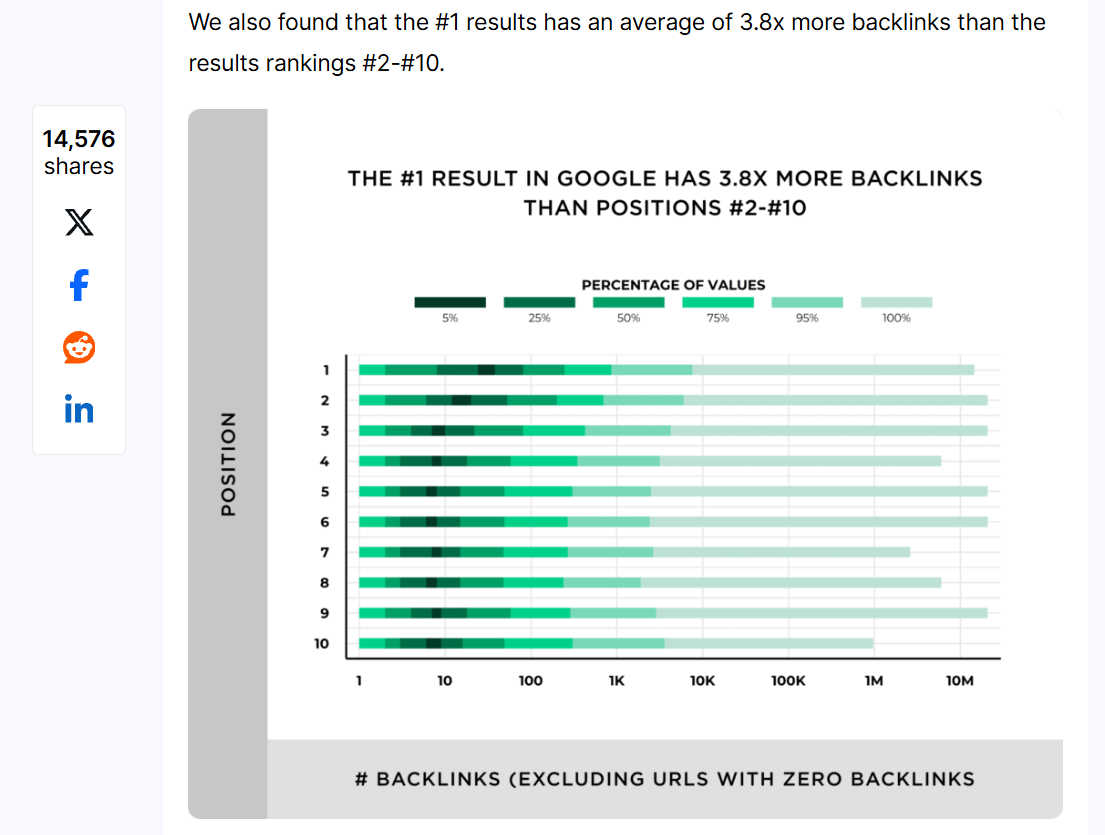
Referring domains — the number of unique websites linking to a page — is the single highest-correlating ranking factor that Ahrefs has found in their data.
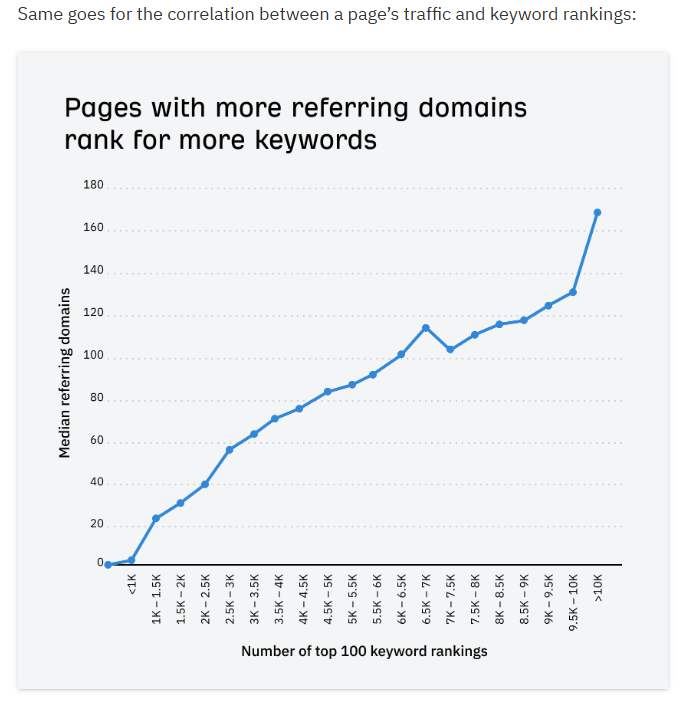
On the other side, 66% of all pages on the internet have zero backlinks. And over 90% of those pages get no Google traffic at all.
The pattern is clear. Pages with backlinks rank. Pages without them don’t.
The problem is that most New Zealand businesses have no system for getting them. They either ignore link building entirely or waste money on cheap link packages that do more harm than good.
This guide fixes that. You’ll learn how to get backlinks for your website using 10 proven methods — with step-by-step instructions, real examples, and a focus on what actually works in the New Zealand market.
1. Create Content That’s Worth Linking To
The most sustainable way to get backlinks is to create content so good that other websites link to it without being asked.
Everything else in this guide works better when your content is already strong.
Here’s the principle: people link to content that helps them make a point, saves their readers time, or adds credibility to what they’re writing. If your content doesn’t do any of those things, no outreach strategy will save it.
The types of content that naturally earn links include comprehensive guides, original research, useful tools or calculators, and in-depth how-to content that actually helps someone solve a problem.
But it’s not about length. It’s about quality.
Your content needs to be genuinely better than what’s already ranking. That means clearer explanations, real examples, more practical steps, and insights that come from experience rather than surface-level research.
Most content out there is average. When you create something that’s actually useful, it stands out.
Long-form content tends to perform better here. Research from Backlinko found that content over 3,000 words earns 77% more backlinks than shorter articles.
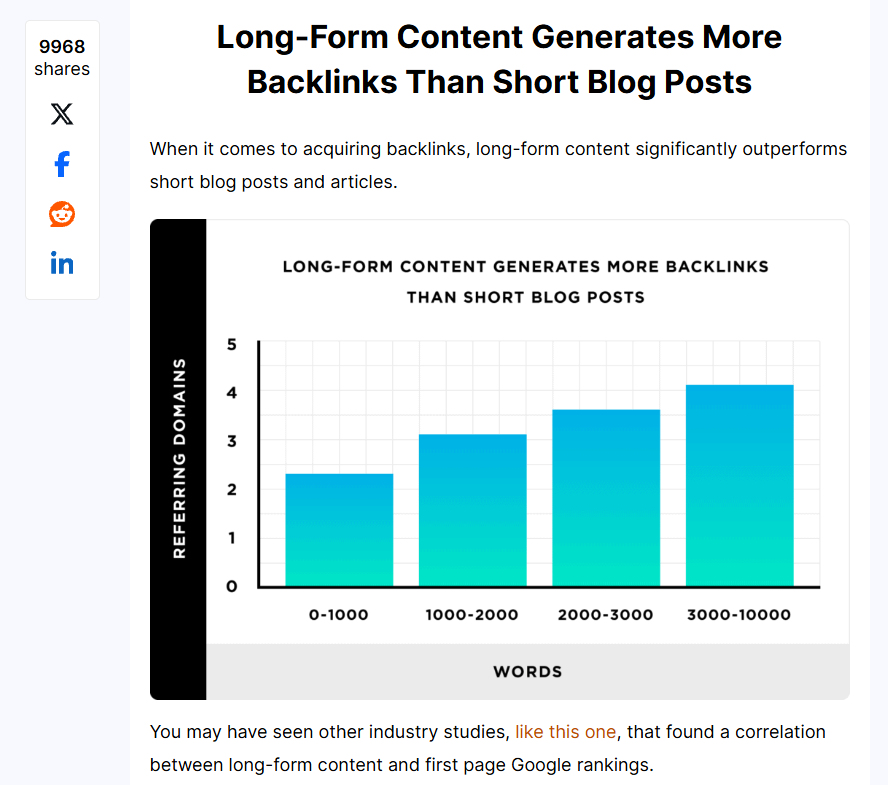
That doesn’t mean you should pad your word count. It means comprehensive content that fully covers a topic gives more people more reasons to link to it.
If you want backlinks, start by creating something worth linking to.
2. Get Listed on NZ Business Directories
This is one of the easiest and fastest ways to get your first backlinks.
Submitting your business to legitimate New Zealand directories builds a solid foundation of links and local trust signals. It won’t transform your rankings on its own, but every strong SEO strategy starts here.
The key word is “legitimate.” There’s a big difference between a genuine industry directory and a spam site that exists purely to sell links. Focus on directories that are relevant to your industry or location.
NZ directories worth looking at include local business directories, your regional chamber of commerce, industry-specific associations and member listings, and trusted listing sites that are relevant to your sector.
How to do it:
- Search for “[your industry] directory NZ” or “[your location] business directory”
- Check the site looks legitimate (real businesses listed, no spam, established domain)
- Submit your details — business name, address, phone, website
- Make sure your information is consistent across every listing (same name, same address, same phone number)
That last point matters. Consistent NAP (name, address, phone) information across directories helps Google trust your business details. Inconsistent information creates confusion and weakens trust.
This takes an afternoon and you only need to do it once. It’s not glamorous, but it’s a solid foundation.
3. Build Local Partnerships and Sponsorships
New Zealand’s business community is small and tightly connected. That’s actually an advantage when it comes to link building.
Partnering with other local businesses, sponsoring events, or collaborating with community organisations is one of the most natural ways to earn backlinks. These links are valuable because they come from real, relevant, local websites. That’s exactly what Google wants to see.
Here are some specific ways this works:
Sponsor a local sports team or event. Most clubs and event organisers have a sponsors page on their website with your logo and a link back to your site. A plumber in West Auckland sponsors a local rugby club and gets listed on their sponsors page with a direct link.
Partner with a complementary business. A builder partners with an electrician. An accountant partners with a law firm. Each features the other on their website as a trusted partner. These are genuine business relationships that naturally produce links.
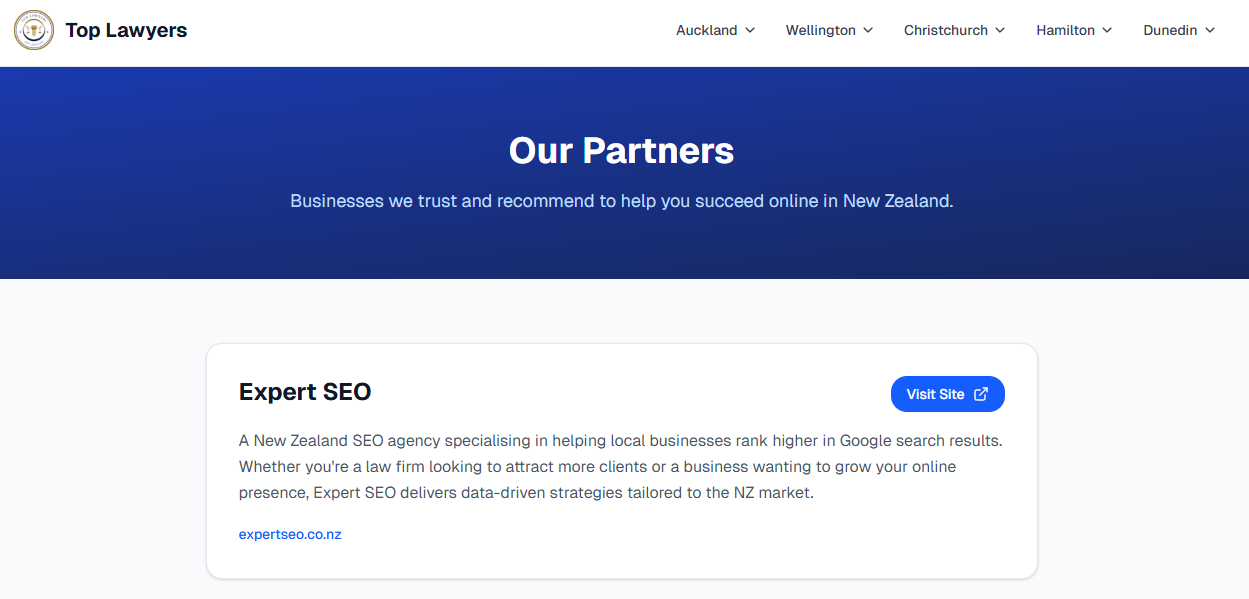
Join a local business association. Chambers of commerce, business networking groups, and industry bodies typically list their members online with links to their websites.
Collaborate on content or community projects. Co-host a webinar, create a joint resource, or run a community initiative together. Each business promotes it on their site with links to the other.
The reason this works so well is that the links come from genuine relationships. You’re not cold-emailing strangers or gaming the system. You’re building real connections that produce backlinks as a by-product.
In a market like New Zealand, where reputation travels fast and everyone is one or two degrees of separation apart, relationship-based link building is especially powerful.
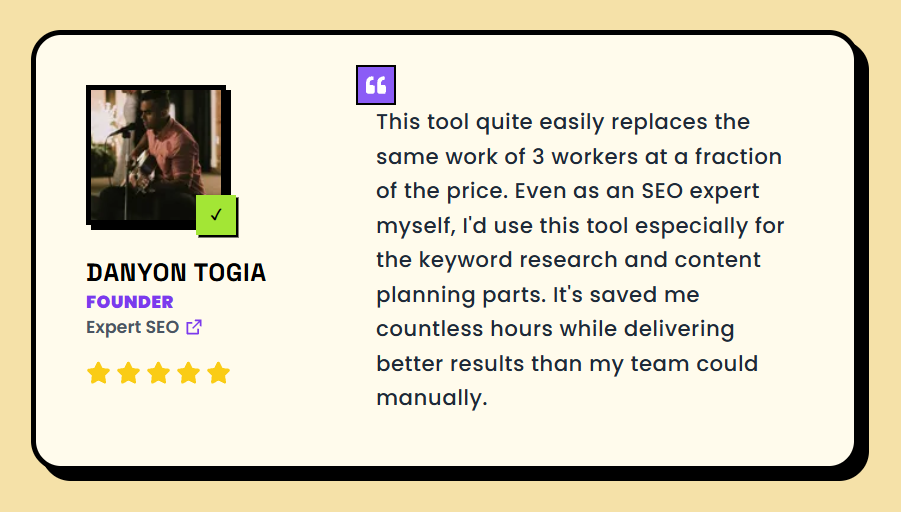
4. Provide Testimonials for Tools and Services You Use
This is one of the most overlooked methods, and it’s incredibly easy.
Think about every tool, platform, or service provider you use in your business: your website host, your accounting software, your project management tool, your suppliers, your CRM.
Most companies actively want testimonials because they build trust with potential customers. And when they feature your testimonial on their website, they almost always link back to your business.
How to do it:
- Make a list of every tool, service, or supplier you actually use and value
- Write a short testimonial for each — two or three sentences about why you like their product and how it helps your business
- Email them: “I’m a happy customer and I’d love to provide a testimonial for your website. Here’s what I’d say: [testimonial]. Would you like to feature this?”
- Include your business name and website URL
Most companies will say yes. They get social proof, you get a backlink.
The link quality varies depending on the company’s website authority, but it’s a real, editorial mention from a real business. And it takes about 10 minutes per testimonial.
For example, if you run a café in Auckland and you love your coffee supplier’s product, offer them a testimonial. They feature it on their site with a link to your café.
5. Write Guest Posts on Relevant Websites
Guest posting is one of the most reliable ways to get a high-quality backlink, and it works particularly well in the New Zealand market.
The idea is straightforward. You write a useful article for another website’s audience, and in return you get a link back to your site, usually in the author bio or naturally within the content itself.
The critical word here is “relevant.” A guest post on a random unrelated blog is worth almost nothing. A guest post on a respected industry site or a New Zealand business publication is worth a lot.
How to Find Guest Posting Opportunities
Search for phrases like “[your industry] write for us NZ”, “[your industry] guest post”, or “[your industry] contributor guidelines.”
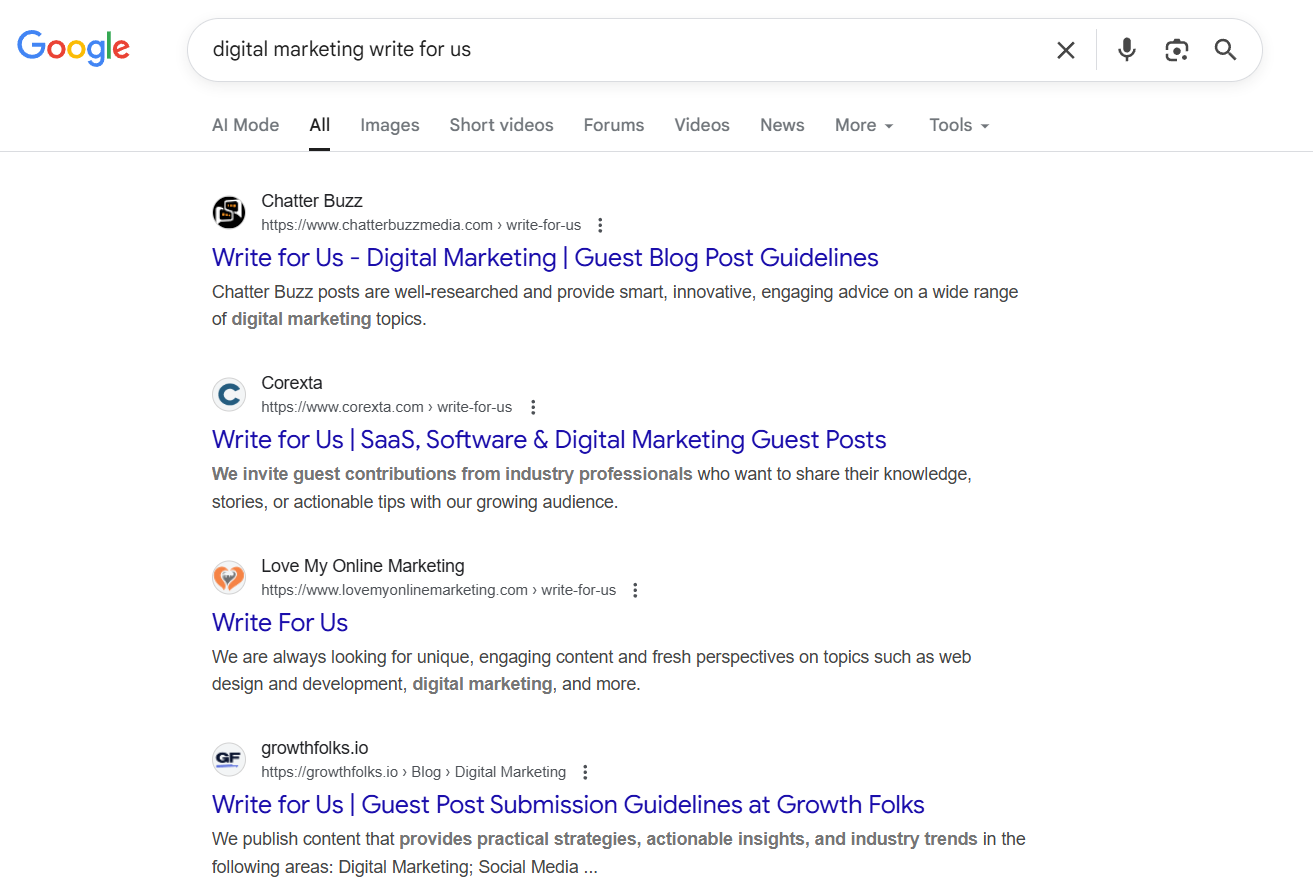
Look at industry blogs, publications, and business websites that accept external contributions.
You can also check where your competitors have guest posted. Use a tool like Ahrefs or SEMrush to look at their backlink profile. If they’ve written for a specific site, there’s a good chance that site accepts guest contributions.
How to Pitch
Keep your pitch short. Editors get hundreds of emails. A good pitch includes:
- A brief introduction (who you are, why you’re credible on this topic)
- Two or three topic ideas that would help their audience
- A note on why you’re approaching them specifically
Don’t lead with “I want a backlink.” Lead with value. The link is a by-product of the value you’re providing.
What Makes a Good Guest Post
Write at the same quality level as your own content. Don’t phone it in. The article should be useful, well-structured, and provide real insight. If it reads like it was written purely to get a link, it won’t get published — and even if it does, it won’t reflect well on your brand.
6. Reclaim Unlinked Brand Mentions
If someone has already mentioned your business online without linking to you, asking them to add a link is one of the highest-conversion outreach methods there is.
An unlinked mention is when another website references your brand, name, product, or content but doesn’t include a hyperlink. The mention is already there. You just need the link added.
This works so well because the person already knows about you. They’ve already chosen to mention you in their content. You’re not cold-pitching a stranger. You’re simply asking them to make an existing mention more useful for their readers by adding a link.
How to Find Unlinked Mentions
Google search: Search for your brand name with your own domain excluded. For example: “Expert SEO” -site:expertseo.co.nz.
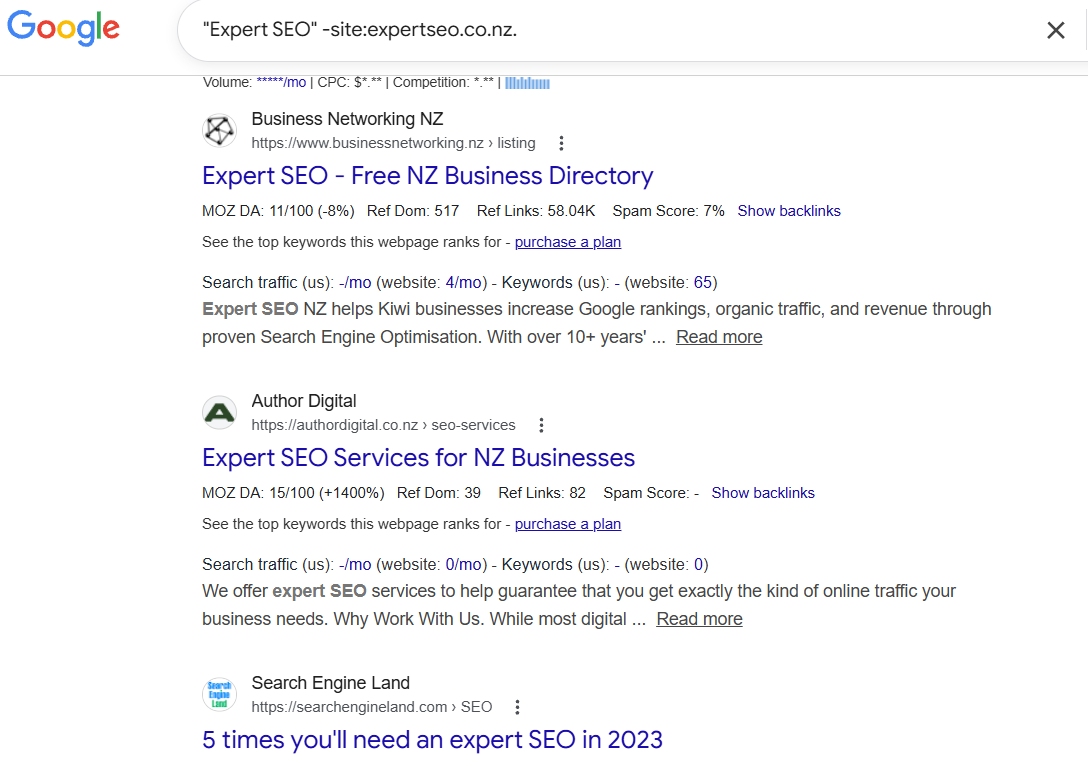
Look through the results for pages that mention you without linking.
Google Alerts: Set up a free alert for your brand name. You’ll get notified whenever someone mentions you online, and you can check whether they included a link.
Other SEO tools: Ahrefs Content Explorer and SEMrush’s Brand Monitoring tool can both find mentions of your brand across the web and filter for pages that don’t link to you.
How to Reach Out
Keep it short and friendly:
“Hi [name], I noticed you mentioned [your business] in your article about [topic] — thanks for the mention! Would you be open to adding a link to our website so your readers can find us easily? Here’s the URL: [your URL]. Cheers, [your name].”
That’s it. No long pitch. No complicated ask. Most people are happy to add the link because it improves their own content.
This method works best for businesses that already have some visibility. If nobody mentions your brand yet, focus on the other methods first and come back to this one once you’ve built some recognition.
7. Find and Fix Broken Links on Other Websites
Broken link building is when you find dead links on other websites and suggest your content as a replacement. It gives the site owner a reason to link to you by solving a problem for them.
Here’s how it works:
Websites accumulate broken links over time as pages get deleted, domains expire, or URLs change.
Most site owners don’t know about these broken links. When you find one on a relevant website and you have content that matches what the dead page used to cover, you reach out and suggest the swap.
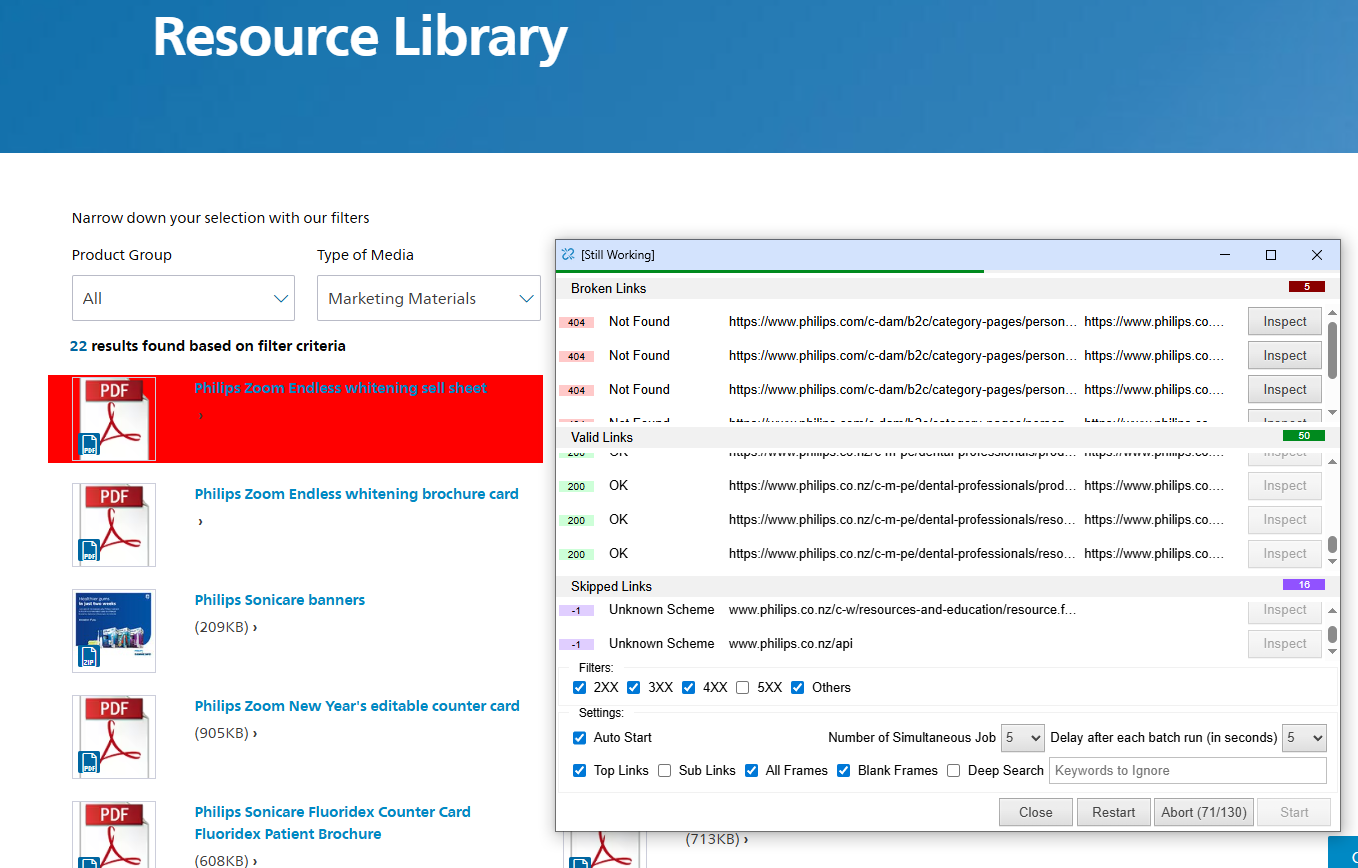
They get a broken page fixed. You get a backlink.
Step-by-Step Process
- Find relevant websites in your industry or niche. Look at resource pages, blog posts, and guides that link out to multiple sources.
- Scan for broken links. Use a free Chrome extension like Check My Links, which highlights every broken link on a page. For a more thorough approach, Ahrefs’ Broken Link Checker or Screaming Frog can crawl entire websites.
- Check what the dead page used to contain. Go to the Wayback Machine (web.archive.org) and paste in the broken URL. This shows you what the page looked like before it went down. This tells you whether your content is a good replacement.
- Match it with your own content. If you already have a page that covers the same topic, use that. If you don’t but the opportunity is strong enough, consider creating one.
- Reach out to the site owner. Let them know about the broken link, explain what it used to point to, and suggest your page as a replacement.
Example Outreach Email
“Hi [name], I was reading your article about [topic] and noticed that the link to [dead page] seems to be broken — it’s returning a 404. I actually have a similar resource on my site that covers [topic]: [your URL]. Happy to help if you’d like to update the link. Cheers, [your name].”
This takes more effort than some other methods on this list, but the links you get are high quality because they’re editorially placed within existing content on relevant websites.
8. Do Email Outreach the Right Way
Email outreach can get you backlinks. But only if you do it properly.
Most outreach fails because it’s generic, selfish, and irrelevant. Mass emails asking strangers for links with nothing in return get deleted instantly. And they should.
Good outreach is personalised, relevant, and offers genuine value to the recipient.
Why Most Outreach Gets Ignored
Data backs this up. The average response rate for cold outreach emails is around 4–5%.
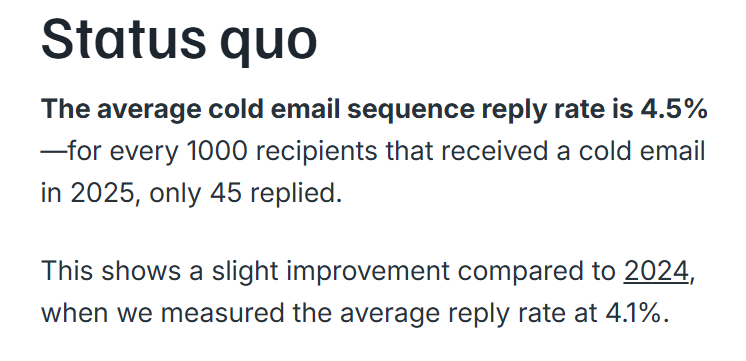
That means for every 100 emails you send, you’ll get four or five replies. And not all of those will be positive.
The emails that get ignored share the same problems: they’re clearly templated, they don’t explain why the recipient should care, and they ask for something without offering anything in return.
What Good Outreach Looks Like
Good link building outreach follows a clear structure:
- You’ve identified a specific, relevant website. Not a random list. A specific site where your content adds real value.
- You’ve found a specific page where your link would help. Not just “link to my homepage.” A specific article where your resource would be useful for their readers.
- Your email is short, personalised, and explains the benefit to them. Not to you. To them.
- You’re offering something. A piece of content that improves their page, a resource their readers would find useful, a correction or update to outdated information.
Example Outreach Email
“Hi [name], I just read your article on [topic] — [specific thing you liked about it]. I noticed you mentioned [concept] but didn’t link to a resource for it. I recently published a guide that covers [topic] in detail, specifically for NZ businesses: [URL]. It might be a useful addition for your readers. Either way, great article. Cheers, [your name].”
What to Expect
Be realistic. Even well-crafted outreach has low response rates. That’s normal. It’s a numbers game, but quality beats volume every time. Ten highly personalised, relevant emails will outperform a hundred generic ones.
And if someone replies asking for payment in exchange for a link, move on. Paying for links through outreach is a quick way to end up with low-quality links that hurt your site.
9. Create Original Data or NZ-Specific Resources
Content that includes original data, statistics, or NZ-specific resources attracts backlinks passively. Other writers need something to reference and cite when they’re making a point, and if your website has the data, you get the link.
This is how major SEO sites like Backlinko and Ahrefs earn thousands of backlinks.
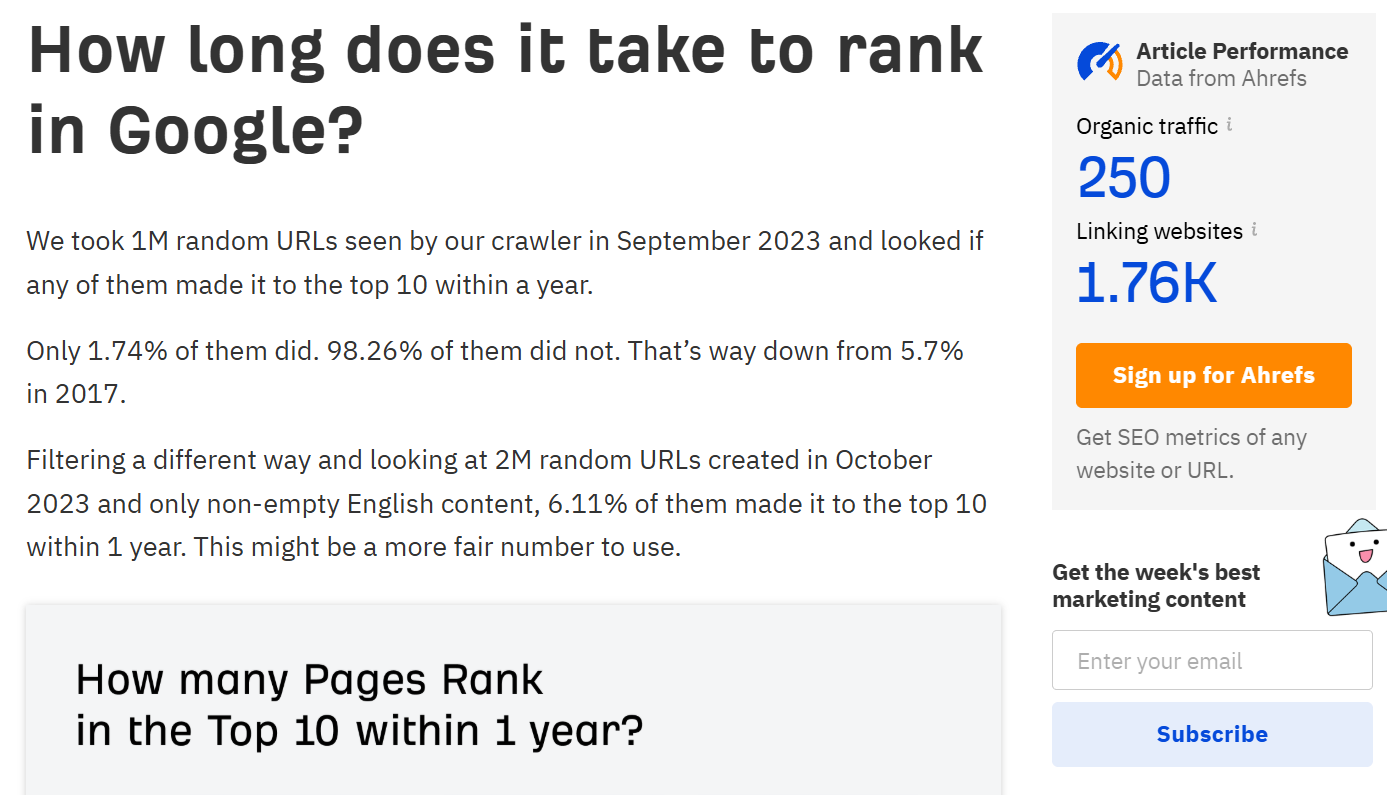
They publish studies and data that the entire industry references. Research and statistics pages attract significantly more links than standard content.
You don’t need to be a massive company to do this. As a New Zealand business, you have a specific advantage: there’s very little NZ-specific data available for most industries. If you create it, you become the default source.
What This Looks Like for a Small NZ Business
- An accountant publishes “Average Accounting Fees in NZ by Service Type (2026)” based on their own pricing research and industry knowledge
- A real estate agency creates “Average House Prices by Region in NZ” using publicly available REINZ data, presented in a clear, easy-to-reference format
- A tradie surveys their customer base and publishes “What NZ Homeowners Actually Spend on Renovations”
- An SEO agency creates an “SEO Statistics NZ” page with relevant data points (sound familiar?)
Each of these becomes a resource that journalists, bloggers, and other businesses link to when they need to cite a specific claim or data point.
How to Do It
- Pick a topic in your industry where data is hard to find, especially NZ-specific data
- Gather the information — from your own business data, publicly available sources, or a simple customer survey
- Present it clearly on a well-structured page with proper sourcing
- Promote it to people who write about your industry
These pages compound over time. The longer they exist and the more people discover them, the more links they attract. It’s one of the best long-term link building investments you can make.
10. Use Digital PR and Newsjacking
This is the most advanced method on the list, but it can earn backlinks from high-authority news and media sites that are extremely difficult to get any other way.
Digital PR is about creating stories that journalists want to cover. When they write about it, they link to your site as the source.

Newsjacking is the reactive version. You respond quickly to trending topics or breaking news with expert commentary, relevant data, or a unique angle. Journalists are always looking for expert sources to quote, and being available at the right time can earn you a mention and a link.
How to Do Digital PR
The starting point is a newsworthy story. This could be:
- An interesting survey or study (ties back to method 9)
- A unique angle on a trending topic
- Data that reveals something surprising about your industry
- An expert opinion that challenges common assumptions
The story needs to be genuinely interesting. Not a press release about your business. Something a journalist would actually want to write about because their readers would care.
Once you have the story, pitch it to relevant journalists. Keep the pitch short, lead with the headline, and explain why their audience would care.
How to Newsjack
- Monitor news and trends in your industry
- When something relevant breaks, act quickly
- Create content or prepare expert commentary that adds a fresh angle
- Pitch it to journalists while the topic is still hot
For example, if the Reserve Bank announces a rate change and you’re a financial adviser, you could offer expert commentary on what it means for NZ homeowners. A journalist covering the story might quote you and link to your website.
The NZ Media Landscape
New Zealand has a smaller pool of journalists than larger markets. That means relationships matter even more. Building a genuine connection with one or two journalists who cover your industry can lead to multiple links over time.
Platforms like HARO (Help a Reporter Out) and Connectively also let you respond to journalist queries directly.
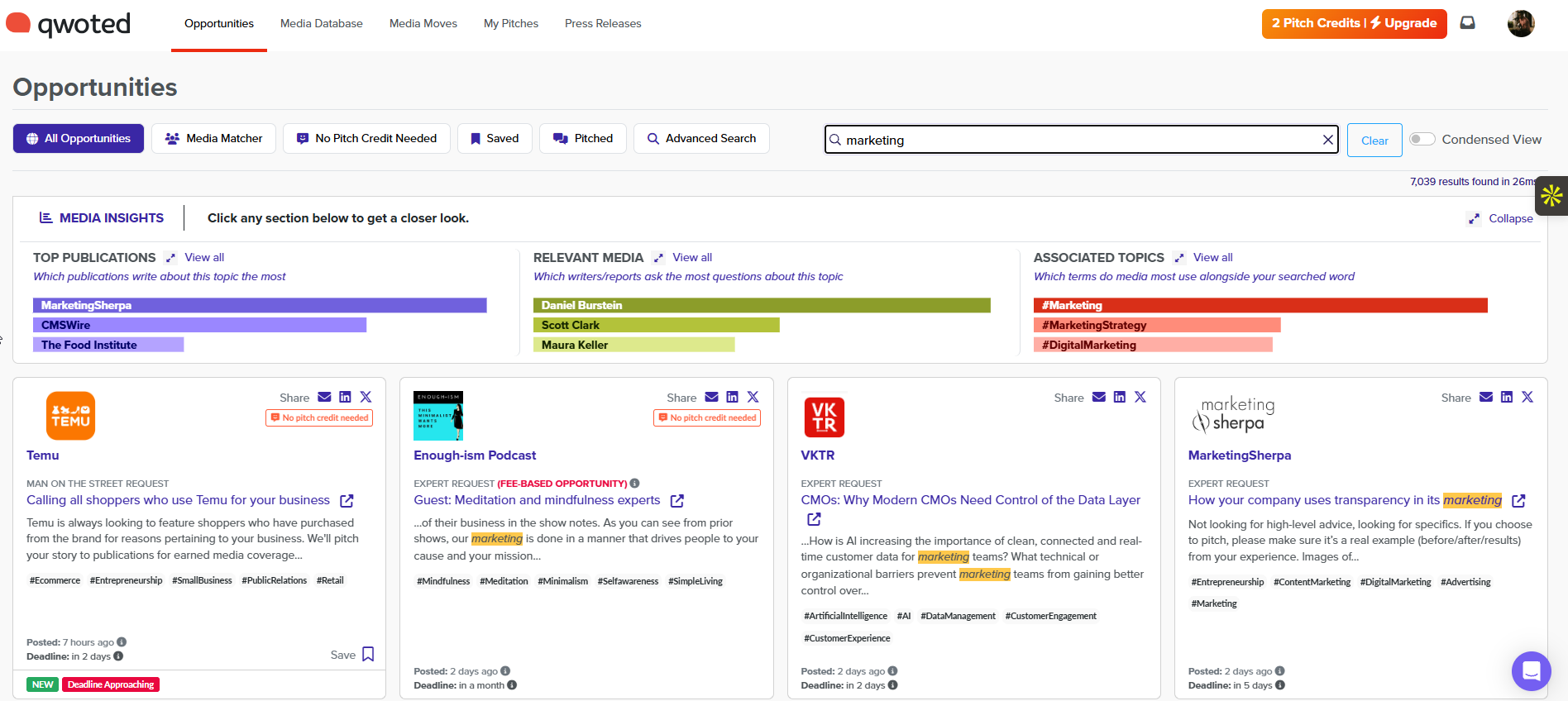
When a journalist needs an expert source for an article, they post a request. You respond with your expertise. If they use your quote, you get a link.
This method takes skill, speed, and persistence. But the backlinks you earn from news sites and media outlets are among the most valuable you can get.
Which Method Should You Start With?
That’s 10 methods. You don’t need to do all of them at once.
Where you start depends on your situation.
If your website is brand new (under 6 months old):
Start with directories, testimonials, and local partnerships.
These are the fastest wins and they don’t require existing content or authority. Once you’ve got those foundations in place, shift your focus to creating link-worthy content and guest posting.
If your website is established but traffic has plateaued:
You’ve probably already done the basics. Focus on content-driven methods: create original data or NZ-specific resources, do email outreach to relevant sites, and invest in digital PR. These are the methods that break through plateaus because they earn links from higher-authority sources.
If you’re an ecommerce business:
Product pages rarely attract backlinks on their own. Focus on creating resources around your products — buying guides, comparison pages, original data on your industry. Broken link building also works well for ecommerce because there are a lot of dead product and resource pages in most niches.
If you’re a local service business (tradie, dentist, lawyer, etc.):
Local partnerships and sponsorships are your biggest opportunity. NZ’s business networks are tight, and a few well-placed sponsorships or partnerships can produce high-quality local links quickly. Directories are also essential for local SEO signals.
If you’re short on time:
Testimonials and directories take the least effort. Guest posting and outreach take the most. If you can only do one thing this week, submit to three relevant directories and send two testimonials. That’s five potential backlinks for a few hours of work.
The methods are listed roughly in order of difficulty, so working from top to bottom is a reasonable default. But matching the method to your situation will get you results faster.
How Long Each Method Actually Takes
One of the biggest gaps in most link building guides is they never tell you how much time each method requires. Here’s a realistic breakdown based on doing this work for NZ businesses:
| Method | Time Investment | How Fast You’ll See the Link |
|---|---|---|
| Directories | 2–4 hours (one-off) | Days to weeks |
| Testimonials | 10–15 minutes each | 1–4 weeks |
| Local partnerships | 1–2 hours to set up | 1–4 weeks |
| Content creation | 5–20+ hours per piece | Weeks to months (links come passively over time) |
| Guest posting | 3–5 hours per post (including pitching) | 2–6 weeks |
| Unlinked mentions | 1–2 hours per batch | 1–2 weeks |
| Broken link building | 2–4 hours per batch | 2–4 weeks |
| Email outreach | Ongoing — 2–3 hours per week | 2–6 weeks |
| Original data/resources | 5–15 hours to create | Months (compounds over time) |
| Digital PR | Varies — 5–20+ hours per campaign | 1–4 weeks if successful |
A few things to note here.
The quick wins (directories, testimonials, partnerships) can be knocked out in a single week. They won’t transform your rankings on their own, but they build a solid base.
The methods that take the most time (content creation, original data) are also the ones that compound the most.
A single piece of quality content can earn links for years without you lifting a finger.
And outreach-based methods (guest posting, broken links, email outreach) are ongoing.
They’re not something you do once and stop.
The businesses that build the strongest backlink profiles are the ones that keep doing outreach consistently, even if it’s just a few hours a week.
Link building is a long-term investment. The methods that take the least effort produce the smallest results. The methods that take the most effort produce the biggest results. There are no shortcuts, but there are smart starting points.
What Makes a Good Backlink?
Now that you know how to get backlinks, it helps to understand what separates a valuable backlink from a worthless one. This is the filter you apply to everything above.
A good backlink has four qualities:
Relevance. The linking site is related to your industry or topic. A link from a NZ business blog to your NZ accounting firm is far more valuable than a link from a random tech site in another country.
Authority. The linking site has its own credibility and trust. A link from a well-known NZ publication carries more weight than a link from a brand new blog with no traffic.
Editorial placement. The link sits naturally within the body of the content. Links buried in footers, sidebars, or comment sections carry far less weight than those placed within a real article.
Natural context. The link makes sense where it’s placed. It adds value for the reader, not just for SEO purposes.
Here’s a quick comparison:
| Good Backlink | Bad Backlink |
|---|---|
| From a relevant NZ business website | From a random overseas directory |
| Placed within a genuine article | Stuffed in a footer or sidebar |
| Editorial — someone chose to link to you | Automated — generated by software |
| From a site with real traffic and authority | From a spam site with no traffic |
You’ll also come across dofollow and nofollow links.
Dofollow links pass authority and directly help your rankings.
Nofollow links don’t pass authority in the traditional sense, but they can still drive referral traffic and brand visibility. Don’t obsess over this distinction. Focus on getting relevant links from real websites, and the dofollow/nofollow ratio will take care of itself.
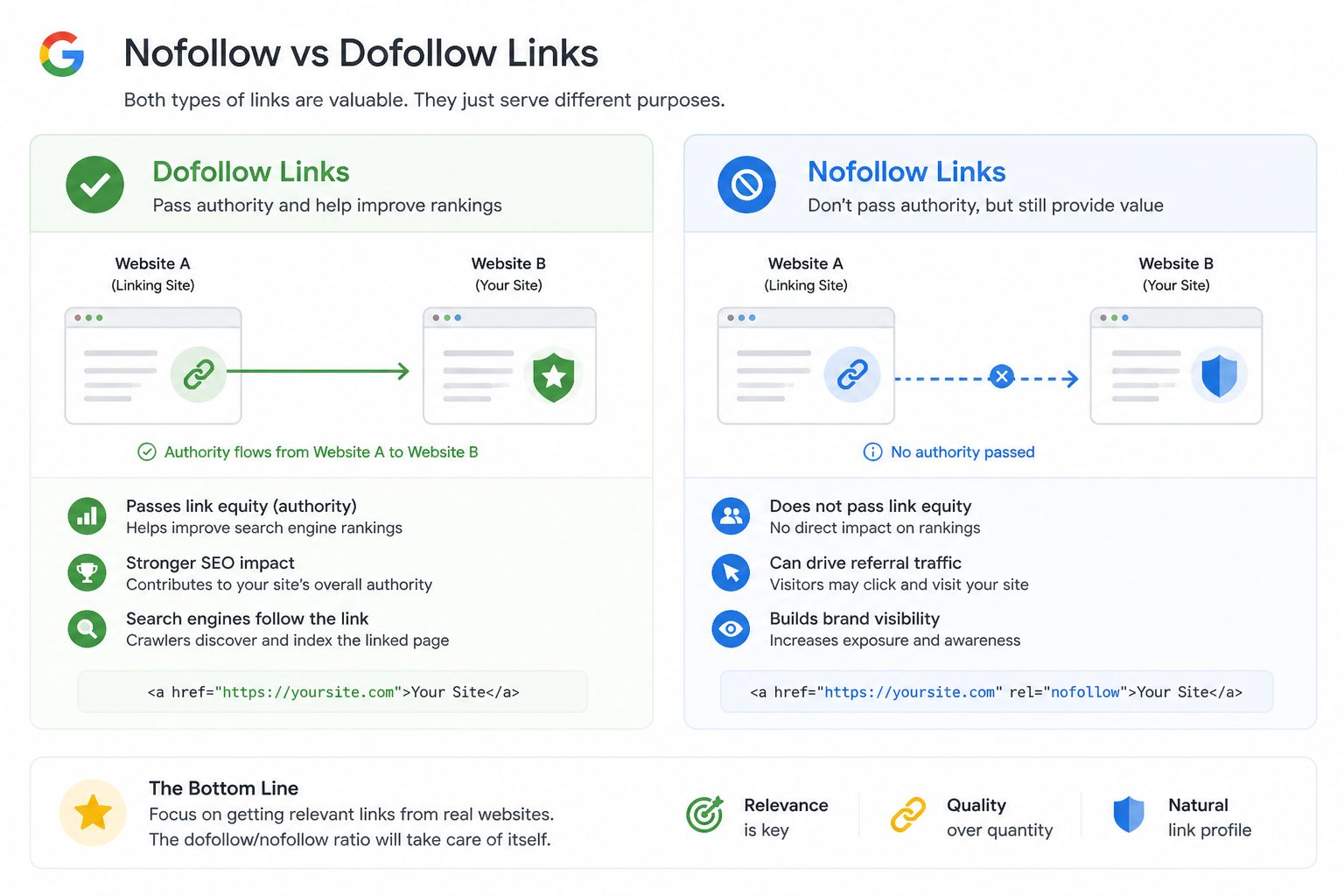
The bottom line: five relevant, authoritative backlinks will outperform 500 junk links every time.
How to Get Backlinks for Free
Most of the methods in this guide are free. But “free” still costs time and effort.
Here’s how they break down:
Free (just your time): Business directories, testimonials, local partnerships, unlinked mention reclamation, broken link building, email outreach, guest posting.
Free but requires content investment: Creating link-worthy content, building original data resources.
May require paid tools for scale: Finding unlinked mentions efficiently (Ahrefs, SEMrush), scanning for broken links across entire sites (Screaming Frog), monitoring brand mentions at scale.
May require budget: Digital PR campaigns, paid tool subscriptions for advanced work.
There are also free tools you can use to get started: Google Alerts for brand monitoring, Check My Links (Chrome extension) for finding broken links, Google Search Console to see who already links to you, and HARO/Connectively for journalist queries.
Good link building takes time and consistency.
There’s no shortcut to earning quality backlinks. Anyone promising “100 backlinks for $50” is selling junk that will hurt your site.
The methods that work are the ones that require real effort. That’s also why they’re effective — most people won’t do the work.
Backlink Mistakes That Will Hurt Your Rankings
Bad link building doesn’t just fail. It actively damages your site. Avoid these mistakes.
Buying Cheap Link Packages
This is the biggest one. Fiverr, bulk link providers, and “100 backlinks for $X” offers.
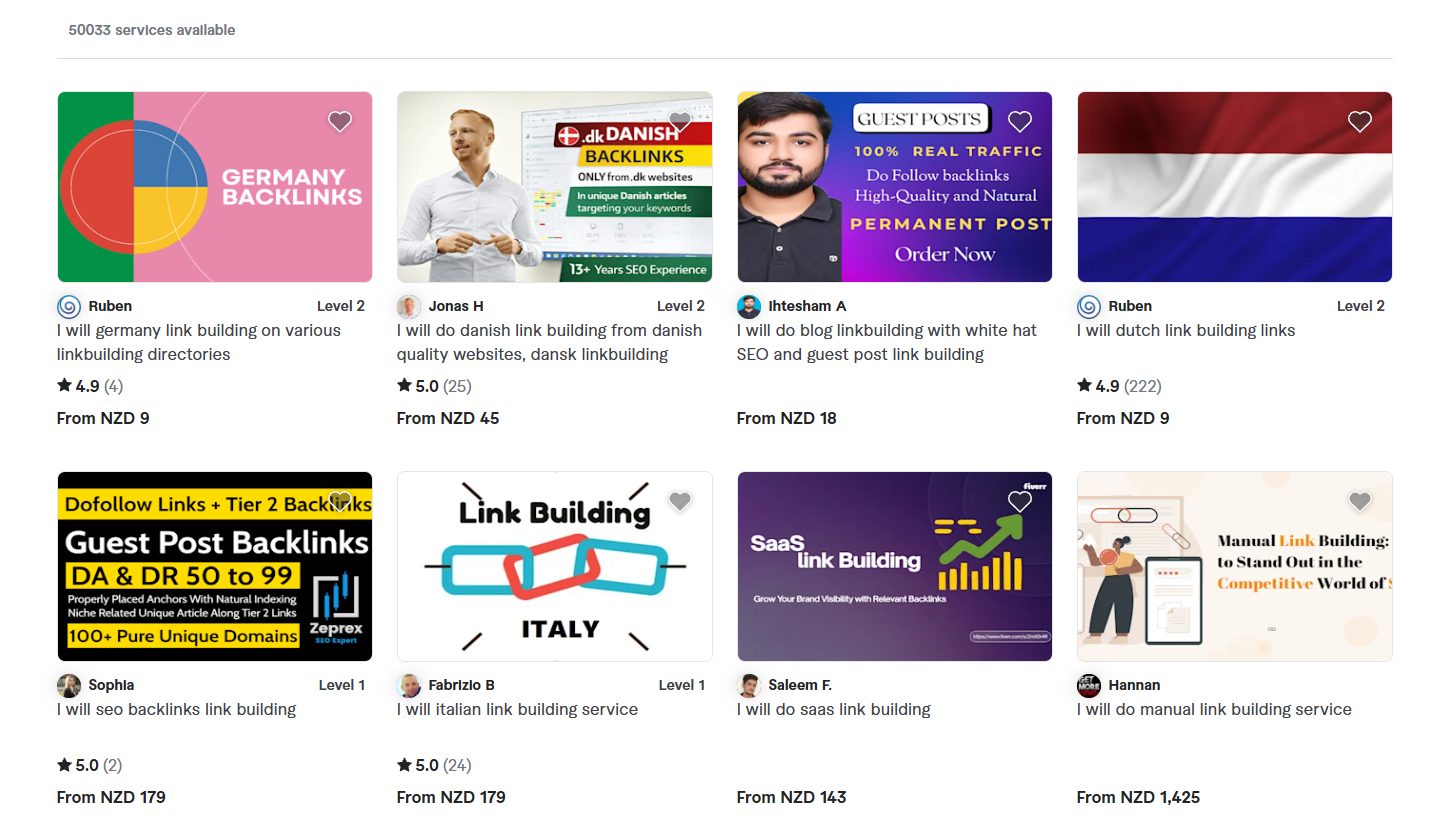
These links come from spam sites, private blog networks, and irrelevant domains that exist purely to sell links.
Google can detect these patterns. At best, the links get devalued and you’ve wasted your money. At worst, your site gets penalised and your rankings drop.
I see this constantly with NZ businesses. They don’t understand what they’re buying, and the damage doesn’t show up until months later when rankings suddenly tank.
Irrelevant Directories and Spam Sites
Not all directories are created equal. Submitting to hundreds of random directories with no relevance to your business wastes time and looks spammy.
Stick to directories that are genuinely relevant to your industry or location.
Link Exchanges
“I’ll link to you if you link to me.” Google has been aware of this tactic for years. Occasional natural reciprocal links between related businesses are fine. Systematic link swapping schemes are not. Google looks at the pattern, not the individual link.
Private Blog Networks (PBNs)
Networks of fake websites created solely to build links. These might show short-term results, but Google actively hunts these down. When they find one, every site connected to it gets hit. The risk far outweighs any temporary gain.
Over-Optimised Anchor Text
If every backlink pointing to your site uses the exact same keyword as anchor text, it looks unnatural. Real backlinks use a mix of your brand name, generic phrases (“click here”, “this article”), and natural variations. A backlink profile where 90% of anchors are “best plumber Auckland” is an obvious red flag.
The common thread: anything that tries to manipulate Google rather than earn legitimate links carries risk. If it feels like a shortcut, it probably is.
Real Examples of Link Building in NZ
Here’s what link building actually looks like in practice for a New Zealand business.
Example 1: Earning Links Through Content Quality
My SEO fundamentals guide earns backlinks from competitors without any outreach. Competitors in the NZ SEO space link to it as a resource because it’s the most comprehensive and clearly written guide available.

This happened because the content is genuinely better than the alternatives. When someone needs to reference a clear explanation of SEO for their readers, they link to the best source. No outreach needed.
Example 2: Guest Posting on NZ Business Sites
As covered in method 5, I earned a backlink to my local SEO guide by contributing content to BizWin. That link came from providing genuine value to their audience — not from asking for a favour.
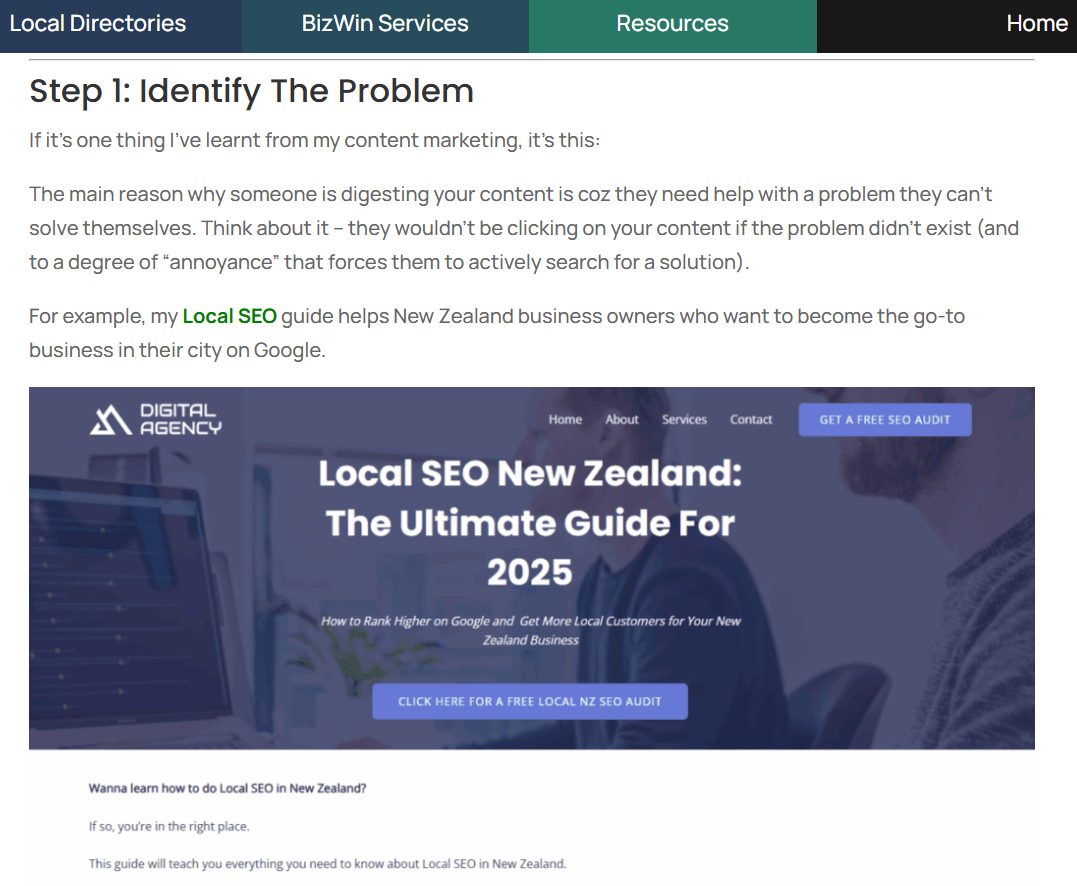
The takeaway: guest posting works when the content is strong enough to stand on its own. The backlink is a by-product of the contribution, not the reason for it.
Example 3: Building Authority Over Time
My SEO company is relatively young compared to competitors who have been building their websites for up to a decade. But by consistently creating the best content in the space, the site has built authority and earned links that much older businesses haven’t.
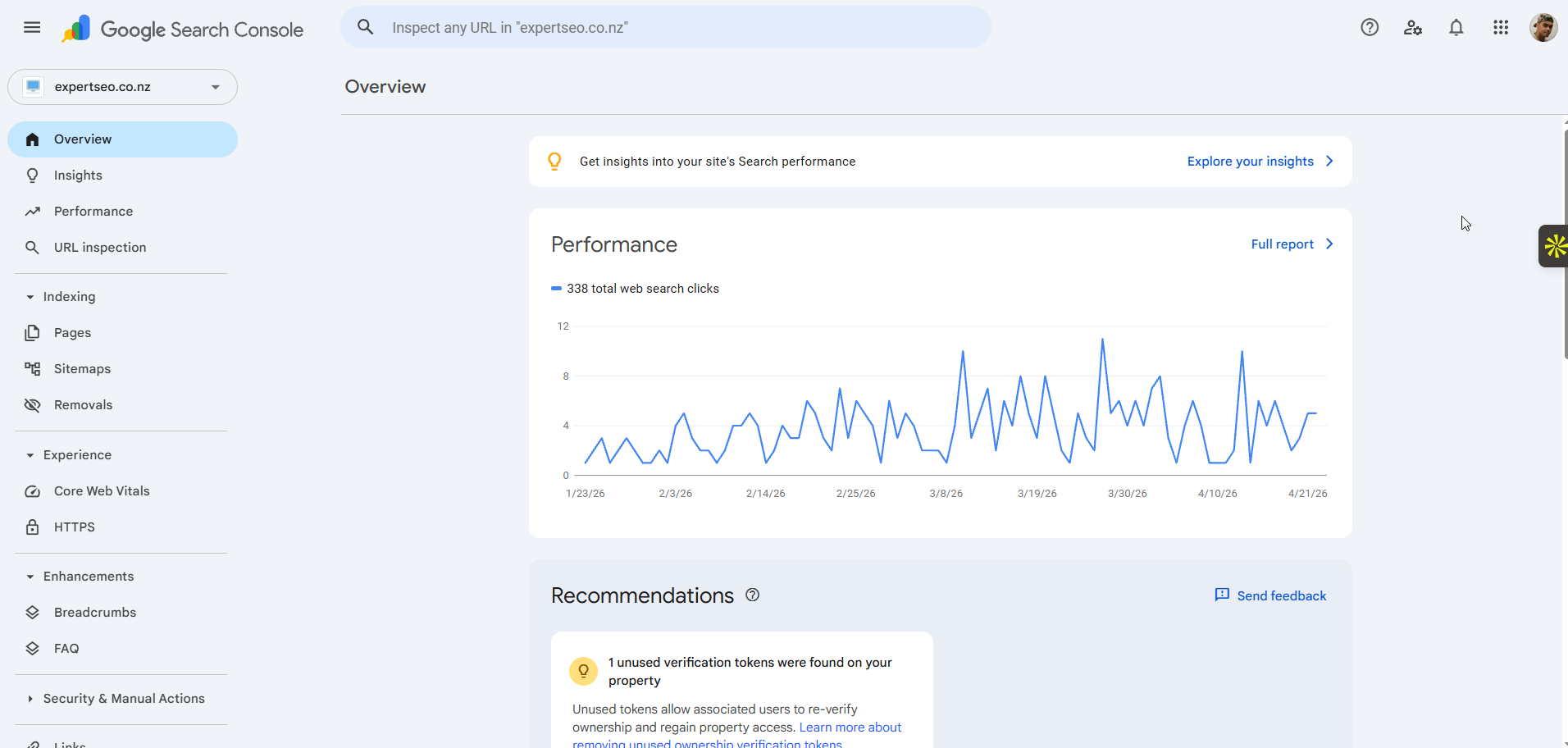
This is the compound effect in action. Every quality piece of content adds another page that can earn links. Every link strengthens the domain’s authority. And that authority makes it easier for future content to rank and attract more links.
That’s how link building works when you do it properly.
Do It Yourself or Get Help
If you’ve got the time, work through these methods yourself. Start with the quick wins (directories, testimonials, partnerships) and build up to the more advanced tactics as your confidence grows.
If you’d rather have someone handle it for you, that’s what we do. We build backlinks for NZ businesses as part of our SEO services — using the same methods covered in this guide. No cheap link packages. No shortcuts. Just the work that actually moves rankings.
- Search Engine Optimisation Auckland
- Search Engine Optimisation Wellington
- Search Engine Optimisation Christchurch
- Search Engine Optimisation Hamilton
- Search Engine Optimisation Tauranga
- Search Engine Optimisation Queenstown
How to Get Backlinks: FAQ
How many backlinks do I need to rank?
There’s no magic number. It depends on your keyword competition, the quality of your links, and your overall site authority. Check what your top-ranking competitors have using Ahrefs or SEMrush, then aim to match or exceed that. A few high-quality links from relevant sites can outperform hundreds of junk links.
How long does it take to get backlinks?
Some methods produce links within days (directories, testimonials). Others take weeks or months (content-driven strategies, digital PR). Research suggests that link building efforts take approximately 3 months to deliver noticeable results on rankings. It’s a long-term game, and the results compound over time.
Are backlinks still important in 2026?
Yes. Backlinks remain a top-three ranking factor. They also influence visibility in AI platforms like ChatGPT and Google AI Overviews, which use authority signals to determine which sources to reference. 73% of marketers believe backlinks influence the chance of appearing in AI search results.
Can I buy backlinks?
You can, but you shouldn’t. Buying links violates Google’s guidelines. The cheap packages that most businesses buy come from spam networks and do more harm than good. Focus on earning links through the methods in this guide.
What are the best free tools for backlink building?
Google Alerts (brand mention monitoring), Google Search Console (see who links to you), Check My Links (Chrome extension for finding broken links), and HARO/Connectively (respond to journalist queries). For more advanced work, Ahrefs and SEMrush are worth the investment.
What's the difference between backlinks and referring domains?
A backlink is a single link. A referring domain is a unique website that links to you. Ten links from one website equals one referring domain. One link each from ten different websites equals ten referring domains. More referring domains is generally better because it shows broader trust from across the web.