

SEO can be about as confusing as a 1,000-piece puzzle. Pieces everywhere, no clear picture, and everyone telling you to start in a different corner.
Here’s the good news. Once you understand the most important types of SEO, the whole thing gets a lot simpler. The pieces start to fit together.
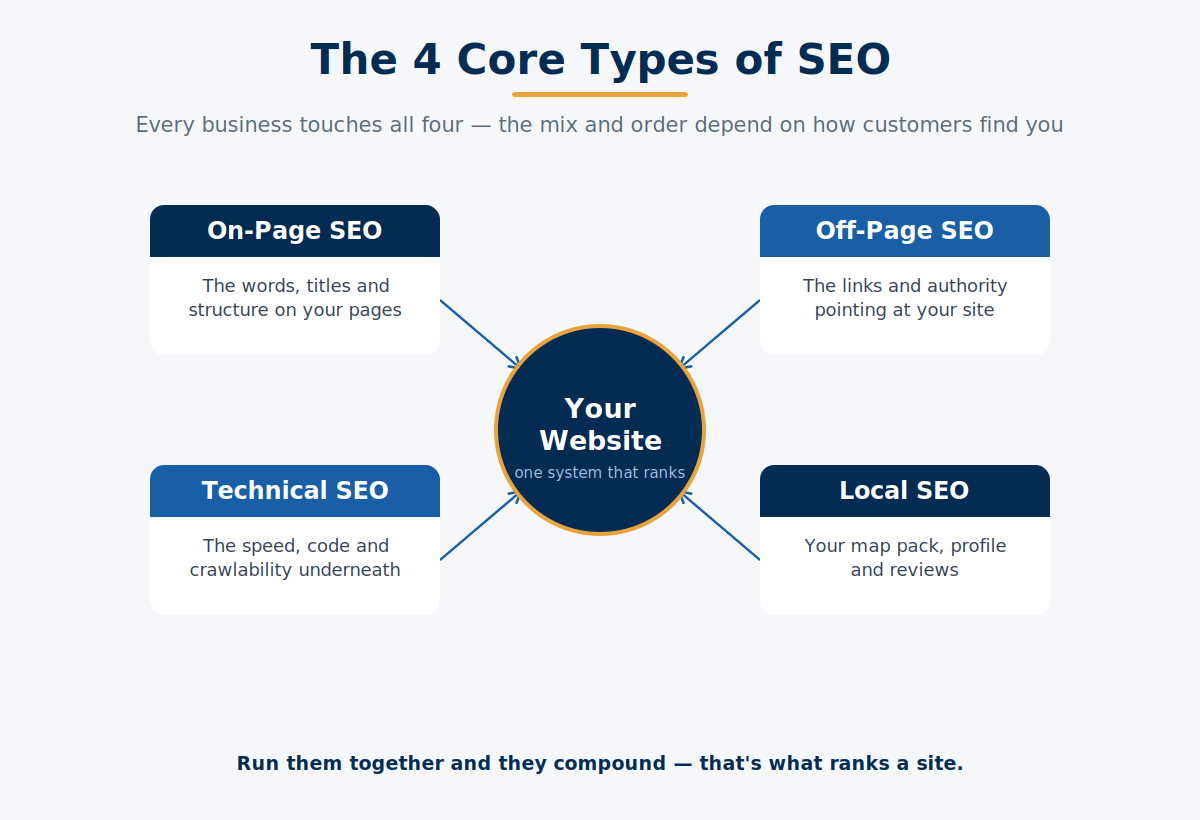
There are four core types of SEO: on-page, off-page, technical and local. Get your head around those four and you’ve got the frame of the puzzle — the edges and corners that everything else slots inside.
In this guide you’ll learn what each of the four types is, see a real example of each one in action, and — the part most guides skip — find out which type to focus on first for a business like yours.
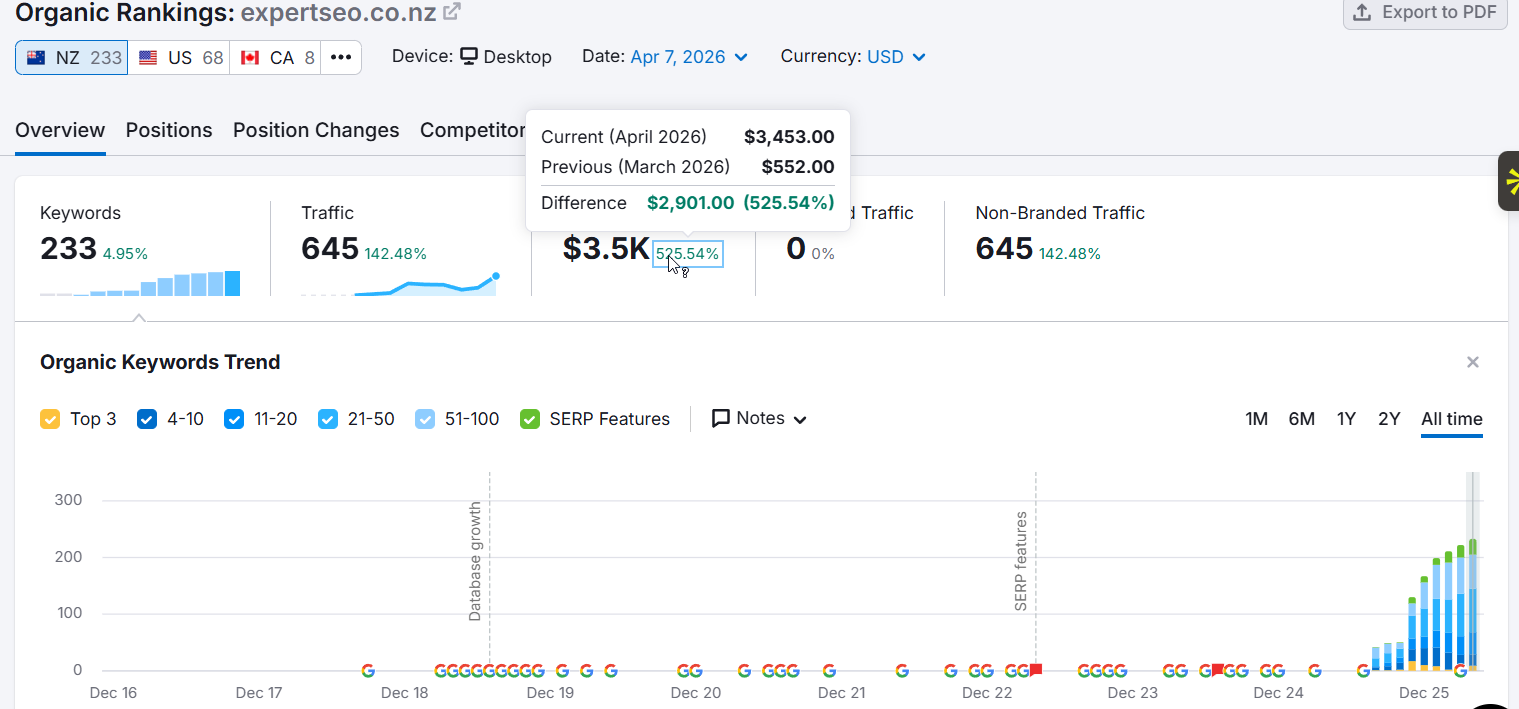
This comes from someone who’s been doing SEO for over ten years. I grew my own brand-new website to 233 keywords and around $3,500 a month in traffic value in eight months — not by chasing fourteen types of SEO, but by nailing the core four and keeping them running. It’s the same approach we run at Expert SEO, our SEO agency here in Australia.
Key Takeaways
- There are four core types of SEO: on-page, off-page, technical and local. Every other “type” you’ll see listed is a specialisation of these four.
- On-page SEO is everything on your own pages — content, titles, headings, internal links, images. It’s your fastest lever.
- Off-page SEO is the authority you earn elsewhere, mainly backlinks. One quality link beats fifty junk ones.
- Technical SEO is whether Google can crawl, read and load your site. Get it wrong and nothing else works.
- Local SEO is how you show up in map and “near me” searches, driven by your Google Business Profile and reviews.
- They work together — your weakest type holds back the other three.
- Fix them in order: technical first, then on-page, then local, then off-page — starting where your business needs it most.
What Are the Types of SEO? (And How Many Are There, Really?)
There are four core types of SEO, and each one covers a different part of getting your site to rank:
- On-page SEO — everything on your own pages: the words, the headings, the titles, the internal links, the images.
- Off-page SEO — the trust and authority you build from outside your site, mainly through backlinks.
- Technical SEO — the behind-the-scenes health of your site: whether Google can crawl it, read it, and load it fast.
- Local SEO — how you show up when someone searches for a service near them, driven by your Google Business Profile and reviews.
That’s the whole framework. On-page, off-page, technical, local. Brand new to all this? Here’s what SEO is and how it works in plain English — then come back to the types.
The reason you see lists of ten or fourteen “types” is simple: it pads the word count. Image SEO, video SEO, ecommerce SEO, voice SEO — they get dressed up as separate disciplines, but they’re not. They’re the same four core types applied to a specific format or goal. More on that shortly, so you’re not fooled into thinking you’ve got a dozen things to learn.

Here’s the bit that matters most, and the reason you can’t just pick one: they work together, and your weakest one caps the other three. Brilliant content (on-page) on a site Google can’t crawl (technical) still loses. A technically perfect site with nothing worth linking to (off-page) stays stuck on page three. Think of it as one machine with four parts.
Now let’s look at each one, with a real example so it sticks.
On-Page SEO
On-page SEO is everything you do on your pages to help them rank: the content, the keywords, the title tag, the headings, the internal links, the image alt text. It’s the type you have the most control over — you own every lever — which is why, for most businesses, it’s where the fastest wins live.
The core elements:
- Content that matches what the searcher wants. If someone searches “lip fillers Gold Coast,” they want a page about lip fillers on the Gold Coast — not your generic “cosmetic services” page.
- Your keyword in the right places. The title tag, the H1, and naturally through the body. Naturally being the key word — no stuffing.
- A clear title tag and meta description. This is what shows in Google. It’s your shopfront window.
- Proper headings (H1, H2, H3). Structure the page so both a reader and Google can scan it.
- Internal links. Point related pages at each other so Google understands how your site fits together.
- Image alt text. Describe your images in plain words — it helps accessibility and image search.
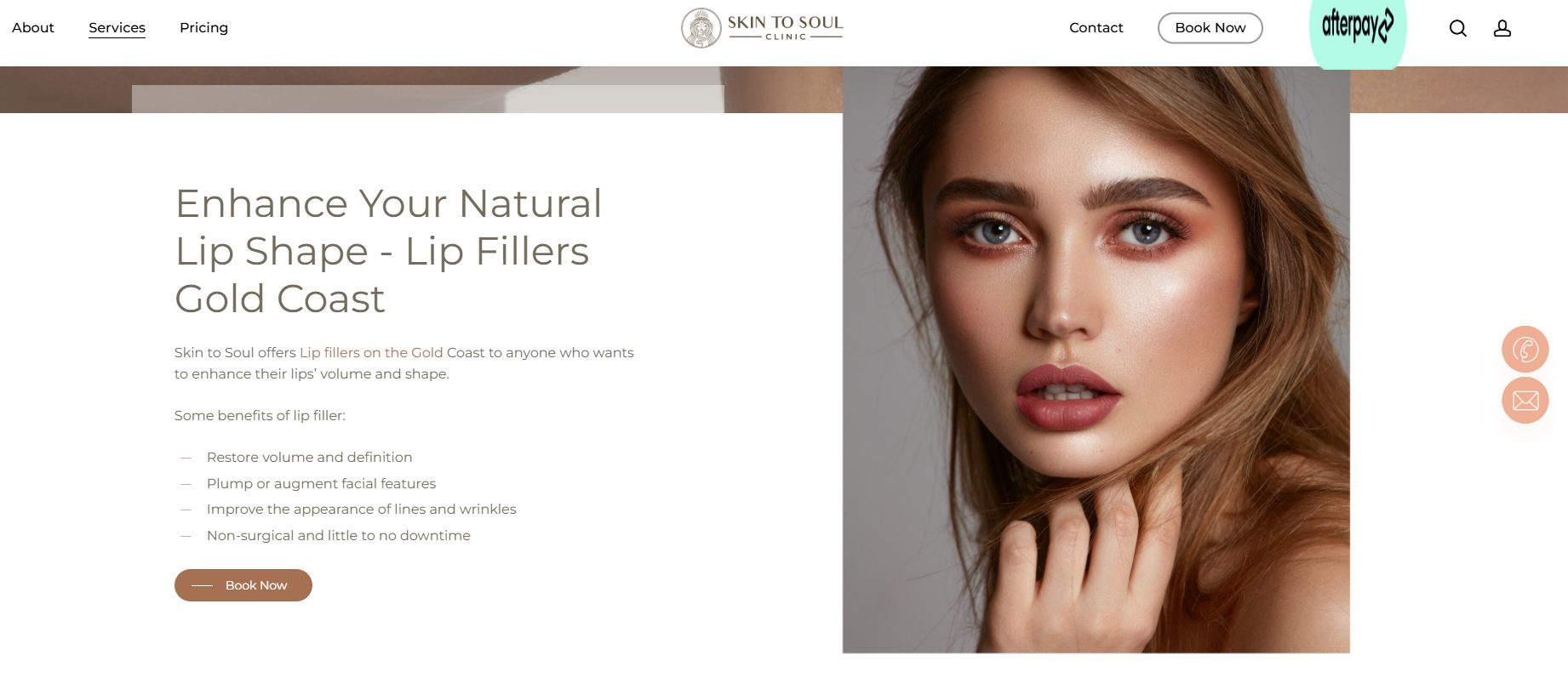
A real example. Here’s a Gold Coast clinic’s “Lip Fillers Gold Coast” page. Look at what it’s doing: the target term is right there in the page title and the main heading, the content is all about that one treatment in that one city, and the page speaks directly to someone ready to book.
That’s on-page SEO doing its job — the page tells Google exactly what it’s about and who it’s for.
Compare that to what most businesses do: a homepage titled “Home,” no target keyword anywhere, and one “Services” page trying to rank for everything at once.
On-page SEO is the difference between a page that’s about something specific and a page that’s about nothing in particular. This is exactly the work that gets SEO for cosmetic and plastic surgeons found for the treatments that bring in bookings.
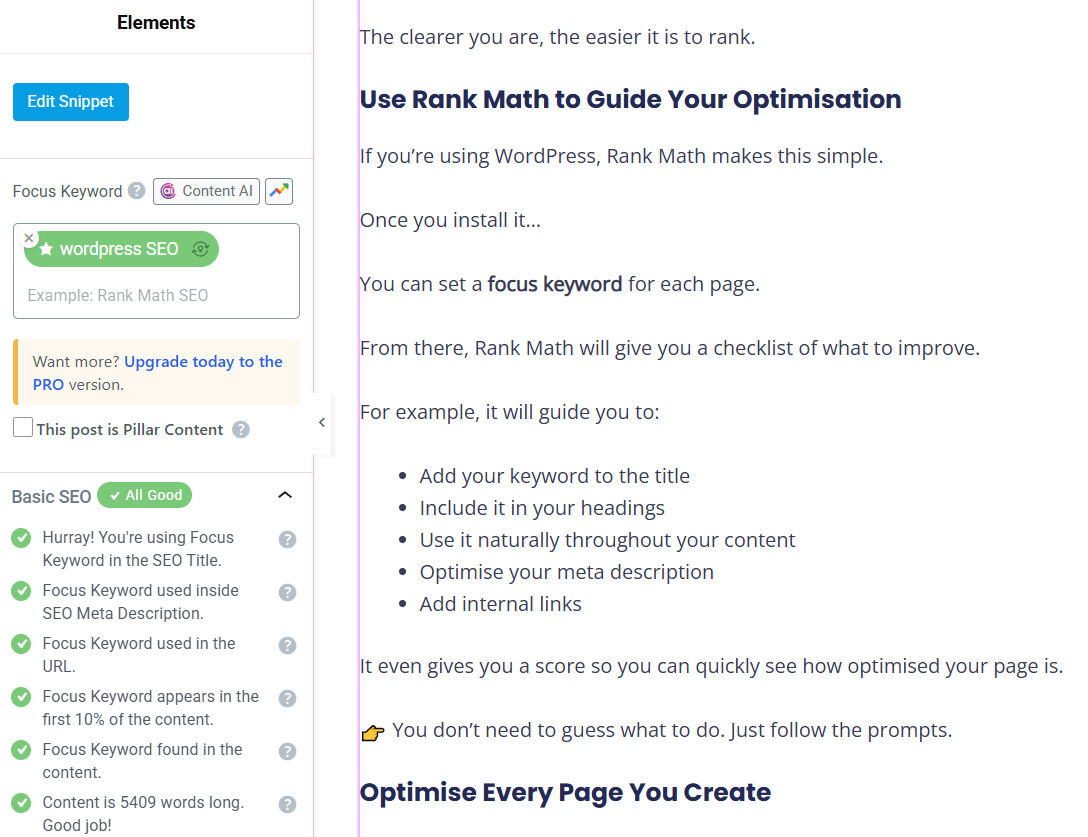
If you want a tool to grade your on-page work as you go, something like Rank Math inside WordPress will score a page against its target keyword and tell you what’s missing.
Off-Page SEO
Off-page SEO is everything that happens off your site to build its authority — and above all, that means backlinks: other websites linking to yours. If on-page is what you say about yourself, off-page is what everyone else says about you.
Google treats a link from another site as a vote. The more quality votes you have, the more it trusts you. And “quality” is the whole game here.
One link from a respected, relevant Australian site is worth more than fifty from junk directories. In fact, pages in Google’s top ten have, on average, far more backlinks than the pages below them — links still do a lot of the heavy lifting.
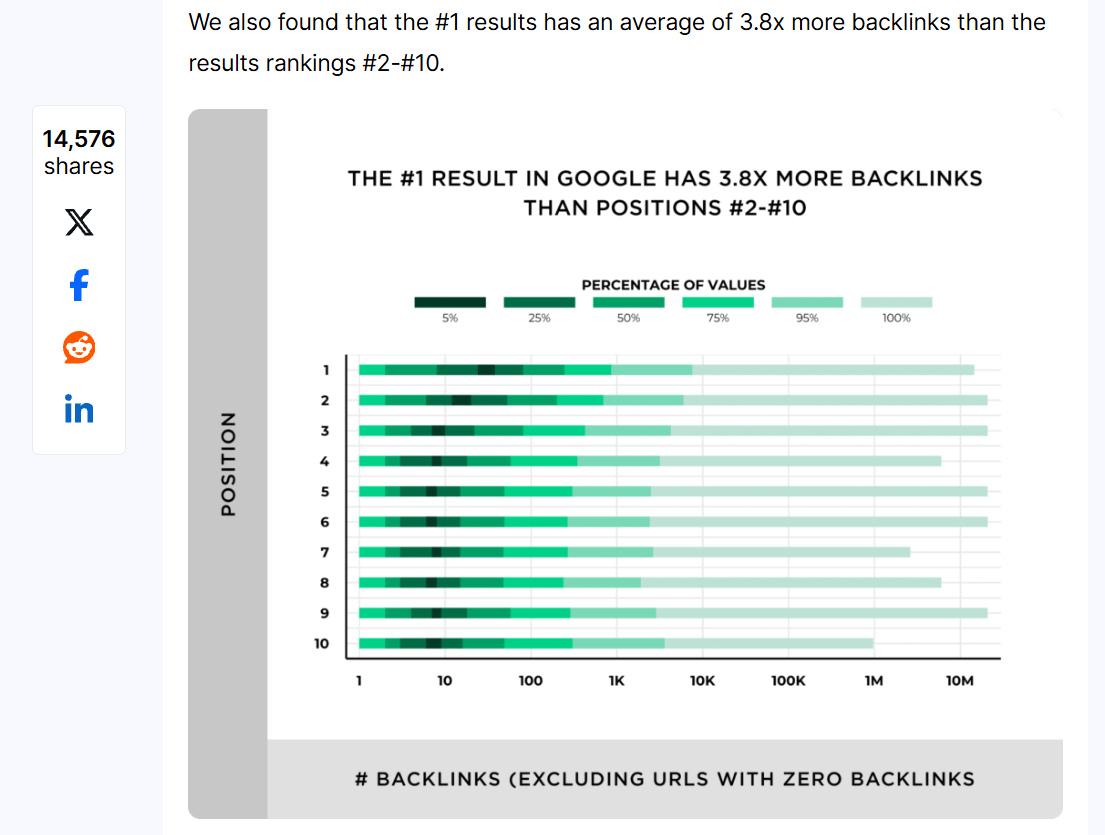
The other off-page signals — brand mentions, reviews, being talked about, social — all feed the same picture. But backlinks lead.
A real example of a good link. Here’s a guest article I wrote that ran on marketing.com.au, with a link back to my site.
That’s a proper earned backlink: a relevant, credible publication vouching for me by linking to my work. It’s the kind of link that moves the needle, because a real site chose to point at mine.

Now the bad version. Here’s a Fiverr listing offering a hundred backlinks for a few dollars. Do not do this. These are spam links from sites that exist only to sell links, and Google is very good at spotting them.
At best they do nothing. At worst they get your site penalised, and you spend months digging out. Cheap links are the fastest way to go backwards.
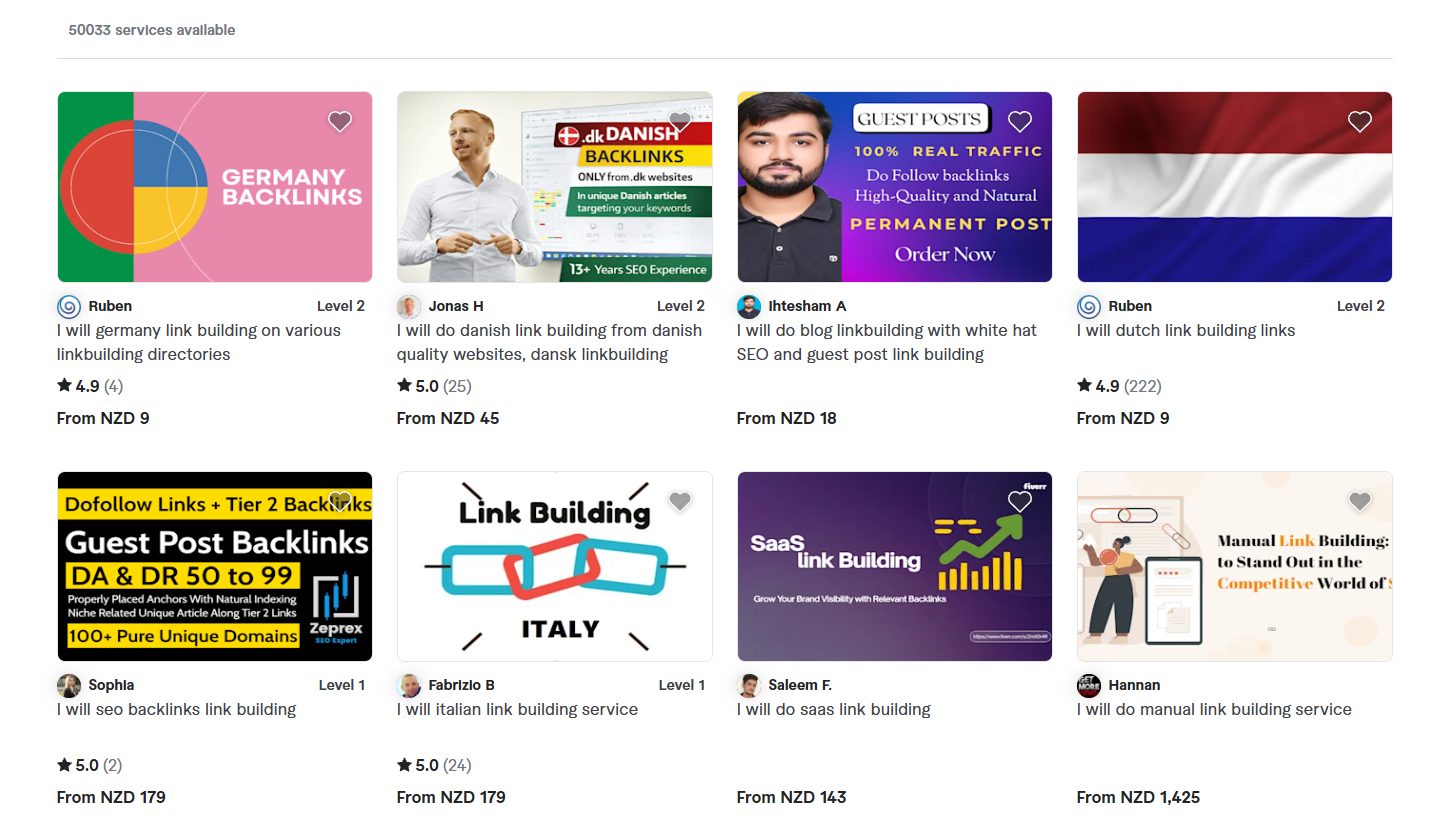
Good off-page SEO is slow and earned. Bad off-page SEO is fast and bought. One builds an asset; the other builds a liability.
Technical SEO
Technical SEO is the behind-the-scenes stuff that lets Google crawl, read and load your site properly. Get it wrong and it doesn’t matter how good your content is — nobody sees it. Get it right and it quietly lifts everything else you do.
The essentials, in plain English:
- Indexing and crawlability — can Google find and read your pages?
- Site speed — does the page load fast, especially on a phone?
- Mobile-friendly — does it work properly on mobile, where most searches happen?
- HTTPS — is the site secure (the padlock)?
- A sitemap — a map of your pages, submitted to Google so it knows what to crawl.
- No accidental blocks — no stray setting quietly telling Google to ignore your site.
That last one bites more businesses than you’d think.
A real example. Picture a Bondi dentist who’s just paid for a beautiful new website. Weeks go by. Nothing. Zero traffic from Google. The site looks perfect — but when you check Google Search Console, the pages aren’t even indexed. Google can’t see them.
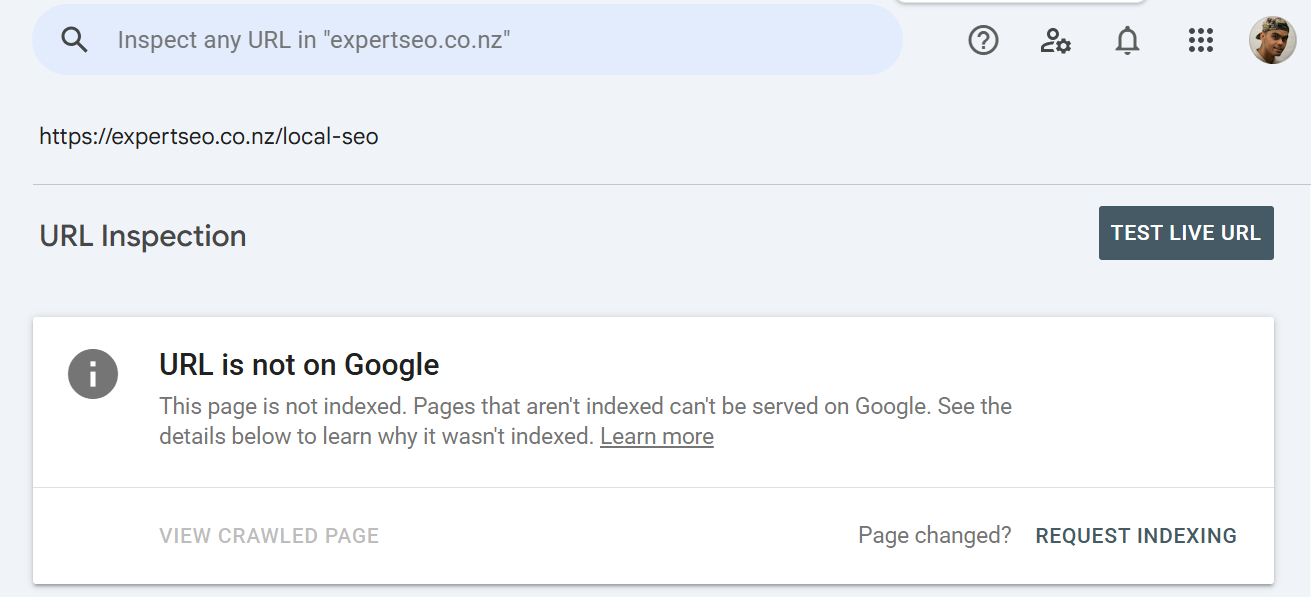
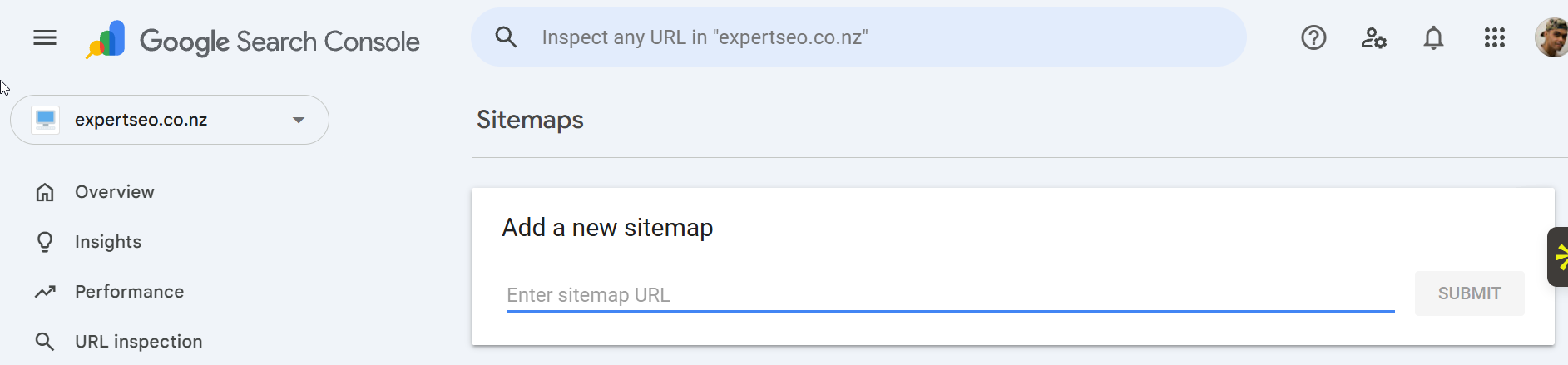
Why? Three classic technical faults. A “noindex” tag left switched on from when the site was being built — a single setting telling Google to stay away. No sitemap submitted, so Google was never handed the map. And a six-second load time on mobile because nobody compressed the images.
The fix isn’t glamorous: switch off the noindex, submit the sitemap in Search Console, compress the images. Within a couple of weeks the pages start appearing. Same site, same content — the only thing that changed was Google could finally see it.
Technical SEO is the foundation. For most small businesses it’s a checklist you get right once and check on now and then — not somewhere you need to live. But if it’s broken, nothing else works. There’s the full breakdown in our technical SEO guide if you want to go deeper.
Local SEO
Local SEO is how you get found by people searching in your area — “physio Melbourne,” “electrician near me,” “best cafe in Fitzroy.”
It leans on your Google Business Profile, your reviews, and local signals to land you in the map pack: that block of three businesses with the map that sits at the top of local results.
For any business with a shopfront or a service area, this is the fourth type you can’t skip. It’s really on-page, off-page and technical SEO pointed at a location — but it matters enough, and works differently enough, to treat on its own.
A real example. Search “physio Melbourne” and here’s what you get: a map with three clinics at the top, review counts next to each, then the regular results below. The businesses in that map pack are winning local SEO.
They’ve claimed and filled out their Google Business Profile, they’ve got reviews coming in, and Google trusts them enough to show them to someone ready to book a session.

The core moves are refreshingly simple. Claim and complete your Google Business Profile — every field, real photos, correct hours, the right primary category.
Get reviews consistently and reply to them. Keep your name, address and phone number identical everywhere online. Add a bit of location-relevant content to your site. The full playbook is in our local SEO guide.

The upside of local is speed. On-page and off-page take months to compound. A well-optimised Google Business Profile can start pulling you into the map pack in weeks — walk-ins and calls from people half a kilometre away.
It’s why local SEO is the highest-leverage type for anyone serving a physical area — from a Melbourne clinic to a suburban café where nearly every new customer starts with a local search.
On-Page vs Off-Page vs Technical SEO: What’s the Difference?
If you only remember one thing, make it this: on-page is what you control on your pages, off-page is the reputation you earn elsewhere, and technical is whether Google can access and understand your site in the first place. Three levers, one goal.
| On-Page SEO | Off-Page SEO | Technical SEO | |
|---|---|---|---|
| What it is | Content and elements on your own pages | Signals from other sites, mainly backlinks | The site’s crawlability, speed and indexing |
| Who controls it | You, fully | Other people (you earn it) | You / your developer |
| Examples | Titles, headings, content, internal links, alt text | Backlinks, brand mentions, reviews | Site speed, mobile, sitemap, HTTPS, indexing |
| A quick example | Writing a proper “Lip Fillers Gold Coast” page | Earning a link from marketing.com.au | Fixing a page Google can’t index |
So which one matters most? None of them, on their own. That’s the honest answer. They’re not competing options where you pick a favourite — they’re three parts of the same engine, and the weakest one holds back the rest.
Think of your website as a shop. Technical SEO is the doors being unlocked and the lights being on — without it, nobody gets in. On-page SEO is the products on the shelves and the signage inside — it’s what people came for. Off-page SEO is the reputation that gets people through the door in the first place. You need all three. A locked shop full of great products with a stellar reputation still sells nothing.
The Other “Types” of SEO (That Are Really Specialisations)
Now for the ten-to-fourteen “types” you’ll see elsewhere. Most aren’t separate types at all — they’re the core four aimed at a specific format or job. Here’s what they really are, so you don’t think you’ve got a dozen disciplines to master:
- Image SEO — on-page SEO for your images (alt text, file names, compression).
- Video / YouTube SEO — on-page SEO for video, plus optimising for YouTube’s own search.
- Ecommerce SEO — on-page and technical SEO applied to product and category pages at scale.
- International SEO — technical and on-page SEO for multiple countries or languages.
- Voice SEO — on-page SEO written for the conversational way people speak to Siri or Alexa.
See the pattern? Same four core types, different targets.
There’s one exception that’s new: AI search. You’ll hear it called AI SEO, GEO (generative engine optimisation), or answer engine optimisation. It’s about getting your business mentioned inside AI answers — Google’s AI Overviews, ChatGPT, Perplexity — not just the blue links. And it matters, because AI Overviews now reach over two billion people a month.
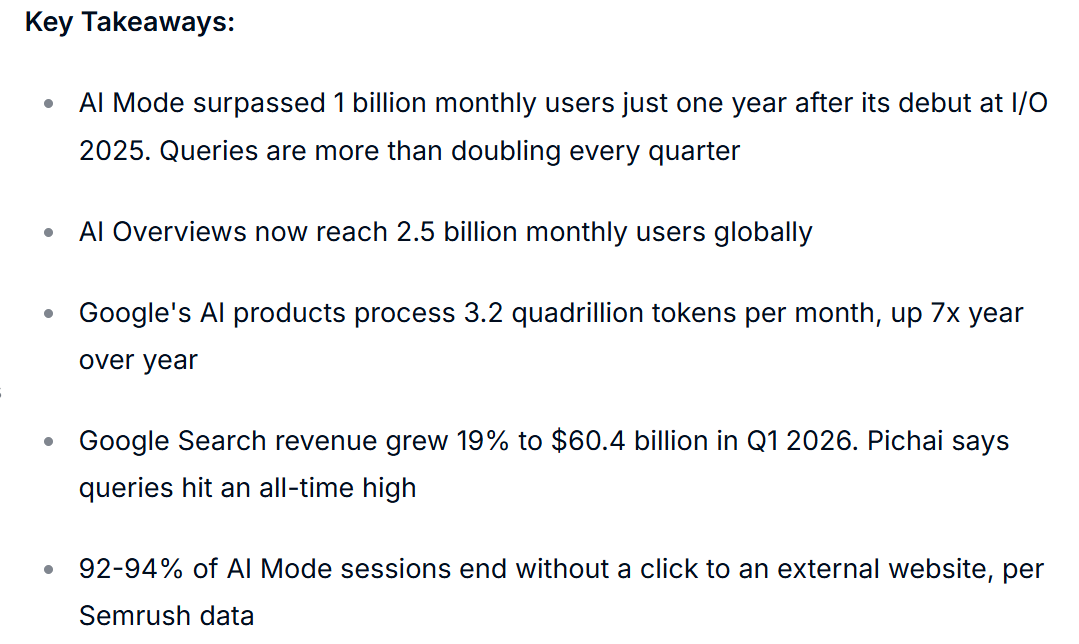
But here’s the reassuring part: AI search runs on the same fundamentals. To be cited by AI, you need content that’s crawlable (technical), well-written and clearly structured to answer real questions (on-page), from a site that’s trusted (off-page).
The one new habit worth building is formatting content as direct questions and clear answers, so an AI can lift it cleanly. It’s not a fifth type to fear. It’s the core four, done well, aimed at a new kind of result.
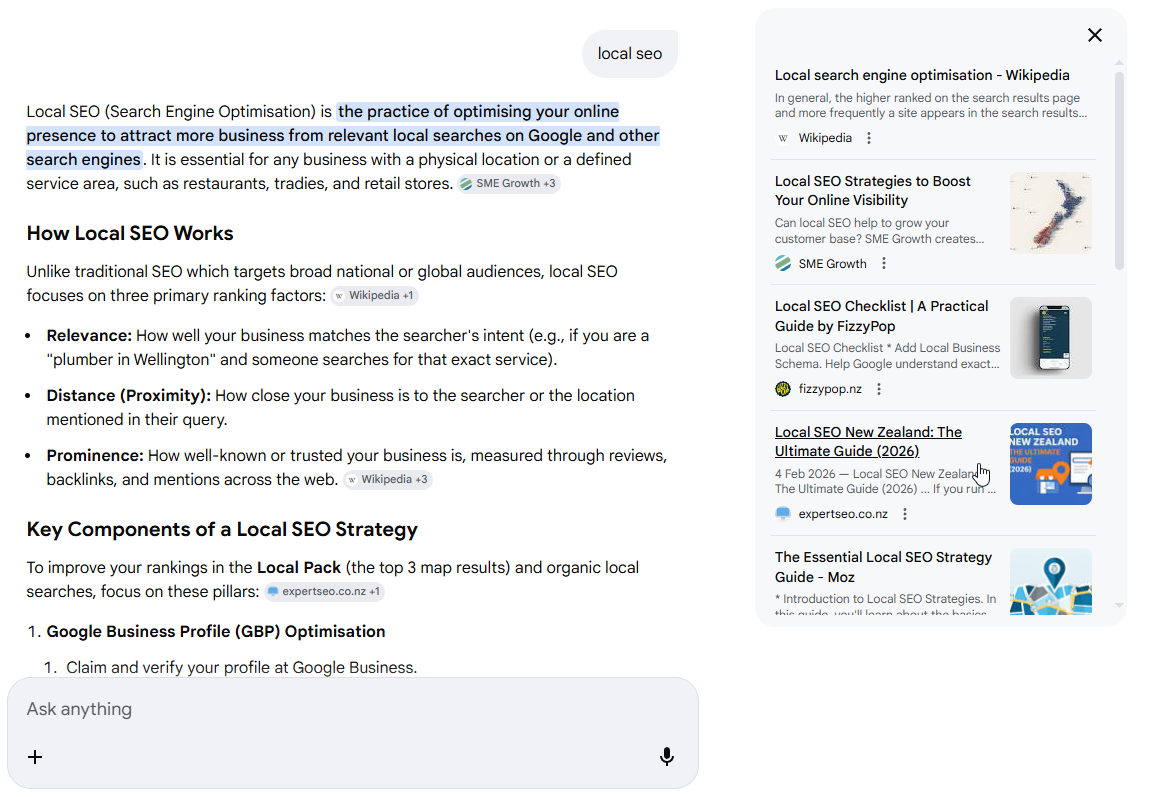
My own site is already cited in Google’s AI answers — off the back of the same fundamentals in this article, not some separate AI trick.
White Hat vs Black Hat SEO
One more distinction people wrongly file under “types.” White hat and black hat aren’t types of SEO — they’re how ethically you do any of it.
White hat plays by Google’s rules: earning links, writing useful content, keeping your technical house in order. It’s slower, and it lasts.
Black hat games the system for a quick spike: buying links, keyword stuffing, cloaking, spun content. It can work for a moment, then Google catches up and the penalty wipes you out — remember those cheap Fiverr links from earlier? That’s black hat in action.
There’s a grey hat middle ground too, but the honest warning for any Australian business owner is this: those “rank you on page one in 30 days” cold emails are almost always black hat with your domain as the collateral. If it sounds too fast, it’s borrowing rankings you’ll pay back with interest.
It’s not a fourth column on the framework. It’s a line running through all of it — the difference between building an asset and renting a problem.
Which Type of SEO Should You Focus On First?
You don’t tackle all four types at once. There’s an order that works, and a starting point that depends on your business. This is where most “types of SEO” articles leave you hanging — so let’s not.
The order of operations. In general, fix them in this sequence:
- Technical first. There’s no point ranking a site Google can’t read. Make sure it can be crawled, indexed and loads fast. Clear the blockers.
- On-page next. Now that Google can see your pages, make each one clearly about something worth ranking for. This is your fastest lever.
- Local, if you serve an area. Claim and optimise your Google Business Profile and start gathering reviews. Quick wins live here.
- Off-page last. Once the site is solid and the pages are strong, start earning links to push authority. Links point people at a house that’s already built.
Now, by business type — because the starting point shifts depending on what you do:
- Local service business (plumber, dentist, physio, café): local and on-page first. Your customers are searching with a suburb or “near me” attached, and the map pack is where they look — it’s exactly why SEO for dentists and other local trades lean so hard on it.
- Ecommerce store: technical and on-page at scale — hundreds of product pages need to be crawlable and individually optimised before anything else pays off.
- National or competitive brand: get the basics right, then off-page authority becomes your real differentiator, because everyone at the top already has strong on-page and technical.
- Brand-new site: technical and on-page foundation first. Don’t chase links to a site that isn’t built to hold them.
Can you do this yourself? A fair bit of it, yes — the on-page and local basics are well within reach of a switched-on owner.
The deeper technical work and real link-building are usually where it’s worth bringing someone in, because that’s where mistakes get expensive and results get slow.
If you’d rather hand the whole thing to someone who does it every day, that’s what our SEO services are for.
The point isn’t to do everything. It’s to do the right thing first, then keep going.
Final Thoughts
Stop counting types. The businesses that win at SEO aren’t the ones chasing fourteen flavours of it — they’re the ones who nail the core four and keep them running while everyone else is distracted by the latest buzzword.
On-page, off-page, technical, local. Fix your weakest one, start where your business needs it most, and stay consistent.
Nail the core four, and everything else on those inflated lists is just one of them wearing a different hat.