

Are you just starting to learn about search engine optimisation — and about as confused as a tourist trying to read a Melbourne tram map for the first time?
No worries. You’re in the right place.
In this guide I’ll show you exactly what SEO is, how it works, how it can grow your business, what it costs in Australia, and how to actually do it.
And this is coming from someone who does it for a living.
I’ve spent about ten years ranking websites in some of the most brutal markets on the internet, and consulting for brands you’d recognise — including an ecommerce company that’s been on the TV show Shark Tank, featured in O, The Oprah Magazine, and given its own History Channel mini-documentary.
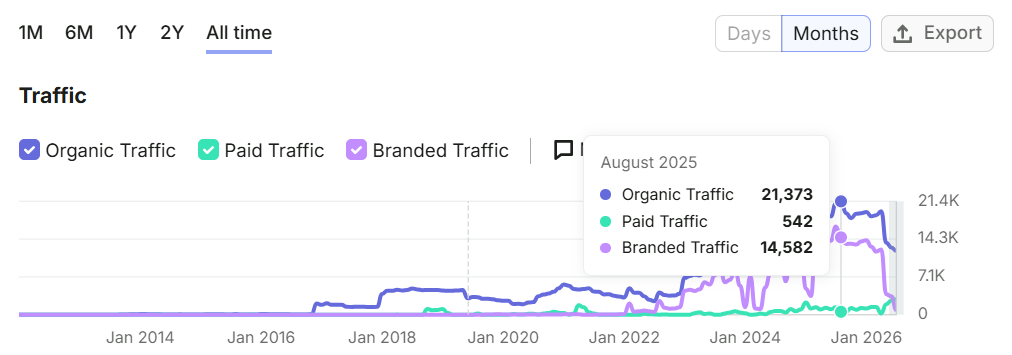
These days I do SEO for Australian businesses, and even my own site went from a dead-cold domain to ranking and getting cited by Google’s AI.
Right — let’s get into it.
Key takeaways
- What it is: SEO (search engine optimisation) is the work of improving your website so it shows up higher in Google’s unpaid results — and now in AI answers too.
- How it works: Google crawls, indexes and ranks pages. SEO makes yours easier to find, easier to trust, and the best answer to what people are searching.
- The 4 types: on-page (your content), off-page (your reputation and links), technical (your site’s plumbing), and local (showing up in your city and the map pack).
- Why it matters here: close to 90% of Australians search on Google, and the top three results take roughly two-thirds of the clicks. Miss them and you’re invisible.
- What it costs: roughly $500–$1,500/mo for a freelancer, $2,000–$10,000+/mo for a specialist or agency — or your own time if you do it yourself.
- How long: 3–6 months to see movement, 6–12 to feel it in leads. It’s an asset that compounds, not an ad you switch on.
- Did AI kill it? No — it changed it. The same depth that ranks on Google is what gets you quoted by ChatGPT and AI Overviews.
What is SEO?
SEO stands for search engine optimisation. In plain English, it’s the work of improving your website so it shows up higher on Google — and now in AI answers like ChatGPT and Google’s AI Overviews — for the things your customers are searching for.
Do it well and your website turns into a steady source of customers who find you without you paying for every click.
Here’s the everyday version.
Someone in Melbourne pulls out their phone and types “coffee near me.” Google instantly decides which café to show first. SEO is all the work that makes your café the one it shows.
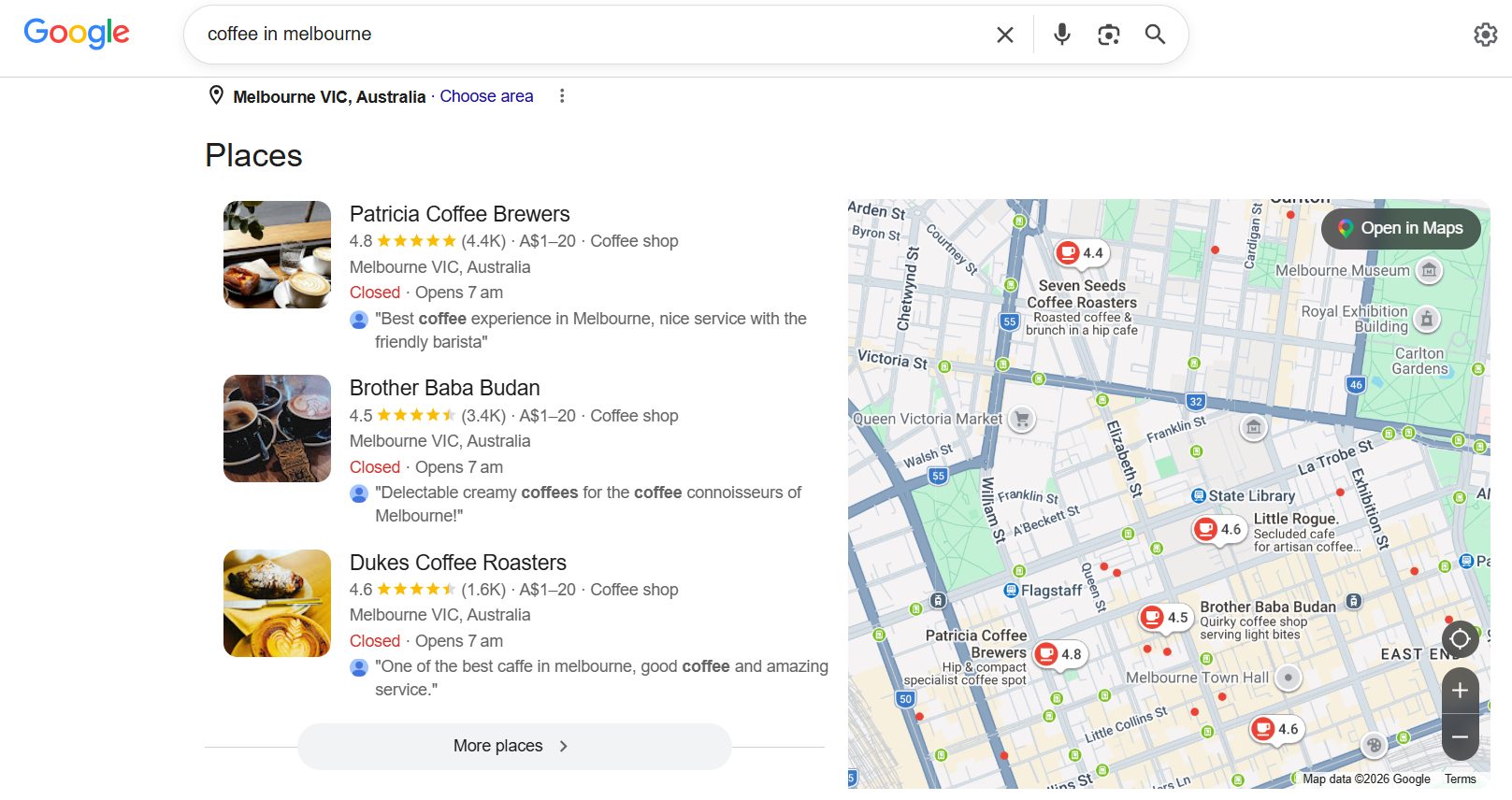
That’s it. You’re making yourself the answer.
There’s a split worth knowing early. The results with a little “Sponsored” tag at the top? Those are ads — you pay for every click. Everything underneath is “organic,” the free results. SEO is how you earn those organic spots instead of renting the paid ones.
And no — SEO isn’t stuffing your page with keywords or pulling some clever one-time trick. That stuff stopped working a decade ago.
It’s making your site genuinely the most useful, most findable answer to what people type in.
This is exactly what tripped up that Shark Tank client I mentioned.
He was sharp — built a great business — but he thought SEO meant Googling his own brand name and seeing his site sitting at the top.
Of course you rank for your own name — nobody else is called that. SEO is showing up when someone searches for what you sell, not who you are.
How does SEO work?
SEO works by helping Google do three things with your website: find it, understand it, and trust it enough to rank it near the top.
Every search engine runs on the same three steps. Get each one right and you rank. Miss one and you don’t.
Crawling. Google sends out bots that follow links around the web, hopping from page to page to discover what’s out there. If those bots can’t reach a page on your site — say it’s buried five clicks deep or blocked by a setting — it may as well not exist.
Indexing. Once Google finds a page, it files it away in a giant library called the index. Your page has to be in that library to show up in any search at all. No index, no rankings, full stop.
Ranking. This is the one everyone cares about. When someone searches, Google digs through its index and sorts the pages by which best answers that exact question. The order it picks is the whole game — and it’s the order SEO is trying to climb.
The thing doing the sorting is Google’s “algorithm” — basically a recipe with hundreds of ingredients (how relevant your page is, how trusted your site is, how fast it loads, and so on).
You don’t need to know all of them. You just need to know the ingredients that move the needle most, which we’ll get to.

Why SEO is important for Australian businesses
Here’s why this is worth caring about: close to 90% of Australians search on Google, and the top three results take roughly two-thirds of all the clicks.
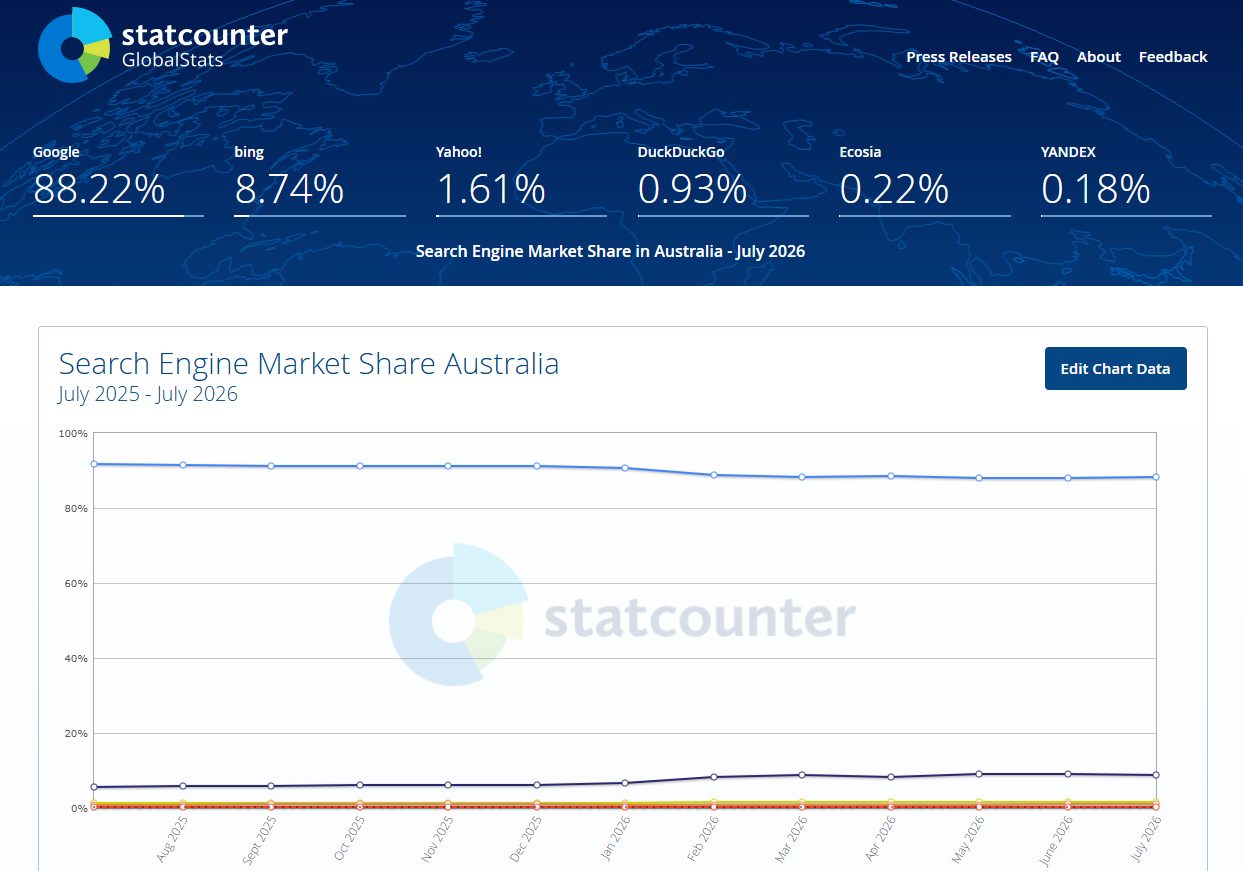
In Australia, Google holds about 88% of the search market (Statcounter, 2026). When an Aussie wants a plumber, a physio or a lawyer, they don’t open the Yellow Pages. They Google it.
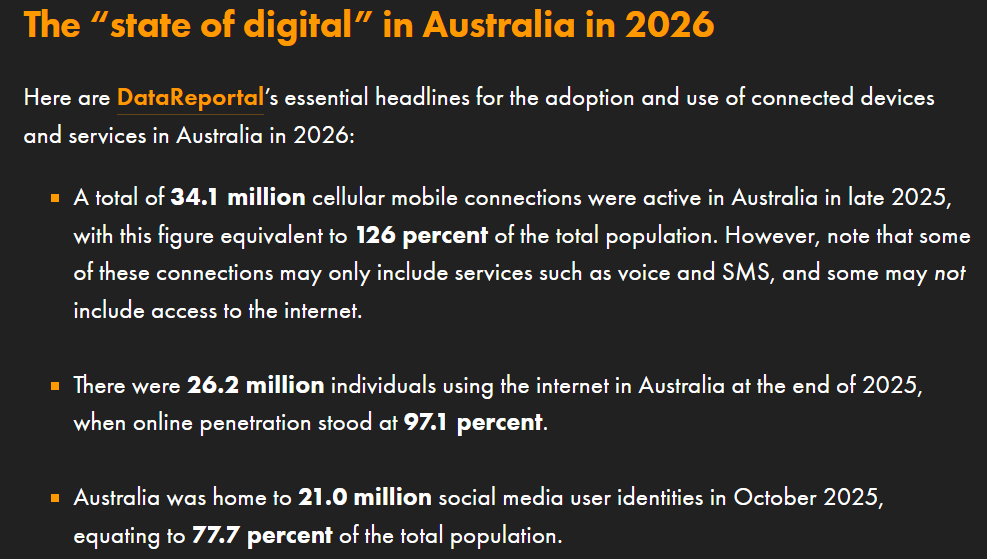
And there are now 26.2 million Australians online — about 97% of the whole country (DataReportal, 2026). That’s practically everyone, and nearly all of them start on Google.
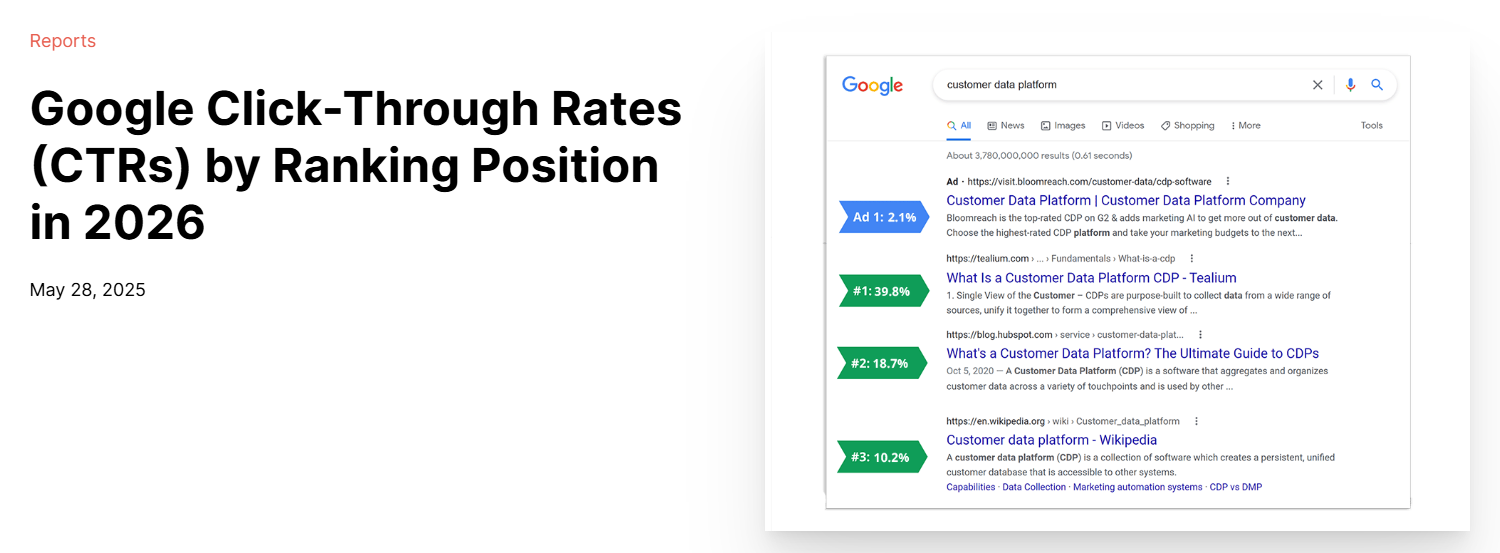
Where you rank decides everything. The number one organic result gets about 39.8% of clicks, with the top three taking 68.7% (First Page Sage, 2025). Page two? Just 0.63% of searchers ever click through to it (Backlinko, 2025).
If you’re not on page one, you’re not in the running. Your competitor is — and they’re getting the call.
There’s something else that makes search traffic special: intent. Someone typing “emergency plumber Brisbane” at 9pm isn’t browsing.
They’re ready to book, right now. SEO puts you in front of people at the exact moment they want what you sell. There’s no warmer lead than that.
And here’s the part that separates SEO from every other marketing channel.
SEO is an asset, not an ad.
The day you stop paying for Google Ads, your traffic dies instantly — like flicking off a light. SEO is the opposite. The work you do this year keeps paying next year, and the year after. It compounds.
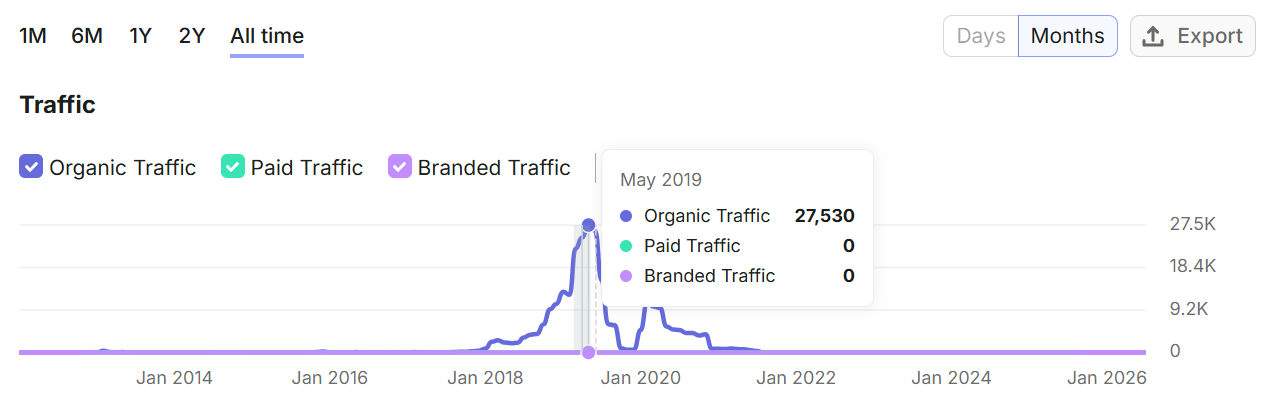
I’ve watched it happen more than once. I took a health site called HealthVI from zero to over 27,000 organic visitors a month — traffic that’s still rolling in long after the heavy lifting was done. Another project, Stopping Scams, grew to over 26,000 organic visitors a month.
That’s the real pitch for SEO. You’re not renting attention. You’re building something you own.
The 4 types of SEO
Most people split SEO into four types. You don’t need to master any of them — you just need to know what each one does, because a proper SEO handles all four.
On-page SEO is everything on your actual pages: the words, the headings, the keywords, the way a page answers a question.
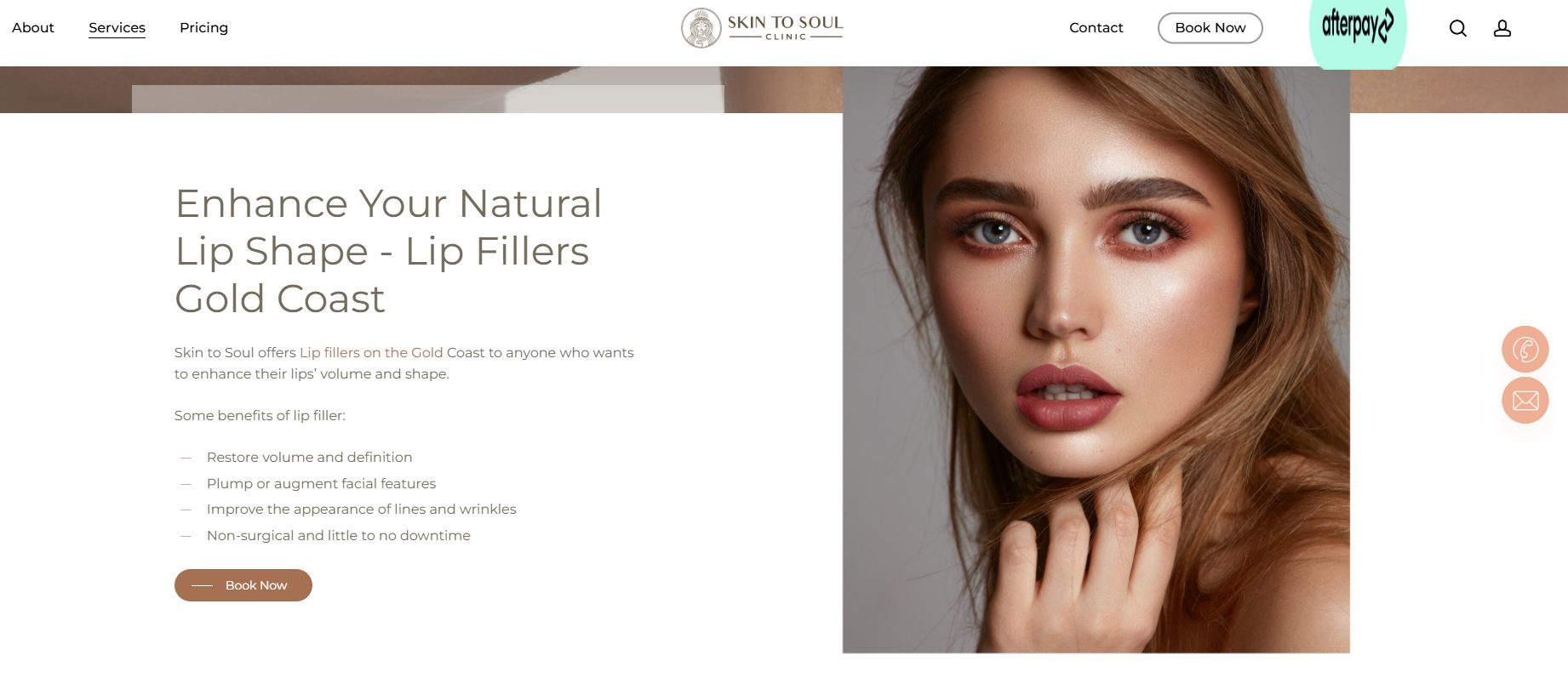
When a Gold Coast cosmetic clinic writes a genuinely useful page about “lip filler Gold Coast,” that’s on-page SEO. It’s the part you control most directly.
Off-page SEO is your reputation out in the wider web — mostly backlinks. A backlink is just another website linking to yours, and Google reads each one as a little vote of confidence. A Sydney dentist getting linked to by a local news site, plus a wall of strong Google reviews, is off-page SEO at work.
More trusted sites vouching for you, higher you climb. (It’s also the part cowboys try to fake — more on that later.)
Technical SEO is the plumbing. Does your site load fast? Does it work properly on a phone? Can Google’s bots crawl every page without hitting a wall? None of it is glamorous, but if the plumbing’s broken, nothing else you do matters.
Local SEO is showing up when someone searches for a business “near me” or in your town — and landing in that map box at the top with the pins. For most Australian service businesses, this is the one that matters most.
An electrician doing SEO in Perth can show up in the map pack for “electrician near me” and get found by people ready to call. It’s the fastest-moving, highest-return corner of SEO for a local operator.
A good SEO strategy pulls all four together. Skip one and you’ve left a door open for a competitor.
What affects your Google rankings?
Google uses hundreds of signals to rank pages, but you can safely ignore almost all of them. For a business owner, it really comes down to four things.
Relevance. Does your page actually answer what the person searched — better than the other options? A page that genuinely, thoroughly answers the question beats a thin one every time.
This is why “just add more keywords” died. Google got smart enough to reward the best answer, not the most repetitive one.
Authority. Do other reputable websites link to you and mention you? Backlinks are still one of the strongest ranking signals there is. Think of each quality link as another expert vouching for you at the party — the more credible the voucher, the more Google trusts you.
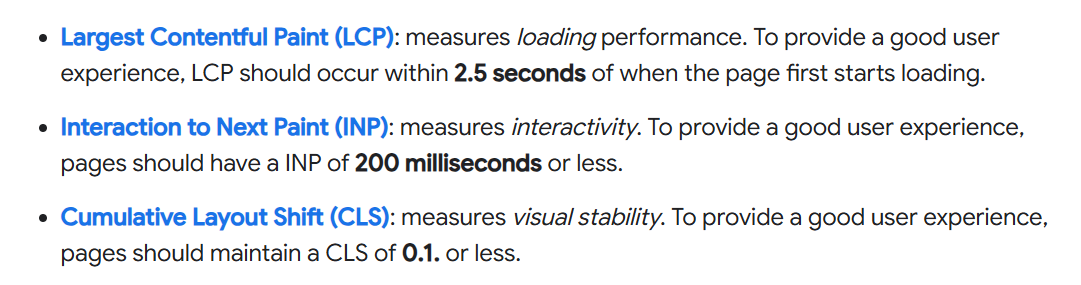
Experience. Is your site fast, mobile-friendly and pleasant to use? Google measures this with things called Core Web Vitals, and the official targets are a main image loading in under 2.5 seconds, interaction response under 200 milliseconds, and a layout that doesn’t jump around (a CLS score under 0.1).
In plain terms: fast, stable, doesn’t fight the user.
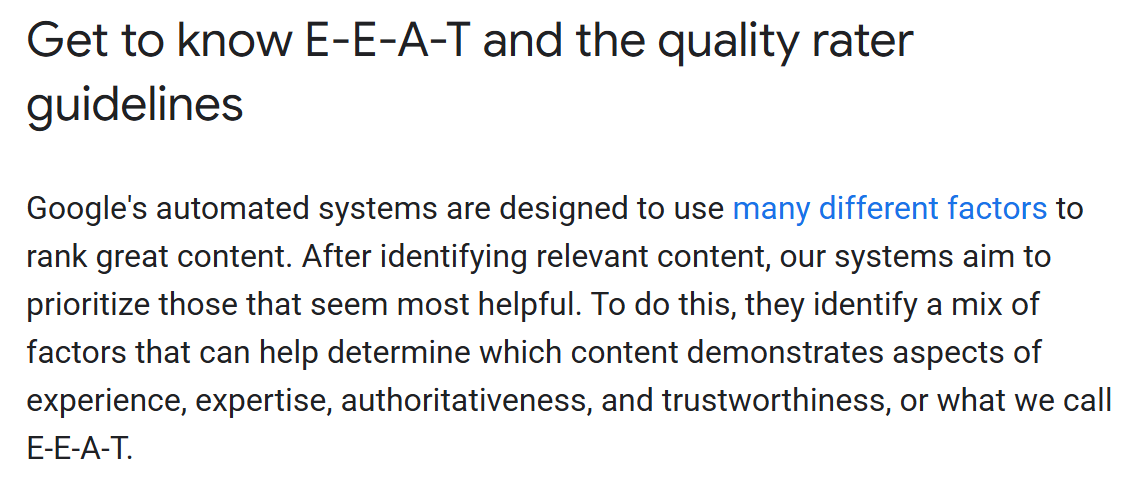
Expertise and trust. Google leans hard on something it calls E-E-A-T — Experience, Expertise, Authoritativeness and Trust. It wants to see that real, knowledgeable people stand behind your content.
This matters enormously for Australian health, legal and finance businesses, where Google is cautious about who it promotes. It’s part of why I mention that a Harvard researcher once interviewed me about AI and search — signals like that tell Google a real expert is behind the words.
One honest note. Nobody outside Google sees the exact recipe, and it shifts constantly. So if anyone ever guarantees you the number one spot, they’re either lying or about to do something that gets you penalised. Hold that thought — it comes back when we talk about hiring.
SEO vs SEM vs PPC: what’s the difference?
Quick clarifier, because these three get mixed up constantly.
SEO earns you unpaid traffic over time. Slow to build, but it compounds and the clicks are free once you rank.
PPC — pay-per-click — is advertising, like Google Ads. You pay for each click, traffic shows up the instant you switch it on, and it vanishes the instant you switch it off.
SEM — search engine marketing — is just the umbrella term that covers both.
So which do you use? Most established Australian businesses run both. Ads are brilliant for immediate leads and testing what converts. SEO is the long game that keeps lowering your cost per lead as it builds.
Here’s the money angle. A single click on a competitive term like “conveyancing Sydney” can cost you real dollars every single time through Google Ads.
Rank for it organically and you get that same click, from that same ready-to-buy person, for free — over and over. That’s the payoff you’re building toward.
How to do SEO
Yes, you can do SEO yourself — and even if you plan to hire it out, you should understand the moves so nobody can bluff you.
Here’s the actual process a professional follows, in order, with exactly what to do at each step.
1. Start with topic research (most people call it keyword research).
Keyword research is finding the exact phrases your customers type into Google. I call it topic research — and that’s not me being cute. It’s the biggest shift in modern SEO.
Google used to match keywords literally. Now it understands topics and intent, so it rewards the site that covers a whole subject properly over the one that repeats a phrase the most.
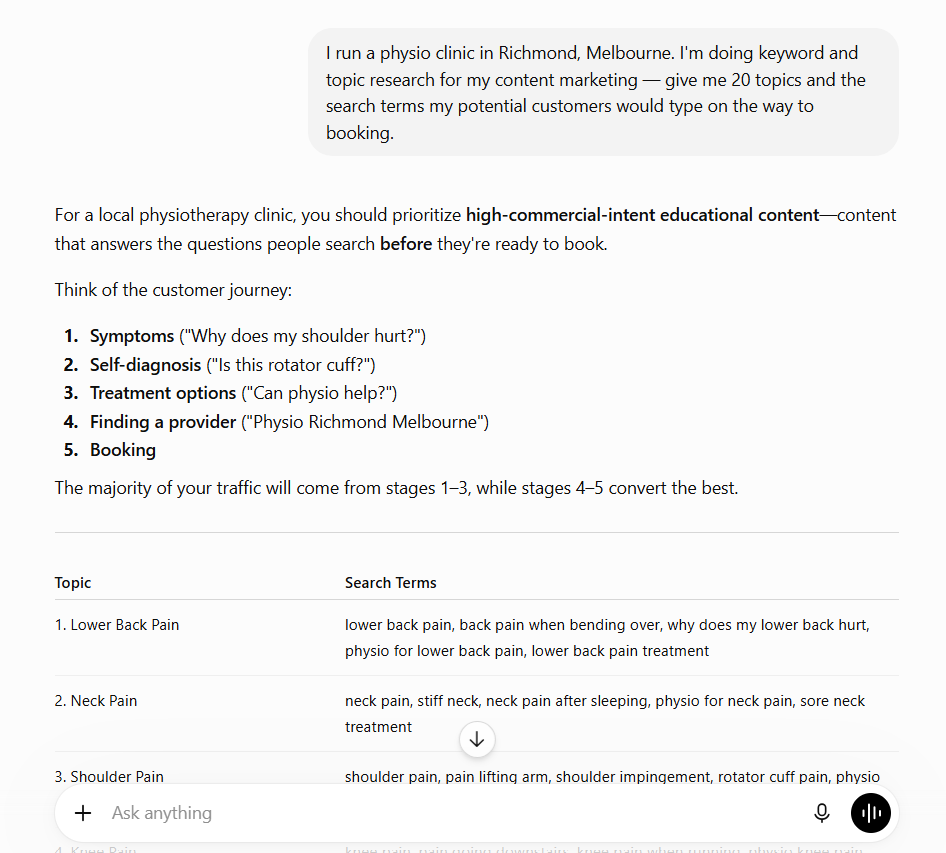
The fastest way to start: open ChatGPT and give it a prompt like “I run a physio clinic in Richmond, Melbourne. I’m doing keyword and topic research for my content marketing — give me 20 topics and the search terms my potential customers would type on the way to booking.”
You’ll have a topic map in seconds.
Then pressure-test it against real searches. Type those topics into Google and mine the autocomplete suggestions, the “People also ask” box, and the “related searches” at the bottom.
Free tools like Google Keyword Planner or the free tier of Ubersuggest give you rough search volumes so you can prioritise.

What you’ve built is a list of the exact questions your customers search. That list is the spine of everything else.
2. Turn those topics into content.
Now you answer them. Take each topic and build the best, most genuinely useful page on it — better than whatever’s ranking now.
This is content marketing, and it’s the engine of the whole thing.
The rule: one topic per page, and actually answer it. If someone searching “how much does invisalign cost in Australia” lands on your page, they should leave with the answer — not a sales pitch.
Cover it so well they’ve got no reason to hit the back button. That “no reason to click back to Google” bar is exactly what Google’s guidelines reward.
Do this consistently and you build topical authority. Google starts treating you as a genuine expert on your subject and ranks you across the board, not just for one term.

3. Optimise each page (on-page SEO).
A light layer sits on top of good content. Put the main keyword in the page title and the main heading. Write a clear meta description. Use proper headings so the page is easy to scan. Link your related pages to each other.
Stuck on the wording? This is another spot where ChatGPT earns its keep. Give it your main keyword and ask:
“Give me five meta title and meta description options for a page targeting ‘physio Richmond Melbourne’, plus a suggested H1 and the H2 headings to use.” You’ll have a solid starting point to tweak in seconds.
None of it is complicated — it’s just telling Google, cleanly, what each page is about.
4. Fix the plumbing (technical SEO).
If Google can’t crawl your site, or it loads like it’s on dial-up, none of the above lands.
Run a free audit — a Semrush Site Audit is the easiest way to get a full list of what’s broken: slow pages, broken links, missing tags, mobile issues, pages Google can’t index.
Work through the errors it flags, starting with anything marked critical. Then run your site through Google’s free PageSpeed Insights and clear the obvious speed problems.
You don’t need to be technical. You need the list of problems and someone — you or a developer — to work through it.

5. Build authority (off-page SEO / link building).
This is the hard part, and it’s what separates sites that rank from sites that don’t. You need other reputable websites linking to yours — Google reads each link as a vote of confidence.
A few honest ways to earn them:
- Local citations and directories — get listed in quality Australian directories and industry bodies, with the exact same name, address and phone number everywhere.
- Digital PR — offer a comment, a stat or a story to journalists and local publications; there are services that match business owners with reporters chasing expert sources.
- Guest articles — write genuinely useful pieces for respected sites in your industry. I earned a link from marketing.com.au exactly this way, off the back of a guest article I wrote for them.
- Partners and suppliers — the businesses you already work with will often link to you if you simply ask.
- Reviews — keep the Google reviews coming; they build trust even though they aren’t classic backlinks.
A handful of quality links beats a hundred junk ones. And paying for cheap bulk links is the fastest way to get penalised — don’t.

6. If you’re local, own your Google Business Profile.
For any business with a location or a service area, this is the highest-return move of the lot — it’s the heart of SEO in Brisbane for a local café, putting it in the map box at the top of the results.
Claim the profile, choose the right categories, add real photos, keep your hours accurate, and steadily gather reviews.
7. Track it, then keep going.
Set up the free Google Search Console and check it monthly. It shows you what you rank for, what’s climbing, and any problems Google spots on your site.
SEO is a compounding game. The businesses that win are the ones that keep publishing and keep improving while everyone else gets bored and quits.
Will this beat a national competitor spending five figures a month overnight? No. But it’s the exact order a professional works in — and done properly, it’s more than enough to win in most local Australian markets.
How much does SEO cost in Australia?
No dodging this one: SEO costs you either your time or your money. If you’re paying someone, Australian pricing generally lands in a few bands — and cheap almost always ends up being the most expensive option.
Doing it yourself costs nothing but your time. Perfectly viable for the basics and a lot of local SEO, if you’ve got the hours.
A freelancer typically runs $500–$1,500 a month. Quality is all over the map, and you’ll be the one managing them.
A specialist or agency generally sits at $2,000–$10,000+ a month, depending on how competitive your market is and how much they’re doing for you. This is the done-for-you end.
A one-off audit — a proper strategy and roadmap before you spend on ongoing work — might be a few hundred to a few thousand dollars. Often the smartest first cheque you write.
What drives the price? Three things: how competitive your market is (SEO in Sydney for a term like “dentist Sydney” is a war; “dentist Toowoomba” isn’t), how much of the work is done for you, and — most of all — how good the person actually is.
A quick warning. If you see “$99/month SEO,” run. At that price it’s almost always automated rubbish links pointed at your site, and those can get you penalised by Google rather than ranked.
You’re not buying hours when you hire an SEO. You’re buying judgement. That’s the whole thing.
How long does SEO take to work?
SEO is not a switch you flip. Expect to see movement in 3–6 months and meaningful leads in 6–12 — faster if you’re a local business, slower if you’re chasing competitive national terms.
Why so slow? Because Google needs time to trust a site, and because content and links compound rather than spike. It’s a snowball, not a firework.
Here’s the counterintuitive bit: slow is the best thing about it.
Most of your competitors quit in month two, when it’s quiet and nothing seems to be happening. That’s exactly why the ones who don’t quit become impossible to catch.
Month by month it tends to look like this. Early on, your rankings creep up quietly where you can’t feel it yet. Then the traffic starts to climb.
Then — the part you actually care about — the enquiries start landing. A trades business doing SEO in Adelaide will usually feel that curve well before a national ecommerce brand does, simply because local is less contested.
For what it’s worth, my own site hit 233 keywords and around $3,500 a month in traffic value in about eight months — on a brand-new domain with zero history. That’s the shape of it. Quiet, then steep.
Is SEO dead? SEO and AI in 2026
Short answer to the question everyone’s asking me right now: no, SEO isn’t dead. AI changed how answers get shown — not whether businesses need to be found.
Let’s be straight about what changed. Google now puts AI Overviews — those AI-written summaries — at the top of a lot of searches here in Australia, where they rolled out in late 2024.
And ChatGPT is up to around 900 million weekly users. For simple informational questions, people sometimes get their answer without clicking anything. That’s real.

Here’s what didn’t change. People still search to buy, to book and to choose. Nobody picks a conveyancer or books “invisalign Sydney” off a one-line AI summary — winning high-value searches like those is exactly what SEO in Melbourne is built for.
For anything that involves spending money or trusting a business, they still click through, compare, and decide — and Google and the AI tools pull those answers from well-optimised websites.
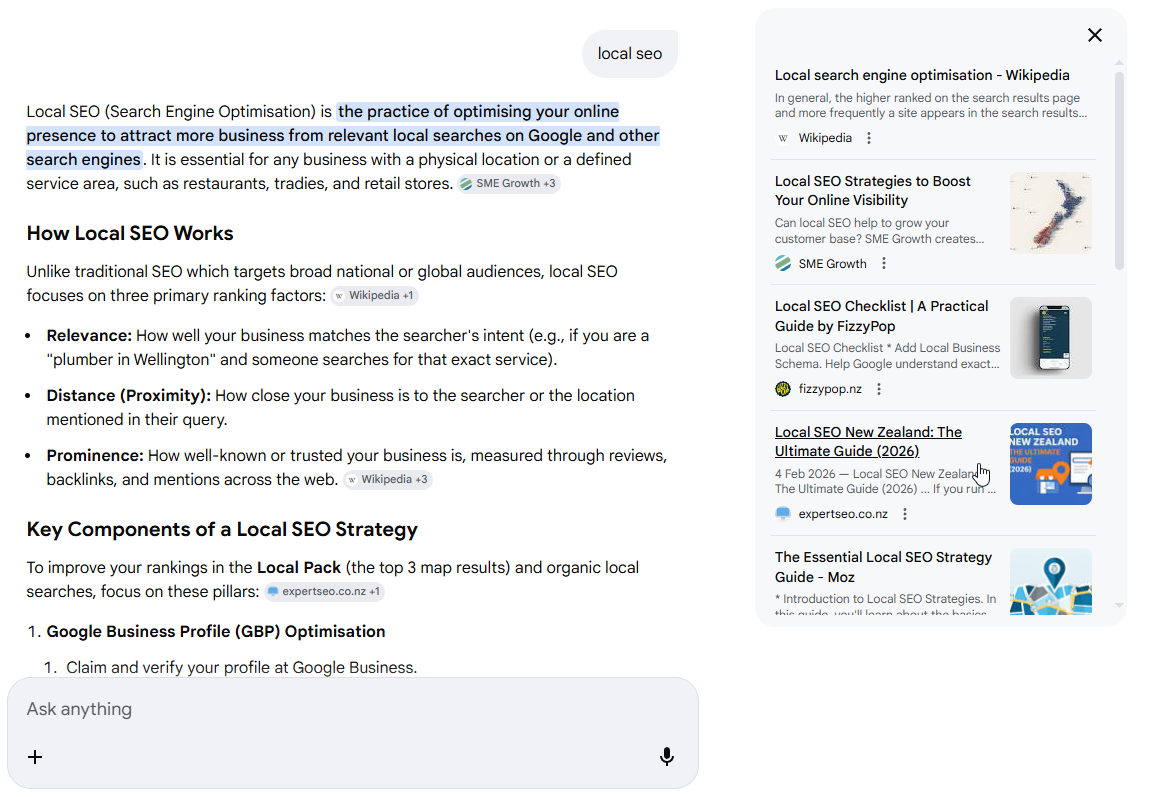
Which brings up a new bit of jargon: GEO, generative engine optimisation. It sounds fancy. It mostly means making your content the thing the AI quotes — and the way you do that is clear answers, real expertise and clean structure.
In other words, good SEO. The same work that ranks you on Google is what gets you cited by the AI.
“But can’t ChatGPT just do my SEO for me?” It can genuinely help — research, first drafts, ideas. What it can’t do is earn trust, build real links, or apply judgement about your specific market. It’s a brilliant assistant and a terrible strategist.
And I’m not guessing here. My own site gets cited in Google’s AI Mode and named by ChatGPT when people ask about SEO.
A site I grew years ago is still getting pulled into AI answers today, long after the original push. Good SEO didn’t just survive AI. It’s what wins it.
How to spot a good SEO from a bad one
Most people who tell me “I tried SEO and it didn’t work” didn’t try SEO. They hired the wrong person.
The gap between SEO being the best marketing money you ever spent and a complete waste of it comes down almost entirely to the operator. Here’s how to tell them apart before you hand over a cent.
Good signs. They’ll show you sites they’ve actually grown, with real numbers. They explain things in plain English instead of hiding behind jargon. They set honest timelines (remember — 3 to 6 months minimum).
They report on leads and revenue, not just rankings. And they don’t lock you into a long contract, because they expect the results to keep you.
Warning signs. They guarantee you the number one spot (impossible — nobody controls Google). They’re flogging cheap monthly “link packages.” They go vague and cagey when you ask what they’ll actually do.
They wave around traffic charts but go quiet when you ask how many enquiries it produced. And they want you locked in for twelve months up front.
Three questions cut through all of it: Show me a site you’ve grown. What will you actually do in month one? How will you report results? A real operator answers all three easily. A cowboy starts sweating.
The most common mistake I see owners make is judging SEO by a traffic report instead of by their phone ringing. Traffic that doesn’t turn into customers is a vanity metric.
I don’t sell rankings. I sell customers. Rankings are just how we get there.
That’s the lens to hire through — and to hold whoever you hire to.
Final thoughts
After ten years doing this, here’s what I know for sure: real SEO is an asset you build. It keeps paying you back long after the work is done, the way the best investments do.
AI didn’t kill it. It killed the lazy version and rewarded the real one. The rules underneath never really changed: be the most useful, most trustworthy answer to what your customers are searching, and you win — on Google and in the AI.
And that gap between “SEO was a waste of money” and “best decision I ever made for the business”? It’s never the channel. It’s who’s holding the wrench.
So get your fundamentals right, be patient through the quiet months, and either learn to do this properly yourself or hand it to someone who does it every day.
If that’s the road you’d rather take, that’s exactly what our Australian SEO services are built for — no lock-in, no jargon, just the phone ringing.