

Your next customer might never see your website.
They ask ChatGPT for the best physio in Melbourne. They ask Google’s AI what a tummy tuck costs in Brisbane. They get one answer, with a few names in it, and they act on it. They never scroll a page of blue links. If your business isn’t in that answer, you don’t exist for that search.
Generative engine optimisation — GEO — is how you become the business the answer names.
Here’s the good news, and the whole point of this guide: GEO isn’t a new skill you have to go and learn. It’s SEO done properly. Do the fundamentals right and consistently, and you’re already doing GEO. I know because it happened to my own site. Expert SEO is a brand-new domain — no special AI tricks, just proper SEO — and it’s now named by ChatGPT and cited in Google’s AI answers.
So this is the straight version. What GEO is. Whether it’s real. How AI decides who to cite. And the handful of small tweaks that genuinely help — every one of which is just good SEO anyway. No hype, no gimmicks.
Key Takeaways
- Generative engine optimisation (GEO) means getting your business named in AI answers — ChatGPT, Gemini, Perplexity and Google’s AI Overviews.
- GEO isn’t a new discipline. It’s SEO done properly and consistently — do the fundamentals well and you’re already doing GEO.
- AI engines cite the sources they can find, lift and trust. All three come down to good SEO.
- The tweaks that help most: answer the question up top, back claims with evidence and schema, and build reviews and third-party authority.
- Ignore the hype — Google says it doesn’t use llms.txt files, and prompt-keyword stuffing doesn’t work.
- You can measure it: ask the AI tools directly, check Search Console, and track your brand mentions.
What Is Generative Engine Optimisation?
Generative engine optimisation is the practice of structuring your content and online presence so AI answer engines — ChatGPT, Gemini, Perplexity, Google’s AI Overviews — can read it, trust it, and name your business in their answers.
Put simply: SEO tries to rank a link people click. GEO tries to make your business the answer the AI gives.
That’s the only real difference in the goal. An AI engine doesn’t show ten blue links. It reads a stack of trusted sources, writes one answer, and cites a few of them. GEO is the work of being one of those cited few.
GEO, AEO, AI SEO, LLMO — what’s the difference? Not much, and don’t let the acronyms slow you down. GEO (generative engine optimisation) and AEO (answer engine optimisation) are the two you’ll see most; AI SEO and LLMO (large language model optimisation) are the same idea under different names. They all describe one job: showing up in AI-generated answers. Pick whichever term you like. The work underneath is identical.
Is GEO Real or Just SEO With a New Name?
It’s real. But it’s an evolution of SEO, not a replacement — and anyone selling it as a brand-new science you must buy right now is overselling.
Google has said this plainly: the foundations of good SEO still do the heavy lifting for AI search. Their own guidance leads with “SEO is still relevant for generative AI search.”

Danny Sullivan, Google’s Search Liaison, has made the same point — the things that earn you visibility in AI features are the SEO fundamentals you should already be doing.

So is “GEO” a real thing? Yes — the same way “mobile SEO” was a real thing. It’s a lens on the work, not a separate trade. If your SEO is genuinely good — the fundamentals of SEO done right, useful content, real authority, a site Google can read — you’re already most of the way to being cited by AI.
And no, SEO isn’t dead. People still search. They still click. AI search is expanding the pie, not replacing it — even the tools building these engines say so. What’s changed is that there’s a new prize on the table: getting named in the answer, not just ranked below it. You don’t win that prize with a trick. You win it by being the source worth quoting.
How Is GEO Different From SEO?
Same foundations. Different finish line, and a different scoreboard.
| Traditional SEO | GEO | |
|---|---|---|
| Goal | Rank a link people click | Be the source the AI cites |
| The unit | A page | A passage or fact the AI can lift |
| How people search | Short keywords (“physio Melbourne”) | Long, conversational prompts (“who’s the best physio in Richmond for a running injury?”) |
| How you measure it | Clicks, impressions, rankings | Citations, mentions, visibility in answers |
| What wins | Helpful content + authority | Helpful content + authority |
Look at the bottom row. What wins is identical. Helpful content and real authority. Everything above it is just a change in how that content gets served and counted.
The one shift worth internalising: people talk to AI in full sentences. Where they’d type “physio Melbourne” into Google, they’ll ask ChatGPT a proper question. That means the content that gets cited tends to answer real questions directly — which, again, is just good SEO.
How AI Engines Decide Who to Cite
Understand this one thing and every tactic below stops being mysterious.
AI engines don’t rank you. They retrieve you. When someone asks a question, the engine runs its own searches, pulls the most relevant and trustworthy passages it can find, then writes an answer and cites a few sources. It’s called retrieval-augmented generation, and you don’t need the jargon — you need the consequence.
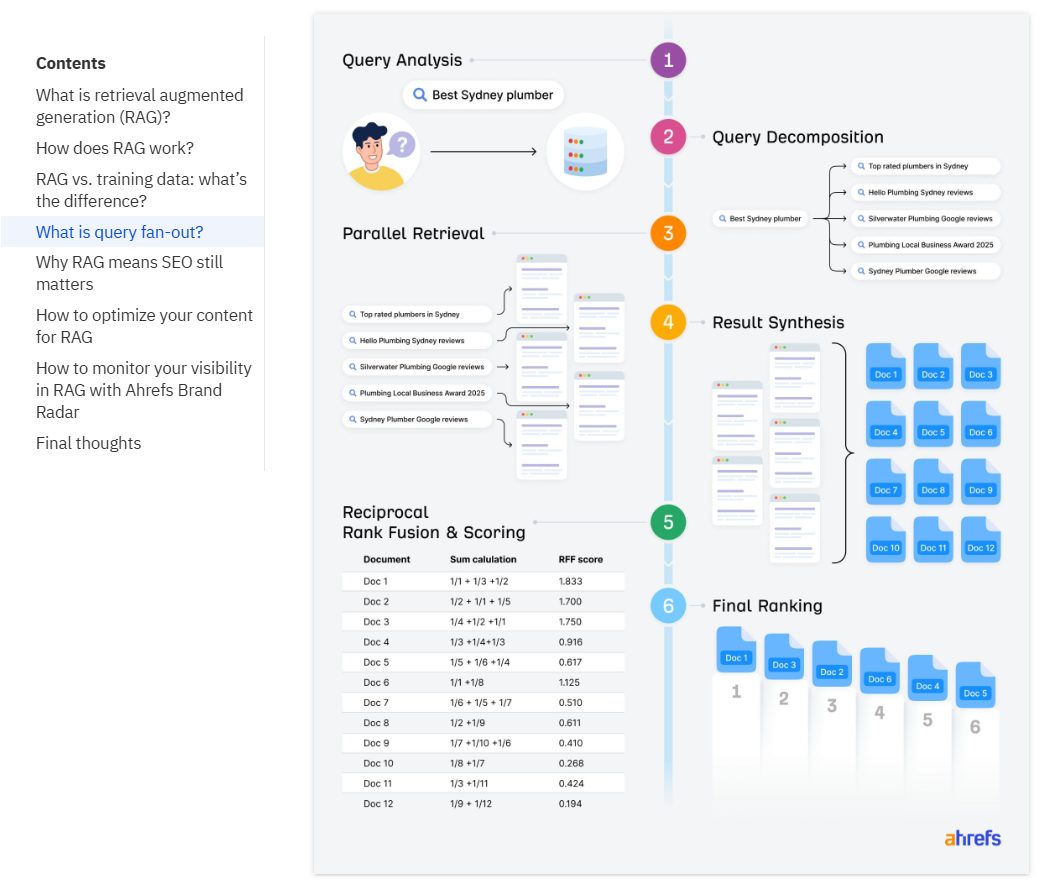
The consequence is this: the engine is looking for content it can lift cleanly and attribute confidently. So three things decide whether it picks you.
It can find you. You have to already rank and be crawlable. If Google can’t see your page, neither can the AI pulling from Google. This is pure SEO.
It can lift you. Clear answer, clean structure, a fact stated plainly. If your answer is buried three paragraphs deep in waffle, the engine skips you for someone who said it in one sentence.
It can trust you. The engine has to know who you are — that you’re a real, credible business other sources reference. That’s authority and reputation, built the same way it’s always been built.
Find, lift, trust. Every one of those is SEO. The sleep site I run is a good example of “lift and trust” at work — its pages are structured and authoritative enough that AI engines pull from them constantly. More on that shortly.
Why GEO Matters for Australian Businesses
As Australian search shifts to AI answers, being the cited source is the new top spot — and almost no Australian businesses are in the running yet.
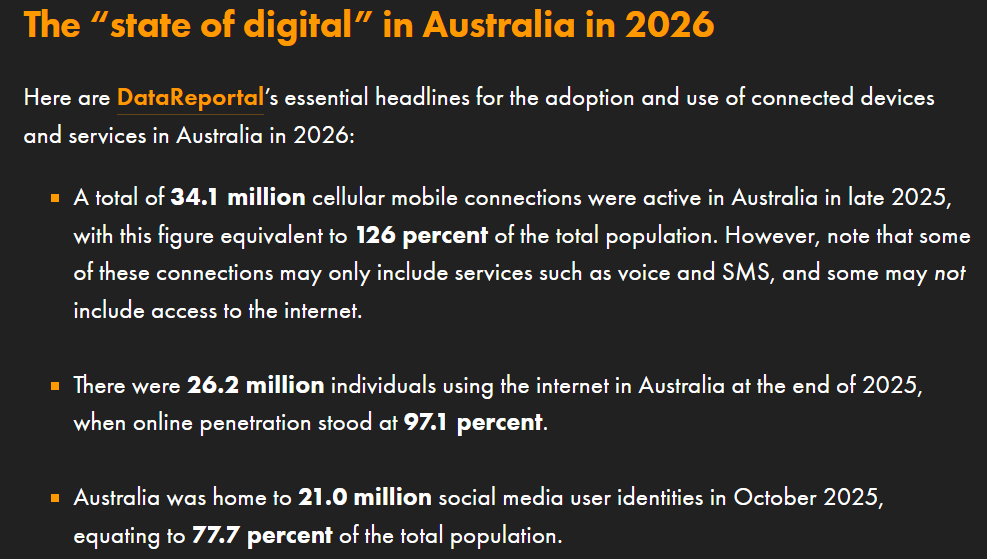
Australia is one of the most connected markets on earth — the vast majority of Australians are online and searching every day.
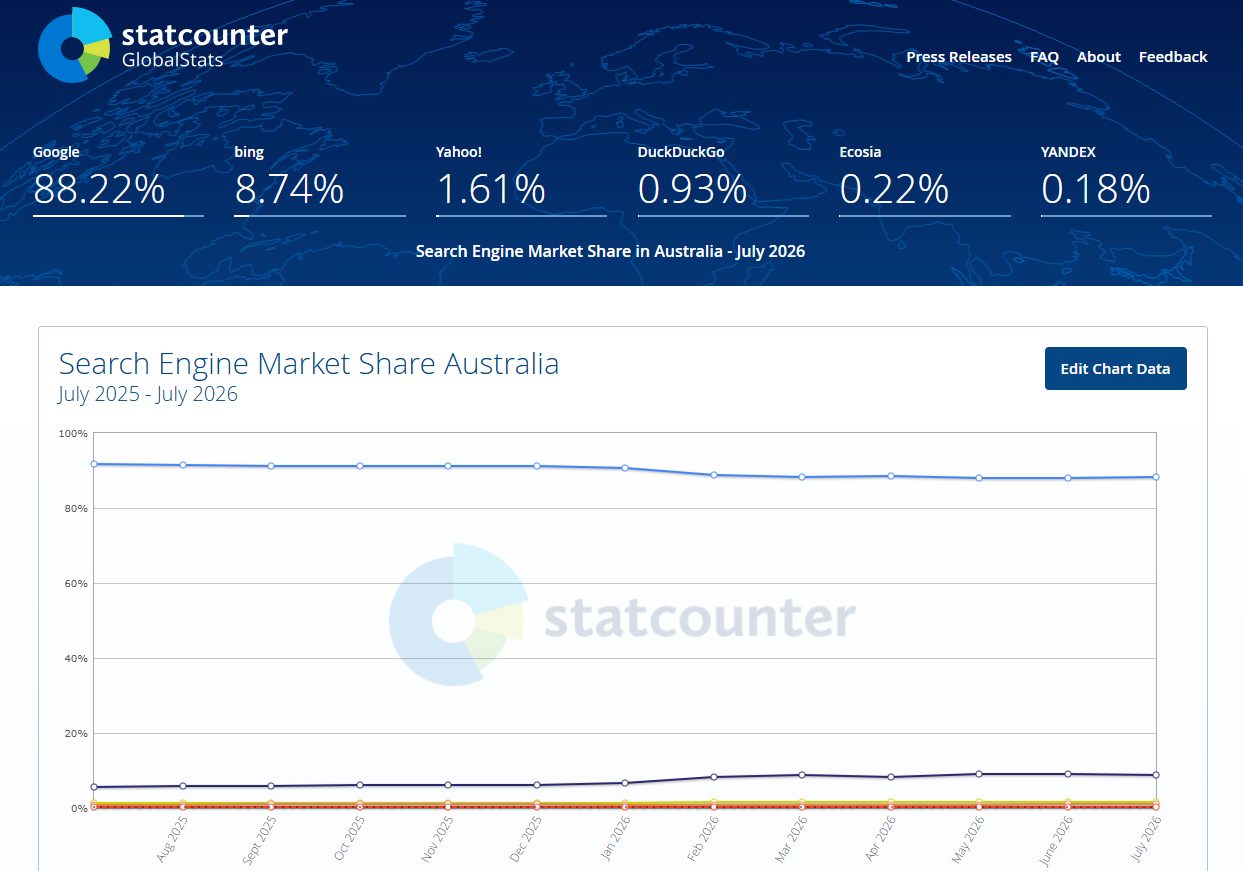
Google still owns the lion’s share of those searches — around 90% in Australia — but more and more of them now end in an AI-generated answer instead of a click.
That’s the zero-click shift, and it’s accelerating. When the AI answers on the spot and names one business, that business wins the customer before a competitor gets a look-in. Everyone else is invisible.
The traffic that does come through is also better. Visitors who arrive from AI search tend to convert at a much higher rate than a cold Google click — they’ve already been pre-sold by the answer.

And the field is wide open here. Search the term this very guide targets — “generative engine optimisation” — and the AI answer cites overseas sources only. No Australian voice. For a physio doing SEO in Melbourne, a Gold Coast clinic, or a dentist running SEO for their practice, that’s the gap: be the local business the AI names while your competitors are still arguing about whether any of this is real.
The upside is biggest for high-value services. If your customer is worth thousands, being named in the one answer a ready-to-buy searcher reads isn’t a nice-to-have. It’s the whole game.
How to Do GEO
None of this is exotic. It’s disciplined SEO aimed at being quoted instead of clicked. Here’s the order I’d do it in.
1. Answer the real question, directly, up top
Lead each section with a clear, one- or two-sentence answer, then expand. Don’t bury the good stuff halfway down the page. The AI wants a clean statement it can lift and attribute — give it one.
Look at how this very guide handles it. The header up top asks “What is generative engine optimisation?” — and the next sentence answers it, straight away: Generative engine optimisation is the practice of structuring your content and online presence so AI answer engines can read it, trust it, and name your business in their answers. No throat-clearing. No scrolling three paragraphs down to find the point. The answer sits directly under the question, where a reader — and an AI — can lift it in one go.
This is the single highest-leverage move, and it’s the one tweak that matters most: don’t stuff the answer down into the body. Say it plainly, first. It helps the AI, and it helps every human who lands on the page too.
2. Back every claim with evidence
Cite sources. Add real statistics. Quote experts. The original GEO research out of Princeton found that adding citations, quotations and statistics lifted a page’s visibility in generative answers by up to 40%.

That’s not a GEO trick. That’s just writing well-sourced content — which is what good SEO has always rewarded.
3. Structure it so a machine can read it
Clear H2s and H3s. Short paragraphs. Lists and tables where they fit. One idea per section. A well-structured page is easier for an AI to parse and lift — and, again, easier for a person to read.
A lot of this comes back to your content brief. Before you write a word, understand and identify your core keyword, then map it out into the subtopics that naturally sit underneath it. Those subtopics become your H2s.
Take this article. The core topic is generative engine optimisation, and it’s broken into the subtopics someone learning about it would want answered:
- What Is Generative Engine Optimisation?
- Is GEO Real or Just SEO With a New Name?
- How Is GEO Different From SEO?
- How AI Engines Decide Who to Cite
- Why GEO Matters for Australian Businesses
- How to Do GEO
- What Moves the Needle
- How to Tell If AI Is Citing You
- The Common GEO Mistakes
Every one of those is a clear, self-contained chunk. A person can scan the headings and understand the whole topic. An AI can pull the exact passage it needs to answer a specific question. That’s the main topic broken cleanly into subtopics — good for readers, good for machines, and it starts at the brief.
4. Add schema markup
Structured data (schema) helps engines understand who you are, what you sell, where you are, and what people say about you. Pages with proper schema get cited noticeably more often — one analysis found schema-marked content was cited by ChatGPT far more than content without it.

For a local Australian business — say a cosmetic clinic investing in SEO for cosmetic surgeons — LocalBusiness schema (name, address, phone, services, reviews) is the one to get right first.
5. Build your authority and your reputation
The engine has to trust you, and trust comes from more than your own website. It comes from what other credible sources say about your brand — mentions, reviews, being referenced on sites the AI already trusts. This is the piece most people miss.

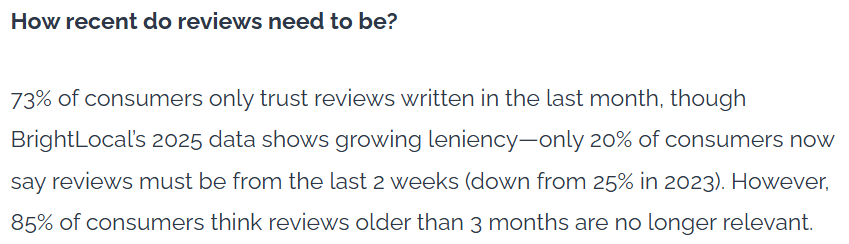
Reviews, in particular, do double duty — they build trust with buyers and feed the AI a picture of a business people rate. Keep your Google reviews coming and keep them recent.
6. Cover the topic properly
AI engines break one question into many. Breadth wins. A proper cluster of content that answers everything around your topic beats a single thin page — the same topical-authority principle that already wins in Google.
7. Keep it current
Fresh, updated content gets retrieved more often. Revisit your key pages. Nothing here is a one-and-done.
Read those seven steps back. Not one of them is a hack. Every single one is something a good SEO would tell you to do anyway. That’s the whole thesis: do SEO properly, and GEO takes care of itself. I ran exactly this playbook on a new domain and got the site named by AI inside eight months — no gimmicks, just the fundamentals done consistently.
What Moves the Needle (and What’s Just Hype)
GEO has attracted a lot of snake oil. Let’s separate the signal from the noise, because Google has openly debunked several of the “must-do” GEO tricks doing the rounds.
What works:
- Genuinely helpful content that answers the question
- The answer stated clearly and early, not buried
- Real citations, statistics and quotes
- Proper structure and schema
- Authority and reputation — what others say about you
- Reviews, kept fresh
What’s hype:
- llms.txt files. Google has said it doesn’t use them. Skip it.
- Stuffing “AI prompt keywords” into your content. It’s keyword stuffing with a new coat of paint.
- Manufacturing fake brand mentions. Transparent, and a waste of money.
- Obsessive content “chunking” and other over-engineering. Google’s own advice: don’t overcomplicate it.
Notice the pattern. Everything that works is a fundamental. Everything that’s hype is a shortcut trying to skip the fundamentals. The AI is trying to give a good answer — be the obviously best, most trustworthy source and you don’t need the tricks.
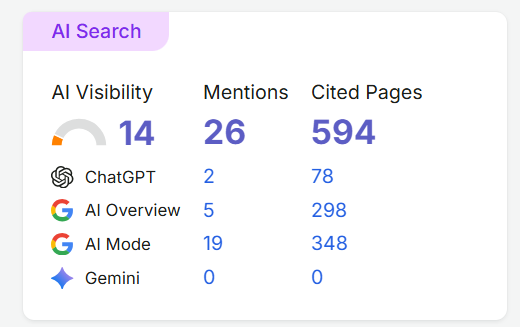
The sleep site proves the point. It wasn’t built with a single GEO gimmick. It earns AI citations because the content is genuinely authoritative and well-structured — years of proper SEO. Today it’s cited across ChatGPT and Google’s AI answers dozens of times over.
How to Tell If AI Is Citing You
GEO’s hardest part isn’t the work. It’s knowing whether it’s working — because AI answers are often invisible in your normal analytics. But you can measure it. Here’s the honest way.
Just ask. Open ChatGPT, Gemini and Perplexity and type the questions your customers ask — “best cosmetic clinic on the Gold Coast,” “personal injury lawyer Melbourne,” “emergency dentist near me” — and see who gets named. If a firm is serious about SEO for personal injury lawyers, that’s the first check to run. Do it monthly and track whether you’re appearing. It’s manual, and it’s the most direct signal you’ll get.
Check Search Console. Google Search Console now reports on your visibility in AI features. It won’t show you everything, but it’s the closest thing to official data.
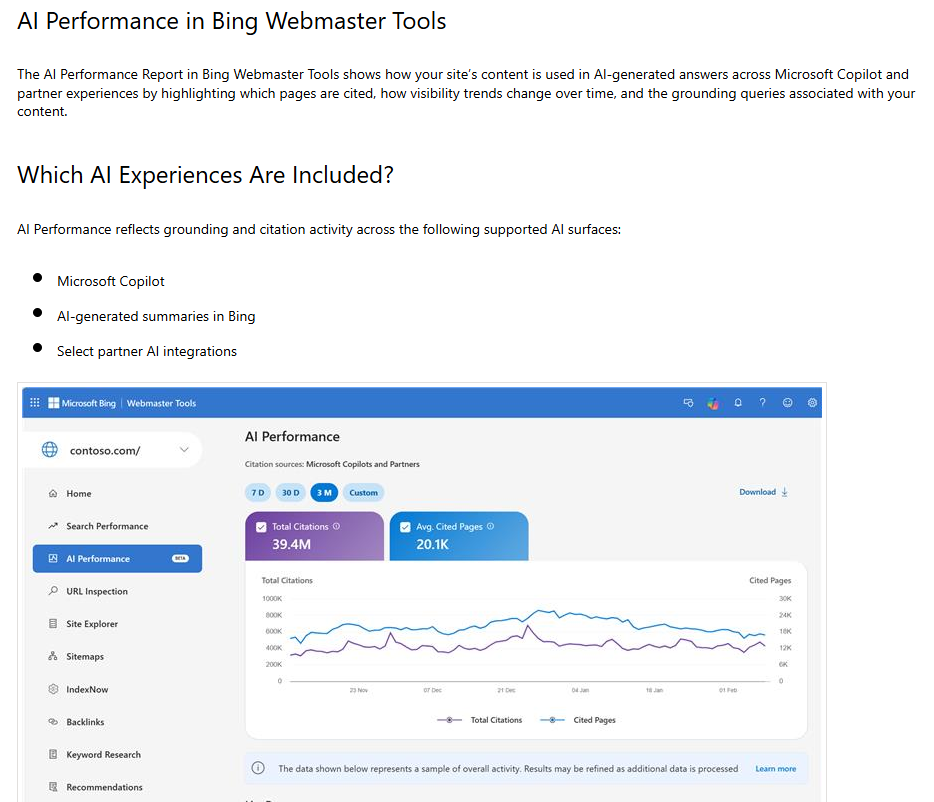
Use a tracking tool. Tools now monitor brand mentions and visibility across the major AI engines — Semrush, Ahrefs and others have AI-visibility features. Bing’s Webmaster Tools even reports AI citations directly.
The honest bit nobody tells you: a lot of AI referral traffic is invisible or zero-click. You’ll get influence — someone hears your name in an answer and searches for you later — without a clean click trail. Don’t judge GEO on last-click alone, or you’ll undercount it badly.
The Common GEO Mistakes
Most businesses that “can’t get cited by AI” are making the same few mistakes. Fix these first.
- Chasing gimmicks (llms.txt, prompt-keyword stuffing) instead of authority and usefulness.
- Burying the answer — no clear, liftable statement for the AI to quote.
- No structure or schema — content the engine can’t parse cleanly.
- Thin coverage — one page where the topic needs a proper cluster.
- A weak or invisible brand — nothing off your own site telling the AI you’re trustworthy.
- Treating GEO as separate from SEO — and neglecting the fundamentals that feed both.
That last one is the big one. Every mistake on this list is really the same mistake: skipping the SEO fundamentals and looking for a shortcut.
Final Thoughts
GEO isn’t a new game. It’s the same game with a bigger prize.
The businesses getting cited by AI right now aren’t the ones who found a clever trick. They’re the ones already doing SEO properly — real authority, genuinely useful content, structured so a machine can lift it, with a reputation other sources vouch for. Do that consistently and AI will name you. Chase hacks instead and you’ll waste months watching nothing happen.
I’ve watched it play out on my own sites. No gimmicks. Just the fundamentals, done properly, for long enough. That’s the entire secret, and it’s not much of a secret.
If you’d rather have someone run those fundamentals for you — properly, consistently, aimed at both Google and AI — that’s what our Australian SEO services are for.