

“SEO is dead.”
I’ve lost count of how many times I’ve read that headline.
It’s on LinkedIn every week. It’s in the YouTube thumbnails. And now that AI writes the answer before you even click, it’s louder than it’s ever been.
So here’s my straight answer, and then I’ll prove it: SEO isn’t dead. It’s going through the biggest change in its history, and it still works — you just have to do it differently.
I can say that with a straight face because I’ve been doing this for more than ten years, and I built a brand-new New Zealand site into Google and AI search in the exact era everyone keeps calling the funeral.
Let me show you.
Is SEO Dead? Here’s the Straight Answer
No. SEO isn’t dead. It’s changing — and it’s the biggest change the industry has been through since Google started.
Here’s the thing people miss when they yell “it’s dead”: SEO has been declared dead every few years for as long as I’ve done it.
Panda was going to kill it. Then mobile. Then voice search. Then Google’s featured snippets.
Every time, the same thing happened. The lazy version of SEO died, and the businesses doing it properly kept winning.
AI is the newest one on the list. It’s a bigger shift than the others, I’ll give it that. But it’s the same story: the shortcuts are dying, the fundamentals are thriving.
And I’m not asking you to take my word for it. This is a brand-new site of mine, ranking for 233 keywords with around $3,500/month in traffic value, built from scratch in about eight months — right through the middle of the “AI killed SEO” panic.
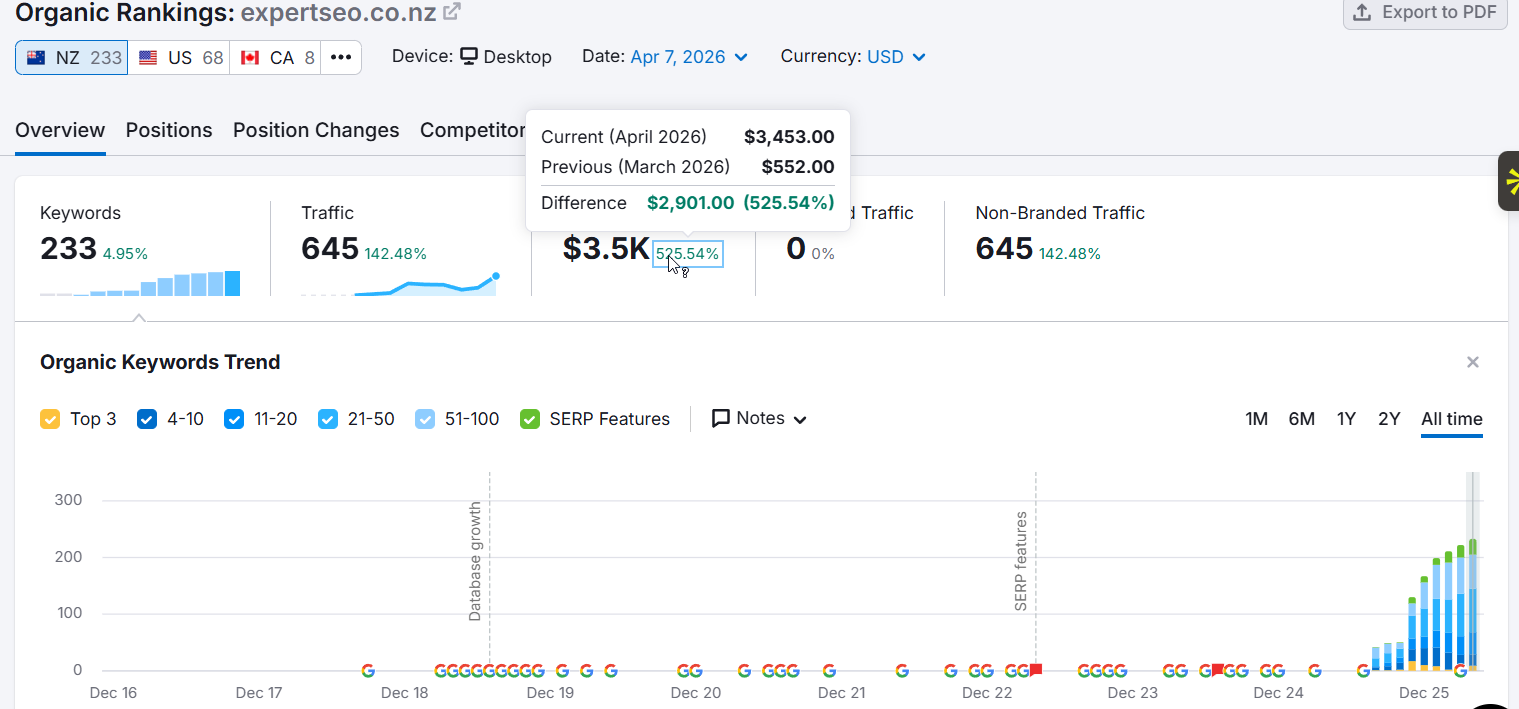
That’s the whole argument in one screenshot. Now let me unpack why people got so convinced it was over.
Why Everyone Keeps Saying SEO Is Dead
The “SEO is dead” noise isn’t coming from nowhere. Four real things changed, and each one spooked people.
Zero-click searches. Google answers loads of questions right there on the results page now. You search, you get the answer, you never click a website. Around 60% of Google searches in the US already end without a click.

AI Overviews. Google’s AI now writes a summary at the top of the page for tons of searches. When that summary shows up, only about 8% of people click a normal result — versus 15% when there’s no summary.
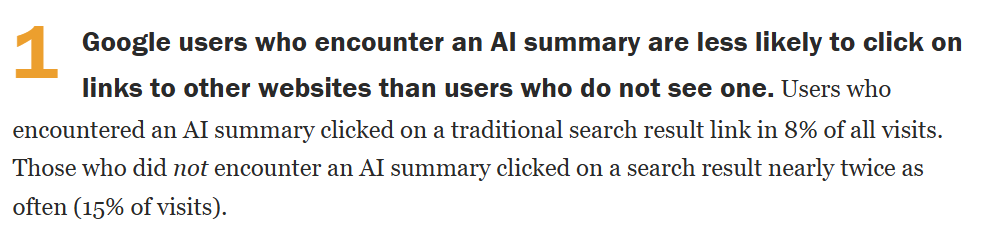
People are checking their analytics and panicking. Traffic to some pages dipped, so the obvious conclusion is “SEO’s dying.” Sometimes it’s the AI Overview eating an informational click. Sometimes it’s just out-of-date tactics. In a report they look identical.
The AI content flood. Anyone can spin up 100 articles in an afternoon now, so the fear is that content becomes a race to the bottom.
All of that is real. None of it means SEO is dead — it means the game moved. And the smart move is to understand where it moved, which is exactly what ranking in AI search is about.
The Data Says Search Is Bigger Than Ever
Strip out the panic and look at the numbers. People aren’t searching less. They’re searching more.
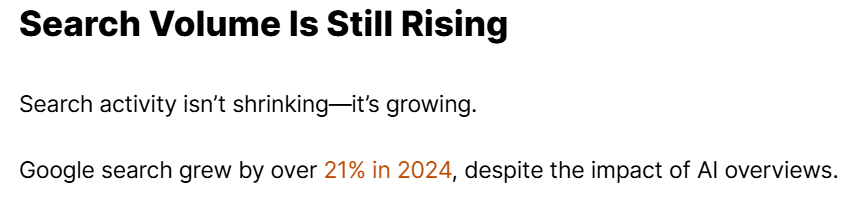
Google search grew by over 21% in 2024 — the same year everyone said AI Overviews would tank it. The engine got bigger, not smaller.
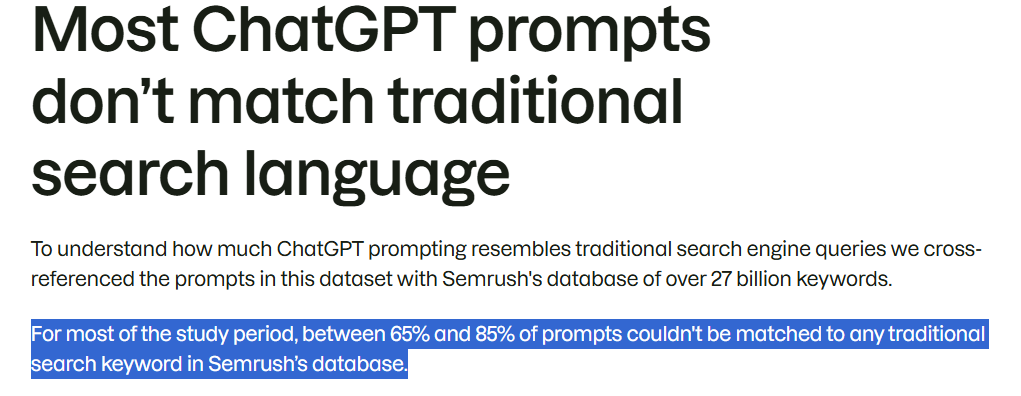
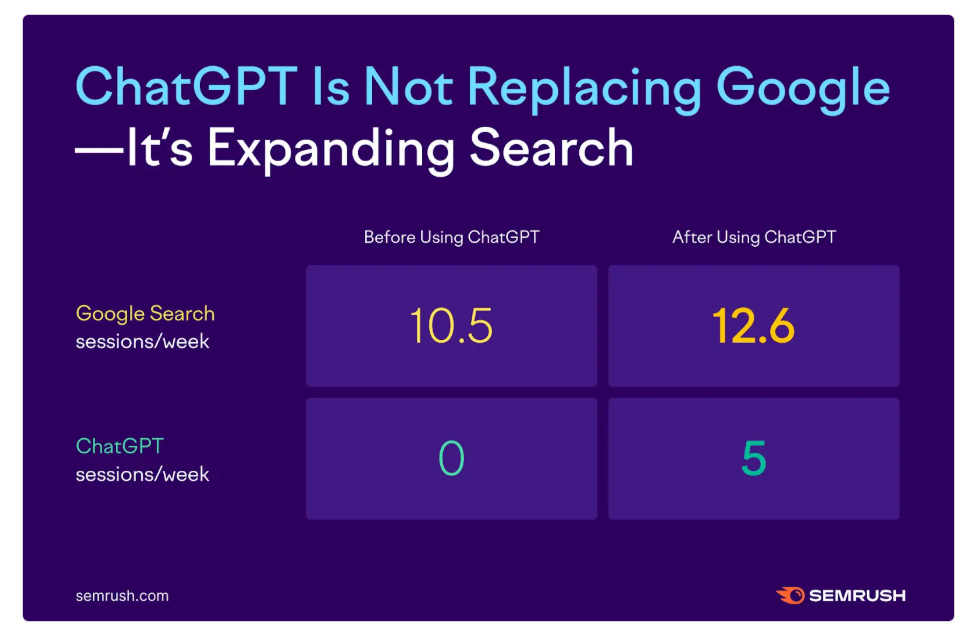
And the “everyone’s switching to ChatGPT” story is shakier than it sounds. Semrush found only about 30% of ChatGPT prompts even resemble a search. The rest is people writing emails, brainstorming, coding — not looking for a plumber.
Even better: when people start using ChatGPT, their Google use holds steady or goes up. A study of 260 billion clicks found the two sit side by side.
People ask ChatGPT for a shortlist, then go back to Google to check reviews and prices.
Then there’s the money. Businesses aren’t cutting SEO — 74% of small businesses invest in it, at an average of around $497 a month.

If SEO were actually dead, the people spending real money on it every month didn’t get the memo. That’s the thing about a “dead” channel: nobody keeps paying for a corpse.
Proof SEO Still Works (My Own Results in the “Dead” Era)
I don’t want to argue this in theory. So here’s what I’ve actually done — most of it in the last year, in the exact climate people call the graveyard.
My SEO company, Expert SEO, is under two years old. It’s up against NZ agencies with a decade’s head start. And it ranks #1 in New Zealand for “local seo” — above Ahrefs and Semrush, two of the biggest names in the entire industry.

Here’s the part that matters for the “AI killed SEO” argument: that same guide gets cited in Google’s AI Mode.
The thing people think replaced SEO is pulling my content into its answers because the SEO was done right.
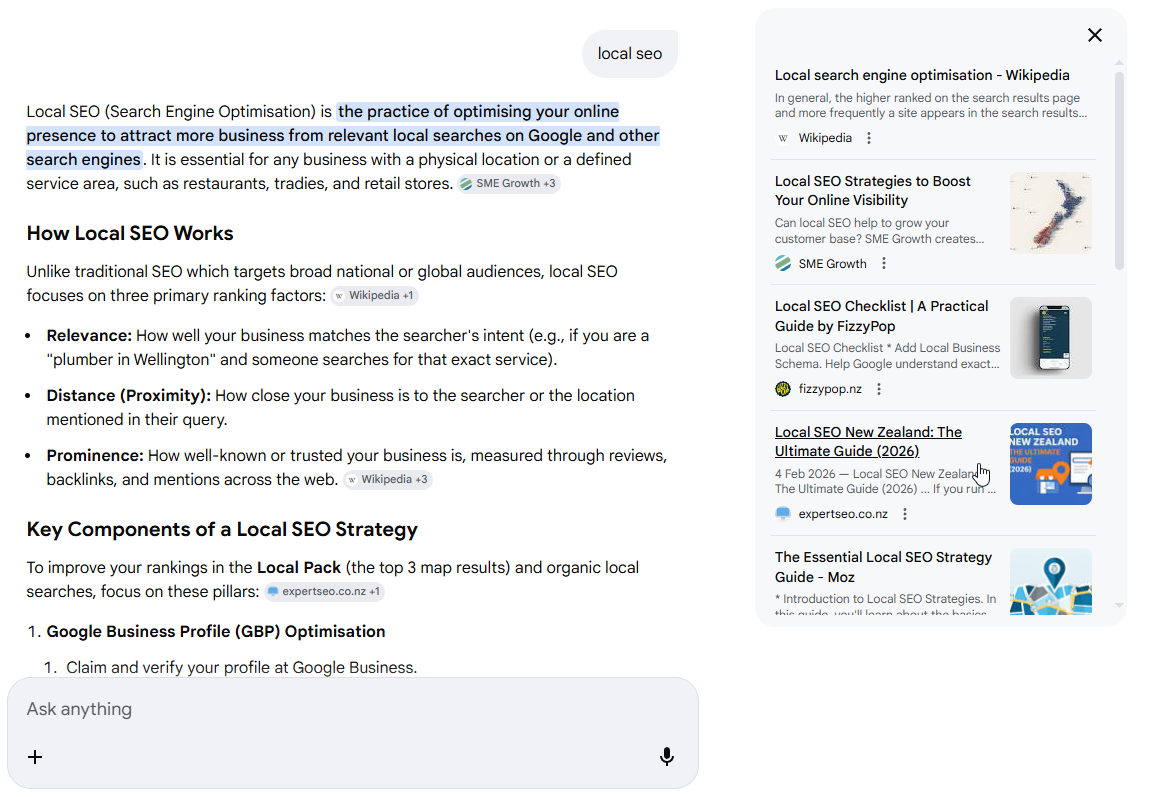
AI didn’t kill my SEO. Good SEO is what got me into the AI.
Local’s the same story. I rank #1 for “SEO Dunedin” and #2 for SEO Hamilton — cities I don’t even live in.
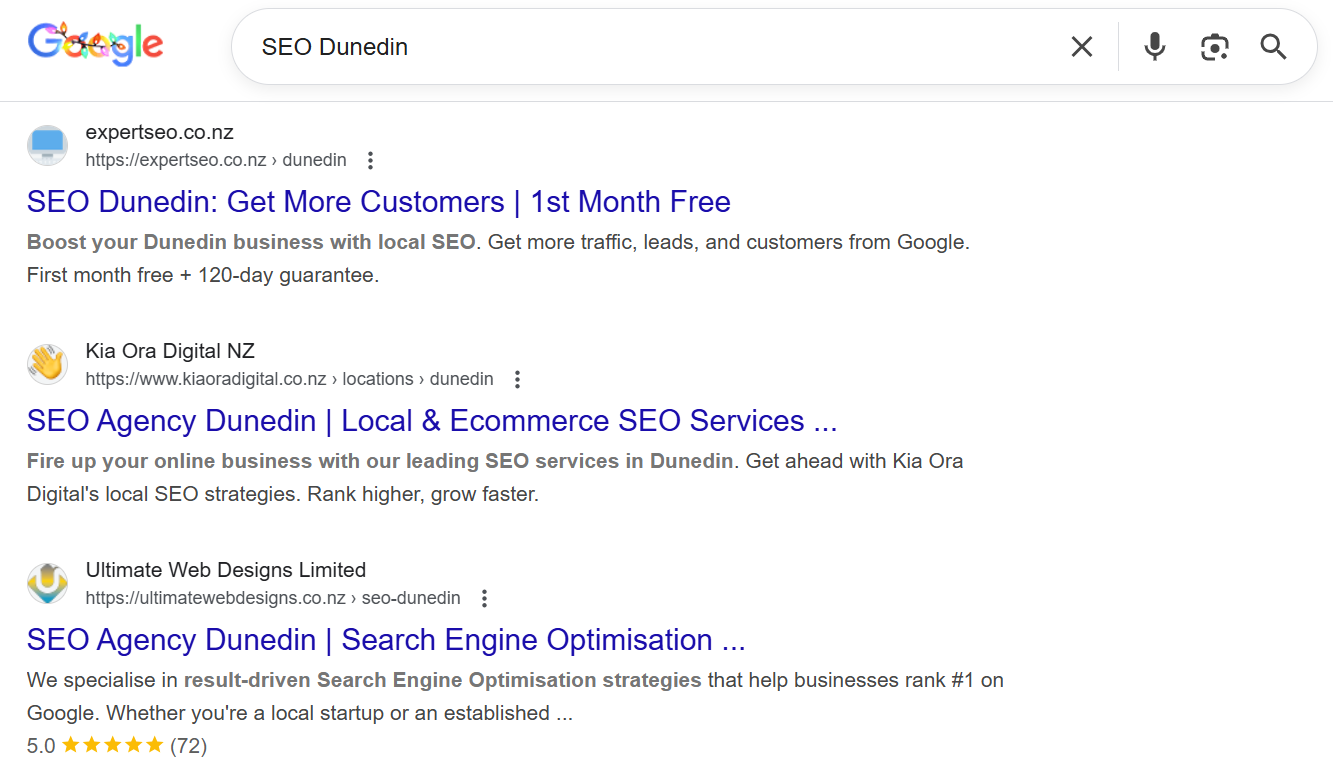
And rankings aren’t a vanity metric here — they turn into real leads.
This is an agency reaching out to hand me one of their clients in Dunedin (Maka Makeovers), purely because I show up #1 for SEO in Dunedin.
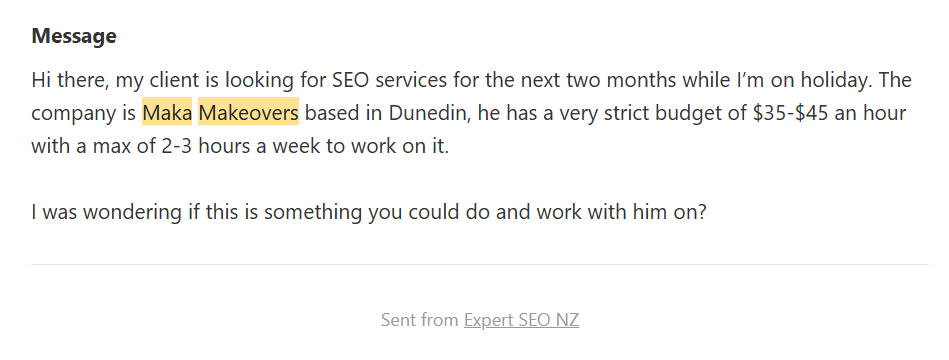
Here’s another — a business (The Smoke Shed) filling out my free SEO audit form off the back of the same rankings. They became a consulting client of mine not long after.
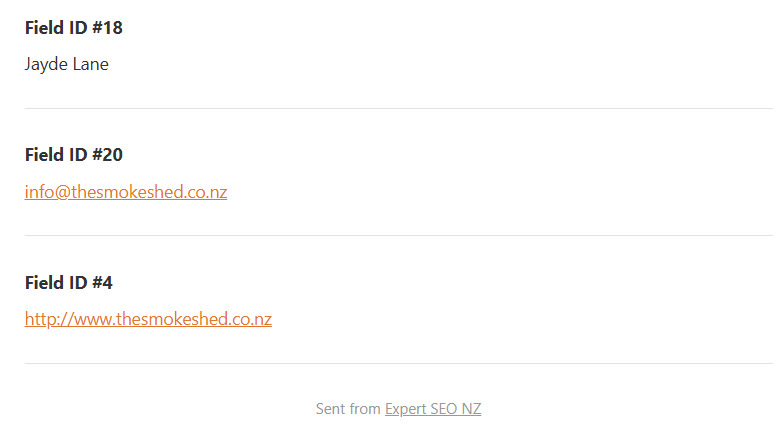
Leads like these land in my inbox regularly, and a good chunk turn into clients. That’s SEO doing the one job that actually matters: bringing in business.
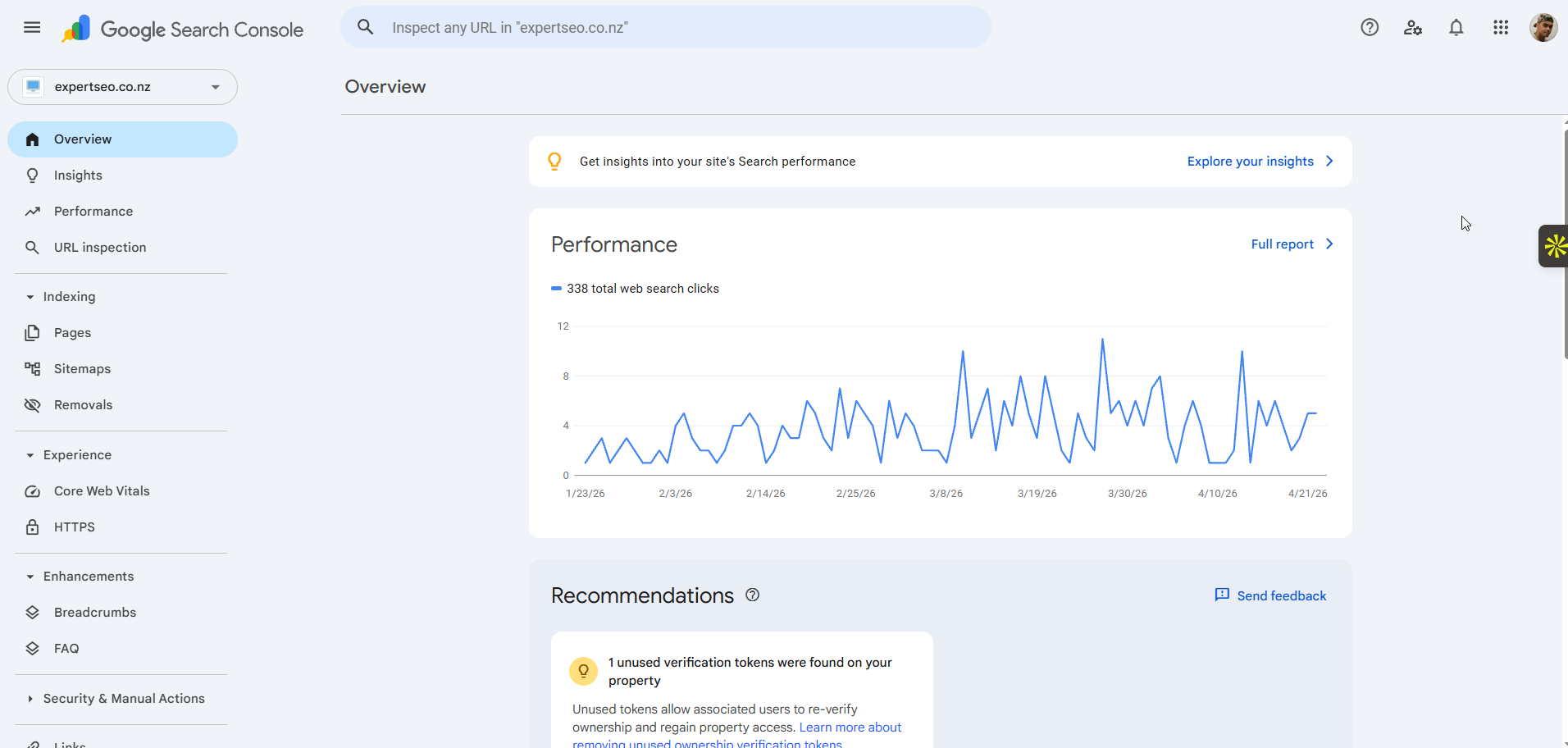
And it’s not a one-off spike. Here’s the whole domain’s organic growth in Google Search Console — clicks and impressions climbing steadily through the exact stretch people were calling SEO dead.
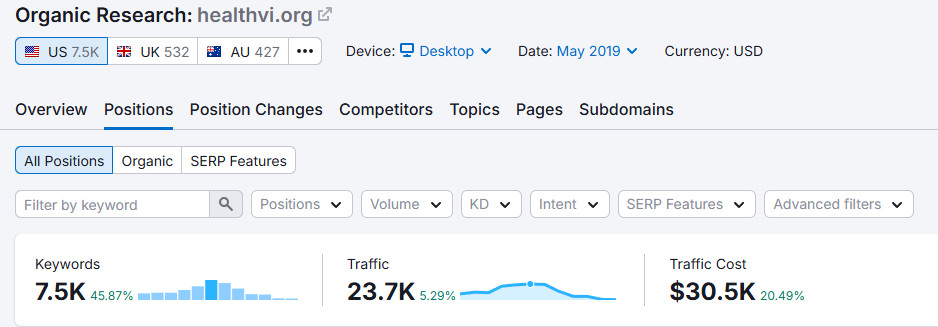
And it’ll grow even more now that we’re offering website design services. Now, this isn’t a fluke of the moment either. Back in 2017 I started a project with my former business partner and SEO mentor, Ian Pribyl — a health site called HealthVI.
We took it from zero to over 20,000 monthly organic visitors.
And another one, StoppingScams, that I scaled past 5,000 visitors a day in a brutally competitive niche.

Different sites. Different years. Different Google. Same process, same result. That’s the tell that this stuff isn’t dying — it’s that the underlying thing SEO rewards has never actually changed.
Let me explain what that thing is.
What SEO Has Always Really Been About: Authority
Here’s the idea that survives every algorithm update, every AI panic, every “SEO is dead” post: search engines exist to put the highest-quality, most trusted answer at the top.
That’s their entire job. Google, YouTube, ChatGPT — every one of them lives or dies on giving people a genuinely good answer fast.
So every big change you’ve ever heard about is just the search engine getting better at spotting who deserves to be at the top. AI hasn’t changed the goal. It’s raised the bar on quality.
Think about it: if Google started ranking rubbish, people would leave for Bing tomorrow. It has to reward the good stuff. That’s baked into how they make money, and it’s never going away.
Which means the winning move never really changes. Across ten years and every update I’ve lived through, the same three things carry a business through whatever phase of SEO we’re in:
One: the highest-quality content in your market. Not “good enough” content. The best answer a searcher could find for that question, full stop. If someone Googles it and your page is the most useful thing they read, you’ve won the hard part.
Two: other people linking to you. Backlinks are other websites vouching for you. Each quality link is a vote that says “this business is legit.” They’ve been a top ranking factor for two decades, and AI engines lean on them to decide who to trust and cite too.
Three: other people reviewing you. Google reviews are the local version of the same signal — real humans vouching for you in public. They move you up the map pack, and they close the customer once you’re there.
Content, links, reviews. That’s it. That’s the whole game, dressed up in new acronyms every couple of years.
Do those three things better than anyone in your market and you build topical authority — and authority is exactly what every version of search, AI included, is built to reward. Nail them and you’ll last through whatever phase comes next.
What’s Actually Dying in SEO
Something did die. Let’s be honest about it, because this is where the “SEO is dead” crowd is half right.
What died is the shortcut version — the try-to-trick-Google playbook. And good riddance, because it made the whole industry look dodgy.
Keyword stuffing is dead. Cramming your target phrase into a page 40 times used to work. Now it just reads like a robot wrote it, and Google can tell.
Buying cheap bulk links is dead (and dangerous). A tenner for 5,000 backlinks off Fiverr is a great way to get your site penalised, not ranked.
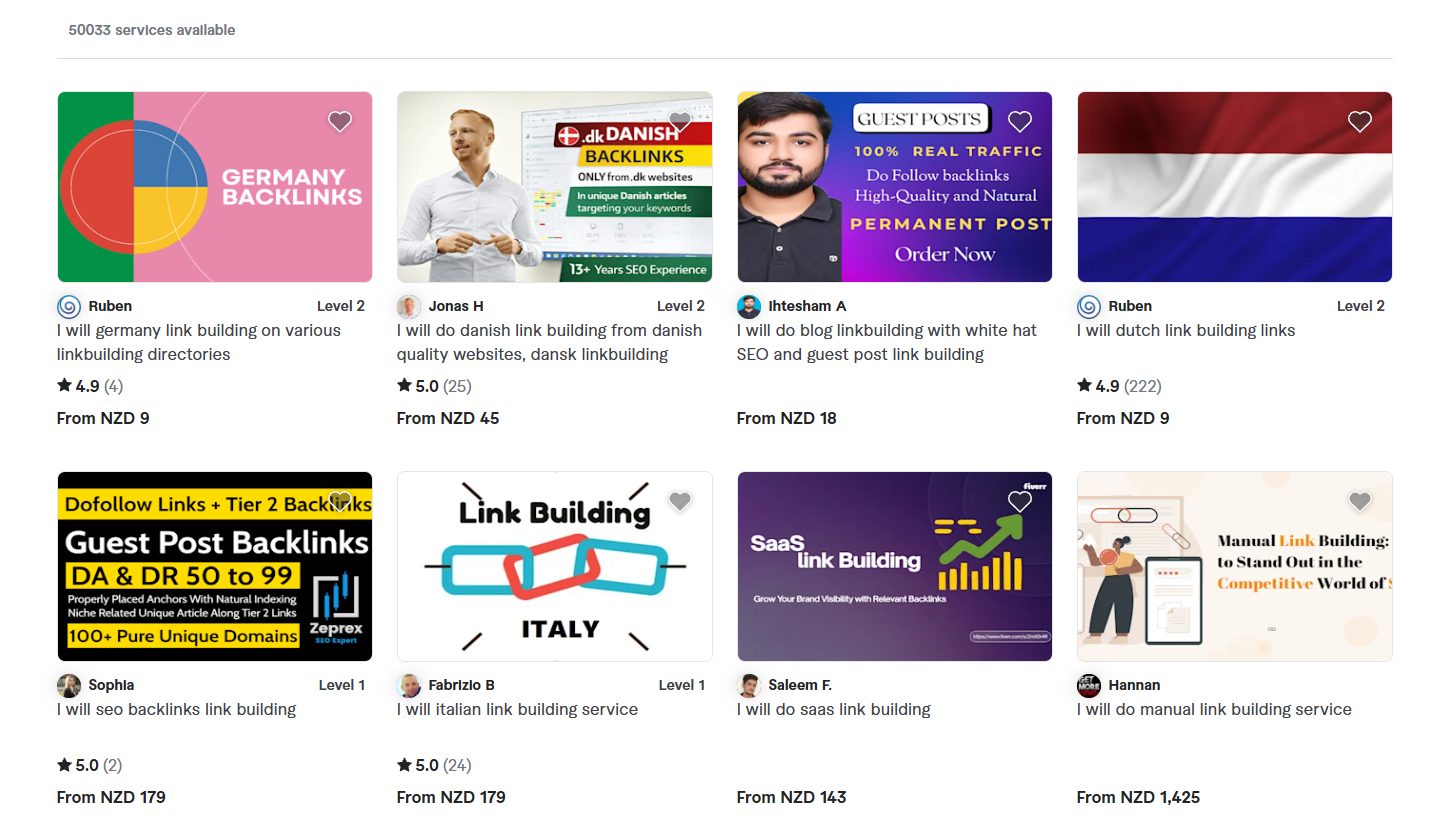
Thin, spun content is dead. Pumping out 100 near-identical AI articles to hit a word count won’t rank, and Google’s been actively squashing it.
Chasing pure volume is dead. Publishing daily just to publish, targeting keywords with no buying intent — that’s effort with no payoff.
Gaming the system is dead. Every trick that tried to fake authority instead of earning it. That whole approach — black hat SEO — has a shorter shelf life than ever, because AI is better at sniffing out the fakes.
Notice the pattern? Everything on that list is a way of pretending to be the best answer without actually being it. That’s what’s dying. And if that’s what you thought SEO was, then yeah — from where you’re standing, it does look dead.
How to Win at SEO in 2026
So how do you actually win now? You be the best, most trusted option in your market — and you make sure you’re visible everywhere your customers look, not just Google.
Because that’s the other big shift. The path to your business isn’t one search anymore.
Someone finds you on Google, checks your YouTube, has a scroll through your socials, maybe asks ChatGPT for a second opinion, then comes back to Google to book. It’s a whole journey.
Win that journey and you don’t just rank — you become the obvious choice at every step. Here’s how.
Be the best answer in your market. This is non-negotiable. Pick the questions your customers ask and build the single best page on the internet for each one — more useful, more specific, more genuinely helpful than anything ranking.
That’s the content leg, and it’s the foundation everything else sits on.

Build links across the web. Get relevant NZ sites talking about you. Guest posts, local sponsorships, partnerships, industry directories, digital PR.
If you’re a B2B service, a profile on a platform like Clutch does double duty as a link and a trust signal. One link from a respected site beats fifty from link farms every time.
Stack up reviews on every platform that matters. Your Google Business Profile first — that’s the big one for local.
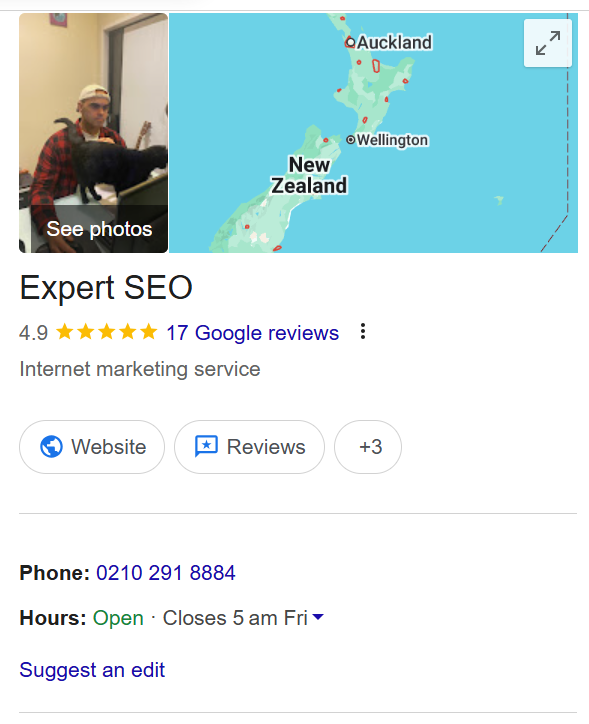
Then wherever your industry lives: Clutch, NoCowboys, industry-specific directories. Ask every happy customer, make it a one-tap link, reply to every review. Reviews rank you and convert the person reading them.
Go multi-platform. Don’t put all your eggs in Google. YouTube, TikTok, LinkedIn, Instagram — pick the ones where your customers actually hang out and show up there too.
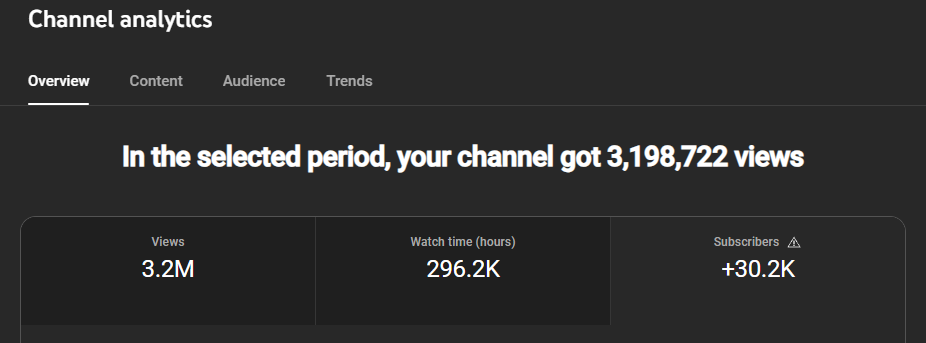
I grew a YouTube channel to over 30,000 subscribers and 3 million views, and it feeds the whole business. That’s SEO thinking applied everywhere, not just to Google.
Structure content so AI can quote you. Clear headings, direct answers up top, clean formatting. That’s how you get cited in AI Overviews and ChatGPT — the same way my local SEO guide did.
Brands cited in AI Overviews earn around 35% more organic clicks than the ones left out, so getting quoted by AI works as an extra front door rather than a threat to your traffic.
Do all of that and you’re not fighting the change — you’re riding it. Whether you’re chasing customers in Auckland or a small town down south, the play is the same: be the most trusted name in your patch, everywhere your patch is looking.
That’s how you win the game of SEO now. You need the highest-quality presence in your marketplace, or someone who does will take the spot.
Is SEO Still Worth It for an NZ Business in 2026?
Yes — as long as you do the version that works now.
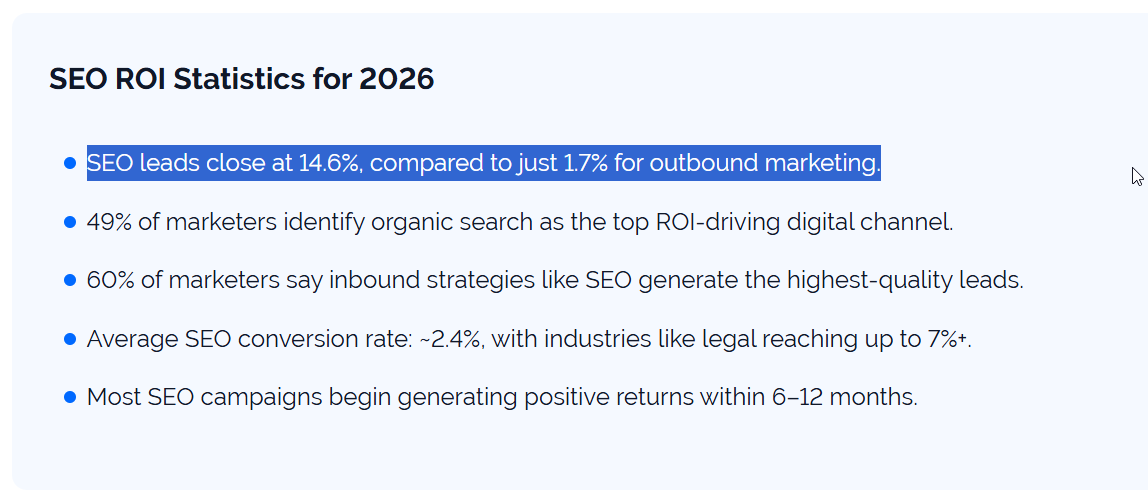
SEO still has one of the best returns in marketing. Organic leads close at around 14.6%, compared to 1.7% for cold outbound.
And it compounds. SEO delivers a median ROI of around 748% — roughly $7.48 back for every dollar — once you give it time to build.
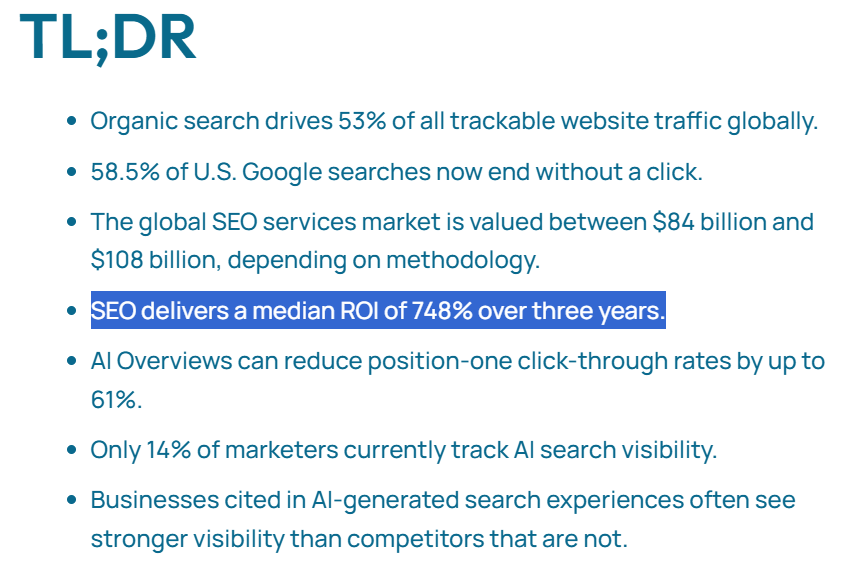
The catch is that little phrase: give it time. SEO isn’t a switch you flip. Expect three months for early traction and six-plus for solid results — that timeline hasn’t changed, AI or no AI.
If you want leads tomorrow, run ads alongside it. If you want a channel that compounds for years, SEO is still the best one going.
So should you do it yourself or hire someone?
If you’ve got the time and patience to learn, you can absolutely DIY the fundamentals — pick your keywords, write genuinely great content, build a few real links, get reviews rolling in. Plenty of small NZ businesses get real results doing exactly that.
But it’s slow, and it’s a real skill. If your market’s competitive, or you’d rather spend your hours running your business than learning SEO, that’s where bringing in help pays off.
A good SEO consultant or agency does in months what takes a beginner years — and doesn’t burn your budget on the tricks that get sites penalised.
Either way, don’t sit on the fence waiting to see if SEO “comes back.”
It never left. It’s just changing, like it always has — and the businesses adapting early are getting cited, ranked, and found while everyone else argues about whether it’s dead.
It’s very much alive. And if you want a team that’s proven it in the exact era people call the graveyard, that’s where we come in.
Is SEO Dead: FAQ
Will AI replace SEO?
No. AI is changing how search works, but it still runs on the content SEO produces — AI Overviews and ChatGPT pull their answers straight from web pages, and getting cited means doing SEO well. The skill shifts from chasing blue links to being the source AI trusts.
Is SEO dead with ChatGPT?
No. Semrush found that when people start using ChatGPT, their Google use holds steady or even rises — ChatGPT expands search rather than replacing it. Most people ask ChatGPT for a shortlist, then go back to Google to check reviews and buy.
Will SEO still exist in 5 years?
Almost certainly, though it'll look different again. Search engines exist to surface the best answer for a query, and that job isn't going away — only the tactics change. The businesses building genuine authority now will still be found in five years, whatever the interface looks like.
What will replace SEO?
Nothing is replacing it — it's expanding into "search everywhere optimisation." Instead of only Google, you now work to be found across Google, AI Overviews, ChatGPT, YouTube and social. It's the same core work (quality content, links and reviews) applied to more places.
Is SEO a dying industry?
No. The global SEO services market is still growing, and 74% of small businesses invest in it. What's dying is the shortcut, trick-the-algorithm version — the demand for people who can build real authority has never been higher.
Recommended Reading
Is SEO Worth It for NZ Businesses?
Not sure it's worth the spend? Here's the honest cost, timeline and ROI breakdown.
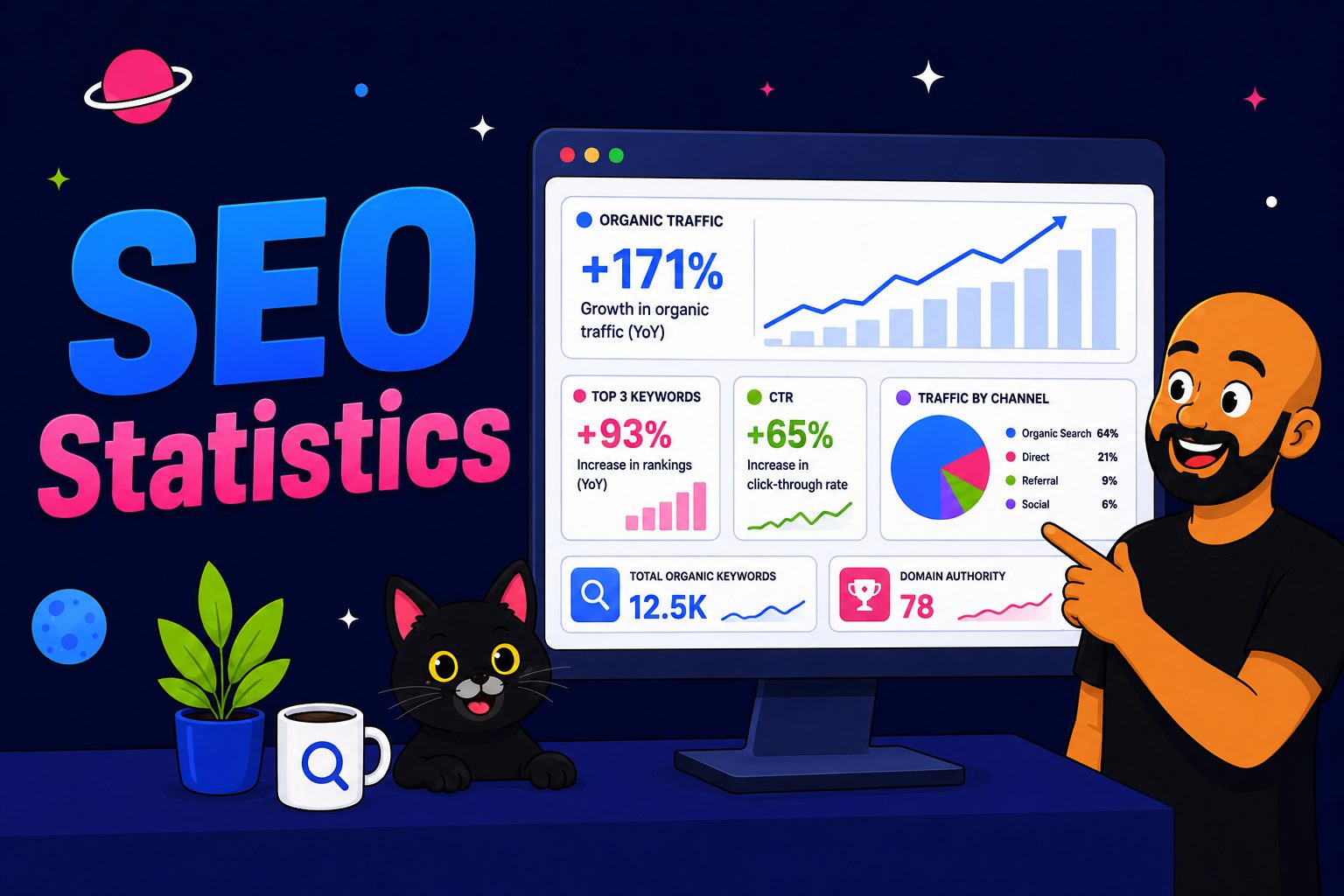
SEO Statistics 2026
50+ verified stats on search, AI and rankings every NZ business should know.
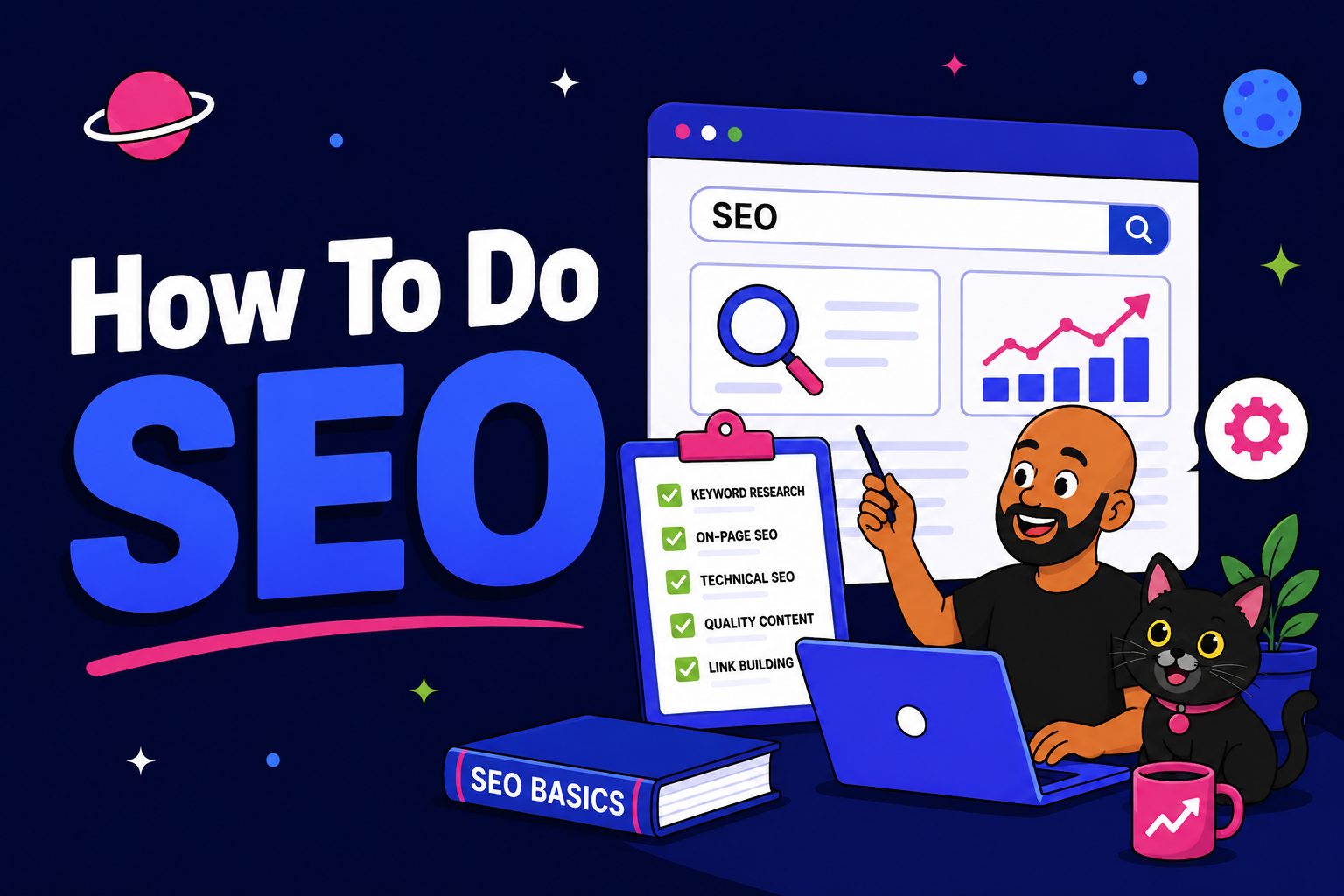
How To Do SEO: Step by Step
Convinced it's alive? Here's the exact process to actually do it, start to finish.