

You’ve probably already read a dozen “10 SEO tips” lists.
Use keywords. Get backlinks. Speed up your site.
All true, all useless on their own — because they hand you ten jobs with no idea which one actually moves the needle for your website.
This guide is different.
It gives you the order to do things in, walks each step with real New Zealand examples, tells you honestly how long it takes, and covers the part almost no one is writing about yet: how to get your site showing up in AI search like Google’s AI Overviews and ChatGPT.
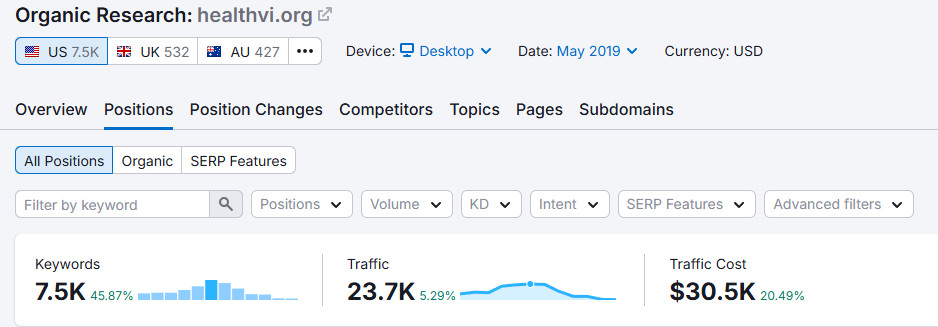
It’s the same process I’ve used to grow real sites — including taking one health website from zero to over 20,000 visitors in under a year:
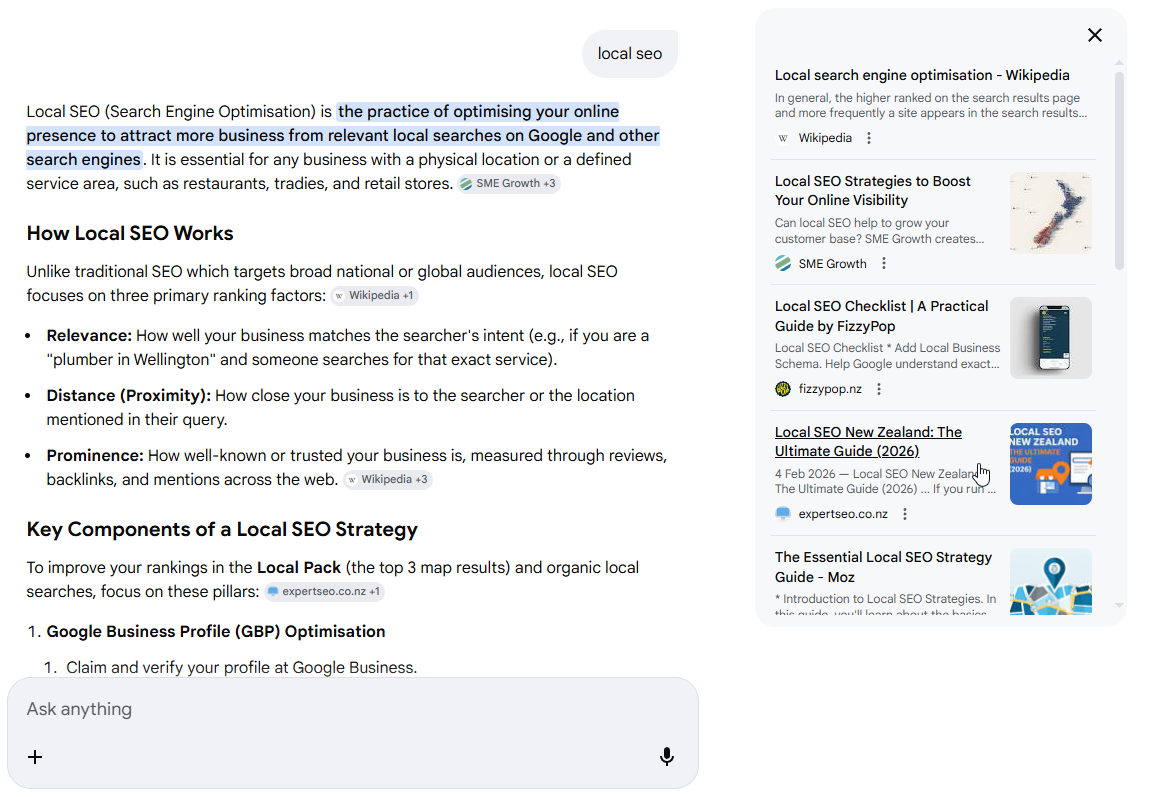
And getting a six-month-old agency site cited by AI tools while competing against businesses with a decade’s head start:
Let’s get into it.
How do you improve your website’s SEO?
To improve your website’s SEO, fix the foundations first (make sure Google can crawl and index your site), then target keywords people actually search, optimise each page properly, publish content that’s genuinely better than what’s ranking, sort your technical basics like speed and mobile, and build authority through backlinks.
Do them in that order — not all at once.
That’s the short version. The reason most people fail isn’t that they don’t know these things. It’s that they do a bit of everything and finish nothing.
Order matters more than effort.
The order that actually matters
Here’s the part the tip-lists skip: a few things move your rankings far more than the rest. If you only did three, do these.
- Target the right keywords with content that matches intent. No optimisation saves a page nobody’s searching for, or a page that answers the wrong question.
- Make that content the best result for the query. Better than whatever’s ranking now. This is the single biggest lever.
- Build authority over time through links and consistency, so Google trusts your site enough to rank it.
Everything else — speed, meta tags, image alt text — is real and worth doing, but it’s tuning.
Tuning a page nobody wants to read won’t rank it.
Get the big three right first, then sweat the details.
With that framing, here’s the full sequence.
Step 1: Make sure Google can actually find and index your site
Before anything else, confirm Google can crawl and index your pages. A surprising number of sites quietly block themselves and never rank, no matter how good the content is.
Set up Google Search Console first — it’s free and it shows you exactly how Google sees your site.
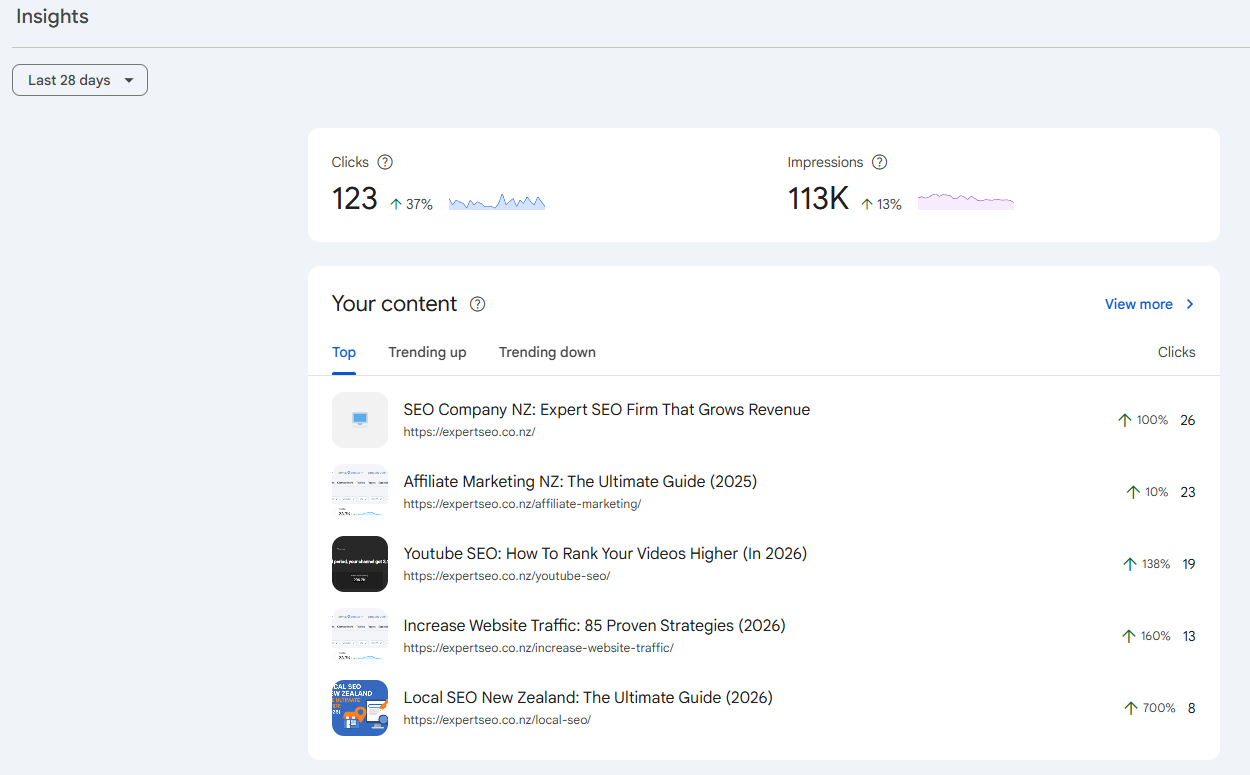
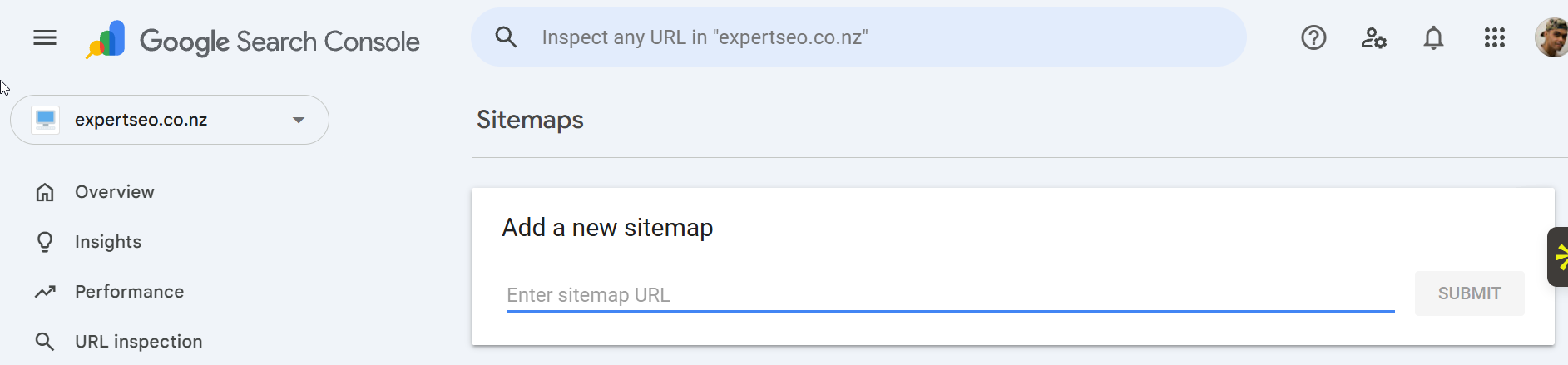
Add your site, verify it, and submit your sitemap (usually at /sitemap.xml or /sitemap_index.xml).
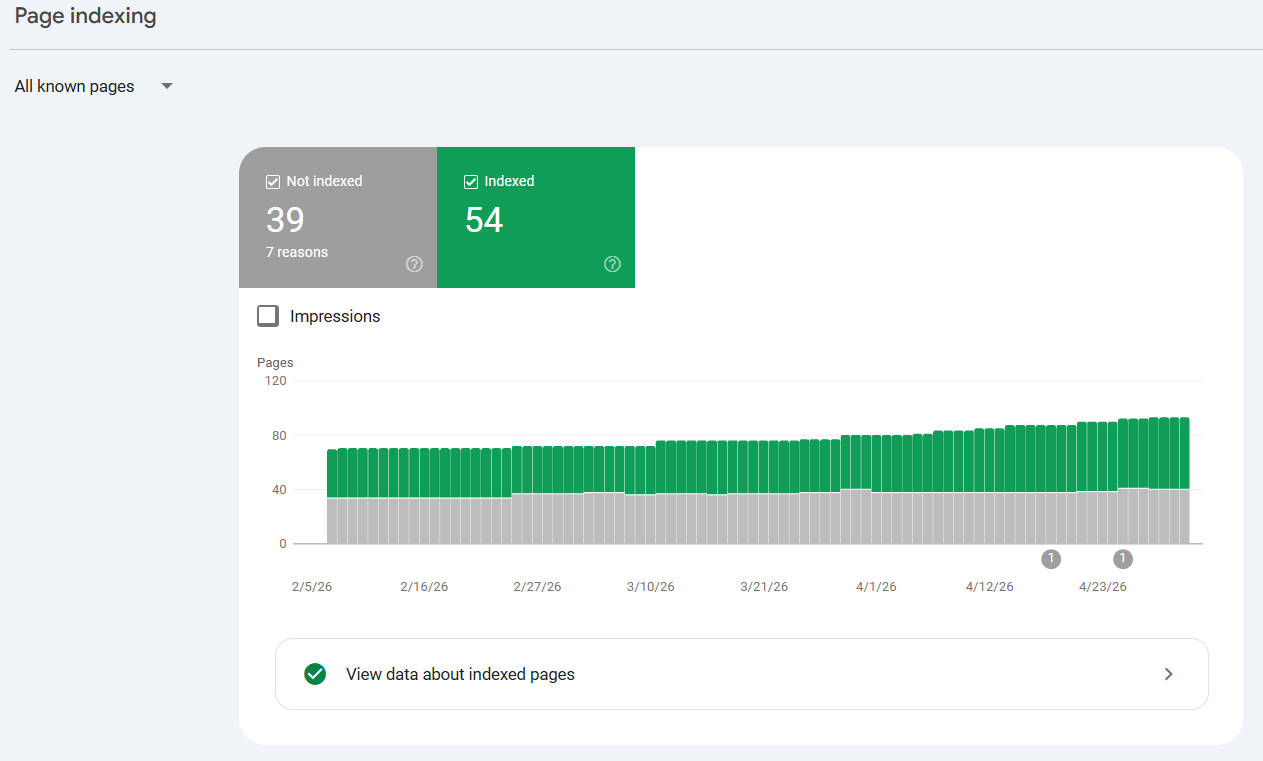
Then check the Pages/Indexing report to see which pages are indexed and which aren’t.
The common culprits that keep pages out of Google:
- A page set to “noindex” (often left on by accident after a site build)
- Pages blocked in robots.txt
- A WordPress setting that hides the whole site from search engines — check Settings → Reading and make sure “Discourage search engines” is unticked
- Pages buried so deep nothing links to them
If a page isn’t indexed, it can’t rank.
This step takes 20 minutes and saves you from optimising pages Google will never show.
Step 2: Target keywords people actually search
Keyword research is finding the exact terms your customers type into Google, so you build pages around real demand instead of guesses.
This is where SEO is won or lost, because everything after this depends on choosing the right target.
Start by researching what your buyers actually type into Google. The fastest way is a ChatGPT prompt — tell it your service and location and ask for the keywords people search to find a business like yours.
Then validate the list in Google Keyword Planner to confirm there’s real search volume in New Zealand.
Say you’re a plumber in Lower Hutt. Your list might look like:
- plumber Lower Hutt
- emergency plumber Wellington
- hot water cylinder repair Lower Hutt
- how much does a plumber cost NZ

Then sort each keyword by intent, because that decides what kind of page to build:
| Keyword | Intent | What to create |
|---|---|---|
| plumber Lower Hutt | Commercial | Service/location page |
| emergency plumber near me | Commercial/Transactional | Service page |
| how to fix a leaking tap | Informational | Blog post |
| how much does a plumber cost NZ | Informational | Blog post |
Match the intent before you write a word.
If you build a blog post for a commercial keyword — or a service page for an informational one — it won’t rank, no matter how good it is.
Google has already decided what type of page wins for each search. Your job is to give it that.
Step 3: Nail your on-page SEO (the fastest wins)
On-page SEO is optimising the page itself so Google understands exactly what it’s about.
It’s the quickest win on this list because it takes minutes per page and the rules are simple.
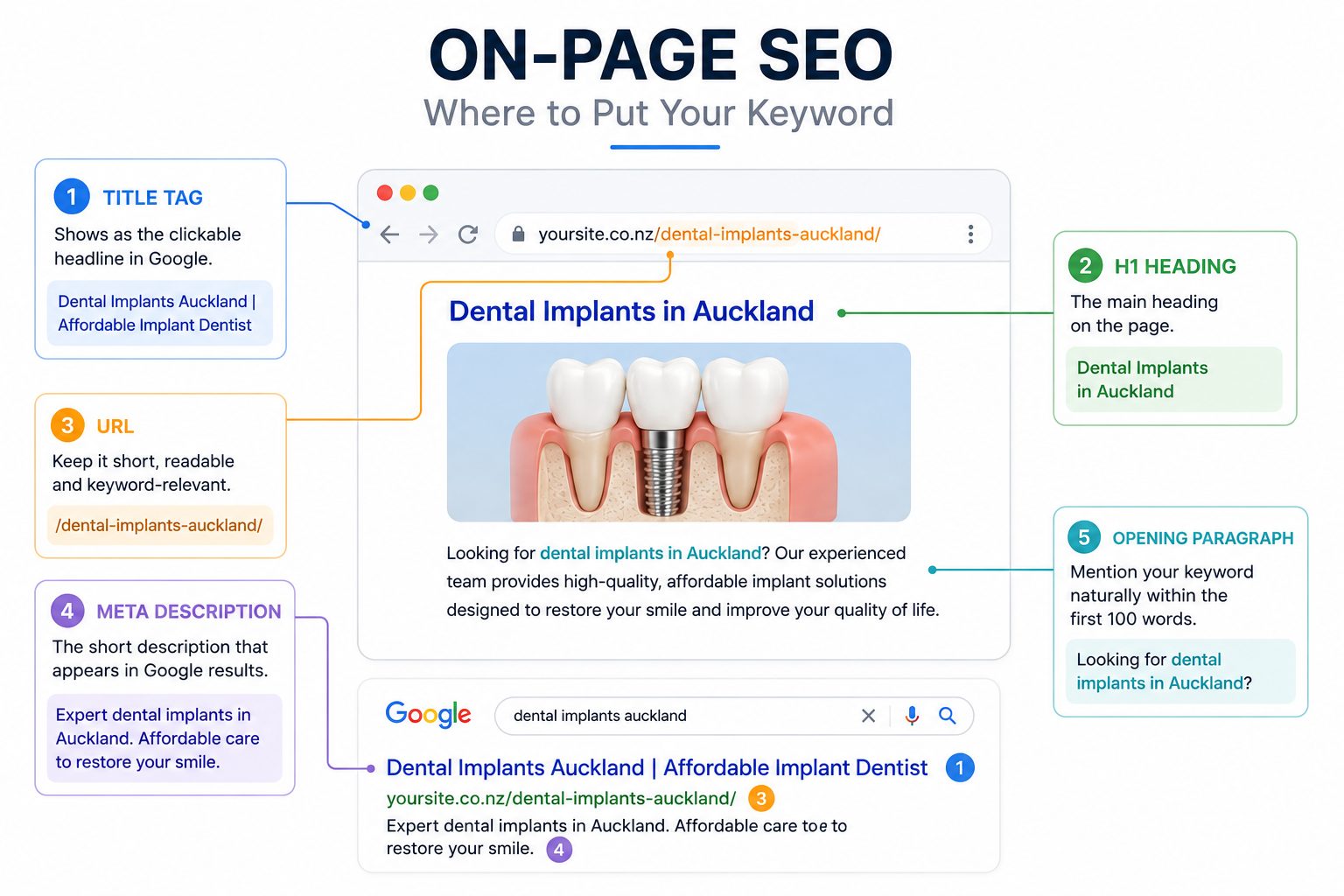
Put your primary keyword in the places that carry the most weight: the title tag, the H1, the URL, and the opening paragraph.
For a Lower Hutt plumber that’s:
- Title tag: Lower Hutt Plumber | Fast, Reliable Plumbing
- H1: Lower Hutt Plumber You Can Trust
- URL: /lower-hutt-plumber/
Then structure the page with clear H2s and H3s, write a meta title and description that earn the click, and add descriptive alt text to your images.
This is all on-page SEO, and you can do a full page in under 10 minutes.
One warning: keep it natural.
Don’t jam the keyword in ten times.
Modern Google reads context, so variations like “plumbing services in Lower Hutt” and “local plumber” do the job without making the page read like a robot wrote it.
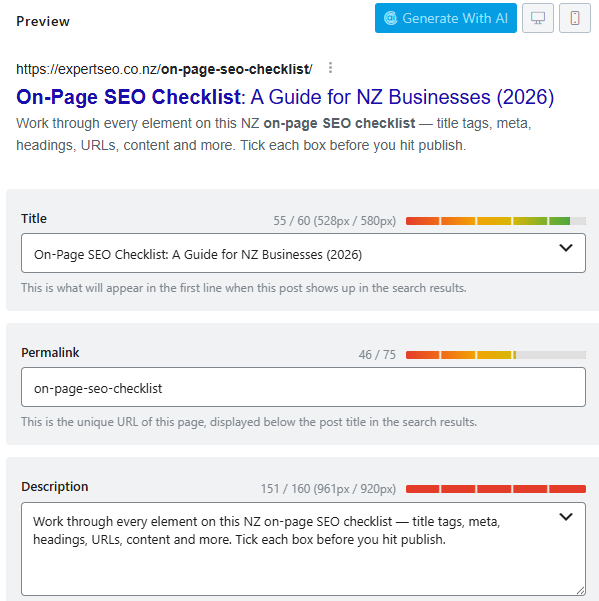
If you’re on WordPress, Rank Math walks you through all of this and scores the page out of 100 — aim for 80-plus and move on.
Step 4: Make your content genuinely better than what’s ranking
This is the biggest lever you have.
Before you publish anything, search your target keyword and study the top results.
Your job isn’t to match them — it’s to make something clearly more useful.
Better doesn’t mean longer. It means clearer, more specific, and more trustworthy.
You beat what’s ranking by:
- explaining things more simply than they do
- adding real examples (NZ scenarios, not generic ones)
- including proof — reviews, photos, results, screenshots
- answering the related questions they ignored
- making it easier to read and act on
This is exactly how I grew HealthVI from nothing to over 1,000 daily visitors in under a year — not with tricks, but by making each page the best answer to its search.
Once you’ve got a strong core page, build supporting content marketing around it and link it together.
That’s how you build topical authority, where Google starts to see your whole site as a credible source on a subject rather than a one-off page.
It pays off because search is still where the demand is.
53% of all website traffic comes from organic search, and the top three results pull in over half of all clicks — while page two gets less than 1%.
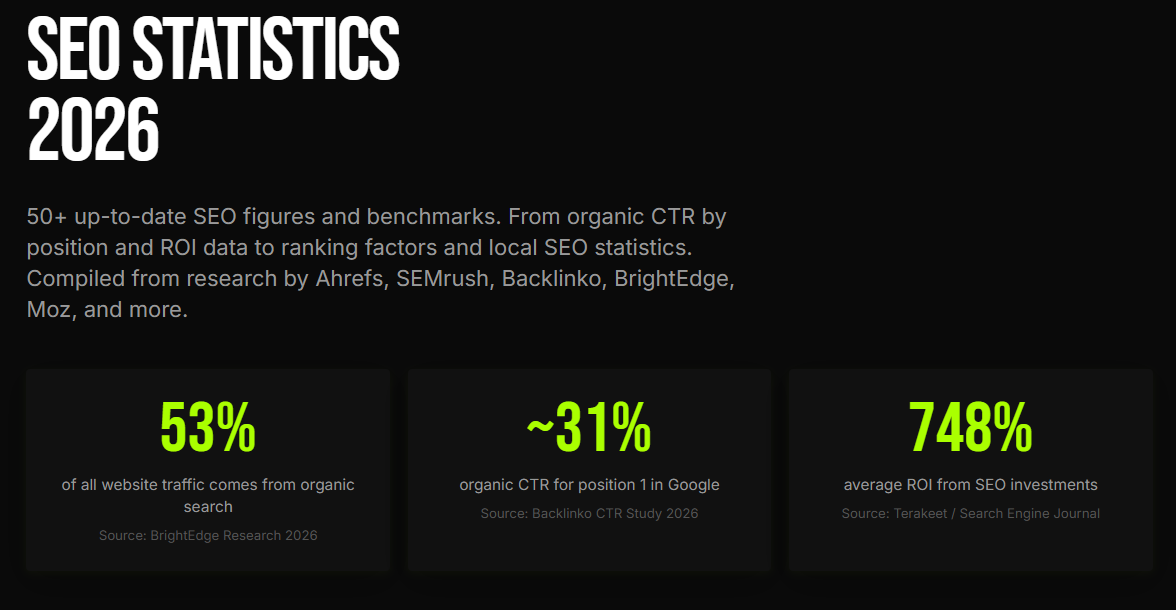
The gap between ranking and not ranking is enormous, and content quality is what closes it.
Step 5: Fix the technical issues holding you back
Technical SEO is making sure your site is fast, mobile-friendly, and easy for Google to crawl.
Think of it as checking under the hood — great content still underperforms if the site it sits on is slow or broken.
You don’t need to fix everything. Focus on what actually affects rankings and conversions:
- Speed. Test key pages in PageSpeed Insights, then compress images and enable caching (WP Rocket if you’re on WordPress). Speed isn’t a vanity metric — 53% of mobile visitors leave a page that takes longer than three seconds to load, and bounce probability jumps 32% as load time goes from one to three seconds.
- Mobile. Google indexes the mobile version of your site first, and around 61% of organic search visits come from mobile. Open your site on your phone and fix anything that’s hard to read or tap.
- Crawlability. Fix broken links (404s), keep URLs clean, and run a quick site audit in SEMrush to catch the big errors.
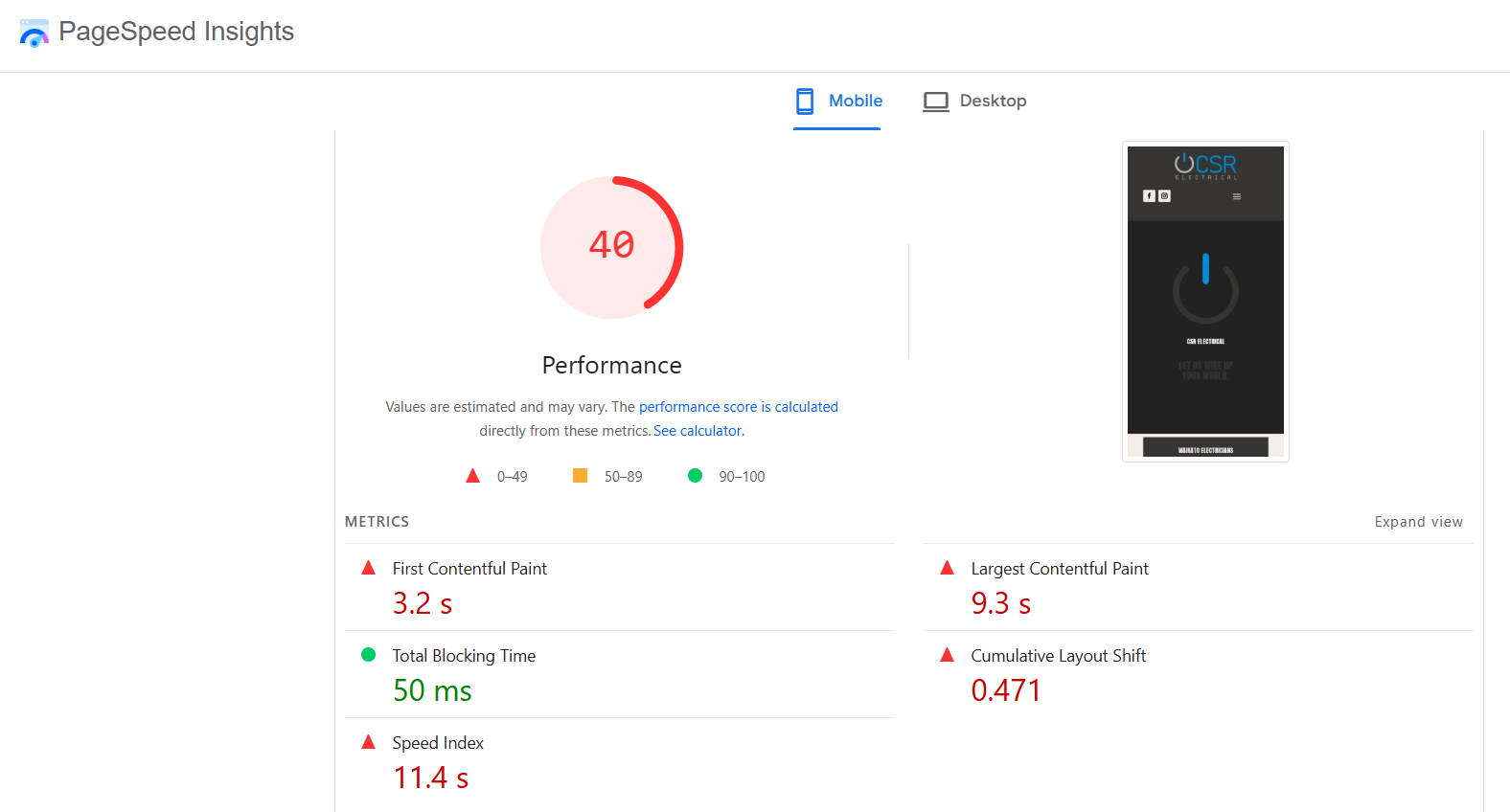
Sort the technical side of SEO once, properly, then leave it alone unless something breaks.
It’s a foundation, not a daily task.
Step 6: Build authority with backlinks
Backlinks are links from other websites pointing to yours, and they’re one of the strongest signals Google uses to decide what to rank.
Each quality link works like a vote of confidence — the more credible sites that link to you, the more Google trusts you.
I’ll be honest about this one: good backlinks are the hardest part of SEO and they take real effort.
There’s no shortcut worth taking. The approaches that actually work:
- Create something link-worthy — a genuinely useful guide, a local resource, or original data people want to reference.
- Get listed on relevant NZ directories and industry associations.
- Build local partnerships — sponsor an event, collaborate with another business, get a mention from a supplier.
- Do outreach — find relevant sites and pitch them a reason to link to you, including guest posts.
Avoid buying cheap links. A pile of spammy backlinks can do more harm than good.
When it comes to earning links, relevance and quality beat volume every time — one link from a respected NZ site is worth more than fifty from link farms.
Step 7: If you’re a local NZ business, do local SEO
Local SEO helps you show up when someone searches for a business in your area — the map pack you see for “plumber near me” or “dentist Auckland.”
For any business serving a specific region, this is often where most of your customers come from.
Three things drive it:
- Your Google Business Profile. Claim it and fill in everything — exact business name, address, phone, hours, website, and the most accurate category. This is what gets you into the map pack.
- Reviews. Ask every happy customer, with one clear Google review link and one follow-up. Reviews are one of the biggest local ranking factors, and they convert people once they find you.
- Location pages. If you serve multiple areas, build a genuine page for each — not duplicated suburb-swapped pages. Explain the service and why someone in that area should choose you.

If local search is your bread and butter, our guide to ranking in your area goes deeper on each of these.
How to improve your SEO for AI search
This is the part almost nobody ranking for this keyword has caught up on yet — and it’s the fastest-growing shift in search.
People aren’t just clicking blue links anymore. They’re getting answers straight from Google’s AI Overviews and tools like ChatGPT.
The numbers are hard to ignore.
Google’s AI Overviews now reach around 2.5 billion users every month, and ChatGPT serves roughly 800 million weekly users.
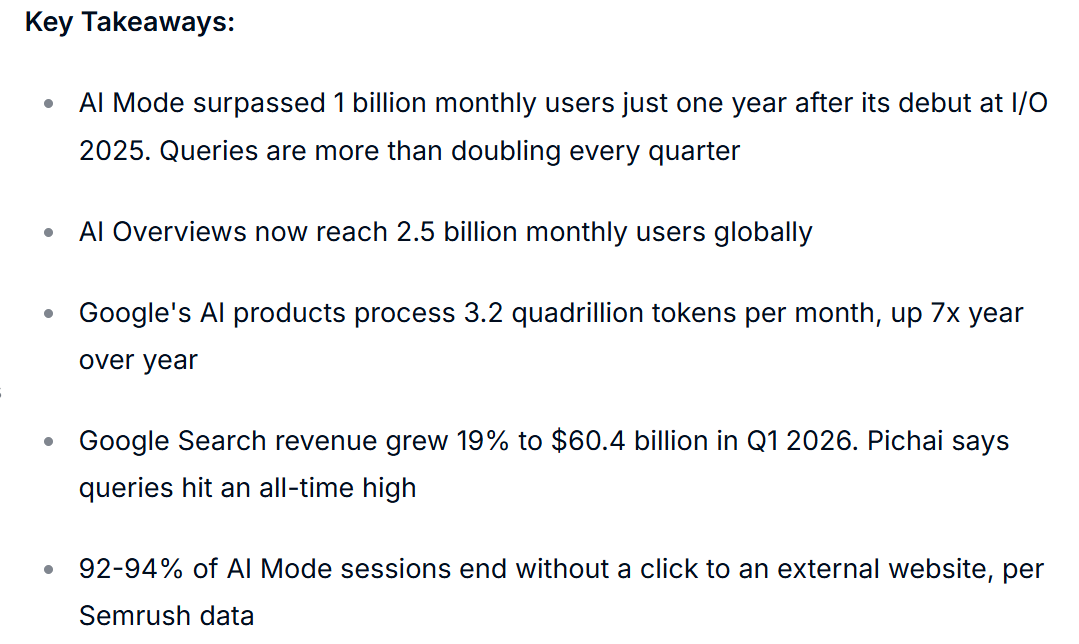
More importantly, a large share of those searches end without a click to any website — so if your business isn’t inside the AI answer, you’re invisible for that search.
The good news: getting cited by AI is mostly just SEO done well, with a sharper focus on clarity. To improve your chances:
- Answer questions directly. Start a section with the question, then give a clear one or two-sentence answer before expanding. AI tools extract these.
- Use clean structure — proper headings, short paragraphs, and tables where they help. Messy content is hard to extract from.
- Build topical authority and trust — depth across a topic, plus reviews and links, is what makes AI tools treat you as a reliable source.
I know this works because NZ SEO agency put it into practice on our own site.
Expert SEO is only about six months old and competing against agencies with up to ten years of authority, yet it’s already being cited in Google AI Overviews and ChatGPT responses.

That’s not luck — it’s ranking in AI search by getting the fundamentals right and structuring content to be quoted.
So no — SEO isn’t dead. It’s expanding to more places. The businesses that adapt early get cited while everyone else is still arguing about whether AI killed search.
The mistakes that actively hurt your rankings
Some SEO mistakes don’t just waste time — they actively drag your site down. Avoid these:
- Keyword stuffing. Repeating your keyword unnaturally makes pages worse and can hurt you. Write for humans.
- Buying cheap backlinks. A flood of spammy links can trigger penalties. Slow and clean beats fast and risky.
- Thin, duplicated location pages. Swapping the suburb name on the same page ten times signals low quality. Make each one genuinely useful.
- Chasing the wrong intent. Building a blog post for a commercial keyword (or vice versa) means it never ranks, regardless of quality.
- Quitting too early. This is the most expensive mistake of all — and it leads straight into the next section.
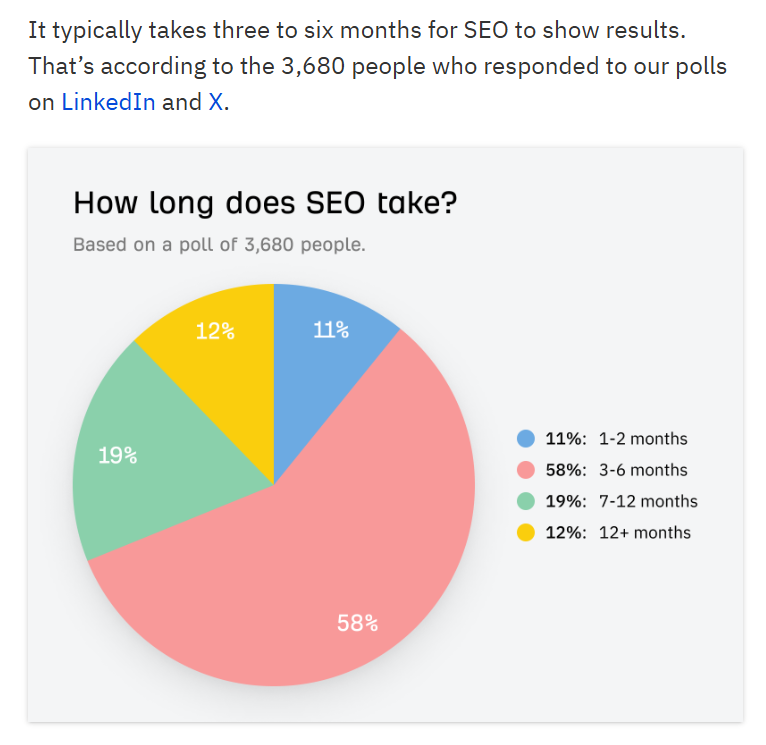
How long does it take to see results?
SEO is a long game, and anyone promising overnight results is selling something. How fast you see movement depends on how competitive your industry is and how well you execute.
A realistic NZ timeline:
- Local SEO: early improvements around the three-month mark, real momentum by six months.
- National/competitive SEO: six months minimum to start seeing meaningful traction, with the best results often after twelve.
Here’s the thing nobody warns you about: your first three months usually look like nothing is happening.
On a newer site, focus on impressions in Search Console rather than clicks. If impressions are climbing, Google is starting to show you more — and clicks follow.
SEO compounds, so every page, link and fix stacks on the last.
The people who lose are almost always the ones who quit right before it starts working.
If you want the full breakdown, we’ve covered how long SEO takes in detail.
Should you do it yourself or hire an expert?
You’ve now got the full process. From here you’ve got two paths.
Do it yourself. Follow these steps in order, stay consistent, and you can absolutely get results. Expect a learning curve and a fair bit of trial and error along the way.
Get help. If you’d rather have it done properly and faster, that’s where our SEO services come in — strategy, execution, and ongoing optimisation without you having to learn it all yourself.
We help businesses right across New Zealand, including:
If you’re keen to DIY, work through this guide properly.
If you’d rather get ahead while your competitors are still guessing, that’s where we come in.
