

You ask three people to quote you for a website.
The first talks about “design.” The second talks about “development.” The third says they’ll “build” it.
Same project, three different words, and not one of them stops to explain what any of it actually means.
So you nod along, pick whoever seemed friendliest, and hope you didn’t just pay for the wrong thing.
Web design and web development get used like they mean the same thing.
They don’t. And once you understand the difference, a bigger question shows up — the one that actually decides whether your website makes you money or just sits there looking nice.
Let me walk you through both, in plain English, with real New Zealand examples. Then I’ll tell you the part almost nobody selling you a website will.
Web Design vs Web Development: The Short Answer
Web design is how a website looks and feels.
Web development is how it’s built and made to work.
Design is the plan and the look; development turns that plan into a living website you can actually use.
Think of design as deciding what the house should look like and how you’ll move through it.
Development is the building work that makes it stand up. One without the other gives you either a pretty picture you can’t use, or a working site nobody wants to look at.
That’s the clean version. It’s also where most articles stop — and stopping there leaves out the thing that matters most to you as a business owner. Hold that thought.
What Is Web Design?
Web design is the work of deciding how a website looks, feels, and guides someone from landing on the page to taking action.
Layout, colours, fonts, images, spacing, and the path a visitor follows — that’s all design.
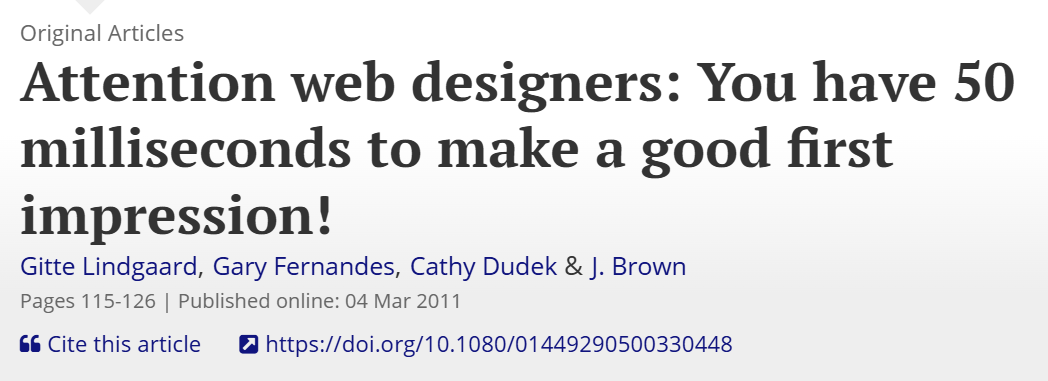
Here’s why it matters more than “making it pretty.” A visitor decides whether your site looks trustworthy in about 50 milliseconds — faster than they can read a single word.
That snap judgement decides whether they stay or hit the back button. Good design earns that half-second.
A web designer’s job pulls together the core elements of web design:
- Layout and visual hierarchy — what the eye sees first, second, third.
- Colours, fonts, and imagery — the look that matches your brand and builds trust.
- User experience (UX) — the path from “just landed” to “made an enquiry,” with nothing in the way.
- Wireframes and mockups — the blueprint of each page before anything gets built.
The tools live in this world too: Figma, Adobe XD, Photoshop, Canva. A designer usually hands over a mockup — a picture of the finished page — before a single line of code exists.

Picture a café in Hamilton getting a new site. The designer decides the first thing you see is a warm photo of the fit-out and a big “Book a table” button, not a wall of text about the history of espresso.
That single choice — button up top, photo that makes you hungry — is design doing its job: turning a scroller into a booking. Nailing that for a local café is exactly what website design in Hamilton is for.
What Is Web Development?
Web development is the coding that turns a design into a working website. The structure, the buttons that actually click, the forms that actually send, the speed, the bits that have to function — that’s development.
A designer hands over a beautiful picture of a page.
A developer makes that picture real: they write the code so the menu opens, the contact form lands in your inbox, the page loads fast, and the whole thing works on a phone as well as a laptop.
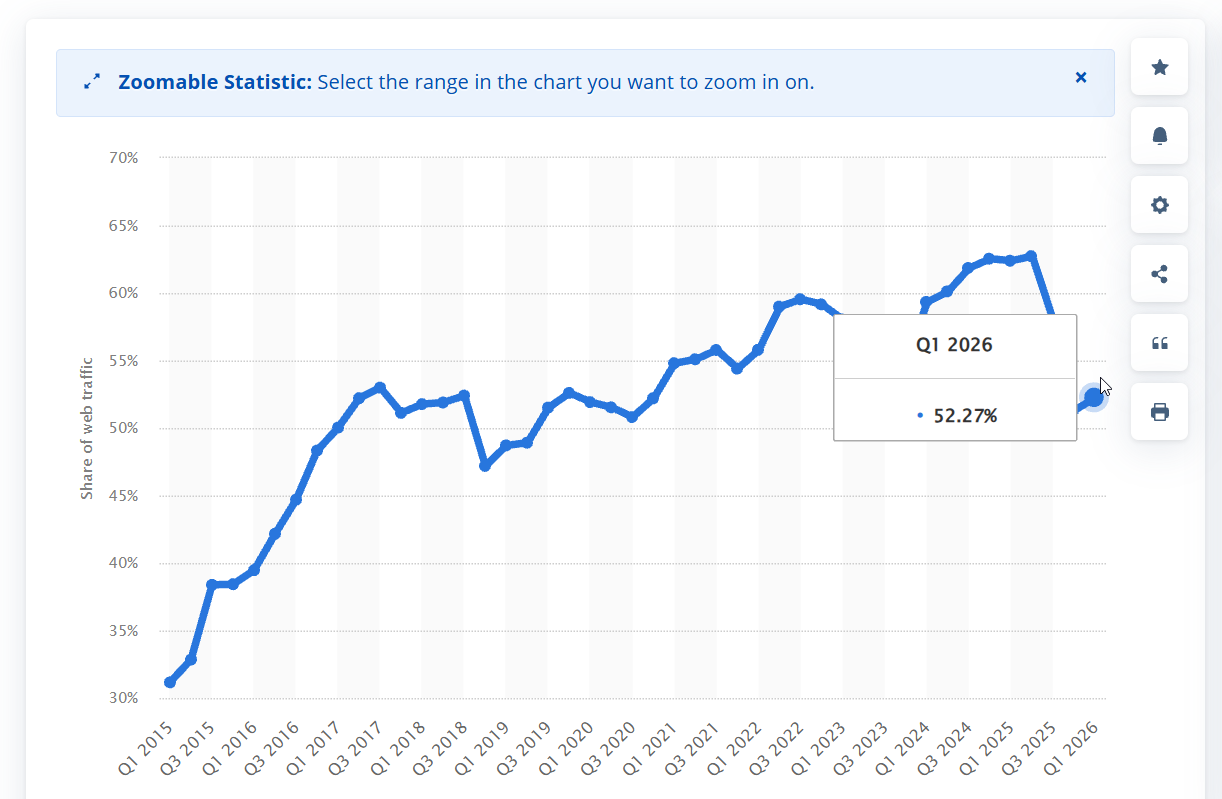
That “works on a phone” part isn’t a nice-to-have. More than half of all web traffic now comes from mobile, so most of your customers are meeting your site on a screen the size of their hand.
And speed is money: Google’s research shows the chance a mobile visitor gives up and leaves climbs sharply the longer a page takes to load.
A slow, clunky build quietly bleeds customers before they ever see what you offer.
Development usually splits into two halves:
- Front-end — everything you see and click. Built with HTML, CSS, and JavaScript.
- Back-end — the engine room behind the scenes: servers, databases, the logic that makes things happen. Built with languages like PHP, Python, or Ruby.
Take an Auckland builder who wants customers to request a quote from a job site, one-handed, in the rain.
The “request a quote” form has to load fast on patchy mobile data, send cleanly to the right inbox, and not lose what someone typed.
That’s all development. Get it wrong and every lead the design attracted leaks straight out the bottom — which is exactly the kind of gap that hurts SEO for builders and trades whose whole pipeline runs through that one form.
The Real Difference (And Where the House Analogy Breaks Down)
The popular way to explain it: design is the architect’s plans and the interior styling; development is the builder, the wiring, and the plumbing. It’s a good analogy.
Here’s the difference laid out simply:
| Web Design | Web Development | |
|---|---|---|
| Focus | How it looks and feels | How it’s built and works |
| Output | Mockups, wireframes, the visual look | A live, functioning website |
| Main skills | Layout, colour, UX, branding | Coding, logic, performance |
| Typical tools | Figma, Adobe XD, Photoshop | HTML, CSS, JavaScript, PHP |
| The question it answers | “Does this make people want to act?” | “Does this actually work?” |
Here’s where the analogy quietly lies to you, though. It makes it sound like once the house is built, you’re done.
You’ve got your plans, you’ve got your build, the house is finished — job’s over.
Except a finished house on a road nobody drives down still has nobody knocking on the door.
That’s the gap. Design and development, together, give you a website. They don’t give you a single customer.
For that, there’s a third job — and it’s the one most New Zealand businesses pay nothing for, then wonder why the phone stays quiet. More on that shortly. First, the jargon you’ll hear thrown around.
Front-End, Back-End, Full-Stack: The Jargon, Cleared Up
These three words come up the second you start talking to anyone technical. In plain English:
- Front-end is everything you see and click — the shopfront.
- Back-end is the engine room behind it — the factory floor where the work actually happens.
- Full-stack is one person who can do both.
Why this matters when you’re hiring: a small NZ business often wants one capable person who covers the lot, not a team of specialists.
A full-stack developer who also has a designer’s eye can take you from idea to live site on their own.
For a five-page site for a local trade or service business, that’s usually all you need — you don’t need a separate front-end specialist, a back-end specialist, and a designer all sending each other emails.
Bigger, more complex builds are where the roles split apart and specialists earn their keep. A simple brochure site rarely needs that.
Where Web Design and Web Development Overlap
On a typical small NZ business site, design and development happen in the same place — and the same person often handles both. The line between them has blurred on purpose, and that’s mostly good news for you.
The reason is the rise of content management systems. A platform like WordPress (or Shopify, if you’re selling) lets someone design and build a site without coding every element from scratch.
The designer’s layout and the developer’s functionality come together in one tool. That makes a professional site faster and cheaper than it was a decade ago.
Where it bites: a site thrown together on a cheap template or a locked-down builder can look fine on day one and then trap you later — slow, hard to change, and difficult to optimise when you finally want to rank.
A WordPress site built properly stays flexible, which is part of why SEO on WordPress tends to be smoother than fighting a rigid platform down the track.
So the “design versus development” line is real, but for a typical small business it’s often the same team wearing both hats. Which brings us to the part that actually decides whether any of this pays off.
The Third Job Nobody Mentions: Getting Found
Design makes people trust your site. Development makes it work. But neither one brings a single person to it.
Getting found is a separate job — and it’s the leg almost every business skips, then blames the website when nothing happens.
Here’s the number that should stop you in your tracks.
Ahrefs studied around 14 billion web pages and found that 96.55% of them get zero traffic from Google. Not low traffic. Zero. The vast majority of websites ever built are, functionally, invisible.

So you can pay for gorgeous design. You can pay for flawless development. And you can still end up in that 96.55% — a beautiful, perfectly built site that no one ever sees.
The “beautiful site, zero traffic” trap
This is the most expensive mistake I see NZ business owners make. They drop five grand on a stunning new site, launch it, and wait for the leads. Nothing comes.
The site is fine — it looks great, it works great — but no one’s typing in the exact web address, and Google has no reason to show it to anyone searching.
If you’re not sure what SEO is, it’s the work of getting your site to actually show up when people search for what you sell.
It’s the third leg of the stool. Skip it, and the first two legs were money spent on something nobody finds.
I’ve watched this play out from the other side.
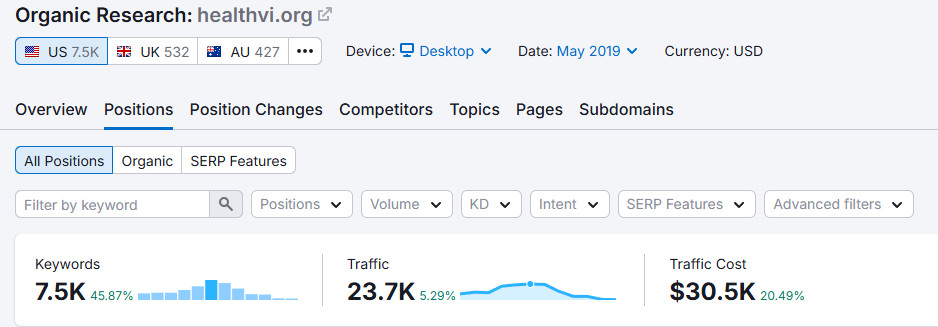
A health website I built with my mentor and former business partner Ian Pribyl, HealthVI, went from zero to over 20,000 visitors a month — not because it was prettier than everyone else’s, but because it was built to be found and then actually optimised to rank.
Same lesson with my own site. Our SEO company is on a domain less than a year old, and it’s already outranking New Zealand agencies that have had a decade’s head start.
Not because the build is fancier — because we did the third job they forgot.

The order it actually happens in
Design, build, get found. That’s the order, and skipping the last step wastes the first two.
Think of it like opening a shop. Design is the fit-out and the window display. Development is the building itself — the walls, the doors, the till that works.
Getting found is putting the shop on a busy street with a sign people can read. You can have the best-looking shop in the country, but if it’s down a back alley with no signage, you’re serving nobody.
That “busy street” is search. It’s the same work that drives SEO in Auckland, the most contested market in the country, where depth and relevance beat raw budget.
And it’s the step that turns a website from a cost into something that brings in more visitors every month instead of just sitting there.
Design and development build the shop. SEO is what gets people through the door.
So Which Do You Actually Need?
You probably don’t need to choose between a designer and a developer at all.
What you need is someone — one person or one team — who covers design, build, and getting found. The better question is what your particular situation calls for.
Here’s a simple way to read it:
- New business, simple site, tight budget — A well-built site on a CMS, or even a tidy website builder to start. You mostly need design sense and a clean build. Don’t overpay for custom development you won’t use.
- Established business where leads matter — Design, development, and SEO from the start, pulling in the same direction. This is where most service businesses live, and where cutting the SEO leg costs you the most.
- Selling products online — Development-heavy (the store has to handle payments, stock, and shipping) plus serious SEO so people find your products. An online store being built in Christchurch needs both legs strong: solid web design in Christchurch for the storefront, and the SEO to get the products found.
- Custom functionality — bookings, portals, calculators — Developer-led. The look matters, but the build is the hard part, so weight your money there.
- A professional firm in a competitive field — A law firm, for instance, lives and dies on local relevance and trust, so the win comes from the way SEO for lawyers works — depth and authority — far more than from a flashier homepage.
The thread running through all of these: design and development are table stakes. The thing that separates a website that earns from one that just exists is whether anyone planned for it to get found.
Can’t I Just Use Wix or Squarespace and Skip Both?
You can build a decent site yourself on Wix or Squarespace — but you’re trading control, performance, and long-term ranking headroom for speed and a low upfront cost. Sometimes that’s the right trade. Often it isn’t.
When a builder makes sense: you’re early, you’re testing an idea, your budget’s tight, and you need something live this week.
A clean Squarespace site beats no site, and it beats a half-finished custom build that never launches.
Where it costs you later: builders tend to be slower, harder to customise, and limited when you finally want to compete in search.
Plenty of NZ businesses outgrow their template within a year or two, then pay to rebuild — so the “cheap” option ends up being the expensive one once you add the migration and the lost time.
The honest middle ground: if the website is just a digital business card, a builder’s fine.
If it’s meant to bring in real business, you’ll want a build that can actually be optimised — because a site you can’t improve is a ceiling you’ll hit fast.
Will AI Replace Web Designers and Developers?
AI can spit out a layout or a block of code in seconds.
What it can’t do is decide what your business actually needs, work out why a customer hesitates on the pricing page, or build a site that gets found and turns visitors into enquiries.
It’s a tool, not a replacement — and right now it’s making the “getting found” job more important, not less.
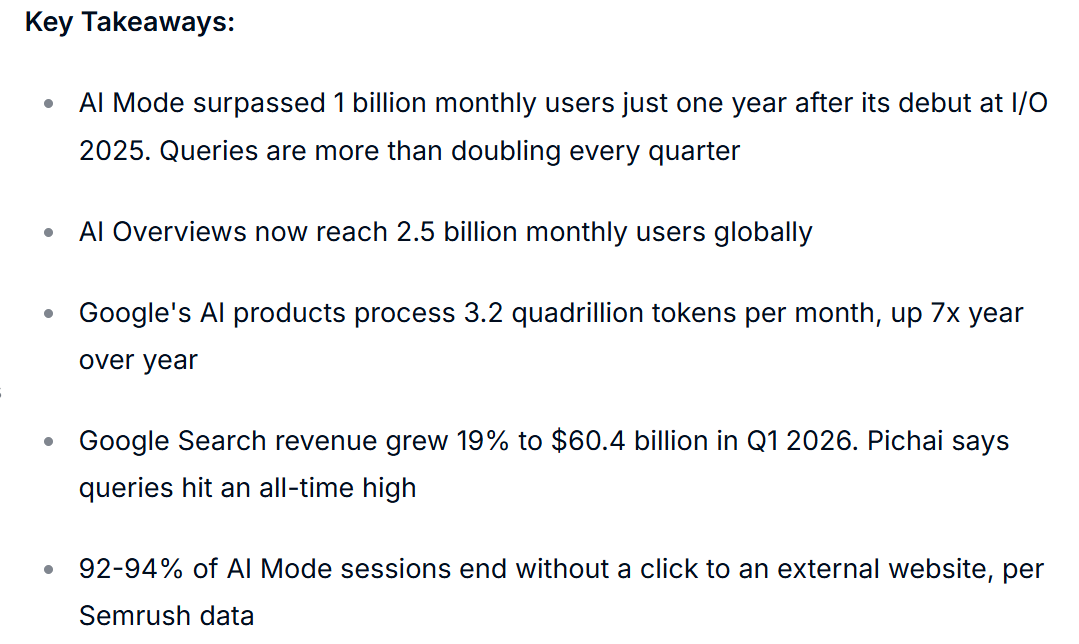
Here’s why. Search itself is changing. Google’s AI Overviews — those AI summaries sitting above the normal results — already reach over 2.5 billion people a month.
More and more, customers get an answer without clicking anything. So the game shifts from “rank on the page” to “be the source the AI quotes” — which is the whole point of ranking in AI search.
AI speeds up the grunt work — a first draft of a layout, a starting block of code, a quick mock-up. The judgement, the strategy, and the bit where someone makes sure the thing actually wins you business? Still human.
For the decade I’ve been doing this, the tools have kept changing and the fundamentals haven’t: a site has to look trustworthy, work properly, and get found. AI just changes how fast you get there, not whether you still need to.
What a Website Actually Costs (and Takes) in New Zealand
A professional small-business website in New Zealand usually lands somewhere around $4,000 to $9,000, and most builds take roughly four to eight weeks. The bigger question is what you budget for after launch to get the thing found.
What moves the price:
- Template vs custom — a tidy template build sits at the lower end; fully custom design and development sits higher.
- Ecommerce — selling online adds payment, stock, and shipping complexity, which pushes cost up.
- Functionality — bookings, member areas, integrations and calculators all add developer time.
And the cost almost everyone forgets: the ongoing work to get found. A website is a business asset, not a one-off purchase — it needs feeding to keep performing.
If you want to budget that properly, here’s a breakdown of what SEO costs in NZ. The site is the start of the job, not the end of it.
Doing It Yourself vs Hiring a Pro
If you’ve got time on your hands and you only need a simple site, doing it yourself can absolutely work.
A tidy builder site, a clear message, your contact details front and centre — for a brand-new operation, that’s a fine start, and I’d rather see you launch something than wait two years for perfect.
Where DIY costs you is when the website is meant to bring in real business. The design, the build, and the SEO all have to pull in the same direction, and that’s hard to do when you’ve stitched together a builder template, a mate who “knows a bit of code,” and no plan for getting found.
Three half-jobs don’t add up to one website that works.
That’s where a generalist who handles all three legs earns their money — and usually costs less than hiring three separate people and managing them yourself.
If you’d rather map out the plan first, that’s what SEO consulting is for; if you’d rather hand the whole job off, that’s professional SEO help.
And if you already have a site that isn’t pulling its weight, an SEO audit will show you exactly what’s holding it back before you spend a dollar on a rebuild.
Our whole approach is built around the three legs together: design a website that’s made to bring in business, build it properly, then do the work to get it found. That’s the bit most people miss — and it’s exactly where we come in.
Web Design vs Web Development: FAQ
Do I need a web designer or a web developer for my business?
If you run a typical small NZ business, you need someone who covers both — design and development — plus a plan to get the site found. A standalone designer gives you the look; a standalone developer gives you the build; neither on its own gives you customers. One capable person or team across all three is usually the better call.
Which comes first, web design or web development?
Design comes first. You decide how the site should look and how a visitor moves through it, then development turns that plan into a working website. Getting found (SEO) should be planned alongside both from the start, not bolted on after launch.
Who gets paid more, a web designer or a web developer?
Developers generally earn more than designers, because coding skills are in higher demand and harder to replace. But pay varies widely by experience, specialisation, and location. For a business owner hiring help, the more useful question is who can deliver a site that actually brings in customers — not who earns more.
Should I learn web design or web development first?
If you enjoy visuals, layout, and how things feel, start with design. If you enjoy logic, problem-solving, and how things work, start with development. Many people learn the basics of both — a designer who understands code, or a developer with an eye for design, is far more valuable than someone stuck on one side.
Can one person do both web design and web development?
Yes. Plenty of professionals (often called full-stack developers or full-stack designers) handle both, especially on smaller sites built with tools like WordPress. For a typical small business site, one skilled person covering design and build is common and usually more efficient than splitting the work.
Recommended Reading

The day-to-day work, the skills and tools, and where the designer's job ends.

The 12 building blocks of a site, and which ones get you found and win the sale.

The rules that turn a good-looking site into one that actually wins customers.