

You’ve probably been told SEO will grow your business.
You’ve probably also wondered if that’s true, or just the pitch.
Fair enough. Every “SEO grows your business” article online says the same thing: more traffic, more leads, more sales. Then it lists ten benefits and never shows you a single real result behind any of them.
This one’s different, and I’ll prove it as we go.
I’ve taken a health site from zero to over 20,000 visitors a month.
I’ve built an SEO company that’s under a year old and already outranking agencies that have been at it for a decade.
I get strangers emailing me for help most weeks because of where my site ranks.
So instead of a list of promises, you’re getting a breakdown of how SEO actually grows a business, what that growth looks like with real numbers, and a plain-English plan to do it yourself.
Let’s get into it.
What Is SEO?
SEO (search engine optimisation) is the work of getting your website to show up on Google when people search for what you sell, without paying for the click.
When someone types “electrician Hamilton” or “mortgage broker near me” into Google, there’s a running list of results.

SEO is what gets you higher up that list. The higher you sit, the more of those people land on your site instead of a competitor’s.
Paid ads buy you a spot at the top for as long as you keep paying.
SEO earns you that spot and keeps it. That’s the core of it, and it’s enough to see how it grows a business.
How SEO Grows a Business
SEO grows a business by putting you in front of people at the exact moment they’re searching to buy, then turning that visibility into traffic, leads, and sales.
Here’s the chain, start to finish.
Someone in Auckland has a burst pipe. They grab their phone and search “emergency plumber Auckland.” Google shows them a list. They tap one of the top few results, land on that plumber’s site, and call the number.
That plumber just won a job they never chased. The customer came to them. For a tradie fighting for SEO in Auckland, where the competition’s fierce, that’s the whole game.
Play that out across hundreds of searches a month and you’ve got a steady stream of buyer-ready leads landing in your inbox while you sleep.
That’s the growth. Not “brand awareness” or “engagement.” Actual enquiries from people ready to spend.
And here’s the part that makes it powerful: those people are reaching out to you.
You’re not cold-calling, not chasing, not interrupting anyone’s Instagram feed. They have the problem, they search, they find you, they make contact.
I can show you exactly what that looks like, because it happens to me.
I rank number one in New Zealand for “SEO Dunedin.”
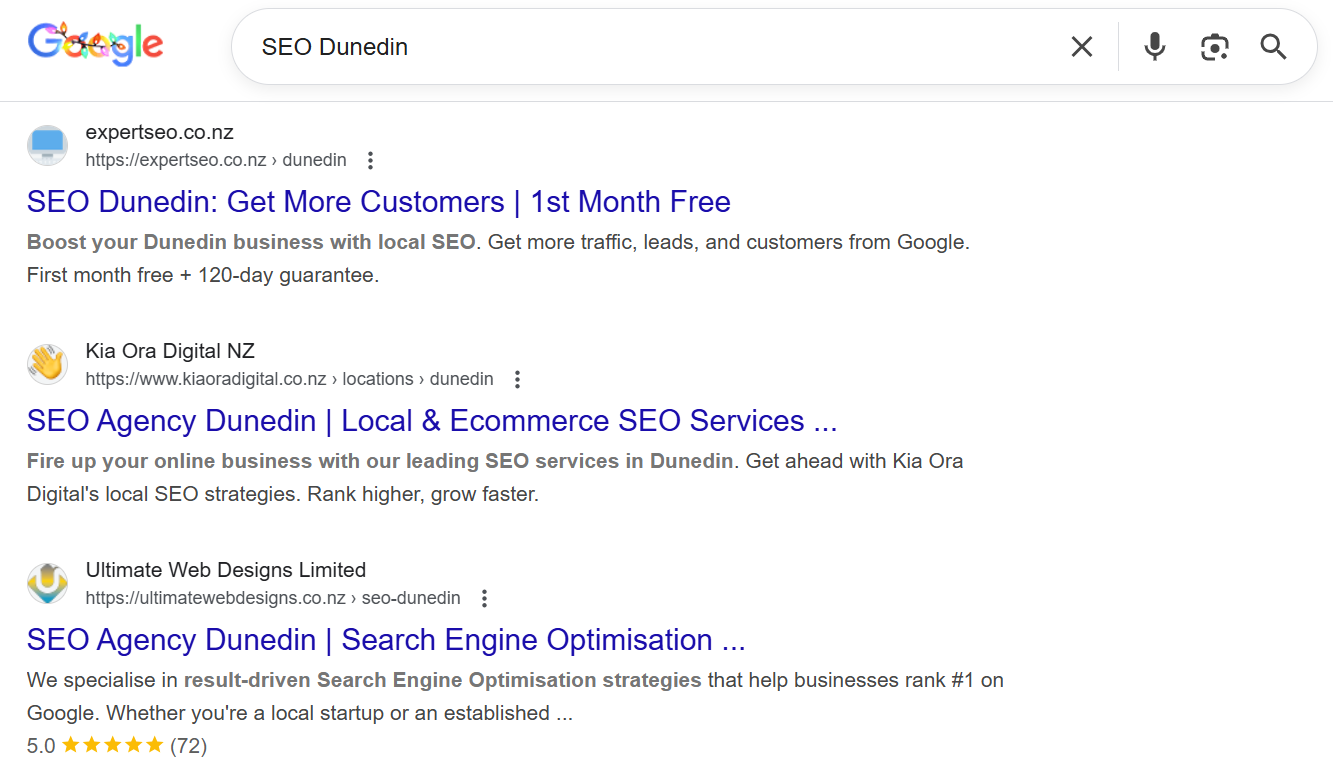
Because of that ranking, an agency found me and emailed asking if I’d take over SEO for a client of theirs in Dunedin while they were away.
A paying client, delivered to my inbox, because a page of mine sat at the top of Google.
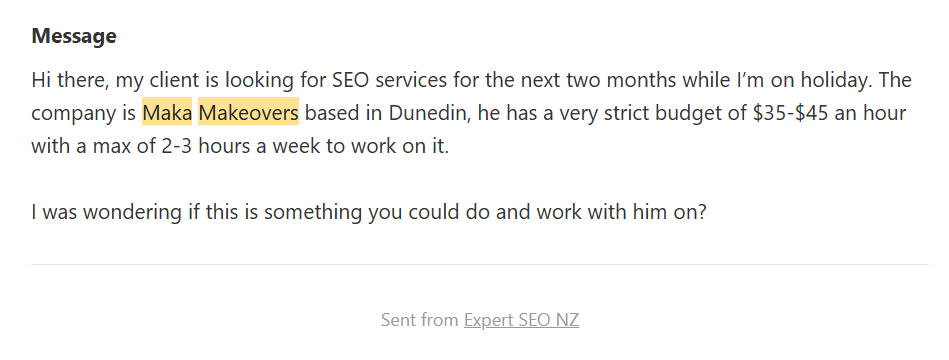
And it’s not a one-off. I get messages like this regularly, people I’ve never met, reaching out for SEO help because they found me the same way.

That’s the whole model in a nutshell. SEO puts you in front of your market, then flips who’s chasing who. They come to you.
Business I’ve Grown With SEO
The best proof SEO grows a business is a business it’s grown.
Here are three of mine:
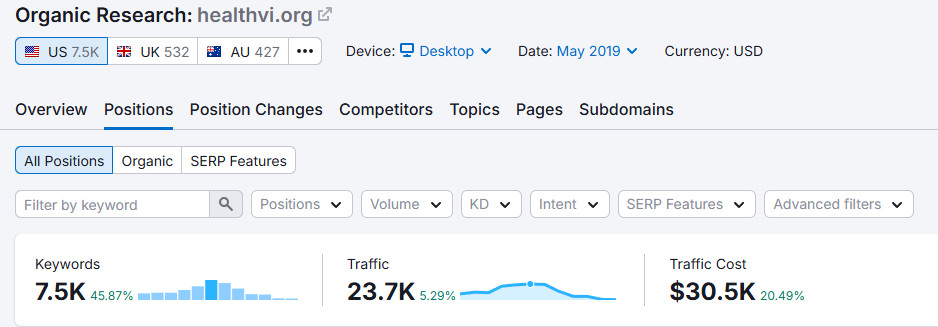
HealthVI: 0 to 20,000+ Visitors a Month
In 2017 I started this project with my former business partner and SEO mentor, Ian Pribyl.
We took it from zero to over 20,000 organic visitors a month, purely through SEO. No ad spend — just content and rankings compounding month after month.
Expert SEO: Number One in NZ in Under a Year
My own SEO company is under a year old. It’s up against New Zealand agencies that have been building their sites and authority for ten years.
Despite that, it ranks number one in NZ for competitive terms like “local SEO,” sitting above the likes of Ahrefs and Semrush.

StoppingScams: 5,000+ Visitors a Day
Another site I grew to over 5,000 visitors a day (that even got us into a bitta legal trouble at times, but that’s a story for another day).

Three different sites. Three different niches. Same process, same result: traffic that compounds into a business asset.
That’s the thing no benefits list can show you. Growth here is a track record, not a promise.
Why SEO Beats Other Marketing Channels
SEO wins on three things at once: intent, close rate, and compounding return. Very few channels stack all three.
It Captures Buying Intent
When someone searches, they’re already in problem-solving mode.
They want the thing. An ad interrupts someone scrolling for a laugh; a search result meets someone who’s actively hunting. That difference in mindset is why search traffic converts so much harder.
It Closes at a Higher Rate
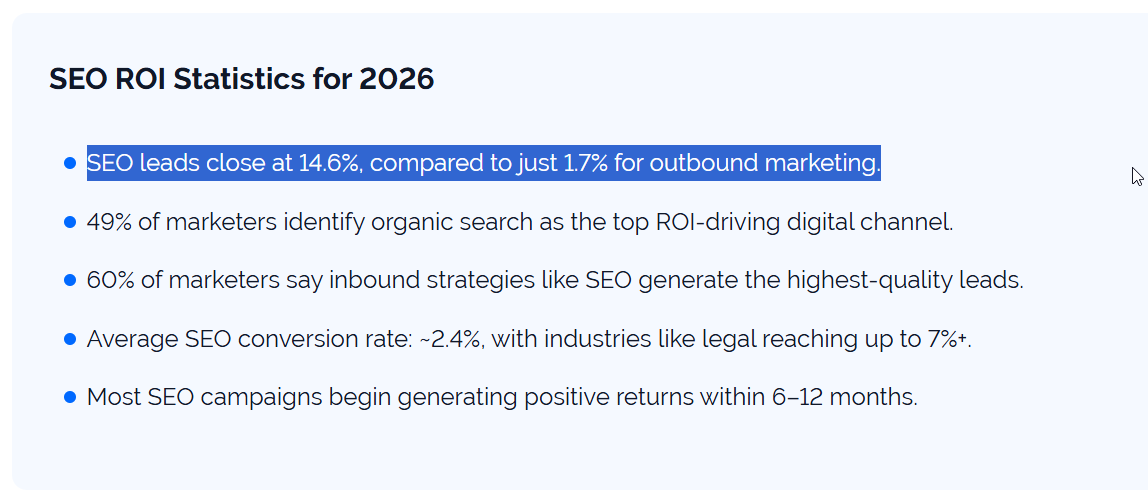
Inbound leads from search close far better than cold outreach. SEO leads close at around 14.6%, against 1.7% for outbound methods like cold calling — close to ten times higher.
And the top of the page takes the lion’s share: the number one organic result pulls around 27.6% of all clicks, with the top three splitting most of the rest.
Page two may as well not exist. Ranking well is the difference between a full pipeline and an empty one.

It Compounds Into a Moat
This is the big one. Ads stop the day you stop paying. SEO builds an asset that keeps working.
Around 49% of marketers rate organic search as their number one ROI channel, ahead of paid, social, and email.
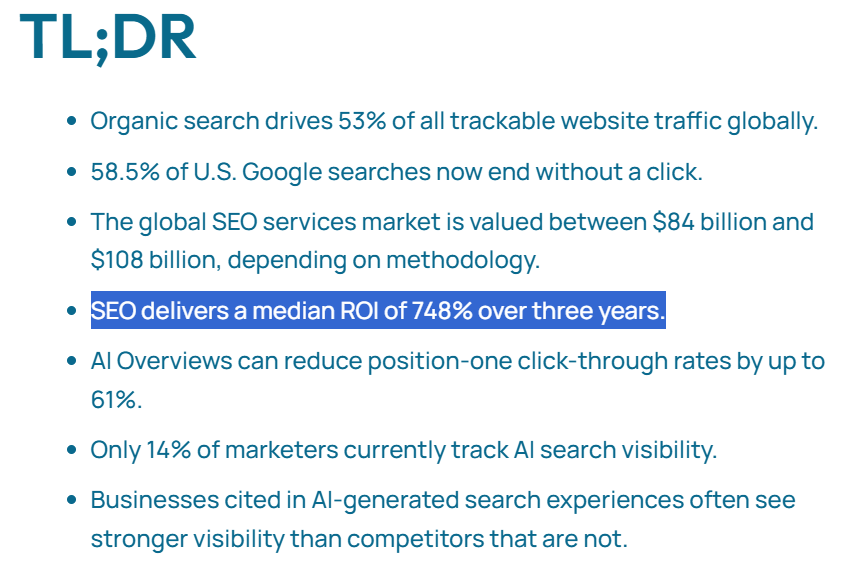
Agency data puts the average SEO return near 748% over three years, with breakeven usually landing between month seven and month thirteen.
There’s a reason for that curve. Once you rank, that ranking becomes a moat. New competitors have to out-publish and out-earn you to catch up, and you’ve got a head start that keeps growing.
StoppingScams didn’t hit 5,000 visitors a day by spending more each month. It got there because the work stacked, and the traffic kept climbing off effort I’d already put in.
That’s the real case for SEO over paid ads: ads rent attention, SEO owns it.
SEO Is New Digital Real Estate
There’s a new place your customers are looking, and it’s another spot you can own.
People don’t just Google any more. They ask ChatGPT. They read Google’s AI Overview at the top of the results before they scroll.
When they do, those AI answers name their sources, and whoever gets named gets the credit, the trust, and often the customer.
If that source is a competitor, they win the sale before you’ve even been considered.
Here’s the good news: it runs on the same SEO fundamentals.
The pages that earn rankings are the pages AI pulls from and cites. Get the SEO right and you show up in both places at once.
I know it works because it’s already happening to me. Expert SEO gets cited in Google’s AI Mode and referenced in ChatGPT answers, at under a year old, against far bigger competitors.
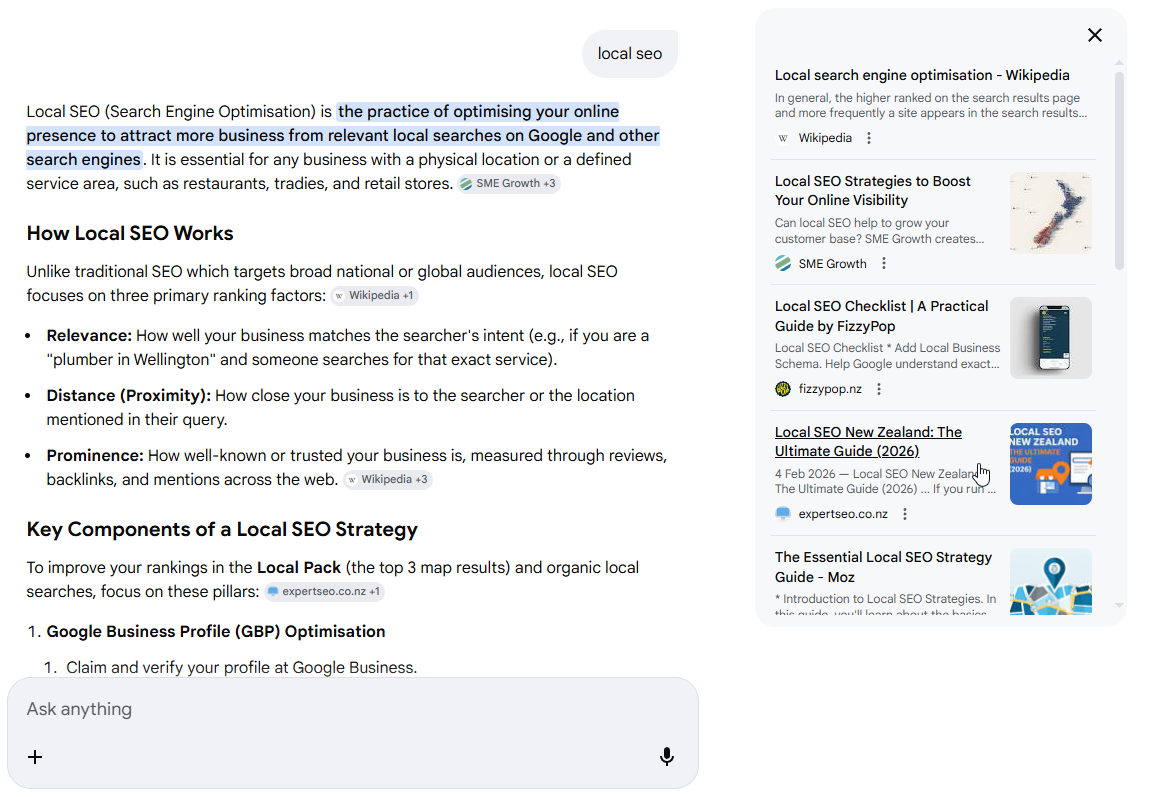
This matters more every month. AI platforms drove over 1.1 billion referral visits in a single month, a channel that barely existed two years ago.
And getting named pays off: pages cited inside Google’s AI Overviews earn around 120% more organic clicks than the ones left out.

Think of it as fresh digital real estate. The businesses claiming their spot now will own it while everyone else is still arguing about whether it’s real.
How Long Before SEO Grows Your Business
Expect early signs in the first few months and solid, compounding results from around six.
SEO is a slow build. That’s the honest answer, and it’s the one most agencies dodge.
Positive ROI typically lands between six and twelve months, with the real payoff arriving in year two and three as everything compounds.
Your first three months can look like nothing is happening. Rankings creep. Traffic barely moves. This is normal, and it’s where most people quit right before it starts working.
Then it snowballs. HealthVI didn’t jump to 20,000 visitors. It climbed, slowly at first, then faster as the authority built and Google started trusting the site. The same curve showed up on every project I’ve run.
If you can’t commit past the first year, be honest with yourself: paid ads might suit you better in the short term. But if you can play the long game, SEO pays back long after the ads would’ve stopped.
How to Use SEO to Grow Your NZ Business
Growing with SEO comes down to a handful of moves. Here’s how to actually do each one, with a link to the deeper guide when you want to go further.
Start With Competitor Analysis
Before you touch your own site, study whoever’s already ranking above you. There are two places to look: the local map pack and the organic listings underneath it.
Start with the map pack. Say you’re a dentist: search “dentist Auckland.”
The top three show Caring 4 Smiles on 206 reviews, an Epsom practice on 172, and a Manukau Road one on 62.
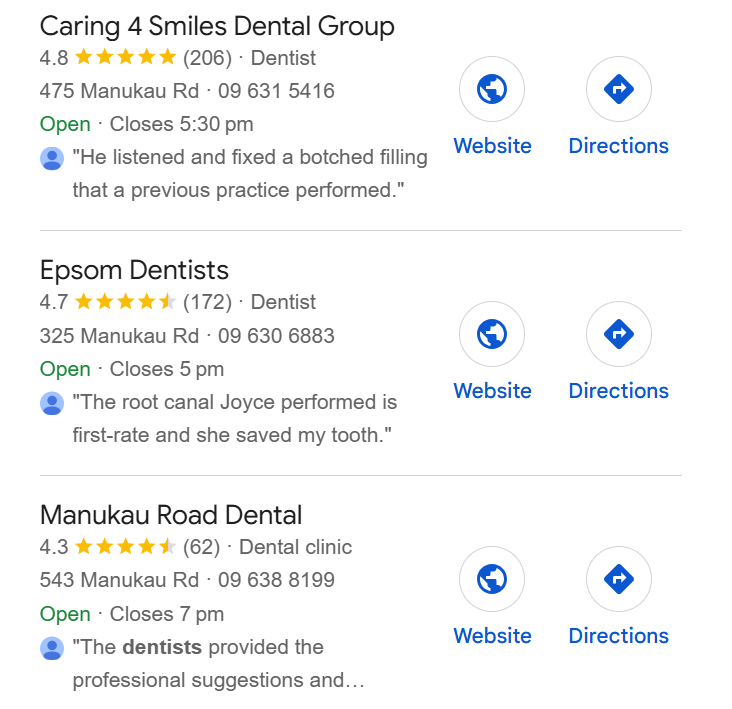
Straight away you know the number to beat: push past 200 reviews and you’re in the fight for the top three.
Now the organic listings. Say you want to rank for “dental implants Auckland” in the normal blue-link results.
Open the top three pages and study them properly. What are they missing?
Do they show real customer reviews or testimonials? Is there a message from the principal dentist that builds trust?
Do they actually walk through their implant procedure step by step, or just name it? Do they explain the benefits of implants and who they’re for?
Nine times out of ten you’ll find gaps: a page that lists the service but never reassures the nervous patient, never shows a real result, never answers the questions people actually type into Google.
Every one of those gaps is your opening. The goal is simple: be the most useful, most complete option in the pack, not a slightly-worse copy of what’s already there.
Do Your Keyword Research
Keyword research is finding the exact phrases your customers type into Google.
The fastest free tool for it is Google Keyword Planner. Sign in with any Google Ads account, click “Discover new keywords,” type in a seed like “plumber Auckland,” set the location to New Zealand, and it hands you dozens of related searches with real monthly volumes.
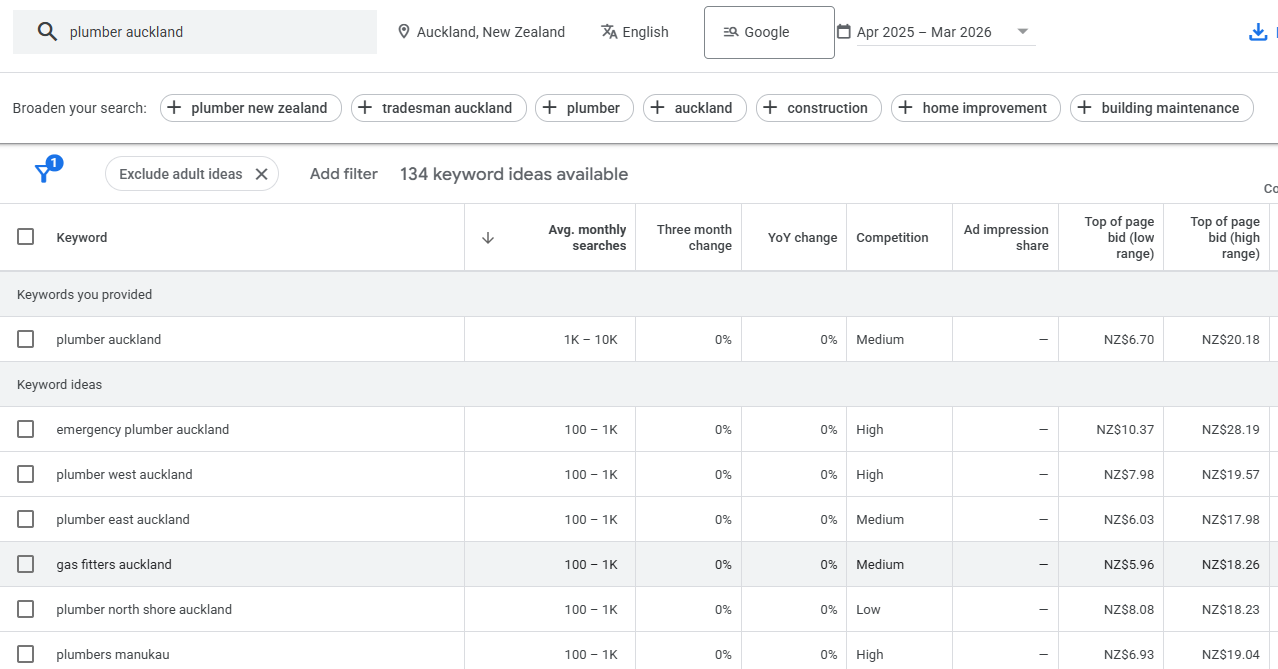
Then split what you find by intent. Informational keywords (“how much does it cost to unblock a drain”) are for blog content that builds authority.
Commercial keywords (“plumber Auckland”) are for money pages that bring revenue.
Now map them. Drop every keyword into a simple spreadsheet and match each one to a single page, so you’re never competing against yourself for the same term.
This is keyword mapping, and it’s what turns a messy list into a real content plan.
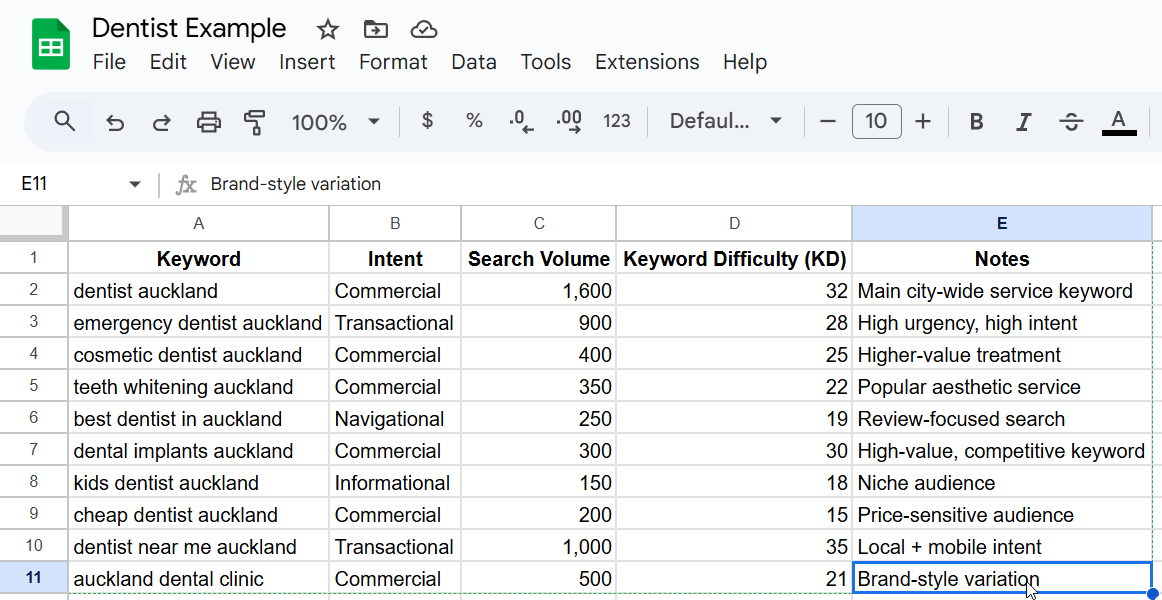
A mortgage broker growing through SEO for mortgage brokers needs both types: the blog posts pull people in early, the service pages convert them when they’re ready.
Create Content That Ranks
Google rewards the page that answers the question best, not the longest one.
This is where your competitor analysis pays off. You already know what the top pages are missing: the reviews they don’t show, the questions they don’t answer, the procedure they never explain.
Build every one of those things in from the start, and you’re not matching them, you’re beating them.
Get the structure down first. Paste your keyword into ChatGPT and ask for an outline based on the pages already ranking, and it’ll give you the standard headings people expect in seconds.
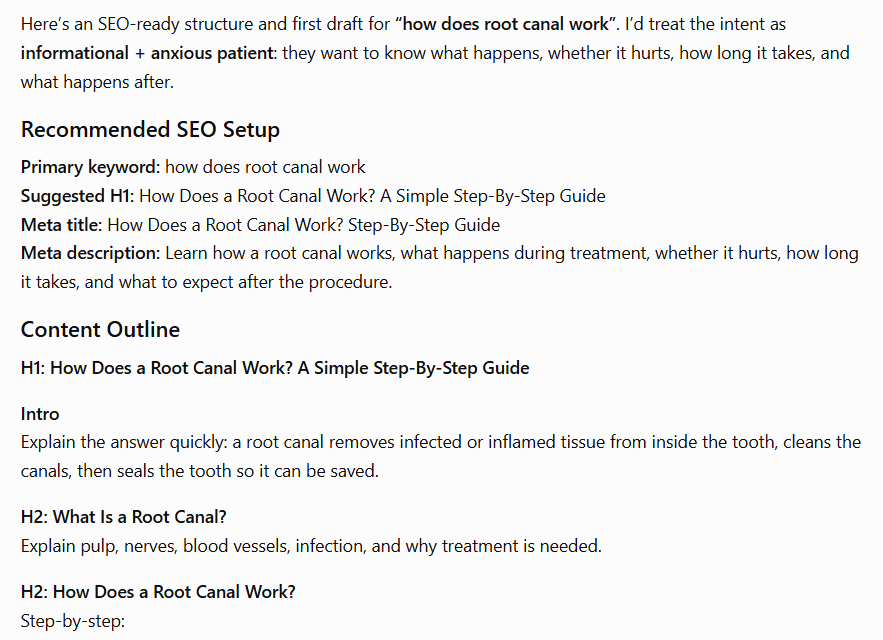
Then do the bit AI can’t: add your own experience, real numbers, and NZ examples a generic tool would never know.
Writing about drain-unblocking costs? Put in a real price from a real Auckland job, like “$150 to $400 depending on the blockage.”
Build it to last. Someone will always try to beat your page, so plant your foot in the sand from day one and make it the most complete, most useful resource on the topic, so far ahead that beating it isn’t worth the effort.
That’s what turns a bland outline into content that ranks instead of the recycled fluff everyone else publishes.
Sort Your On-Page SEO
On-page SEO is everything on the page itself: your title, meta description, headings, and structure.
Install Rank Math (it’s free) and it grades every page as you edit, with a live checklist: keyword in the title, in the first paragraph, in a subheading, in your image alt text, and so on.
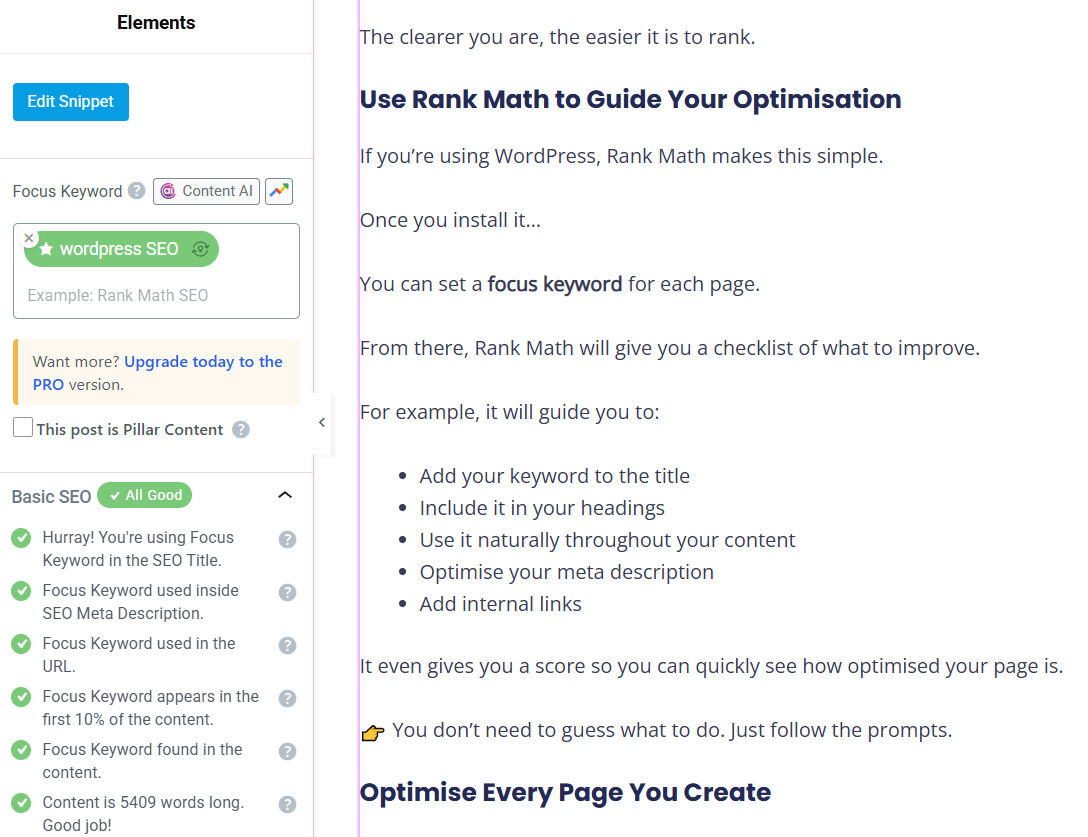
Short on time? Paste your keyword into ChatGPT and ask for a title under 60 characters and a meta description under 155.
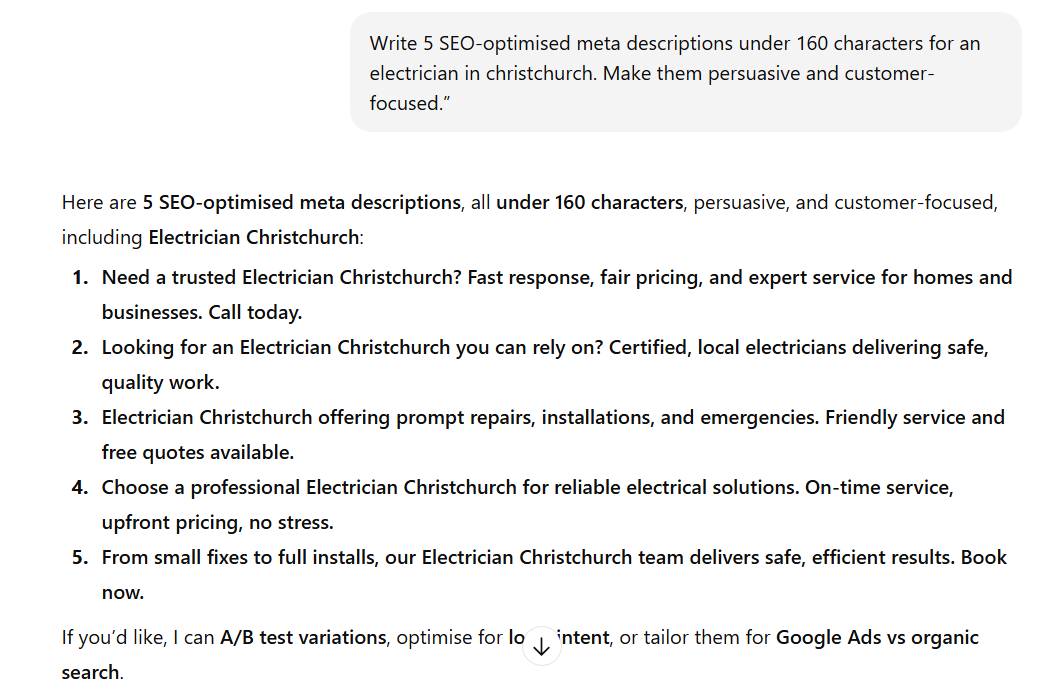
Drop them straight into Rank Math and work down the checklist until every light goes green.
Fix Your Technical SEO
Technical SEO is what’s happening under the hood: site speed, mobile-friendliness, and whether Google can crawl your pages at all.
You don’t need to be a developer. Run a free Semrush site audit, enter your domain, let it crawl, and it hands back a ranked list of every issue, worst-first.

Especially with New Zealand website designs, I regularly find a listful of errors that need ironing out before anything else moves. Work through the flagged fixes from the top and you’ve cleared the path for Google to rank you.
Build Authority With Link Building
Backlinks are links from other websites pointing to yours, and Google treats them like votes of confidence.
Quality beats quantity every time. One link from a trusted NZ site does more than fifty from random directories.
There are two reliable ways to earn them. The first is guest posting: find a site your customers actually read, like a regional news site or an industry blog, and pitch a genuinely useful article with one link back to your site inside it.
The second is simply publishing content so good that people cite it on their own.
Here’s a real example of the second. Leo Zeldenrust linked to my local SEO guide from his site, BizWin, not because I asked, but because the guide was worth referencing.
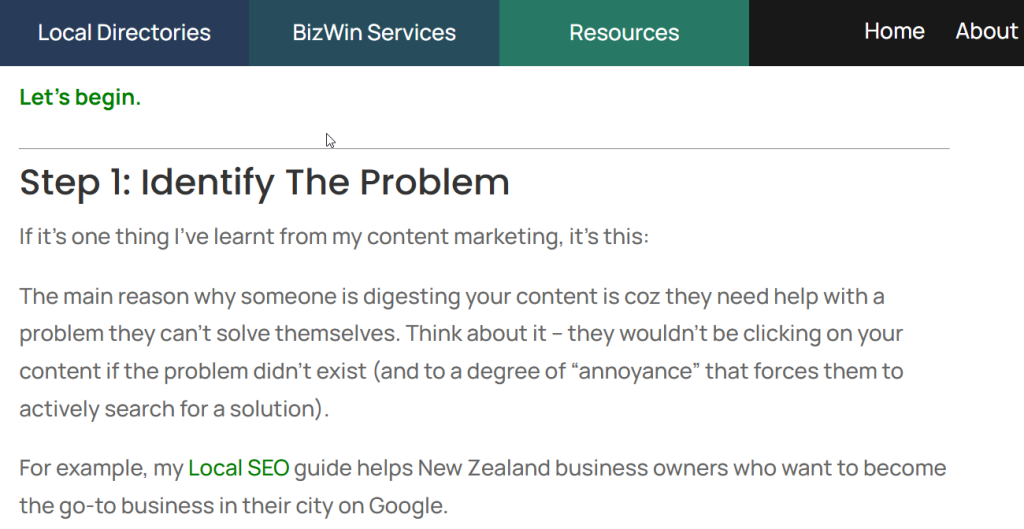
That one link from a relevant, trusted NZ source does more for my rankings than a pile of cheap directory links ever could.
Earn a handful like it and your authority climbs. That’s the kind of link building that actually moves rankings.
Cover Local SEO If You Serve an Area
If your customers come from a specific region, local SEO is where a big chunk of the growth lives, around 46% of Google searches have local intent.
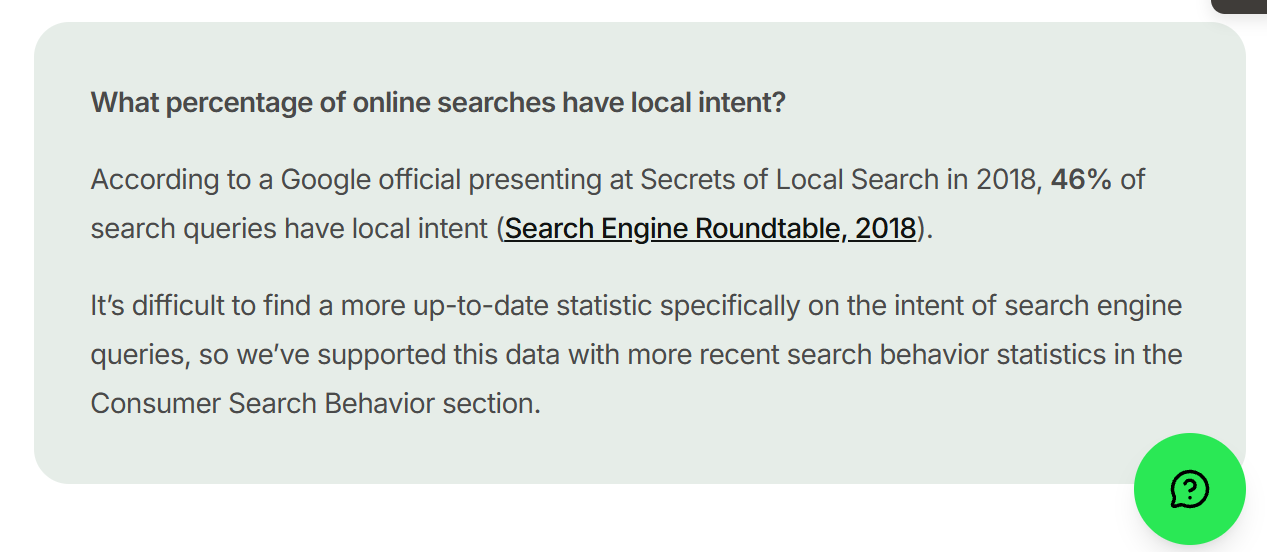
Three moves cover the basics. Claim your Google Business Profile and fill in every field, choosing the most accurate primary category.
Get reviews: after every happy job, text the customer your Google review link while they’re still pleased. And build a page for each area you serve (“electrician Hamilton,” “electrician Cambridge”) so you turn up in more local searches.
Monitor Your Progress
Track rankings, traffic, and leads, not just clicks.
Set up Google Search Console (it’s free) and it shows you exactly which searches bring people in, which pages are climbing, and where you’re slipping.
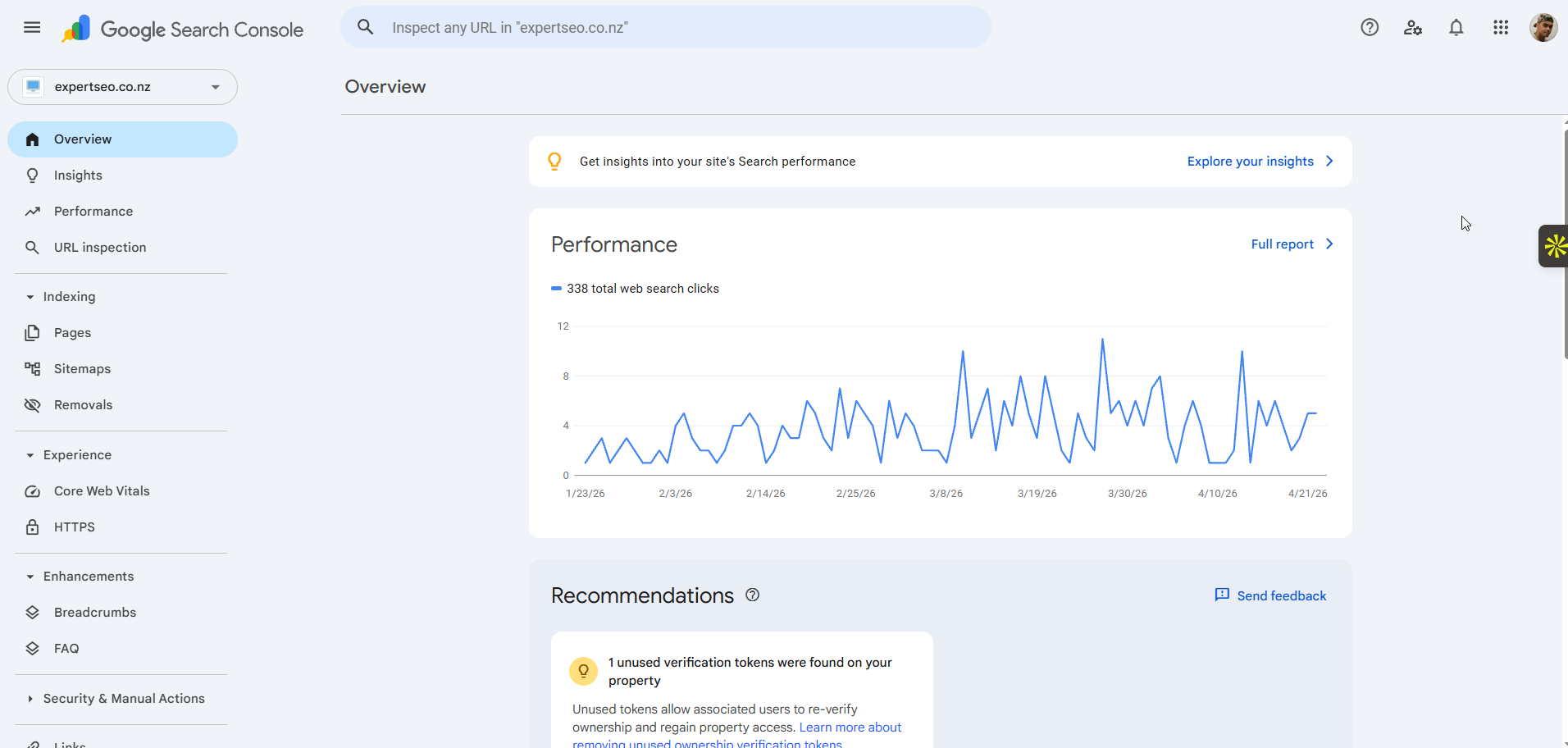
Check it monthly, double down on what’s working, and fix what isn’t. SEO compounds, so the businesses that review and adjust pull further ahead every quarter.
None of this is complicated on its own. It’s the consistency most businesses can’t sustain, which is exactly why the ones that do pull ahead.
Do It Yourself, or Hire Someone Who’s Already Done It
Everything above is doable yourself if you’ve got the time to learn it and the patience to stick with it for a year. Plenty of business owners do, and I’ve laid the process out so you can.
The trade-off is time. SEO done properly is a real skill, and the learning curve eats months you could’ve spent running your business.
If you’d rather skip that curve and get straight to the growth, done-for-you SEO takes it off your plate.
For the decade I’ve been doing SEO, I’ve competed against the best in the United States, which (humbly) is a level of experience most agencies here haven’t had to reach.
Whether you do it yourself or bring me in, the goal’s the same: turn search into a channel that grows your business while you focus on running it.
That’s where we come in.
SEO for Business Growth: FAQ
What is the 80/20 rule of SEO?
The 80/20 rule of SEO means roughly 80% of your results come from 20% of the work. In practice that 20% is keyword research, genuinely useful content, and a handful of quality backlinks. Nail those three and you'll outrank businesses fiddling with minor tweaks that barely move the needle.
How do I start SEO as a beginner?
Start by finding the keywords your customers actually search for, then build the best page on the internet for each one. From there, sort your on-page basics with a tool like Rank Math, fix technical errors with a site audit, and set up Google Search Console to track progress. Pick one keyword and work it through end to end before moving to the next.
Can I do SEO myself?
Yes. The fundamentals — keyword research, content, on-page, and links — are all learnable, and most tools have free versions, so nothing is gated behind expensive software. The real cost is time. If you can commit a few hours a week for a year, you can do it yourself; if you can't, hiring it out is the faster route to growth.
How much does SEO cost for a small NZ business?
Most small NZ businesses spend anywhere from a few hundred to a few thousand dollars a month, depending on how competitive their market is and how much they outsource. Doing it yourself costs mainly time plus a few tool subscriptions. Hiring a consultant or agency costs more upfront but usually gets results faster.
Is SEO better than paid ads for growth?
For long-term growth, usually yes. Paid ads stop the moment you stop paying, while SEO builds an asset that keeps generating leads for free once it ranks. Ads win on instant, short-term traffic; SEO wins on compounding return. Most growing businesses use both — ads for quick wins, SEO for the long game.
Recommended Reading
Small Business SEO New Zealand
The full playbook for growing a small NZ business with search.
SEO Campaign: How to Run One in NZ
The step-by-step process for running an SEO campaign start to finish.

B2B SEO Strategy
How to turn search into a steady lead engine for a B2B business.