
Here’s the straight answer most guides bury:
A single quality backlink costs roughly USD $150 to $500, and a managed monthly campaign runs USD $1,000 to $5,000+ for a small-to-mid NZ business.
Everything else is detail — and the detail matters, because the gap between a good link and a wasted one is huge.
This guide breaks down what you actually pay, by link type and by provider, in a New Zealand context. Then I’ll give you my honest take on whether you should be buying links at all in 2026.
Key Takeaways
- What it is: Link building pricing is what you pay to earn or place backlinks — priced either per link or as a monthly retainer.
- Per link, most quality backlinks land between USD $150 and $500; managed monthly campaigns run USD $1,000–$5,000+ for smaller businesses.
- Price is driven by four things: the site’s authority (DR), its real traffic, your industry, and the link type.
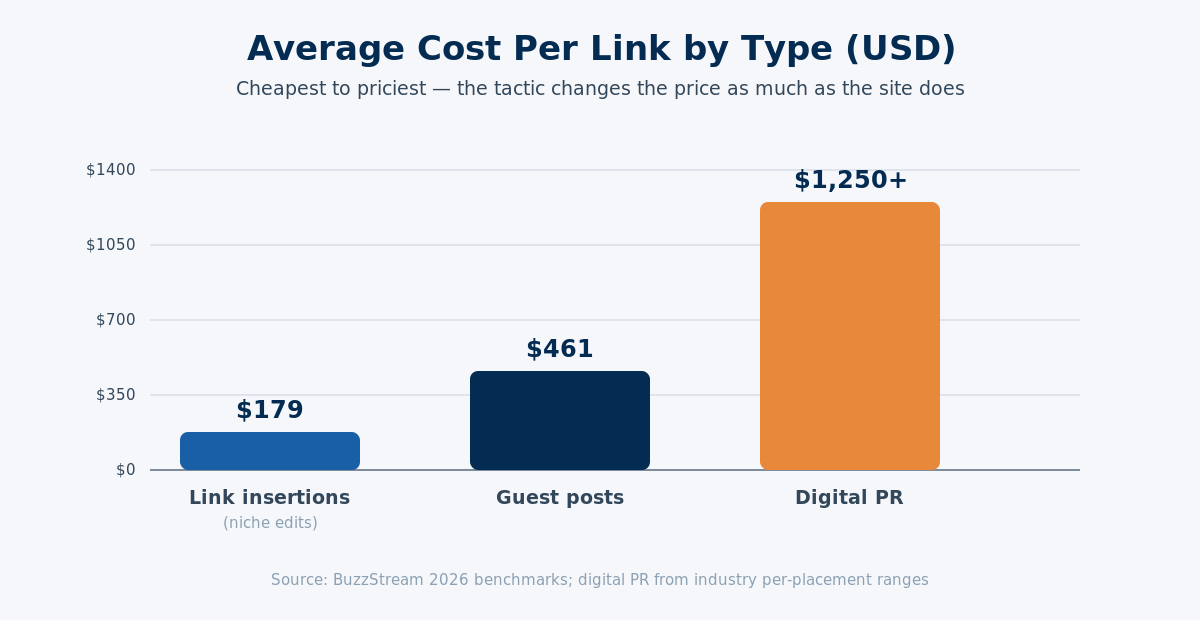
- Cheapest to priciest by type: link insertions (USD $50–$350), guest posts (USD $100–$600+), digital PR (USD $1,000–$1,500+ per link).
- Buying links is not my first recommendation. Content marketing builds links and topical authority at the same time — and it’s the more durable investment.
- A cheap link on a dead site is the most expensive link you can buy, because it does nothing.
What Determines Link Building Pricing?
Before the numbers, understand what you’re paying for. Two links at the same price can be worlds apart in value.
Four factors move the price:
Authority. Sites with a high Domain Rating (DR 70+) and strong organic traffic cost significantly more, because their links carry more weight. A link from a DR20 blog and a link from a DR80 publication are not the same product, even if a vendor lists them side by side.
Traffic. A high-DR page nobody visits is weaker than it looks. Real organic traffic is what you’re actually buying — a link on a page that gets read passes real referral value on top of the SEO signal.
Industry. Competitive niches — finance, legal, software — cost more than low-competition ones, because the sites in those spaces know their links are valuable. Pricing data bears this out: benchmarks swing from double digits per link in low-competition niches to well over USD $3,000 in finance.
Link type. A niche edit and a digital PR placement are different products at different price points, which is where we’ll start.
Link Building Pricing by Type
Different tactics, different price tags. Here’s the current lay of the land, in USD.
| Link type | Typical cost per link | What you’re paying for |
|---|---|---|
| Link insertions (niche edits) | USD $50–$350 | Your link added to an existing, aged page |
| Guest posts | USD $100–$600+ | A new article written and published around your link |
| Digital PR | USD $1,000–$1,500+ | Original research or expert quotes pitched to major publications |
Link insertions are the cheapest because no new content gets written — you’re slotting into a page that already exists. BuzzStream puts the average link insertion at USD $179.
Guest posts cost more because someone has to write and place the article.
The average guest post link runs around USD $461, and high-quality placements on strong sites push well past that — BuzzStream’s data has premium guest posts averaging north of USD $3,000 once you factor in the site’s traffic and authority.
Digital PR sits at the top. You’re pitching original data or expert commentary to top-tier news sites, and a single placement can start at USD $1,000+ — but the links come from the kind of publications almost nobody else can reach.
Link Building Pricing by Provider
Who you buy from changes the price as much as what you buy.
| Provider | Typical cost | Notes |
|---|---|---|
| Freelancers | USD $50–$150 per link | Cheapest, but higher risk of low-quality sites |
| SEO marketplaces | USD $20–$300+ per link | Buy individual links from publishers directly |
| Agencies / retainers | USD $1,750–$20,000+ per month | Full service: research, content, outreach, reporting |
Freelancers are the budget option, and some are genuinely good — but the low end is where penalties and junk sites live, so you have to vet hard.
Marketplaces let you buy links one at a time from a list of publishers. Fast and transparent on price, but you’re still the one judging whether each site is worth it.
Agencies handle the whole thing on a monthly retainer.
Productised services price it in tiers — LinkBuilder.io, for example, runs USD $2,999 for 8 links a month up to USD $9,999 for 26+.
Across all of it, per-link pricing ranges from about USD $80 to $2,000+ depending on the quality tier — which is a huge spread, and exactly why the average price tells you so little on its own.
What About the Cheap Packages?
Search “affordable link building” and you’ll find packages at USD $99–$300 a month. Tempting when you’re starting out. Mostly a trap.
At that price, the maths doesn’t allow for real outreach or real content. So the links come from private blog networks, expired domains, and sites that exist only to sell links — the exact footprint Google’s spam updates are built to catch.
You’re not buying cheap links; you’re buying risk.
A cheap link on a weak site is the most expensive link you can buy. You pay real money, you get no ranking movement, and if the network gets flagged you can end up worse off than when you started.
If your budget only stretches to the bargain tier, you’re better off spending it on content and earning links for free — more on that below.
What Link Building Costs in New Zealand
Almost every link vendor prices in USD, so the first thing to do is convert.
At current rates, USD $179 is roughly NZ$295, and a USD $3,000 monthly retainer is around NZ$5,000. Budget in NZD but expect to pay in USD.
The NZ market has a quirk worth knowing. It’s small, so genuinely relevant local links — an Auckland business publication, a niche NZ industry blog — are limited and can command a premium precisely because there aren’t many of them.
That scarcity cuts both ways. A relevant NZ link is harder to get, but it’s also more valuable to a business chasing local rankings than a random international link on a bigger site. For most small NZ businesses, a focused budget of NZ$1,500–$4,000 a month buys a sensible handful of quality links — far better than a hundred cheap ones.
One upside of our small market: you often don’t need many links to compete. NZ search results are usually far less contested than the US ones those scary benchmark numbers come from, so a modest, well-targeted budget goes a lot further here than the international guides suggest.
Is It Worth Paying for Backlinks?
Sometimes — but far less often than the people selling links would have you believe.
Paid links can work when they’re genuinely strong, genuinely relevant, and placed on sites with real traffic. Done that way, they move rankings. The problem is that most “buy a backlink” offers are nowhere near that bar, and the good sites usually won’t sell at all.
There’s hard data on this. When Ahrefs ran an outreach experiment offering to pay for links, 87% of sites refused to sell one at any price — and the ones that did wanted an average of USD $361 for a single placement.
So the links you can easily buy are often the ones you’d least want, and the links you’d actually want are the hardest to pay your way onto.
That’s the honest tension at the heart of link pricing. The best links aren’t really for sale. They’re earned. Which is why my answer to “should I buy links” starts with “probably not first” — and why the next section matters more than any price table above.
How Long Does Paid Link Building Take to Work?
Don’t expect overnight results, whatever you pay.
Even a strong link takes time to do its job. Google has to crawl the page the link sits on, register it, and then reassess where your page should rank. In practice that’s usually a few weeks to a few months before you see movement, and competitive terms sit at the slower end.
This matters for budgeting. Link building — paid or earned — is a compounding investment, not a switch you flip.
A one-off burst of links rarely does much; steady building over months is what shifts rankings and holds them. If a provider promises fast results from a cheap package, that’s a reason to walk away, not lean in.
Should You Buy Links in 2026
My honest answer: buying links is not my first recommendation.
It can work. Done carefully, on genuinely strong and relevant sites, paid links move rankings. But it’s the tactic people reach for first when it should be the one they reach for last.
Backlinks still matter enormously — Google’s own team has confirmed links remain one of the top three ranking factors, alongside content and RankBrain. That’s exactly why people panic and start buying.
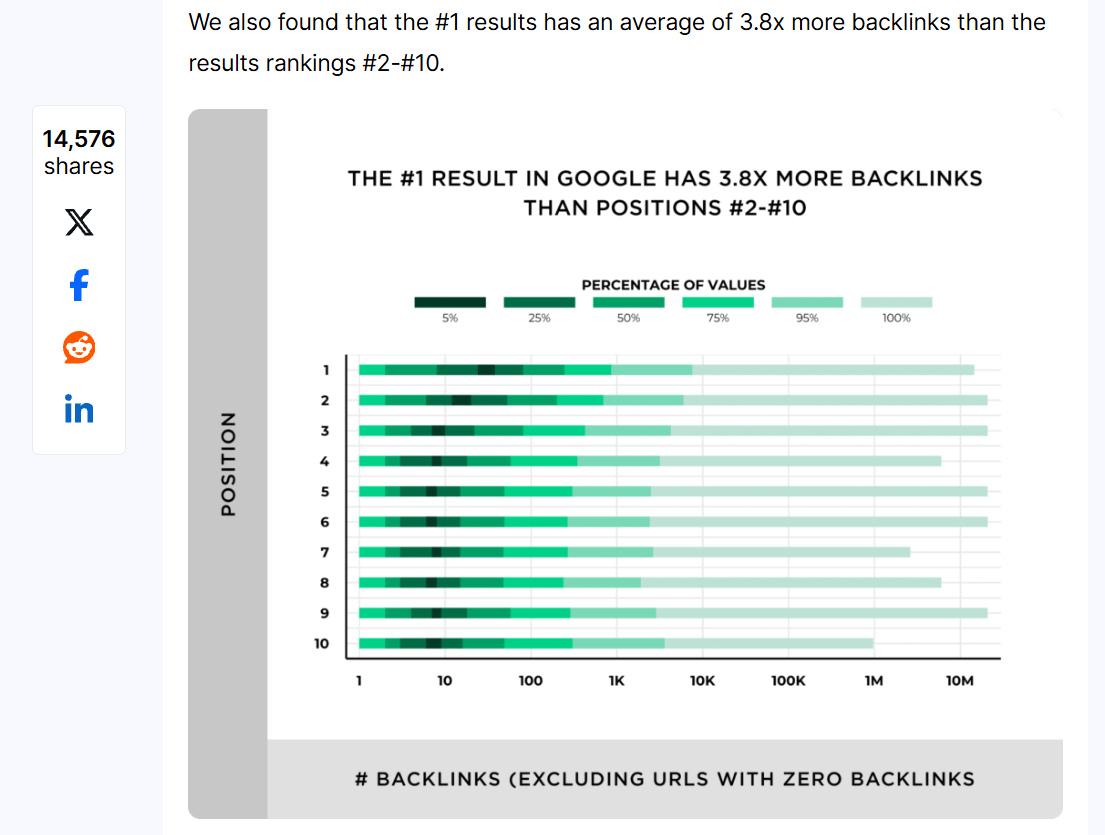
Here’s the thing they miss. The number one way to get links and build topical authority — for both traditional SEO and AI search — is content marketing.
A content plan that actually shares a story and answers real questions earns links on its own, and it builds authority at the same time. Two wins from one investment.
Buying links only ever does one of those things. You get the link; you don’t get the authority that comes from being the site worth linking to.
How to Get Links Without Paying Per Link
The alternative to buying links is earning them — and it compounds.
Build content worth linking to. Original data, a genuinely useful guide, a strong opinion piece — the kind of page other sites reference because it helps their reader. This is content marketing doing double duty: links plus authority.
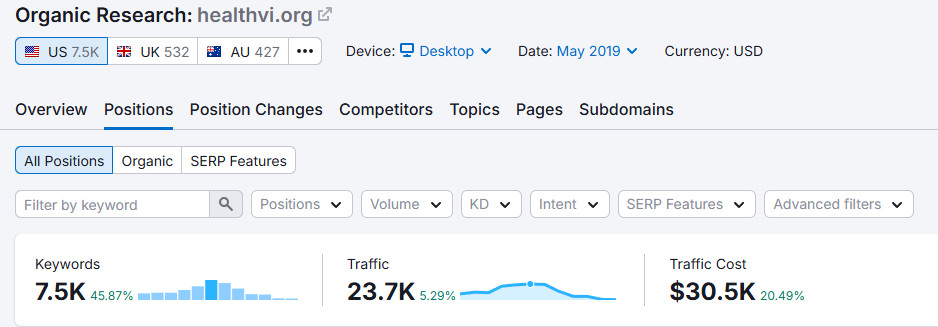
I’ve watched this play out. With HealthVI, a health site I co-built with my mentor Ian Pribyl, we grew it from 0 to over 20,000 monthly organic visitors largely on the back of content that earned its own links. We weren’t buying our way up — the content pulled links in.
It’s not just my own sites, either. Even competitors end up linking to Expert SEO content because it’s genuinely worth referencing — the content earns the links, no outreach invoice attached.

Digital PR is the paid tactic I’d back first, because it earns links from places you can’t just buy your way onto. Pitch original research or an expert take to journalists and you get coverage that doubles as authority.
The pattern is simple: make the site worth linking to, then a chunk of your link building stops being a line item.
Final Thoughts
If it were my money, I’d spend most of the budget on content and earned links, and treat paid links as a top-up — not the strategy.
The mistake I watch NZ businesses make over and over is treating link building as something you purchase instead of something you earn. They buy a stack of links, see nothing move, and conclude SEO doesn’t work. What actually happened is they skipped the part that builds authority.
If you’d rather have someone build the content engine and the links together — the way that actually holds up — that’s what we do.
Take a look at our SEO services, or book a call with an SEO consultant to map out a plan that fits your budget.
Link Building Pricing: FAQ
How much does a single backlink cost?
Most quality backlinks cost between USD $150 and $500, though the full range runs from about USD $80 to $2,000+ depending on the site's authority, its traffic, and your industry. Cheaper links exist, but the bargain tier is where low-quality and risky sites tend to live.
How much does link building cost per month?
For a small-to-mid NZ business, a managed monthly campaign typically runs USD $1,000–$5,000+ (roughly NZ$1,700–$8,500). In-house teams tend to sit around USD $3,000–$8,000 a month, and productised services price in tiers, often USD $2,999 for around 8 links up to USD $9,999 for 26+.
Is it worth paying for backlinks?
Sometimes, but it's not my first recommendation. Paid links can move rankings when they're strong and relevant — but the best sites usually won't sell, with one Ahrefs experiment finding 87% of sites refused to sell a link at all. Earning links through content is cheaper, safer, and longer-lasting.
How long does link building take to work?
Usually a few weeks to a few months. Google has to crawl the linking page and then reassess your rankings, so treat link building as a compounding investment rather than an overnight fix. Competitive keywords sit at the slower end.
Do backlinks still matter in 2026?
Yes. Google has confirmed links remain one of its top three ranking factors, and they increasingly influence AI search results too. What's changed is that quality and relevance now matter far more than raw volume.
What's the cheapest way to build links in NZ?
Earning them. Building genuinely useful content that other sites want to reference costs you time instead of a per-link fee, and it builds topical authority at the same time. Digital PR is the paid tactic I'd back first, since it earns high-authority links you can't simply buy.
Recommended Reading

 How Many Backlinks Do You Need to Rank?
Before you spend a cent on links, find out how few you might actually need.