

Bad SEO in NZ and avoidable mistakes go hand-in-hand.
I’ve made plenty of them myself.
Early on I poured weeks into content nobody was searching for, and I published pages that simply weren’t good enough to compete.
Both were SEO mistakes. Both were fixable.
This guide covers the errors I see most often on New Zealand websites, including the ones I learned the hard way.
For each, you’ll get what it looks like, why it hurts your rankings, and exactly how to fix it.
Let’s begin.
1. Publishing Low-Quality Content
The most expensive SEO mistake is also the most common: publishing content that isn’t the best answer to the search.
Google has one job: show the best result for what someone typed.
If your page isn’t the most useful thing out there on that topic, you’ve handed Google a reason to rank someone else.
I learned this the hard way. Early on I’d write a page, think “that’ll do,” and hit publish. It didn’t rank.
The fix wasn’t more pages. It was better ones.
Better means covering the topic more completely than whatever’s currently ranking, answering the actual question, using real examples, and making it genuinely easier to read. That’s the whole game with content that ranks.
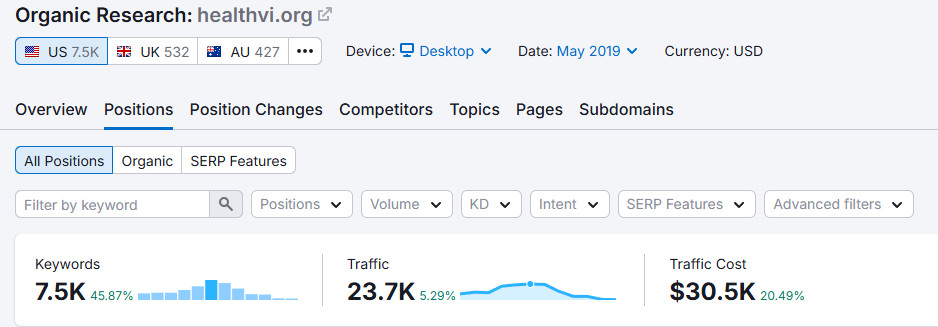
The proof it works: I grew a health website, HealthVI, from 0 to over 1,000 daily visitors in under a year by doing exactly this.
Making each weight-loss product review the best version of itself before moving on.
Quick test before you publish: would this be the page you’d want to land on if you searched the keyword yourself?
If not, it isn’t done.
2. Creating Content Nobody’s Searching For
Writing content without checking search demand first is writing into the void.
This was my other big early mistake.
I’d come up with a topic that felt like a good idea, write a whole article, and publish it, without ever checking whether anyone was actually searching for it.
Almost all of those pages have never had a single visit.
If there’s no demand behind a topic, even a perfect article gets no traffic.
You can’t rank for searches that don’t happen. The fix takes five minutes.
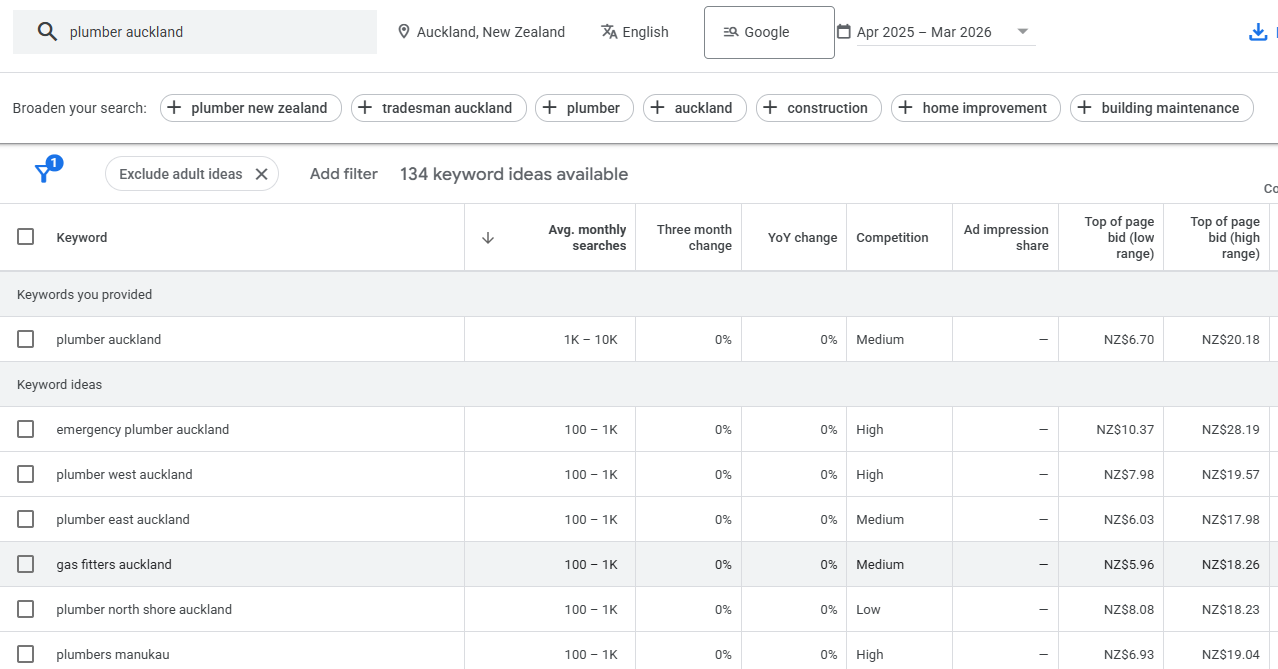
Before you write anything, validate the topic by researching what buyers actually search.
Drop it into Google Keyword Planner, confirm there’s real search volume, and look at what already ranks.
If nothing comes up and nobody’s searching, park it.
A Hamilton accountant might love the idea of an article on “the history of tax in New Zealand.”
Interesting? Maybe.
Searched for? Barely.
“How much does an accountant cost in Hamilton” has real buyers behind it.
Write for demand, not for what you personally find interesting.
3. Ignoring Search Intent
Even with a real keyword, if your page doesn’t match what the searcher actually wants, it won’t rank.
Search intent is the reason behind the search.
Get it wrong and Google won’t show your page no matter how good it is.
The classic version of this mistake is pointing the wrong type of page at a keyword.
Someone searching “plumber Auckland” wants to hire a plumber now.
They want a service page, reviews, and a phone number.
Aim a 2,000-word blog post at that keyword and you’ve misread the room.
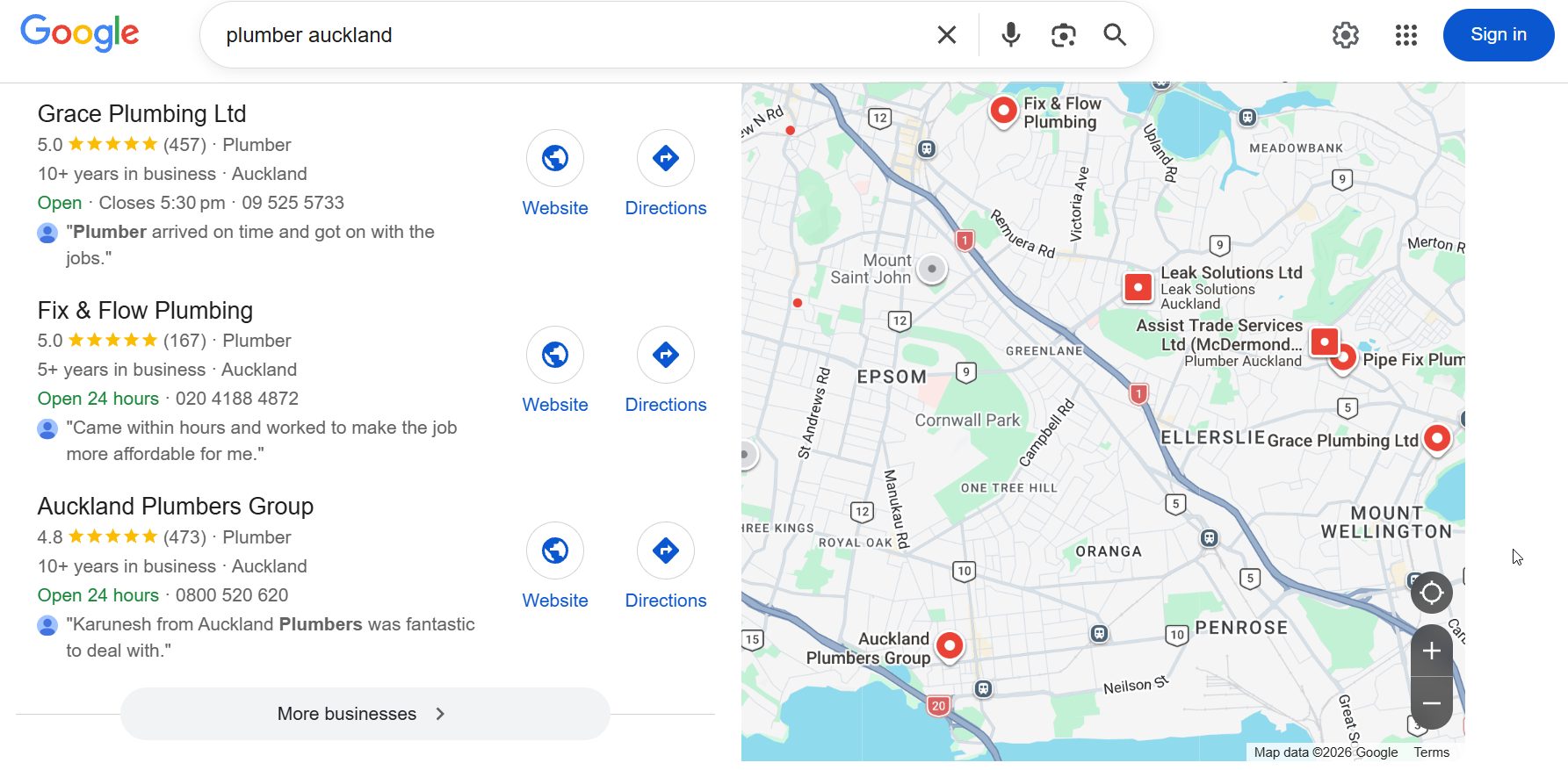
How to get it right: before you create anything, Google the keyword and look at what’s already ranking.
If the top results are service pages, build a service page.
If they’re guides, write a guide. Google is literally showing you what it wants.
Match the format Google already rewards, then make yours better.
4. Keyword Stuffing and Over-Optimisation
Forcing your keyword into a page over and over doesn’t help you rank. It can get you penalised.
This one’s left over from SEO a decade ago, but I still see it.
Pages that read like this:
“Looking for an emergency electrician Auckland? Our emergency electrician Auckland team offers the best emergency electrician Auckland service in Auckland.”
Google has been able to read naturally for years.
It understands synonyms and context. Cramming the exact keyword in fifteen times doesn’t signal relevance, it signals manipulation, and it makes the page painful to read.
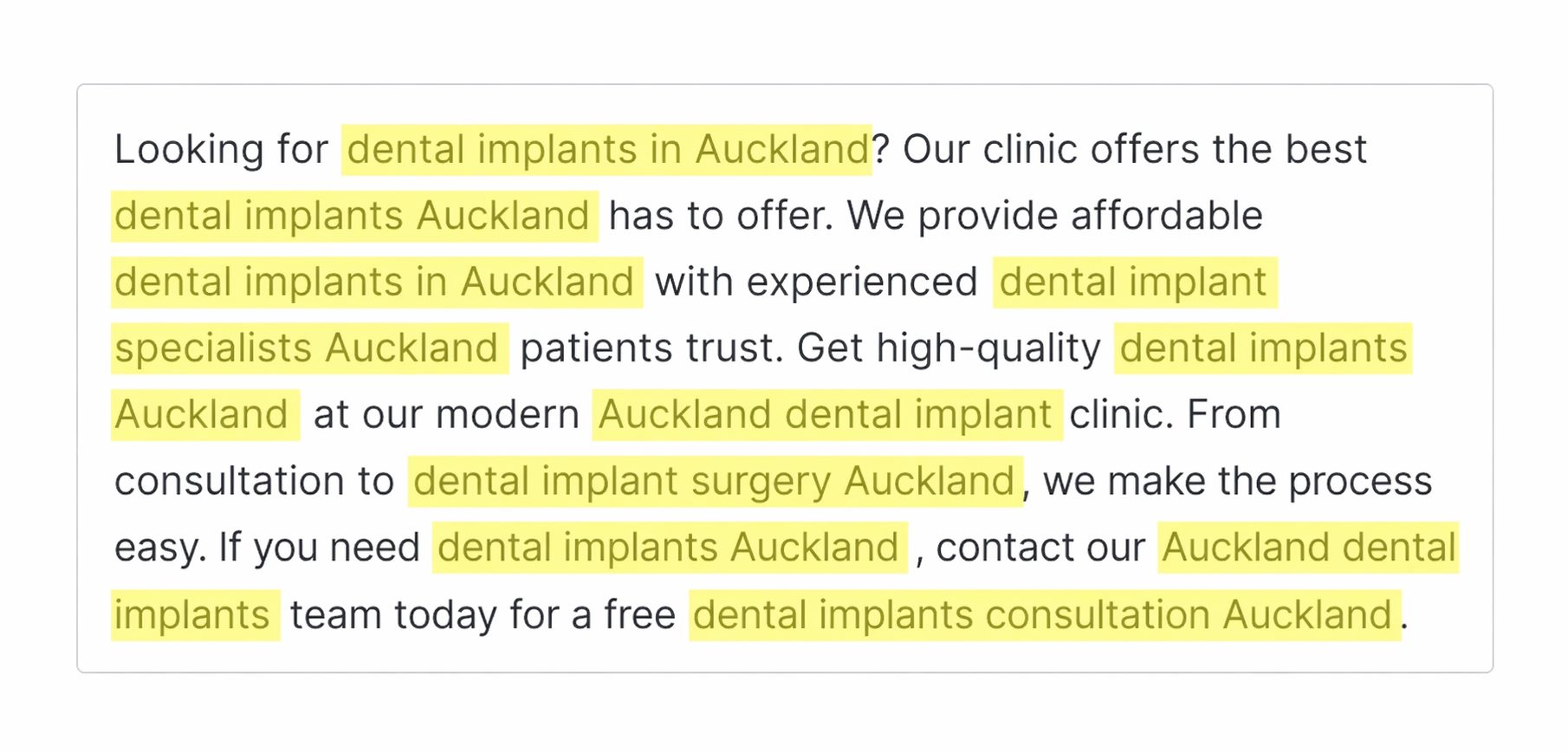
The fix is to write for a human.
Use your main keyword a few times where it fits, then use variations everywhere else.
“Emergency electrician,” “after-hours sparky,” and “24/7 electrical repairs” all tell Google the same thing without the robot voice.
If you read a sentence out loud and it sounds like a keyword got wedged in, take it out.
5. Thin and Duplicate Content
Thin pages and near-identical location pages are two versions of the same mistake. Not enough unique value to rank.
Thin content is a page with barely anything on it. A service page with 100 words, or a location page that’s a template with the suburb name swapped out.
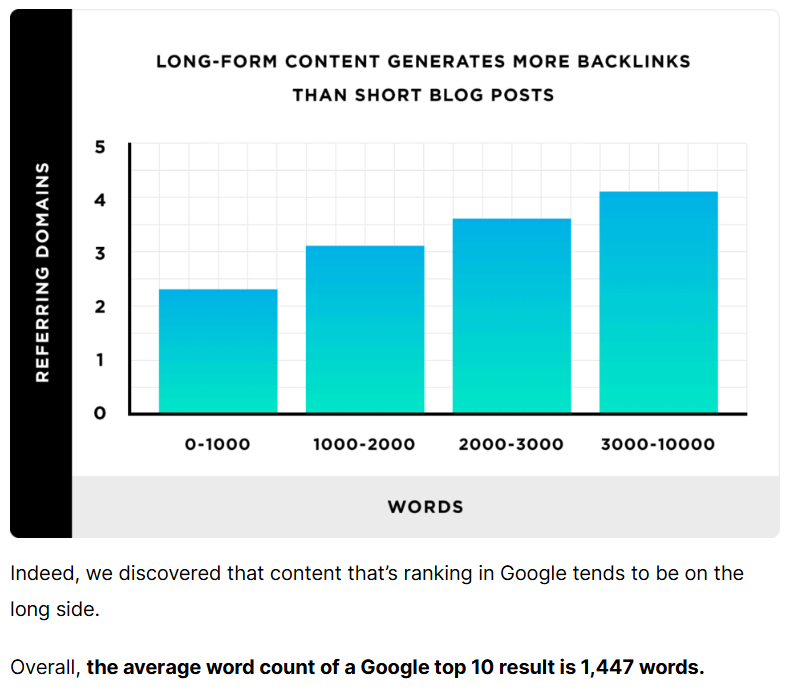
For context, the average first-page Google result runs around 1,447 words, so a thin page was never really in the race.
NZ businesses fall into the location-page trap constantly.
A plumber wants to rank in five suburbs, so they make five pages that are identical except “West Auckland” becomes “North Shore.”
Google sees five weak, near-duplicate pages competing with each other instead of one strong one.
Duplicate content confuses Google about which page to rank, and thin content gives it nothing to work with. You end up splitting your own ranking power.
The fix: every page needs a real reason to exist and unique content to match.
If you serve multiple areas, write genuinely different pages with local landmarks, the kind of jobs you actually do there, and real examples from that area.
If you can’t write something unique about a suburb, you probably don’t need a page for it yet. One strong page beats ten thin ones every time.
6. Weak or Missing Title Tags and Meta Descriptions
Your title tag and meta description are your shopfront in Google. Leave them blank or generic and you lose clicks before anyone visits.
These are what people see in the search results, and the title tag is still a genuine ranking factor.
Plenty of NZ business sites are live with missing titles, duplicate titles across pages, or descriptions left to autogenerate into mush.
Two pages can rank in the same spot, but the one with a clear, compelling title gets the click. More clicks is more traffic from the exact same ranking.
The fix is to get the basics of on-page SEO right on every important page:
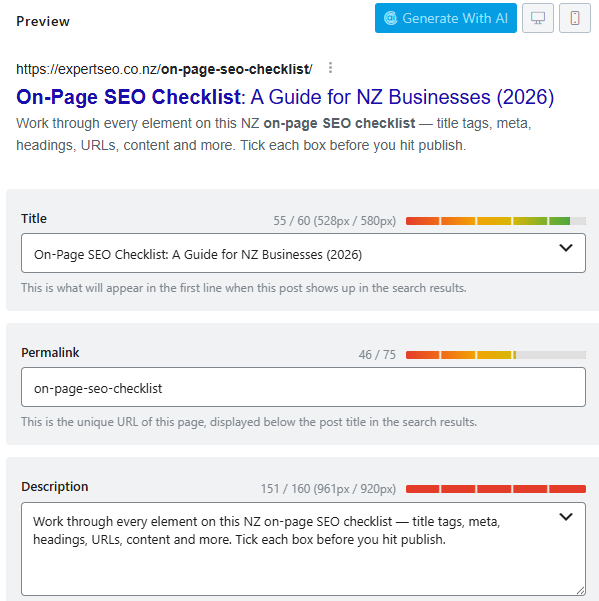
- Title tag: include the keyword near the front, keep it under about 60 characters, and give a reason to click — e.g. “Emergency Electrician Auckland | 24/7, On-Site in 60 Min”
- Meta description: around 150 characters, explaining what the reader will get
- Make both unique to the page
If you’re on WordPress, a plugin like Rank Math lets you edit these in a couple of clicks.
7. Ignoring the Technical Basics
If Google can’t crawl your site, or it’s slow and clunky on a phone, none of your other SEO work matters.
This is the one I see NZ businesses skip most.
They’ll write content, then completely ignore whether the site actually works. Three things matter most.
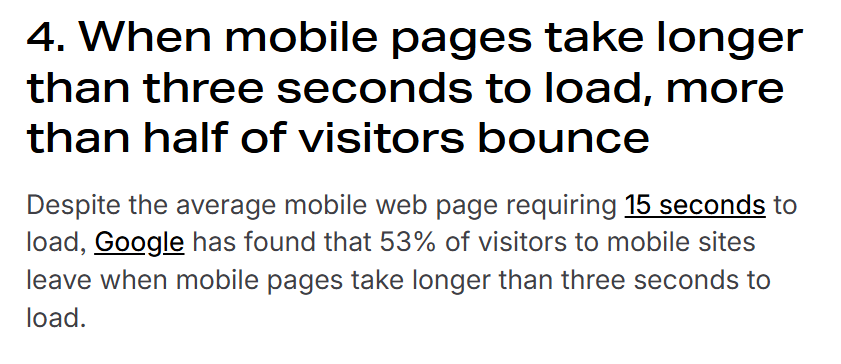
Speed. Google’s own research found that 53% of mobile visits are abandoned if a page takes longer than three seconds to load. Compress your images, drop unnecessary plugins, and get decent hosting.
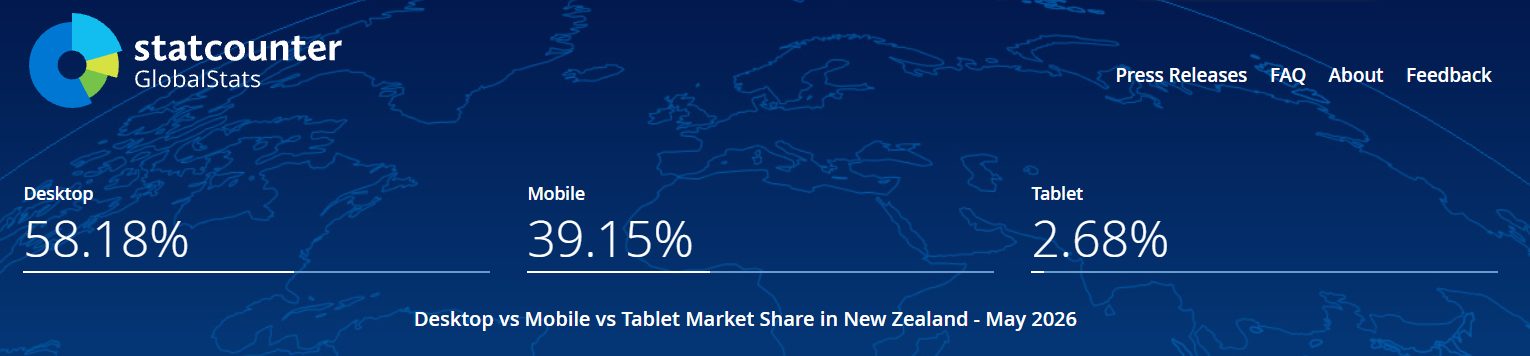
Mobile. Around 40% of New Zealand’s web traffic comes from a phone, and Google ranks based on your site’s mobile version regardless of the device the visitor is on.
Test your own site on your phone. If buttons are fiddly and text needs zooming, fix it.
Crawlability. If pages are accidentally set to “noindex” or blocked, Google can’t rank them at all. It happens more than you’d think, usually left over from when the site was built.
The easiest way to catch all of this in one go is to run a site audit in SEMrush.
Set up a project for your site, run the audit, and it crawls every page and flags the problems for you — broken links, missing or duplicate tags, slow pages, noindexed pages, and more.
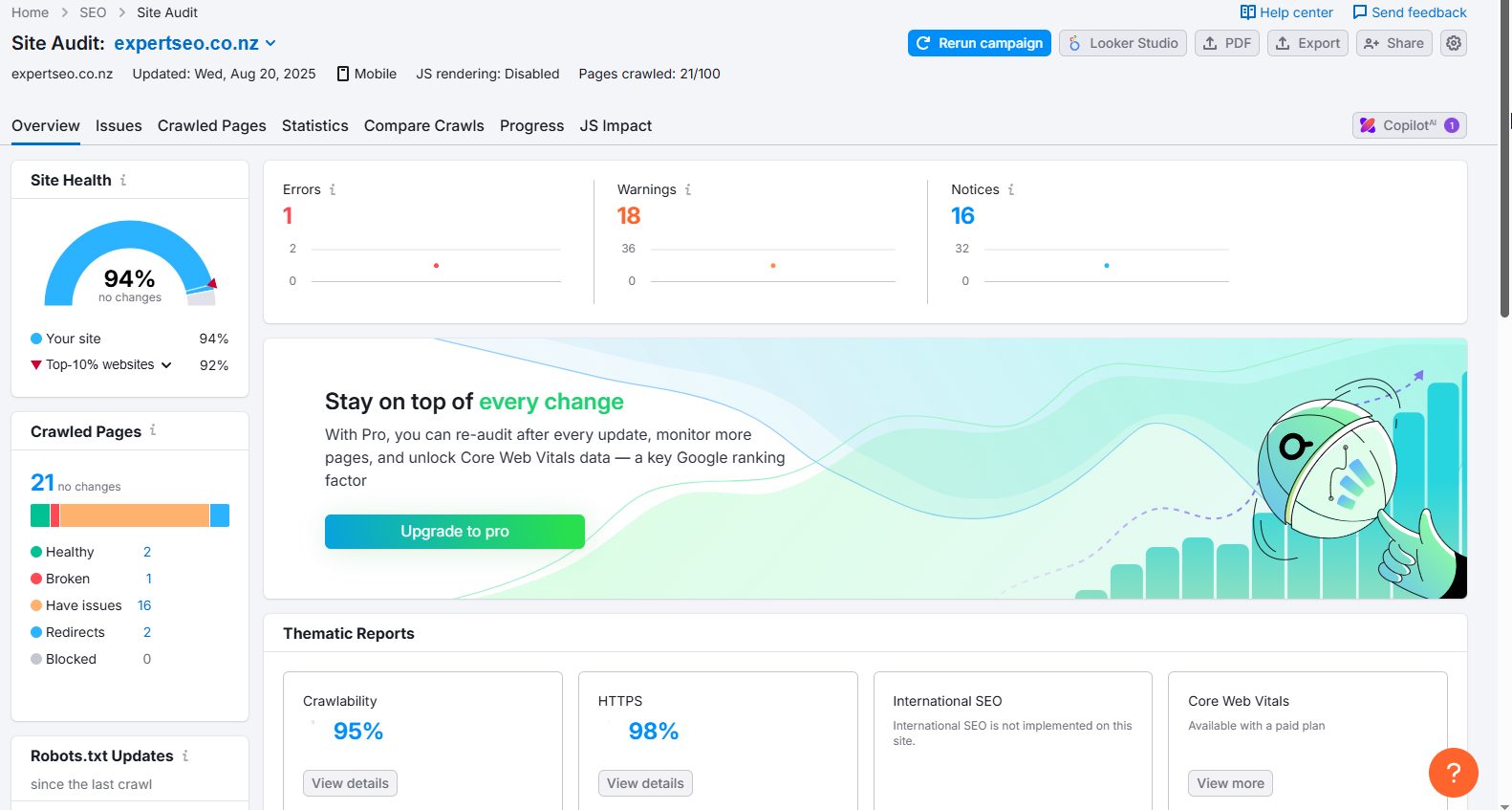
Better still, it sorts them by severity and tells you how to fix each one, so you’re not left guessing where to start.
Run your site through Google PageSpeed Insights and a crawl tool, and sort the technical side of SEO before chasing anything fancy.
It’s plumbing. Boring, but everything else leaks without it.
8. Skipping Link Building
Links from other websites are still one of Google’s strongest trust signals, and almost no NZ business builds them.
In my experience this is the single biggest gap for Kiwi businesses.
They’ll sort their content and on-page work, then never build a single link. Meanwhile the competitor outranking them has thirty local links and a stronger site.
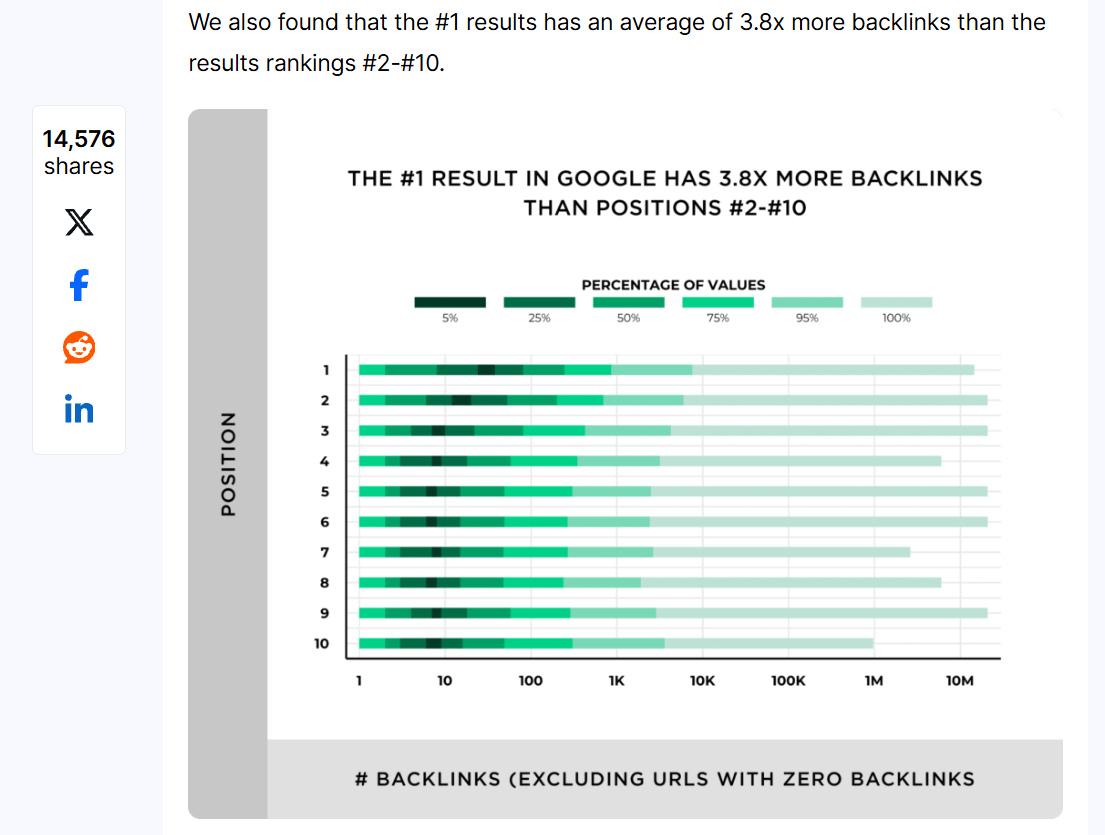
Backlinks work like votes of trust. The more quality, relevant sites that link to you, the more credible Google sees you — one analysis of 11.8 million results found the #1 result has 3.8x more backlinks than positions two to ten.
That’s the whole point of building links.
Where NZ businesses get the easy wins:
- Local directories and industry associations
- Chambers of commerce
- Sponsoring a local team or event (this often gets you a link)
- Partnerships and suppliers
- Genuinely useful content other sites want to reference
One warning: don’t buy cheap link packages. Spammy links can do real damage, sometimes enough to tank a site. A handful of real, relevant links beats a thousand junk ones.
9. Forgetting Local SEO
For any business serving a local area, ignoring local SEO means being invisible exactly when buyers are ready.
Local SEO is how you show up in the map pack. The three businesses with the map at the top when someone searches “dentist near me” or “café Hamilton.”
For a lot of NZ businesses this is more valuable than regular rankings, because the map pack grabs most of the clicks for local searches, and those searchers are usually ready to buy.
Google has found that 76% of people who search for something nearby visit a business within a day.

The mistakes are an unclaimed or missing Google Business Profile, business details that don’t match across the web, and no reviews.
The fix:
- Claim and fully complete your Google Business Profile — correct name, address, phone, hours, categories, and photos
- Keep your details identical everywhere they appear online
- Build reviews consistently — ask every happy customer and send them a direct link
Get this right and you can outrank far bigger competitors in local SEO for your town, simply because they’ve left it half-done.
10. Ignoring AI Search
People are getting answers from ChatGPT and Google’s AI Overviews now, not just blue links, and most NZ businesses aren’t optimising for it at all.
Search is changing fast. A growing share of people ask ChatGPT, Gemini, or Google’s AI Overview and get an answer without clicking anything — Google’s AI Overviews alone now reach more than 2 billion people a month.
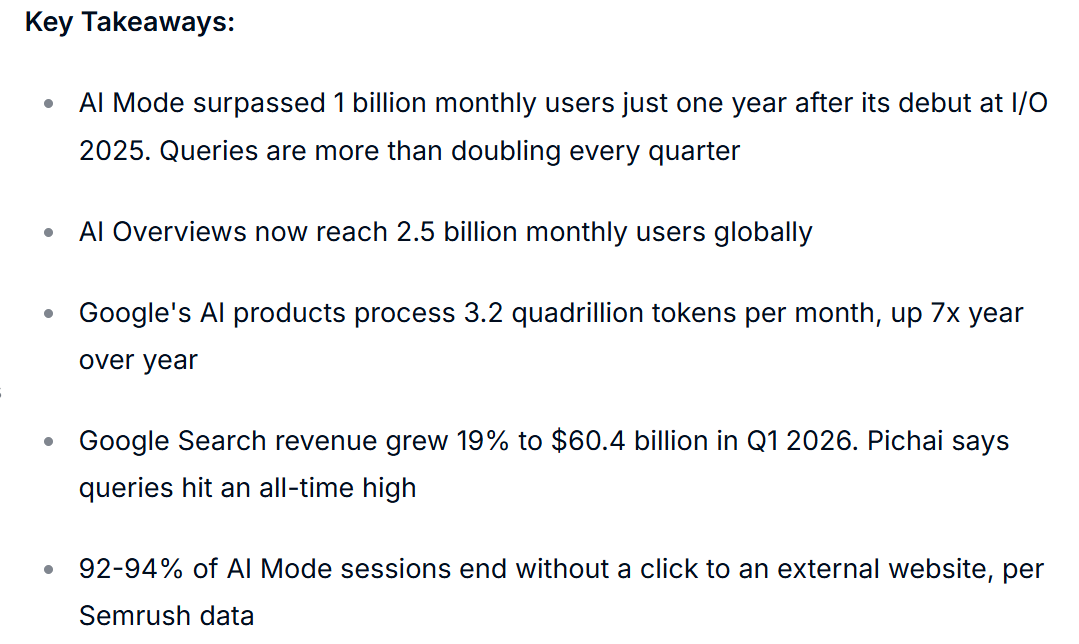
If your content isn’t being used in those answers, you’re invisible to them.
The good news is this isn’t a separate dark art. It’s strong SEO done clearly. AI systems pull from content that’s well-structured, directly answers questions, and comes from a source they trust.
What actually works:
- Answer questions directly. Put a clear one-sentence answer right under the heading, then expand
- Use clean headings and short paragraphs so the content is easy to extract
- Build genuine authority on your topic through depth and links
Here’s the proof.
Expert SEO is only about six months old, competing against firms with ten-year head starts.
Despite that, we’re already getting cited in ChatGPT and showing up in Google AI Overviews. That’s the payoff for getting cited by AI instead of ignoring it.
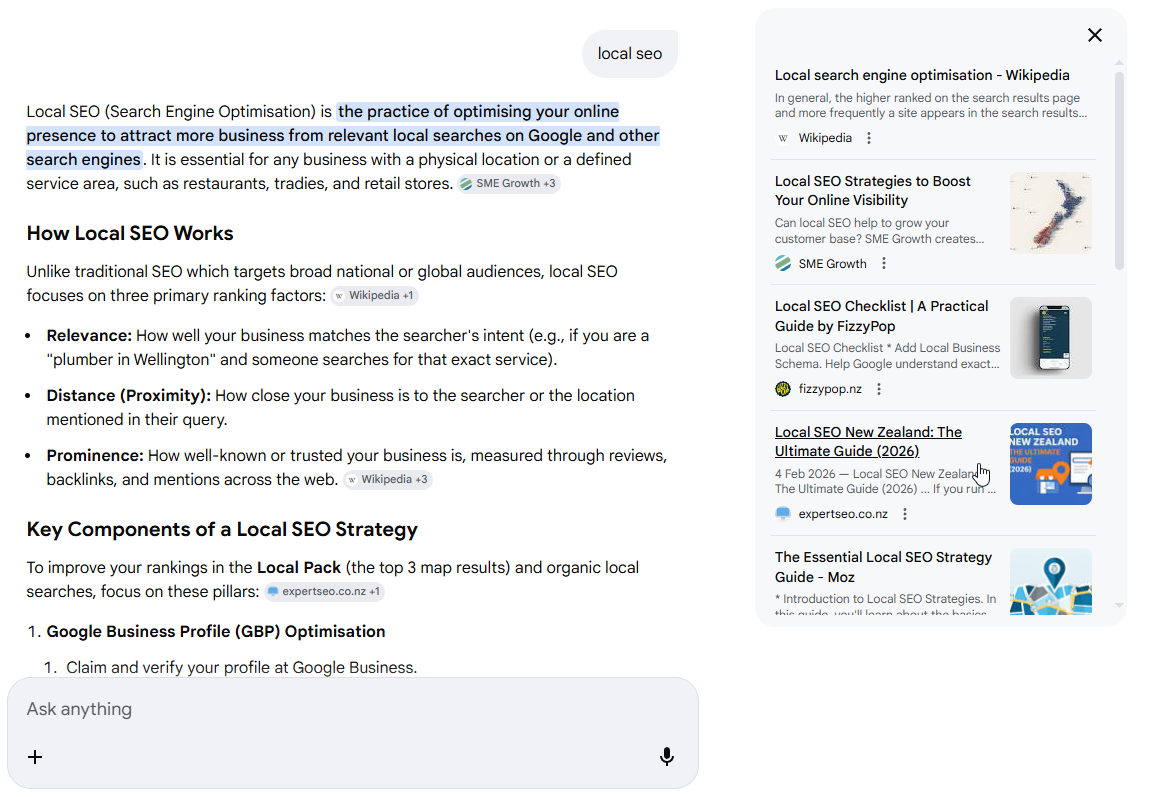
Getting in early, while competitors ignore it, is the opportunity.
11. Flying Blind Without Search Console
Doing SEO without Google Search Console is guessing. You can’t fix what you can’t see.
This mistake is quieter than the others, but it compounds. Plenty of businesses do SEO with no idea what’s actually happening. No Search Console, no analytics, just vibes.
Without data you can’t see which pages are indexed, what keywords you’re showing for, where you sit on page two and could push to page one, or whether Google is hitting errors on your site.
The fix is free and takes ten minutes. Set up Google Search Console and Google Analytics 4, then actually check them monthly. Watch clicks, impressions, and average position.
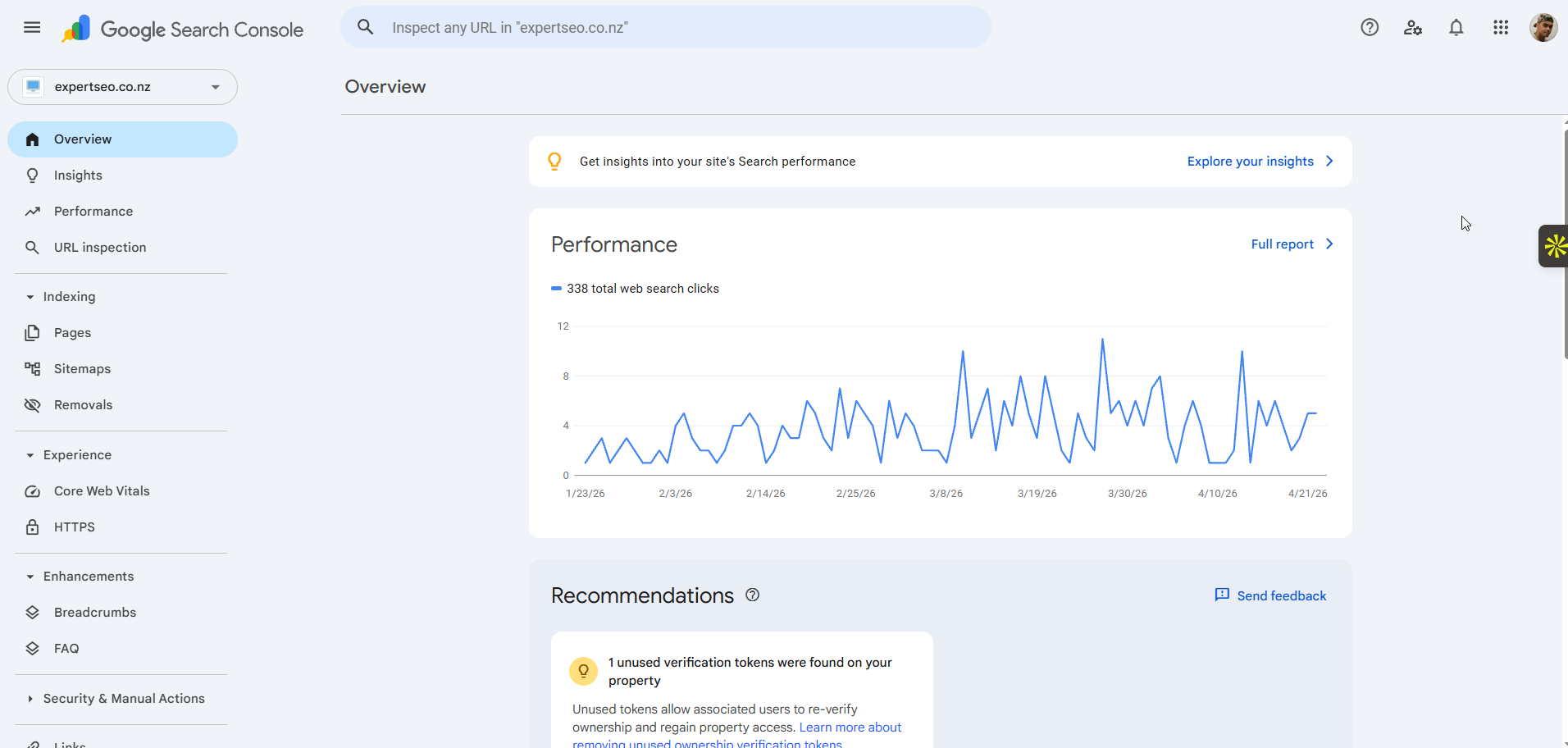
Pro tip for new sites: don’t panic about clicks early on. Watch impressions first. That’s the leading indicator that things are starting to move. If impressions are climbing, Google is showing you more, and clicks follow.
12. Expecting Results Overnight
SEO is a medium-term game, and quitting too early is the mistake that wastes all the work that came before it.
This is where most people fail. They do everything right for two months, see nothing, decide SEO doesn’t work, and stop. Right before it would have started paying off.
SEO compounds. Google needs time to crawl your changes, weigh your content, and adjust rankings.
Local SEO can show movement around the three-month mark. Competitive national keywords often take six to twelve months, which is worth knowing before you start so you can plan around how long SEO takes.
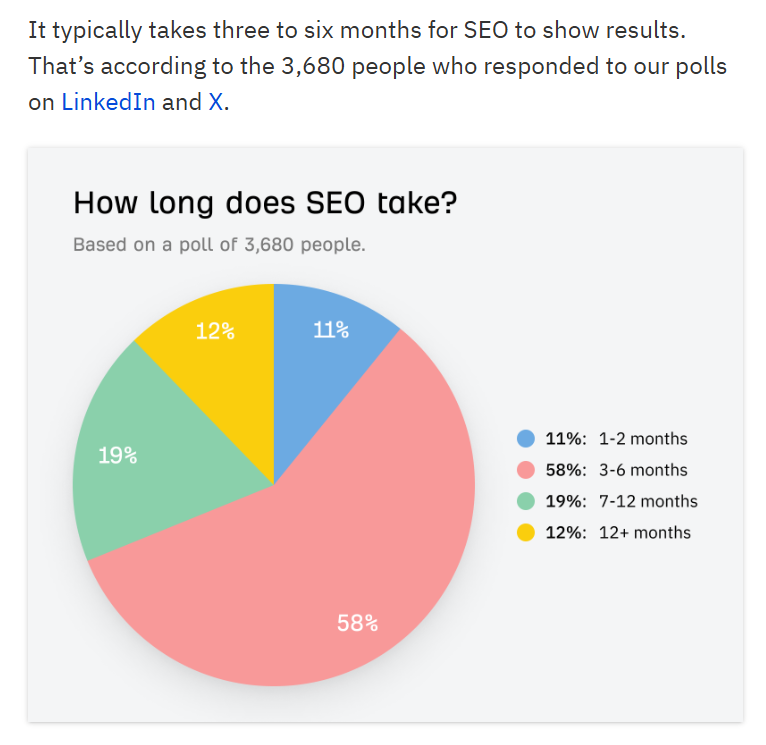
The fix is mindset. Treat SEO like a long-term asset, not an ad you switch on and off. Pick a process, stay consistent, and give it time. The businesses that win are usually just the ones that didn’t quit.
Fixing These Yourself vs Getting Help
You’ve got the list. From here there are two paths.
Do it yourself. Work through these mistakes one at a time, starting with the technical basics and your worst-performing pages.
It takes time and a bit of trial and error, but it works.
Or bring in help. If you’d rather have it done properly and faster, that’s what our NZ SEO agency does every day — finding these issues, fixing them, and building the authority that gets you ranking.
We offer our SEO services across the country, including:
- SEO Company Auckland
- SEO Company Hamilton
- SEO Company Tauranga
- SEO Company Wellington
- SEO Company Christchurch
- SEO Company Queenstown
If you’re happy to DIY, use this as your checklist and work through it properly. If you want it sorted faster, that’s where we come in.