
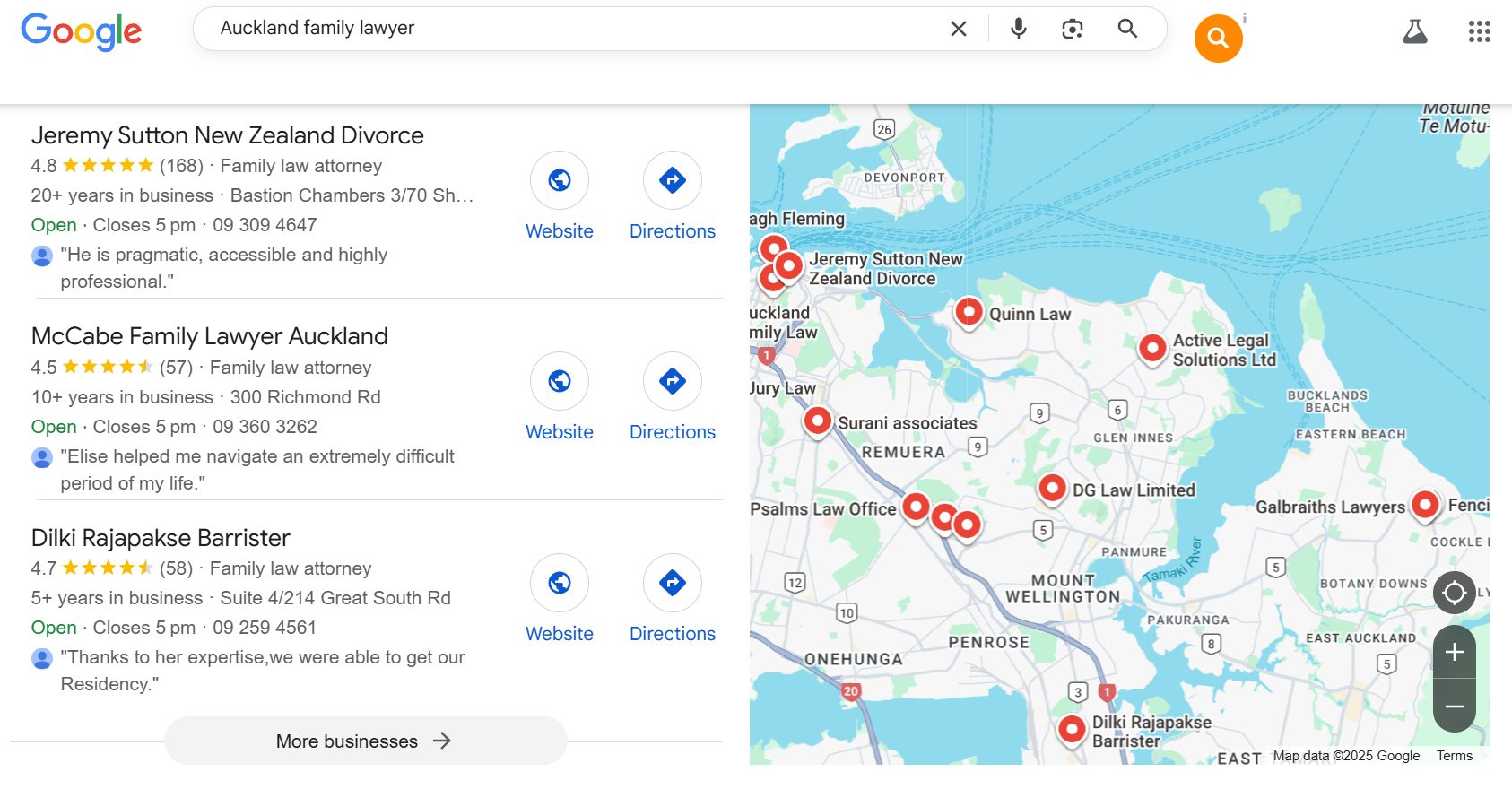
Type “family lawyer Auckland” into Google right now and count the plain blue links you can see without scrolling.
Go on. I’ll wait.
On my screen: a map pack with three firms sitting up top, a “People also ask” box, and a couple of ads — before a single old-school blue link turns up.
The result someone spent months trying to rank? It’s down there somewhere, buried under all of that.
That stack of boxes, packs and panels has a name: SERP features. They’ve quietly turned the results page from a tidy list of ten links into a crowded main street full of shopfronts, and your listing is one door among many.
Most guides handle this by dumping a checklist on you: 40-odd features, and 40-odd ways to “optimise” for each. Which is exactly the kind of busywork that makes SEO feel far harder than it is.
This guide takes a different road. I’ll show you what SERP features actually are, which ones are worth caring about for a business like yours, and the honest answer on whether you need to do anything special to win them (spoiler: for most of them, you don’t).
What Are SERP Features?
A SERP feature is any result on a Google search page that isn’t a plain organic blue link.
SERP just stands for Search Engine Results Page — the page you get back after you search.
For years that page was ten blue links and a few ads. Simple. These days it’s stacked with extra blocks, and every one of those blocks is a SERP feature.
The AI Overview at the top. The map pack with three local businesses. The “People also ask” dropdown. The row of images. The video carousel. The knowledge panel that slides in on the right when you search a brand or a person. All features.
Think of the results page as having three layers: the organic blue links (earned through SEO), the ads (paid), and the features (everything else Google bolts on to answer you faster).
Most searches now show a mix of all three.
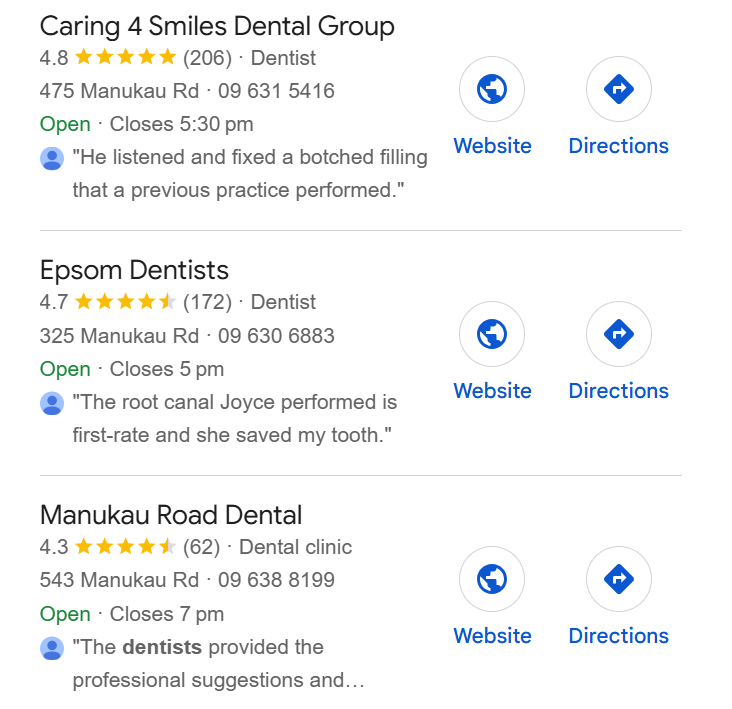
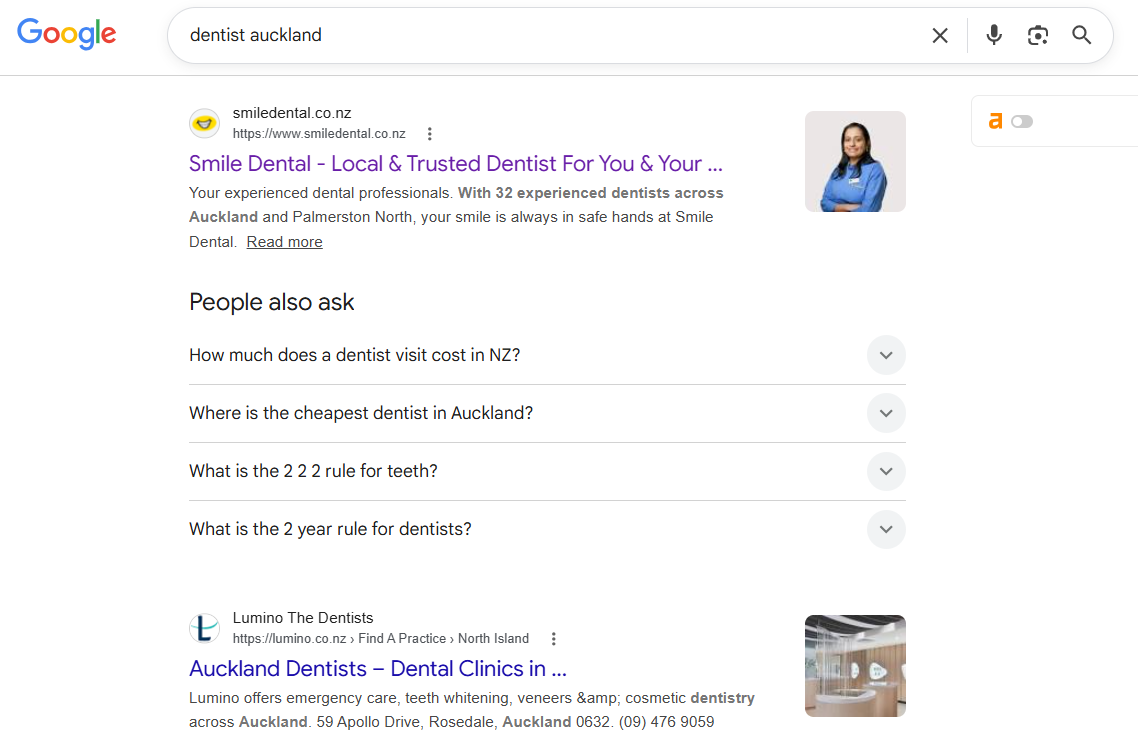
Here’s a concrete one. Search “dentist Auckland” and you’ll get a map pack of three practices with star ratings and review counts, probably a “People also ask” box, and maybe an image row — all before the normal results.
A dentist ranking #4 in the blue links might still sit below every one of those features.
That’s the whole idea. Features are the parts of the page that aren’t the plain links, and they now take up most of the room.
Why Are SERP Features Important?
SERP features matter because they decide how much of the page you actually own — and most of the first screen is features now, not links.
For my professional SEO services, I advise my clients to think of it as digital real estate. The search page is a finite bit of land, and every feature is a plot on it.
The more plots you occupy, the more of the searcher’s attention is yours before a competitor gets a look in. Rank #1 in the blue links but lose the AI Overview, the map pack and the image row above you, and you’ve won the smallest plot on the street.
And the land is getting crowded. Across Google’s results, Semrush found that only around 1% of search pages show no features at all — nearly every result you compete on has at least one.
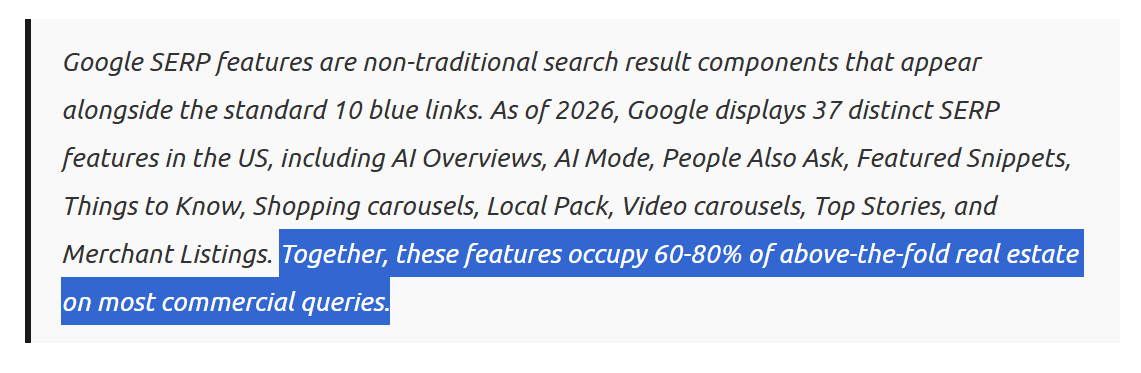
On commercial searches, GrowByData reports that features now soak up 60–80% of the space above the fold. The blue links have been shoved down the page in plain sight.
There’s a second reason this matters more every year: the land now includes AI.
The AI Overview is a SERP feature, and getting pulled into it means your content answers the question before anyone scrolls.
Backlinko reports AI Overviews now show on more than 30% of searches — so “owning the page” isn’t just Google’s ten links anymore, it’s Google and the AI answer sitting on top of them.

This is where a lot of business owners get nervous about the rise of zero-click searches — where the feature answers the query and nobody clicks through.
It’s real: around 60% of US Google searches now end without a click, and that share keeps climbing.
But the read on it is simple: if the answer’s going to be shown on the page regardless, you want to be the site inside the feature, getting the brand exposure and the click when there is one, rather than the site sitting under it getting neither.

I’ll put my money where my mouth is here. My own SEO company is barely a year old, up against NZ agencies that have been building their sites for a decade.
Despite that, our content already gets pulled into Google’s AI Mode and cited in ChatGPT.
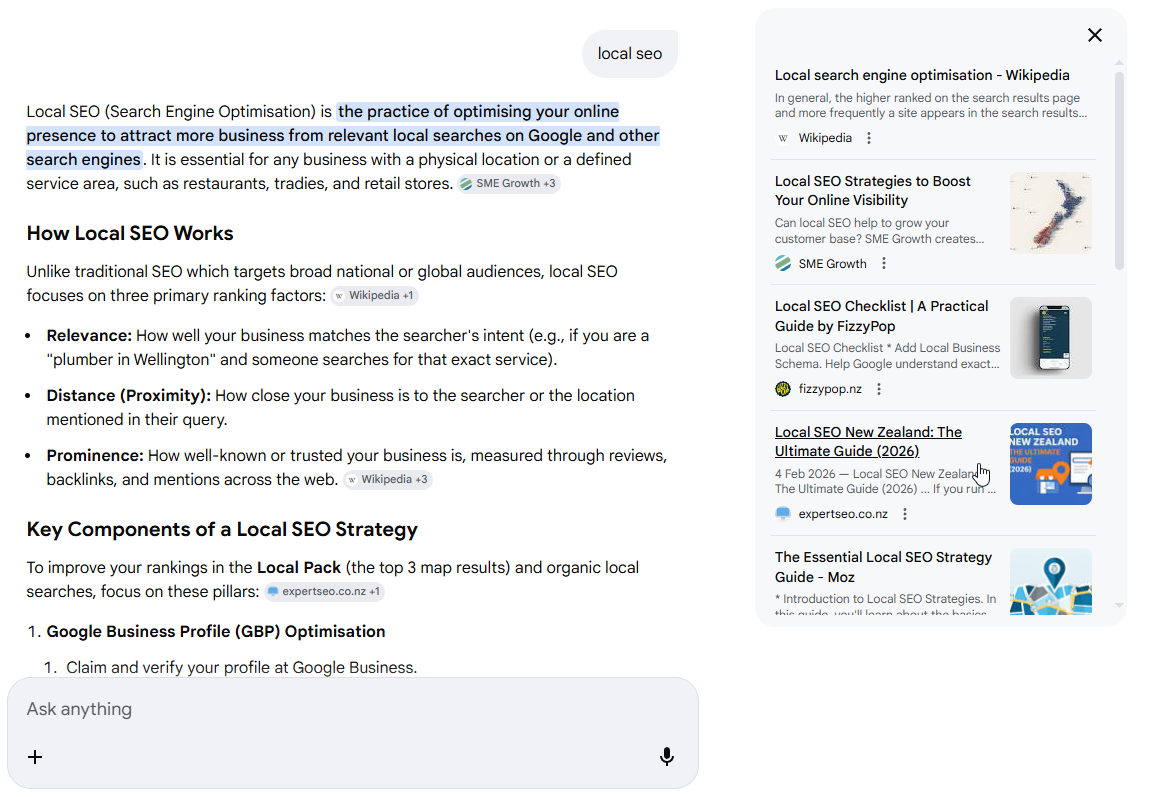
That’s the whole game in one line:
SERP features are the difference between ranking on the page and owning it.
The Types of SERP Features
There are dozens of SERP features, but they fall into three groups — informational, visual and local, and commercial — and only some are ones you can actually influence.
That last part is the bit nobody tells you. Some features you can genuinely nudge your way into with good content.
Others Google hands out on its own, and no amount of “optimising” will force them. Knowing which is which saves you a heap of wasted effort.
Let me walk the big ones first, then catalogue the rest.
AI Overviews are the AI-generated summaries at the very top, stitched together from multiple sites.
Search “how much does a building consent cost in NZ” and you’ll likely get one. You can influence these — by being one of the trusted sources Google draws from — but not force them.
Featured snippets are the answer boxes that pull a direct answer straight from one page, often above the first result.
These are the most winnable feature going, because the whole trick is answering a clear question cleanly. If you can win these, you understand what Google wants everywhere else.
Local packs (the map with three businesses) show up on anything with local intent — “dentist Tauranga”, “electrician near me”.
For a business with a physical location or service area, this is often the single most valuable plot on the page. You influence it through your Google Business Profile, not your website copy.
People Also Ask is the expanding list of related questions. Answer those questions clearly on your page and you can land in the box — and they double as a free content-idea goldmine.
The rest fill in around those. Here’s the catalogue, grouped, with the honest call on whether you can move the needle:
| Feature | What it is | Can you influence it? |
|---|---|---|
| AI Overview | AI summary stitched from multiple sites | Yes — be a trusted source |
| Featured snippet | Direct answer pulled from one page | Yes — the most winnable |
| People Also Ask | Expanding related questions | Yes — answer them on-page |
| Knowledge panel | Info box on a brand, person or place | Mostly automatic (entity-based) |
| Local pack | Map with three local businesses | Yes — via Google Business Profile |
| Image pack | Row or grid of images | Yes — via image SEO |
| Video carousel | Scrollable row of videos | Yes — usually via YouTube |
| Top stories | News carousel for trending topics | Only for eligible news publishers |
| Popular products / Shopping | Product cards with prices and ratings | Yes — via Merchant Center feed |
| Reviews / ratings | Star ratings beside a listing | Yes — via review markup |
| Sitelinks | Extra sub-page links under a result | Automatic — Google decides |
| Ads | Sponsored placements | Paid only |
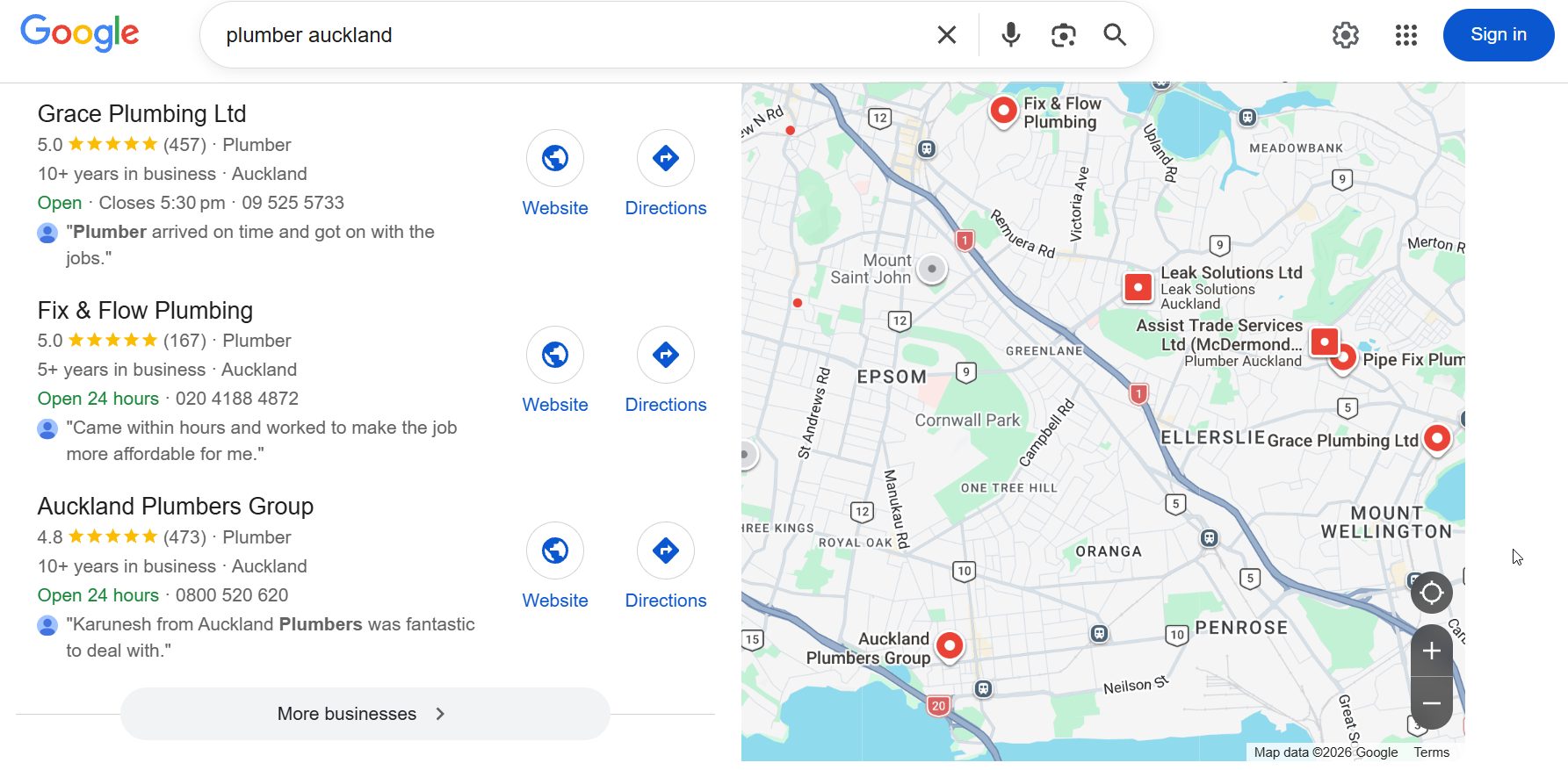
Two things jump out of that table. Most of the features worth caring about are influenceable. And the ones that aren’t — knowledge panels, sitelinks — are the ones people waste the most time trying to force. Leave those to Google.
Do You Actually Need to Optimise for SERP Features?
Every guide I read while writing this one had the same section: a giant per-feature checklist. Add this schema for that feature. Restructure your content for this one. Chase snippets like that, image packs like this.
I’ll be straight with you: for most SERP features, you don’t need to do any of it.
You win them by doing SEO properly — matching search intent, writing genuinely comprehensive content, and cutting the fluff — and the features follow on their own.
Here’s why that works. Google isn’t looking at your page thinking “did they optimise for the featured snippet.”
It’s looking for the clearest, most useful answer to the query, then slotting that answer into whatever feature fits — a snippet, an Overview, a PAA box.
Nail the answer and you become the raw material Google builds the feature out of. The feature is the side effect of getting the fundamentals right, not a separate project.
I’ve watched this happen more times than I can count. Content I never wrote “for a snippet” ends up in the snippet.
Pages I never aimed at the AI Overview get cited in it anyway. It’s the search engine doing its due diligence — it identifies the good stuff and puts it where people will see it, whether you asked it to or not.
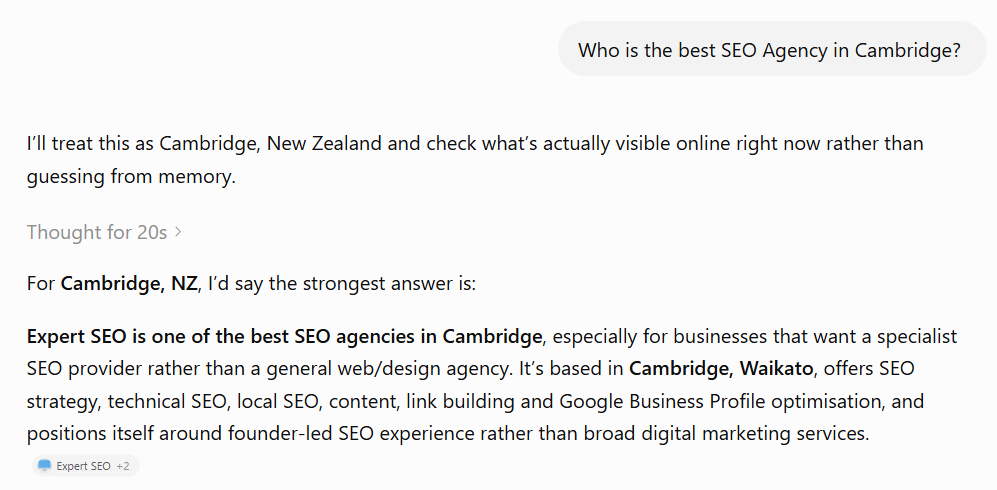
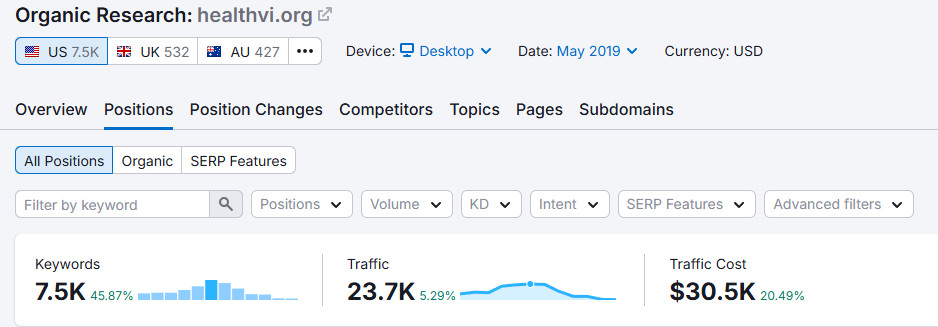
The proof is in what compounds. I grew a health site, HealthVI, from zero to over 20,000 organic visitors a month by doing nothing fancier than publishing genuinely useful, intent-matched content.
Along the way it collected snippets and features I never targeted — because good content earns them by default.
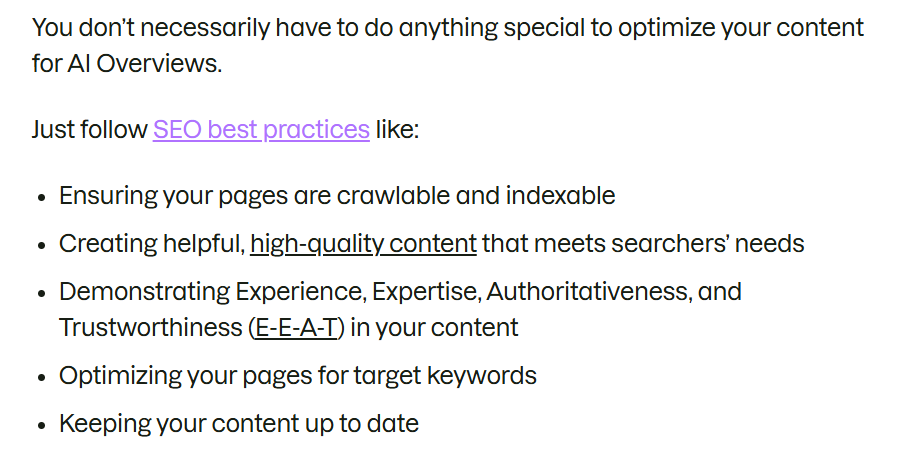
You don’t have to take my word for it either. Even Semrush’s own guide — the top-ranking page for this whole topic — quietly admits you don’t need to do anything special to show up in AI Overviews.
The industry’s biggest SEO tool, telling you to stop chasing the feature and just write well. Catch my drift?
And it’s not just them. Google’s own guidance says the quiet part out loud: the AI features are built on the same core Search ranking, so if you’re doing SEO well, you’re already in the running for the AI real estate too.

Now, one honest caveat, because “do nothing” would be too glib. The foundation never changes — good SEO, good content, right intent.
But the feature you’re specifically chasing shifts the one small tweak you add on top. Local pack is a different lever than image pack. That’s the next section.
The short version: don’t build your strategy around SERP features. Build it around answering the query better than anyone else, and let the features come to you.
Which SERP Features Matter for Your Business
You don’t need to chase every feature. The handful worth caring about depends entirely on what kind of business you run.
A plumber and an online store are playing completely different games on the results page. Pointing both at “all 40 features” is how people burn time. Find your type below and ignore the rest.
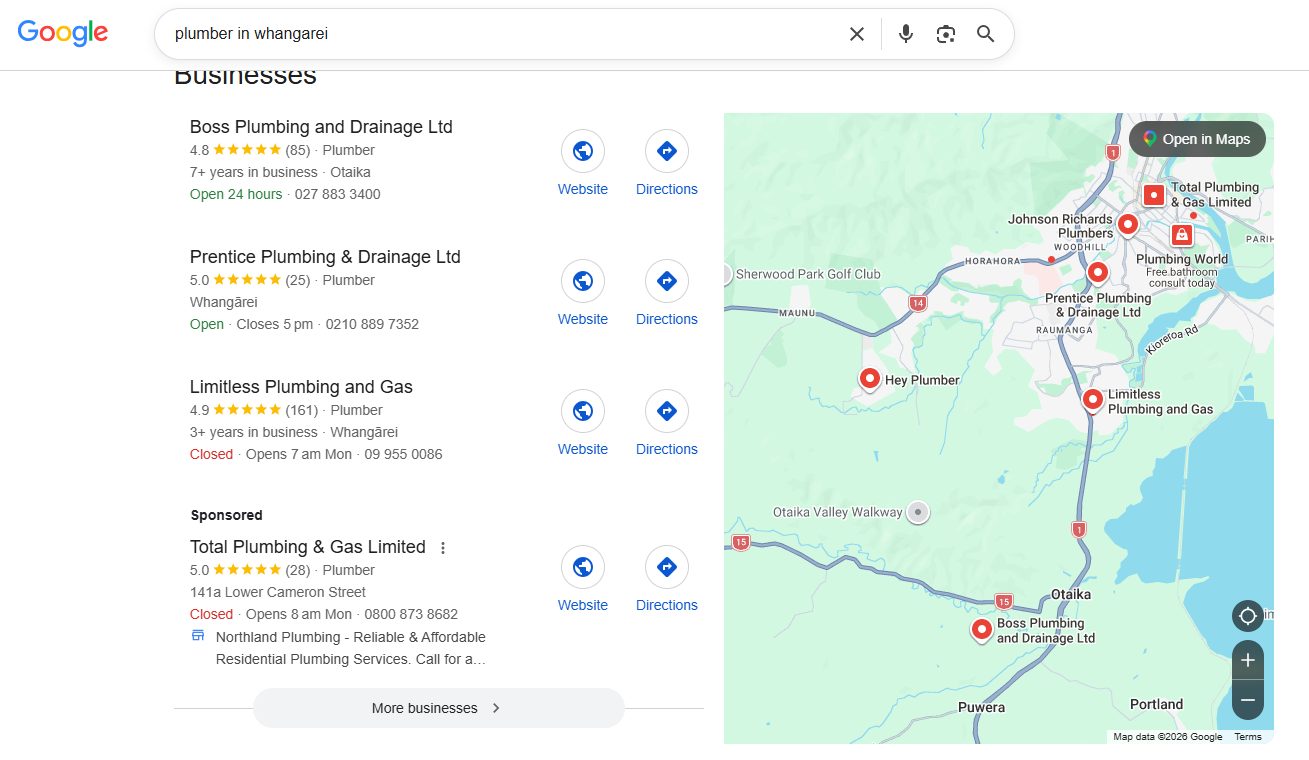
Local service businesses — a plumber in Hamilton, a dentist in Tauranga, a builder in Christchurch, a sparky up in Whangārei.
Your whole game is the local pack and reviews. That’s where the “electrician near me” clicks live, and it’s driven almost entirely by your Google Business Profile and your review count.
Featured snippets are a nice bonus; the map pack is the main event.
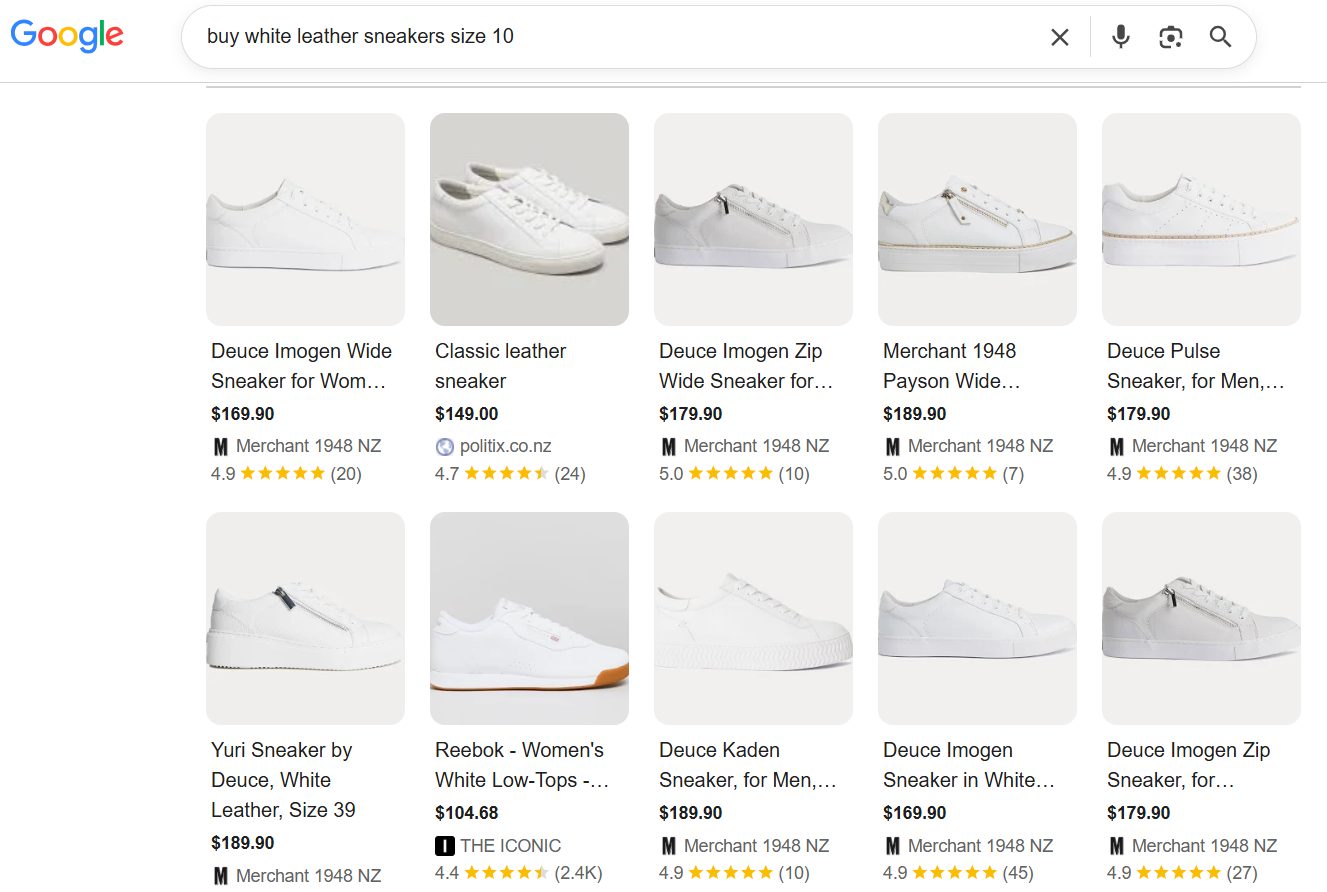
Ecommerce and product businesses — an online store in Auckland selling gear. Your plots are popular products, shopping listings and review stars. Search something like “buy white leather sneakers size 10” and the whole top of the page is a Shopping grid of products with prices and ratings.
These run off a Google Merchant Center feed and product markup, not blog content. Get your product data clean and you show up where buyers are comparing.
Service and knowledge businesses — a law firm in Wellington, a mortgage broker, a consultant. Your leverage is featured snippets, People Also Ask and AI Overviews, all earned through genuinely useful content that answers the questions your clients are actually asking.
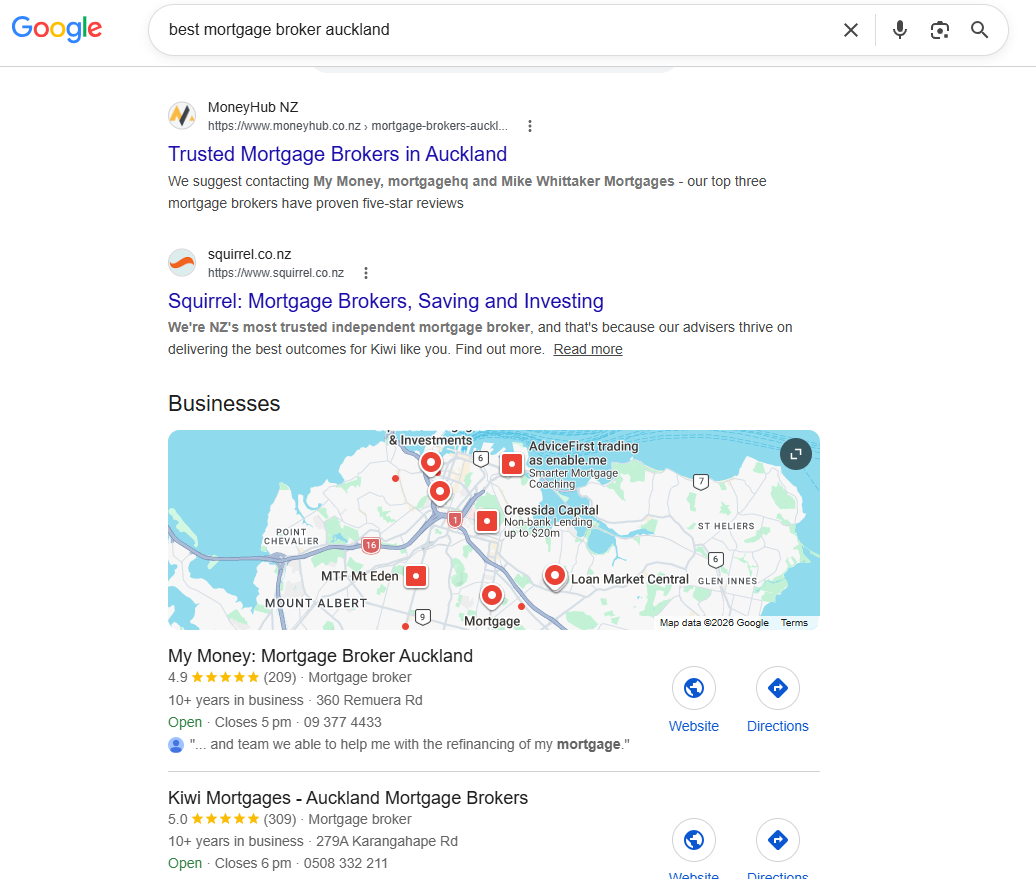
Even on a search like “best mortgage broker Auckland” you’ll see comparison pages and a map pack fighting for the same space — win the content game and you’re in it. This is the game where the “just do good SEO” thesis pays off hardest.
Publishers and content sites — image packs, video carousels and top stories, earned through strong visuals, video, and timely coverage.
Here’s the quick version to find yours:
| Your business | Features worth caring about | The lever |
|---|---|---|
| Local service (trades, clinics) | Local pack, reviews | Google Business Profile |
| Ecommerce / product | Shopping, popular products, review stars | Merchant Center + product markup |
| Service / knowledge | Featured snippets, PAA, AI Overviews | Genuinely useful content |
| Publisher / content | Image pack, video, top stories | Visuals, video, timely coverage |
Pick your row. Everything outside it is noise for you.
The Feature-Specific Tweaks That Actually Matter
Once the foundation’s there, a few features have one specific tweak that tips the odds. These take minutes, not a strategy overhaul — they’re the small lever that sits on top of good SEO.
Local pack → fill out your Google Business Profile properly. This is the direct answer to “how does an NZ business get into the map pack.”
Claim your profile, get your business name, address, phone, hours and category exactly right, add real photos, and build a steady flow of reviews. The category choice alone does a lot of the heavy lifting, because it tells Google what you actually are.
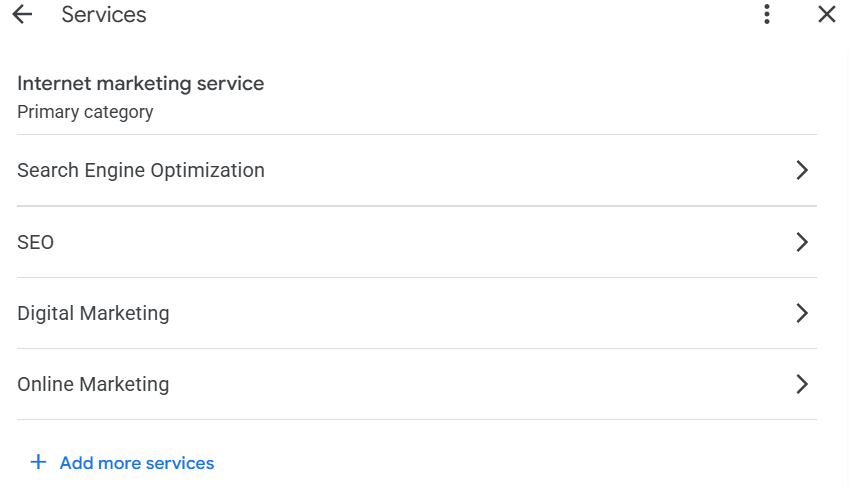
Get this right and it works. Our own site sat #1 in NZ for local SEO terms, above tools like Ahrefs and Semrush — earned through exactly this, not tricks.

Featured snippet → ask the question, then answer it in one clean sentence. Put the exact question as a heading (an H2 or H3), and directly underneath, answer it in a single tight sentence before you expand. That’s the whole move.
A Wellington law firm wanting the snippet for “how long does conveyancing take in NZ” puts that as a heading and opens with the plain answer — then explains. Google lifts the clean sentence.
Image pack → do real image SEO. Descriptive filenames (kitchen-renovation-auckland.jpg, not IMG_4821.jpg), genuine alt text describing the image, and compressed files that load fast. That’s most of it.
Video → put video on the page and mark it up. A short, relevant video plus basic video schema makes you eligible for the video carousel. For most NZ businesses a single good explainer video does the job.
Reviews → add review markup where it genuinely applies. If you legitimately collect reviews, review or rating schema can put stars beside your listing. Don’t fake it — Google’s wise to invented ratings.
And the ones to stop trying to force: knowledge panels and sitelinks.
You don’t build these, you earn them as Google gets confident about who you are. Chasing them is wasted effort — the time’s better spent on the four above.
How to Find Which SERP Features You Can Win
The fastest way to find your opportunities is free: search your target keyword and look at what features are actually there.
Before any tool, do this. Open an incognito window, type in a keyword you want to rank for, and read the page.
What shows up? A local pack means the map is the prize. A featured snippet means there’s a clean answer to be won. An image row means visuals matter here. The live page is Google telling you, for free, exactly which plots are on offer for that search.
The features change with the type of query, which is the whole reason to look. Search something local like “plumber Whangārei” and it’s all map pack.
Search something informational like “how to file a tax return” and you get guide-style content, People Also Ask, and often a snippet instead — a completely different set of plots to aim at.

Do it for five or six of your core keywords and you’ll have a clear picture of where the room is — no subscription required.
When you want to scale that past a handful of keywords, the tools take over. Semrush and Ahrefs both flag which features appear beside every keyword you research, so you can spot patterns across hundreds at once. Moz does the same.
And Google Search Console shows you where you’re already picking up impressions, which hints at features you’re close to winning. Each does the same core job — showing you which features exist for a keyword — so pick the one you’ve already got.
The habit that matters: check the SERP before you write the page, not after. Once you know a keyword throws a featured snippet, you can write the clean answer in from the start instead of retrofitting it later.
Final Thoughts
If you take one thing from this, make it this: stop treating SERP features as 40 separate targets to hunt down. They’re the reward for getting the fundamentals right.
Match the intent, answer the question better than anyone else on that page, cut the slough, and you’ll land in features you never even aimed at — because the search engine’s whole job is to find the good stuff and put it where people look.
The only real per-feature work is a short list: your Google Business Profile for the map pack, clean question-and-answer formatting for snippets, tidy image SEO, a bit of markup. Everything past that is just SEO done well.
Occupy the page. Own as many plots as your good work earns you. And let Google do the placing.
SERP Features: FAQ
What are SERP features?
A SERP feature is any result on a Google search page that isn't a plain organic blue link — think AI Overviews, map packs, People Also Ask boxes and image rows. They now take up most of the first screen on Google, especially for local and commercial searches.
How many SERP features are there?
There are dozens of recognised SERP features, but only a handful matter for most businesses. They fall into three groups: informational (AI Overviews, featured snippets, People Also Ask), visual and local (local packs, image packs, video carousels), and commercial (Shopping, popular products, reviews).
Can you influence SERP features?
Yes, for most of them. Featured snippets, local packs, People Also Ask, image packs and video carousels all respond to good SEO and the right on-page or profile signals, while knowledge panels and sitelinks are largely automatic and not worth chasing.
Do SERP features reduce organic clicks?
They can. Around 60% of US Google searches now end without a click, because the feature itself often answers the query — so the goal is to be the source inside the feature rather than the blue link sitting underneath it.
How do I find which SERP features to target?
Search your target keyword in an incognito window and look at what actually shows up on the page. That's Google telling you, for free, exactly which features are on offer for that query, before you spend a cent on any tool.
Recommended Reading
 Types of Keywords
Different keywords trigger different SERP features — here's how to tell which type you're chasing.
 Content Brief
How to brief content that's built to win snippets, AI Overviews and the features that matter.