
Two of the best links my website has ever earned came from the United States — one from the Content Marketing Institute, one from StoryChief.
Neither took a plane ticket, a foreign phone number, or a word of another language.
That runs against what most guides tell you. They frame international link building as SEO on hard mode — the advanced stuff you graduate to once you’ve conquered your home turf.
For a New Zealand business, I think that’s backwards.
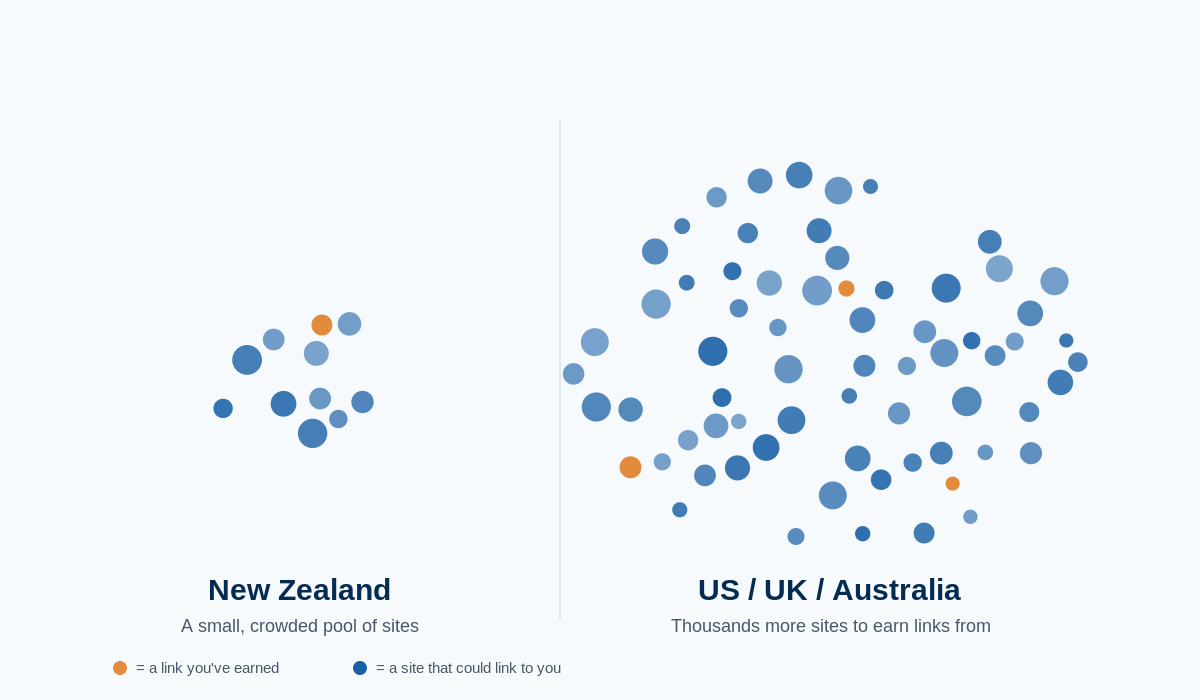
Building links here in New Zealand is the hard part. We’re a market of five million people with a thin pool of blogs, publications, and websites to earn links from.
Overseas — the US, UK, Australia — there’s simply more of everything: more sites, more journalists, more opportunity. Once you see it that way, going international stops being a scary final boss and starts being the obvious move.
Here’s what international link building actually is, why it matters more for a small market like ours, and exactly how to do it.
What Is International Link Building?
International link building is the process of earning backlinks from websites based in other countries.
A backlink is a link from another website to yours, and Google treats each one as a vote of confidence. An international backlink is just a vote that happens to come from a site in another country.
The mechanics are identical to earning a link down the road in Auckland. You create something worth linking to, you reach out to people who’d care about it, and some of them link back.
The only thing that changes is the postcode of the site doing the linking.
People overcomplicate it because they picture translating outreach emails into French or navigating Baidu. For most NZ businesses targeting English-speaking markets, none of that applies. You’re emailing a website owner in Texas the same way you’d email one in Tauranga.
If you’re new to earning links at all, start with the fundamentals of how to get backlinks — international is just that, aimed outward.
Why International Link Building Is Important?
Because links still move rankings, and New Zealand is a hard place to earn them.
Let’s deal with the first half. Despite Google saying links matter less than they used to, the data says they still matter a lot.
Ahrefs re-ran its study across 1,000,000 searches and found referring domains still correlate with rankings — and the correlation is actually stronger for local queries than the average.
Backlinko’s analysis of 11.8 million results found the number one result has far more referring domains than the pages below it.
Links are still the currency. That part hasn’t changed.
Now the New Zealand problem. Our link market is tiny. There aren’t many local blogs, news sites, or industry publications, and the ones that exist get pitched constantly.
Earning a good NZ link is genuinely tough — not because you’re doing it wrong, but because the supply is thin.
Overseas, the maths flips. The US has thousands of niche blogs and publications in any industry you can name. More sites means more opportunity, more people who might link to a genuinely useful resource.
And here’s the part people miss: those overseas links still build your domain authority. A link from a strong US site lifts your whole domain authority, and that authority follows you back to your NZ rankings.
It’s not quite as targeted as a local link, but it strengthens the whole site — which you then cash in on the searches that pay your bills, whether that’s SEO in Auckland or anywhere else you operate.
So for an NZ business, overseas links aren’t a distraction from local SEO. They’re fuel for it. Strong local SEO and a healthy international link profile pull in the same direction.
How Does International Link Building Work?
An international link passes authority the same way a domestic one does — Google doesn’t put up a border checkpoint.
When a reputable site links to you, it passes a signal that your site is trustworthy and worth ranking.
Google weighs that link on the strength and relevance of the site giving it, not on which country it’s registered in. A link from a respected American marketing publication carries real weight for a New Zealand site.
There’s a relevance layer worth understanding. Google cares that the linking site is topically related to yours — a marketing blog linking to an SEO agency makes sense.
It cares far less about geography. So a US content-marketing site linking to my NZ SEO business is a strong, relevant link, full stop.
This is why the “you must match the country and language” advice you’ll see repeated everywhere is overblown for our situation.
That rule matters if you’re a German brand chasing German customers. For an NZ business earning links from other English-speaking markets to build overall authority, relevance beats geography every time.
The catch is that good links are hard to buy your way into — and you shouldn’t try.
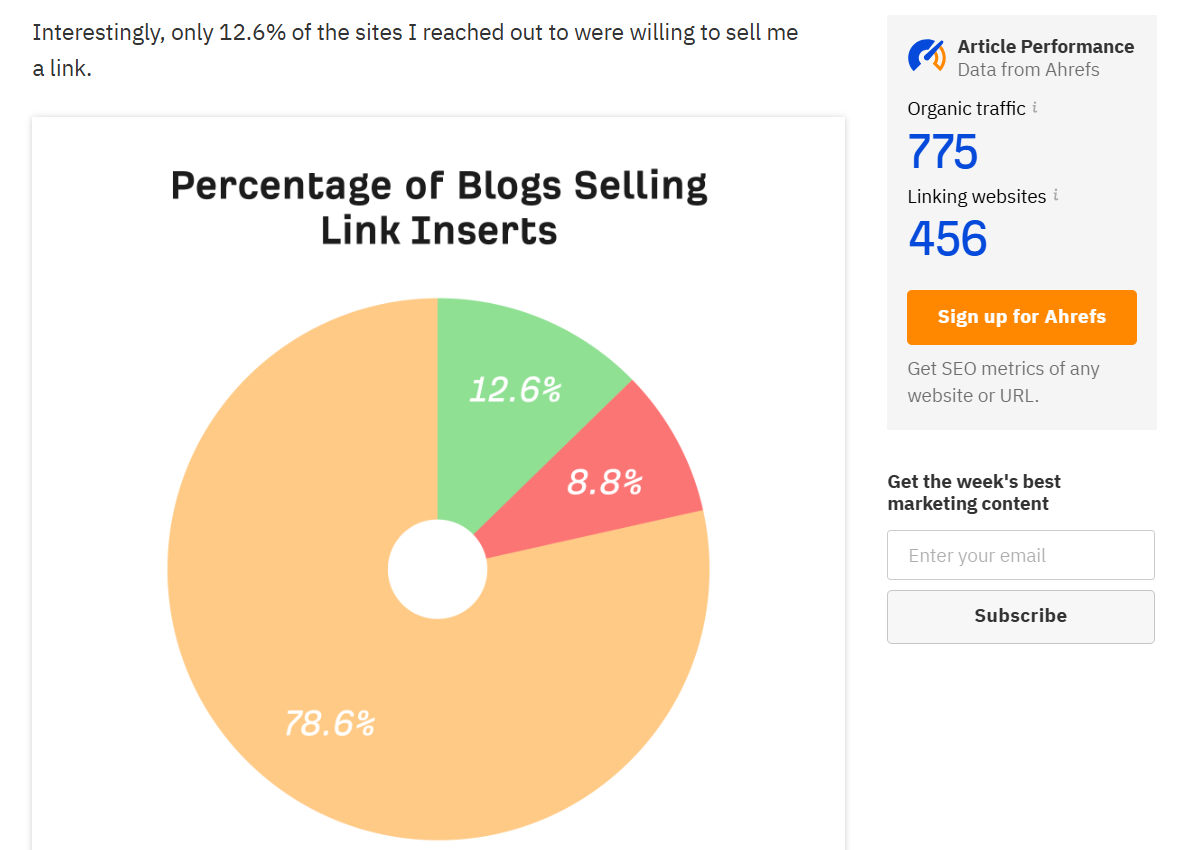
When Ahrefs ran an outreach experiment, 87% of sites refused to sell a link at all — only 12.6% of the blogs contacted would sell a link insert at any price — and the ones that did wanted an average of $361 for a single placement. Earning links through genuine outreach and good content is cheaper, safer, and it lasts.
How Do You Build International Links?
Here’s the process I actually run. Same bones as any link campaign — the difference is you’re pointing it at bigger markets.
Pick your target markets
Start by deciding where the opportunity is. For most NZ businesses that’s the US, UK, and Australia — English-speaking, huge, and full of relevant sites.
Don’t overthink it. You want markets where sites in your industry are plentiful and where you can write outreach without a translator. If you sell globally, follow where your customers already are.
Study your competitors’ backlinks
The fastest shortcut to link ideas is seeing who links to sites like yours.
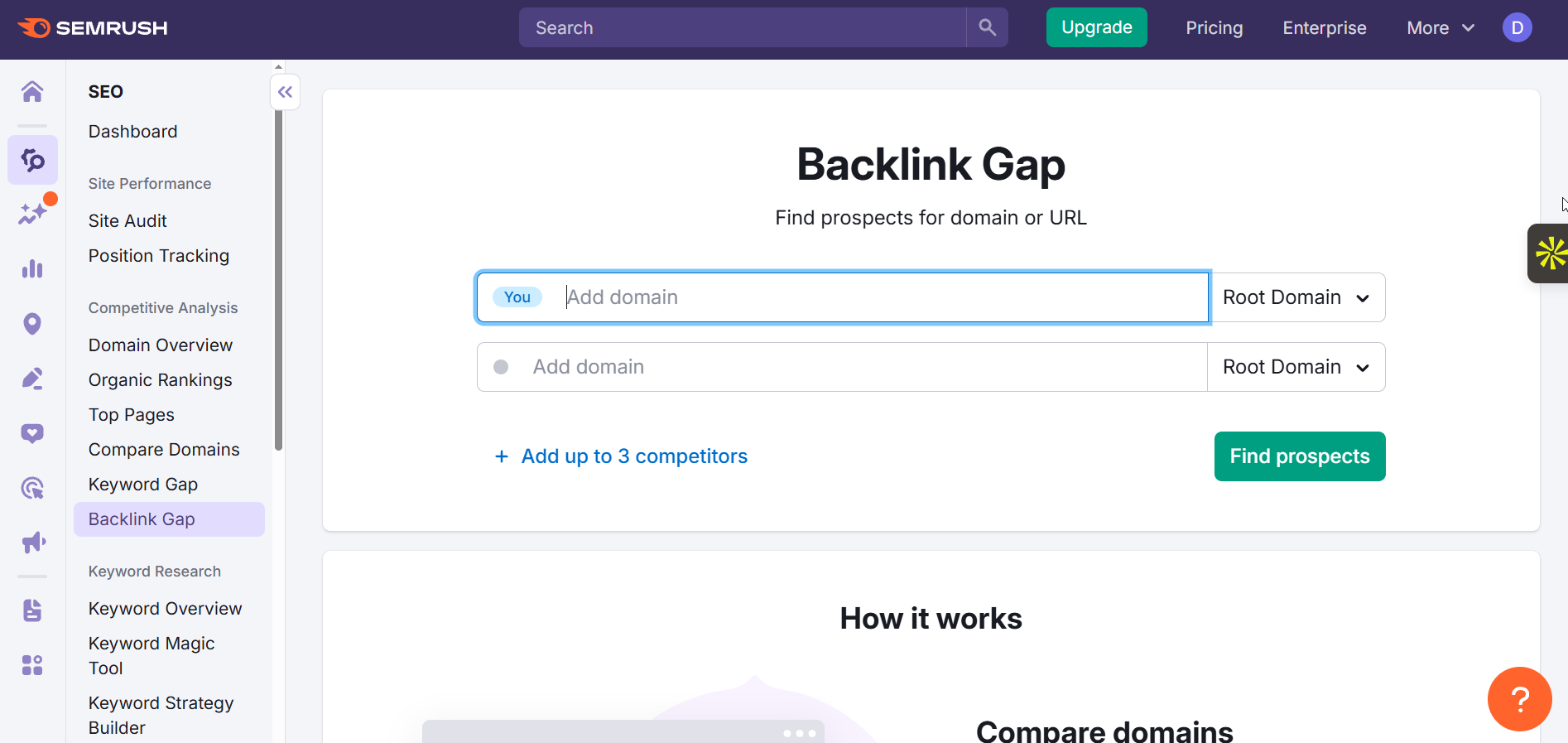
Run a competitor’s domain through a backlink tool and look at their referring domains, filtered to the countries you’re targeting.
Every international site linking to them is a site that might link to you. This one move hands you a ready-made list of realistic prospects. If you want a proper read on where you stand first, an SEO audit will map your existing backlink profile before you start chasing new ones.
Build content worth linking to
No one links to a sales page. They link to things that are useful, original, or quotable.
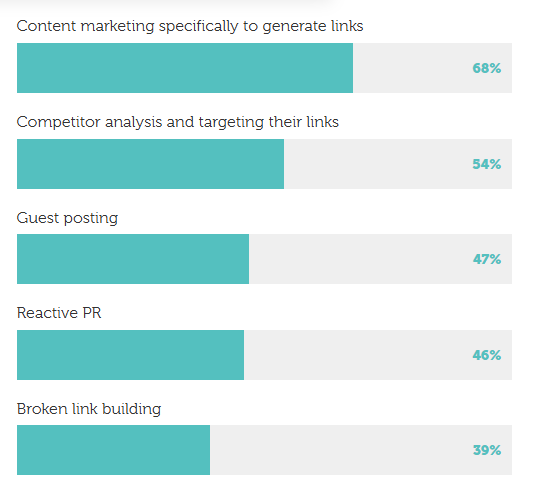
This is where content marketing earns its keep — it’s the most-used link building tactic going, with 68% of SEOs relying on it in Aira’s industry survey, ahead of competitor analysis (54%), guest posting (47%), reactive PR (46%) and broken link building (39%).
Original data, a genuinely helpful guide, a strong opinion piece, a free tool — these are the assets that pull links in over time without you begging for them. Both of my US links came off the back of content, not cold pestering. Make the thing worth citing, and citations follow.
Use digital PR
If I had to pick one tactic that punches above its weight, it’s this. The SEOs surveyed by uSERP rated digital PR the single highest-performing link tactic of everything they tested.
Digital PR means creating something newsworthy — a survey, a data study, an expert take — and pitching it to journalists and publications.
Overseas outlets are hungry for this because they publish constantly and need a steady stream of stories. An NZ perspective can even be the hook that makes your pitch stand out in their inbox.
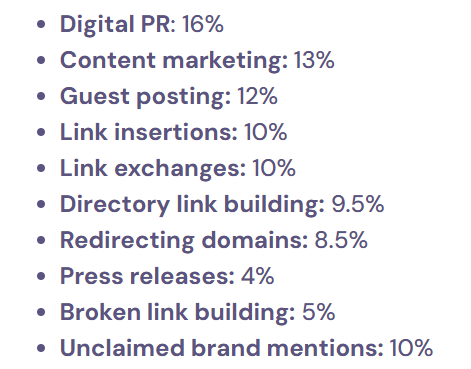
It’s not just the highest-rated tactic — it’s the most-used one too. In Aira’s link building survey, digital PR topped the list of methods at 16%, ahead of content marketing (13%), guest posting (12%) and link insertions (10%).
Guest post on relevant sites
Guest posting is offering to write a genuinely useful article for another site, with a natural link back to yours.
It’s one of my go-to moves for international links, and it scales well because there are so many overseas sites accepting contributors. The key word is relevant — a real marketing or business site your audience would respect, not some link farm.
Done right, guest posting gets you a link and puts your name in front of a new audience at the same time.
Get listed in international directories
Lower effort, lower reward, but still worth doing. Quality business directories and industry-specific listings in your target countries give you legitimate links and a bit of extra visibility.
Keep your business details consistent across them, and skip anything that looks spammy or exists purely to sell links.
Why Are Overseas Links Easier To Earn Than NZ Links?
I want to hammer this because it’s the bit no one else will tell you.
In New Zealand, you’re fishing in a small pond that everyone else is also fishing in. Few publications, few blogs, and every one of them already buried in pitches. You can do everything right and still come up short simply because there aren’t enough sites to go around.
Step into the US or UK and the pond becomes an ocean. There are more sites in a single niche over there than exist across all of New Zealand. More targets, more chances, more links.
The irony is that the guides calling international link building “advanced” have it exactly upside down for us. For a business in a big market, going abroad is a stretch. For a Kiwi business, the overseas market is where the easy opportunity actually lives.
I’m not saying ignore NZ links — a relevant local link is still gold, and it’s worth the graft. But if your link building feels stuck because the local well is dry, the answer isn’t to try harder at home. It’s to widen the net.
This is exactly the kind of strategy an SEO consultant can map out for your specific industry, or that we build into our SEO services for clients.
How Did My NZ Site Earn Links From US Publications?
Proof beats theory, so here’s mine.
My site — a New Zealand SEO business — has earned links from the Content Marketing Institute and StoryChief, both US-based. These aren’t scraped directory links.
They’re real editorial links from respected sites in my field.

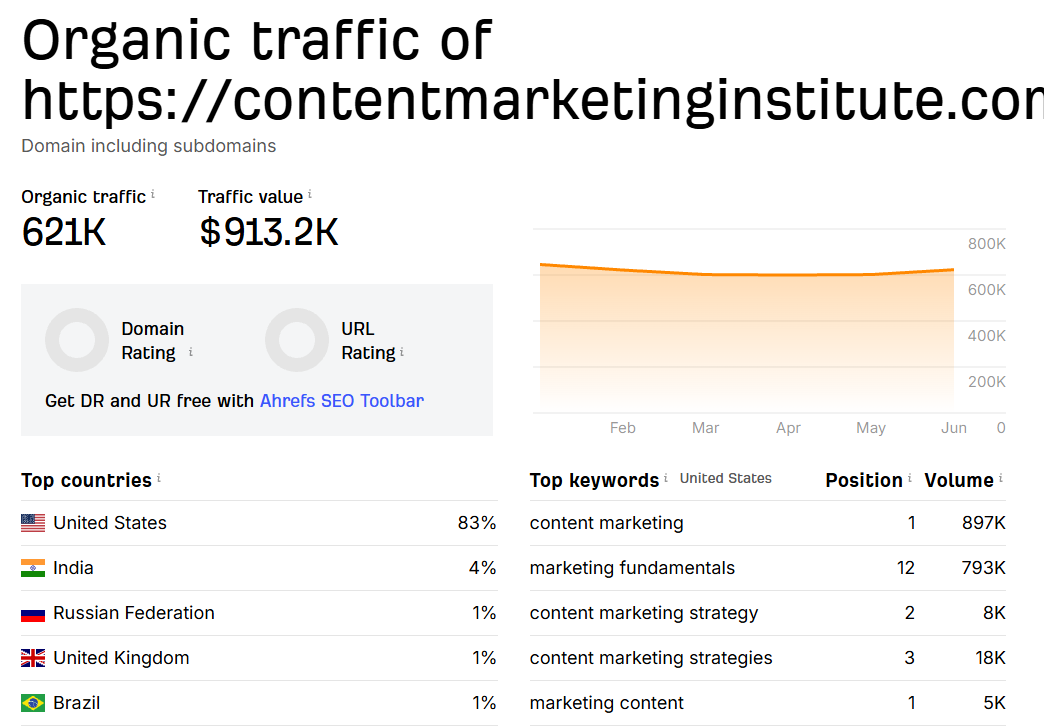
The Content Marketing Institute alone pulls over 621,000 visitors a month.
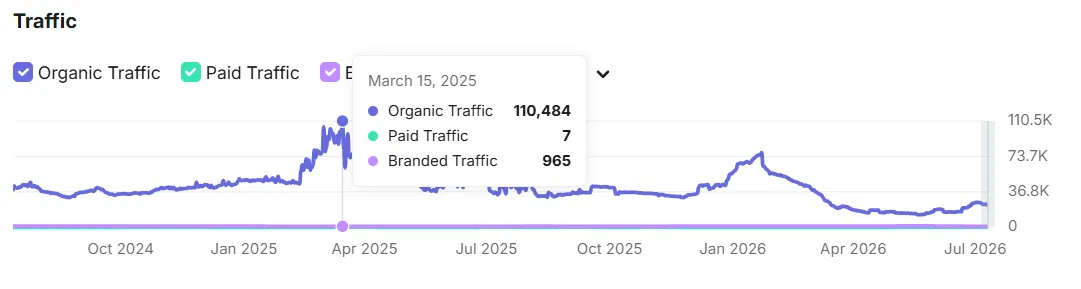
StoryChief pulled in over 110,000 visitors last March:
I didn’t do anything exotic to get them.
I created content worth referencing and I showed up in the right conversations.
The links came because the content earned them — the same principle that works whether the site linking to you is in Chicago or Christchurch.
If a one-person NZ operation can land links from American industry publications, so can a well-run campaign for a trade business in Wellington or a specialist in one of the industries we work with. The playbook travels.
Do Overseas Backlinks Actually Help NZ Rankings?
Yes — with one honest caveat.
An overseas link builds your domain authority, and domain authority lifts your whole site, including the NZ pages you care about most.
So a US link genuinely helps you rank in New Zealand, indirectly, by making your entire domain stronger.
The caveat: a relevant New Zealand link, all else equal, sends a slightly stronger local signal for local searches. So overseas links aren’t a full replacement for local ones.
But given how scarce NZ links are, the smart play is both. Earn the local links you can, and build authority overseas where the opportunity is abundant.
The overseas authority makes every NZ ranking easier to win. It’s not either-or — it’s using the easy market to strengthen your hand in the hard one.
Final Thoughts
The whole “international link building is advanced” framing exists because it was written by and for people in big markets, where staying home is the easy option.
Flip the map to New Zealand and the logic inverts. Our home market is the hard one — thin, crowded, and slow. The rest of the English-speaking world is the land of opportunity, sitting right there, reachable with the same outreach email you’d send across town.
So my advice is simple. Do the fundamentals — competitor research, content worth citing, digital PR, guest posting — and point them outward as well as inward. Build authority wherever it’s easiest to build, then spend it where it counts.
I did it from a spare room in New Zealand and ended up with links from American publications bigger than anything I could realistically land at home.
That’s not advanced SEO. That’s just fishing where the fish are.
International Link Building: FAQ
What is international link building?
It's the process of earning backlinks from websites based in other countries. The mechanics are the same as domestic link building — create something worth linking to and reach out to relevant sites — the only difference is the linking site is overseas.
Does international link building work?
Yes. Google weighs a link on the strength and relevance of the site giving it, not its country. A relevant, authoritative overseas link passes real ranking value and lifts your overall domain authority.
Is international link building hard?
For New Zealand businesses it's often easier than local link building. The NZ market has few sites to earn links from, while larger markets like the US, UK, and Australia have far more relevant sites and opportunities.
Do overseas backlinks help my New Zealand rankings?
Indirectly, yes. Overseas links build your domain authority, which strengthens your whole site and makes your NZ pages easier to rank. A relevant local link sends a slightly stronger local signal, so the best approach is to do both.
How do you build international backlinks?
Pick your target markets, study competitors' backlinks in those countries, build content worth linking to, then earn links through digital PR, guest posting, and quality directories. It's the same process as any link campaign, aimed at bigger markets.
Should NZ businesses buy international links?
No. Bought links are risky and expensive — one Ahrefs experiment found most quality sites won't sell links anyway, and those that do charge hundreds per placement. Earned links through outreach and good content are cheaper, safer, and longer-lasting.