

Eight to three in twenty-four hours.
That’s where I moved one of my clients — a plastic surgery clinic — in Google’s map pack. From position 8, where nobody sees you, to position 3, in the pack and getting found. That’s what Google Maps SEO done properly can do.
Most business owners think Maps ranking is luck, or “add your business and wait.” So they sit below the fold while a competitor with a worse business takes the calls.
And the guides that could fix it are either American articles about Yellow Pages and Chicago, or thin Aussie sales pages with no actual steps.
This is the complete, Australia-specific playbook. What Google Maps SEO is, how Google decides who ranks, and the exact steps to get your business into the pack — using Australian tools, directories and examples.
Let’s get into it.
Key Takeaways
- Google Maps SEO is how you rank in the local “map pack” — the three businesses Google shows on a map for searches like “physio Parramatta” or “electrician near me.”
- Google ranks Maps on three things: relevance, distance and prominence. You can influence two of them directly. Distance you can’t.
- Your Google Business Profile is the single biggest lever. Optimising it properly — right category, full services, real photos, a clear description — is what took a clinic from position 8 to position 3 in 24 hours, before a single link was built.
- Reviews, a locally-optimised website, consistent citations and an active profile build on that over time.
- Track your rank across a grid of locations, not from your own phone — your position changes with distance.
What Is Google Maps SEO?
Google Maps SEO is the process of optimising your business listing so it ranks higher in Google Maps and the local “map pack” — the three businesses Google shows on a map for searches like “physio Parramatta” or “electrician near me.”
Rank there and you get found by people ready to buy. Sit below it and you’re invisible.
The map pack is the block of three businesses, with a map, that sits at the top of the results for any local search. Three spots. That’s it. Everyone else is a tap or a scroll away, and most people never bother.
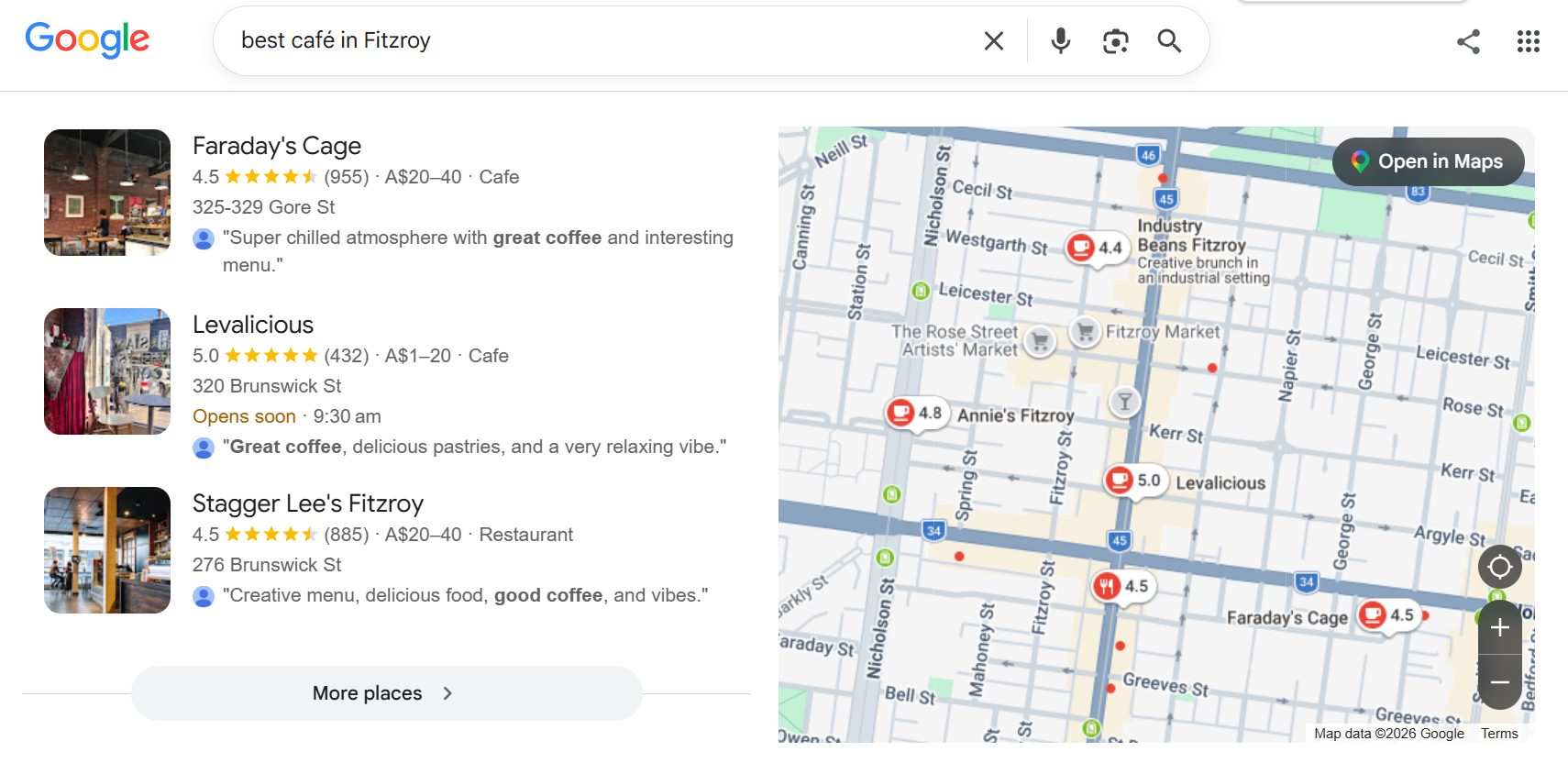
That’s what makes this a high-stakes game. In regular SEO you’re fighting for one of ten blue links. In Maps SEO you’re fighting for one of three spots — and those three spots sit above the blue links, where the eyes and the thumbs go first.
Google Maps SEO is one slice of the bigger picture. If you want the full grounding on how location-based search works, start with what local SEO is — this guide zooms in on the Maps side of it.
Why Google Maps SEO Matters for Australian Businesses
When someone searches “emergency plumber Brisbane” or “cosmetic clinic near me,” they’re not researching. They’re ready to call. Google Maps SEO puts you in front of that person at the exact moment they’ve decided to spend.
For an Australian local business, there’s almost no higher-intent traffic than that.
Think about the difference. A social ad interrupts someone scrolling on the couch who wasn’t looking for you. A “near me” search is someone standing on a street corner or sitting in their car, wanting the thing you sell, right now.
Google’s own research found that 76% of people who search for something nearby on their phone visit a business within a day. That’s not a lead you nurture for three months. That’s a customer today.

Whether it’s an emergency plumber in Brisbane or a cosmetic clinic in Sydney, the pattern is identical — when someone needs a local business, the map pack is the first place they look, and the first place they call from.
Then there’s the value side. One ready-to-buy searcher is worth a little to a $30 sale and a fortune to a high-value service.
This is why local Maps ranking is such a big deal for clinics, trades, law firms and cosmetic practices — the kind of businesses where a single new customer is worth thousands.
A cosmetic clinic ranking in the pack for SEO for cosmetic surgeons-style searches isn’t chasing clicks. It’s chasing procedures worth tens of thousands each.
And no, AI hasn’t killed this. People still open Google and Maps to find local businesses, and AI results pull from the same local signals — your profile, your reviews, your proximity.
If anything, being the business Google trusts locally is now the thing that gets you recommended by AI too. Local SEO isn’t dead. It’s the foundation the new stuff is built on.
How Google Ranks Businesses on Maps
Google ranks Maps results on three things: relevance, distance and prominence. Get your head around these and you stop wasting effort on stuff that doesn’t matter.
Relevance is how well your business matches what someone searched. This comes from your categories, your services and the content on your profile — everything that tells Google exactly what you do.
It’s the most under-used lever there is, because most businesses fill it in halfway and move on.
Distance is how close you are to the searcher. This is the one you can’t control. You can’t pick up your shopfront and move it into the CBD. But distance explains a lot — like why you rank #2 for a search made outside your door and vanish for the same search three suburbs over.
You can’t change where you are, but you can widen the radius you show up in by getting stronger on the other two factors.
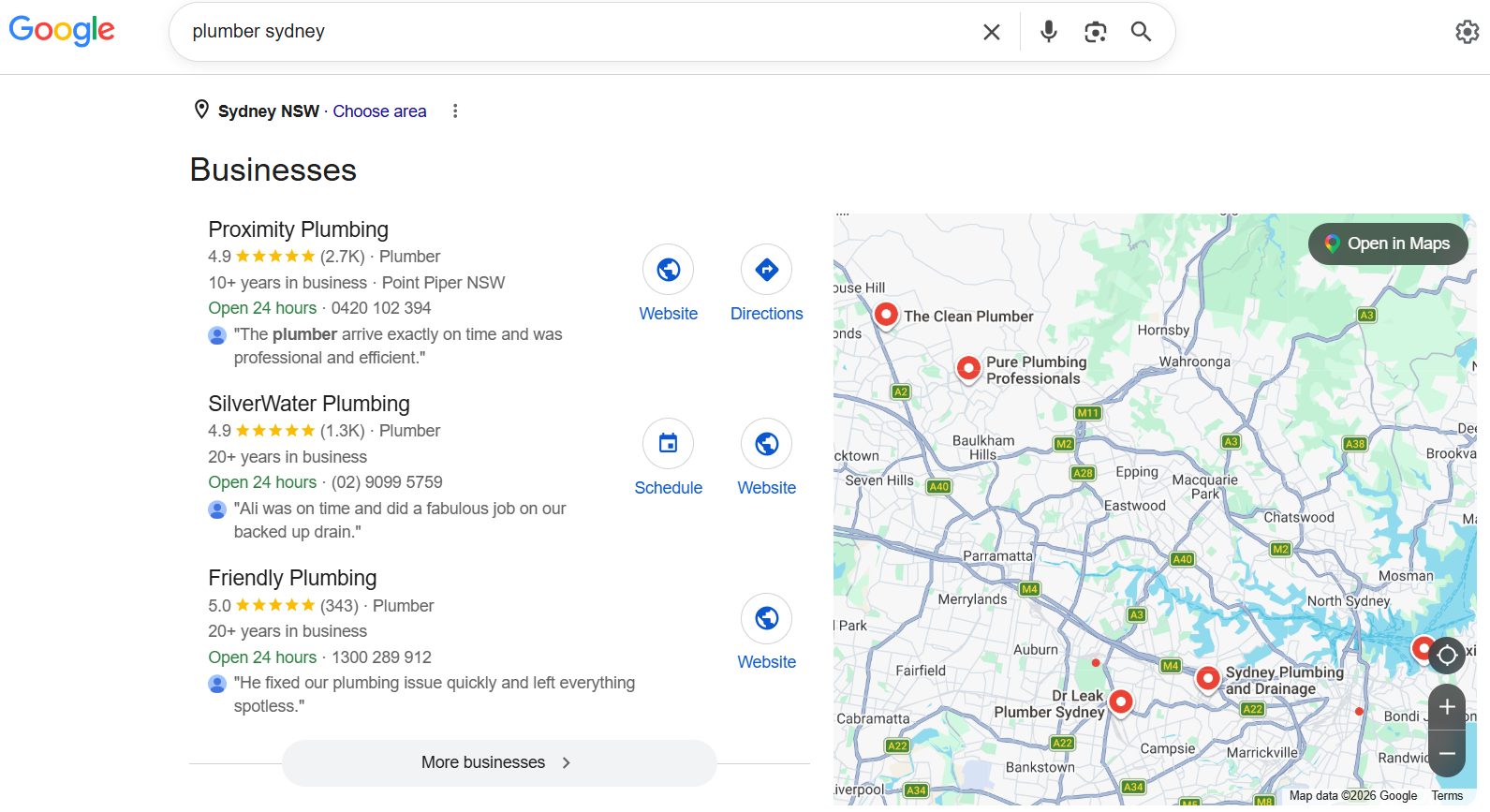
You see it clearly across a city like Sydney — the same search returns a different three depending on where the searcher is standing.
Prominence is how well-known and trusted your business is. Reviews, citations, links, overall reputation.
This is the one that compounds — it builds slowly and then it’s hard for a competitor to catch.
Here’s the lesson from that clinic. The jump from 8 to 3 came almost entirely from relevance — fixing what the profile told Google it was. That’s usually the fastest win, because most competitors leave their categories and services half-finished.
Fast jumps like that happen when there’s a clear fix sitting there unfixed. Most gains take longer — weeks to months of steady work. But the biggest, quickest wins nearly always live in relevance, and relevance lives in your Google Business Profile.
Relevance, distance and prominence are Google’s own three local ranking factors — straight from Google’s guidance on improving your local ranking.
How to Do Google Maps SEO
Here’s the exact plan. It’s the same one that took that plastic surgery clinic from position 8 to position 3 — and the first step is the one that did the heavy lifting in the first 24 hours.
The rest isn’t a one-day job. This plan rolls out over weeks and months, and it keeps compounding the longer you run it.
Reviews build. Citations settle in. Your website earns trust. So don’t expect every step to pay off overnight — the profile can move fast, but the full result is something that stacks up over time.
Work through it in order, starting with the step that moves the needle most.
Set Up and Optimise Your Google Business Profile
Your Google Business Profile is the single biggest driver of where you rank on Maps. Most businesses claim it, add the basics, and stop — which is exactly why they lose. This is where the game is won.
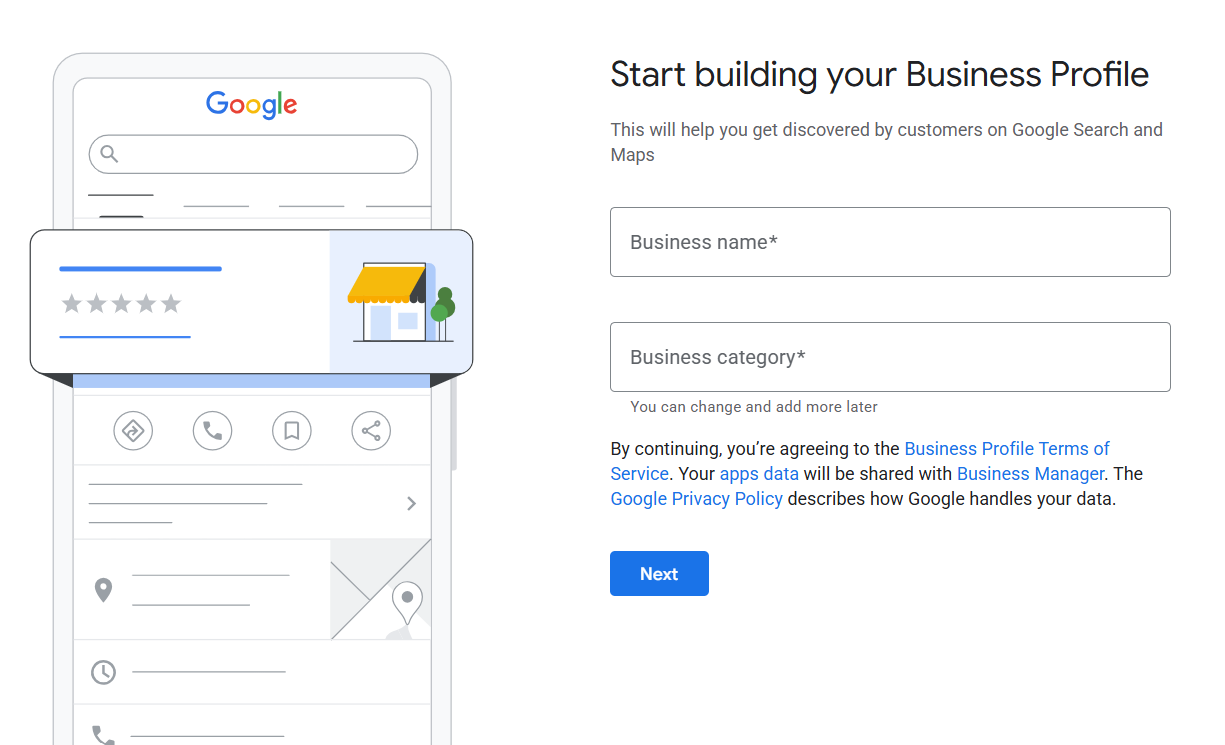
Claim and verify your profile. If you haven’t already, claim your business through Google Business Profile and verify it — usually by video these days in Australia.
If it’s already claimed by someone who shouldn’t have it, or there’s a duplicate listing floating around, sort that out first. You can’t optimise what you don’t control.
Choose the right primary category. This is the single most important setting in your entire profile — and it’s the one that really moved the clinic from spot 8 to spot 3.
Your primary category tells Google what you fundamentally are, so it has to be the most specific match for your main service, not the vaguest.
Here’s the exact call that got the result. Google offers a broad category like “Surgeon,” and then more specific ones like “Plastic surgeon” and “Cosmetic surgeon.”
Most clinics sit on the general one and never think about it. I set the clinic’s primary category to “Plastic surgeon” — the one that matched exactly what they do — and that alone was a big part of the jump.
The rule: always pick the most specific category that genuinely applies to your core service.
A “dentist” who does mostly implants should look at whether a more specific category fits better; a general “lawyer” who only does family law should be on “Family law attorney.” Specific beats general every time.
Look at the businesses already ranking in your pack to see what categories they use — but don’t just copy the leader, pick the most accurate, specific match for what you actually do. Then add secondary categories for your other services.
The primary carries the most weight, so get it exactly right.
Fill out your services properly. Every service you offer, listed and described clearly. This is where a huge chunk of your relevance comes from, and it’s the bit almost everyone skips. Don’t leave it at two lines. Spell out what you do.
Write a strong business description. Clear and specific — what you do, who you do it for, and where. No fluff, no keyword stuffing. Just a straight, useful description of the business.
Quick tip for both of these: don’t sit there staring at a blank box. Give ChatGPT a few plain details about your business — your services, your suburb, your main customers — and ask it to draft your service descriptions and your business description for you.
Then edit them so they sound like you and read naturally. It turns a 30-minute slog into a five-minute job, and it’s usually more thorough than what you’d write cold.
Add real photos. Genuine photos of your work, your team and your premises. Fresh ones, not stock. Google favours active, well-documented profiles, and customers trust them more.
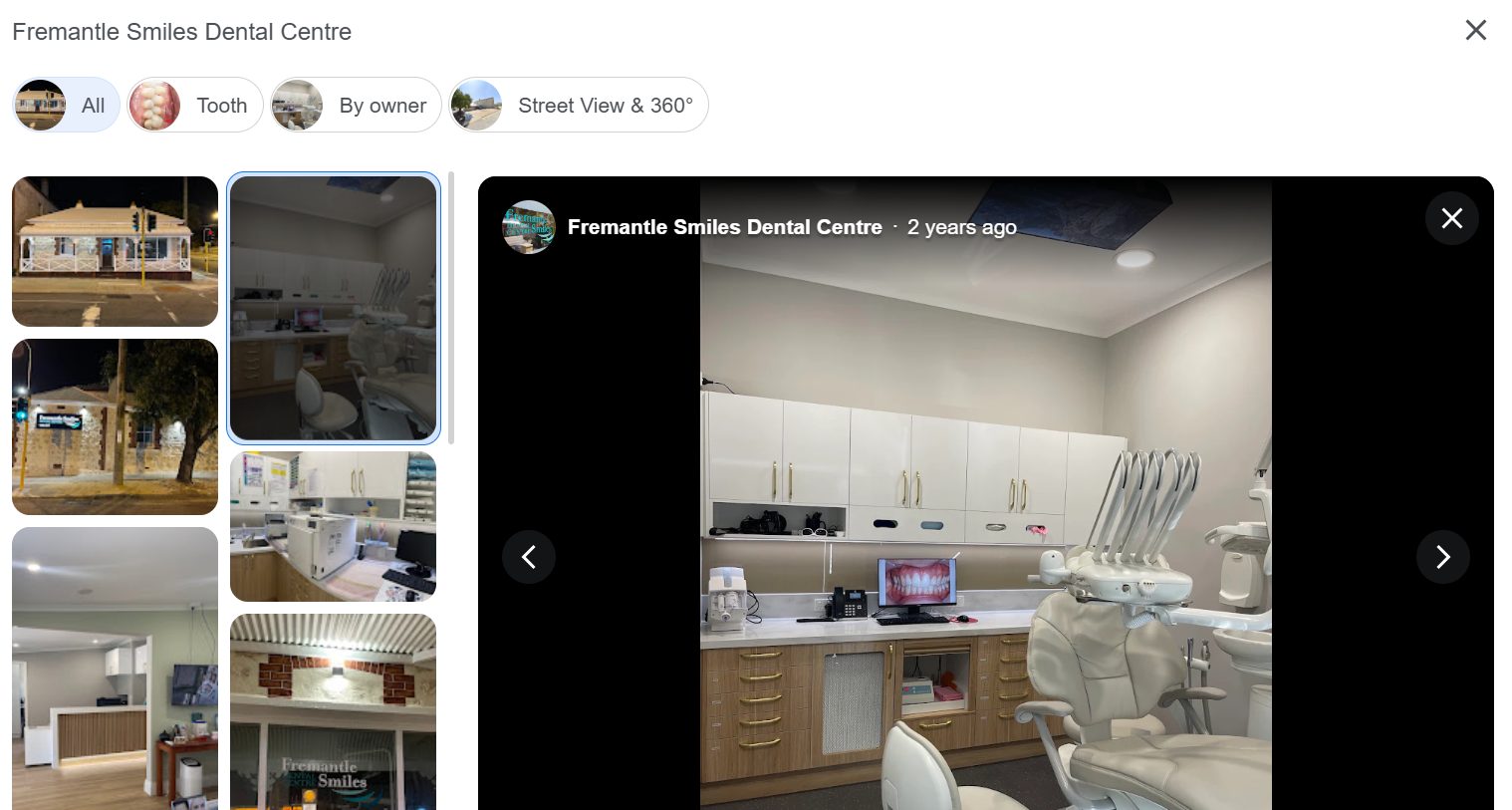
Complete everything else. Hours (including public holidays — a small thing that matters in Australia around Christmas, Easter and long weekends), attributes, booking links, products. A fully completed profile beats a half-empty one every time.
For the deep dive on every field and setting, I’ve written a full guide to optimising your Google Business Profile.
But if you do nothing else from this article, do this step properly. It’s the one that moved the clinic, and it’ll do the most for you too.
One more thing — storefront vs service-area business. How you set up depends on whether customers come to you or you go to them.
If you’ve got a shopfront people visit — a clinic, a cafe, a law office — use your real address and it anchors you to that spot. If you’re a mobile or service-area business with no public premises — a plumber, a mobile mechanic, an electrician — you hide your address and set service areas instead.
Same profile, different setup. Get this wrong and you either don’t show up where you work, or you show a home address you didn’t want public.
Build a Review System
Reviews are one of the strongest prominence signals on Maps. But “get more reviews” isn’t a strategy. What actually ranks you is a steady flow of recent, keyword-rich reviews that you respond to. That’s a system, not a one-off ask.

Volume and recency both count. Twenty reviews from last year matter less than five from last month. Google wants to see a business that’s actively earning reviews now, not one that got a burst two years ago and went quiet. A steady trickle beats a one-off flood.
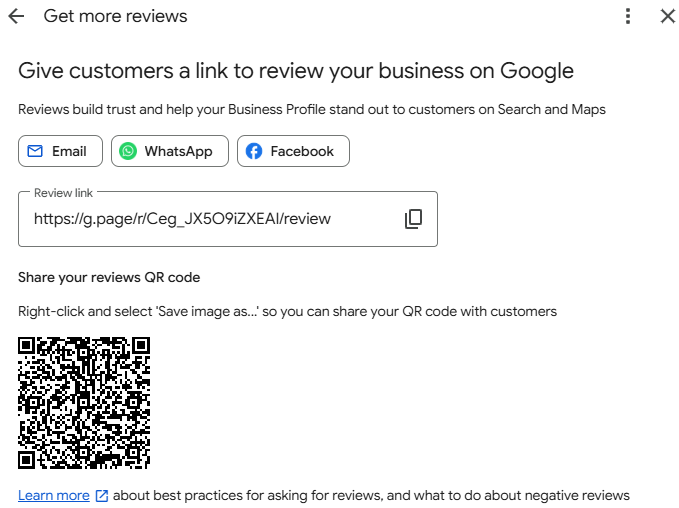
Make the ask easy. The best time to ask is right after you’ve done great work, while they’re happy. Send them your direct Google review link — or a QR code on the counter or the invoice. The less friction, the more reviews. Keep the tone normal and Australian; nobody likes a pushy ask.
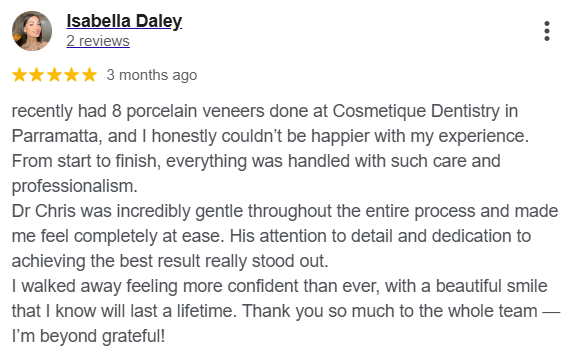
Reviews carry keywords too. When a customer writes “great veneers, so glad I found a good dentist in Parramatta,” that review just reinforced your service and your suburb. You can’t script reviews, but you can gently prompt people to mention what you did for them.
Respond to every single one. Good and bad. A calm, professional reply to a negative review does more for trust than a wall of five-stars. It shows you’re a real business that cares.
One warning: don’t buy reviews, don’t gate them (only asking happy customers), and don’t incentivise them.
It’s against Google’s rules and, in Australia, the ACCC takes a dim view of fake or misleading reviews. Real reviews, earned properly. When you’re ready to build this out, here’s how to get more Google reviews the right way.
Optimise Your Website for Local Search
Google cross-checks your website against your profile. A site that clearly signals what you do and where you do it strengthens your Maps ranking — a strong profile and a strong site pull in the same direction.
Use local keywords naturally. Work your services and locations into your page titles, headings and content — “physio Richmond,” “family lawyer Melbourne” — the way a real person would write them.
Don’t stuff them; write for the customer first and let the keywords fall where they fit. To find the exact terms people actually search, use a keyword tool — Google Keyword Planner is free, and Ahrefs or Semrush go deeper.
They show you the real phrases and how often they’re searched, so you target the ones that match your services and your area instead of guessing.

Get your location and service pages right — and do a competitor analysis first. Before you build a service page, look at who’s already ranking for that search and reverse-engineer it.
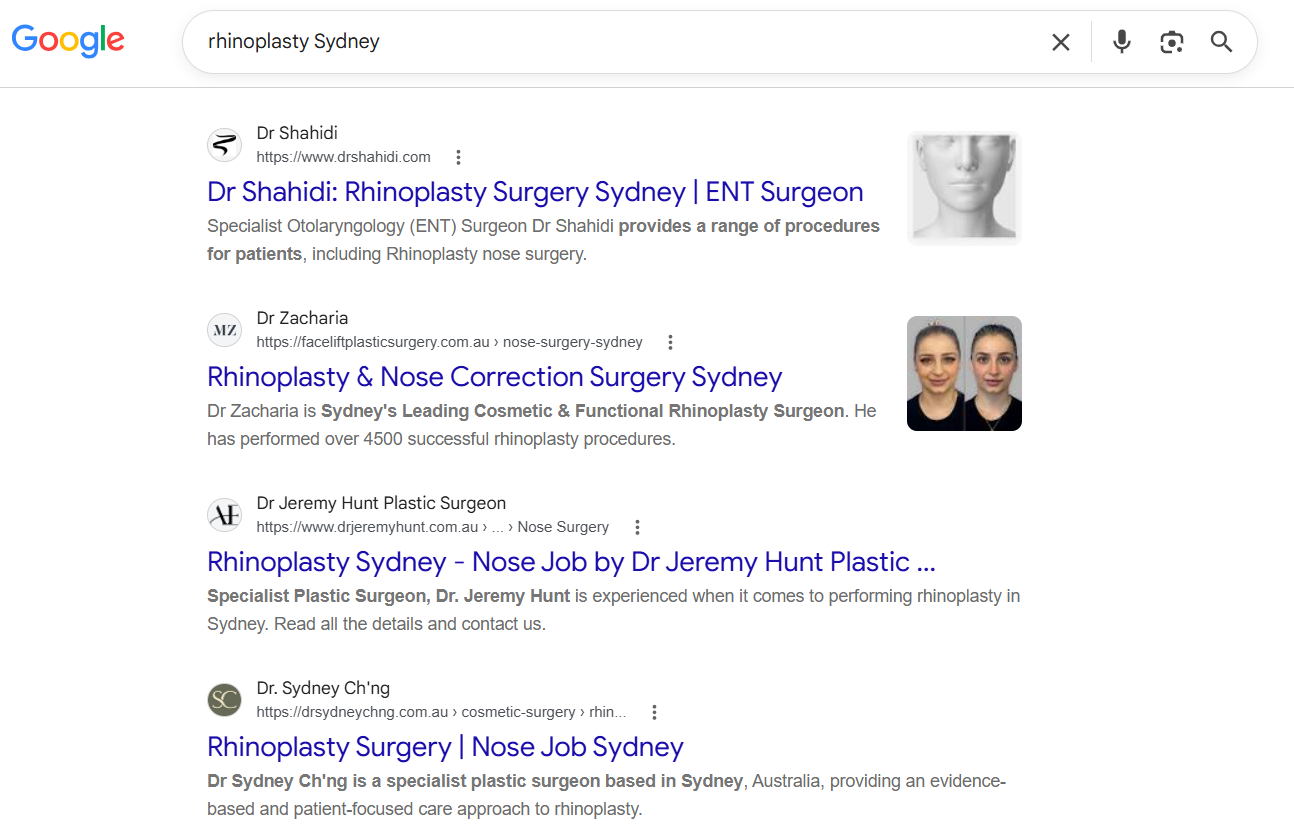
Say you’re the plastic surgeon: type a specific sub-service into Google — “rhinoplasty Sydney,” for example — and look at the pages sitting at the top.
Then take those pages and run them through ChatGPT: ask it what topics, questions and sections those top pages cover, and what you’d need to include to make yours more complete.
Now you’re not guessing — you’re building a page designed to beat the ones already winning. One strong page built this way beats ten thin suburb pages every time.
Match everything to your profile. Same name, same address, same phone. Embed your Google map on your contact page. And make sure the site is fast on mobile — most local searches happen on a phone.
Build Local Citations
Citations are mentions of your business name, address and phone number on other websites. They tell Google you’re a real, established local business.
The key is consistency, and using the directories that actually matter in Australia.
Get the big Australian directories done. True Local, Yellow Pages Australia, Hotfrog, Localsearch, StartLocal and Yelp Australia are the main ones. Add any directories specific to your industry or your local council or community groups. Each one is another vote that you exist and you’re legit.
Consistency is everything. Your name, address and phone need to match exactly across every listing — and match your Google Business Profile.
“St” on one and “Street” on another, an old phone number lingering on a directory from three years ago — small mismatches confuse Google and dilute your trust. Audit them and fix them.
The easiest way to do it: BrightLocal. Building citations one directory at a time is tedious. BrightLocal has a citation builder campaign that lists your business across the main directories consistently, without you doing each one by hand.
It’s the simplest way to get this done properly — set up the campaign, let it build the listings, and you’ve knocked out the bulk of your citations in one go. It’s exactly what I use.
A few good local links help too. Sponsoring a local sports club, getting a mention in local news, partnering with nearby businesses, joining the chamber of commerce — these build genuine local prominence.
Keep it proportional. A handful of real, relevant links beats a hundred spammy directory dumps that do nothing but look dodgy.
Keep Your Profile Active
A profile that hasn’t been touched in six months looks dead — to Google and to customers. Regular activity keeps you fresh in the algorithm and builds trust with the people finding you.
Post regularly. Use Google Posts to share offers, updates and news. It keeps the listing looking alive and gives searchers a reason to pick you.
Keep adding photos. Fresh photos over time signal an active, real business. Make it a habit.
Manage your Q&A. Seed the common questions and answer them yourself. Keep an eye out for questions from the public — and for spam or competitor answers you’ll want to report.
Keep everything current. Update your services, products, hours and details whenever they change. An accurate profile is a trusted profile.
How to Track Your Google Maps Rankings
Here’s what trips people up: your Maps ranking isn’t one number. You might be #2 from your shopfront and #14 three suburbs away, because distance shifts the results for every searcher.
So checking “where do I rank” from your own phone, in your own office, tells you almost nothing.
Don’t trust your own phone. Google personalises results based on your location and history. From your desk you’ll always look like you’re ranking well. That’s not what your customers across town are seeing.
Use a geo-grid tool. Tools like Local Falcon check your rank across a grid of points around your area and show you a heat map — green where you’re winning, red where you’re not. That’s the real picture, and it shows you exactly how far your visibility reaches.
Watch the actions, not just the pin. Inside Google Business Profile, keep an eye on calls, direction requests and website clicks. Those are the numbers that turn into customers. A ranking is a means to an end — the calls are the end.
Spam and Fake Listings
Here’s the part nobody ranking for this term will tell you: plenty of your Maps competitors cheat. Knowing the tricks — and how to report them — protects your own ranking.
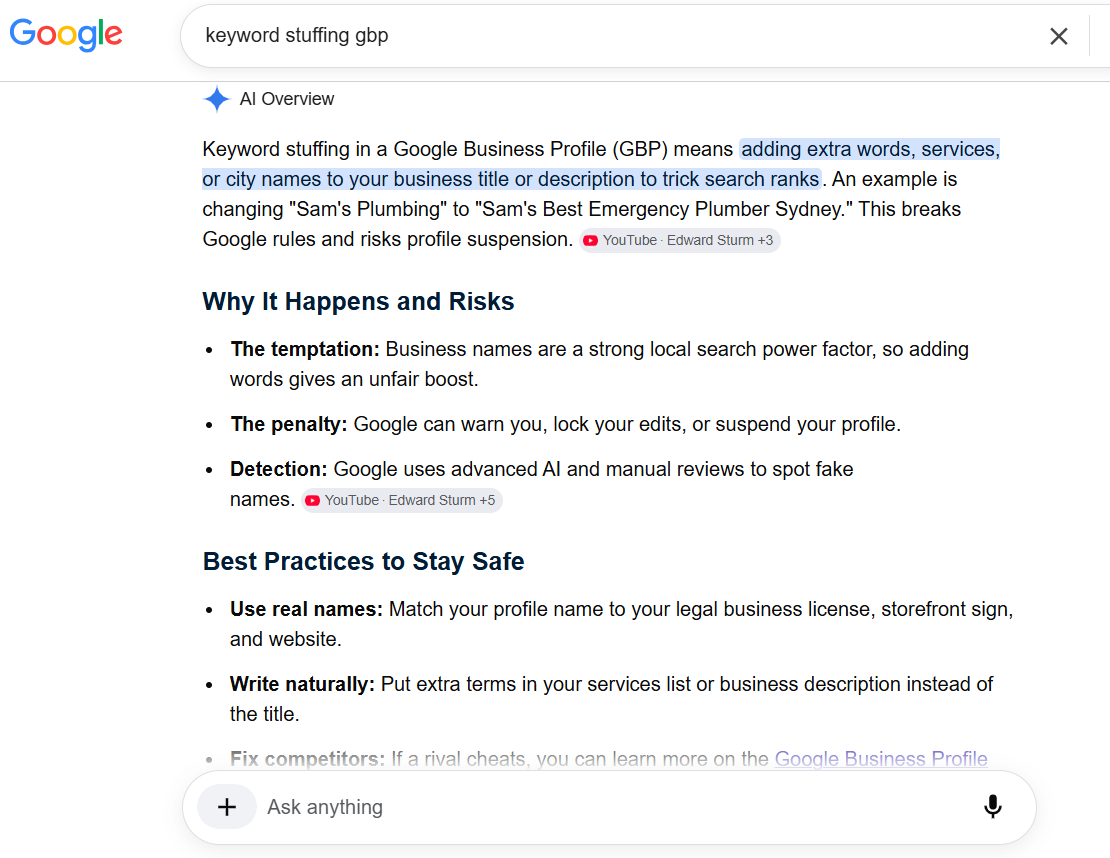
Keyword-stuffed business names. You’ll see listings like “Best Emergency Plumber Sydney 24/7” where the real business is just “Sam’s Plumbing.”
Stuffing keywords into your business name against Google’s rules can work in the short term — which is why you’ll be tempted — but it’s a suspension risk, and it’s reportable. Don’t copy it. Use your real business name.
Fake and virtual addresses. Some competitors set up listings at addresses they don’t really operate from to appear in areas they’re not in. It’s against the rules, and it’s common in competitive trades.
Report what you find. Google has a Business Redressal Complaint Form and a “suggest an edit” option for reporting fake listings and dodgy names. If a fake listing is pushing you out of the pack, report it — it’s a legitimate way to clean up your local results.
Protect your own listing. Anyone can “suggest an edit” to your profile, and competitors do. Keep an eye on your details, your Q&A and your reviews for anything that looks off, and fix it fast.
Common Google Maps SEO Mistakes
Most “Maps SEO didn’t work for me” stories come down to a few repeat mistakes. Avoid these and you’re already ahead of most of your competitors.
- The wrong or half-empty primary category. The biggest lever, left unpulled.
- Inconsistent details. Your name, address and phone not matching across your profile, website and directories.
- A set-and-forget profile. No posts, no fresh photos, no new reviews for months.
- Chasing reviews in bursts. A one-off flood instead of a steady flow.
- Thin suburb pages. Ten empty location pages that add nothing and can even drag you down.
- Giving up too early. Judging it after two weeks. The profile can move fast, but the full result builds over months.
Final Thoughts
The clinic didn’t jump from 8 to 3 on a secret. Someone finally did the profile properly — the right category, real services, good photos, a clear description — while every competitor sat still. That’s the whole game.
Google Maps SEO isn’t magic and it isn’t luck. It’s a set of levers most businesses can’t be bothered pulling.
Do the fundamentals better than the businesses around you — nail your profile, earn real reviews, keep your details consistent, stay active — and the pack is winnable. The businesses that own local aren’t the biggest. They’re the ones who did the work.
If you’d rather have someone do that work for you and do it properly, that’s what our SEO services are for. Either way, now you know exactly what moves the needle.