
SEO Writing: How to Write Content That Ranks In NZ (2026)
Most New Zealand businesses create content that never gets found.
Not because it’s bad. Because it wasn’t written with SEO in mind.
They’ll spend hours putting together a blog post, hit publish, and wonder why nobody reads it. No traffic. No leads. No return on the effort.
SEO writing fixes that. It’s how you create content that Google actually wants to rank — and that real people actually want to read.
In this guide, I’ll walk you through exactly how SEO writing works, step by step, with tools you can use for free and examples from real NZ businesses.
Whether you’re a complete beginner or you’ve been writing content that just isn’t ranking, this covers the full process.
What Is SEO Writing?
SEO writing is the process of creating content that ranks on search engines like Google and actually gets read by real people.
It’s about understanding what people are searching for, then creating the best possible answer — structured in a way that Google can understand and surface to the right audience.

Think of it this way:
A Wellington dentist could write “dental implants Wellington” fifty times on a page and hope for the best.
Or they could write a genuinely helpful guide that answers every question someone in Wellington would have before getting implants. Costs. Recovery. What to expect. Who’s a good candidate.

Same keyword. Completely different approach. One gets ignored. The other ranks.
SEO writing has changed a lot over the past decade.
In 2015, you could get away with thin content packed with keywords.
In 2026, Google is smart enough to understand context, intent, and quality. The bar is higher, but the opportunity is bigger — especially for NZ businesses willing to put in the work.
68% of all online experiences begin with a search engine. SEO writing is how you show up when they do.

Why SEO Writing Matters in 2026
SEO writing isn’t just a nice-to-have. It’s one of the highest-returning marketing investments a business can make.
The Numbers Behind SEO Writing
SEO delivers up to 700% ROI when executed as a long-term strategy.
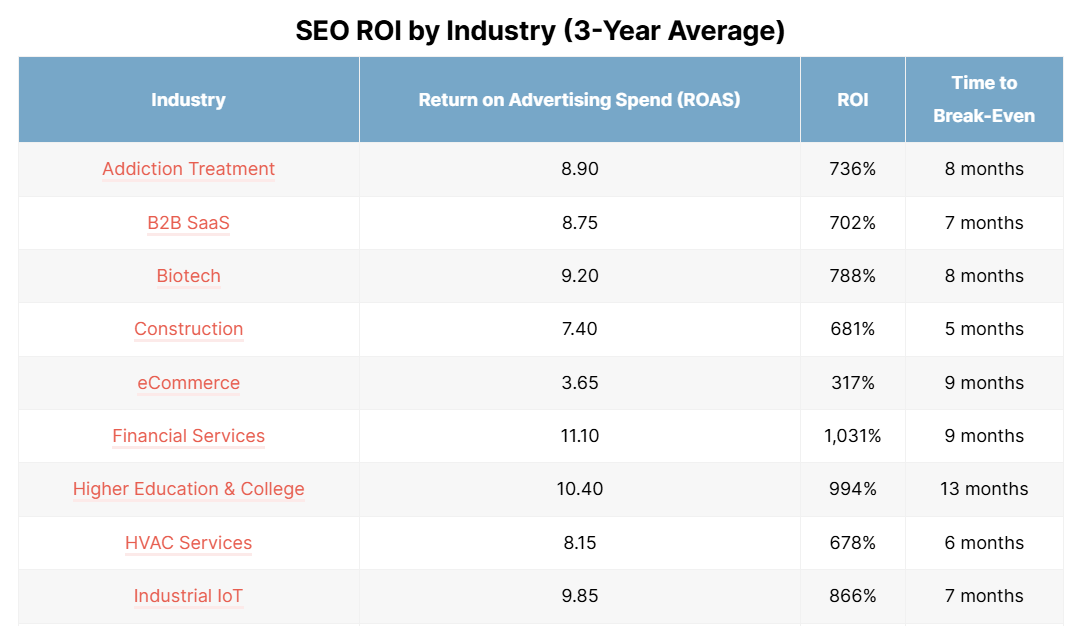
According to Search Atlas, it’s even higher; for every $1 spent, it returns roughly $22 in revenue.

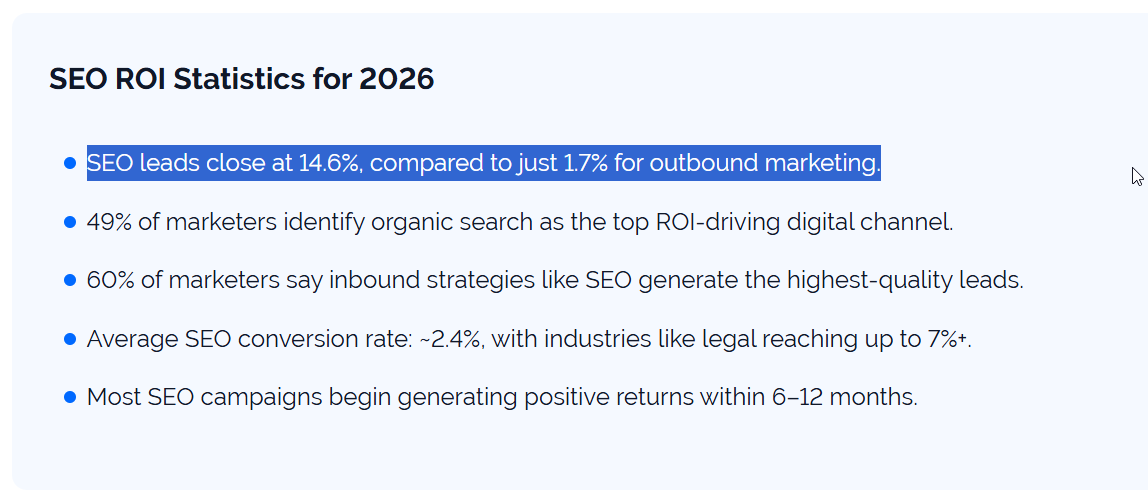
And leads from SEO close at a rate of 14.6%, compared to just 1.7% for outbound methods like cold calling.
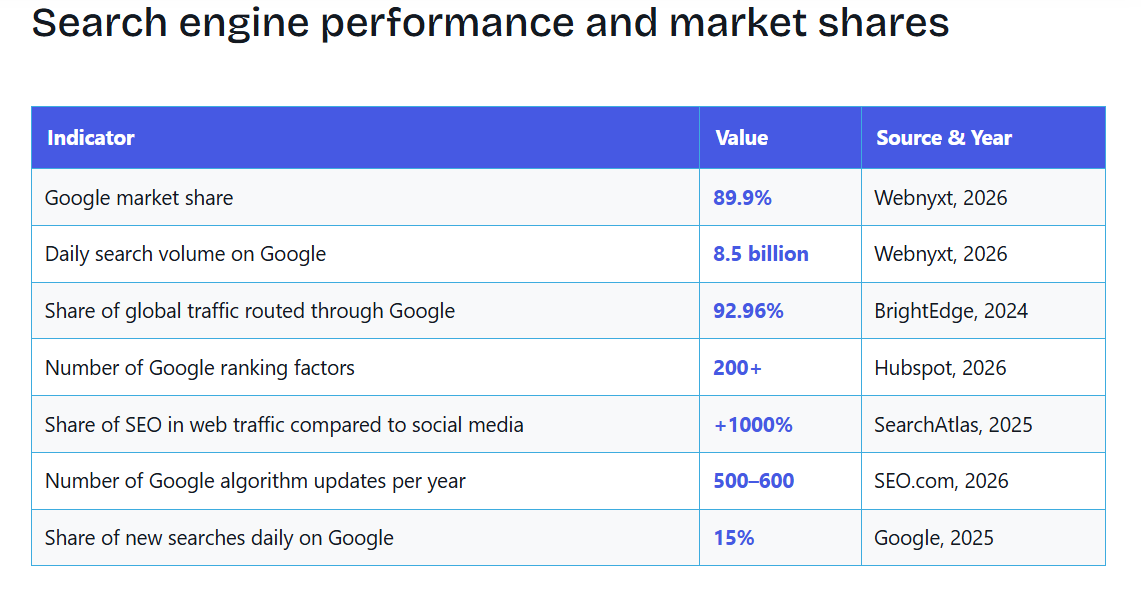
On top of that, SEO generates over 1,000% more traffic than organic social media. That’s not a typo. Search traffic dwarfs social when it comes to volume and consistency.
The AI Shift Changes Everything
Search behaviour is changing fast. 27.2% of searches now end without a click, because Google’s AI Overviews are answering questions directly in the search results. At the same time, outbound referral traffic from ChatGPT grew by 206% in 2025.
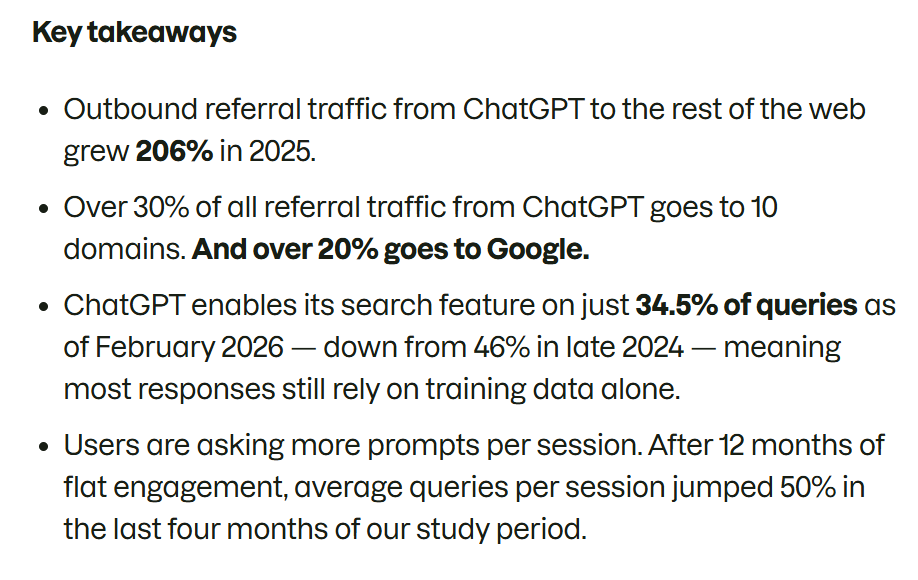
More people are getting answers directly from AI now. If your content isn’t structured for it, you won’t show up in those answers.
Here’s the upside though. AI search visitors convert 4.4 times better than regular organic visitors.
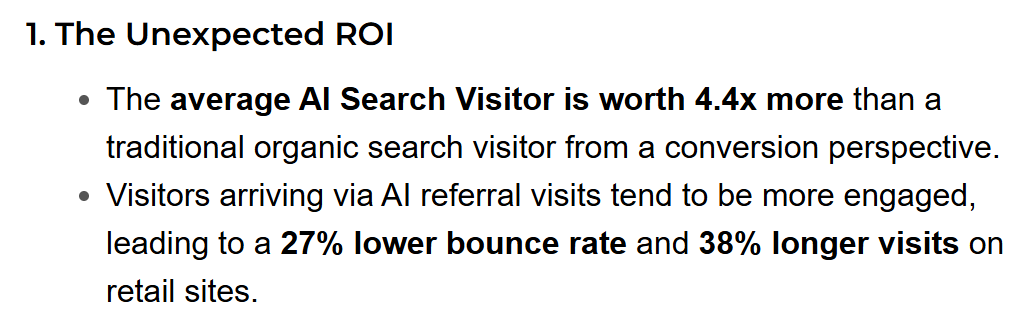
So even though AI is changing the game, it’s actually creating a higher-quality traffic channel if you know how to write for it.
For NZ businesses, this creates a real window.
Most of your competitors aren’t writing for AI SEO yet.
You don’t need a huge team or a giant budget. You just need content that’s clear, well-structured, and genuinely useful. Move now and you can build serious authority before the rest of the market catches on.
How SEO Writing Works: The 3 Fundamentals
Before you write a single word, you need to understand the three things Google uses to decide whether your content deserves to rank.
Search Intent
Search intent is the reason behind a search. It tells you what someone is trying to achieve when they type a query into Google.
There are four main types:
- Informational (they want to learn something)
- Navigational (they’re looking for a specific site)
- Commercial (they’re comparing options), and
- Transactional (they’re ready to buy).
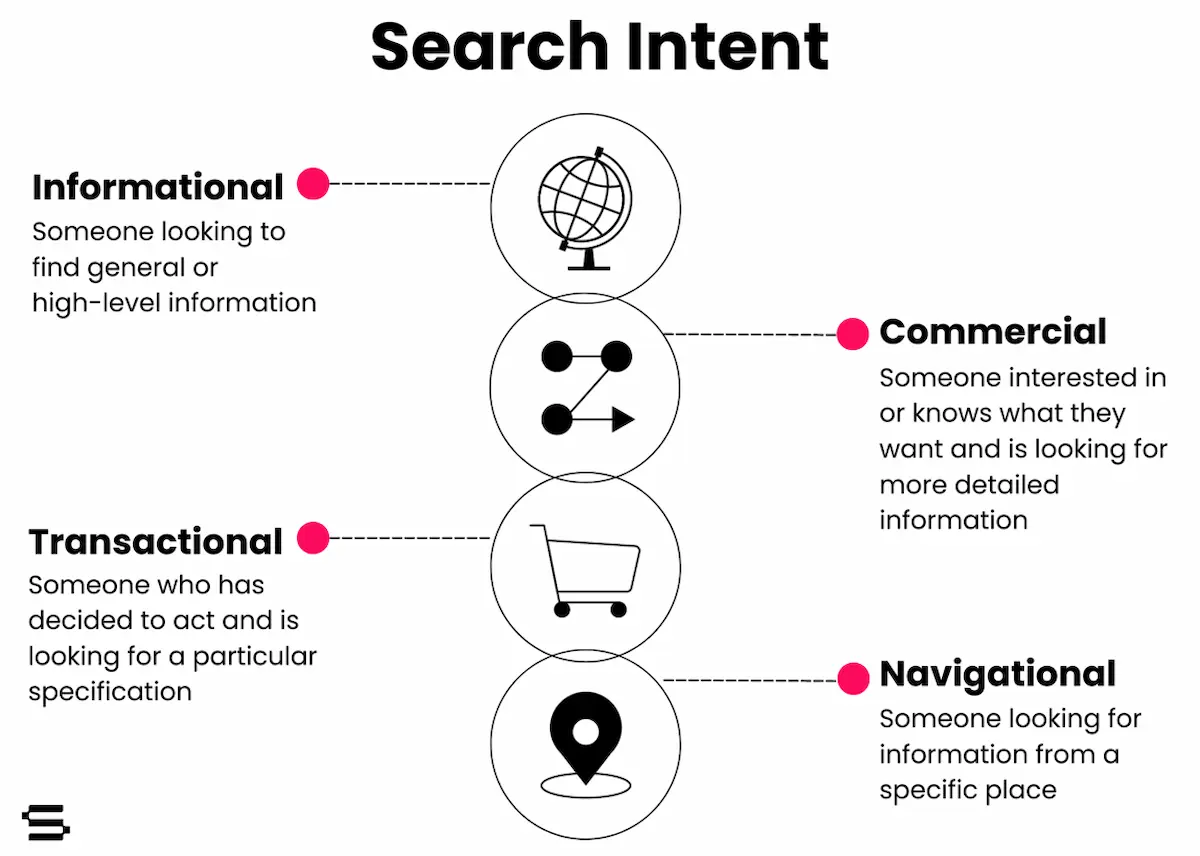
If your content doesn’t match the intent, it won’t rank. Simple as that.
The quickest way to figure out intent is to Google your keyword and look at what’s already ranking.
If the top results are all blog posts, that’s informational. If they’re service pages and Google Maps listings, that’s commercial.
Search intent is also one of the first things we cover in our guide on how to do SEO, because getting it wrong means nothing else matters.
E-E-A-T
E-E-A-T stands for Experience, Expertise, Authoritativeness, and Trustworthiness. It’s Google’s framework for evaluating whether the person writing the content actually knows what they’re talking about.
In practice, this means your content should show real-world experience. Use first-hand examples. Reference actual results. Write from the perspective of someone who has done this, not someone who just read about it.
Quality Over Length
Top-ranking pages average around 1,800 to 2,400 words. But they don’t rank because they’re long. They rank because they cover the topic thoroughly.
A focused 1,500-word article that nails the answer will outperform a padded 3,000-word article every time. Cover the topic completely, then stop.
How To Do SEO Writing (Step-by-Step)
Here’s the exact process I use to write content that ranks. Follow these nine steps in order and you’ll have a system you can repeat for every piece of content you create.
Step 1 — Find a Keyword Worth Targeting
Great SEO writing starts with a keyword people are actually searching for. Without this, you’re writing into the void.
Here’s how to find one.
Start with what your business offers plus your location. If you’re a Christchurch electrician, your starting point might be “electrician Christchurch.” If you’re a cafe in Auckland, it’s “cafe Auckland CBD.”
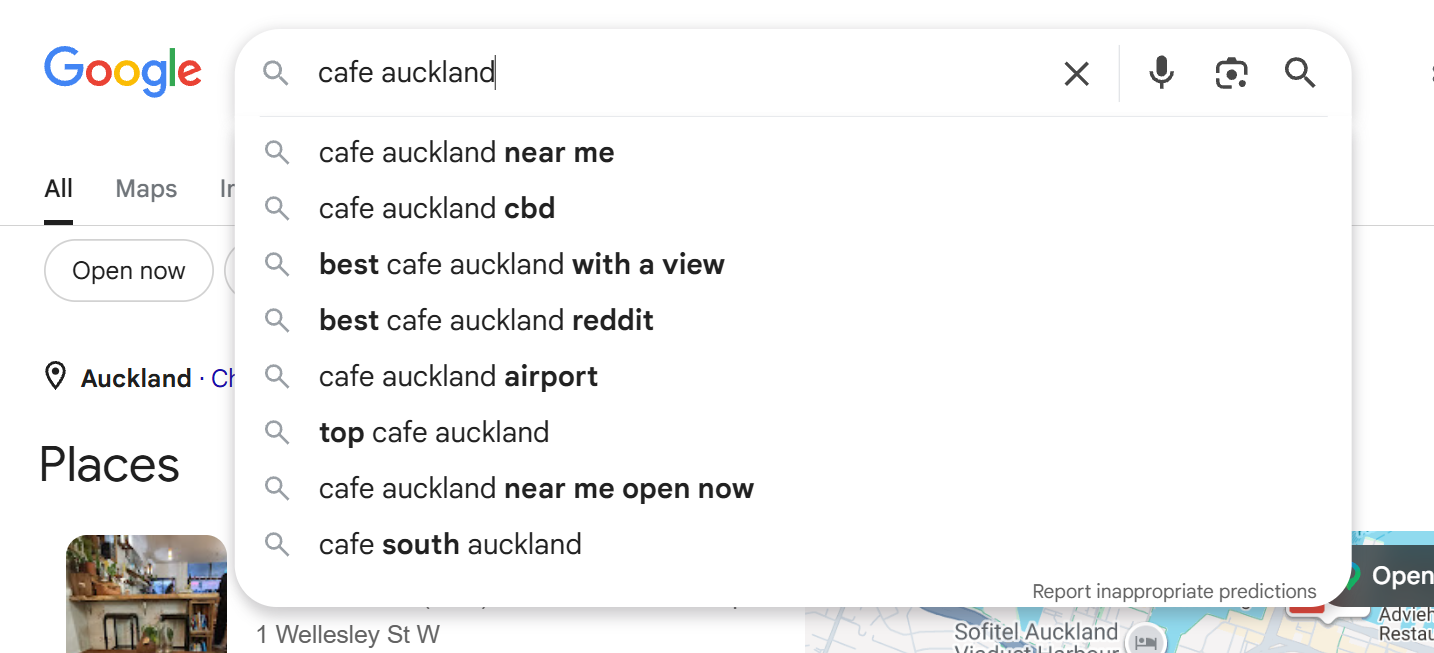
Next, expand using ChatGPT. Use a prompt like:
“List all keywords people would search to find a [your business] in [your city].”
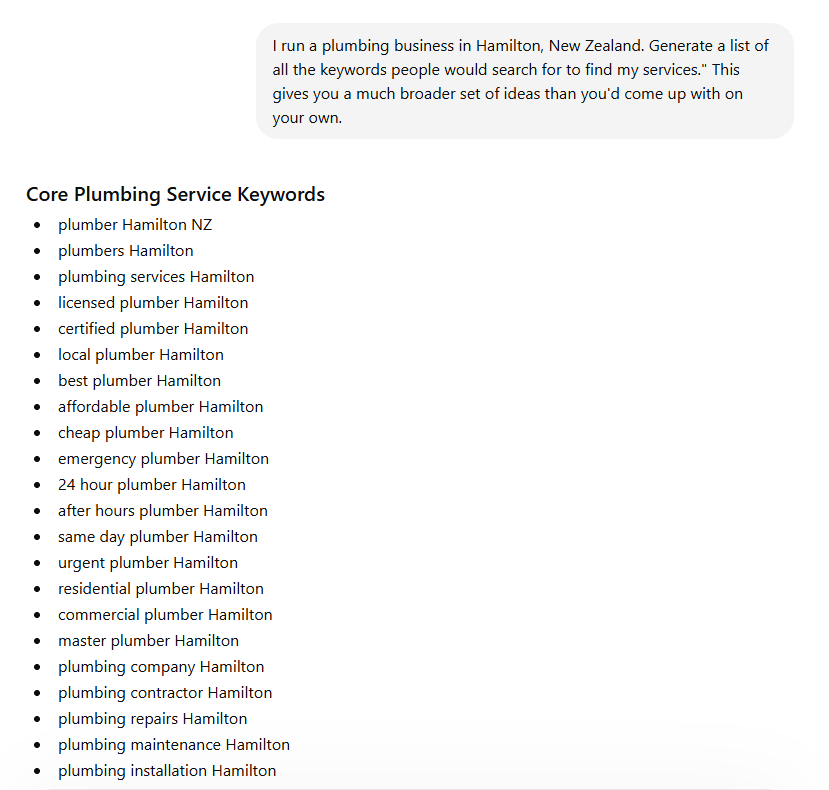
This gives you a broader list to work from.
Then validate in Google Keyword Planner. This free tool from Google shows you actual search volume and competition for each keyword. Plug in your expanded list and see which terms have real demand behind them.
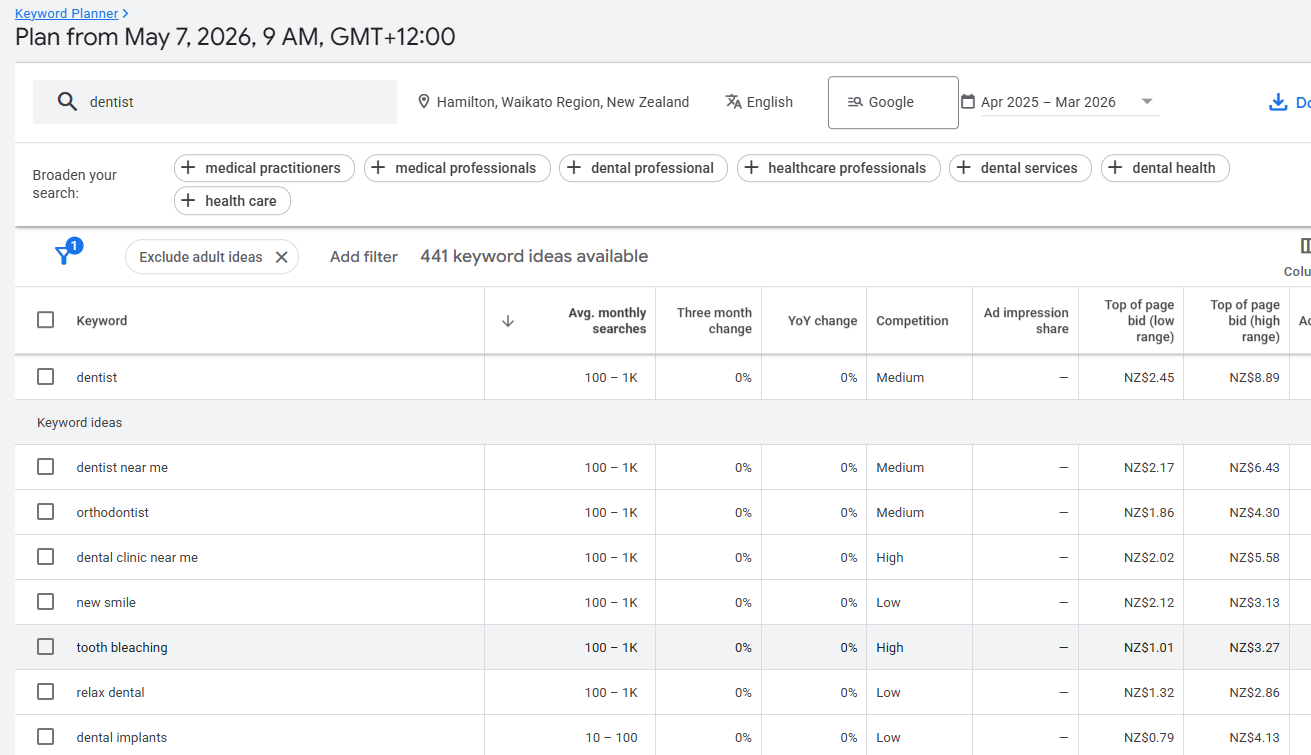
Store everything in a simple Google Sheet with columns for keyword, volume, intent, and target page.

The key is specificity. “Electrician Christchurch” is competitive.
But “emergency electrician Christchurch” or “rewiring house cost NZ” are more specific, less competitive, and attract people who know exactly what they need.
Keyword research like this is what drives the fastest wins.
Step 2 — Match Your Content to Search Intent
The most common reason content doesn’t rank is mismatched intent.
Writing a blog post when Google wants a service page — or a sales page when Google wants an educational guide — is a guaranteed way to waste time.
Here’s how to get it right. Google your keyword. Look at the top 3 to 5 results. What type of content is showing up?
| Keyword | Search Intent | What to Create |
|---|---|---|
| how to do SEO | Informational | Blog post or guide |
| SEO writing tools | Informational/Commercial | Comparison guide |
| SEO agency Auckland | Commercial | Service page |
| hire SEO consultant NZ | Transactional | Landing page |
For example, if a Hamilton law firm targets “family lawyer Hamilton,” Google shows service pages and Google Maps listings. Not blog posts. So if they write a blog post about family law, it won’t rank for that term. They need a proper service page.
Match the intent first. Everything else follows from that.
Step 3 — Analyse What’s Already Ranking
Before you write anything, look at what Google already thinks is the best answer. Your job is to be better.
Here’s a quick process that takes less than 10 minutes.
Search your keyword in an incognito window. Open the top 3 to 5 results. For each one, note the title, the H2 headings, the approximate word count, and what’s missing.
The fastest way to do this is with the Ahrefs SEO Toolbar (free Chrome extension). Click the extension on any page and it pulls the title, meta description, word count, all headings, and key SEO metrics instantly.
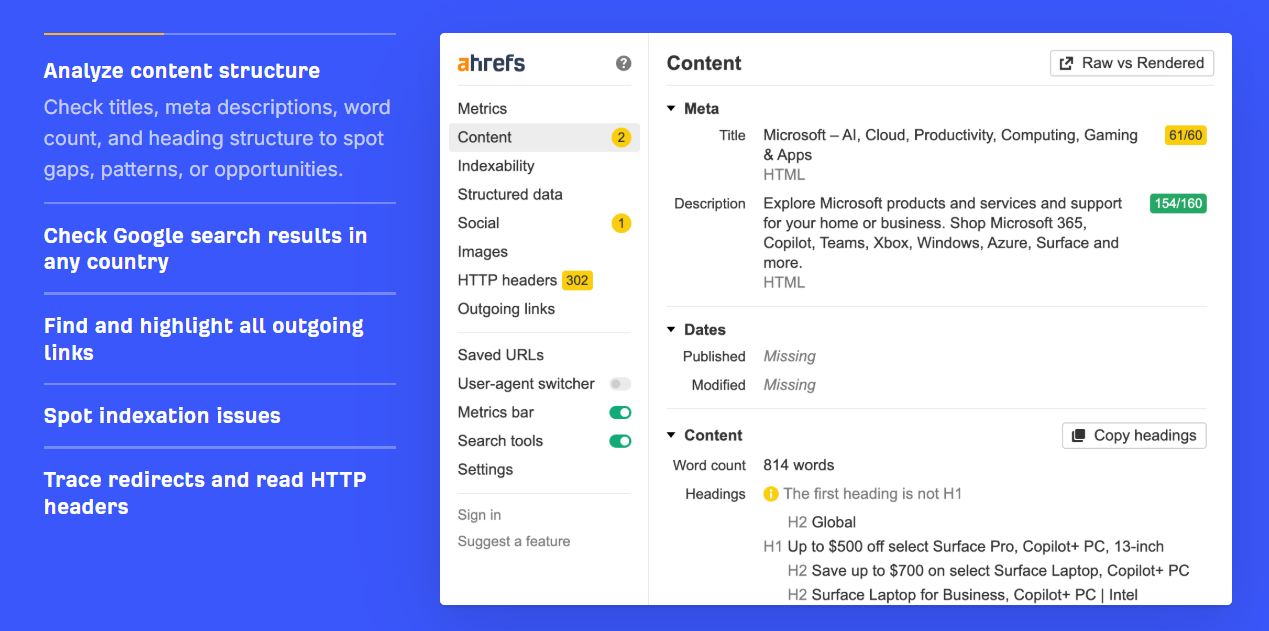
Ask yourself two questions:
What does every article cover? You need to cover this too, at minimum.
What is nobody covering? That’s your angle. That’s how you differentiate.
Look specifically for whether the competition is NZ-specific or international, whether they use real examples or just theory, and whether they mention free tools or only expensive ones.
For most NZ keywords, you’re not competing against HubSpot and Ahrefs. You’re competing against local businesses writing surface-level content. That’s a real advantage if you’re willing to go deeper.
Step 4 — Create an Outline Before You Write
Every strong SEO article starts with a clear structure. Writing without an outline leads to disorganised content that jumps between ideas and misses key topics.
A good outline does three things. It prevents overlap between sections. It ensures you cover the full topic. And it speeds up the actual writing process.
Here’s how to build one:
First, list all the subtopics your competitors cover. These are the baseline — the minimum you need to include. Then add the gaps you found in your competitor analysis. These are the sections that give your article an edge.
Order them logically. Start with definitions and context, move through the process, and finish with tools, examples, and practical resources.
For each section, write one sentence describing the main takeaway. This is your BLUF (Bottom Line Up Front) — the core point you lead with when you start writing each section.
You can use ChatGPT to speed this up. Try a prompt like:
“Write an outline for a guide about [topic] targeting NZ small business owners. Include what it is, why it matters, a step-by-step process, free tools, and NZ examples.”
Step 5 — Write for Humans First, Search Engines Second
This is where most SEO writing falls apart. People start trying to optimise before they’ve written anything worth reading.
Write the draft first. Get the ideas out. Focus on clarity and usefulness. Make every section open with the main point, then expand with explanation and examples.
Write to a Target Length (Not a Minimum)
Don’t aim for a word count. Aim for completeness.
Remember what we mentioned before? Top-ranking pages tend to sit around 1,800 to 2,400 words.
Don’t keyword stuff to reach a word count. Just naturally cover a topic as extensively as you can.
Add Unique Value Google Can’t Find Anywhere Else
This is what separates content that ranks from content that sits on page three.
Your own experience and results. NZ-specific context that international articles don’t have. Original opinions backed by logic. Case studies from real clients.
For example, for our SEO agency, instead of writing “we’re good at SEO,” we write case studies about how we’ve grown companies from 0 to over 20,000+ monthly visitors with SEO:

That’s E-E-A-T in action. That’s what Google wants to see. And it’s what readers trust. This is also the core principle behind strong SEO content — real experience beats theory every time.
Keep It Readable
Short paragraphs. Two to three sentences max. Simple language. One idea per paragraph.
If someone lands on the page and feels overwhelmed, it needs rewriting. Use headings, spacing, and examples to make everything easy to scan.
Step 6 — Optimise Your On-Page SEO Elements
Once your draft is written, you need to give Google clear signals about what the page is about. This is on-page SEO, and it takes less than 20 minutes.
Here’s what to optimise:
- Title tag: Include your primary keyword plus a reason to click. Keep it under 70 characters.
- Meta description: 150 to 160 characters. Explain what the reader gets. Include the keyword naturally.
- H1: One per page. Should match search intent.
- URL: Short, keyword included, no unnecessary parameters.
- First paragraph: Your keyword should appear naturally in the opening lines.
- H2 headings: Cover subtopics and include related keywords where they fit.
- Image alt text: Describe the image. Include the keyword where it makes sense.
- Internal links: Link to 5 to 6 relevant articles on your site.

If you’re on WordPress, Rank Math handles most of this for you. It’s a free plugin that scores your page and shows exactly what to fix. Aim for a score above 80.
Step 7 — Optimise for AI Search (What Most Writers Miss)
This is where most SEO writing guides stop. But in 2026, ranking on Google is no longer enough.
Your content needs to be structured so AI tools like ChatGPT and Google AI Overviews can read, understand, and cite it.
Answer Questions Directly at the Top
Start each section with a clear, one-sentence answer. Then expand with explanation, examples, and steps.
This is the format AI Overviews pull from. A direct answer, followed by supporting detail.
Use Clear Structure
AI extracts structured content faster than walls of text:
- Use H2 and H3 headings that match real search questions.
- Use bullet points and numbered lists where they genuinely help.
- Include tables when comparing options.
Build Topical Authority
One article isn’t enough. AI trusts sites that show depth across a topic.
This is why we’ve built guides on everything from what SEO is to link building to technical SEO and more.

Each piece supports the others. Over time, this signals to both Google and AI platforms that your site is a credible source.
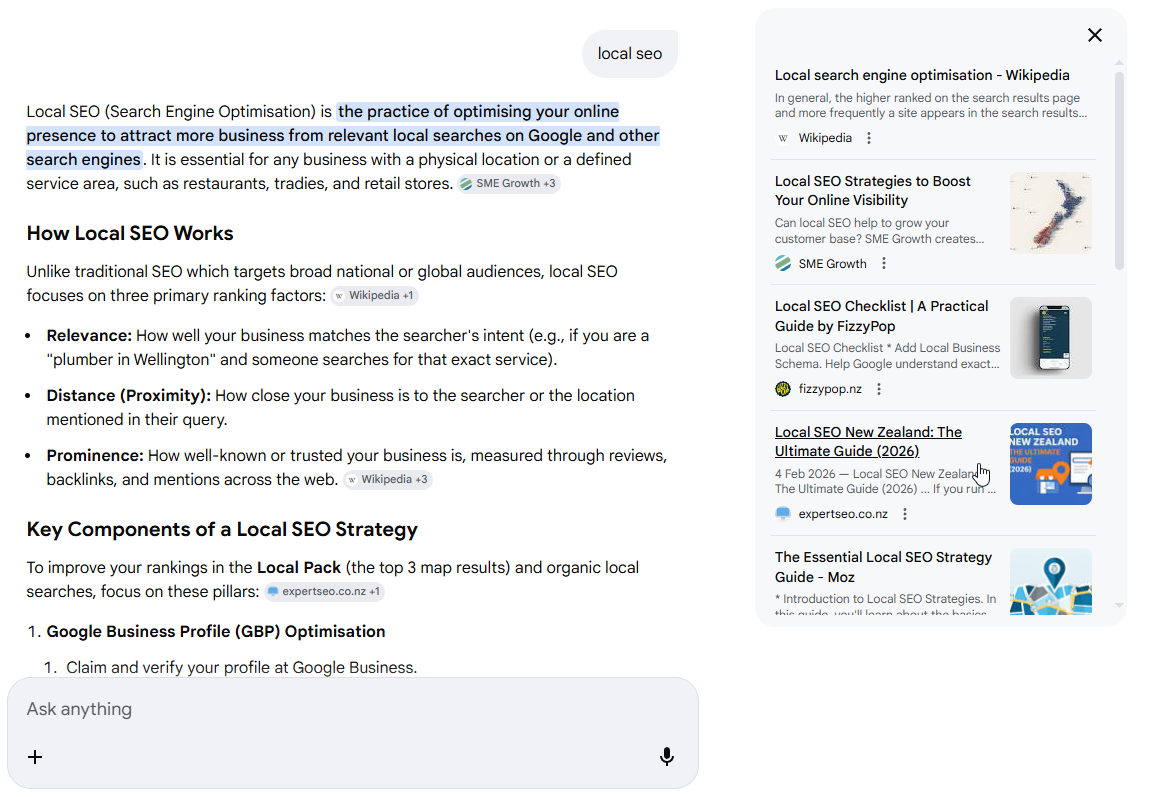
Expert SEO is just over a year old, and it’s already being cited in ChatGPT and Google AI Overviews — competing against businesses with a decade of authority — because the content is structured specifically for AI SEO extraction.
Step 8 — Edit, Polish, and Publish
The first draft is never the final draft. It shouldn’t be.
A quick editing pass turns good content into something that actually holds attention.
Here’s a simple checklist:
- Does every section open with the main point? If the reader only reads the first sentence, do they get the takeaway?
- Is there any fluff? If a sentence doesn’t teach, clarify, or persuade — cut it.
- Are sentences too long? Break them up. Keep things punchy.
- Is the tone consistent? It should sound like one person wrote the whole thing.
- Does it flow? Each section should lead naturally into the next.

Use Hemingway Editor to highlight hard-to-read sentences and Grammarly to catch grammatical errors. Both are free.
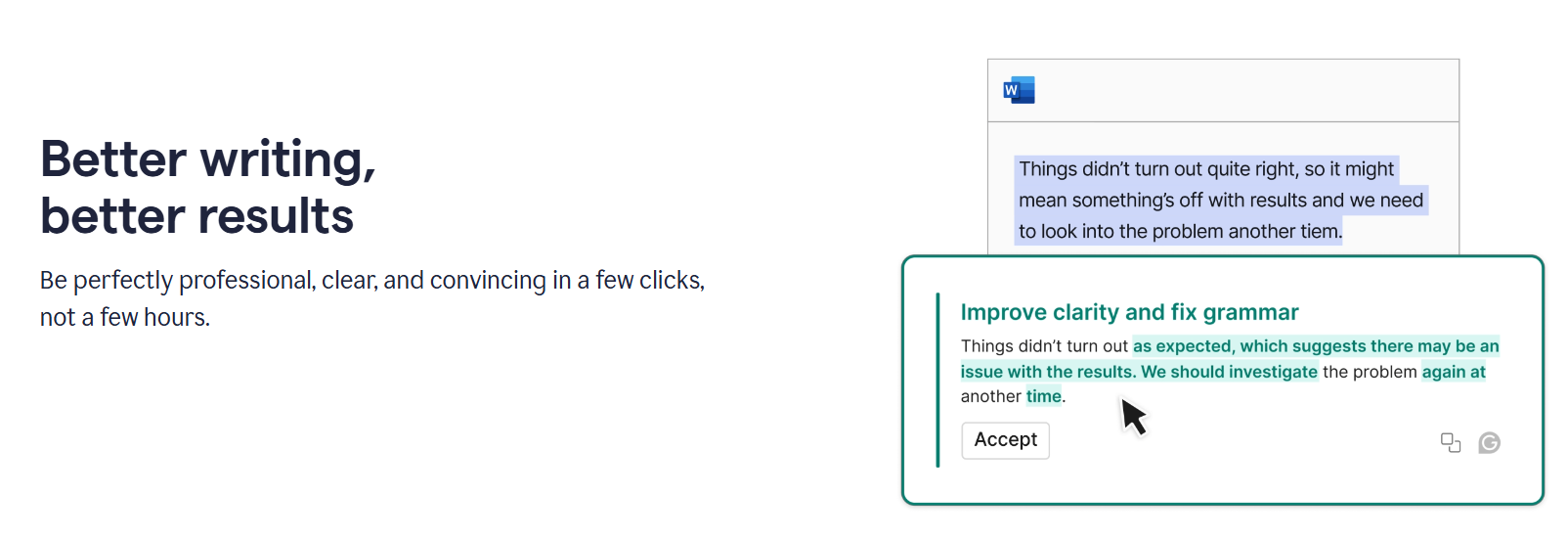
Then read it aloud. If it sounds stiff or awkward, rewrite those sections. The best test for natural writing is hearing it spoken.
Step 9 — Track Performance and Improve Over Time
Publishing isn’t the finish line. The data tells you exactly what to improve next.
Open Google Search Console and go to Performance. Filter by the page you published. Look at three things:
- Impressions: Is Google showing your page in search results? If this is growing, you’re on the right track.
- Clicks: Are people clicking through? If impressions are high but clicks are low, your title tag or meta description needs work.
- Average position: Where are you ranking? If you’re between position 6 and 20, that’s an update opportunity — not a reason to start over. Add more depth, improve the structure, refresh outdated information. If it’s below position 20 after six months, reassess the keyword and approach.

At the start, especially with a newer site, focus on impressions. Clicks follow as Google builds trust in your content.
The Best Free SEO Writing Tools in 2026
You don’t need expensive software to write content that ranks. Most guides recommend Clearscope ($170/month) or Ahrefs ($99+/month). They’re solid tools, but you can do this without them.
Here’s what actually works for free:
| Tool | What It Does | Cost |
|---|---|---|
| Google Keyword Planner | Keyword research and volume | Free |
| Google Search Console | Track rankings and performance | Free |
| AnswerThePublic | Find questions people are searching | Free (limited) |
| Google Trends | See if a topic is growing or declining | Free |
| Hemingway Editor | Improve readability | Free |
| Grammarly | Grammar and spelling | Free (basic) |
| Rank Math | On-page SEO for WordPress | Free |
| ChatGPT | Research, outlines, topic expansion | Free |
When you’re ready to scale, paid SEO tools like SEMrush and Ahrefs add powerful features for competitor analysis, link research, and site audits. But you can get 90% of the way there with free tools and a clear process.
SEO Writing Examples — What Good Looks Like
Theory is easy. Here’s what the difference looks like in practice.
Before vs After: Opening Paragraph
Before: “In today’s digital landscape, content is king and SEO writing is important for all businesses looking to increase their online visibility.”
After: “Most NZ businesses create content that never gets found. Not because it’s bad — because it wasn’t written with search intent in mind. Here’s how to fix that.”
The first version is vague, generic, and sounds like it was written by a robot. The second is specific, talks to the reader, and promises a clear outcome.
NZ Business Example
A plumber in Lower Hutt targeting “emergency plumber Wellington.”
Weak approach: 500-word page with “emergency plumber Wellington” mentioned eight times. No structure. No examples. No real information.
Strong approach: 1,800-word guide answering every question someone in a plumbing emergency would have.
- What to do first.
- Typical costs in the Wellington region.
- Average response times.
- What to look for in an emergency plumber.
- Reviews and guarantees.
The strong version matches intent, demonstrates expertise, and builds trust before the customer even picks up the phone. That’s SEO writing done properly.
Common SEO Writing Mistakes to Avoid
Most SEO writing fails for the same predictable reasons.
Keyword stuffing. Writing “Auckland plumber” 15 times doesn’t help. It hurts. Google’s algorithms detect this instantly. Write naturally.
Ignoring search intent. If Google shows service pages for your keyword and you write a blog post, you won’t rank. Match what’s already working.
No unique value. If your article says the same thing as the top five results, Google has no reason to rank it higher. Add experience, examples, or data that nobody else has.
Writing for robots. Stiff, unnatural sentences crammed with keywords. Google’s AI can detect this in 2026. If it doesn’t sound like a real person wrote it, rewrite it.
Too short. 500 words rarely cuts it for competitive informational content. If the top results are 2,000 words, a 500-word article signals that your coverage isn’t comprehensive enough.
No structure. Walls of text kill engagement and rankings. Use headings, short paragraphs, and white space.
Forgetting to update. A post published in 2023 with outdated stats is losing ground every month. Review and refresh your important content regularly.
Ignoring AI search. Writing only for traditional Google without considering how ChatGPT and AI Overviews work is leaving visibility on the table.
Need Help With Your SEO Writing?
SEO writing is a skill. And like any skill, it gets easier and more effective with practice.
However, if you fast-track your results, you might consider working with our SEO agency.
We help businesses across New Zealand with their SEO services, including:
If you want it done right and done faster, that’s where we come in.
SEO Writing: FAQ
What exactly is SEO writing?
It’s writing content specifically designed to rank on Google while being useful to the person reading it. That means researching what people search for, matching the intent behind those searches, and structuring the page so Google understands what it’s about.
How do I become a SEO writer?
Start by learning the basics of keyword research, search intent, and on-page SEO. Then practice. Pick a topic, find a keyword, analyse what’s ranking, and write something better. You don’t need a certification or a degree. You need reps. The more you write and track what ranks, the faster you improve. Most working SEO writers learned by doing it for their own site or a client’s first.
How long should SEO content be?
Long enough to fully answer the query. For most informational articles, that means 1,500 to 2,500 words. But don’t pad for the sake of length. Match what’s already ranking for your keyword and aim to be more comprehensive, not just longer.
How long does SEO writing take to rank?
For local NZ keywords, you can see meaningful improvements within 3 to 6 months of consistent effort. For national or highly competitive terms, expect 6 to 12 months. SEO compounds over time — the results get stronger the longer you stay consistent.
Can I use AI to write SEO content?
Yes, but use it as a tool, not a replacement. AI is excellent for research, outlines, and expanding topic ideas. But the best-performing content still needs your own experience, NZ-specific examples, and original insight. That’s what Google rewards and what readers trust.
Do I need expensive tools?
No. Google Keyword Planner, Google Search Console, AnswerThePublic, and Rank Math are all free and cover the essentials. Paid tools like SEMrush add useful features when you’re ready to scale, but they’re not required to get started.