
In this guide, I’m going to teach you the four pillars of SEO — what each one is, why it matters, how to actually do it, and real proof from New Zealand sites that getting them right works.
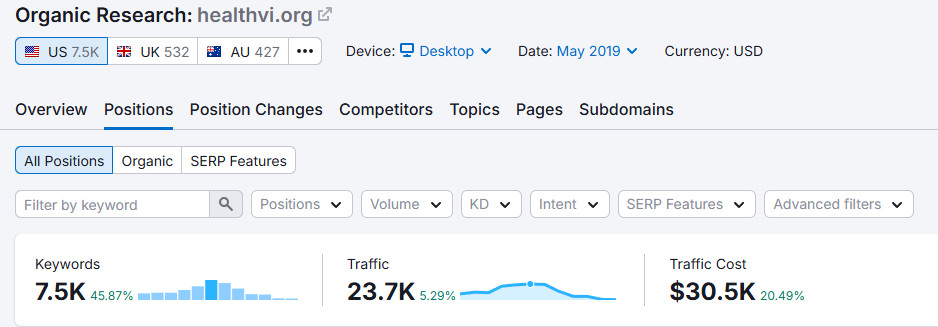
I’ve spent over a decade doing this, and I’ll show you the same four foundations I’ve used to grow a health site from zero to 20,000+ monthly visitors and get a sub-one-year-old agency site cited by Google’s AI, on a domain that outranked Ahrefs and Semrush in New Zealand.
Let’s get into it.
What Are the Pillars of SEO?
The four pillars of SEO are technical SEO, on-page SEO, content, and off-page SEO. Every task in SEO — every single one — lives inside one of those four buckets.
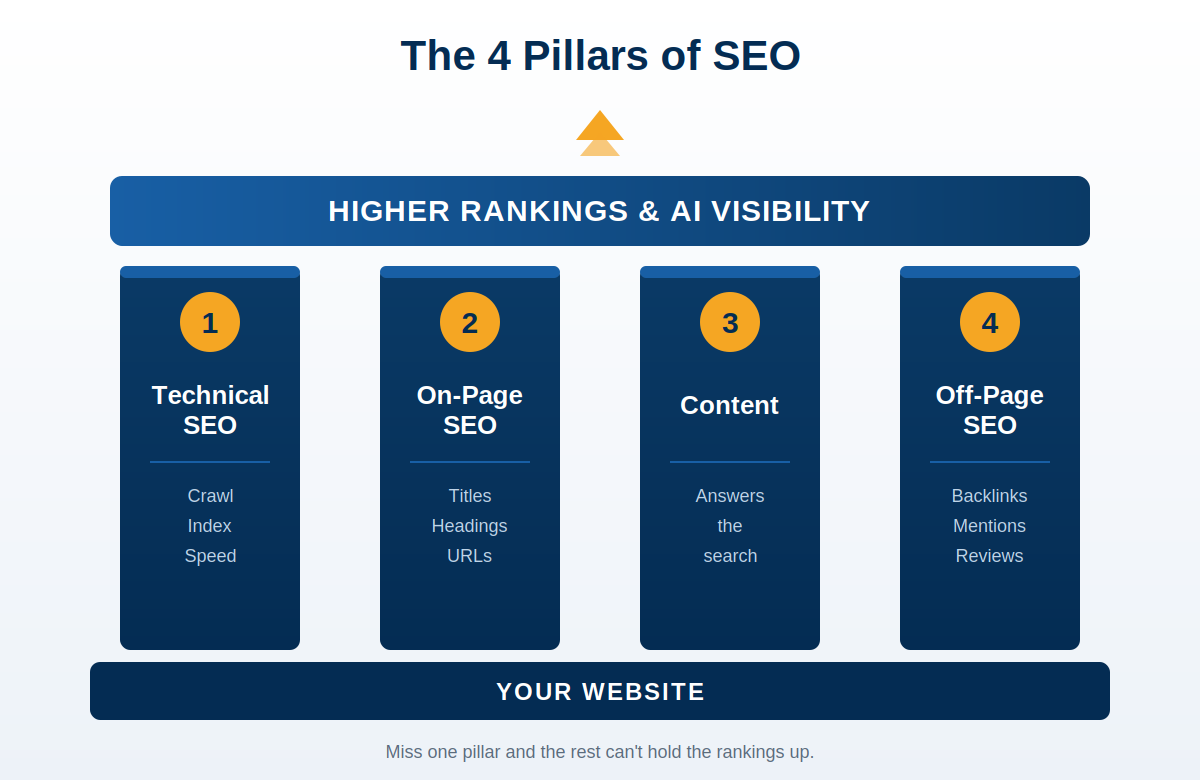
These same four pillars can be used in any city you’re competing in, whether that’s Christchurch, Wellington, Queenstown, or any other part of New Zealand you wish to do SEO.
Here’s the one-line version of each, so the map makes sense before we go deep:
- Technical SEO is the back-end work that lets Google crawl, read, and load your site.
- On-page SEO is how you structure each page — titles, headings, links — so Google knows what it’s about.
- Content is the actual substance: the pages that answer what people are searching for.
- Off-page SEO is the trust you earn from outside your site: backlinks, mentions, reviews.
If you want the ground floor before this — what SEO actually is — start there and come back.
Why the Pillars of SEO Matter
You can’t cherry-pick one pillar and win. That’s the whole point of calling them pillars: pull one out and the roof comes down.
Great content on a site Google can’t crawl goes nowhere. A lightning-fast, perfectly-tagged site with nothing worth reading goes nowhere either. The four only work as a set.
And the stakes for getting the set right are brutal at the top. According to First Page Sage, the top three organic results take 68.7% of all clicks — position one alone pulls more than positions three through ten combined.
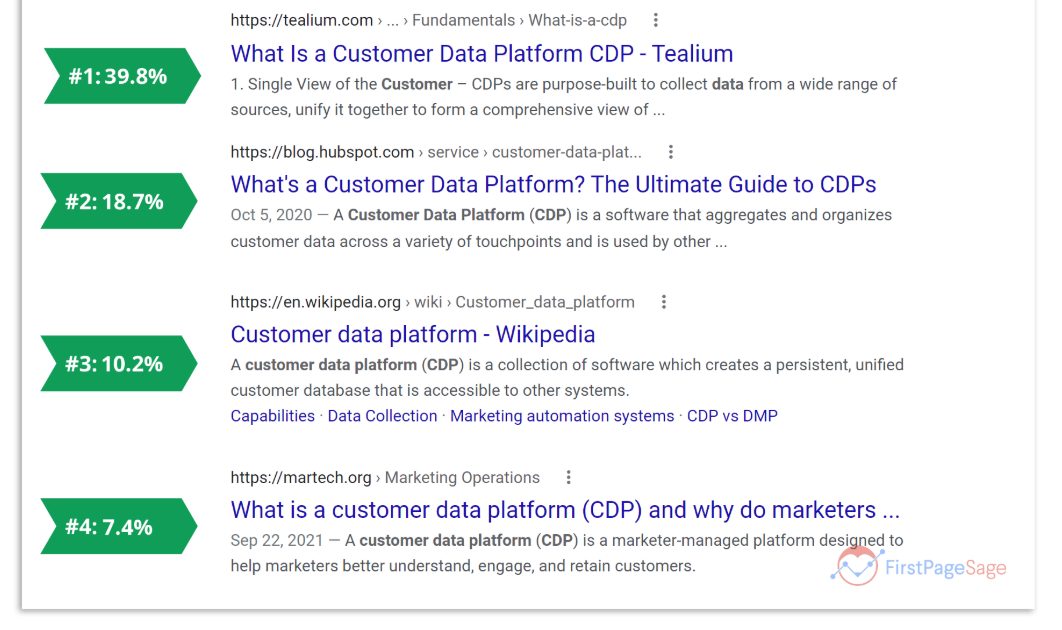
So the gap between page one and page two isn’t a small drop. It’s the difference between a steady stream of enquiries and hearing nothing at all.
The classic mistake is buying pillars in isolation: a “fast site” here, a “batch of backlinks” there, with no content or structure holding it together.
It’s like tuning one string on a guitar and wondering why the chord sounds off.
The fix is to work all four, in the right order. And if you’re not sure which pillar is your weak link, that’s exactly what an SEO audit is for — it shows you where the roof is sagging before you spend a cent fixing the wrong thing.
SEO Pillars vs Pillar Pages — Don’t Confuse the Two
Quick clarification, because the search results tangle these together: “SEO pillars” and “pillar pages” are two completely different things.
The SEO pillars are the four foundations above — technical, on-page, content, off-page.
A pillar page is a content tactic: one big, comprehensive hub page on a broad topic, with a cluster of smaller articles linking back to it. It lives inside the content pillar; it’s not a pillar of SEO itself.

So if you searched “SEO pillars” and landed on a page about “designing pillar pages,” that’s why it felt off. Same word, different job. Now you can tell them apart.
Technical SEO
Technical SEO is the back-end work that lets search engines find, read, and load your pages. It’s the plumbing of your website: invisible when it’s working, fatal when it isn’t.
It covers crawlability and indexing (can Google find and store your pages), site speed and Core Web Vitals, mobile-friendliness, HTTPS security, your XML sitemap, and a clean site structure.
Here’s why it matters before anything else: if Google can’t crawl a page, that page cannot rank. Full stop. And speed isn’t a vanity number — Think with Google found the probability of a mobile visitor bouncing jumps 32% as a page goes from one to three seconds to load.

In New Zealand, where most people search on their phone, a slow site quietly bleeds customers before they ever see your offer.
How to Do Technical SEO
You don’t need to fix everything. Focus on the handful of things that actually move rankings, in this order:
- Run a crawl. Open SEMrush Site Audit (or Screaming Frog for the detailed X-ray) and let it scan your site. It flags broken links, missing tags, duplicate pages, and crawl errors in one list.
- Fix the biggest errors first. Don’t chase every yellow warning. Sort by severity and knock out the criticals — broken pages, redirect chains, no-indexed pages that should be indexed.
- Check indexing. In Google Search Console, open the Pages report. If your key service pages aren’t in the index, nothing else matters until they are.
- Test speed. Paste your top pages into Google PageSpeed Insights, read the Mobile tab, then compress images and enable caching (WP Rocket if you’re on WordPress).
- Confirm mobile and HTTPS. Load the site on your actual phone. Make sure the padlock (HTTPS) is there — it’s a basic trust signal and a ranking factor.
- Submit your sitemap. In Search Console, drop in your XML sitemap URL so Google has a clean map of your pages.
Tools that do the heavy lifting: SEMrush Site Audit (the big-picture scan), Screaming Frog (the deep detail), Google PageSpeed Insights (speed and Core Web Vitals), Google Search Console (indexing), Rank Math (sitemap and technical basics on WordPress).

A real NZ example: I audit a lot of New Zealand sites, and a huge number of them — especially older ones — turn up with a listful of errors nobody’s touched in years.
I’ve seen a dental practice whose main dental implants page wasn’t even indexed: a page capable of bringing in a five-figure implant patient, sitting completely invisible to Google.
One indexing fix, and it’s back in the race. That’s the kind of low-hanging fruit technical SEO surfaces for businesses across Auckland before you’ve written a single new word.
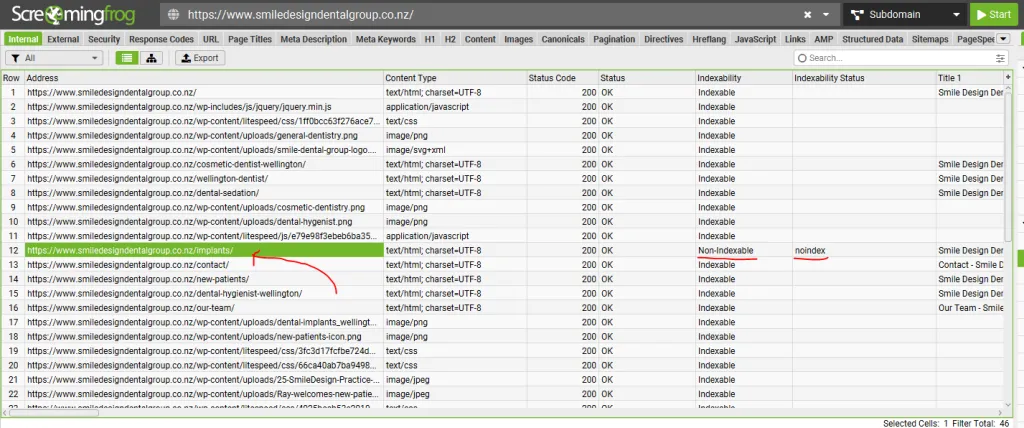
Sort the technical side once, properly, then leave it alone unless something breaks. It’s a foundation, not a daily chore.
On-Page SEO
On-page SEO is everything you optimise on a page to tell Google — and the reader — what it’s about. Title tag, headings, URL, meta description, internal links, image alt text, and where your keyword sits.
Think of it as labelling. Google can’t understand your page by vibes; it reads the signals you put on it. Clear labels, clear ranking. Vague labels, and even brilliant content gets misread.
Why it earns its place as a pillar: these signals are how Google matches your page to a search, and they move clicks directly.
According to SE Ranking, keyword-rich URLs get around 45% higher click-through than URLs that don’t have them — a free win most sites leave on the table.
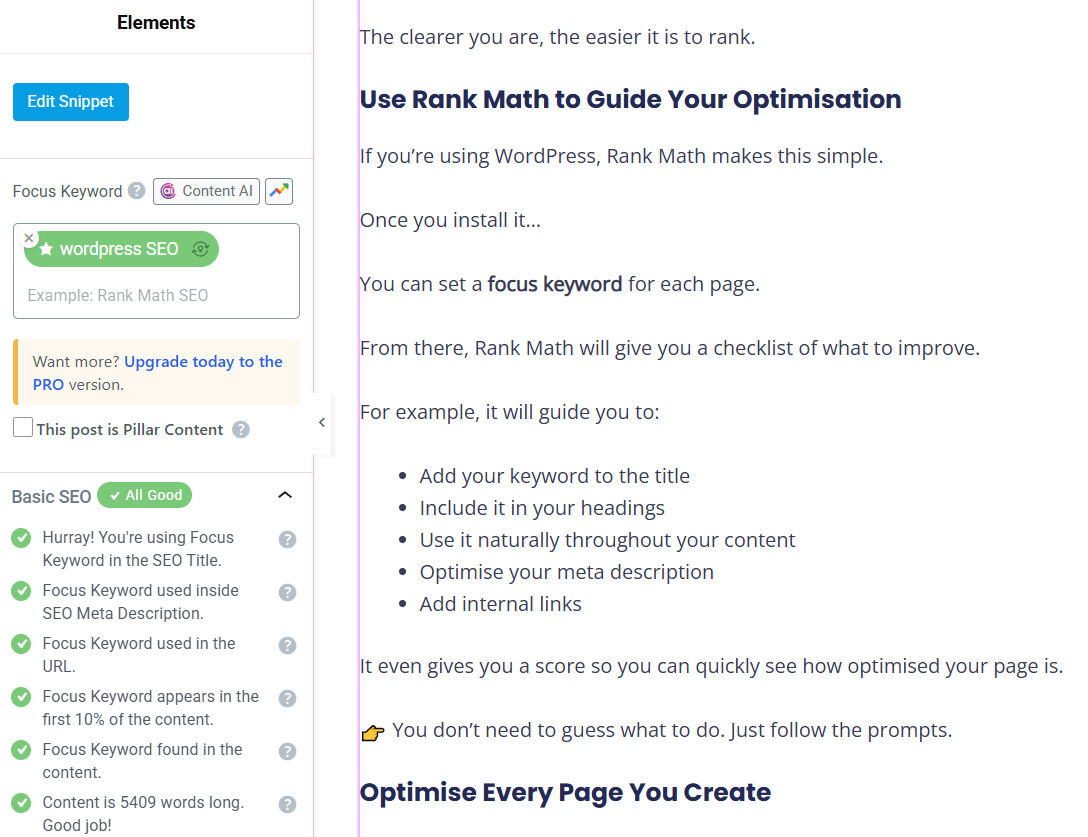
How to Do On-Page SEO
Take one page, one target keyword, and work through it:
- Front-load the title tag. Put your keyword near the start (e.g. “Mortgage Broker Hamilton | …”). This is the single strongest on-page signal.
- Use one clear H1. It should say what the page is, plainly, and echo the keyword.
- Structure with logical H2s and H3s. Break the topic into the sub-questions a reader actually has. This helps humans skim and helps Google (and AI) extract answers.
- Write a clean, descriptive URL. Short, readable, keyword in it: /mortgage-broker-hamilton/, not /page-id-4471/.
- Write the meta description. It won’t rank you directly, but a sharp one wins the click when you do appear.
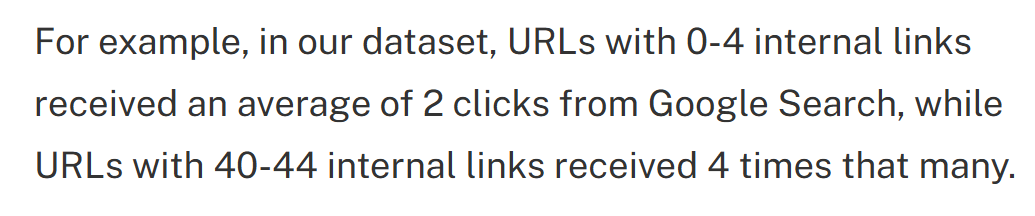
- Add internal links. Link this page to your related pages using descriptive anchor text, so authority and context flow between them.
- Optimise your images. Rename the file before uploading (mortgage-broker-hamilton.jpg, not IMG_4471.jpg) and write real alt text.
Tools: Rank Math walks you through every one of these on WordPress with a live checklist; SEMrush’s On Page SEO Checker audits pages you’ve already published and tells you what’s missing.
A real NZ example: Say a Hamilton mortgage broker has a services page titled just “Our Services.” Google has no idea it’s about mortgages in Hamilton.
Change the title to “Mortgage Broker Hamilton,” match the H1, tidy the URL to /mortgage-broker-hamilton/, and link it from a couple of relevant blog posts — and you’ve gone from invisible to a genuine contender for that exact search, without touching the actual copy much at all.
Content
Content is the substance — the actual pages and posts that answer what people are searching for. It’s the one pillar that’s also the reason anyone visits your site in the first place.
Technical and on-page make a page findable and readable. Content is whether the page deserves to be found at all.
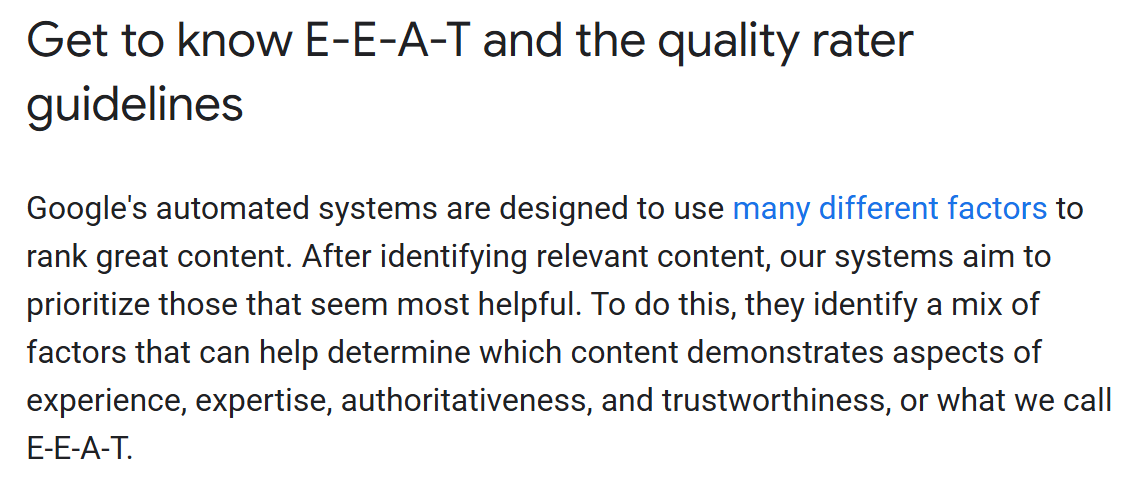
Why it’s arguably the heaviest pillar today: content is what ranks, and it’s what AI engines pull from and cite. And the bar has risen — Google’s own guidance now rewards content that shows real experience, expertise, authoritativeness, and trust (E-E-A-T), not just words on a page with the keyword sprinkled in.
How to Do Content Right
The process that actually builds rankings:
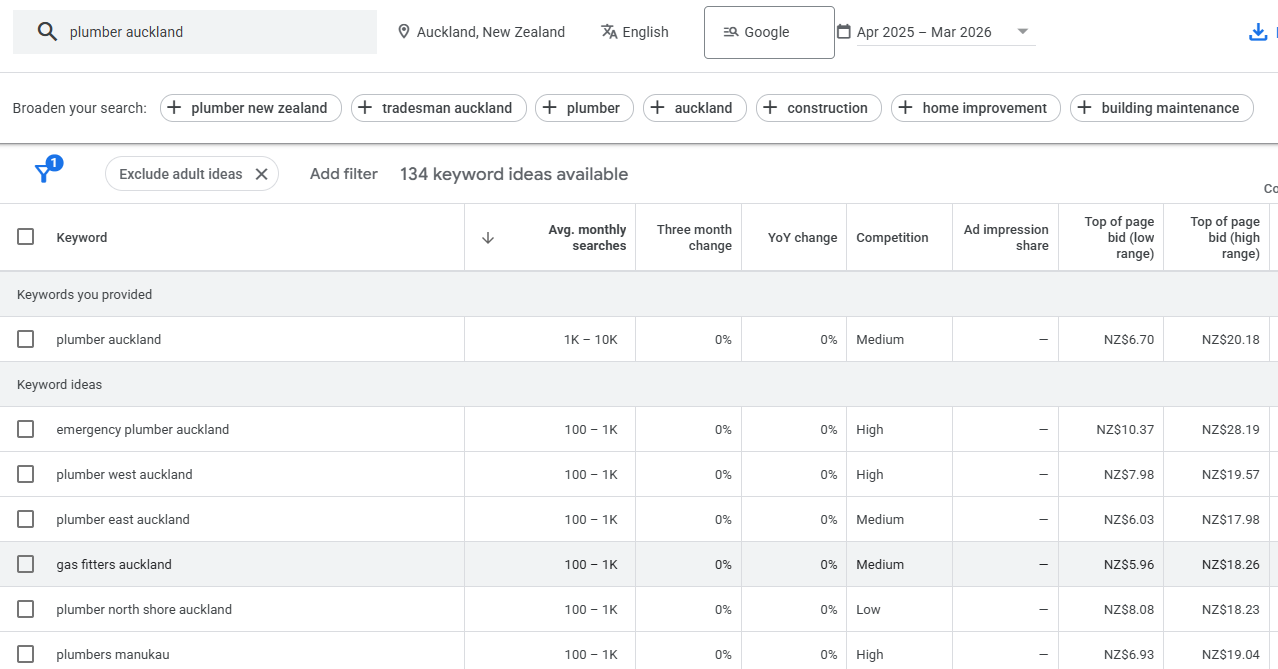
- Do keyword research. Find the exact phrases your customers type — usually service plus location, plus the questions they ask along the way.
- Map the intent. Split your keywords into informational (“how much do dental implants cost”) and commercial (“dental implants Auckland”). Informational builds authority; commercial brings the money.
- Build the best page on the internet for that keyword. Open the top three results, find what they skip — the reviews they don’t show, the question they never answer — and put all of it in from the start.
- Show real experience. Add your own numbers, examples, and first-hand take. This is the E-E-A-T that separates you from AI slop.
- Structure for extraction. Lead with a direct answer, use clean headings, add an FAQ. It makes you easy to rank and easy for AI to cite.
- Link the cluster into the money page. Point your informational posts at your commercial page so authority flows to the keyword you actually want to rank.
Tools: SEMrush’s Keyword Magic Tool and Google Keyword Planner for finding keywords; AnswerThePublic for the real questions people ask.
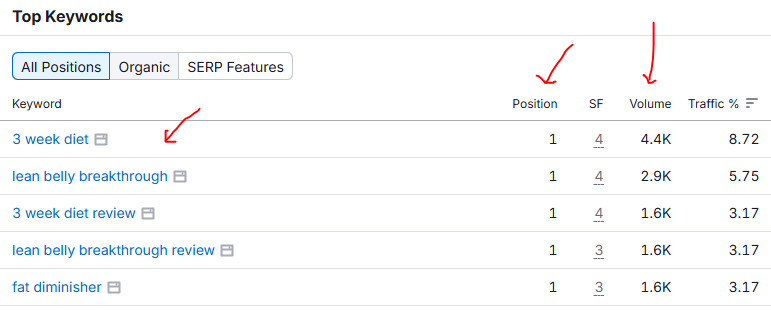
Real proof this works: the pages I built for HealthVI (with my SEO mentor, Ian Pribyl) ended up ranking #1 for keywords with thousands of monthly searches — purely off mapping intent and building genuinely better pages than what already ranked.
Picture the same play for a Wellington law firm: a “how does conveyancing work in NZ” post pulls in people early, and it quietly feeds the “conveyancing lawyer Wellington” service page they eventually book from.
That’s SEO content doing two jobs at once — attracting and converting.
Off-Page SEO
Off-page SEO is everything that builds your reputation away from your own site: backlinks, brand mentions, citations, and reviews. Think of it as votes of confidence from the rest of the web.
You control the first three pillars completely. Off-page is different — you earn it, you influence it, but you can’t just switch it on. That’s exactly why it carries so much weight with Google.
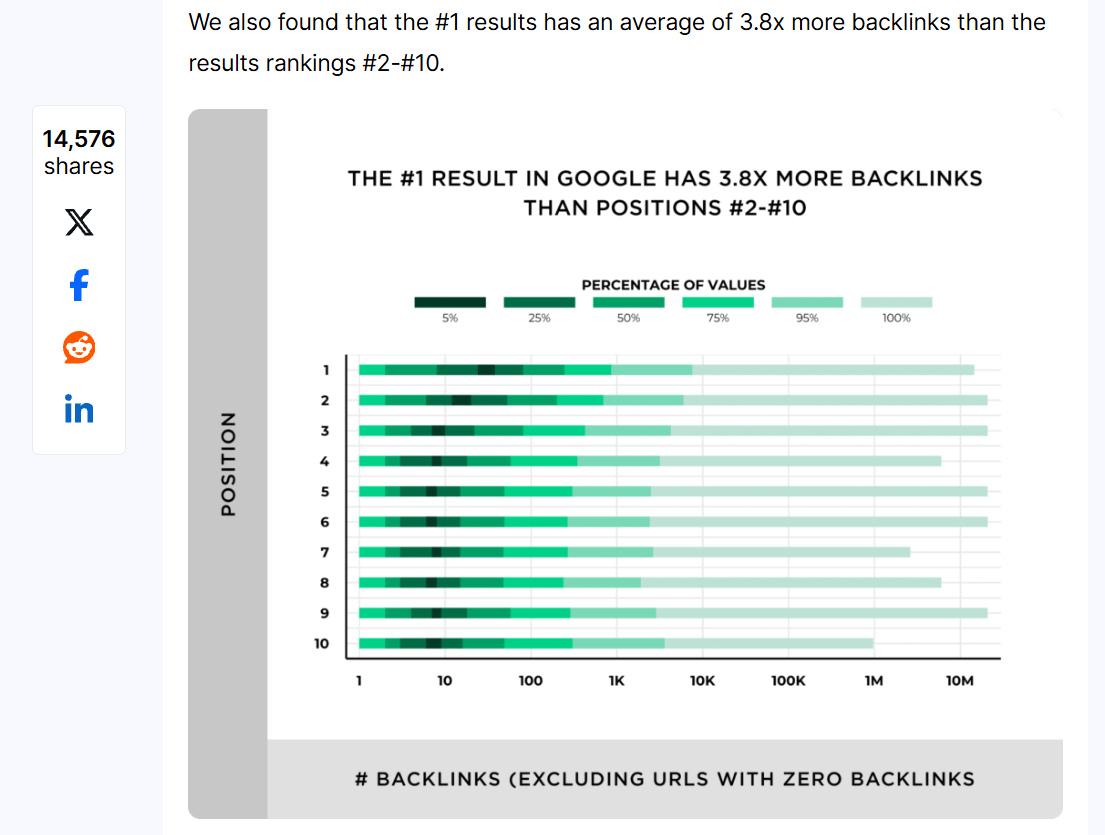
Why it matters: backlinks are still one of the strongest ranking signals there is. Backlinko found the #1 result in Google has, on average, 3.8x more backlinks than positions two through ten.
Once you’re past low-competition keywords, content alone usually isn’t enough — you need the votes.
How to Do Off-Page SEO
- Earn quality links. Create something genuinely worth linking to (a real guide, original data), then get it in front of relevant sites through outreach, guest posts, and digital PR.
- Build local citations. Get your business listed consistently across NZ directories — same name, address, and phone number everywhere (this is NAP consistency).
- Get reviews, and reply to them. Grab your Google review link, turn it into a QR code and an SMS you send right after a happy job, and respond to every review that lands.
- Chase brand mentions. Sponsor the local club, get quoted, show up where your market already is — even unlinked mentions feed the picture Google and AI build of you.
One thing to hold onto: there’s a massive difference between a good link and a bad one. A single link from a trusted, relevant NZ source does more than a pile of cheap directory links ever will — and a flood of spammy links can actively drag you down.
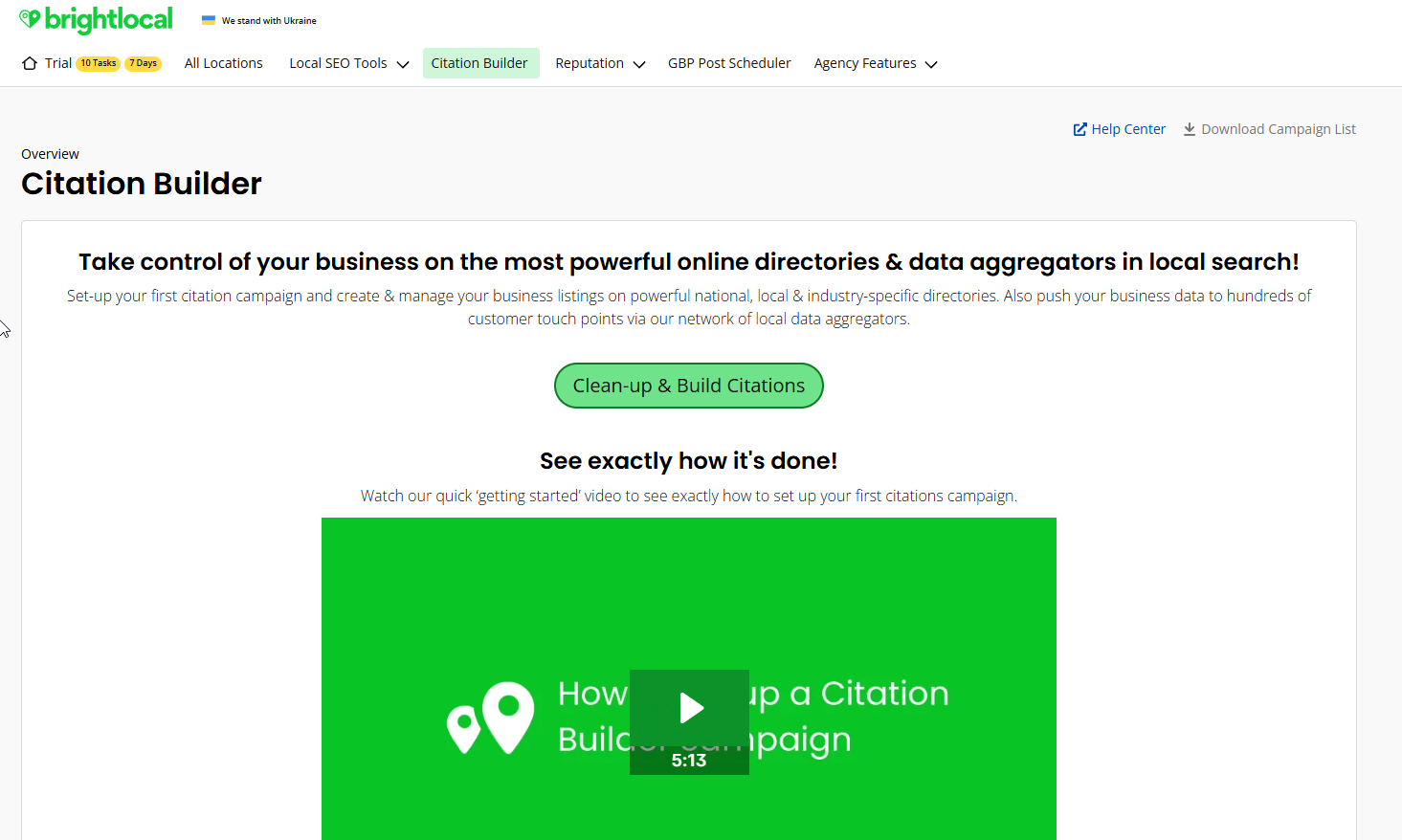
Tools: Ahrefs and SEMrush for finding link building opportunities and spying on competitors’ backlinks; BrightLocal for pushing out consistent citations; a free QR generator for getting reviews at the counter.
Real proof: the way I grew HealthVI’s authority was hard, honest link building — chasing real links from real sites (a period that, I’ll admit, got us into a bit of hot water once or twice).
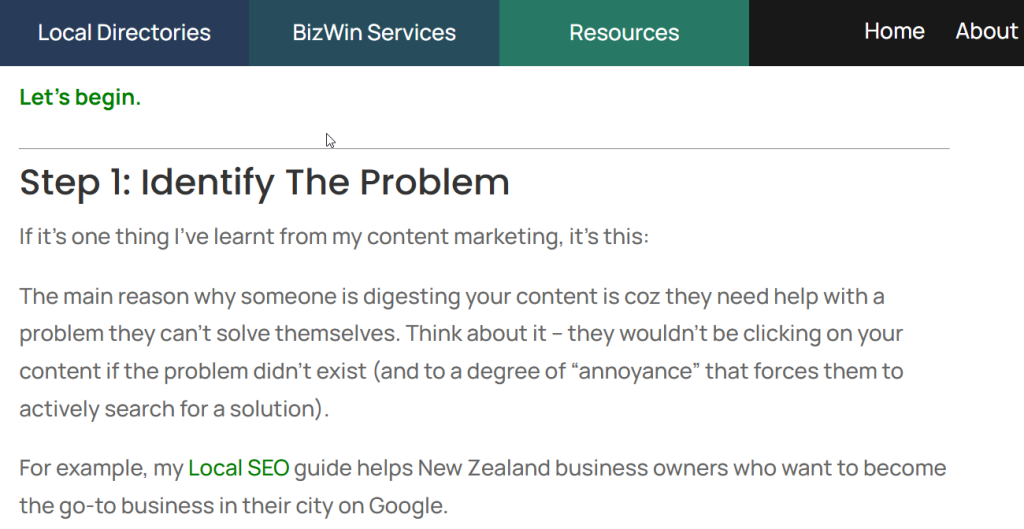
And it still happens the good way today: another NZ site, BizWin, linked to my local SEO guide on its own, simply because the guide was worth referencing. One link like that, from a trusted local source, outweighs a pile of cheap ones.
Picture a Christchurch builder doing the local version: sponsoring a junior football team for a couple of hundred dollars a season, landing a real local backlink and a hundred local families who now know the name. Small spend, genuine signal.
Is There a Fifth Pillar? SEO and AI Search
Lately you’ll see people bolt on a fifth pillar for AI search — sometimes called GEO (Generative Engine Optimisation). It’s worth understanding, but it’s better seen as a new lens on the four you already have than a brand-new category.
Here’s the shift. Google’s AI Overviews now reach around 2.5 billion people a month, and a growing share of searches end without a click to any website.
If your business isn’t inside the AI answer, you’re invisible for that search.

But look at what actually wins an AI citation, and it maps straight onto the four pillars: clean, structured content (content + on-page), a technically sound, crawlable site (technical), and the mentions and authority that mark you as trustworthy (off-page). Nothing new — just sharper.
Google says as much itself: its guidance spells out that SEO is still relevant for generative AI search, because those AI features are rooted in the same core Search ranking you’re already optimising for.

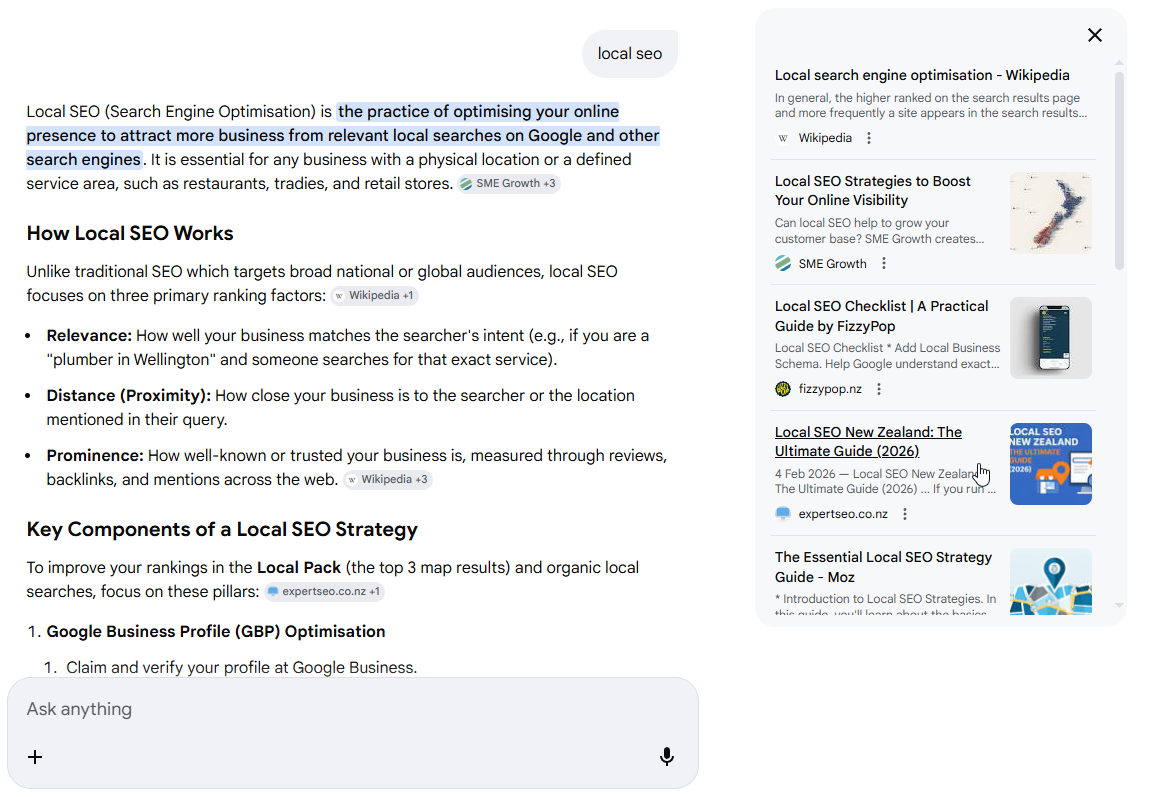
Proof it’s already working: Expert SEO gets cited in Google’s AI Mode and referenced in ChatGPT answers, at under a year old, against far bigger competitors.
That didn’t come from an “AI strategy.” It came from doing the four pillars properly, with a sharper focus on clarity. If you want to go deeper on that specifically, our guide to ranking in AI search breaks it down.
How the Pillars of SEO Work Together
On their own, each pillar helps a little. Stacked, they multiply. Let me show you what that looks like on real sites, because this is the part theory never proves.
Start with Expert SEO itself. Technically clean from day one. On-page dialled in on every page. Content that genuinely answers the questions NZ business owners are asking.
And earned authority from real links and mentions.
The result: a domain under a year old that ranked #1 in New Zealand for “local SEO” — above Ahrefs and Semrush — and got cited by Google’s AI in the process.

Then HealthVI: the same four pillars, run consistently over time, taking a health site from zero to over 20,000 monthly organic visitors. And StoppingScams, built on the same fundamentals, now pulling over 5,000 visitors a day.

None of those are one-pillar wins. They’re what happens when four foundations pull in the same direction.
Miss one pillar and the rest stall. Get all four moving together and it compounds — slow at first, then all at once, like a kettle that does nothing, does nothing, then boils.
Doing It Yourself vs Hiring an SEO Expert
None of this is locked behind an agency. The four pillars are learnable, most of the tools have free versions, and if you’ve got the time, you can absolutely run them yourself. If you’re going to DIY, work through each pillar properly, one page at a time, and give it the months it actually takes.
The only real cost is time — and whether you’d rather spend it learning SEO or running the business you already know how to run.
That’s the point where done-for-you SEO pays for itself: strategy, execution, and ongoing work across all four pillars without you having to become an SEO.
If you’d rather have a plan built around your market first, that’s what an SEO consultant is for.
Either way, the four pillars are the whole game. Get them right — yourself or with help.
You’re not chasing Google anymore. You’re the answer it’s looking for.
SEO Pillars: FAQ
What are the 3 pillars of SEO?
The three pillars of SEO are usually technical SEO, on-page SEO (with content folded in), and off-page SEO. It's the same work as the four-pillar model — content is just grouped under on-page instead of standing on its own.
What are the 5 pillars of SEO?
A five-pillar model takes the four core pillars — technical, on-page, content, and off-page SEO — and adds a fifth, usually user experience or analytics. The underlying tasks don't change; they're just split into more buckets.
What are the 4 stages of SEO?
The four stages of SEO describe a process, not the pillars: keyword research, on-page and content, technical fixes, then off-page and tracking. Stages are the order you work in; pillars are the categories of work.
What are the 4 intents of SEO?
That's search intent, not an SEO pillar. The four intents are informational, navigational, commercial, and transactional — the reason behind a search. Matching intent sits inside the content pillar.
What are the pillars of local SEO?
Local SEO rests on the same four pillars, tuned for a local market: a technically sound site, on-page signals with your city and service, local content, and off-page trust — mainly your Google Business Profile, citations, and reviews.