

One page on this website previously ranked #1 in New Zealand for “local SEO” — ahead of international companies with domain ratings in the 80s and 90s, and ahead of NZ agencies that have been building authority for over a decade.
That page is a pillar page. And the strategy behind it is the single most effective way I know for a smaller NZ website to compete with the giants.
The problem is that “pillar page” gets thrown around constantly and explained badly. There’s a thread on Reddit’s SEO forum literally titled “Someone please explain pillar pages like I’m 5:”

And it ranks on page one of Google, which tells you how confusing the existing guides are.
This guide fixes that.
You’ll learn exactly what a pillar page is, how it differs from the pages you already have, why it matters more than ever in the AI search era, and how to build one step by step — with a real NZ example you can copy.
What Is a Pillar Page?
A pillar page is a long, broad page that covers an entire topic at a high level and links out to more detailed pages about each subtopic.
It acts as the hub of a “topic cluster” — the central page that everything else connects back to.

Think of it like the trunk of a tree. The trunk covers the whole topic. The branches are your cluster pages, each going deep on one specific part.
The term comes from the SEO world of the 2013 — Rand Fishkin described the idea of building “10x content” hubs, and HubSpot turned it into the topic cluster model most people use today.

The key word in the definition is broad. A pillar page touches every part of a topic but doesn’t go all the way to the bottom on any of them. The depth lives in the cluster pages.
Pillar Page vs Landing Page vs Category Page vs Blog Post
This is where almost everyone gets confused, so here’s the clean version:
A pillar page educates and links out, a landing page converts, a category page lists, and a blog post goes deep on one narrow thing.
| Page type | Its job | Example |
|---|---|---|
| Pillar page | Cover a whole topic broadly and link to deeper pages | “Local SEO: The Ultimate Guide” |
| Landing page | Convert a visitor into a lead or sale | “Book Your Free Consultation” |
| Category page | List products or posts in a group | “All Blog Posts About SEO” |
| Blog post (cluster page) | Go deep on one specific subtopic | “How to Optimise Your Google Business Profile” |
The landing page distinction matters most.
A landing page exists to get one action — a booking, a sign-up, a purchase. A Queenstown hotel’s “Book Direct and Save 10%” page is a landing page. It’s short, focused, and conversion-driven.
A pillar page is the opposite: long, educational, and built to be the best resource on a topic.
The category page distinction trips people up too. A category page is just an automated list — your CMS generates it.
A pillar page is written content. It has opinions, explanations, examples, and structure. A list of links with no substance is not a pillar page, no matter what you call it.
A blog post is usually a cluster page — the deep-dive that hangs off the pillar. More on that next.
How Pillar Pages and Topic Clusters Work Together
A pillar page on its own does very little. The whole strategy is the pillar plus its cluster — and the links between them.
Here’s the model:
- The pillar page covers the broad topic (e.g. local SEO)
- Cluster pages each cover one subtopic in depth (e.g. Google Business Profile, local citations, reviews, the map pack)
- The pillar links out to every cluster page
- Every cluster page links back to the pillar
That two-way linking is the entire point.
It tells Google these pages belong together, and it concentrates authority on the pillar. When other websites link to any page in the cluster, some of that authority flows through your internal links to every other page in the group.
This is exactly how the local SEO section of this site is built.
The pillar covers the full topic, and cluster pages like what is local SEO each take one slice and go deep. Every one of them points back to the hub.

If you’re building an SEO strategy from scratch, this hub-and-spoke structure should be the skeleton of it.
You’re deciding your pillars first, then mapping the clusters around them — not publishing random posts and hoping they add up to something.
What’s the difference between a pillar page and a cluster page?
The pillar is broad and shallow; the cluster page is narrow and deep.
The pillar mentions Google Business Profile in a few paragraphs.
The cluster page about Google Business Profile covers setup, categories, photos, posts, reviews, and suspensions across 3,000 words. Same topic, different altitude.
Why Pillar Pages Matter: 3 Real Benefits
Pillar pages matter because they build topical authority, organise your internal links, and make your content far more likely to be cited by AI search.
Here’s what each one actually means.
1. They build topical authority
Google ranks websites it trusts on a topic, and trust comes from coverage. A site with one article about local SEO looks like a tourist.
A site with a pillar and twelve interlinked cluster pages looks like the authority.
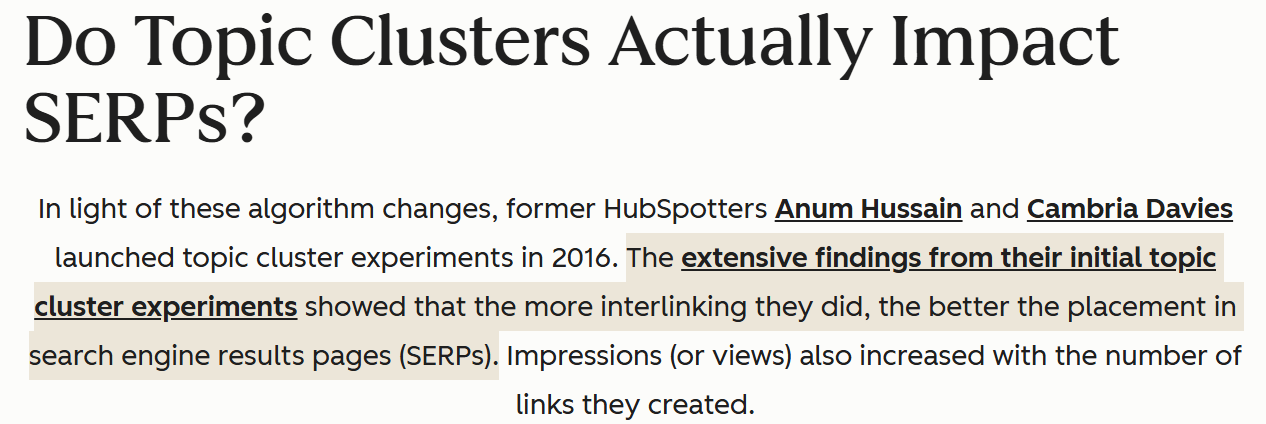
This is measurable. When HubSpot ran its original topic cluster experiments, it found that the more interlinking it did, the better its placement in search results — impressions rose with every link added between cluster pages and pillars.
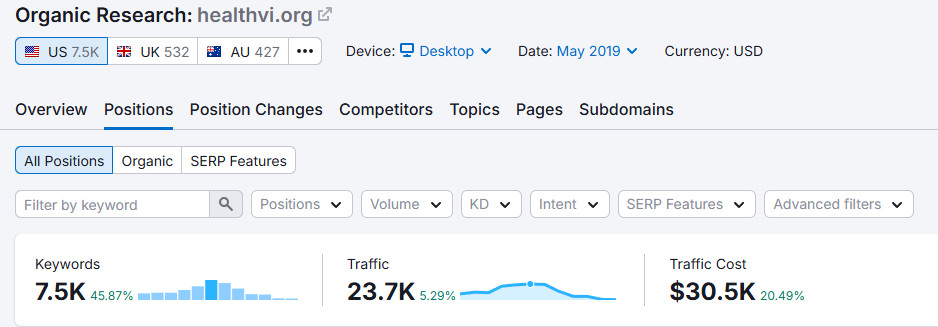
I’ve seen the same thing first-hand. HealthVI, a health website I grew from zero to over 20,000 monthly visitors, was built on exactly this model — broad hub content supported by deep clusters, all linking your pages together deliberately rather than randomly.
2. They fix your internal linking
Most websites have orphaned content — pages with no internal links pointing to them, which Google struggles to find and rarely ranks.
A pillar structure makes orphaned pages nearly impossible, because every new cluster page has an obvious home: it links to the pillar, and the pillar links to it.

It also stops keyword cannibalisation. Without a cluster plan, you end up writing three half-overlapping posts that compete with each other for the same keyword.
With one, every subtopic has exactly one page, and they support each other instead of fighting.
3. They get cited by AI
This is the benefit that matters most in 2026, and most older guides don’t mention it at all.
Google’s AI Overviews, ChatGPT, and other AI search tools pull their answers from content that is comprehensive, well-structured, and clearly organised — which is a near-perfect description of a good pillar page.
If a page answers the broad question directly and its cluster answers every follow-up question, AI systems have everything they need to cite you. I’ll show you proof of this working further down.
The 3 Types of Pillar Pages
Most pillar pages fall into three types: the 10x content guide, the resource pillar, and the product or service pillar. Pick the one that matches your goal.
The 10x content pillar is the deep educational guide — the page that aims to be ten times better than anything else on the topic.
This article is one. So is the local SEO guide I keep mentioning. If you’re building topical authority, this is your default type.
The resource pillar is a curated hub of tools, links, and resources around one subject.
Think “Every Tool and Template a First-Home Buyer Needs.” These work well when your audience needs a collection more than an explanation — and they attract links, because other sites reference them.
The product or service pillar covers a broad service area and links down to specific offerings.
This is the most useful type for NZ service businesses.
A mortgage broker, for example, could build a pillar called “The Complete Guide to Home Loans in NZ” with deeper pages on first-home loans, refinancing, and investment lending hanging off it — the same hub-and-spoke shape that makes SEO for mortgage brokers work in the first place.
For a broker competing for SEO in Wellington, where professional services fight hard for every search, that kind of organised depth is often the difference between page one and page three.
What a Good Pillar Page Looks Like
A strong pillar page is long-form, scannable, broad without being shallow, and built around clean links to its cluster. Here’s the anatomy.
Length. Most successful pillar pages run 2,500–4,000 words. The top results for “pillar page” itself range from about 2,800 to nearly 5,000 words. The real target is coverage rather than a word count, but the two correlate:
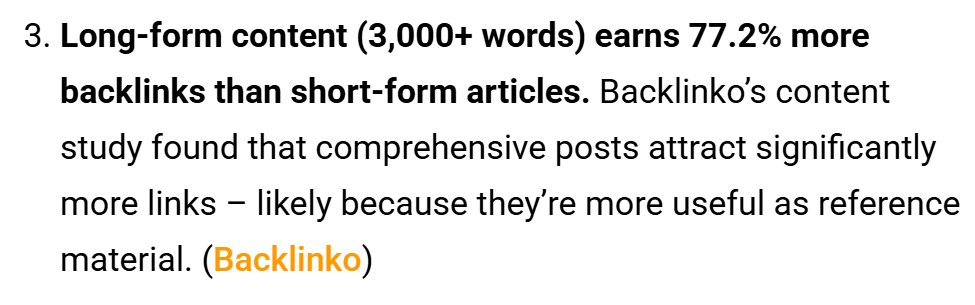
Backlinko’s analysis of 912 million blog posts found that content over 3,000 words earns 77.2% more backlinks than short articles. Comprehensive pages get referenced.
Structure. Clear H2s for every major subtopic, with each section opening on a direct answer. If someone reads only your headings, they should understand the entire topic.
This matters for readers, and it matters even more for AI extraction — clean structure is what makes content quotable.
The linking backbone. Every cluster page linked from the pillar, naturally, on relevant anchor text — not “click here” and not a wall of links at the bottom. The links should sit inside sentences where the concept comes up.
Readability. Short sentences, tight paragraphs, one idea at a time. A pillar page is long, so the writing has to be easy, or nobody finishes it.
If you can’t tick all four, you’ve got a long post, not a pillar.
Real Example: How a Pillar Page Outranked the Giants in NZ
Here’s the proof this strategy works, using a page you can go and look at right now.
The local SEO guide on this site previously ranked #1 in New Zealand for its keyword.

The pages it beat include international SEO companies with domain ratings between 80 and 99, and New Zealand agencies that had a ten-year head start on this domain — which, at the time, was less than a year old.
Here’s how it was built, because the process matters more than the result:
Research first. Before writing a word, I pulled the full keyword data, ran a content gap analysis, and studied every page ranking in the top ten.
That showed me exactly what the international guides covered — and what they couldn’t: New Zealand context.
Built as a pillar, not a post. The page covers the entire topic broadly — what local SEO is, how the map pack works, reviews, citations, tools, timelines — and links out to cluster pages that each go deep on one piece.
Won on relevance, not authority. The international giants had more backlinks, more history, and more domain strength.
What they didn’t have was a single NZ example, NZ data point, or NZ business scenario. Google’s job is to serve the most relevant result to a searcher in New Zealand — and a genuinely NZ-specific pillar beat raw domain power.
That last point is the lesson worth keeping: a lower-authority .co.nz site can outrank global giants by being more relevant to NZ searchers. The pillar structure is what makes that relevance legible to Google.
Why Pillar Pages Work Differently in NZ
In New Zealand, pillar pages are an authority and AI-citation play — not a head-term traffic play. This is the part every international guide gets wrong for our market, because they assume US-scale search volumes.
The numbers make it obvious. “Pillar page” itself gets around 10–20 searches a month in NZ, and plenty of valuable NZ keywords look like that — Ahrefs’ analysis of its keyword database found that nearly 93% of all keywords get fewer than 10 searches per month.

Almost all search demand lives in the long tail of small, specific queries.
So if you build a pillar page expecting the head term to flood you with traffic, you’ll be disappointed. What the pillar actually does in a small market:
- Captures the long tail. The pillar and its cluster collectively rank for hundreds of small, specific queries — the questions your actual customers type. Twenty searches a month across two hundred keywords is real traffic.
- Builds the authority that lifts everything. Once Google trusts you on a topic, your service pages and money pages rank easier. The pillar is the donor; the commercial pages are the recipients.
- Earns the AI citations. Small search volumes don’t matter to an AI system deciding which source to quote. Comprehensive coverage does.
A builder in Tauranga doesn’t need 10,000 visits a month from a pillar page about renovations.
They need to be the site Google and ChatGPT both treat as the local authority when someone asks a renovation question — because that’s what fills the pipeline.
SEO for builders is a long-tail game, and pillar structure is how you play it.
Tauranga is one of the fastest-growing markets in the country, and SEO in Tauranga still has room for businesses willing to get this structure in place before their slower-moving competitors do.
Are Pillar Pages Still Relevant in the AI Era?
Yes — pillar pages are more valuable now than they’ve ever been, because comprehensive, well-structured content is exactly what AI search systems cite.
The scale of the shift is hard to overstate. Google’s AI Overviews now reach more than 2 billion monthly users worldwide.
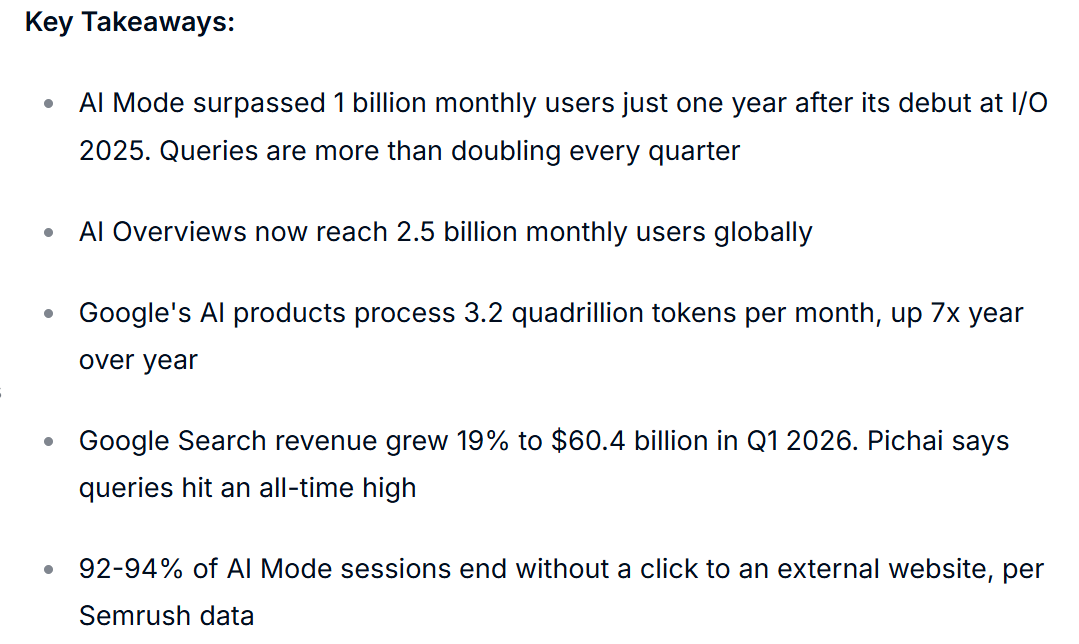
For a growing share of searches, the AI answer at the top of the page is the search result — and the only way to win those searches is to be one of the sources it quotes.
AI systems choose sources the same way a careful researcher would: they favour pages that answer the question directly, cover the topic thoroughly, and are structured clearly enough to extract from.
A pillar page with a direct answer under every heading is built for exactly that.
I can show you this working. This website is just over a year old, and it earned its first Google AI Overview citations within six months of launching — sitting alongside sources that have been publishing for a decade.
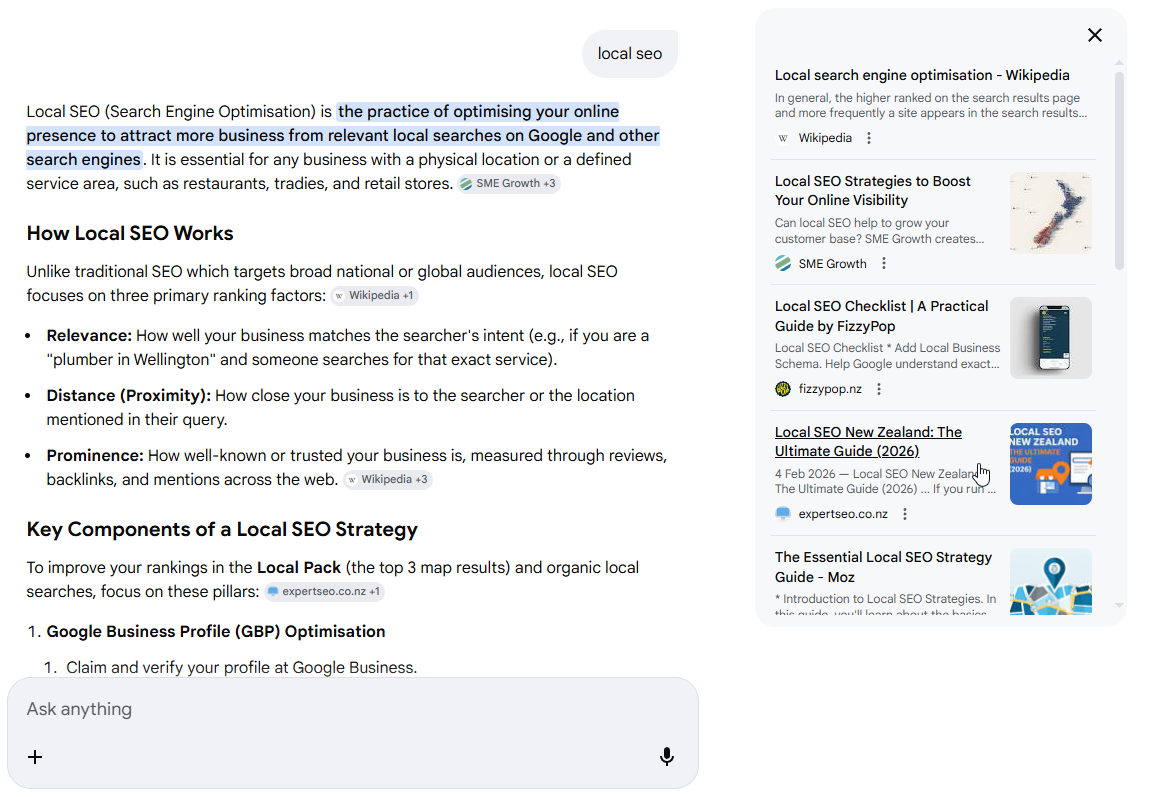
The pages getting cited are the pillar-and-cluster pages, because ranking in AI search rewards the same comprehensiveness that pillar pages are designed to deliver.
The honest framing: traditional rankings still matter, and pillar pages still win those. But the bigger prize in 2026 is being the answer, not just a link below it. Pillar pages are how a small NZ site gets there.
How to Create a Pillar Page (Step by Step)
Building a pillar page comes down to six steps: pick a broad topic, map the cluster, write the pillar, build the cluster pages, link them both ways, and keep it updated.
Let’s walk a real NZ example through all six — a Tauranga builder targeting “home renovation.”
Step 1: Pick a broad topic, not a narrow keyword
The topic needs enough substance to support 8–15 cluster pages. “Home renovation” works — it splits into kitchens, bathrooms, consents, costs, timelines, choosing a builder.
“Bathroom tile grout” doesn’t — that’s a cluster page, not a pillar.
The test: list the subtopics. If you can’t name at least eight without straining, the topic is too narrow. Go one level broader.
Step 2: Map the cluster before you write
Finding the right keywords for each subtopic comes before any writing.
For each one, check what people actually search: “kitchen renovation cost nz,” “do I need consent for a bathroom renovation,” “how long does a renovation take.”

Each subtopic with real search demand becomes a planned cluster page. Write the full list down — this is your content roadmap for the next three months, and it stops you publishing random posts that don’t connect to anything.
Step 3: Write the pillar
Cover every subtopic from your map — but at overview depth. Two to four paragraphs each.
The renovation pillar explains what a kitchen renovation involves and roughly what it costs; the kitchen cluster page gets into benchtops, layouts, and line-item pricing.
Open every section with a direct answer to the question the heading asks. Write content that ranks by writing for the reader first: short sentences, real examples, no padding.
Aim for 2,500–4,000 words, and stop when the topic is covered — not when you hit a number.
Step 4: Build the cluster pages
Work through your map one page at a time. Each cluster page goes deep on its single subtopic and targets its specific keyword.
You don’t need all of them live before the pillar publishes — but the pillar shouldn’t sit alone for long. A pillar with no cluster is a trunk with no branches.
Step 5: Link them both ways
Every cluster page links back to the pillar. The pillar links out to every cluster page. Use natural anchor text inside real sentences — the link to your kitchen renovation page belongs in the paragraph about kitchen renovations, not in a “related posts” dump.
This step is the one most people skip, and it’s the one that makes the whole model work.
HubSpot’s own blog restructure showed the pattern: after reorganising into pillars and clusters, it saw month-over-month growth in first-page keyword rankings across the blogs it tracked.
Step 6: Keep it updated
A pillar page is an asset, not a one-off post. When you publish a new cluster page, add the link to the pillar. When prices, rules, or tools change, update the section. Google notices freshness on broad topics, and stale pillars slowly leak rankings to whoever updated theirs last.
5 Pillar Page Mistakes That Waste Months
Failed pillar pages almost always fail for the same few reasons. Avoid these and you’re ahead of the majority.
1. Building a pillar with no cluster behind it. One long page, zero supporting pages, no internal links. That’s just a long article. The authority comes from the cluster — without it, the pillar competes on word count alone and loses.
2. Treating a sales page as a pillar. A pillar educates. The moment it reads like a pitch, it stops earning links, stops getting cited, and stops ranking for informational searches. Keep the selling to your service pages and let the pillar feed them.
3. Publishing a “table of contents” pillar. A heading, two thin sentences, and a link — repeated fifteen times — is a link list wearing a pillar costume. Every section needs enough substance to be useful on its own.
4. No two-way linking. Cluster pages that never link back to the pillar, or a pillar that hoards all its links in a footer block. The structure only signals authority if Google can actually see the connections. A proper SEO audit will catch this fast — orphaned cluster pages are one of the most common issues I find on NZ websites.
5. Picking a topic too narrow to cluster. If the topic only has three subtopics, it can’t carry a pillar. Fold it into a bigger topic instead.
How Many Pillar Pages Does an NZ Business Actually Need?
A typical NZ small business needs two to five pillar pages — one per core service or topic area — not dozens.
The number comes from your business, not from an SEO formula.
A law firm doing family law, property law, and employment law has three natural pillars. A dentist might have two: general dentistry and cosmetic work.
Our SEO company runs pillars for the core topics we want to own — local SEO being the obvious one — and every new article slots into one of those clusters.
More pillars isn’t better. Each one demands a cluster of 8–15 supporting pages to work, so five half-built pillars will always lose to two finished ones.
Build one cluster to completion, watch it take hold, then start the next.
And sometimes the right answer is zero — for now. Skip the pillar page if:
- The topic is too narrow to cluster. Fewer than eight genuine subtopics means it’s a cluster page for someone else’s pillar, not a pillar itself.
- You can’t commit to the cluster. A pillar with no supporting pages behind it is the slowest possible way to publish one article.
- The page’s real job is converting, not educating. If you need bookings this month, build the landing page first. The pillar is a compounding asset, and compounding takes time.
Start With One Pillar
A pillar page is the hub of a topic cluster — and in a market the size of New Zealand, it’s the most reliable way for a smaller website to beat bigger competitors: on topical authority and AI citations rather than raw domain power.
You don’t need five of them tomorrow.
You need one — the topic closest to your revenue — mapped, written, and clustered properly.
The local SEO pillar on this site proves what that one page can do against competitors with every structural advantage.
The honest catch is the workload.
A real pillar means a research phase, a 3,000-word hub, eight or more cluster pages, and a deliberate linking plan — months of consistent work that most business owners don’t have spare.
Some prefer to work with an SEO consultant to get the strategy and cluster map right, then write the content themselves.
And if you’d rather skip the learning curve entirely and have the whole system planned, written, and linked for you — that’s the professional SEO services we deliver for NZ businesses every week. That’s where we come in.