

You’ve built a website that ranks well in New Zealand. Now you want customers in Australia, the United States, or the United Kingdom finding you too.
That’s international SEO. And the good news for most Kiwi businesses is that the first step across the ditch is far simpler than the guides written for huge multilingual brands make it look.
This guide walks you through exactly how to do it, from a New Zealand starting point. What it is, whether you even need it, and the step-by-step setup to rank in overseas markets.
What Is International SEO?
International SEO is the process of optimising your website so search engines show it to people in multiple countries or languages.

Regular SEO targets one market. Local SEO targets one town or city.
International SEO does the opposite.
It tells Google “this page is for Australians, this one is for Americans, this one is for the UK,” so the right version reaches the right audience.
There’s one distinction worth getting straight early, because it changes how much work you’re in for:
- Multinational SEO targets different countries (NZ, Australia, the US).
- Multilingual SEO targets different languages (English, French, German).
You can do one or both.
A Kiwi business expanding to Australia is doing multinational SEO in a single language. A business expanding to Quebec might do both.
Most NZ businesses start with the first kind, which is why so much of the standard advice about translation and language tags doesn’t apply to you yet.
Do You Actually Need International SEO?
You need international SEO when you’re genuinely ready to serve customers in another country.
That sounds obvious, but it’s the step most people skip.
Ranking in the US is pointless if you can’t ship there, can’t support the timezone, or can’t take payment in USD.
Sort the business side first. SEO just turns on the tap.
The fastest way to know if there’s demand: check your analytics.
Open Google Analytics 4 and go to Reports → User attributes → Demographic details.
Look at your users by country. If a chunk of your traffic is already coming from Australia or the US, and those visitors are sticking around or filling in forms, that’s a signal worth acting on.
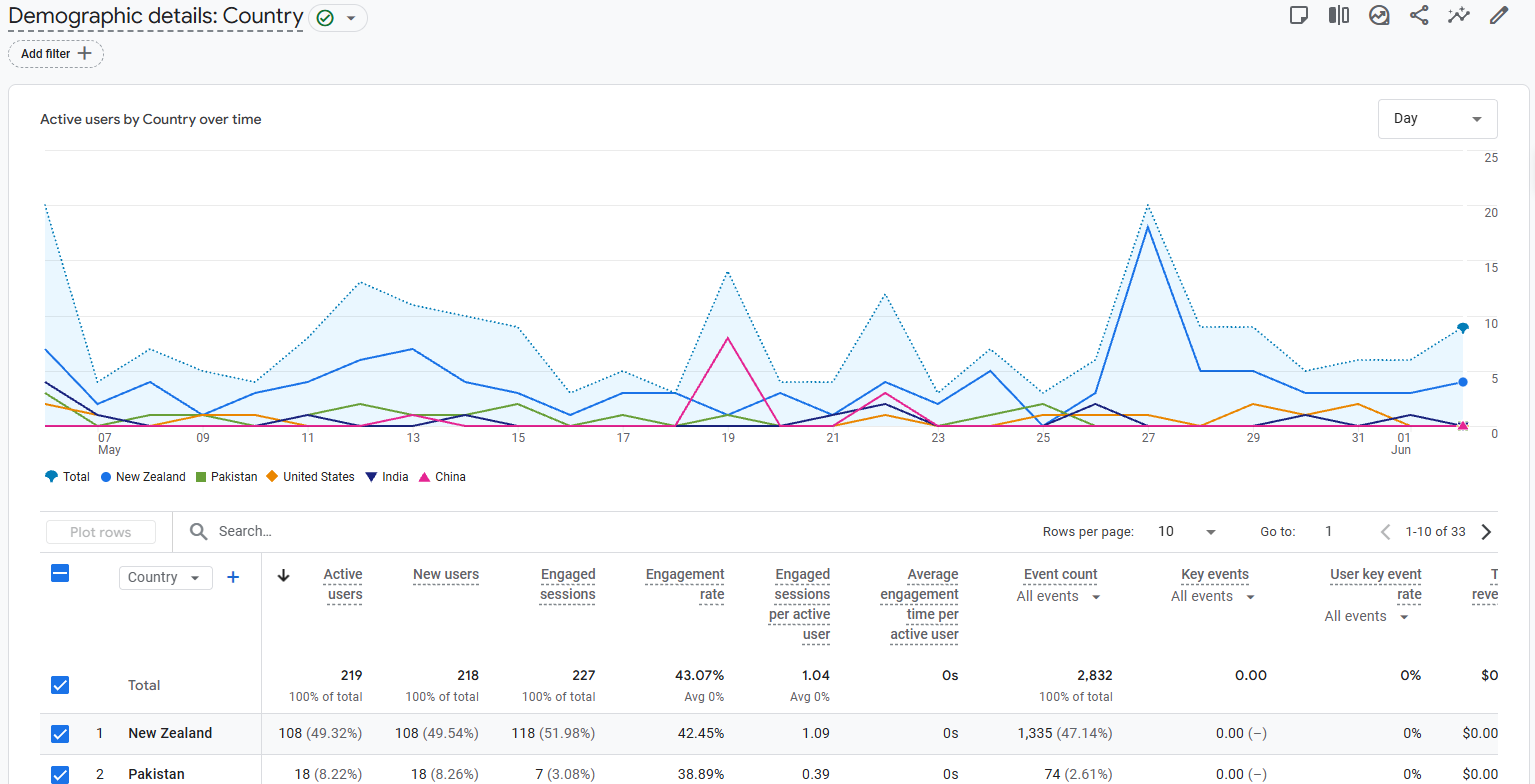
This is exactly how international reach tends to start. It’s accidental before it’s intentional.
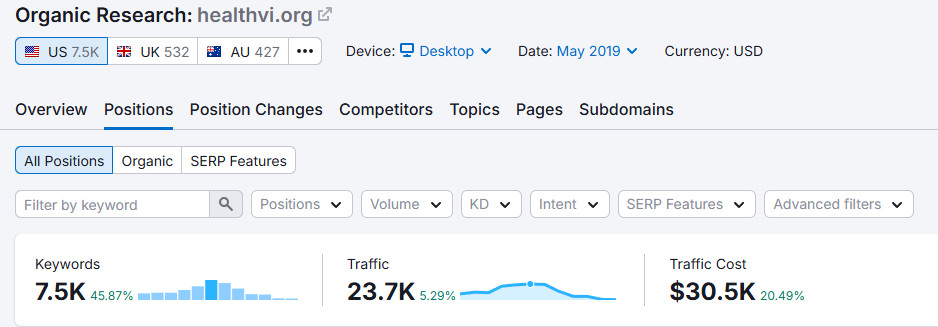
We saw it first-hand with HealthVI, a health site we built and grew. None of the traffic came from New Zealand.
It came in from countries all over the world, because the content answered questions people everywhere were asking. You can see the breakdown in the HealthVI results.
The same thing happened with my YouTube channel.
Videos made in NZ ended up with views from across the globe.
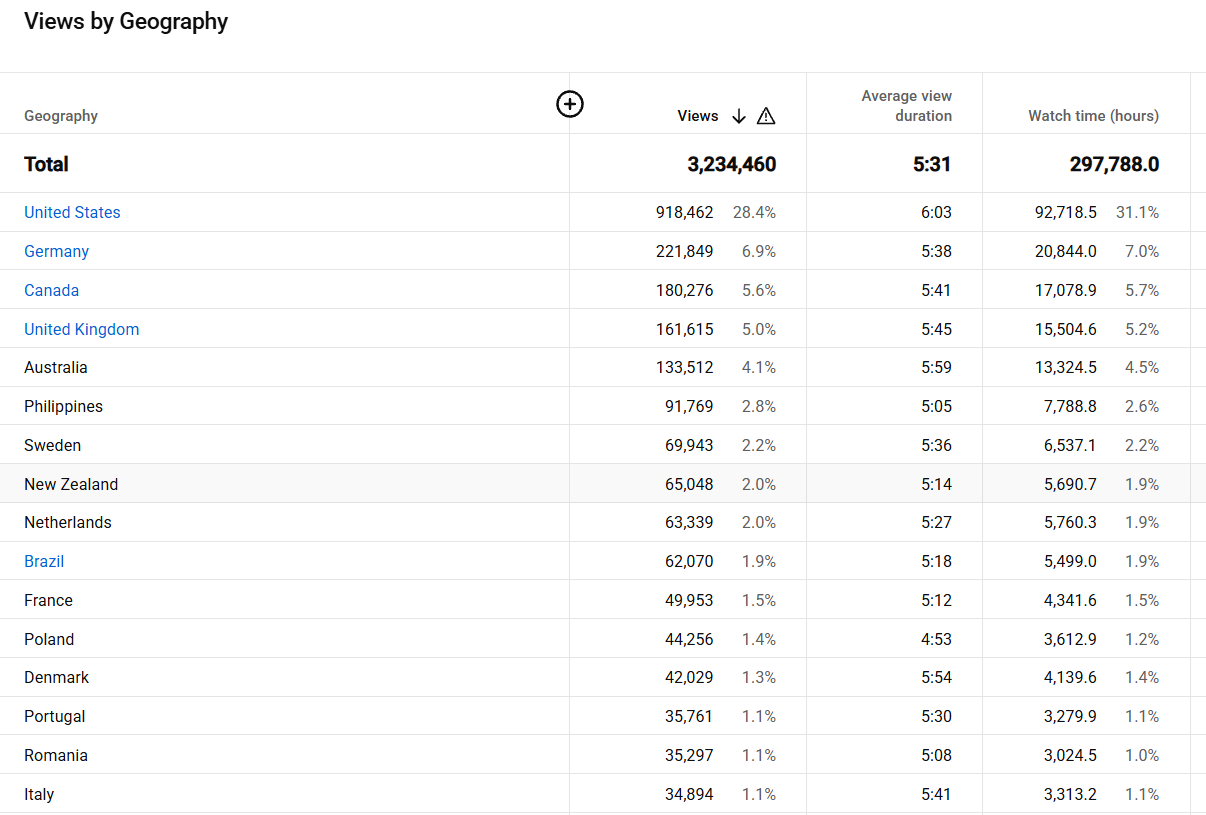
Good content travels.
International SEO is mostly about giving Google clear signals so it sends that travelling traffic to the right pages instead of guessing.
59% of global shoppers buy from retailers outside their home country, and cross-border ecommerce was worth an estimated US$1.21 trillion in 2025.
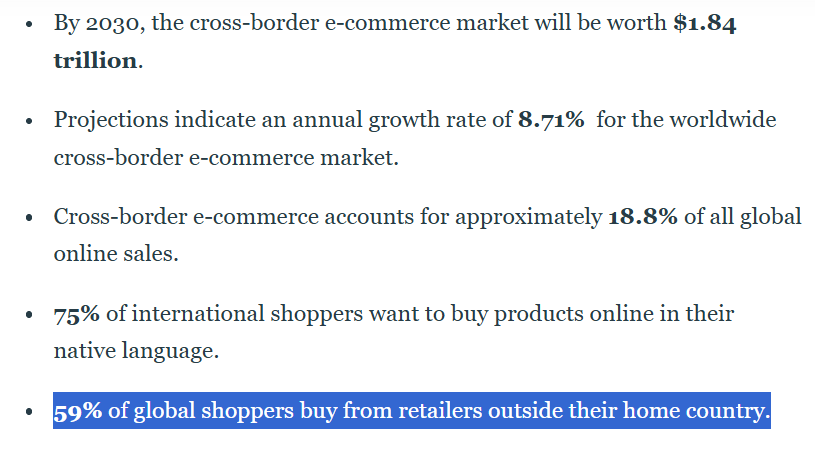
If you sell something people overseas want, the buyers are already there.
Which market should you target first?
For most NZ businesses, the answer is Australia, then the US or the UK — same language, similar buying habits, no translation needed.
Start where the jump is smallest, prove it works, then expand.
The Same-Language Shortcut: NZ to Australia, the US, and the UK
If you’re only targeting English-speaking countries, you skip the hardest parts of international SEO entirely.
This is the single biggest thing the big international guides miss. They’re written for global brands juggling ten languages, so they lead with translation and complex language tags.
As an NZ business heading to Australia or the US, you don’t need any of that — just a few country-specific tweaks.
But “same language” doesn’t mean “same words.” English changes a lot between countries, and getting it wrong makes your content read as foreign.
| New Zealand | Australia | United States | United Kingdom |
|---|---|---|---|
| jandals | thongs | flip-flops | flip-flops |
| ute | ute | pickup truck | pickup |
| togs | togs/swimmers | swimsuit | swimming costume |
| chilly bin | esky | cooler | cool box |
| optimise | optimise | optimize | optimise |
| centre / colour | centre / colour | center / color | centre / colour |
Three things to adjust when you target another English-speaking country:
- Spelling. US English drops the “u” (color, optimize) and flips “re” to “er” (center). Match the market or you look out of place.
- Search terms. People search differently. An Australian looking for swimwear might type “togs” or “swimmers”; an American types “swimsuit.” If your page only uses NZ phrasing, you miss the searches.
- Currency, units, and references. Show prices in the local currency. An American doesn’t think in kilometres, and a “GST invoice” means nothing in the US.
Get these right and a US visitor feels like they’re on an American site, even though it’s run from Tauranga.
Choose Your URL Structure
Your URL structure is how you tell search engines which pages belong to which country. There are three options, and the choice matters because it’s hard to change later.
| Structure | Example | Best for | Trade-off |
|---|---|---|---|
| ccTLD (country domain) | yoursite.com.au | Strongest local trust and clearest geo-targeting | Most expensive; each domain builds authority from zero |
| Subdomain | au.yoursite.com | Clean separation by country | Passes less authority from your main site |
| Subdirectory | yoursite.com/au/ | Sharing your existing authority; cheapest to run | Slightly weaker geo-signal than a ccTLD |
For most NZ businesses starting out, a subdirectory is the smart choice. It’s cheap, it’s simple, and it lets your new country pages ride on the authority your main site has already earned.
You’d only reach for ccTLDs once a market becomes serious enough to justify building a separate site and its own authority from the ground up.
Set Up hreflang Tags
The hreflang tag tells Google which version of a page to show based on the visitor’s country and language.
It’s what stops Google serving your US page to an Australian, or treating your near-identical country pages as duplicate content.

Here’s what it looks like for an English-language business targeting four countries:
<link rel="alternate" hreflang="en-nz" href="https://yoursite.com/" />
<link rel="alternate" hreflang="en-au" href="https://yoursite.com/au/" />
<link rel="alternate" hreflang="en-us" href="https://yoursite.com/us/" />
<link rel="alternate" hreflang="en-gb" href="https://yoursite.com/uk/" />
<link rel="alternate" hreflang="x-default" href="https://yoursite.com/" />
Notice the format: en-nz, en-au, en-us. The “en” is the language.
The second part is the country. This is the one piece of “language tag” work that does apply to same-language expansion, because you’re telling Google these are the same language but different countries.
A few rules that save you headaches:
- hreflang must be reciprocal. If your NZ page points to your AU page, the AU page must point back. One-way tags get ignored.
- Include an x-default. This is the fallback for anyone who doesn’t match a listed country.
- Every page links to itself. Each page in the set lists all versions, including its own.
Broken hreflang is one of the most common international SEO problems, so check it with a tool after setup rather than assuming it worked.
This is part of the technical side of SEO that’s worth getting a second pair of eyes on.
Keyword Research for Each Market
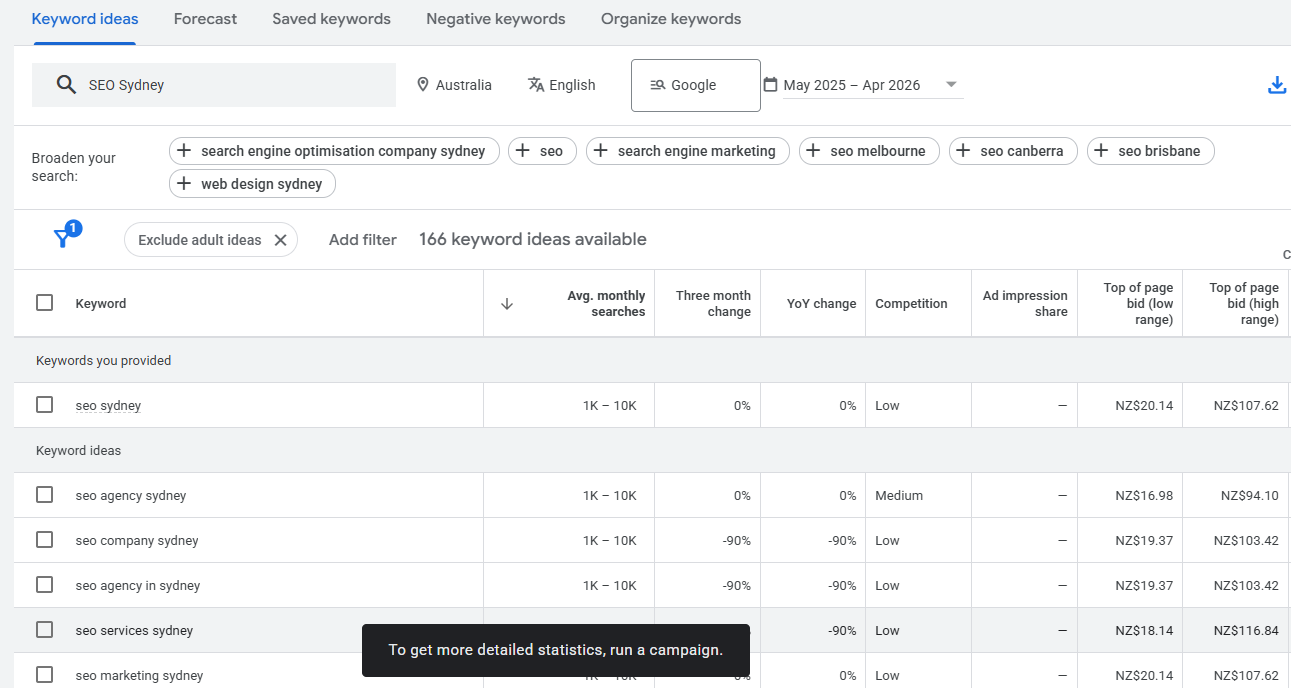
Don’t reuse your NZ keywords overseas. Research what people in that country actually type into Google, because it’s often different.
This is true even between New Zealand and Australia.
A phrase that drives traffic in Auckland can return almost nothing in Sydney. Search volumes, competition, and the exact wording all change between markets.
When you do your keyword research, change the location setting to your target country.
In Google Keyword Planner, SEMrush, or Ahrefs, set the database to Australia (or the US, or the UK) and run your terms again.
You’ll see real local volumes and pick up variations you’d never have guessed from NZ.
75% of international shoppers want to buy in their own language and phrasing, and 73% of customers prefer a site that speaks to them in their own words.
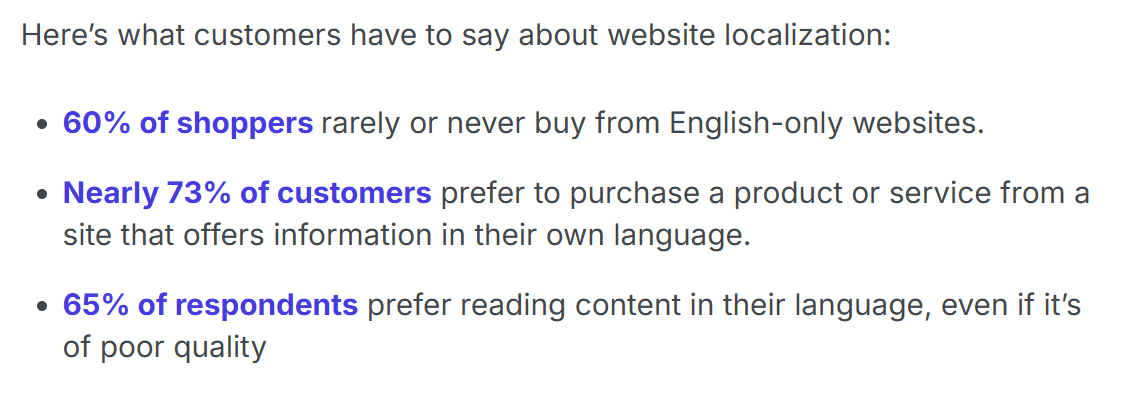
Matching local search language is how you get found, and how you convert once you’re found.
If you’re expanding an online store, the same principle drives your product and category pages, which is the core of ecommerce SEO for international markets.
Localise Your Content
Localisation goes beyond swapping a few words. It’s adapting the whole experience so it feels native to the reader.
That means:
- Currency and pricing shown in local money.
- Units that match the market (miles and pounds for the US, not kilometres and kilograms).
- Examples and references the local reader recognises. An NZ business example lands flat with an American audience.
- Spelling matched to the country, as covered earlier.
- Contact and trust signals that make sense locally, like a local phone number or address if you have one.
If you ever expand into a non-English market, this is also where translation comes in, and where real localisation beats machine translation every time.
Around half of all web content is in English, which leaves enormous markets underserved in their own language. For those audiences it’s a genuine opportunity, but it’s a bigger project than the English-speaking expansion most NZ businesses tackle first.
Build Authority in Each Market
Backlinks from websites in your target country tell Google your site is relevant and trusted there.
A link from an Australian site helps you rank in Australia in a way a New Zealand link can’t.
Search engines read country-specific links as local votes of confidence. So as you expand, you need to start building links within each new market, not just at home.
Practical ways to earn them:
- Get listed in directories and industry bodies specific to that country.
- Build relationships and partnerships with businesses in the target market.
- Create genuinely useful content that sites in that country want to reference.
- Pitch guest articles or expert commentary to local publications.
This is slower than the technical setup, but it’s what makes the rankings stick.
We’ve built reach into overseas markets this way ourselves, including with projects like Stopping Scams, which picked up traffic and references well beyond New Zealand.

Should You Target Non-Google Search Engines?
For most NZ businesses expanding to Australia, the US, or the UK: no. Google dominates all three, so optimising for Google covers you.
You only need to think about other search engines when you target specific markets where Google isn’t number one:
- China → Baidu
- Russia → Yandex
- South Korea → Naver
- Czech Republic → Seznam
Each of these works differently and effectively needs its own strategy. Unless one of these markets is central to your plan, don’t get distracted by it. Nail Google in your English-speaking markets first.
Technical Setup and Tracking Results by Country
Once your structure and tags are live, you set up tracking so you can see what’s working in each market.
Three things to put in place:
- Google Search Console. Use the performance report and filter by country to see impressions, clicks, and position for each market separately. This is where you confirm Google is actually showing your country pages to the right people.
- Google Analytics 4. Watch traffic, engagement, and conversions by country so you know which market is paying off.
- Position tracking by country. Tools like SEMrush or Ahrefs let you track rankings in each target country, so you’re not guessing whether your AU pages are climbing.
Track each market on its own. Lumping everything together hides the country that’s quietly working and the one that’s going nowhere.
Common International SEO Mistakes
Most international SEO failures come down to a handful of avoidable errors.
- Just translating, not localising. A word-for-word translation reads like a robot wrote it and ignores how locals actually search.
- Picking the wrong URL structure. Jumping straight to expensive ccTLDs before a market justifies it, or mixing structures inconsistently.
- Broken or missing hreflang. Non-reciprocal tags, missing x-default, or wrong country codes. Google quietly ignores the lot.
- Reusing home-market keywords. Assuming Australians search the same way Kiwis do.
- Spreading too thin. Launching six countries at once and doing none of them properly. Pick one, win it, then move on.
How Long International SEO Takes (and What It Costs) for NZ Businesses
International SEO runs on the same timeline as regular SEO.
Expect early traction around three to six months, with stronger results from six to twelve months of consistent work.
Same-language expansion (NZ to Australia or the US) can move faster than starting fresh, because you’re often extending an existing site’s authority rather than building a new one from zero.
A subdirectory on an established domain has a real head start.
There’s no flat price, since it depends on how many markets you target, whether you need new content, and how competitive each market is.
If you want realistic numbers, our breakdown of how much SEO costs applies here too, and the timeline detail in our guide on how long SEO takes carries straight across to international work.
Most campaigns don’t fail on budget. They fail because people quit early. SEO compounds, so the businesses that win are the ones still publishing and building links in month nine.
DIY vs Hiring an Expert
You’ve got the full process. From here, you’ve got two paths.
Do it yourself. Follow the steps in order: confirm the demand, pick your URL structure, set up hreflang, localise your keywords and content, build authority in each market, and track the results. It works if you put in the time and stay consistent.
Work with an expert. If you want it set up right the first time and results faster, this is where you bring in help. International SEO has a lot of technical pieces that are expensive to get wrong, and our NZ SEO Company handles all of it. We help NZ businesses with professional SEO help across the country, including those expanding overseas:
- SEO Services Auckland
- SEO Services Hamilton
- SEO Services Tauranga
- SEO Services Wellington
- SEO Services Christchurch
- SEO Services Queenstown
If you’re running an online store going global, our ecommerce SEO services cover the international setup end to end.
If you’d rather do it yourself, this guide is your roadmap. If you want it done properly and done faster, that’s where we come in.