
B2B SEO Strategy: Step-by-Step Guide for More Leads In NZ

Every SEO guide you’ll find on “B2B SEO strategy” was written for American SaaS companies with six-figure marketing budgets.
That’s not helpful if you’re an accounting firm in Auckland, a manufacturer in Hamilton, or a recruitment agency in Christchurch trying to get more business enquiries through Google.
This guide walks you through how to build a B2B SEO strategy from scratch — specifically for NZ businesses that sell to other businesses.
By the end, you’ll know exactly how to find the right keywords, create content that attracts decision-makers, and track whether it’s actually generating revenue.
What Is B2B SEO?
B2B SEO is search engine optimisation designed to get your website in front of other businesses — not consumers — through organic search.
If you run an IT managed services company in Auckland, B2B SEO helps you show up when a business owner searches “IT support Auckland” or “managed IT services NZ.”

If you manufacture industrial equipment in Hamilton, it helps you rank for “conveyor systems NZ” or “bulk material handling equipment.”
The goal isn’t just traffic. It’s qualified enquiries from businesses that need what you sell.
In B2B, organic search drives the largest share of website traffic — around 53 to 76% depending on the industry.
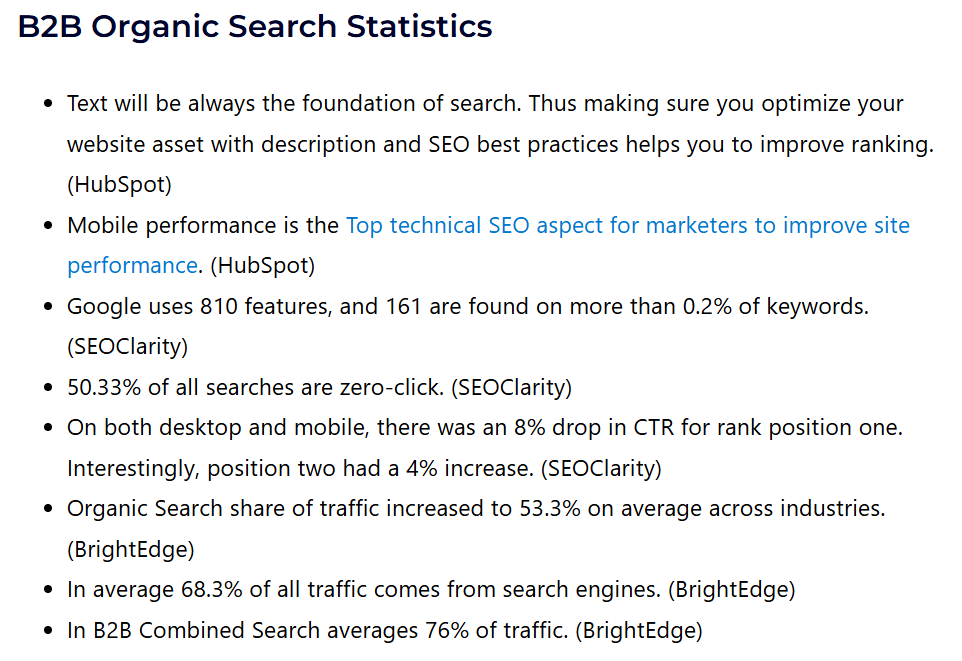
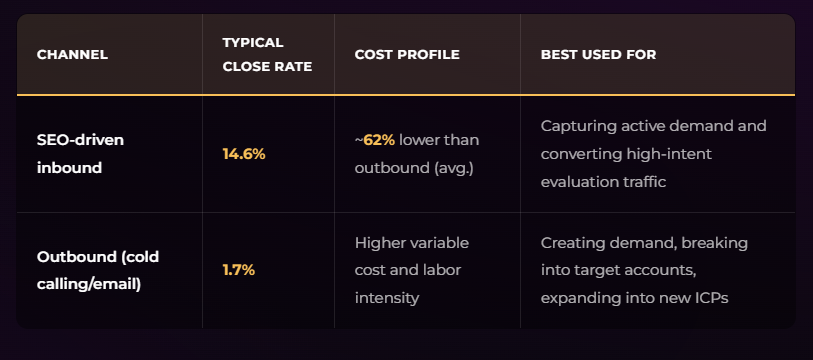
That’s more than paid ads, social media, or email combined. And SEO leads close at 14.6% on average, compared to just 1.7% for outbound sales efforts.
That’s the opportunity. Now let’s talk about why B2B SEO requires a different approach.
How B2B SEO Differs from B2C (And Why It Matters)
The technical foundations of SEO are the same whether you’re B2B or B2C. You still need keywords, quality content, strong on-page signals, and backlinks. The difference is in how you apply them — because the way businesses buy is nothing like the way consumers buy.
Longer, More Complex Sales Cycles
A consumer might see a pair of shoes on Google and buy them in five minutes.
A business buying a $50,000 software platform or a $200,000 engineering contract doesn’t work that way. The decision involves research, internal discussions, budget approvals, and multiple stakeholders. That sales cycle might take three to twelve months.
Your SEO strategy needs content for every stage of that journey — not just the moment someone is ready to buy.
Multiple Decision-Makers
When a consumer searches Google, they’re usually the one making the decision. In B2B, the person searching might be the CEO, the operations manager, the technical lead, or someone in procurement. Each of them searches for different things.
The CEO searches “how to reduce IT costs.” The operations manager searches “managed IT services NZ.” Procurement searches “IT support company Auckland pricing.” Same purchase. Three completely different keywords.
Lower Search Volumes, Higher Deal Values
B2C keywords can get tens of thousands of searches per month. B2B keywords often get 10 to 100. That looks tiny — until you calculate the value.
A plumber targeting “plumber Auckland” gets 2,900 searches a month.

An industrial valve supplier targeting “pneumatic valve suppliers NZ” might get 20.
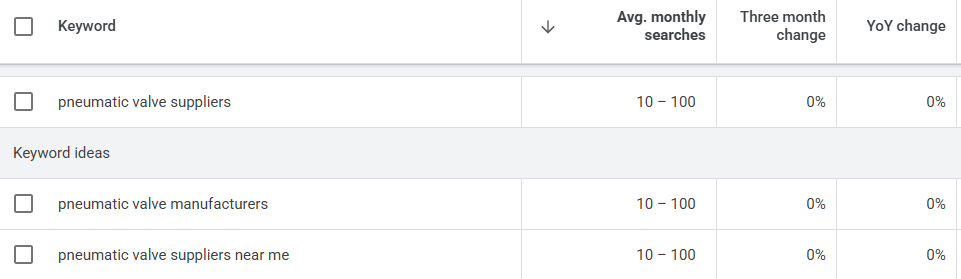
But one valve contract could be worth $50,000. At those deal values, even five qualified visitors per month can transform a business.

The 95/5 Rule
At any given time, only about 5% of your potential B2B buyers are actively in-market.
The other 95% aren’t ready to buy yet. B2B SEO has to serve both groups — bottom-of-funnel content that captures the 5% who are searching right now, and awareness content that builds trust with the 95% so they come to you when they are ready.
This is why a B2B strategy looks fundamentally different from a B2C one.
You can’t just target high-volume keywords and hope for conversions. You need to be strategic about who you’re targeting, what they’re searching, and what stage of the buying process they’re in.
Step 1: Define Your Ideal B2B Buyer
Before you research a single keyword, you need to know exactly who your ideal buyer is — their role, their problems, and the questions they type into Google before they pick up the phone.
Identify Your Highest-Value Clients
Start by looking at your existing client base. Which clients pay the most, stay the longest, and refer the most business?
Those are the ones you want more of. Your SEO strategy should attract people who look exactly like them.
If you’re an accounting firm and your best clients are owner-operators with 10 to 50 staff who need tax compliance and advisory services, that’s who you’re optimising for. Not sole traders looking for the cheapest tax return.
Map the Decision-Makers
In B2B, the person who first searches Google is often not the person who signs the contract. Map out who’s involved in the buying decision and what each of them searches for.
For an IT managed services company, this might look like:
- The business owner searches “how to reduce IT costs for small business”
- The operations manager searches “managed IT services Auckland”
- The finance manager searches “IT support pricing NZ”
Each of these people needs different content. Your SEO strategy should target all of them.

Define Their Problems in Their Language
The words your buyers use are rarely the words you use internally.
An engineering company might call their product “pneumatic actuated butterfly valves.” Their customers search “industrial flow control valves NZ.”
Talk to your sales team. Look at the language in your enquiry emails. Read how your clients describe their problems on Google. That language becomes your keyword foundation.
Step 2: B2B Keyword Research (Adapted for NZ)
Keyword research for B2B in New Zealand isn’t about chasing volume. It’s about finding the specific terms your ideal buyers use when they’re ready to solve a problem — even if those terms only get 10 searches a month.
Start with Your Services and Locations
Your first keywords are simple: what you sell + where you sell it.
If you’re a recruitment agency in Christchurch, your core keywords start with things like “recruitment agency Christchurch,” “temp staffing Christchurch,” and “HR recruitment services Canterbury.”
List every service you offer and every location you serve. That gives you your money keywords — the ones that generate direct enquiries.
Find What Your Buyers Actually Search
Expand your keyword list using three methods:
Use ChatGPT to brainstorm. Prompt it with: “I run a [type of business] in [location]. List all the keywords a potential B2B client would search when looking for my services.”
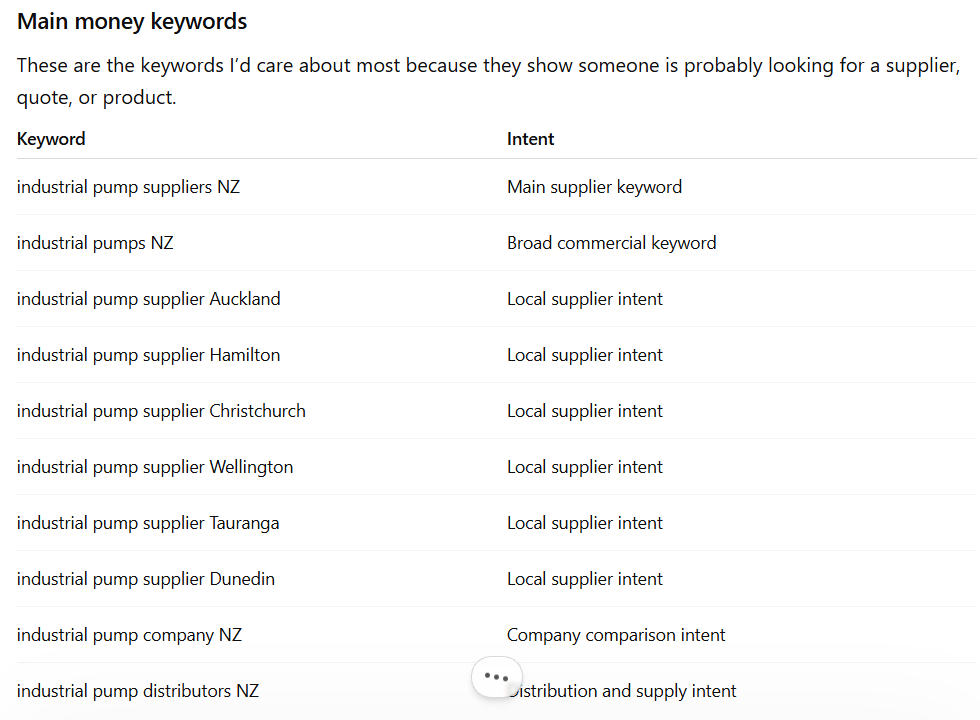
Then ask it to generate long-tail variations and question-based searches.
Validate in Google Keyword Planner. Set the location to New Zealand and check which keywords have real search volume. Even 10 to 50 searches per month is worth targeting in B2B.
Check the SERP. Search each keyword on Google and look at what’s already ranking. If the top results are service pages, you need a service page. If they’re guides and blog posts, you need educational content.
Why Low-Volume Keywords Are Gold in B2B
This is where most people get B2B SEO wrong. They see a keyword with 10 searches per month and dismiss it. That’s B2C thinking.
In B2B, the maths works differently.
Ten searches per month for “custom conveyor manufacturer NZ” might mean two enquiries per quarter.
If each contract is worth $100,000, that single keyword could be worth $200,000 per year. That’s why B2B keyword research is about value per search, not volume.
The NZ Market Reality
Don’t trust US-focused keyword tools blindly. Always set Google Keyword Planner to New Zealand. Use the NZ database in SEMrush or Ahrefs. Volumes will be lower than you expect — and that’s completely fine.
A keyword that shows 10 searches per month in NZ tools might not even register in US tools, but it could be the exact term your ideal client uses when they’re ready to buy.
Step 3: Map Keywords to the B2B Buying Journey
Every keyword signals where the searcher is in their buying journey. Your job is to match the right content to the right stage so you’re answering their question at the exact moment they’re asking it.
Top of Funnel: Awareness
These are educational searches from people who have a problem but aren’t sure what the solution is yet.
Examples: “how to reduce manufacturing downtime,” “what is a managed service provider,” “employee retention strategies NZ.”

These need blog posts, guides, and educational content that positions your expertise.
Middle of Funnel: Consideration
These are comparison and evaluation searches from people who know they need a solution and are weighing options.
Examples: “managed IT vs in-house IT team,” “best HR software NZ,” “outsourced accounting pros and cons.”
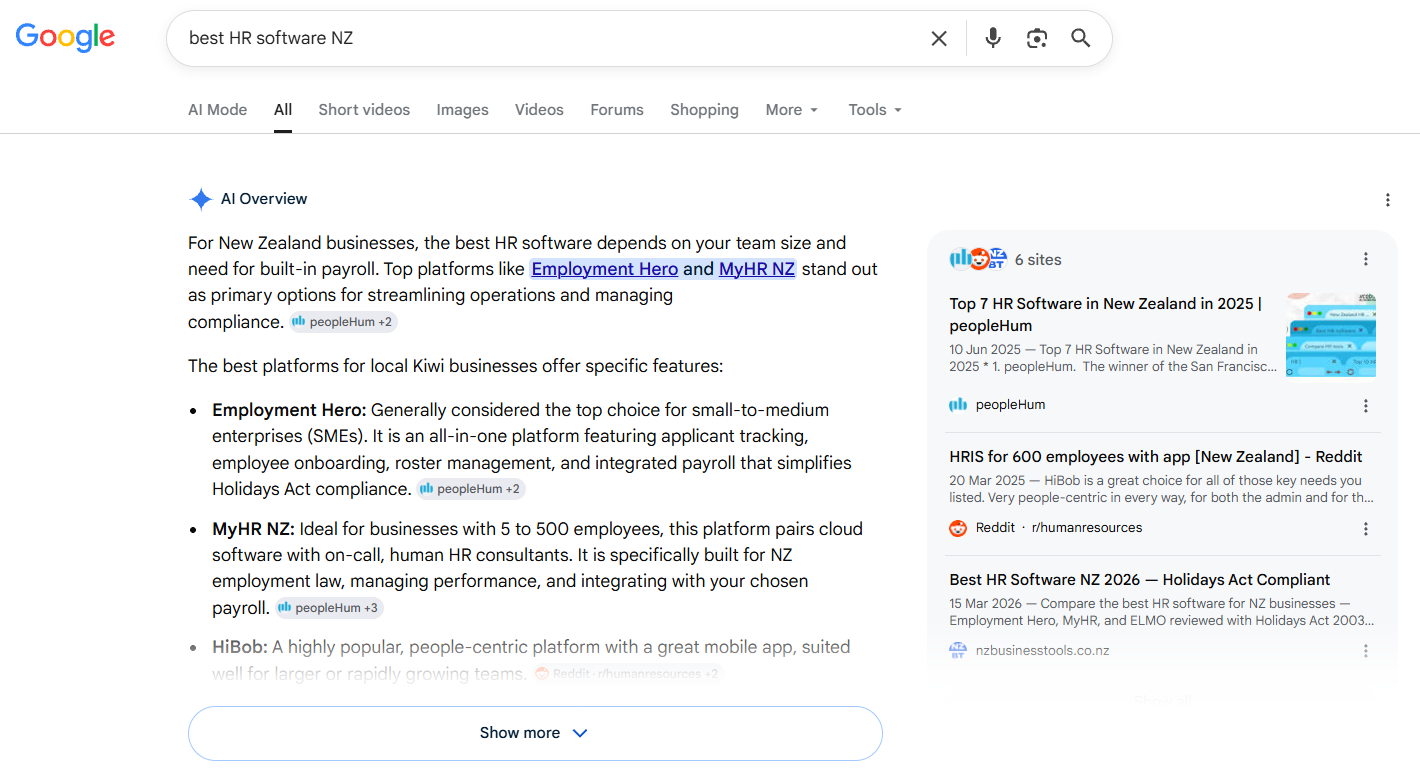
These need comparison pages, “vs” content, and detailed guides that help them make a decision.
Bottom of Funnel: Decision
These are searches from people who are ready to buy and looking for a provider.
Examples: “IT support company Auckland,” “recruitment agency Christchurch,” “industrial valve suppliers NZ.”
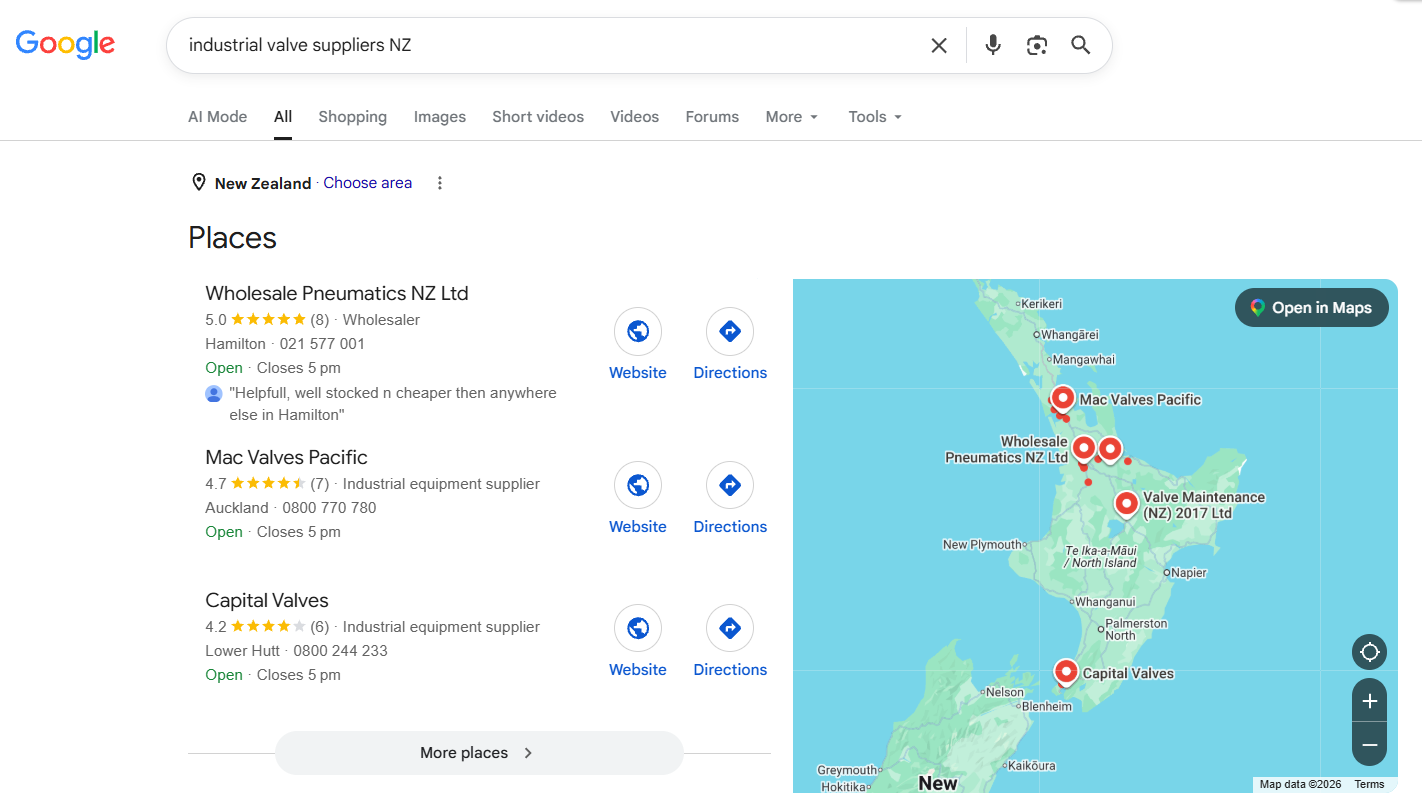
These need strong service pages with clear proof, testimonials, and calls to action.
Map Your Keywords to a Simple Table
Take your keyword list and assign each one a stage and page type:
| Keyword | Intent | Stage | What to Create |
|---|---|---|---|
| what is a managed service provider | Informational | Awareness | Blog post |
| managed IT vs in-house IT team | Commercial | Consideration | Comparison page |
| IT support company Auckland | Commercial | Decision | Service page |
| managed IT services pricing NZ | Transactional | Decision | Pricing/service page |
Most B2B companies only create awareness content (blog posts) or decision content (service pages). The middle of the funnel — comparison and evaluation content — is where most competitors leave a gap. Fill it.
Step 4: Build Content That Converts B2B Buyers
Content is what actually ranks. But in B2B, content also has to do the heavy lifting that a sales team would normally do — educate, build trust, and move multiple stakeholders closer to a decision.
Build Your Service Pages First
These are your money pages. They should map directly to your bottom-of-funnel keywords and be the strongest pages on your site.
A good B2B service page clearly explains what you offer, who it’s for, how the process works, and why someone should choose you over the alternative. It includes proof — testimonials, case studies, results, certifications — and a clear next step.
Don’t just describe your service. Sell the outcome.
“We manage your IT infrastructure” is a description. “Your team stops wasting 15 hours a week on IT issues so they can focus on revenue” is an outcome.
Create Blog Content for Authority and Awareness
Once your service pages are live, start building supporting SEO content that targets your awareness and consideration keywords.
This is where you answer the questions your ideal buyers are asking before they’re ready to buy. It positions you as the expert, builds trust, and brings people into your orbit early.
The key is to write content that’s genuinely useful — not thin blog posts stuffed with keywords. Every article should help the reader solve a real problem or make a better decision.
Build Comparison and “Vs” Pages
This is the most underrated content type in B2B SEO.
Comparison pages (“in-house vs outsourced accounting,” “us vs [competitor],” “best [solution] in NZ”) sit at the bottom of the funnel where buying decisions happen.
Most B2B companies don’t create these because they feel uncomfortable comparing themselves to competitors. But your buyers are already comparing — they’re just doing it without your input. A comparison page lets you frame that conversation.
Create Case Studies and Results Pages
Case studies are the most powerful B2B content you can create. They show potential clients exactly what’s possible, with real numbers and real outcomes.
A strong case study includes the client’s situation before, what you did, and the measurable results.
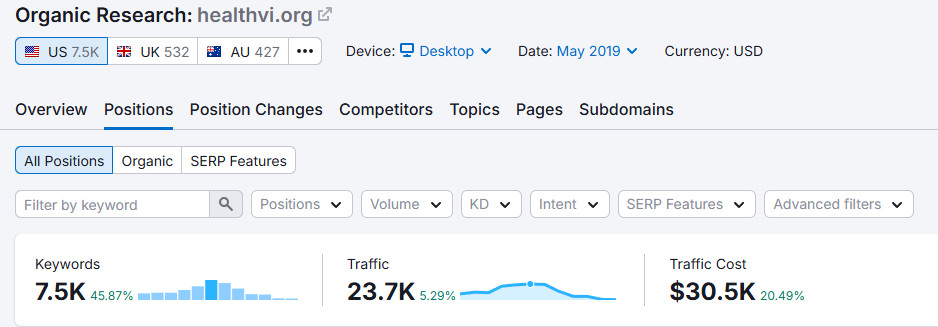
For example, we grew a health website (HealthVI) from zero organic presence to over 1,000 daily visitors in under a year by following a structured SEO process. That kind of real-world result builds trust that theory never can.
Write for Different Decision-Makers
This is something almost no competitor covers. In B2B, different people in the buying process need different information:
The CEO wants to know the ROI, the risk, and the strategic impact.
The technical lead wants to understand the process, the tools, and the implementation detail. Procurement wants pricing, terms, and compliance information.
Your content doesn’t need separate pages for each — but it should address all of them within your service pages and supporting content.
Add a “How it works” section for the technical buyer. Add a “Results” section for the CEO. Add a clear pricing framework for procurement.
Step 5: On-Page SEO for B2B Pages
On-page SEO tells Google what each page is about and helps it decide where to rank you. The mechanics are the same as any website, but the execution matters for attracting the right B2B traffic.
Put Your Keyword in the Right Places
Your primary keyword should appear naturally in your title tag, H1 heading, URL slug, meta description, and opening paragraph. If your keyword is “recruitment agency Christchurch,” your page might look like:
- Title tag: Recruitment Agency Christchurch | Specialist B2B Staffing
- H1: Christchurch Recruitment Agency for Businesses
- URL: /recruitment-agency-christchurch/
Keep it natural. If it reads like you’ve forced the keyword in, you’ve gone too far.
Structure Your Pages with Clear Headings
Use H2 and H3 headings to break your content into logical sections. This helps readers scan the page and helps Google understand the subtopics you cover. It also makes your content easier for AI systems to extract and cite.
Build an Internal Link Structure
Internal linking connects your service pages, blog posts, and case studies into a coherent structure.

When your recruitment agency blog post about “how to hire in a tight NZ labour market” links naturally to your recruitment services page, it passes authority and guides the reader toward a conversion.
Link on the relevant concept within existing sentences. Never add a sentence just to house a link.
Step 6: Build Authority with Links and Trust Signals
Link building is one of the strongest ranking factors in SEO.
For B2B companies, the best links come from industry associations, partners, clients, and content that other professionals genuinely want to reference.
Industry Directories and Associations
Start with the easy wins. Get listed in relevant NZ business directories, chambers of commerce, and industry associations. If you’re in manufacturing, look at industry body directories. If you’re in professional services, look at association listings.
These won’t skyrocket your rankings alone, but they build a solid foundation of local trust signals.
Partner and Client Links
If you work with other businesses, there’s often a natural opportunity for a link. A supplier might list you as a distributor. A client might feature a case study. A partner might reference your work on their site.
These links are relevant, legitimate, and often easy to get — you just need to ask.
Create Content Worth Linking To
The most sustainable way to build links is to create something other professionals in your industry genuinely want to reference.
Original research, NZ-specific data, comprehensive guides, and useful tools all attract links naturally over time.
An NZ manufacturing company that publishes a detailed guide to “compliance standards for NZ food-grade equipment” creates something that suppliers, buyers, and regulators might all reference. That’s link building through usefulness.
Why Reviews Matter for B2B Too
Reviews aren’t just for restaurants and tradies. Google Business Profile reviews build credibility for B2B companies too — especially for local B2B searches. A steady flow of genuine reviews signals trust to both Google and potential clients.
Step 7: AI SEO for B2B
B2B buyers are increasingly using ChatGPT, Google AI Overviews, and other AI tools to research solutions before they ever visit your website. If your content isn’t structured for AI extraction, you’re missing the fastest-growing search channel.
According to a recent Forrester report, 89% of B2B buyers now cite generative AI as a top source for gathering information during the purchasing process.
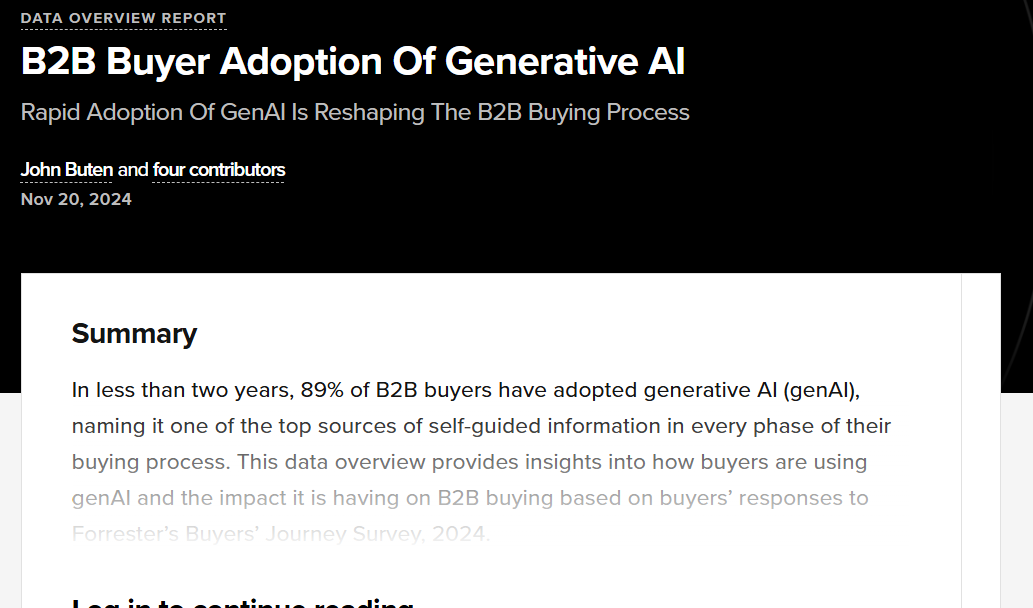
That’s a massive shift.
How to Structure Content for AI Extraction
AI SEO isn’t a completely different strategy.
It’s SEO executed at a higher level of clarity and structure. AI systems extract and cite content that’s well-organised, directly answers questions, and comes from authoritative sources.
That means clear headings, direct answers in the first one to two sentences of each section, tables where they help, and concise definitions. If your content reads like a wall of vague corporate text, AI systems will skip it.
Build Topical Authority
AI platforms trust sites that cover a topic comprehensively.
If your site has one thin page about “IT support,” it’s less likely to be cited than a site with a main service page plus supporting articles on IT security, cloud migration, help desk management, and IT cost reduction — all interlinked.
This is where a consistent content strategy pays off. The more useful content you build around your core topic, the more AI systems recognise you as an authority worth citing.
Is SEO Dead in 2026?
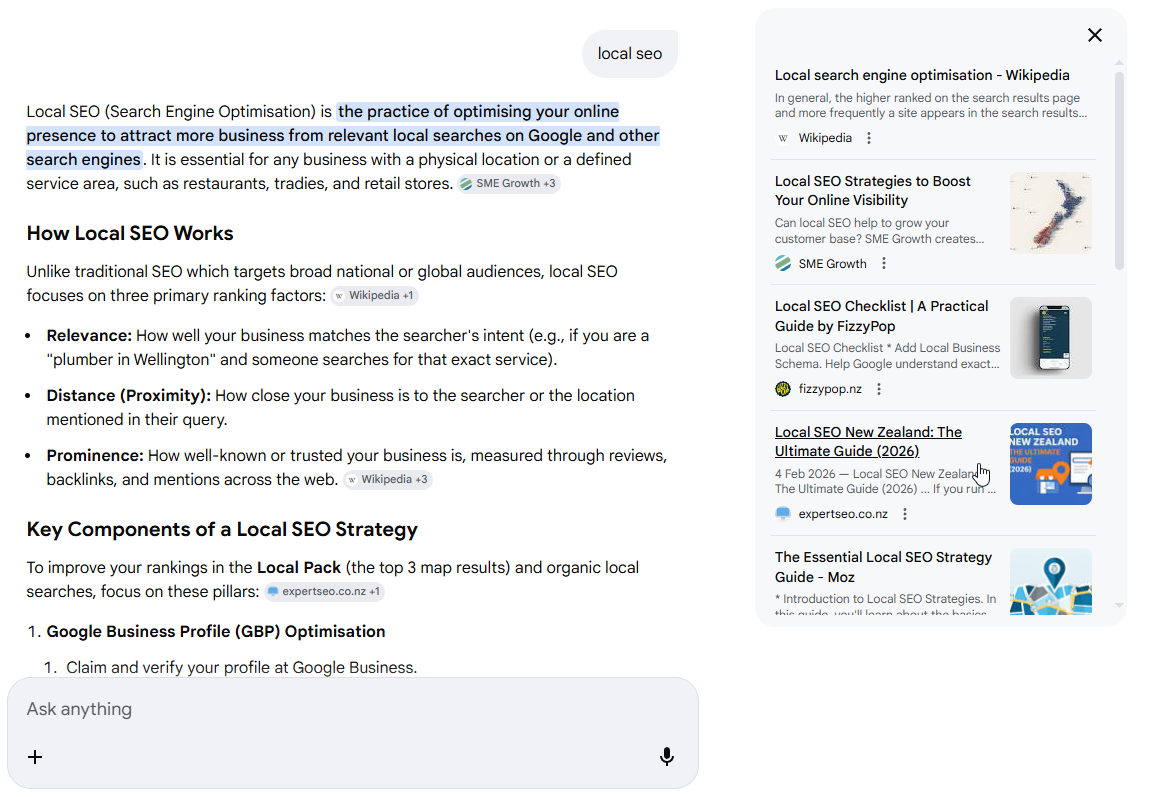
No. SEO is evolving, not dying. AI search is additive — it’s a new surface for visibility, not a replacement for Google. The businesses that optimise for both traditional search and AI platforms will have a major advantage. The ones that ignore either will fall behind.
Our company, Expert SEO, is just over six months old.
Despite competing against businesses that have been building their websites and authority for up to 10 years, we’re already being mentioned in Google AI Overviews and cited in ChatGPT responses.
That’s the power of building content that AI systems can trust and extract.
Step 8: Track and Measure B2B SEO ROI
If you can’t show that your SEO is generating leads and revenue, it’s just a cost centre. The challenge in B2B is that someone might find you through Google today and not become a client for six months.
Set Up Your Tracking Foundations
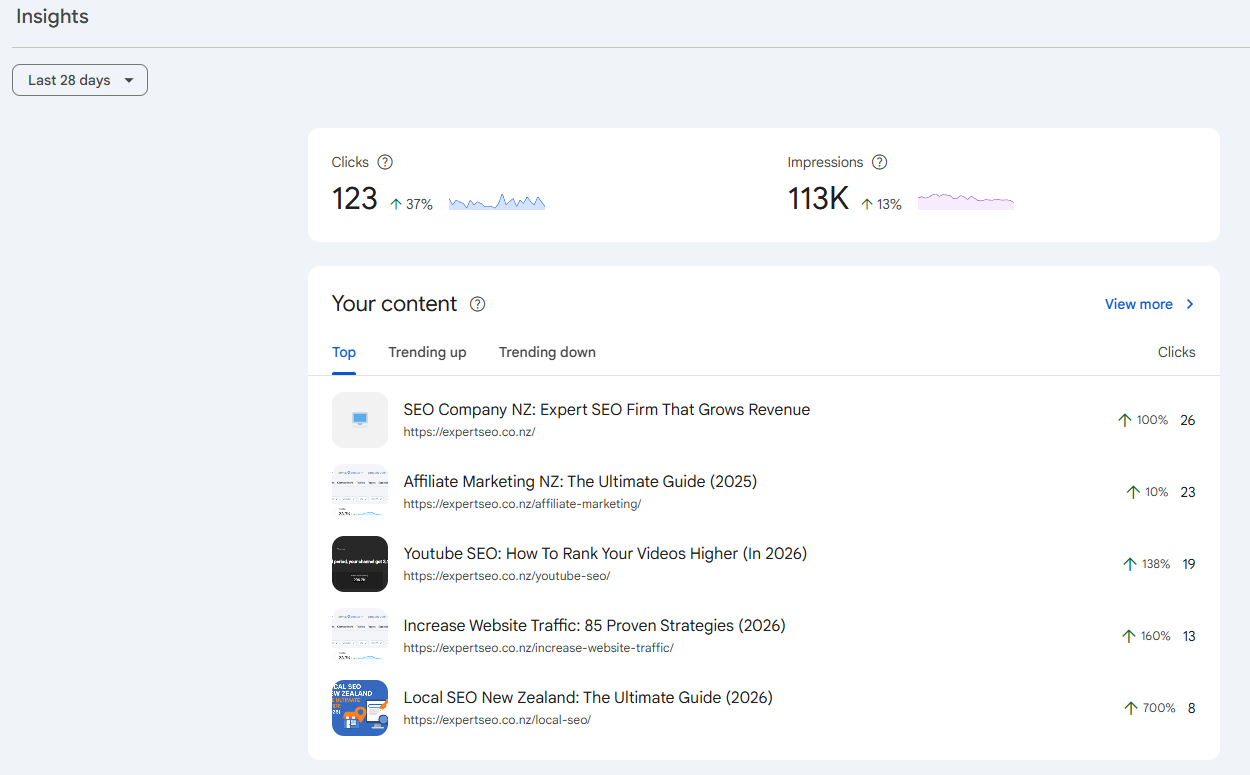
At minimum, you need Google Search Console and Google Analytics set up and working. Search Console shows you which keywords you’re appearing for, how many impressions and clicks you’re getting, and which pages are performing. Analytics tracks what visitors do once they land on your site.
These are free. There’s no excuse not to have them.
Track Leads, Not Just Traffic
Traffic is a vanity metric in B2B. What matters is leads — form submissions, phone calls, demo requests, quote requests. Set up conversion tracking in Google Analytics so you know exactly how many leads come from organic search.
If you use a CRM like HubSpot or Salesforce, connect it to your analytics so you can trace leads from the keyword they searched all the way through to closed revenue. That’s how you prove SEO ROI to a board or a business partner.
The Metrics That Actually Matter
Track this progression: impressions → clicks → leads → sales-qualified leads → revenue.
Rankings and traffic are leading indicators. They tell you SEO is working. But leads and revenue are what justify the investment.
Realistic Timelines
B2B SEO is not instant. Here’s what to expect:
Months 1–3: Foundations — setting up tracking, publishing content, making technical fixes. Impressions start increasing. Rankings begin appearing on pages two and three.
Months 3–6: Traction — rankings move to page one for some keywords. Clicks increase. First leads start coming through from organic search.
Months 6–12: Compounding — multiple pages ranking. Consistent lead flow. SEO starts outperforming other marketing channels on a cost-per-lead basis.
In New Zealand, the competitive landscape is less intense than the US, so results can come faster. But it still takes patience and consistency.
The Biggest B2B SEO Mistakes NZ Companies Make
The most common reason B2B SEO fails isn’t bad execution — it’s applying a B2C playbook to a B2B business.
Chasing high-volume keywords instead of high-value ones. A keyword with 10,000 searches means nothing if none of those searchers are your buyer. Ten searches from the right people is worth more than 10,000 from the wrong ones.
Writing content for Google instead of your buyer. If your blog posts are keyword-stuffed pages that rank but don’t address real problems, they’ll attract traffic that never converts. Write for the human first. Optimise for Google second.
Ignoring bottom-of-funnel content. Most B2B companies write plenty of blog posts but never create comparison pages, case study pages, or detailed service pages that convert consideration into action. That’s where the revenue lives.
Treating SEO as a one-off project. SEO compounds over time. A company that publishes consistently will eventually overwhelm a competitor that did a one-time SEO push and stopped. The businesses that win keep building.
Copying international strategies without adapting for NZ. The NZ market is smaller, the buyer pool is tighter, and the competitive dynamics are different. What works for a SaaS company in San Francisco won’t directly translate to a professional services firm in Wellington.
Expecting results in four weeks. B2B SEO takes months to compound. If you quit after the first month because you haven’t seen leads yet, you’re stopping right before the results start.
Why Your First 90 Days Will Feel Like Nothing Is Happening
If you’re three months into B2B SEO and haven’t seen a flood of leads yet, don’t panic. That’s exactly how it’s supposed to work.
The first 90 days are about laying foundations. You’re setting up tracking, publishing your first content, fixing technical SEO issues, and building initial authority.
Google is still learning what your site is about.
What “early traction” looks like at this stage is impressions increasing in Search Console, pages getting indexed, and a few rankings starting to appear on pages two and three. These are the signals that tell you the strategy is working — the leads come next.
The compounding effect kicks in between months six and twelve.
This is where multiple pages start ranking, content builds on itself, authority grows, and organic becomes your most cost-effective lead source.
SEO delivers up to 748% ROI for B2B companies — but that return comes from patience and consistency, not quick fixes.

When to Do It Yourself vs Hire a B2B SEO Expert
Everything in this guide can be done yourself. But whether you should depends on your time, your team, and how quickly you need results.
DIY makes sense when you have time to invest, your market isn’t too competitive, and you’re willing to learn as you go. Follow this guide step by step and you’ll make progress.
Hiring makes sense when you need results faster, you’re in a competitive market, or you don’t have an in-house marketer to manage it. An experienced SEO partner brings strategy, execution, and ongoing optimisation without the learning curve.
If you do hire, look for someone who understands B2B specifically — not just generic SEO. They should be able to show real B2B results and understand how longer sales cycles affect the strategy.
Our SEO services help B2B businesses across New Zealand generate qualified leads and real revenue, including:
If you want B2B SEO done right and done faster, that’s where we come in.
B2B SEO Strategy: FAQ
What is the 95/5 rule for B2B?
The 95/5 rule says that at any given time, only about 5% of your potential B2B buyers are actively in-market and ready to purchase. The other 95% aren’t looking to buy right now. A strong B2B SEO strategy serves both — bottom-of-funnel content captures the 5% who are ready, while awareness content builds trust and visibility with the 95% so they come to you when they are.
How long does B2B SEO take to work in NZ?
Three months for early traction — impressions increasing, pages getting indexed, initial rankings appearing. Six months for consistent leads starting to flow from organic search. Twelve months for compounding results where SEO becomes your strongest lead generation channel. NZ is less competitive than the US, so results can come faster — but it still requires patience and consistent execution.
How much does B2B SEO cost in NZ?
It depends on your competition and scope. Local B2B campaigns can start from a few hundred dollars per month. Competitive national B2B campaigns targeting multiple keywords and locations can cost several thousand. The ROI typically far exceeds the investment — B2B SEO delivers an average 748% return when executed properly over time.
Is SEO still worth it for B2B in 2026?
Yes. Organic search still drives 53 to 76% of all B2B website traffic. SEO is evolving with AI search and generative engine optimisation, but the fundamentals — quality content, strong authority, clear structure — are more important than ever. The businesses that adapt their SEO strategy now will have a major advantage over those that wait.
What are the biggest differences between B2B and B2C SEO?
B2B SEO involves longer sales cycles, multiple decision-makers, lower search volumes, higher deal values, and the need for trust-building content at every stage of the buying journey. The mechanics are the same — keywords, on-page optimisation, links, technical foundations — but the strategy has to account for how businesses actually research and buy. B2C can focus on volume and impulse. B2B has to focus on value and trust.