

You got quoted a few grand a month for SEO. Maybe more.
And somewhere between the quote and the follow-up email, a thought crept in: could I just do this myself?
Short answer: yes. A lot of it, anyway.
I’ve spent over a decade doing DIY SEO — including years competing in the United States, which (humbly) is a different beast to the average New Zealand market.
I’ve taken a brand-new site to #1 in New Zealand inside a year. I grew a health website from zero to more than 20,000 visitors a month. None of it was magic. It was a process, repeated.
That’s the part nobody tells you.
SEO is just a strategy you follow in the right order. Talent barely comes into it.
This guide is that strategy — the exact six steps, the free tools, the AI shortcuts, and a real NZ example for each one.
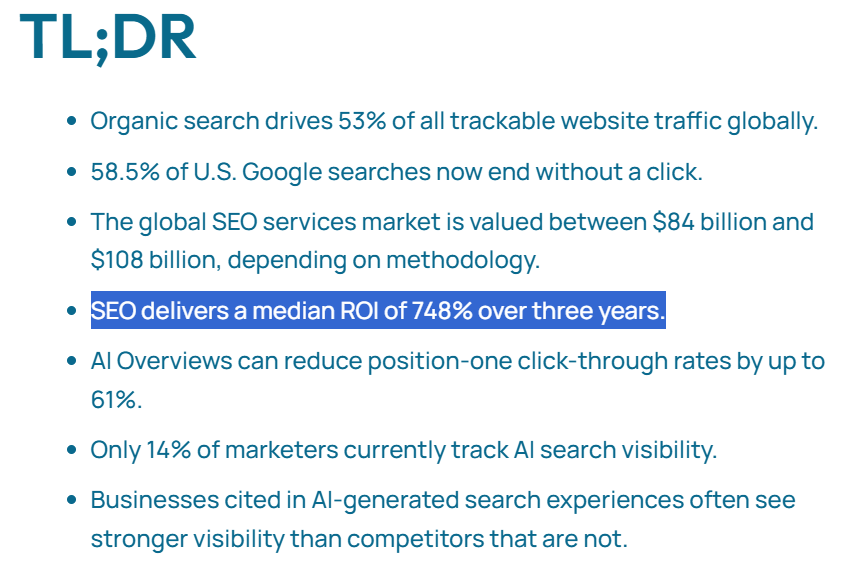
Do them properly and SEO pays you back for years: the median return sits around 748%, and it keeps compounding long after the work is done.
Let’s get into it.
Step 1: Nail Your Marketing Message and Differentiators
Before you touch a keyword, get your message right.
Here’s why: SEO doesn’t create demand.
It points existing demand at your website. If that website sells an average offer, all SEO does is help more people find an average offer — faster.
So the first job isn’t technical. It’s positioning.
You want a customer to look at you and feel that going anywhere else would be a mistake. That picking a competitor would genuinely leave them worse off. That’s the bar — not “we’re pretty good,” but closer to “you’d be doing yourself a disservice choosing anyone else.”
To get there, find your real differentiators: the things you actually do that competitors only claim to.
Here’s one of mine.
We build websites with the SEO foundation baked in from the first line of code. Most web design agencies say they “do SEO” with a build. Tick a box, move on. But there’s a massive difference between saying it and doing it properly.
Last year a filmmaker came to me about her website’s SEO. The agency who built her site had told her they’d “handled the SEO.” She’d paid around $15,000 for it.
I had a look. From an expert SEO point of view, they hadn’t done it at all. No real keyword targeting, no structure, nothing. It was a $3,000 website with an SEO sticker slapped on it and a $15k price tag.
That’s a differentiator. Not “we do SEO” — but “we actually build the SEO in properly, from the ground up, where others only say they do.”
Now find yours. Ask:
- What do I do that competitors claim but don’t actually deliver?
- What would a customer regret missing if they went elsewhere?
- What proof do I have that I’m the real deal?
Write the answers into a short story you can repeat. That message becomes the spine of every page you’ll build in the steps below.
Step 2: Find the Keywords and Topics Your Customers Search
Keyword research is finding the exact words your customers type into Google, so you can build a page for each thing they’re looking for.
Get it wrong and you write content nobody searches for. Get it right and every page has a job.
Here’s the process.
1. Brainstorm your seeds. List your services, then pair them with the places you serve. Say you’re doing SEO in Wellington for a plumber: your seeds are gas fitting, hot water cylinder repair, plumber Wellington. Rough is fine — they’re just a starting point. The steps are the same wherever you are.
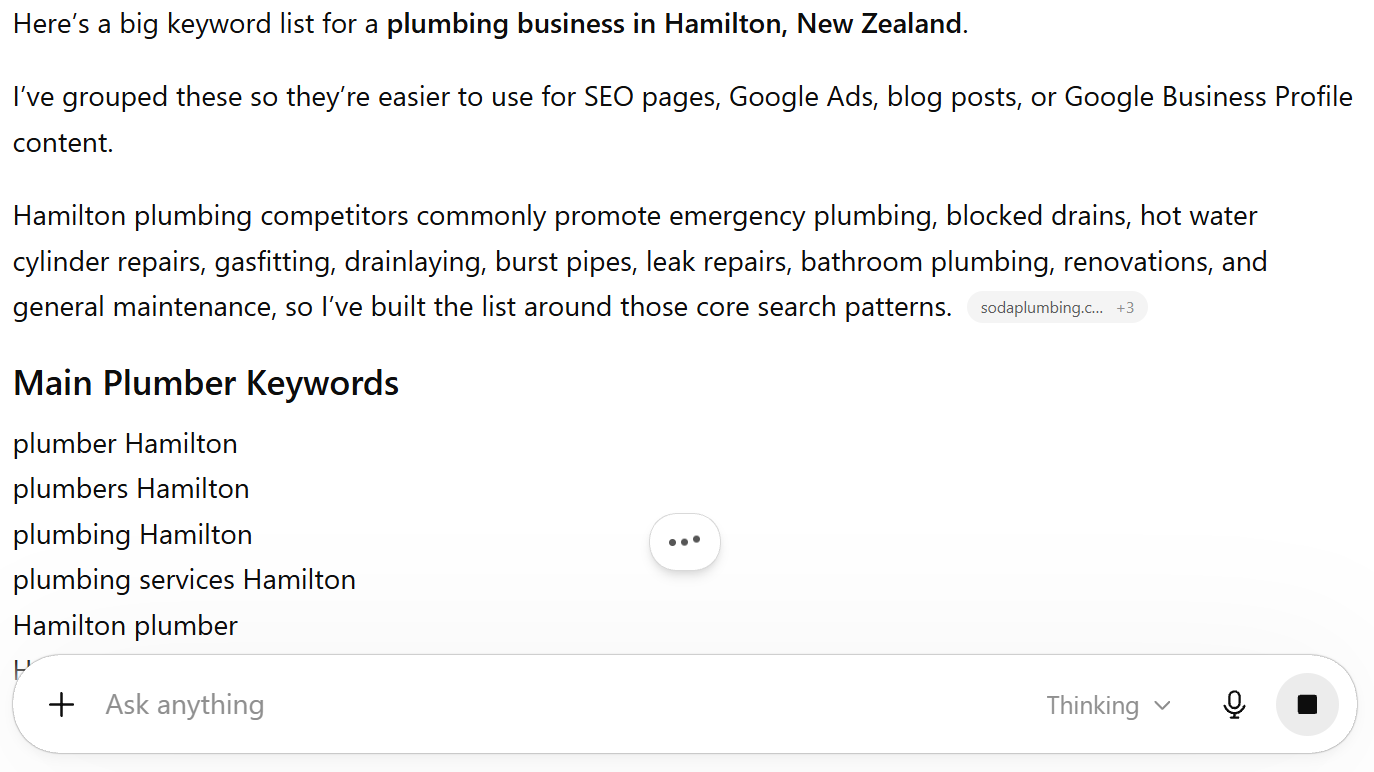
2. Expand them with AI. Drop your seeds into ChatGPT and ask for a deep research report on what customers in your niche actually search for, including the questions they ask. It surfaces topics and phrasings you’d never think of on your own. Here it is running for a Hamilton plumbing business:
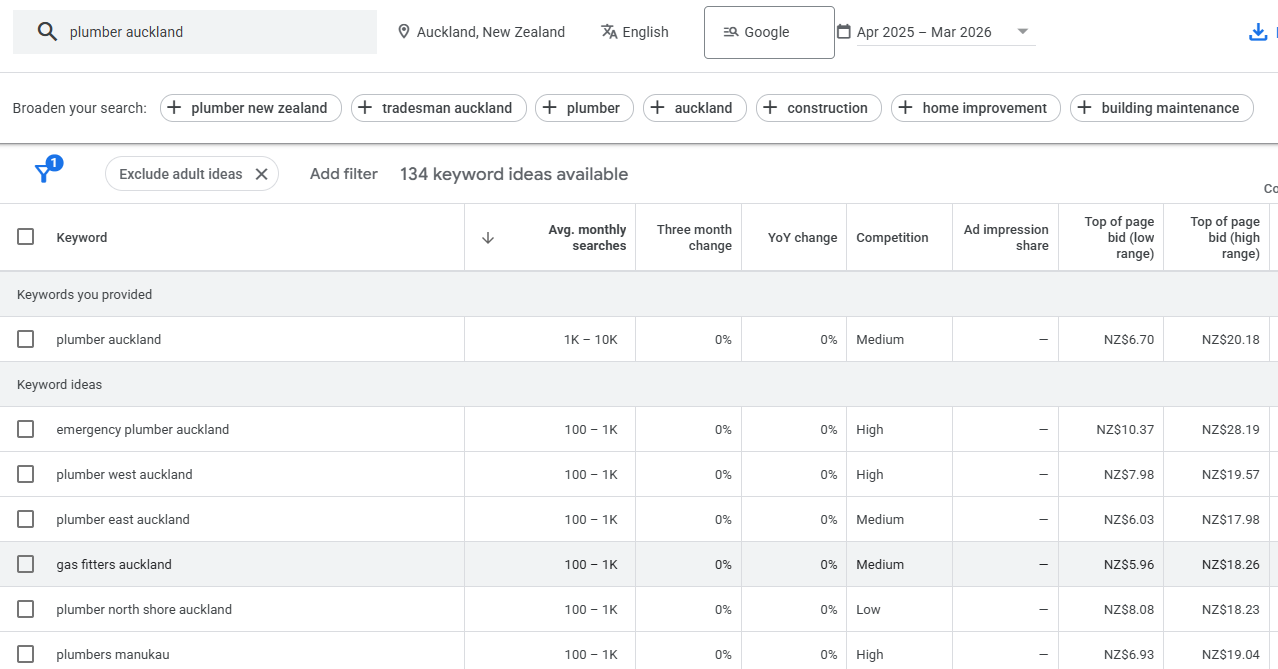
3. Check real volumes in Google Keyword Planner. ChatGPT gives you ideas, not search numbers. Open Google Keyword Planner (free with a Google Ads account), set the location to New Zealand, and enter your seeds. Here’s what SEO in Auckland starts with for a plumber — the real monthly searches behind each term:
4. Sort by intent. Not every keyword wants the same page. “How does gas fitting work” is someone learning — informational, so it’s a blog post. “Emergency plumber Wellington” is someone with a burst pipe and their wallet already out — commercial, so it’s a service page.
Informational keywords build your authority. Commercial keywords bring the money.
5. Map it. Put the lot in a simple spreadsheet: one column for the keyword, one for the intent, one for the exact page that’ll target it. That’s a keyword map — one keyword, one page, never two pages fighting over the same term.
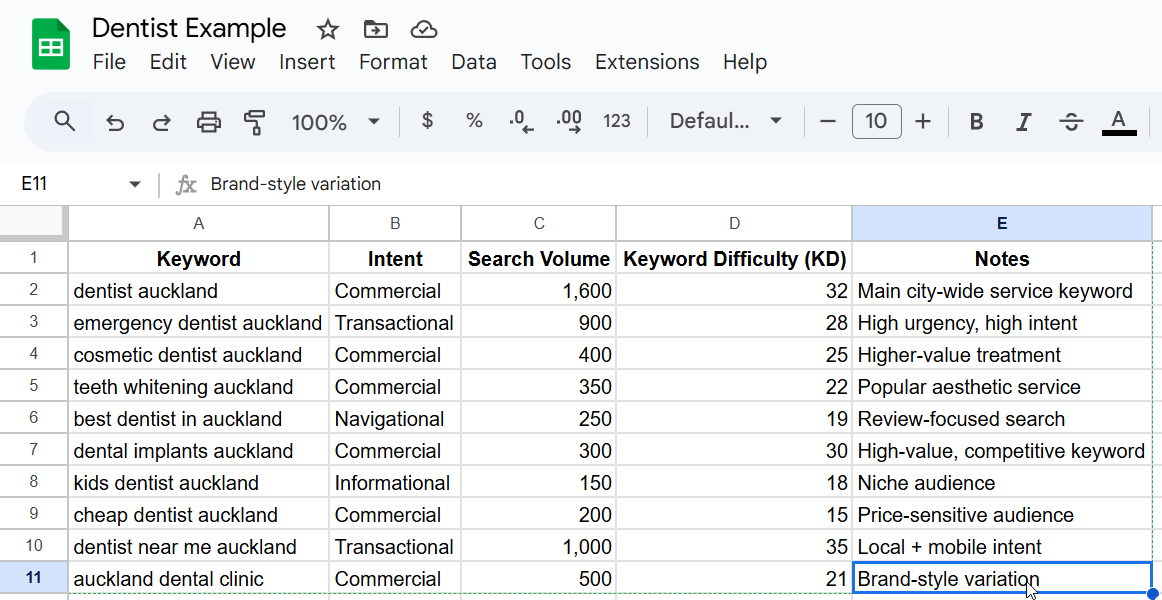
That spreadsheet is your content plan. Every row is a page to build.
Step 3: Create Content That Leaves Competitors Behind
Now you build the pages on your map — but not just any pages. Pages that beat what’s already ranking.
The mistake people make is matching competitors. They see the top result has 1,000 words on “how does root canal work,” so they write 1,100. That’s how you blend in, not how you win.
You win by bringing something no one else has: the differentiators from Step 1, real examples, first-hand numbers, an actual point of view.
Here’s how to do it without a writing team.
Start with the outline. Take a keyword from your spreadsheet and ask ChatGPT to build an SEO outline — the questions to answer, the subtopics to cover, the structure. It does in seconds what used to take an hour.
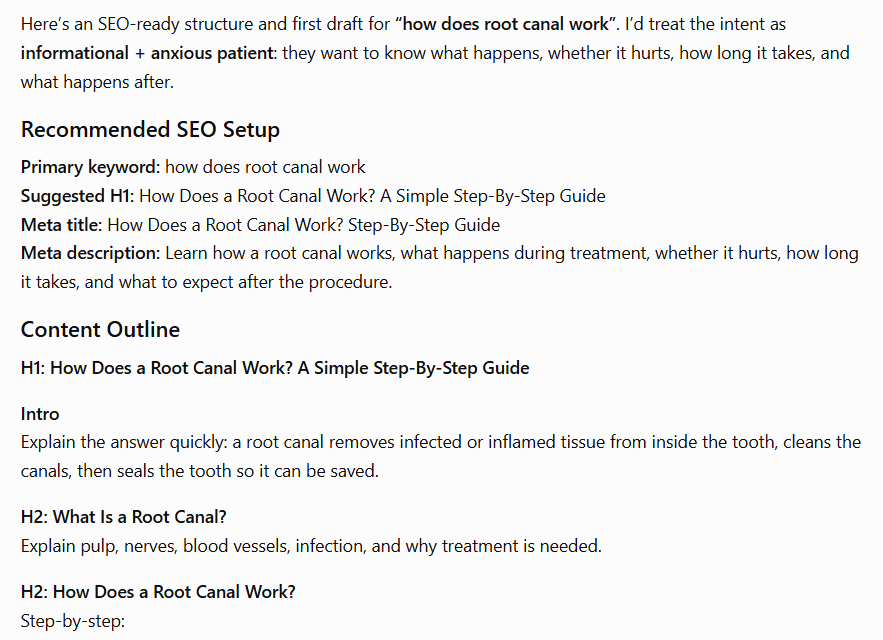
Then make it yours. This is the part competitors can’t copy. If you’re a plumber, don’t write a generic “signs of a leak” post.
Write the one where you walk through a real job: the Ponsonby villa with the corroded pipe, what it cost the owner, what you’d have done differently.
Weave in your differentiators. Use ChatGPT to tighten the writing, but the experience has to be yours.
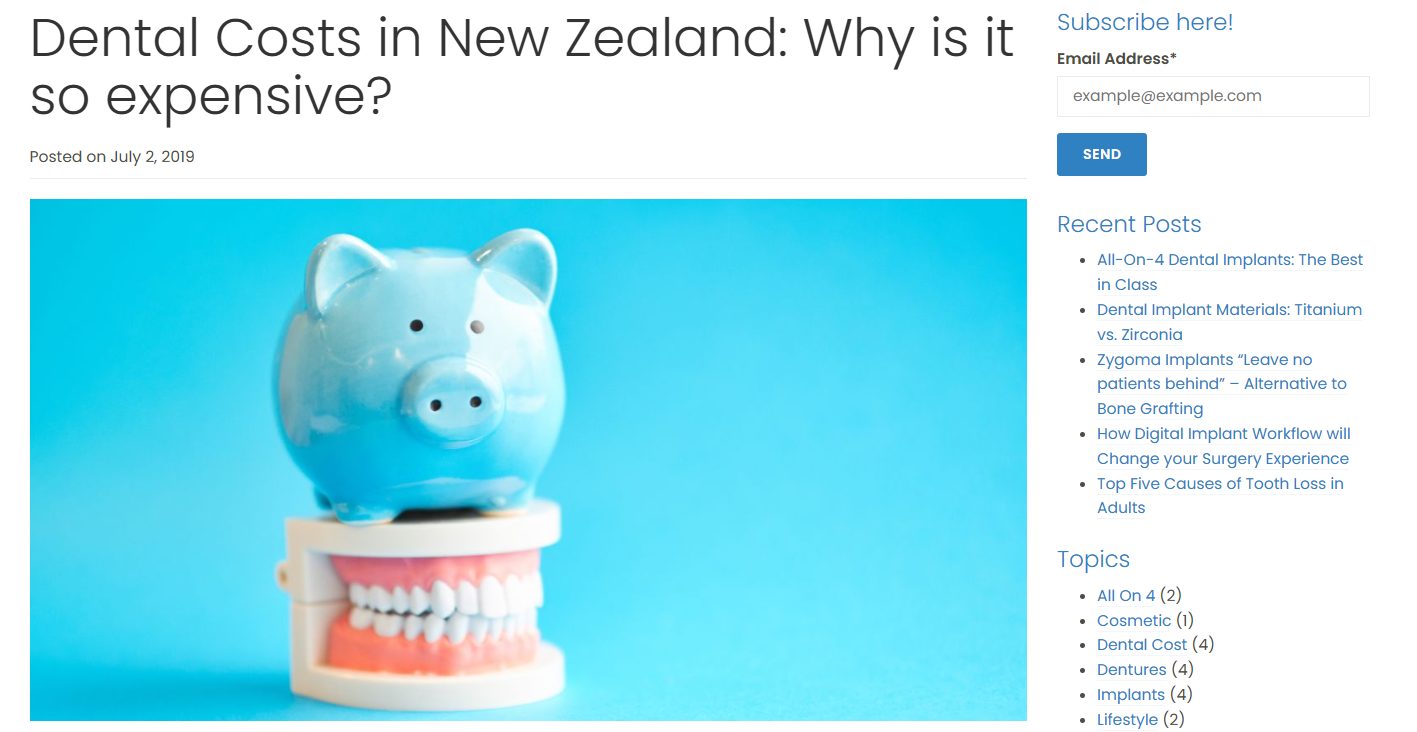
Match the intent. An informational post (like “dental costs in NZ”) is there to help and build trust, then quietly funnel readers toward your money pages. Here’s a real one of ours:
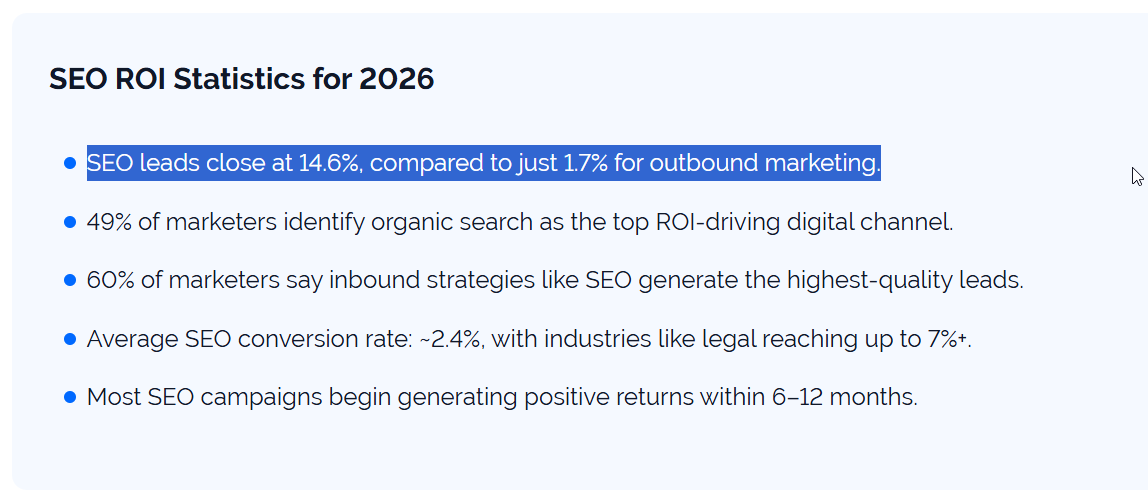
Do this well and content becomes your best salesperson. Leads from search close at 14.6%, against 1.7% for cold outreach — because someone who found you by searching is already halfway to buying.
Step 4: Optimise Each Page (On-Page SEO)
On-page SEO is the set of signals on the page itself that tell Google what it’s about: title, meta description, headings, image alt text, internal links.
It takes about 20 minutes a page, and it’s the easiest win in this whole guide.
Why it matters: Google reads these signals to work out what you rank for. Nail them and you’re in the running for the top spot — which is the one worth chasing. The #1 organic result pulls 27.6% of all clicks. Everyone below it fights over what’s left.

The checklist for every page:
- Title tag — the clickable headline in search. Put your main keyword near the front, keep it under about 60 characters.
- Meta description — the blurb under the title. It doesn’t rank you directly, but a sharp one earns more clicks.
- Headings — one H1 (the page’s main title), then H2s and H3s in a logical order, like a table of contents.
- Image alt text — plain-language descriptions of each image. Helps accessibility and image search.
- Internal links — link related pages to each other so Google and readers can move between them.
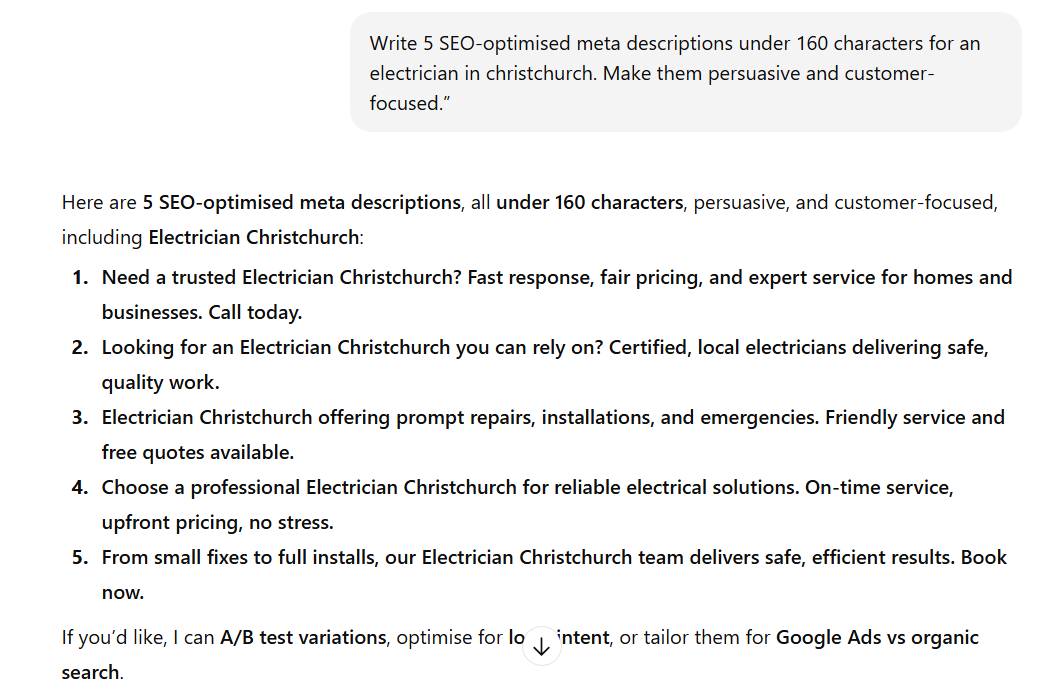
Don’t agonise over the wording. ChatGPT will draft titles and meta descriptions for you — just give it the keyword and the page topic:
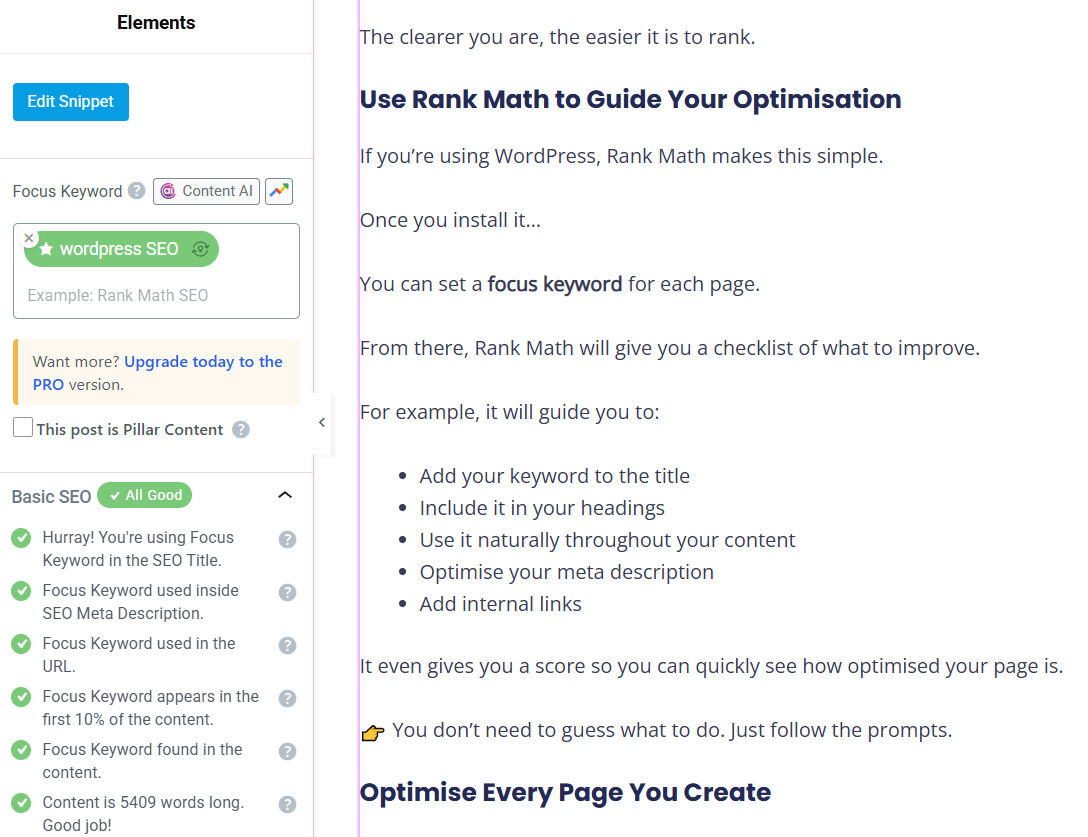
Then check your work with Rank Math, a free WordPress plugin.
It grades each page as you edit and tells you exactly what’s missing — keyword in the title, description length, heading order, the lot. Work it green and move on.
Step 5: Get Your Technical Foundation Right
Technical SEO is making sure Google can crawl your site, index your pages, and load them fast on a phone. It’s the foundation everything else sits on.
You can write the best content in your suburb, but if Google can’t read it or it takes eight seconds to load, none of it counts.
Three things to check.
1. Is it actually in Google? Open Google Search Console and confirm your key pages are indexed. If a page isn’t there, it can’t rank — full stop. Submit your sitemap so Google can find everything.
2. What’s broken? Run your site through a Semrush site audit. It crawls every page and hands you a prioritised list of errors: broken links, missing tags, redirect messes. In my experience, plenty of NZ websites come back with a listful of issues nobody knew were there. Fix the red ones first.

3. Is it fast, especially on mobile? Run your pages through Google PageSpeed Insights. It scores your speed and points at what’s dragging it down — usually oversized images. Compress them and the score climbs.

If the technical side feels over your head, this is the one step worth a professional SEO audit — a cracked foundation quietly sinks everything above it.
Step 6: Build Links to Your Website
A backlink is another website linking to yours. Google treats each one as a vote of confidence, and they’re one of the strongest ranking signals there is.
Think of it like a trade reference. One good word from a respected builder is worth more than a hundred from strangers. Links work the same way: a few good ones beat a hundred junk ones.
Here’s how link building actually works.
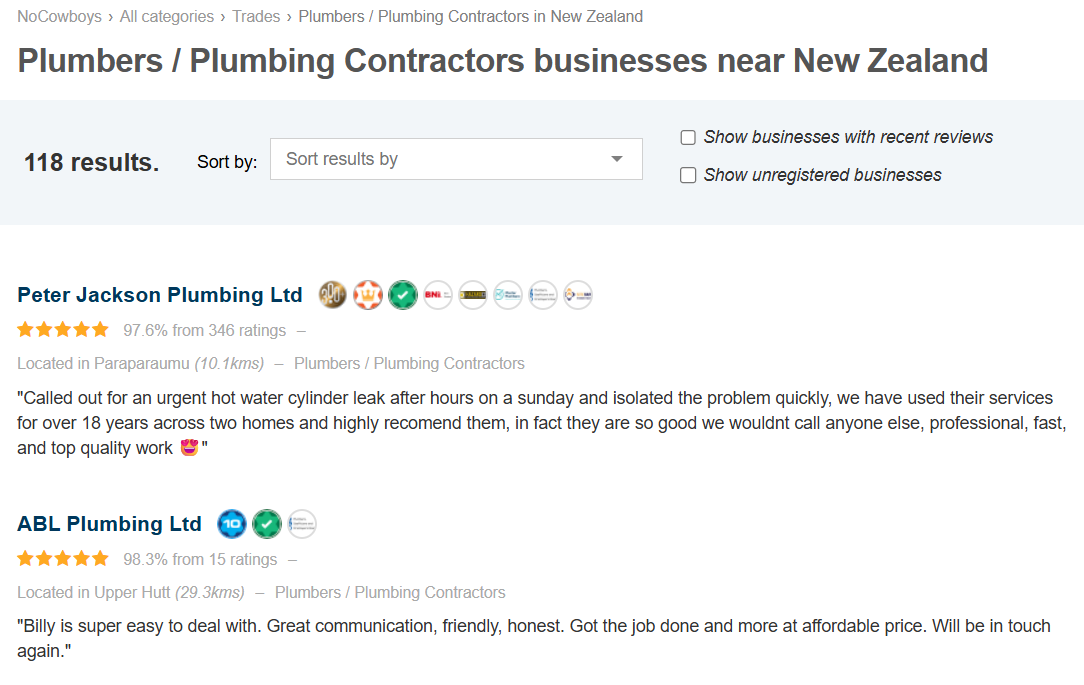
Start with local citations. A citation is your business listed in a directory — name, address, phone. Get into the main NZ directories (Yellow, Localist, NoCowboys, your industry bodies), and keep your details identical everywhere. Consistency is the whole game.
Earn editorial links with something useful. The best links come to you. Publish something genuinely worth referencing — a real guide, original data — and other sites link it on their own.
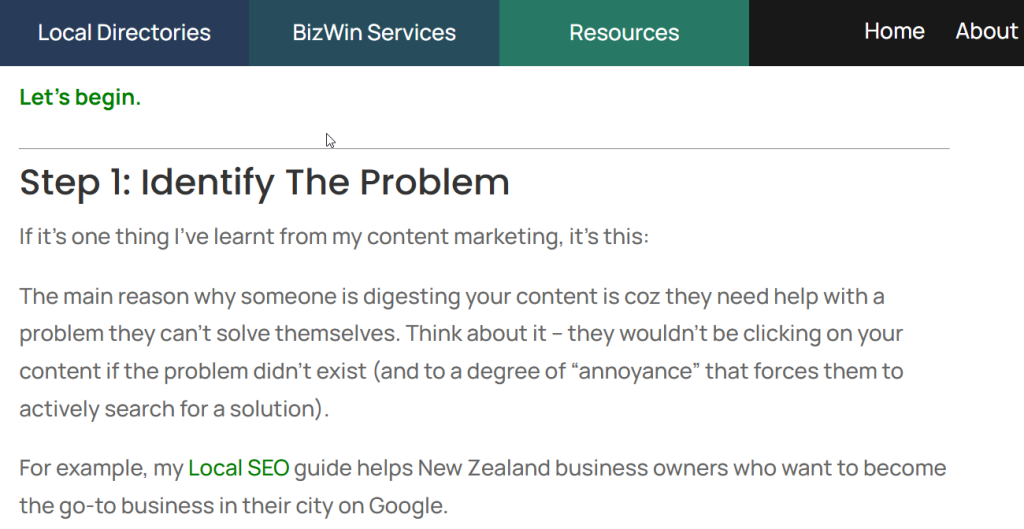
Our local SEO guide earned a link from another NZ marketer, unprompted, purely because it was actually useful.
Reach out where it’s warranted. Suppliers you buy from, local businesses you partner with, industry blogs that take guest posts — all natural link sources. A genuine relationship beats a cold pitch every time.
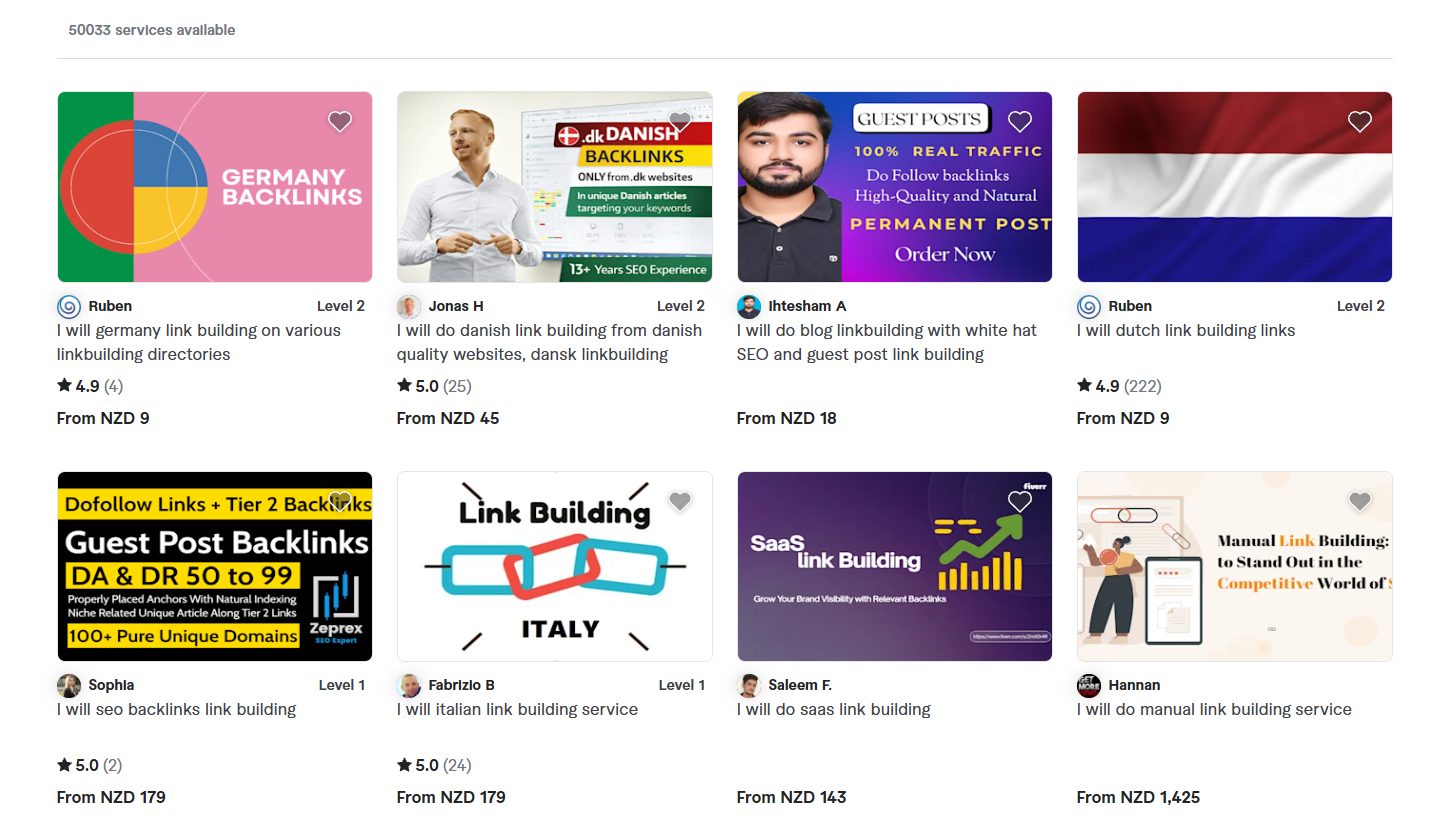
And avoid the cheap stuff. You’ll see Fiverr gigs promising 5,000 backlinks for $20. Don’t. Those are the links that get sites penalised — you’d be paying someone to actively hurt your rankings.
Can ChatGPT or AI Do Your SEO For You?
AI is the best assistant you’ll ever hire for SEO. It’s just not the strategist.
Look back at the steps above — ChatGPT touched most of them. Expanding keywords, building outlines, drafting titles and metas, tightening your writing.
It genuinely saves hours, and you should lean on it for all of that.
But it can’t set your strategy. It doesn’t know your business, your differentiators, or your customers the way you do.
It can’t verify what’s actually ranking, and it can’t invent the real Ponsonby-villa story that makes your content yours. Hand it the whole job and you get generic, forgettable pages — the exact stuff that doesn’t rank.
There’s a bigger reason to get this right, too. AI search is now part of how people find businesses.
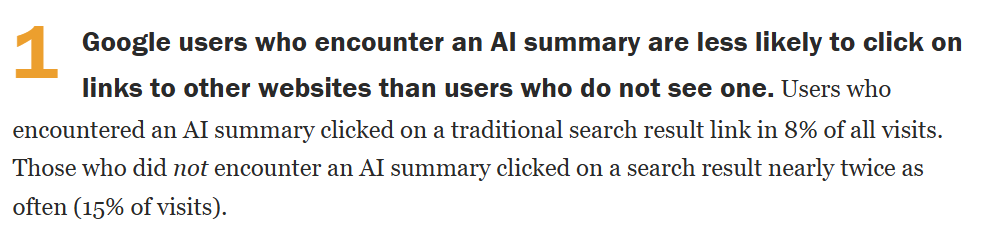
When Google shows an AI summary, only 8% of users click a normal result, versus 15% when there’s no summary. Being the source the AI quotes is the new front page — and you earn that with genuinely useful, well-structured content, not AI slop.
Use AI as a force multiplier. Keep your hands on the wheel.
Real DIY SEO Examples
None of this is theory. It’s the exact process behind results I can show you — across three completely different markets.
Expert SEO: #1 in New Zealand on a One-Year-Old Domain
Expert SEO is a New Zealand SEO business on a domain less than a year old, up against agencies with a decade’s head start.
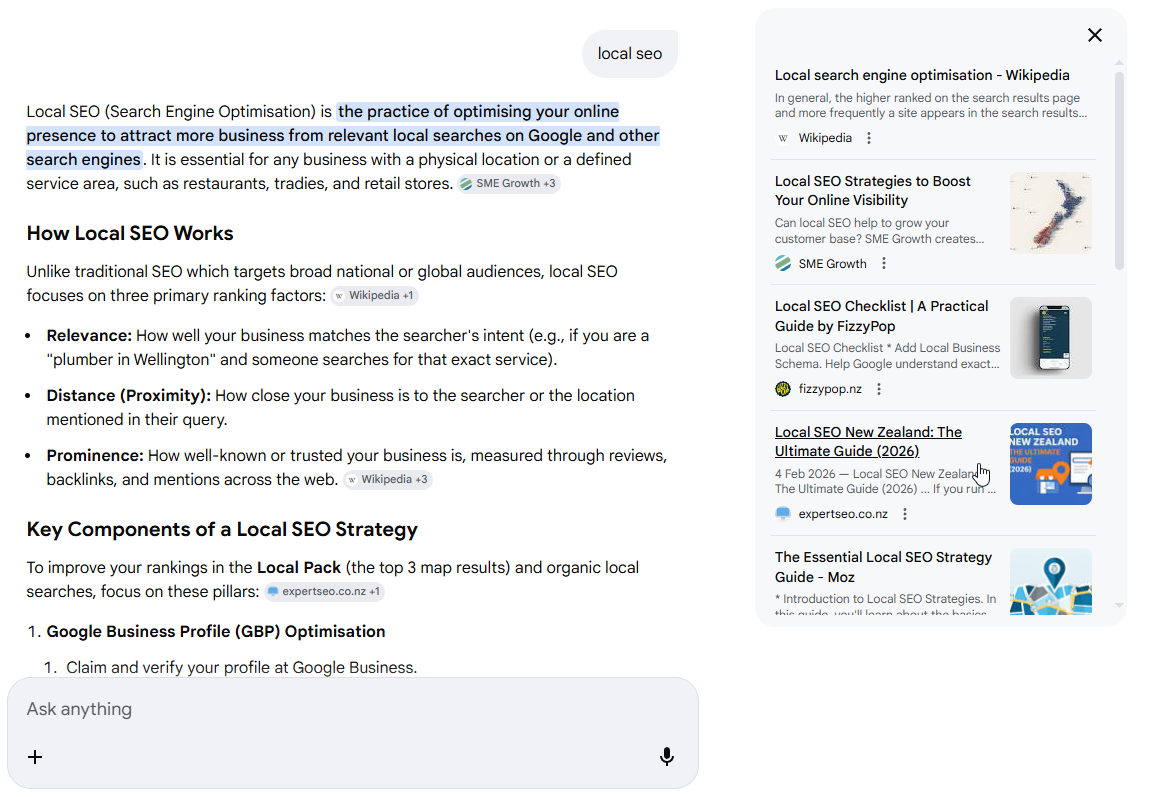
Following these exact steps, it ranks #1 in New Zealand for “local seo” — above Ahrefs and Semrush.

It’s also being pulled into Google’s AI Mode as a cited source — the thing every agency is scrambling to figure out, coming straight out of the same fundamentals.
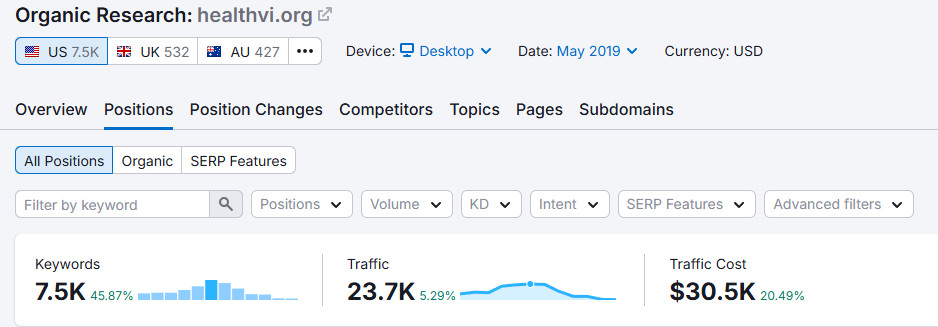
HealthVI: 0 to 20,000+ Visitors a Month
Back in 2017 I started a project with my former business partner and SEO mentor, Ian Pribyl — a health site called HealthVI.
We wrote in-depth weight loss and supplement reviews, ranked them with this same process, and it climbed to #1 for multiple keywords pulling thousands of searches a month.
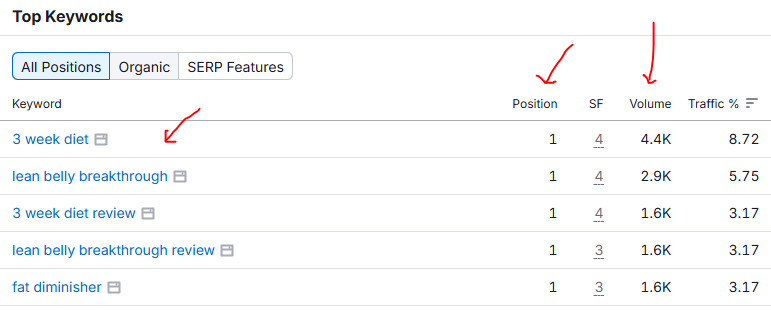
Applied patiently, it grew from zero to over 20,000 organic visitors a month.
StoppingScams: 5,000+ Visitors a Day
Different niche again. On StoppingScams we wrote honest reviews of internet marketing products — same keyword-to-content process — and it grew to over 5,000 visitors a day.

Three different markets. One strategy — the one you’ve just read.
When to Do It Yourself, and When to Hire an Expert
Here’s the honest version.
You can absolutely do the basics yourself. Everything in this guide is learnable, and doing it will put you ahead of most of your competitors — who are either doing nothing or doing it badly.
The DIY route makes the most sense when you’ve got more time than budget, your market isn’t cut-throat, and you’re happy to learn as you go.
Even done slowly, you’re building an asset that pays you back: organic leads cost around $31 each versus $181 for paid ads, and they keep coming long after the work’s done.

DIY stops paying off at two points: when your time is worth more elsewhere, or when the opportunity is big enough that getting it slightly wrong costs real money.
When ranking is the difference between a good year and a great one — or you simply don’t have the hours — that’s when handing it over earns its keep.
That’s where our SEO services come in. And if you’d rather learn with someone in your corner than hand it over completely, an SEO consultant can point you at the 20% that matters for your specific business.
Either way, you now know the strategy. Whether you run it yourself or get help, you’ll know exactly what good looks like.
DIY SEO: FAQ
What is DIY SEO?
DIY SEO means doing your own search engine optimisation — keyword research, content, on-page, technical and links — instead of paying an agency. Everything in this guide is the DIY version, using free tools and AI to do the heavy lifting.
Can you do SEO yourself?
Yes. Most of SEO is learnable and doable solo, as long as you follow a clear strategy instead of random tasks. The businesses that fail at DIY SEO are the ones with no plan — not the ones who lack talent.
What is the 80/20 rule for SEO?
The 80/20 rule says roughly 80% of your results come from 20% of the work. For DIY SEO that 20% is targeting the right keywords, publishing genuinely useful content, and earning a few quality links. Nail those three and you're most of the way there.
Can ChatGPT do your SEO for you?
Partly. ChatGPT is brilliant for the work — keyword ideas, outlines, titles, editing — but it can't set your strategy, verify what's ranking, or bring your first-hand experience. Use it as an assistant, not autopilot.
How long does DIY SEO take to work?
Expect early movement around three months and stronger results by six, provided you're consistent. SEO compounds — the traffic keeps building long after the work's done, which is what makes it worth the patience.
Is SEO dead in 2026?
No. Search has changed — AI Overviews and AI search now shape the results page — but organic search is still one of the biggest traffic channels on the web. Getting cited by AI systems like Google's AI Mode and ChatGPT is now its own opportunity on top of traditional rankings.
Recommended Reading
SEO Campaign: How to Run One in NZ
Take this strategy and run it as a structured, goal-driven campaign from start to finish.

How to Get Backlinks in NZ
Ten practical ways to earn the links that actually move your rankings — no spammy shortcuts.

On-Page SEO Checklist for NZ Websites
A 25-step checklist to optimise every page properly before you hit publish.