

Ask around and you’ll hear the same thing from half the hoteliers in the country: hotel SEO is a bloke in a headset selling you rankings for keywords that never turn into a single booking.
I get why they think that. A lot of “hotel SEO” is exactly that.
But there’s a version that works, and it has almost nothing to do with the pitch you usually get. This guide is that version — the honest one.
Here’s the tension the salespeople skip: guests do start on Google, but the top of that page is owned by Booking.com and Expedia, and they’re taking 15–18% of every booking they send you.
So “just do SEO” isn’t the whole answer. Knowing which searches you can actually win is.
I’ll walk you through what hotel SEO is, whether it’s even worth it for your property (with the real dollar maths), which searches you can win and which you can’t, and the exact process — run through real Auckland CBD and Queenstown examples the whole way.
What Is Hotel SEO?
Hotel SEO is the process of getting your hotel’s website to show up higher in Google, so more travellers find you and book direct — instead of through an OTA.
But the “book direct” part is where hotels are different from every other local business, so it’s worth slowing down.
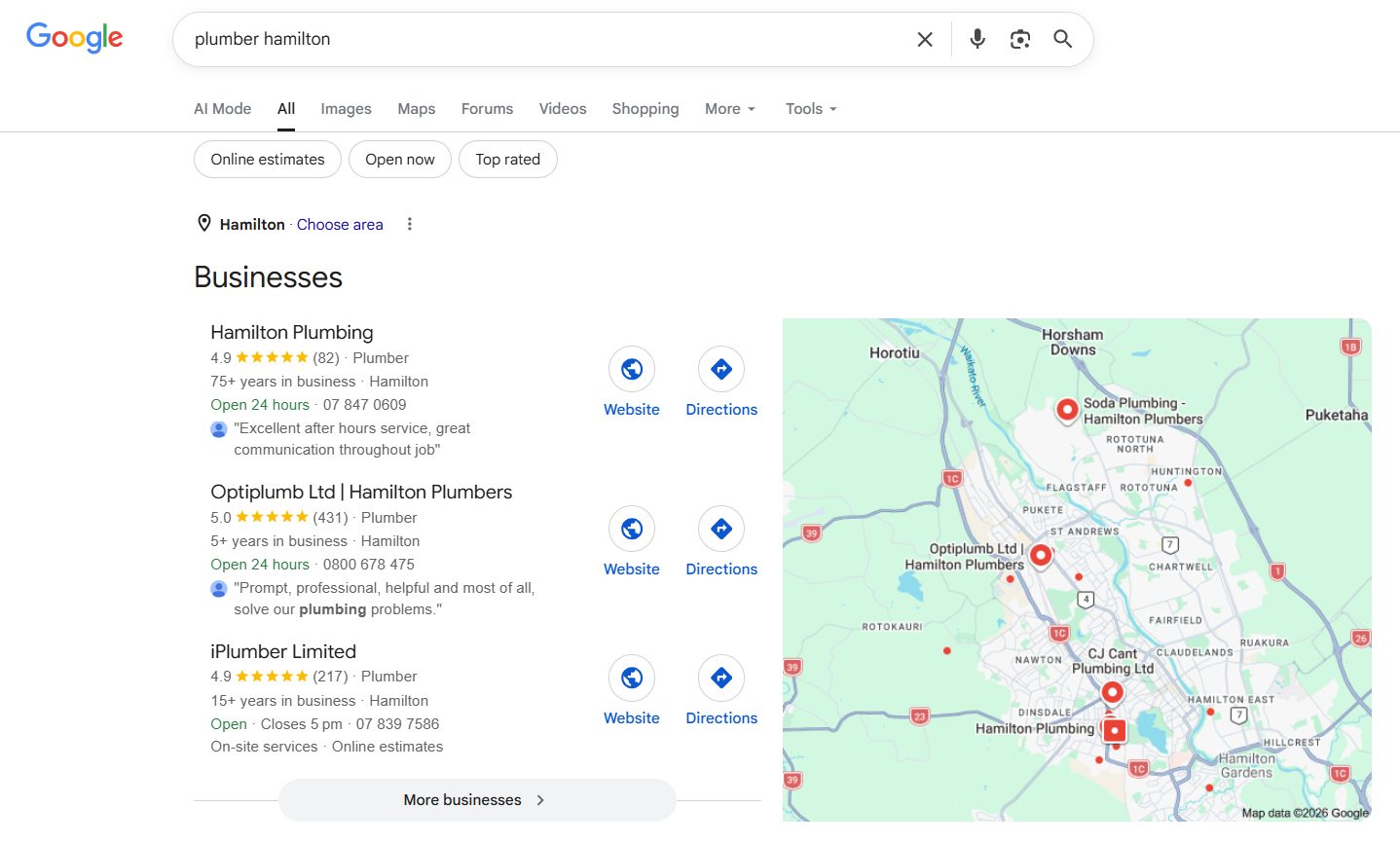
When a plumber optimises for “plumber Hamilton,” they’re competing against other plumbers. Simple fight, everyone in the same weight class.
When you optimise for “hotels in Queenstown,” you’re not just up against the other lodges.
You’re up against Booking.com, Expedia, and Google’s own hotel booking module — three giants that are built to sit above you and cream a commission off the top.
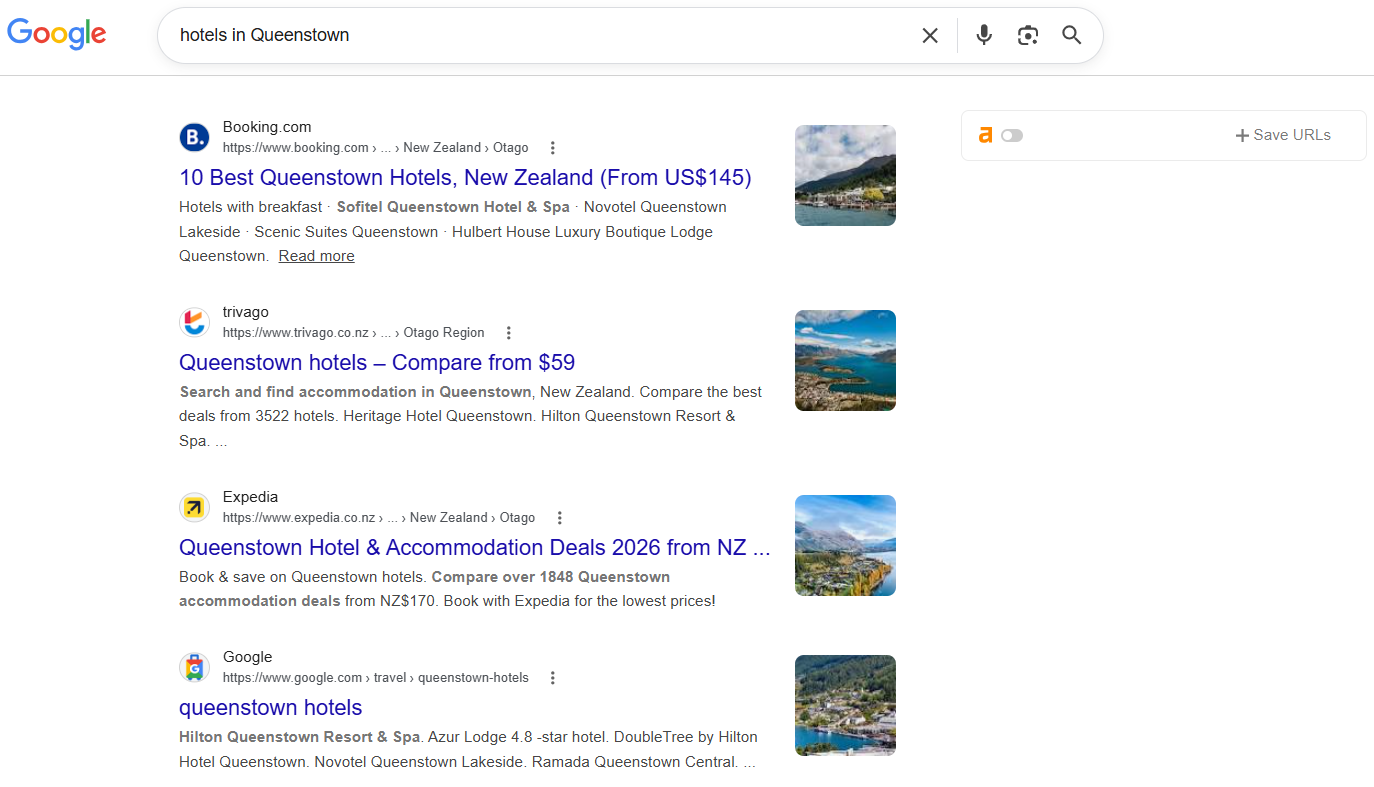
So the goal of hotel SEO comes down to direct bookings: the ones where the guest pays you, not a platform, and you keep the margin instead of posting it to Amsterdam.
This makes it a close cousin of local SEO — same map pack, same reviews, same “near me” behaviour — with one twist that changes everything, which we’ll get to.
Why Hotel SEO Matters for NZ Hotels
In a country that runs on tourism, ranking for the searches travellers actually make is the difference between a booked-out season and a wall of empty rooms.
Think about where the demand sits. Queenstown, Auckland CBD, Rotorua, the Bay of Islands, Taupō — searchable destinations where people type a query, scan the results, and book within minutes. If you’re not visible in that moment, you don’t exist to them.
And nearly every trip now starts the same way: a Google search. “Where to stay in Queenstown.” “Boutique hotel Auckland CBD.” “Lodge near Milford Sound.” The traveller is doing their homework on Google before they’ve spoken to a soul.
Here’s what ranking actually buys you, beyond the traffic:
Direct bookings mean you control the pricing, you own the guest’s details, and you get the shot at a repeat stay. None of that is yours on an OTA — there, the guest belongs to the platform, and you’re just the bed.
That’s the upside. But upside isn’t the same as “worth it,” so let’s do the honest sum next.
Is Hotel SEO Worth It?
Hotel SEO is worth it when you can take direct bookings and you’re in a place people search — because the commission you save dwarfs what ranking costs. But it’s not every property’s first priority, and I’ll tell you when it isn’t.
Let’s do the maths, because this is the part every other guide waves at and never actually works out.
Say you run a 40-room lodge in Queenstown. Rooms average $280 a night, and you’re about 65% full across the year. That’s roughly $2.6 million in room revenue.
Now say 70% of that comes through Booking.com and Expedia, and they’re clipping around 17% on the way past.
That’s about $310,000 a year. Gone. Not to your staff, not to the mortgage on the building — to a booking platform for the privilege of introducing you to a guest.
Shift just one booking in ten off the OTAs and onto your own website, and you keep roughly $45,000 of that commission. Every year. Compounding.
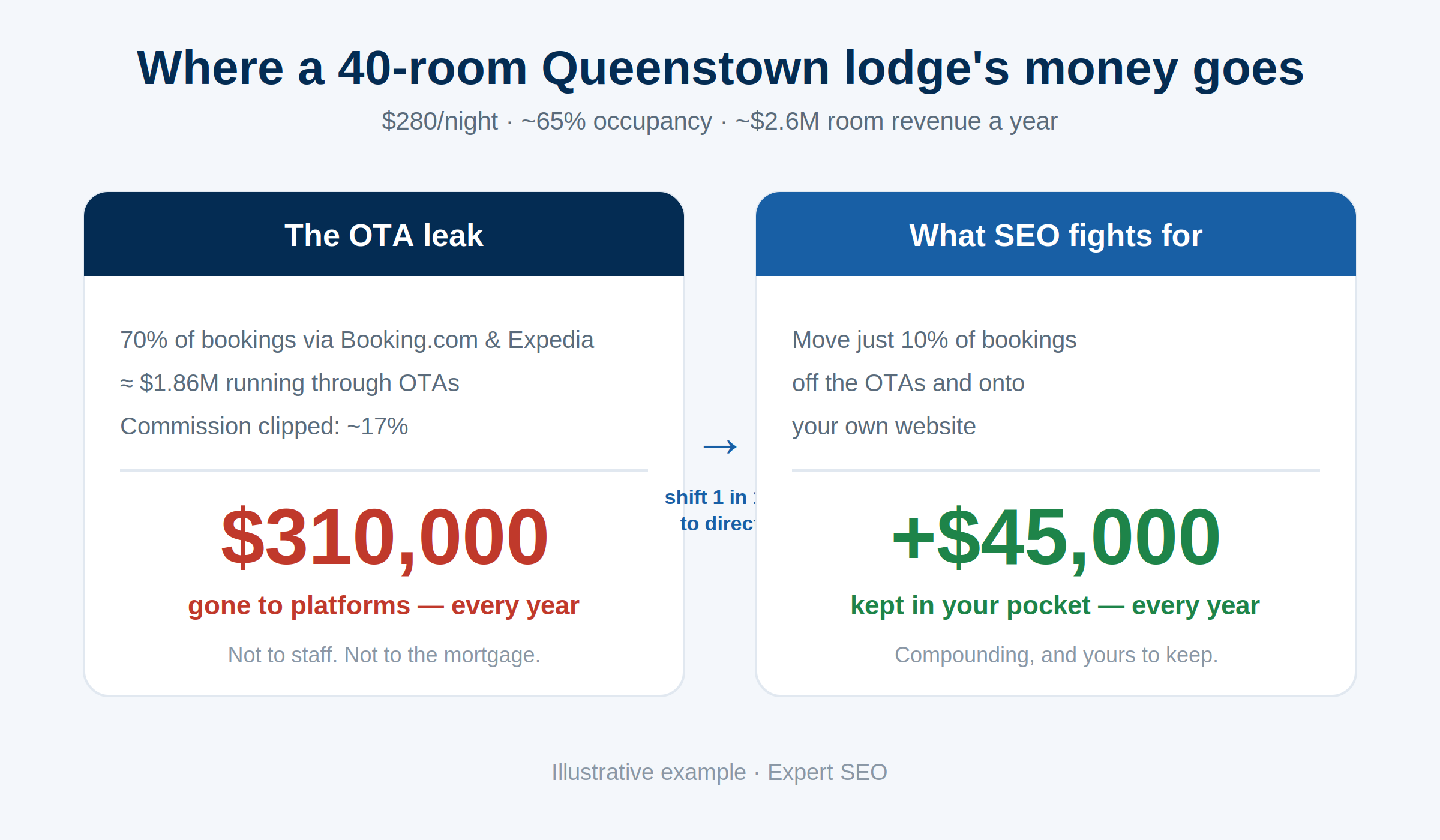
That $45,000 is the number hotel SEO is fighting for.
Suddenly a few thousand a year in ranking effort looks less like a cost and more like the best-value hire on the payroll — which is exactly why the honest ROI of SEO tends to look absurd once you run it on a real property.
Independent industry data puts the median return on thought-leadership SEO at around 748% over three years.

So when is it worth it? When you’ve got a booking engine to actually take a direct booking, you’re in a searched location, and your margins matter to you (they do).
When is it not your first priority? Be honest with yourself here. If you can’t take a booking directly on your own site, fix that before you spend a dollar on SEO.
If you’re a brand-new three-room B&B with no reviews and no time, your first win is reviews and a tidy Google profile, not a content strategy. And if you genuinely can’t invest the months it takes, know that going in.
Because it does take months. Realistically: three months for the first flickers of movement, six for solid traction, twelve before it’s a proper engine.
Anyone promising page one by Friday is selling you the headset pitch. If you want a straight read on whether your specific site is worth the effort, that’s exactly what an SEO audit is for.
Where Hotels Can Actually Rank in Google — and Where They Can’t
You will never outrank Booking.com for “hotels in Queenstown.” So stop trying, and win the searches they leave on the table instead.
This is the single most useful thing in this guide, and it’s the thing nobody says out loud.
Look at what the hotel results page actually looks like. Type “Queenstown hotel” and you get Google’s hotel module up top — a map, a row of properties, prices pulled live from availability feeds.
Below that, the map pack. Only then do you reach the normal blue links, and by then the traveller’s attention is mostly spent.
Those top slots run on rates and availability feeds and metasearch bidding, not on classic SEO. So here’s the honest split.
Don’t waste your effort on: the broad head terms. “Hotels Queenstown,” “Auckland accommodation.” OTAs and metasearch have spent a decade and a fortune owning those. You’re bringing a torch to a bonfire.
Do target: your own brand terms (people searching your property by name — you’d be amazed how many hotels don’t lock these down), long-tail intent searches (“pet-friendly lodge Wanaka,” “boutique hotel near Sky Tower,” “family suite Rotorua with kitchen”), and destination content (“things to do in Queenstown in winter”).
These have real intent and almost no OTA competition, because the platforms don’t write that stuff.
And the map pack — the three properties with the little pins — is genuinely winnable for hotels, and most ignore it completely. You can see the pattern in any hospitality search: here’s the Cambridge restaurant pack, where the businesses with the most reviews sit top.
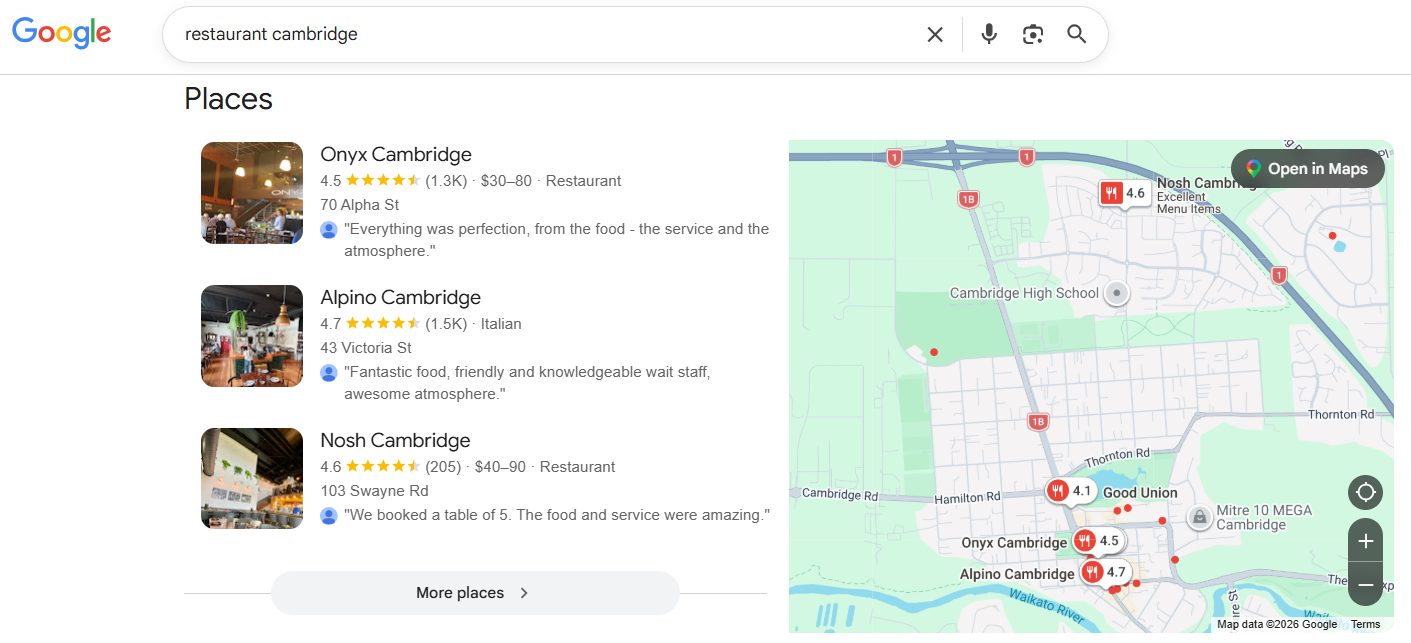
That same logic is how a hotel climbs. Which brings us to the process.
How to Do Hotel SEO: The Step-by-Step Process
Hotel SEO comes down to seven moves. Do them in order and you build a site Google trusts and travellers book. Each one gets a real NZ example so you can see it, not just read it.
Step 1: Do Keyword Research for a Hotel
Keyword research is finding the exact phrases travellers type, so you build pages around real demand instead of guessing.
It matters because the wrong target wastes every hour that comes after it — you can rank perfectly for a search nobody makes.
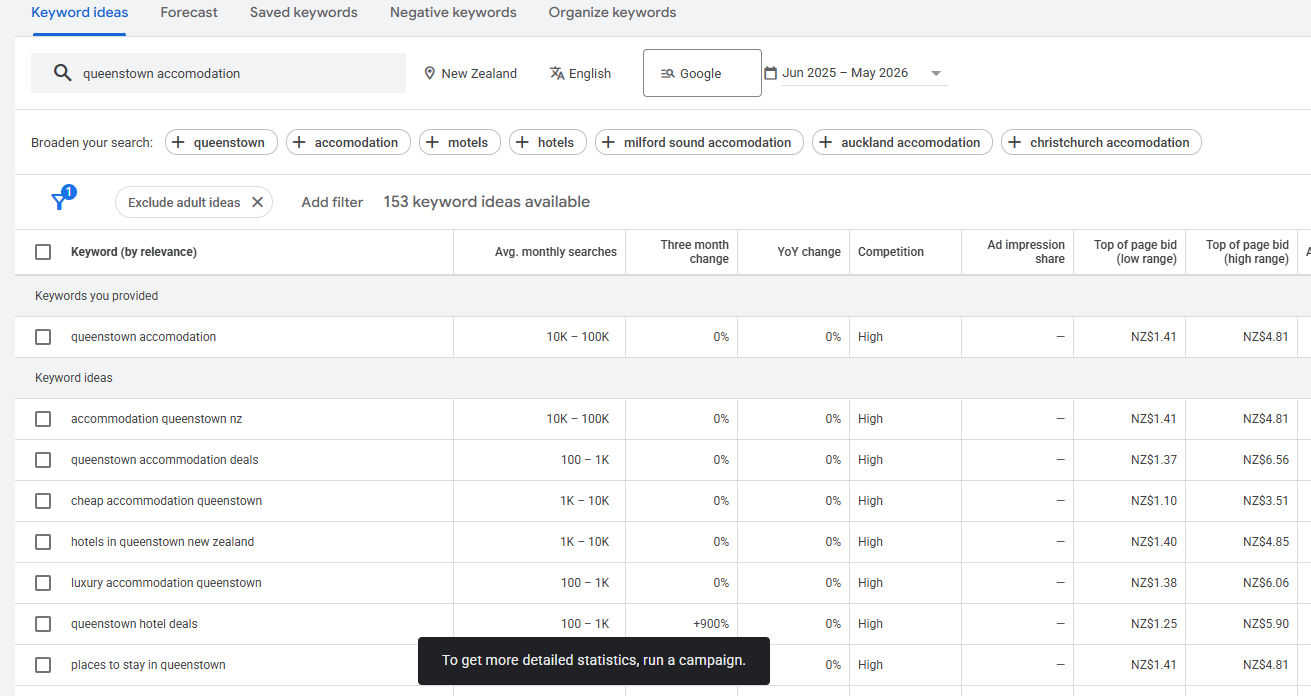
Here’s how to do it. Open Google Keyword Planner (it’s free with any Google Ads account), enter a seed like “Queenstown accommodation,” set the location to New Zealand, and read the list it spits back.
You’re hunting for the winnable terms from the last section — long-tail and intent-led, not the head terms.
Then map each keyword to the page it deserves. This is the bit beginners skip, and it’s the whole game:
| Keyword | Intent | What to build |
|---|---|---|
| best time to visit Queenstown | Informational | Blog post |
| things to do in Queenstown in winter | Informational | Blog post |
| pet-friendly lodge Queenstown | Commercial | Landing page |
| lakefront hotel Queenstown book | Transactional | Room/booking page |
The informational posts pull travellers in early and feed authority to the money pages. The commercial and transactional pages are where the booking happens. Get the mapping right and every page has one clear job.
Step 2: Sort Your On-Page SEO
On-page SEO is everything the visitor and Google see on the page itself — titles, headings, the words on your room pages. It matters because even a great property with a weak page hands Google nothing to rank.
The moves are simple. Put the keyword in your title tag and H1 (“Lakefront Boutique Hotel in Auckland CBD,” not “Welcome”).
Give each room type its own page with real description, not a stock line. Make sure the booking path is obvious from every page.
Picture an Auckland CBD hotel with one flabby “Rooms” page listing five room types. Split that into five pages — “Harbour View King,” “City Studio,” and so on — each targeting how people actually search, each with photos and a booking button.
That alone can lift a property that’s been invisible for years, and it’s the same on-page work behind every ranking SEO in Auckland job we take on.
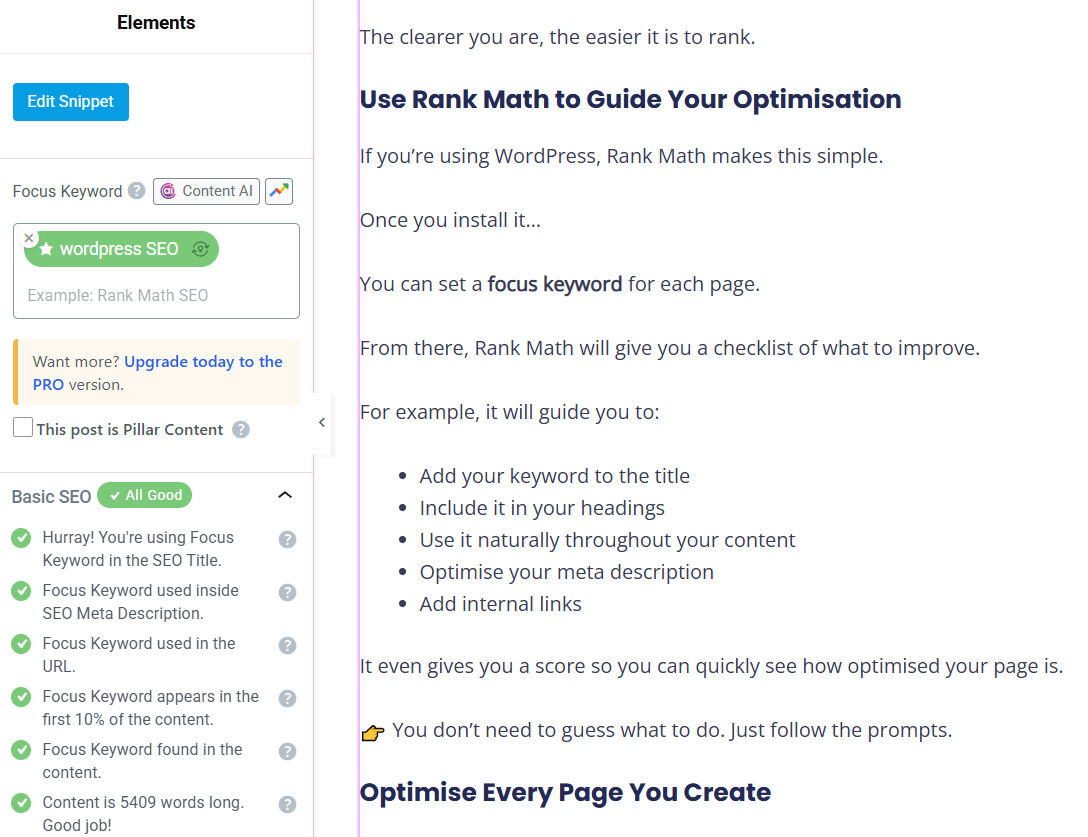
A plugin like Rank Math grades each page as you write it — keyword placement, meta description, readability — so you’re not flying blind.
Step 3: Win Local SEO and Your Google Business Profile
This is the highest-return move in the whole guide, and it’s the one most hotels barely touch. Local SEO is how you land in the map pack — those three pinned properties that sit above nearly everything.
Get the fundamentals right first. Claim your Google Business Profile and set the correct primary category — Hotel, not “Lodging,” if Hotel fits.
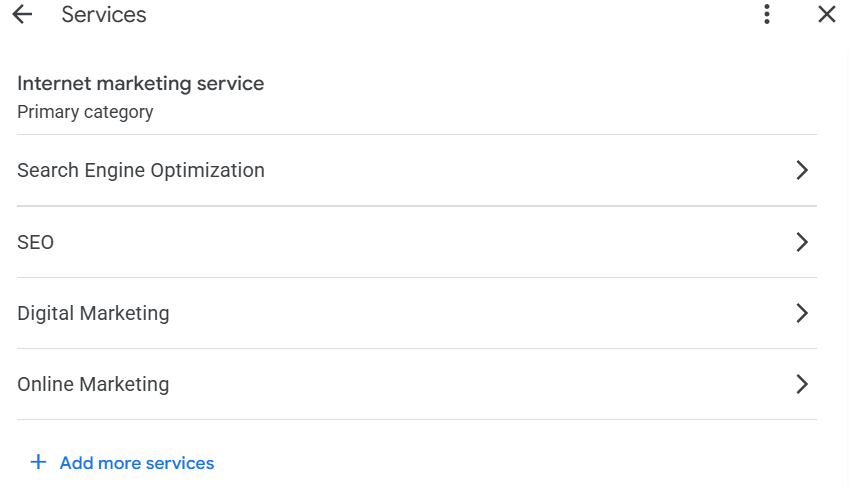
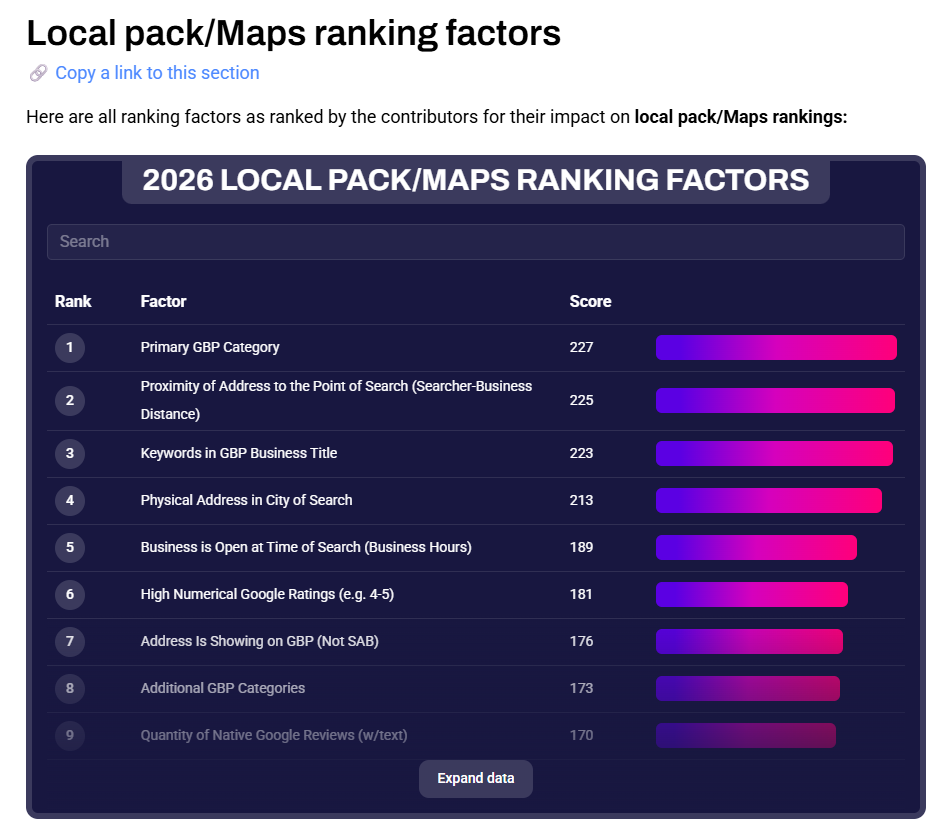
Get that wrong and you quietly cap yourself, because your primary category is the single biggest map-pack ranking factor, according to Whitespark’s 2026 study.
Then make your name, address and phone number identical everywhere they appear online. Inconsistent NAP details are like giving Google three different home addresses and expecting the post to arrive.
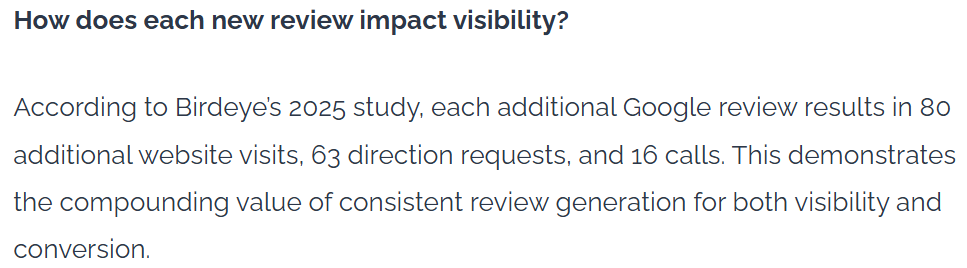
Now, the real leverage: reviews. Consistent, genuine, high-quality reviews. Each new Google review is worth roughly 80 extra website visits, 63 direction requests and 16 calls, according to Birdeye — and it’s a signal you fully control.
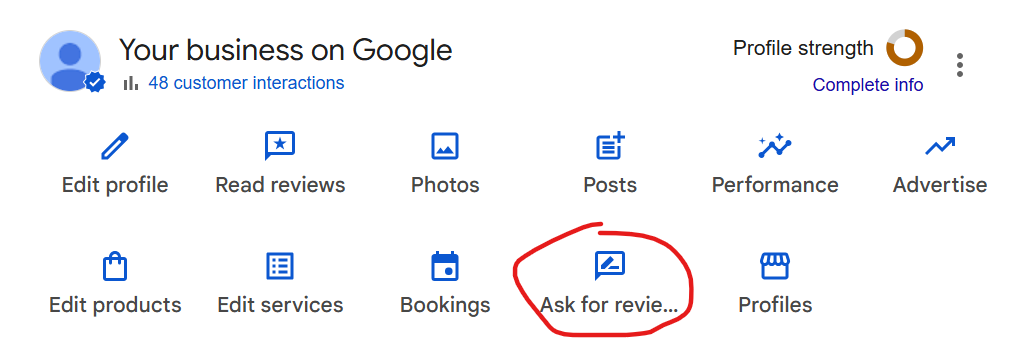
Here’s the literal system. Grab your Google review link from the “Ask for reviews” button inside your profile, turn it into a QR code, and put it on the check-out folder and the confirmation email.
Ask every happy guest at the emotional high — as they’re checking out saying they had a brilliant time. One friendly follow-up email. And reply to every review that lands, good or bad, because 89% of people expect a business to respond to reviews either way.

That loop, run every week, is what climbs you up the pack. And if you’d rather have the whole thing run for you, that’s exactly what our local SEO services are built for.
Step 4: Handle the Technical SEO
Technical SEO is the behind-the-scenes work that lets Google crawl, read and trust your site. For a hotel it matters twice as much, because of one specific problem: you’ve got a gorgeous, image-heavy website, and images are what slow sites to a crawl.
Start with speed. Hotel sites are stuffed with big, beautiful photos — the exact thing that makes a page load like it’s wading through mud.
Run your site through Google PageSpeed Insights, then compress every image, switch on caching, and cut any plugin you don’t need. A guest won’t wait for a slow page, and neither will Google.

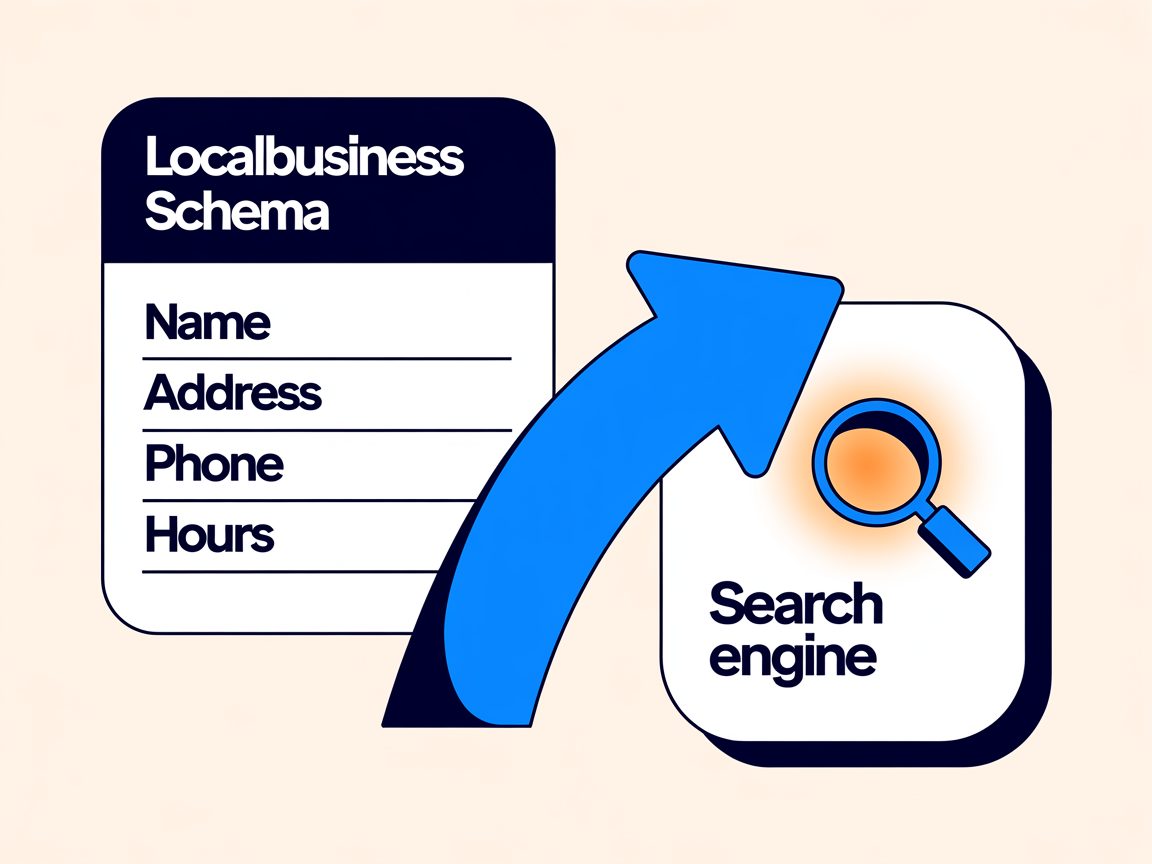
Then check the essentials: your site works cleanly on a phone (most travel research happens on mobile), your pages are crawlable, and you’ve added Hotel schema so Google can read your rooms, prices and amenities directly.
Schema is a small block of code that hands your details straight to search engines in a language they can’t misread.
If a step here makes you go “how do I actually do that,” a good developer sorts most of it in an afternoon.
Step 5: Run Content That Drives Direct Bookings
Content marketing is publishing genuinely useful stuff that catches travellers before they’ve even decided where to stay.
It matters because it’s the one place you can outrank the OTAs — they don’t write it.
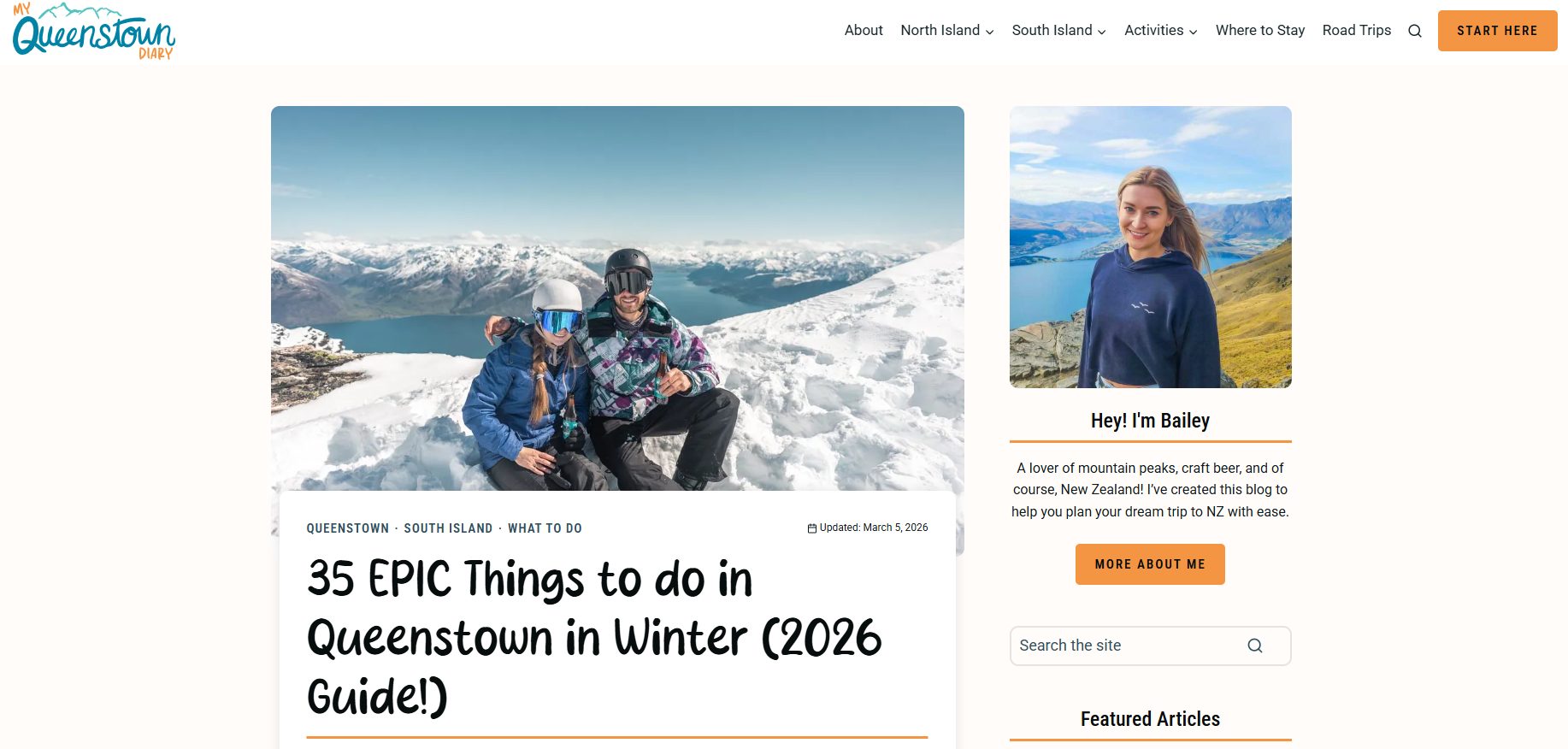
The play is destination content. Blog posts and guides that answer what a traveller is Googling on the way to booking: “Best things to do in Queenstown in winter,” “Where to eat near Auckland’s Viaduct,” “Two days in Rotorua with kids.”
You rank for the search, the traveller lands on your site, and now they’re one click from your rooms instead of scrolling Booking.com.
This is also how you win the long-tail intent searches from earlier. A Wanaka lodge that writes “Best dog-friendly walks around Wanaka” catches every traveller with a dog in the back seat — and those travellers need a pet-friendly bed that night.
That’s not a coincidence; that’s a booking with a warm-up.
Step 6: Build Some Authority (Off-Page SEO)
Off-page SEO is mostly about backlinks — other sites linking to yours — which Google reads as votes of trust.
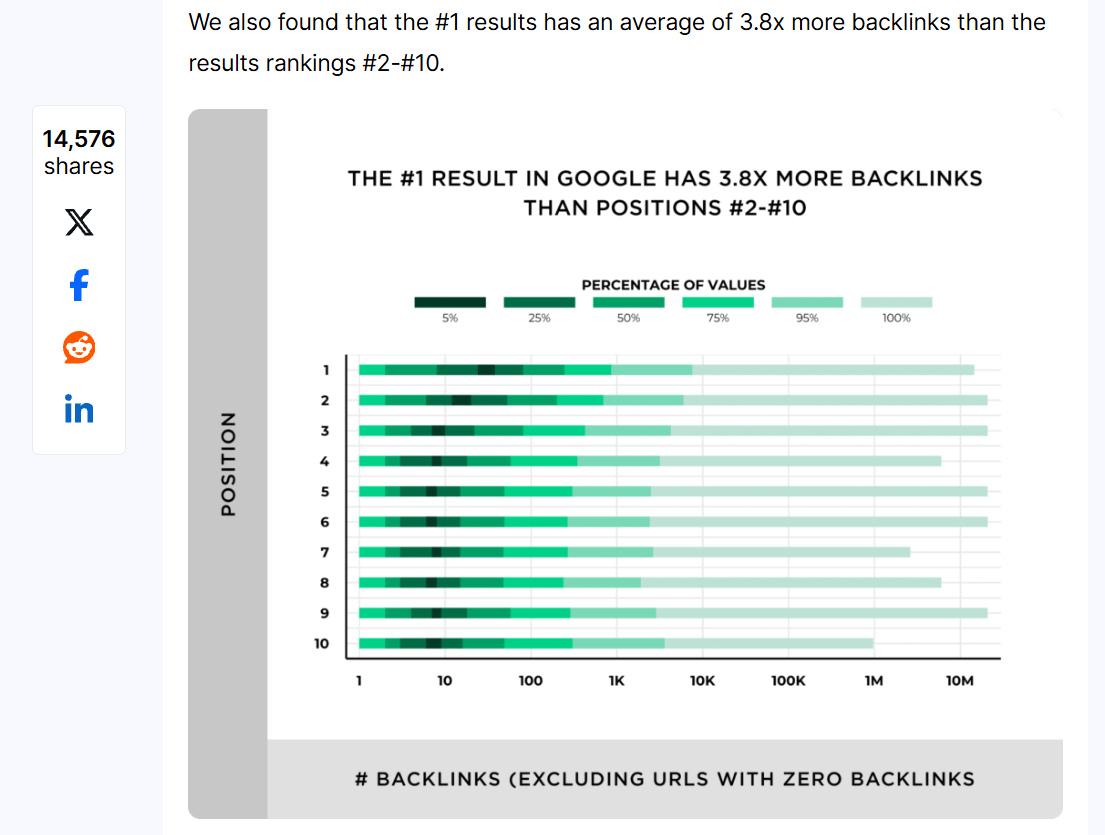
More good votes, more authority, higher rankings. It’s not a small factor either: pages in Google’s top 10 have on average 3.8 times more backlinks than the pages below them, according to Backlinko.
For a hotel, the votes are sitting right in your own backyard. Get listed in the quality NZ tourism directories.
Partner with the local operators you already work with — the SEO for tour operators crowd, the activity companies, the wineries — and swap genuine mentions and links. Sponsor a local event and get a link from the write-up.
The rule that keeps you safe: one link from a respected NZ tourism site is worth more than fifty from some dodgy directory farm. Chase relevance, not volume, every single time.
Step 7: Get Cited by AI Search (GEO)
More travellers now ask ChatGPT and Google’s AI “where should I stay in Queenstown?” — and being the answer it quotes is the newest slice of hotel SEO.
This isn’t fringe anymore: the share of people using AI tools for local recommendations jumped from 6% to 45% in a single year, per BrightLocal.

The how is refreshingly simple: structure your content so an AI can lift it cleanly.
Answer real questions directly, use clear headings, and add that schema from Step 4 — it shows up: 61% of ChatGPT-cited pages use schema markup, against just 25% of standard Google results.

The opportunity here is wide open, because every hotel SEO guide ranking today is written offshore.
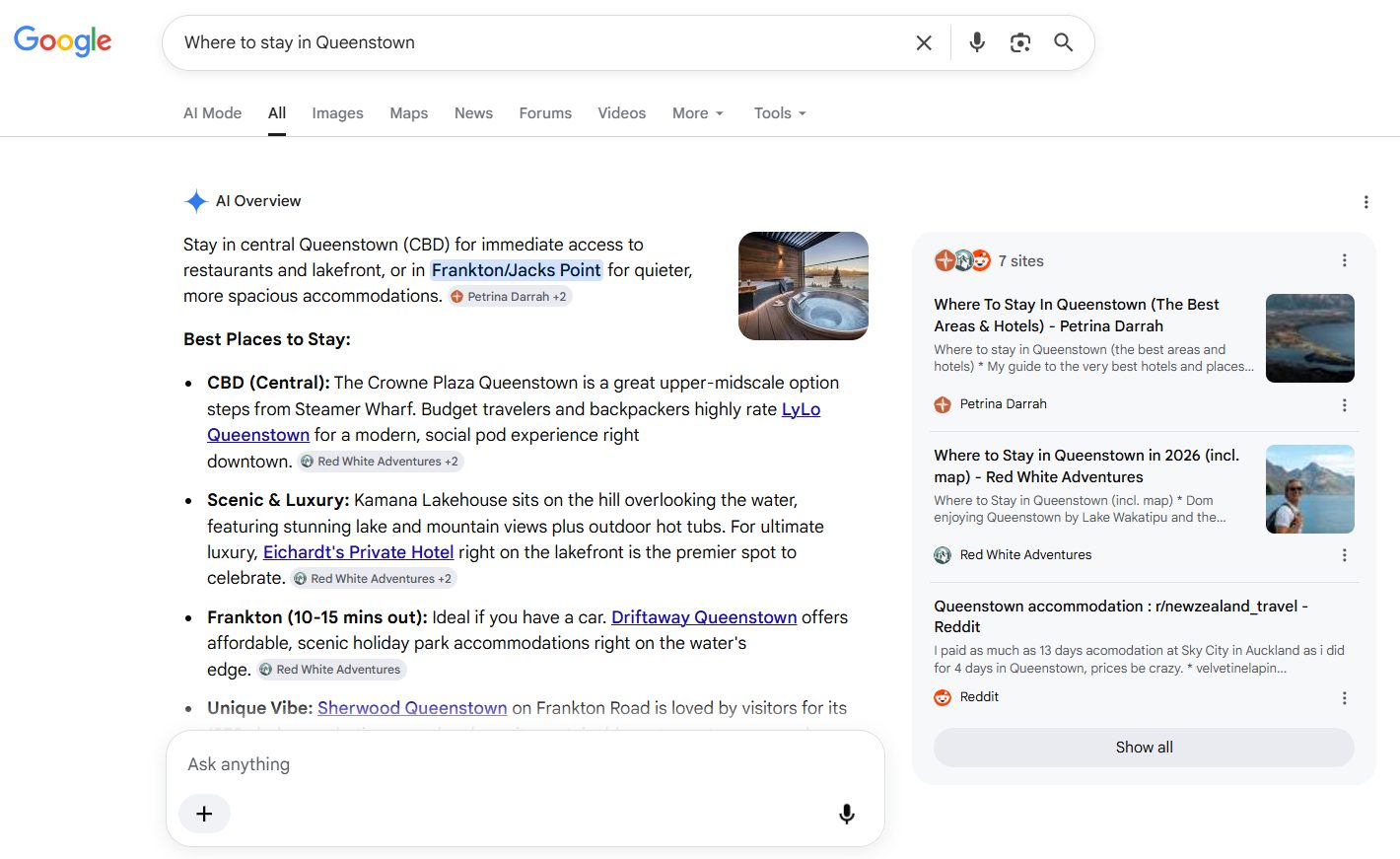
Ask Google “where to stay in Queenstown” and its AI Overview answers by citing a handful of travel blogs and a Reddit thread — the “New Zealand” slot in these AI answers is barely contested.
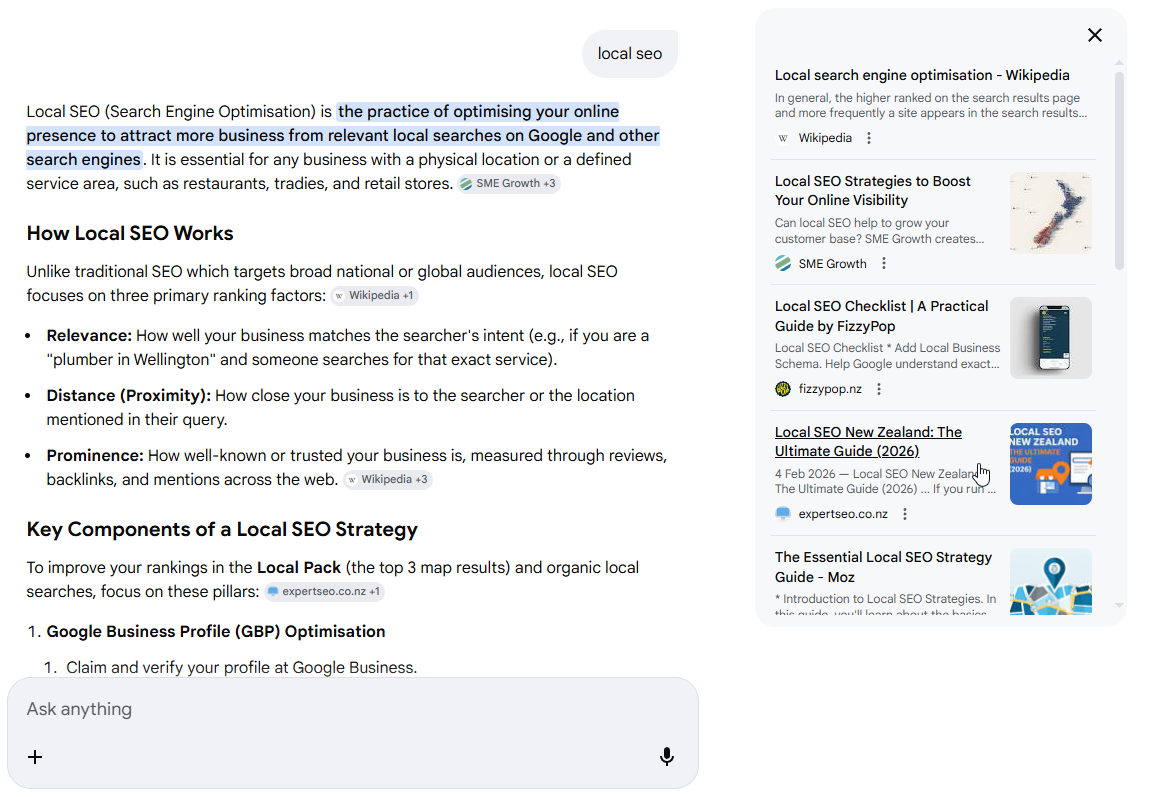
We know this works because we’ve done it on our own site — our local SEO guide is already getting cited in Google’s AI Mode, on a domain under two years old.
Then measure what actually matters. Once it’s all running, don’t get hypnotised by traffic. Track direct bookings, direct revenue, and where they came from, using Google Analytics and Search Console.
A thousand extra visitors who never book is a vanity number; ten who book direct is a fortnight of commission you kept.
Hotel SEO Example: Who’s Ranking in Queenstown, and Why
Let’s stop theorising and reverse-engineer a real one. Here’s the Queenstown hotel pack as it sits today, and it tells you almost everything about how this works.
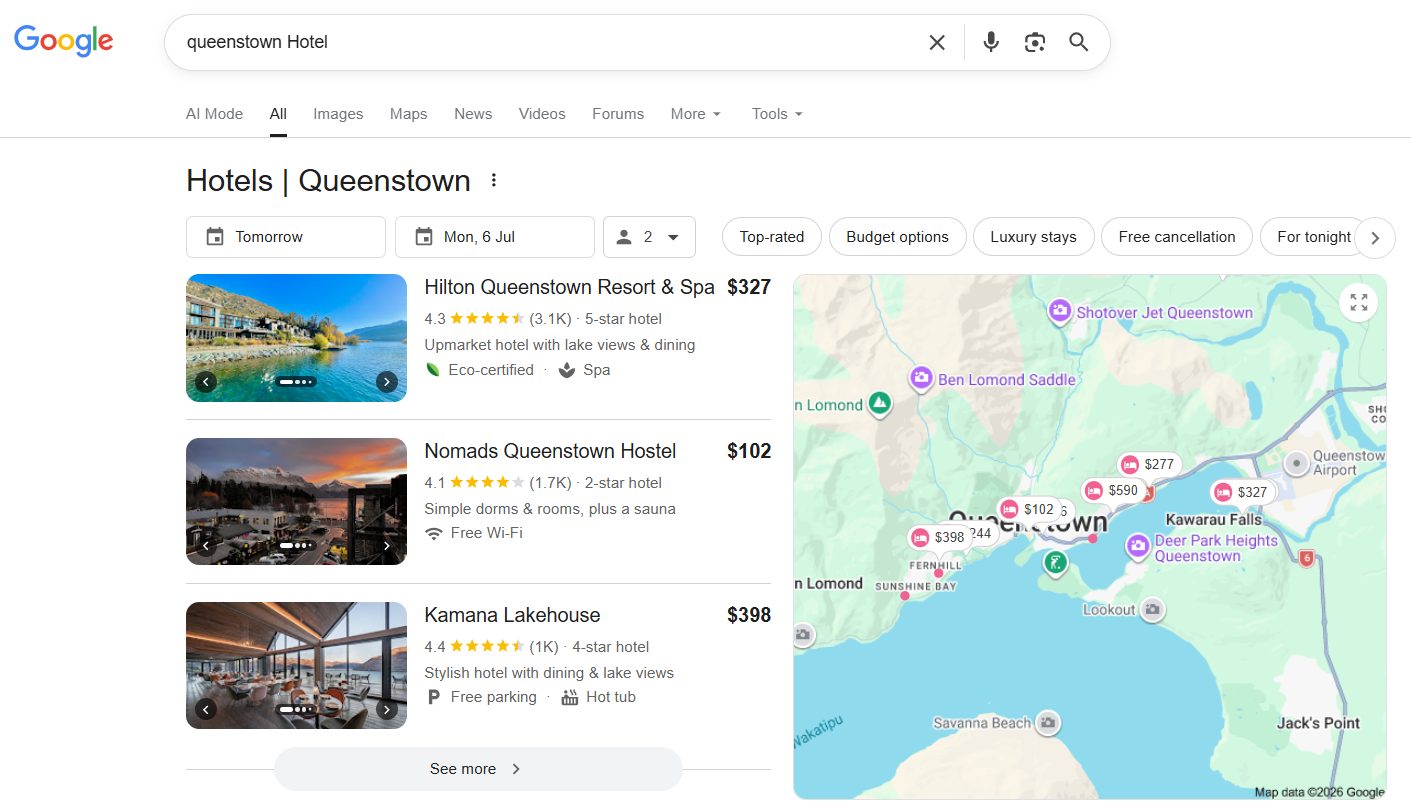
Look at the order, and look at the review counts next to it:
- #1 — Hilton Queenstown Resort & Spa: 4.3 stars, 3,100 reviews.
- #2 — Nomads Queenstown Hostel: 4.1 stars, 1,700 reviews.
- #3 — Kamana Lakehouse: 4.4 stars, 1,000 reviews.
The ranking marches almost perfectly down the review count. More reviews, higher spot. That’s not a coincidence — it’s the single loudest local signal doing exactly what it always does.
Now here’s the detail that kills the most common myth in the game. Kamana has a higher star rating than Hilton — 4.4 against 4.3 — and still sits third. It just has a third of the reviews. Volume beat a marginally prettier score.
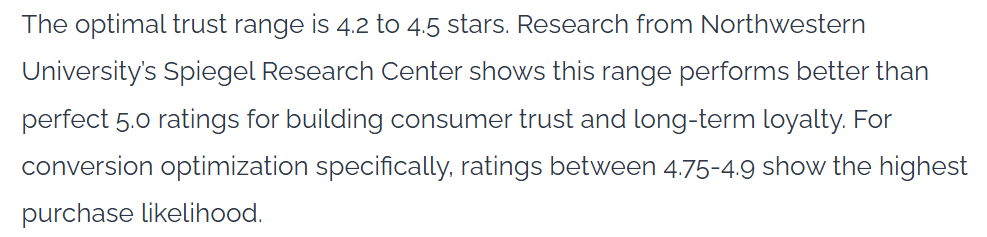
So the lesson writes itself: don’t obsess over nudging a 4.6 to a 4.7. In fact, the research says the sweet spot for trust is 4.2 to 4.5 — a perfect 5.0 actually reads as fake to shoppers.
Get the fundamentals right — correct category, consistent citations, a complete profile — then chase consistent review volume like it’s the only KPI that matters. For a hotel in the pack, it very nearly is.
That’s the exact game we play doing SEO in Queenstown: fundamentals first, then reviews, relentlessly.
To be fair, reviews aren’t the only factor. Proximity to where the person’s searching, relevance, and your live price and availability all feed in. But with the fundamentals sorted, this SERP shows reviews doing the heavy lifting — and reviews are the one lever fully in your hands.
Why This Process Works: We’ve Won in Tougher Markets Than Hotels
None of this is theory. It’s the same process we’ve used to dominate markets that make NZ hotel search look like a gentle warm-up.
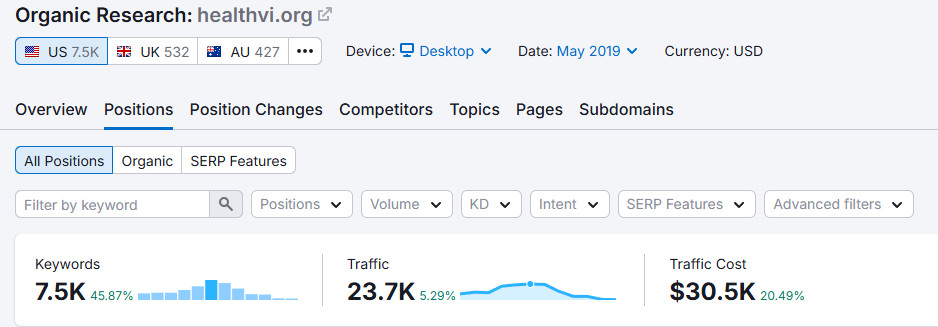
We took a health site, HealthVI, from zero to over 20,000 organic visitors a month.
We grew StoppingScams past 5,000 visitors a day.

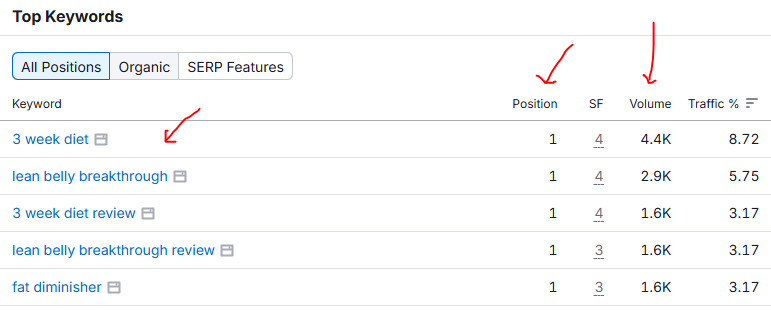
We ranked #1 for keywords pulling thousands of searches a month in the US weight-loss market — which, if you’ve never had the pleasure, is one of the most cut-throat niches on the entire internet.
And Expert SEO itself: ranked #1 in New Zealand for “local SEO,” above Ahrefs and Semrush, on a domain that isn’t yet two years old.

I’m not just flexing here (okay — a little). The real point: every one of those was a harder fight than ranking a Queenstown lodge. Bring the same process to an NZ hotel and, honestly, it’s a heavyweight stepping into a lightweight bout.
Doing Hotel SEO Yourself vs Hiring an Expert
Everything above is doable in-house. The whole process is here — the question is just whether you’ve got the time to run it.
Do it yourself when you’ve got a smaller property, some hours spare, and the patience to learn the Google Business Profile and on-page basics. Start with reviews and your profile; that alone moves the needle faster than anything.
Get help when the numbers get serious. If you’re handing five or six figures a year to the OTAs, if you want it done right the first time, or if SEO keeps sliding to the bottom of a to-do list that never ends — that’s when done-for-you SEO pays for itself many times over. Prefer to keep your hands on the wheel and just want the strategy?
An SEO consultant points you and does the thinking while your team does the doing. And if you want it built specifically around a property, that’s the whole idea behind our SEO for hotels work.
Either way, the commission you’re currently posting to a booking platform is the budget. It’s already being spent — the only question is whether you’d rather spend it building something you own. That’s where we come in.
Hotel SEO: FAQ
What is hotel SEO?
Hotel SEO is the process of optimising your hotel's website so it ranks higher in Google and travellers book you directly, instead of through an OTA like Booking.com or Expedia. The goal isn't traffic for its own sake — it's more direct bookings and less commission paid to third parties.
Is hotel SEO worth it for a small hotel?
Usually yes, as long as you can take direct bookings and you're in a location people actually search. Even shifting a small share of bookings off the OTAs saves more in commission than SEO costs. If you can't take a direct booking on your own site yet, fix that first.
How long does hotel SEO take to work?
Expect around three months for early movement, six months for solid traction, and twelve before it's a reliable engine. Local SEO and reviews often move faster than the rest.
What's the difference between hotel SEO and normal SEO?
Hotel SEO plays on a results page that OTAs and Google's hotel module dominate, so the winnable searches are your brand terms, long-tail queries and destination content — not broad terms like "hotels Queenstown". The local map pack and reviews carry more weight than they do for most businesses.
Can you outrank Booking.com?
Not for broad head terms like "hotels in Queenstown" — OTAs and metasearch own those. You beat them on your own brand searches, long-tail intent queries, the local map pack, and destination content the platforms don't write.
What are the best SEO tools for hotels?
Google Business Profile and Google Search Console (both free) do most of the heavy lifting, alongside Google Keyword Planner for research, a rank tracker, and an on-page plugin like Rank Math. A complete profile and steady reviews matter more than any paid tool.
Do hotels need local SEO?
Yes. Local SEO is where most hotels win, because the map pack sits above nearly everything and is driven by reviews and a complete Google Business Profile — both of which you fully control.
Recommended Reading

Best SEO Tools for NZ Businesses
The free and paid tools worth your time for research, tracking and audits.