
21 SEO Techniques That Actually Work In New Zealand (2026)

Search “SEO techniques” and you’ll find listicles written by software companies promoting their own tools, recycled advice from 2018, and zero context for how any of it applies to a New Zealand business.
Nobody shows you how to actually implement these techniques step by step, and almost nobody backs them up with real results.
This guide cuts through that.
Every technique here has been tested on real websites — including our own. We grew Expert SEO to rank for competitive NZ keywords within months of launching:

Built HealthVI from zero to over 20,000 monthly visitors:

And built Stopping Scams to levels of 5,000+ visitors per day:

You’ll get clear instructions, NZ-specific examples, and a framework for knowing which techniques to prioritise first based on where your business is right now.
The techniques are grouped by type — technical, on-page, content, off-page, local, and AI — so you can jump straight to what’s most relevant.
What Are SEO Techniques?
SEO techniques are the specific actions you take to help your website rank higher in Google and attract more of the right traffic.
They’re the practical “how” behind any expert SEO services.
These techniques fall into six main categories, and each one plays a different role in how your site performs:
| Category | What It Covers | Example |
|---|---|---|
| Technical SEO | Site speed, mobile experience, indexing, crawlability | Fixing broken pages so Google can find them |
| On-Page SEO | Keywords, title tags, headings, meta descriptions | Placing your target keyword in the right spots |
| Content SEO | Search intent, content quality, topical authority | Creating a guide that’s better than what’s currently ranking |
| Off-Page SEO | Link building, brand mentions, partnerships | Getting a relevant NZ website to link to your content |
| Local SEO | Google Business Profile, reviews, location pages | Showing up in Google Maps for “plumber Hamilton” |
| AI SEO | Structuring content for AI extraction and citation | Getting your content cited in ChatGPT or AI Overviews |
You don’t need to master all six at once. But understanding what each one covers helps you see where your biggest gaps are and where to focus first.
Technical SEO Techniques (Fix Your Foundation First)
Technical SEO is about making sure your website actually works properly behind the scenes. If Google can’t crawl your site, can’t index your pages, or your site loads slowly, nothing else you do will matter much.
Think of it like building a house. You don’t start hanging pictures before the foundation is poured. Technical SEO is that foundation.
1. Make Sure Your Site Loads Fast
Site speed affects both your rankings and your conversion rate. If your pages take more than a few seconds to load, visitors leave and Google notices.
Around 53% of all website traffic comes from organic search.
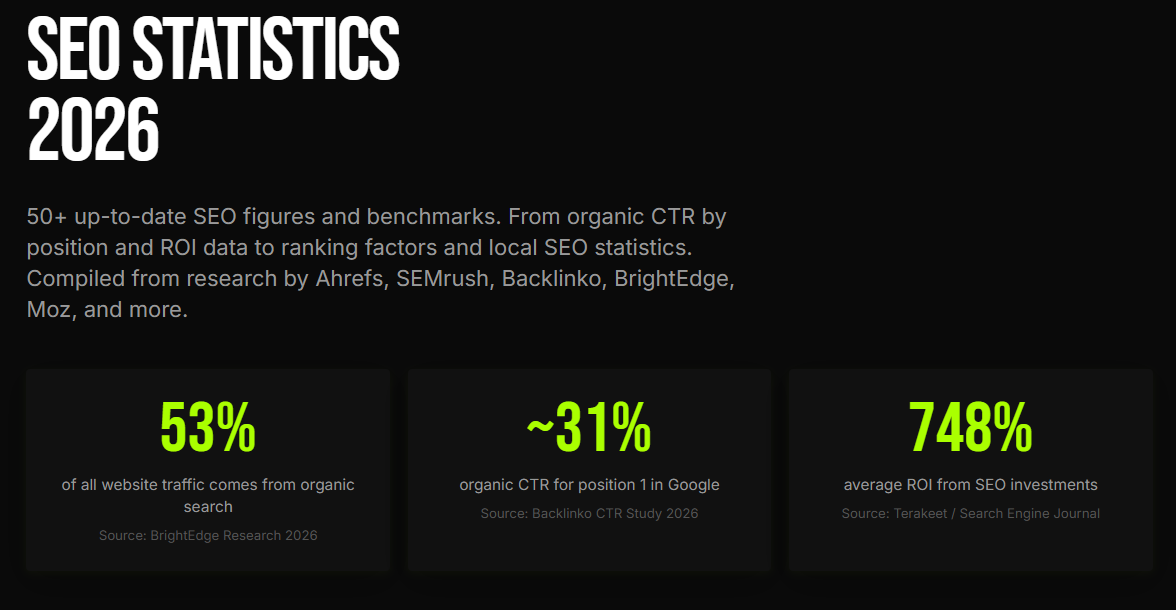
But that traffic is worthless if people bounce because your site is slow.
Here’s how to check and fix your speed:
How to test: Go to Google PageSpeed Insights and enter your URL. Test both mobile and desktop.
What to fix first:
Compress your images. This is the single biggest speed killer on most websites. Large, uncompressed images can add seconds to your load time. Use a tool like TinyPNG or ShortPixel before uploading.
Enable caching. If you’re on WordPress, install WP Rocket. It handles caching, minification, and lazy loading with minimal setup.
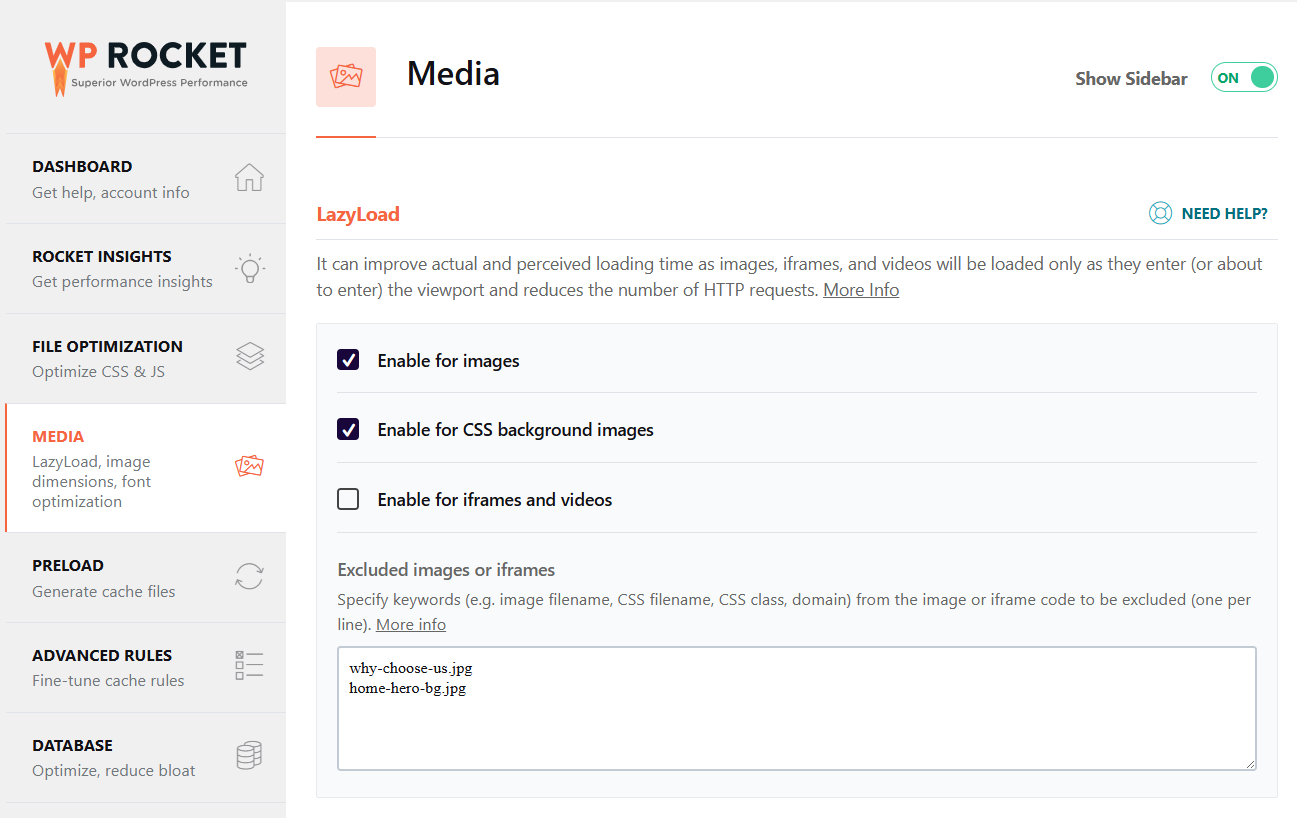
Remove unnecessary plugins and scripts. Every plugin adds weight to your site. If you’re not actively using it, delete it.
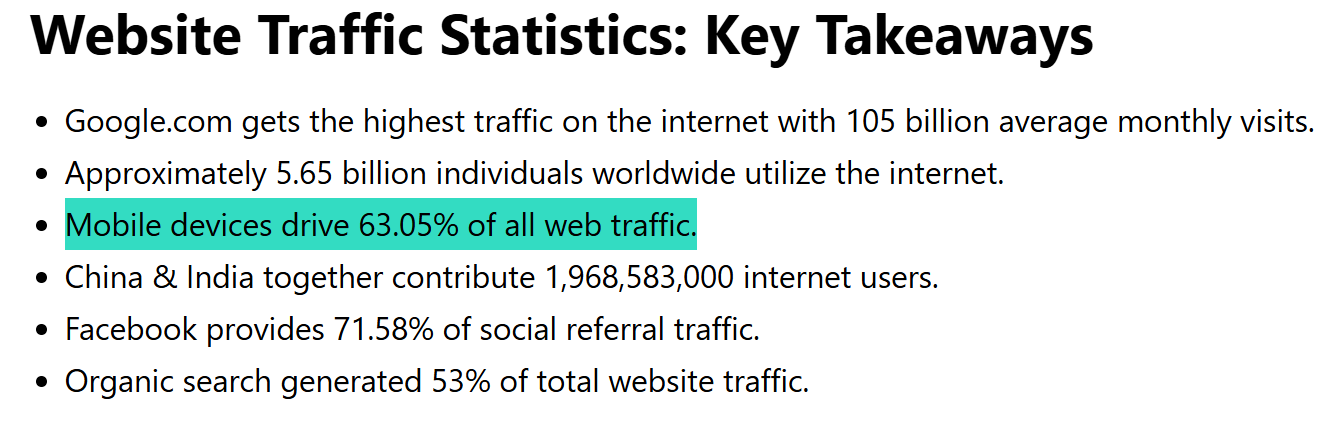
You don’t need a perfect PageSpeed score. Aim for fast enough that pages load quickly on mobile — because that’s where most of your visitors are. Over 63% of all website visits now come from smartphones.
When we built HealthVI, one of the first things we addressed was page speed. Compressing images and cleaning up unnecessary scripts cut load times significantly, which laid the groundwork for the traffic growth that followed.
2. Fix Your Mobile Experience
Google uses mobile-first indexing. That means it ranks your site based on the mobile version, not the desktop version. If your site is hard to use on a phone, your rankings will suffer — even if the desktop version looks great.
New Zealand is a mobile-first country. With 6.57 million mobile connections — that’s 127% of the population — most Kiwis are browsing, searching, and buying from their phones.

How to check: Pull up your website on your phone right now. Click through your main pages. Is the text readable? Are buttons easy to tap? Does the layout break anywhere?
You can also use Google’s Mobile-Friendly Test for a technical assessment.
Common issues to fix:
Text that’s too small to read without zooming. Increase your base font size.
Buttons that are too close together. Add spacing so people can actually tap the right one.
Layout elements that overflow or break on smaller screens. Fix these in your theme or page builder.
If your site feels frustrating on mobile, it will struggle to rank. And more importantly, it will lose you customers.
3. Make Sure Google Can Index Your Pages
This sounds obvious, but a surprising number of websites have pages that Google can’t see. If a page isn’t indexed, it doesn’t exist in Google’s eyes — and it definitely can’t rank.
How to check: Open Google Search Console, go to Pages (or the Indexing section), and look at which pages are indexed and which aren’t.
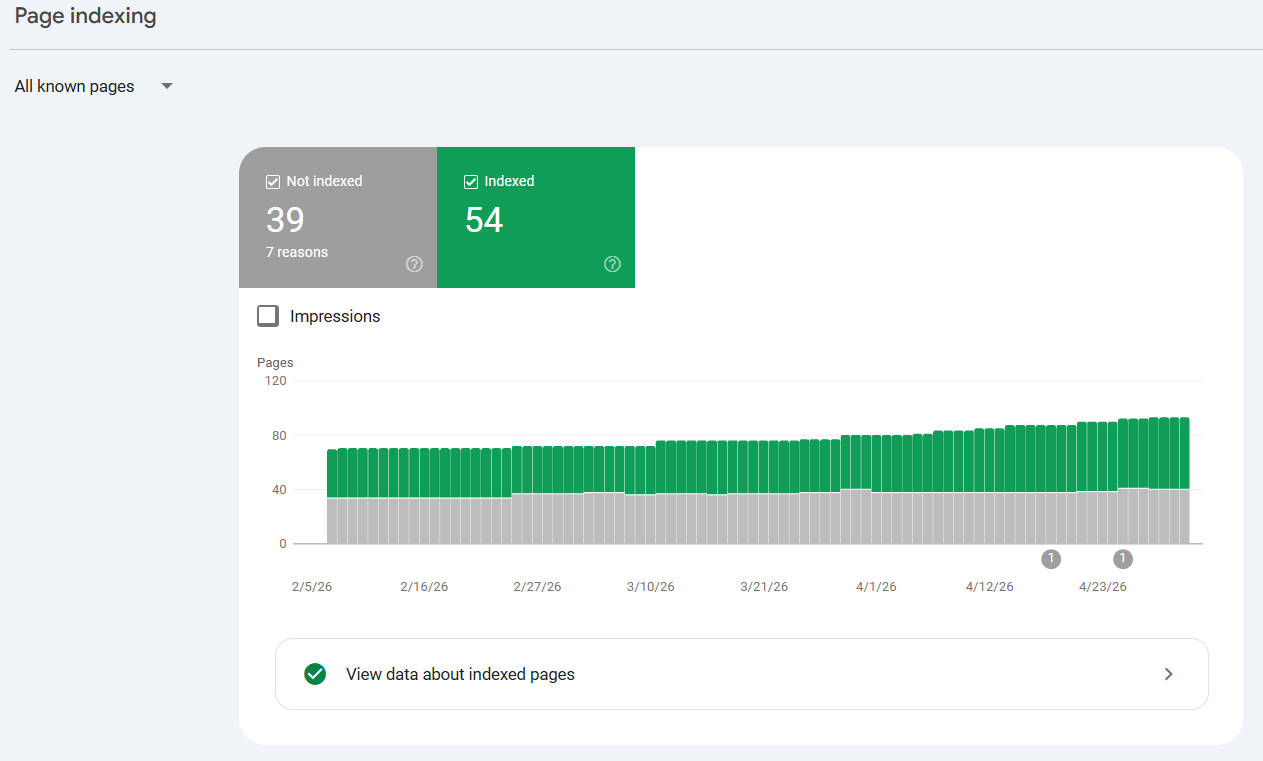
Common issues:
Pages accidentally set to “noindex” — this tells Google to ignore the page entirely. It happens more often than you’d think, especially after site migrations or theme changes.
Important pages blocked by robots.txt — your robots file might be telling Google not to crawl certain sections of your site.
Pages not included in your sitemap — if Google doesn’t know a page exists, it’s less likely to find and index it.
How to fix: Remove any noindex tags on pages you want to rank. Check your robots.txt file to make sure important pages aren’t blocked. Submit your sitemap in Google Search Console so Google knows where to look.
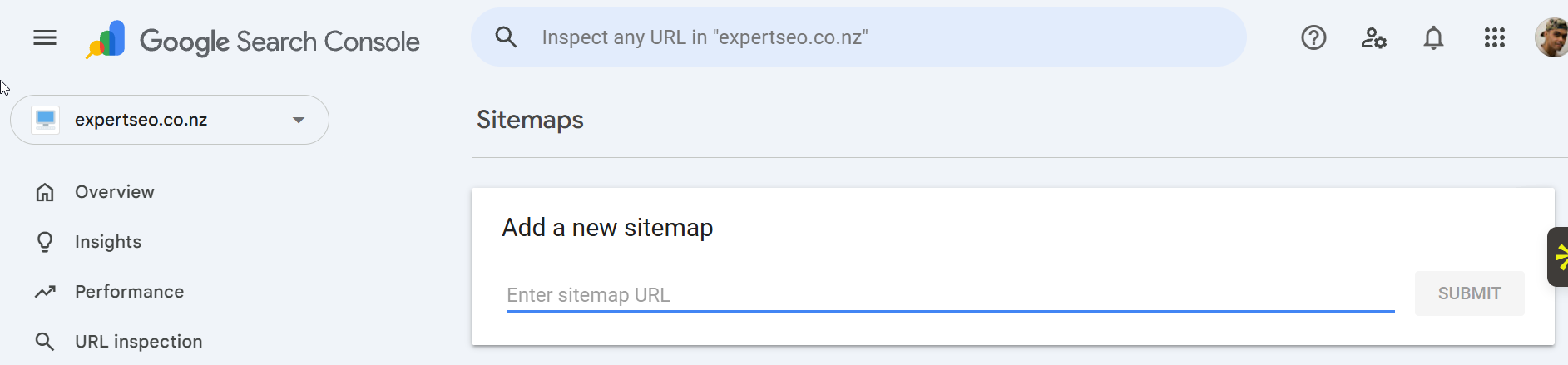
If a page isn’t indexed, it can’t rank. That’s the simplest SEO principle there is.
4. Run a Technical Site Audit
A site audit surfaces all the hidden problems you’d never find by just looking at your website. Broken links, duplicate content, missing tags, crawl errors — these things quietly hold your rankings back.
How to do it:
Go to SEMrush, create a project for your site, and run a Site Audit. It will crawl your site and flag every issue it finds, sorted by severity.
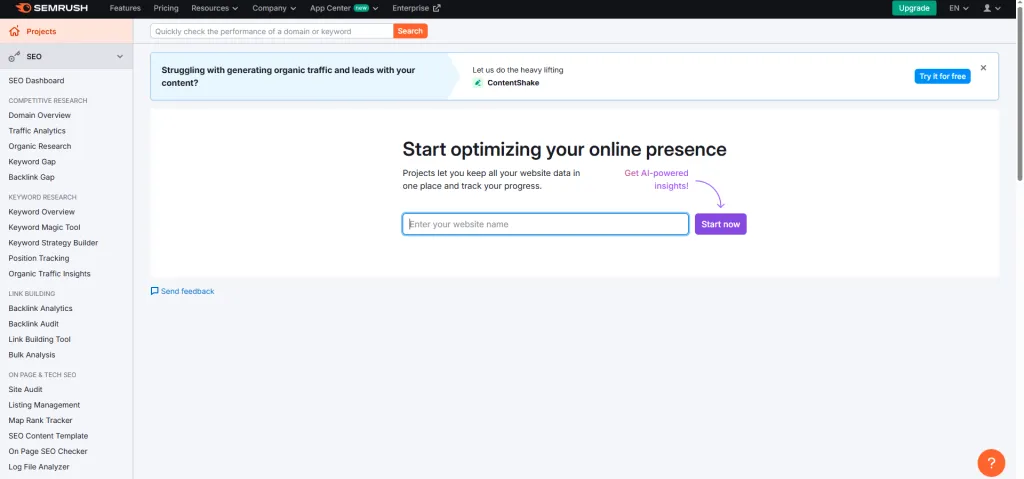
For a more detailed look, use Screaming Frog. Enter your domain and let it crawl. It will show you every page, including status codes, titles, headings, and duplicate content.
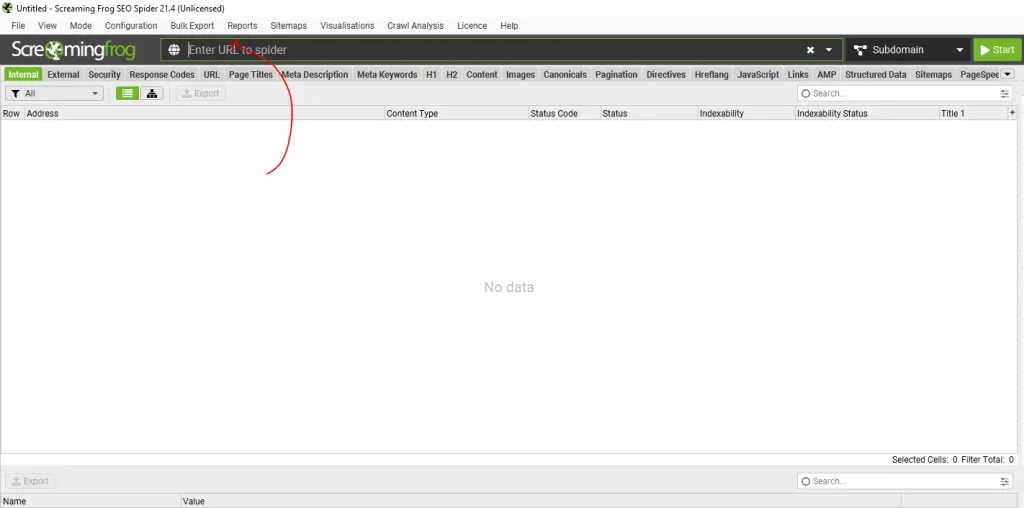
What to focus on first: Don’t try to fix everything at once. Start with the biggest errors — broken links (404s), pages returning server errors (500s), and duplicate content issues. These are the ones most likely to be hurting your rankings right now.
What to do with the results:
Fix pages that should exist but are broken. Redirect old URLs that are no longer needed to the most relevant live page. Clean up duplicate title tags and meta descriptions.
Think of a site audit as a health check. You’re not doing surgery — you’re identifying what needs attention so you can fix it systematically.
On-Page SEO Techniques
On-page SEO is how you tell Google exactly what each page on your site is about. Even if you’ve written great content, Google still needs clear signals to understand the topic, match it to search queries, and decide when to show it.
Without on-page SEO, your content is floating around with no direction.
5. Put Your Primary Keyword in the Right Places
The foundation of on-page SEO is making sure Google can immediately understand what your page is about. That starts with putting your primary keyword in four key places:
- Title tag — this is what appears in Google’s search results. It’s Google’s strongest on-page signal.
- H1 heading — this is the main heading on the page itself. It confirms the topic.
- URL — a clean URL with the keyword helps both Google and users understand what the page is about.
- Opening paragraph — mention your keyword naturally within the first 100 words.
If your keyword is “dental implants Auckland,” your page might look like this:
Title tag: Dental Implants Auckland | Affordable Implant Dentist
H1: Dental Implants in Auckland
URL: /dental-implants-auckland/
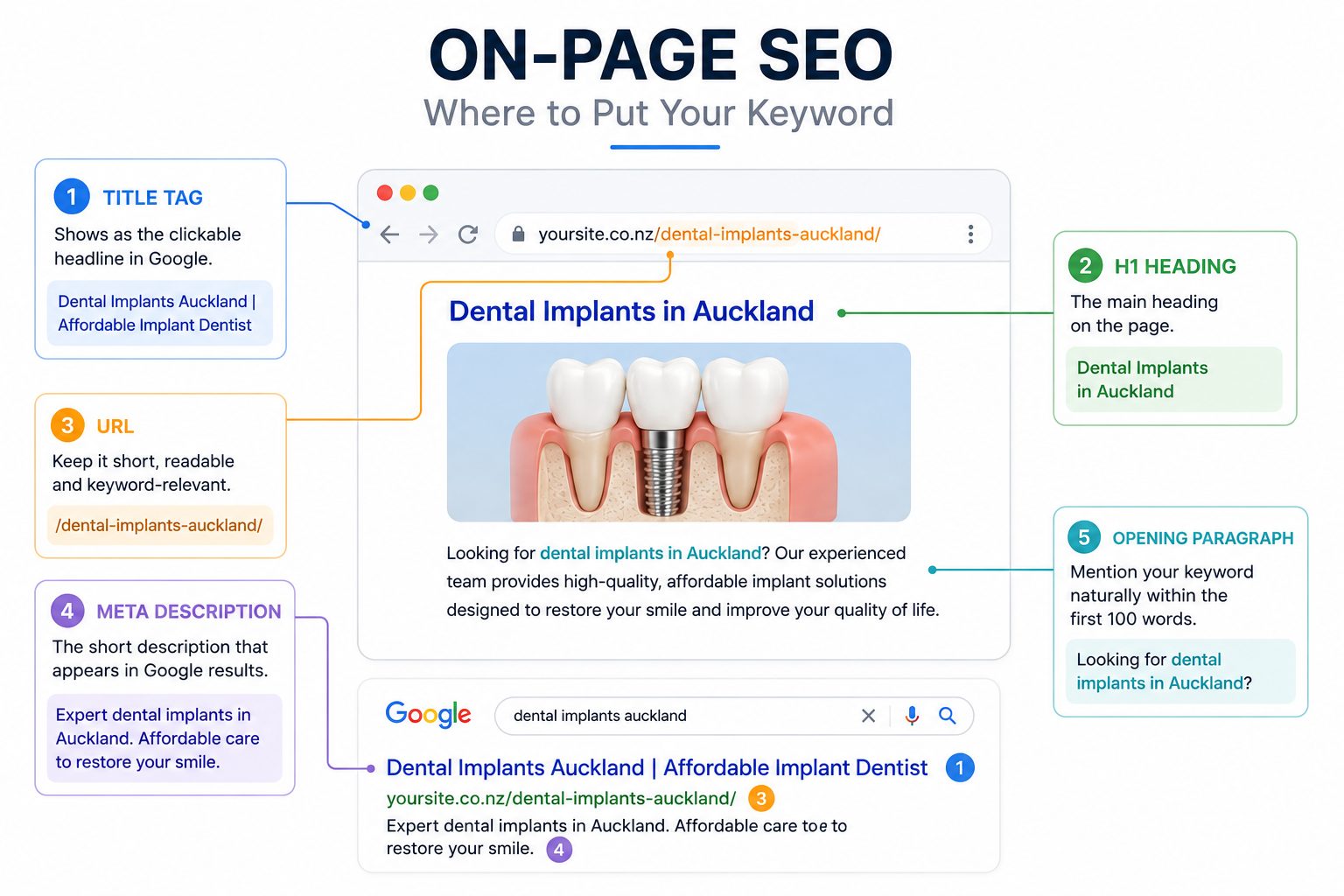
Opening paragraph: “Looking for dental implants in Auckland? Here’s everything you need to know about the process, costs, and what to expect.”
You also want to include your keyword in image alt text where it makes sense. Instead of uploading an image called IMG4729.jpg, rename it to dental-implants-auckland.jpg and write alt text that describes what the image shows.
Just keep it natural. Don’t jam the keyword into every sentence. Use it where it makes sense and keep the wording clear for humans. If it sounds robotic, you’ve gone too far.
6. Write Meta Titles and Descriptions That Get Clicks
Your meta title and description are what people see in Google before they decide whether to click. This isn’t just about rankings — it’s about earning the click.
A good meta title includes the primary keyword and gives someone a reason to visit the page. A good meta description explains what they’ll get and makes the page sound worth their time.
For example, if you’re a plumber in Wellington:
- Title tag: Wellington Plumber | Fast, Reliable Plumbing Services
- Meta description: Need a plumber in Wellington? We handle everything from leaks to full installations. Locally owned, 5-star reviews, same-day service available.
The title includes the keyword and a benefit. The description tells the reader exactly what they’ll get and adds trust signals (locally owned, reviews, same-day service).
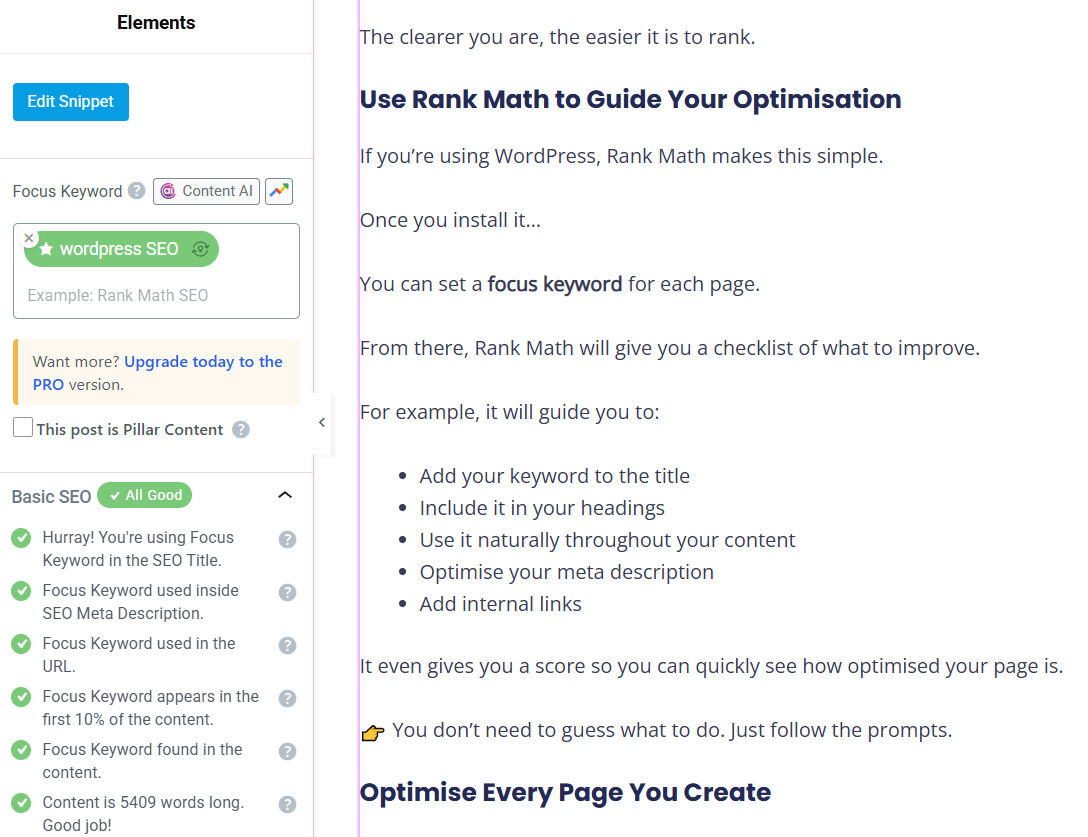
If you’re on WordPress, Rank Math makes this easy. Just edit the page, scroll to the SEO settings, and update both fields.
7. Use Headings to Structure Your Content
Headings help both Google and the reader understand the layout of your page. They create a clear hierarchy that makes content easier to scan and easier to rank.
The structure is simple:
- One H1 for the main topic — this should match your primary keyword.
- H2s for the major subtopics — each section of your page gets its own H2.
- H3s for sub-points within sections — use these to break down complex topics.
For a dental implants page, your H2s might be:
- What Are Dental Implants?
- How Much Do Dental Implants Cost in Auckland?
- Who Is a Good Candidate for Dental Implants?
This makes the page easy to scan and helps Google understand the different subtopics you’re covering. A messy page with no clear structure is harder to read and harder to rank.
8. Add Internal Links to Related Pages
Internal links are one of the most underused SEO techniques. They help Google understand how your pages connect, pass authority to your most important pages, and guide readers to the next thing they need.
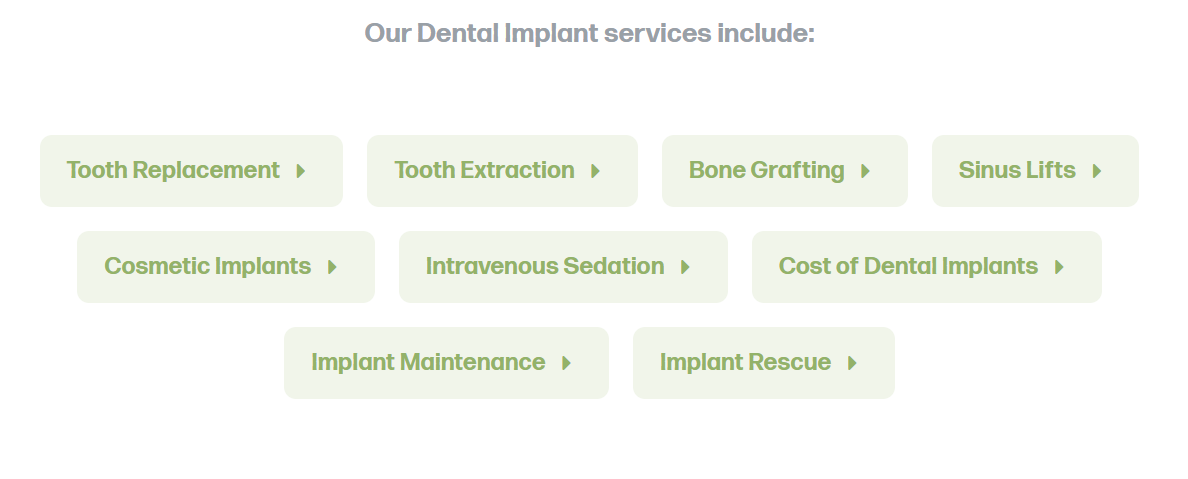
For example, if your dental implants page mentions pricing, you might link to a dedicated page about dental implant costs. If it references general dentistry, you could link to your main services page.
The key rules:
Add links naturally inside the content where they help the reader. Don’t stuff them in randomly.
Link on the relevant concept, not on filler phrases. “Keyword research guide” is good. “Click here to learn more” is not.
Never create a standalone sentence just to insert a link. If the sentence wouldn’t exist without the link, it shouldn’t exist at all.
Aim for 5–15 internal links per article, depending on length. Focus on relevance over quantity.
When we built out Expert SEO’s content, internal linking between related guides was one of the techniques that helped Google understand the site’s topical structure quickly — even as a brand new domain.
Content SEO Techniques (Create Pages That Deserve to Rank)
Content is what actually ranks. Technical SEO and on-page SEO get your site ready, but content is the vehicle that captures searches, builds trust, and turns visitors into customers.
Without strong content, there’s nothing for Google to rank. And without ranking, there’s no traffic.
9. Create Content That Matches Search Intent
Search intent is the reason behind a search. It tells you what the person is actually trying to achieve when they type a keyword into Google.
This matters because Google ranks pages that best match that intent. If your page doesn’t match it, you won’t rank — even if your on-page SEO is perfect.
In most cases, you’re deciding between two types:
- Commercial intent: the person wants a service or product. These searches should lead to service pages or product pages.
- Informational intent: the person wants to learn something. These searches should lead to blog posts or guides.
Here’s how it works with NZ examples:
| Keyword | Intent | What to Create |
|---|---|---|
| accountant Hamilton | Commercial | Service page |
| how to file a tax return NZ | Informational | Blog post / guide |
| best brunch spots Auckland CBD | Informational | List-style blog |
| book cafe Auckland CBD | Transactional | Booking / landing page |
How to check intent:
Just Google the keyword. If the top results are service pages, Google wants a service page.
If they’re blog posts and guides, Google wants informational content.
If you create a blog post for a keyword where Google is ranking service pages, you’re fighting the intent — and you’ll lose.
Match it first, then make your page better than what’s already there.
10. Make Your Content Better Than What’s Ranking
If you want to rank, your page has to be more useful than what’s already in the top results. Better doesn’t mean longer. It means clearer, more helpful, and more trustworthy.
How to do it:
Search your target keyword and look at the top 3–5 results.
Ask yourself:
- What are they doing well?
- What’s missing?
- What’s vague, outdated, or surface-level?
- How can I make this more useful for someone in New Zealand?
Then create something that fills those gaps.
You can make your content better by explaining things more simply, adding real examples (like NZ-specific scenarios), including proof (reviews, testimonials, results), and making it easier to read and navigate.
This is exactly what we did with HealthVI.
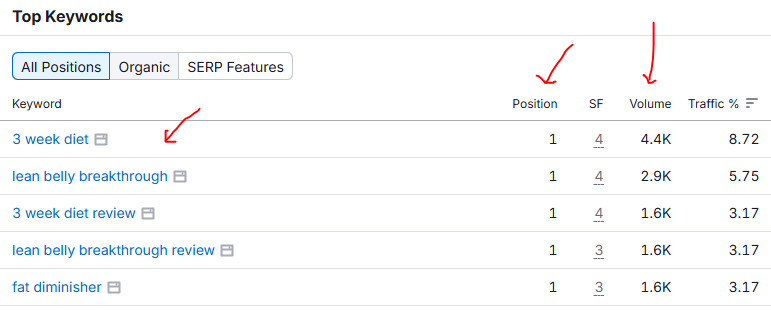
When we targeted keywords with over 4,400 monthly searches, we didn’t just write “good” content. We made it the most thorough, well-structured, and genuinely useful page on the topic.
The result was ranking for those competitive terms and driving thousands of new daily visitors:
If your page is clearly more useful than what’s currently ranking, you give yourself a real shot at competing.
11. Build Topical Authority (Don’t Just Publish One Page)
One page won’t build authority. Google rewards websites that cover a topic from multiple angles — a strong core page supported by related content, all linked together.
This is called topical authority. It signals to Google that your site is a credible, in-depth source on a subject — not just a one-off page hoping to rank.
For example, if you run a plumbing business in Auckland, you might have:
- A main “plumber Auckland” service page
- A blog on “how to fix a leaking tap”
- Another on “when to call a plumber vs DIY”
- A guide on “hot water cylinder replacement NZ”.
Link these together naturally. Each supporting piece strengthens the main page, and the main page gives context to the supporting content.

We took this approach with Expert SEO. Instead of publishing a single page and hoping it ranked, we built out content across SEO strategy, local SEO, link building, content writing, and more — all connected through internal links. That depth is what helped the site build authority quickly, even against competitors with a 10-year head start.
12. Refresh and Update Old Content
Some of your quickest SEO wins will come from improving content you already have. Pages ranking on page two or three are often one good update away from breaking through to page one.
How to find pages to update:
Open Google Search Console and look for pages that are getting impressions but very few clicks.
These are pages Google is considering for rankings but hasn’t committed to yet. Also look for pages sitting in positions 8–20 — they’re close to the first page and often just need a push.
How to update them:
Search the keyword and compare your page to what’s currently ranking.
Then improve:
- strengthen the title tag to be more compelling,
- add missing subtopics your competitors cover,
- include fresher examples and data,
- improve internal links to and from the page, and
- remove anything outdated.
After making changes, go back to Google Search Console and request a re-index of the page.
You’re not always starting from scratch. Sometimes a decent page just needs a proper tune-up to start performing.
Off-Page SEO Techniques (Build Authority Through Links)
Off-page SEO is everything that happens outside your website to improve your rankings. The biggest factor here is backlinks — links from other websites pointing to yours.
Think of backlinks as votes of trust. When reputable websites link to you, Google sees your site as more credible and worth ranking higher.
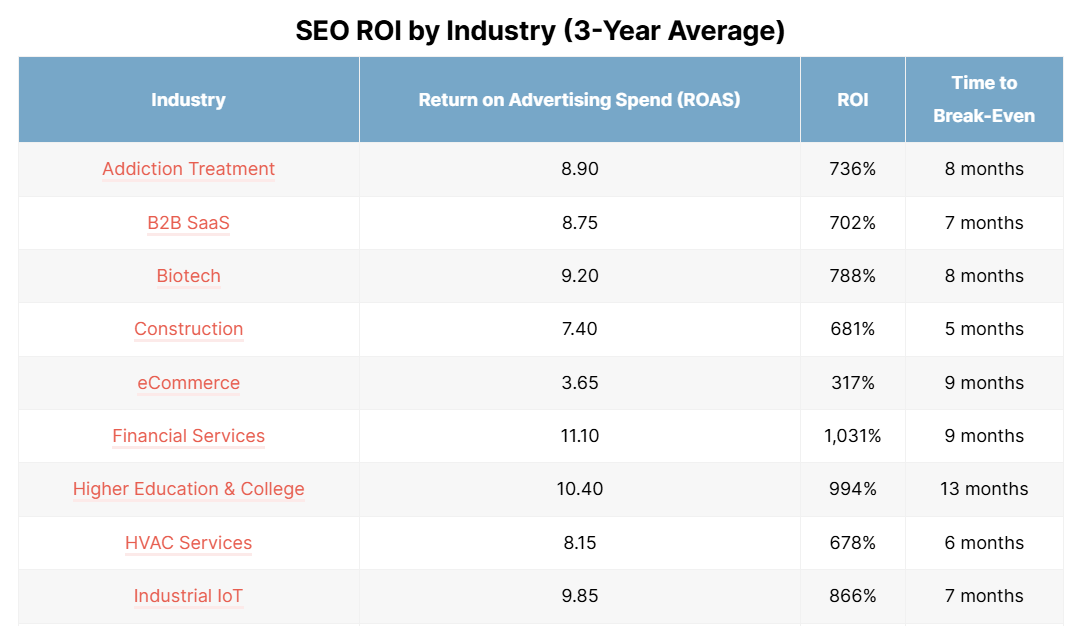
It’s one of the reasons SEO delivers an average ROI of 748% — the authority you build through links compounds over time, making it easier for all your pages to rank.
13. Get Listed on Relevant NZ Directories
The easiest way to start building links is by getting listed on legitimate New Zealand directories. It won’t skyrocket your rankings on its own, but it builds a solid base of authority and local trust signals.
Where to start:
Yellow NZ, Finda, and Neighbourly are good starting points for most NZ businesses. From there, look for industry-specific directories relevant to your niche — law firm directories, trade directories, tourism listings, and so on.
One detail that matters: Keep your NAP (name, address, phone number) consistent across every listing. Inconsistent details confuse Google and weaken your local signals.
Don’t waste time on spammy directories that accept anyone. Focus on legit ones that are relevant to your industry or location.
14. Build Links Through Content and Outreach
The strongest links come from creating content worth linking to, then actively promoting it to the right people.
There are two approaches, and you want to be doing both.
Passive link building — create useful, high-quality content (guides, data, resources) and let links come naturally over time. The better your content, the more people reference and link to it.
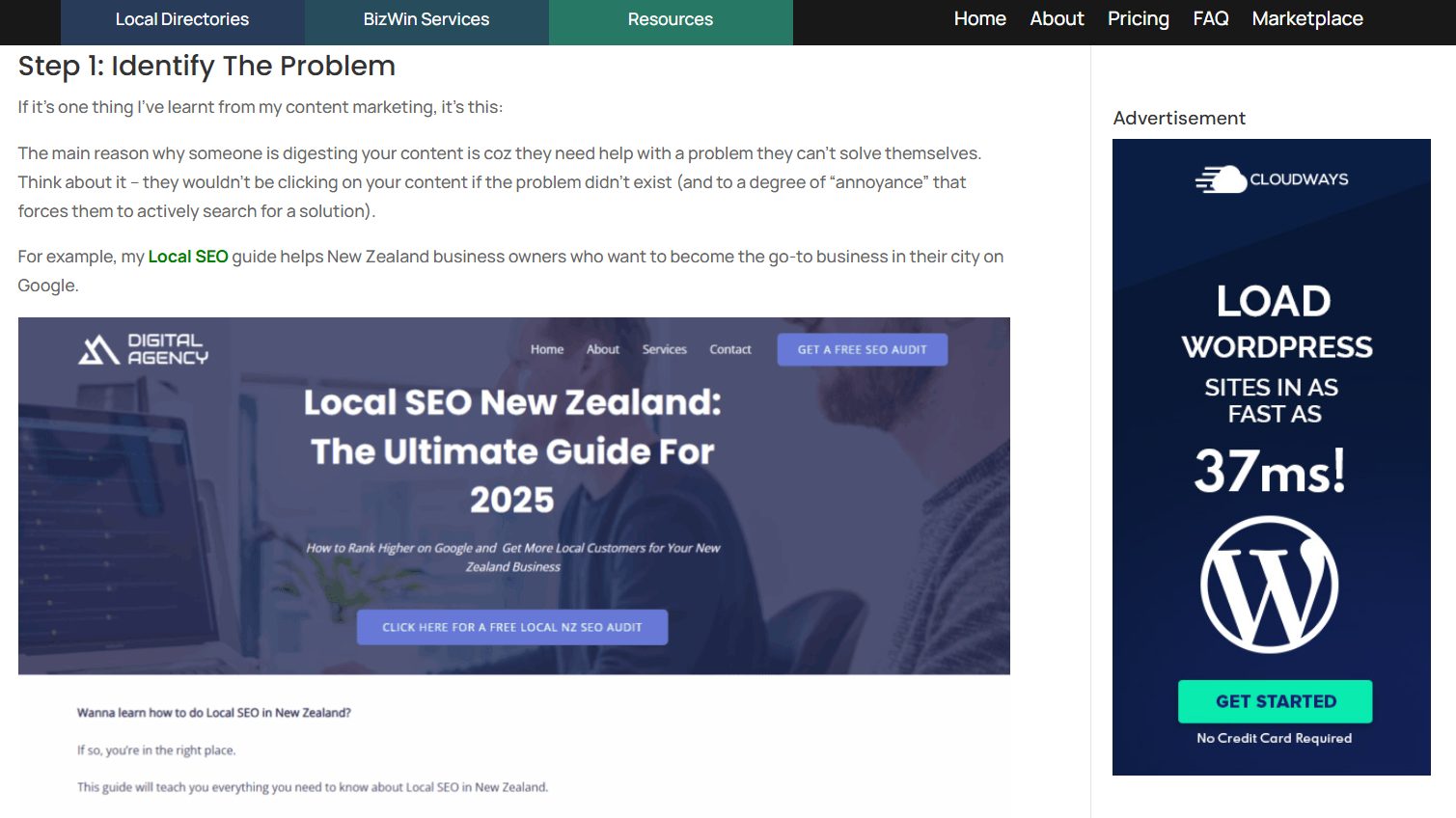
Active link building — take matters into your own hands through outreach. This includes guest posting on relevant websites, reaching out to sites in your niche, and building relationships with other businesses.
When we built Expert SEO, we focused heavily on guest posting within New Zealand.
We identified relevant sites, reached out to the owners, and published useful content that naturally included a link back. This was a major driver of early authority growth.
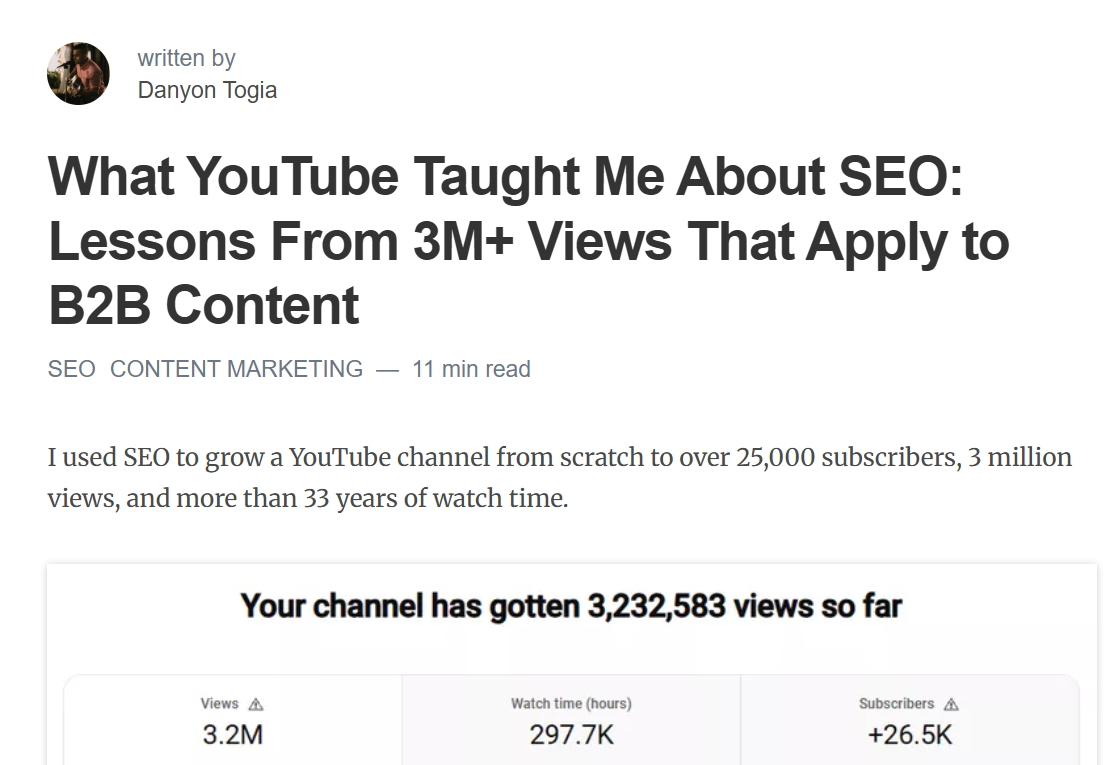
We used the same approach with StoryChief who gets over 61,000 organic visitors per month — all through content and SEO strategy.
The rule of thumb: one strong, relevant link is worth more than ten random ones. Focus on quality over quantity, especially in a smaller market like New Zealand.
15. Build Local Partnerships for Links
In New Zealand’s smaller market, local partnerships are one of the most natural and effective ways to build quality links.
This doesn’t have to be complicated. Partner with other local businesses, sponsor a junior sports team, collaborate on an event, or get featured on a supplier’s website.
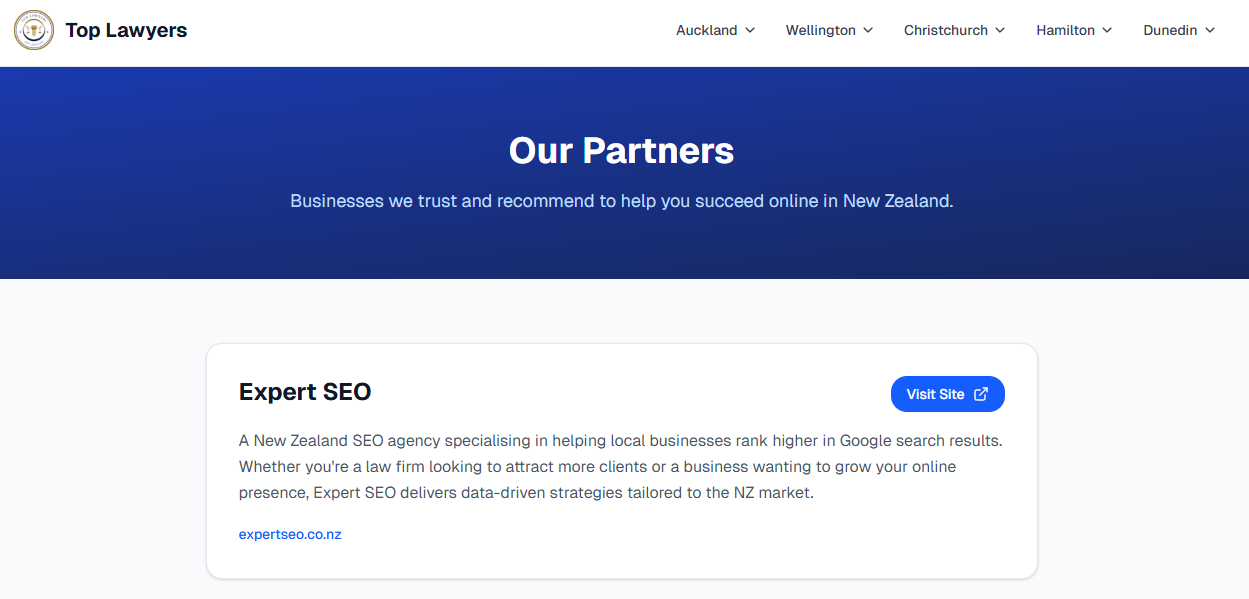
In most cases, these real-world relationships naturally lead to a mention and a link.
For example, if you’re a café in Auckland CBD and you sponsor a local market, the market’s website will often list sponsors — that’s a link.
If you supply a local restaurant with your coffee beans, ask to be mentioned on their website — that’s another link.
These aren’t manufactured. They’re genuine business relationships that also happen to help your SEO. And in New Zealand, where relationships and reputation travel fast, they carry more weight than generic link building tactics.
Local SEO Techniques (Rank in Your Area)
Local SEO helps you show up when people search for businesses in a specific area. If you serve a local market in New Zealand, this is one of the highest-impact areas of SEO you can focus on.
When someone searches “plumber Hamilton” or “dentist near me,” local SEO determines whether your business appears in the map pack, the local results, and Google Maps.

If you’re not showing up, those customers are going to your competitors.
16. Optimise Your Google Business Profile
If you serve a local area, your Google Business Profile (GBP) is one of the most important SEO assets you have. It determines whether you show up in Google Maps and the local map pack — which is often the first thing people see in local search results.
How to set it up properly:
Search for Google Business Profile, create or claim your listing, and fill in your information accurately:
- Your exact business name.
- Your address (or service area if you don’t have a physical location).
- Phone number and website.
- Opening hours.
- Business category — choosing the right category matters because it helps Google understand what your business does.
Add photos of your business, list your services, and write a solid description.
Why this matters: A fully optimised GBP can be the difference between showing up in the map pack or being invisible for local searches. For most NZ local search engine optimisation, this is where the biggest wins come from.
17. Build a Consistent Review System
Reviews do two things at once. They help you rank higher in local search, and they help convert people once they find you.
The businesses that win at local SEO aren’t doing anything fancy with reviews. They just ask consistently.
How to build a system:
After a job is complete and the customer is happy, send them a direct Google review link via text or email. Keep the ask simple — one message, one link, one clear request.
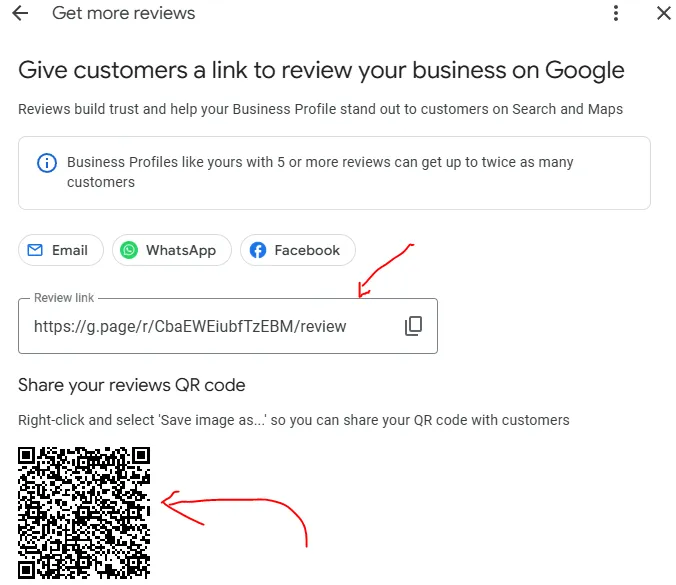
If they don’t leave a review, follow up once. Don’t push beyond that.
What matters is a steady flow of real reviews over time, not a burst of ten reviews in one week followed by silence for six months.
Consistency signals legitimacy to both Google and potential customers.
At Expert SEO, this is one of the first things we set up. A systematic approach to reviews built trust quickly and strengthened our local search presence across New Zealand.
18. Create Location-Focused Pages
If you serve multiple areas, you need location-specific pages — not just one generic service page hoping to rank everywhere.
If you’re a plumber in Auckland but most of your work comes from West Auckland and the North Shore, those are the areas you should build content around:
| Keyword | Page Type |
|---|---|
| plumber Auckland | Main service page |
| emergency plumber West Auckland | Location page |
| hot water cylinder repair North Shore | Location page |
Keep these pages genuinely useful.
Don’t just copy the same content and swap suburb names — Google catches that and it won’t rank.
Each page should explain the service, mention the location naturally, and make it clear why someone in that area should choose you.
AI SEO Techniques (Show Up in ChatGPT and AI Overviews)
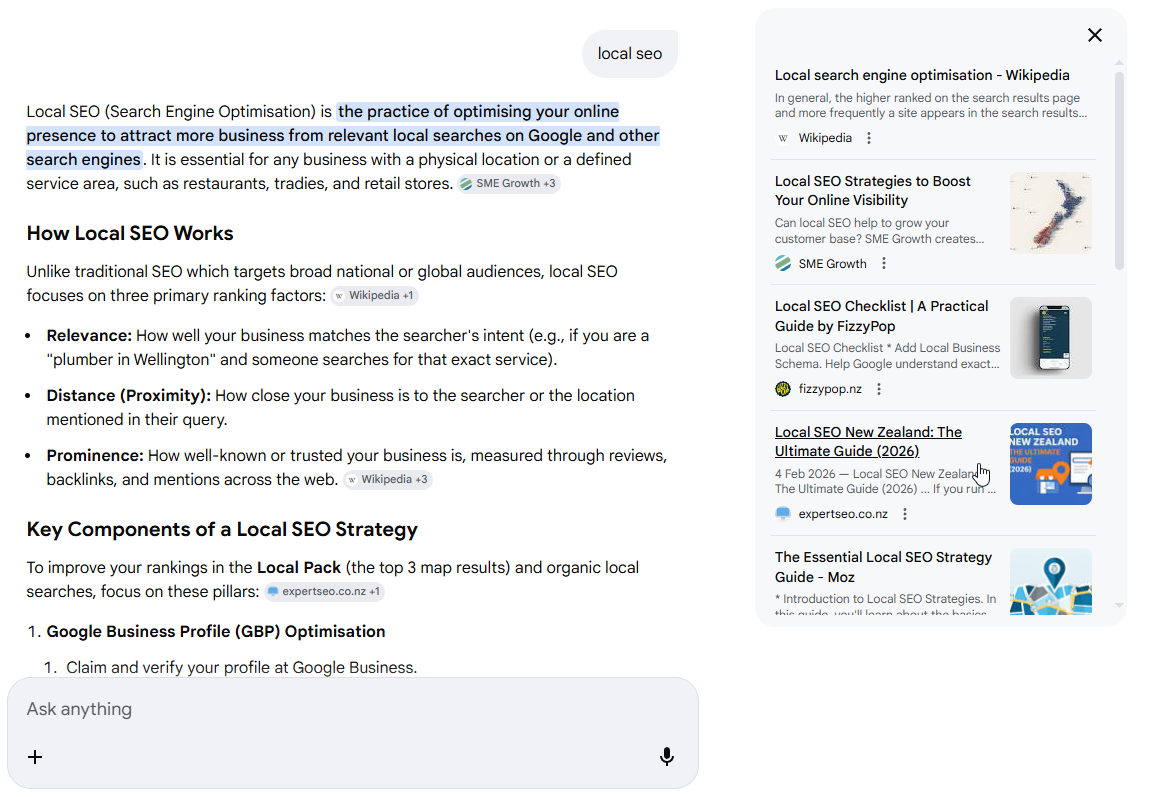
AI SEO is about making your content so clear and well-structured that AI systems like ChatGPT and Google AI Overviews can easily understand it, summarise it, and recommend it to people.
It’s traditional SEO done well — with a stronger focus on clarity, structure, and direct answers.
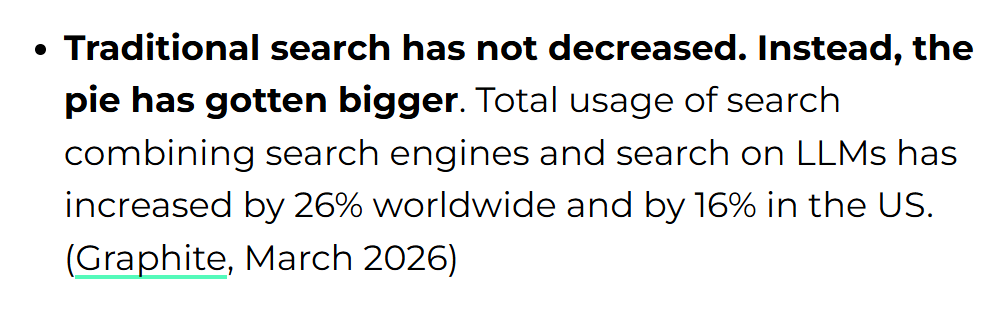
AI platforms like ChatGPT account for a growing share of how people find information. If your content isn’t structured for AI, you’re missing an expanding channel.
19. Structure Your Content for AI Extraction
AI platforms don’t read like humans. They scan, extract, and summarise. The clearer your content is structured, the more likely it is to be picked up and cited.
You’ve already got clean headings from Technique 7 — now layer on these AI-specific formats:
Start sections with direct answers. When a section answers a clear question, open with a one-to-two sentence answer before expanding. This is the content AI systems are most likely to pull.
Use bullet points and lists where they help. AI platforms commonly extract bulleted information into their responses.
Include tables for comparisons. Structured data is easier for AI to parse and present.
Optimise for featured snippets. Featured snippets and AI Overviews reward the same format — a clear question as the heading, followed by a concise direct answer. If you can win the featured snippet, you increase your chances of being used in AI Overviews too.
Clear presentation helps both humans and machines understand your content faster. You’re not trying to trick AI systems — you’re just making your information easier to find and use.
20. Answer Questions Directly
AI platforms are built to answer questions. If your content clearly answers real questions, you dramatically increase your chances of being cited.
How to find the right questions:
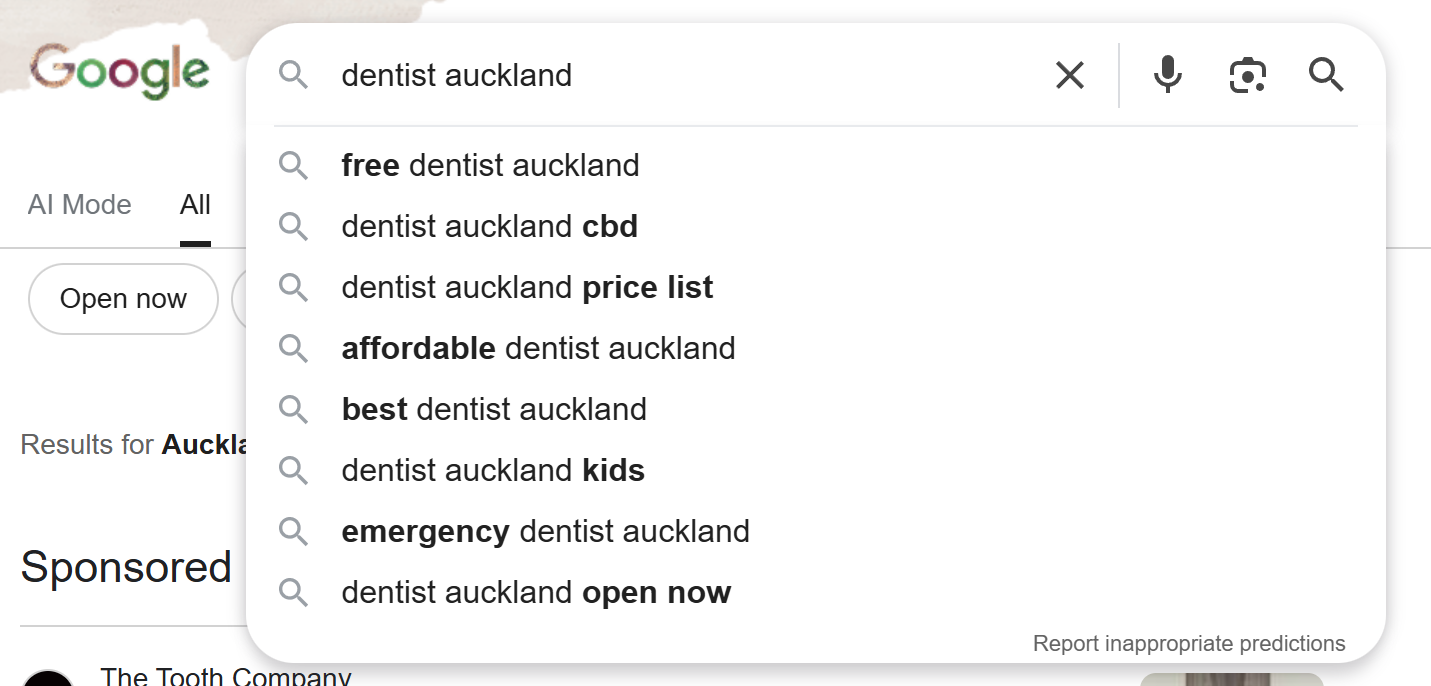
Type your core keyword into Google and look at the “People also ask” section and autocomplete suggestions.
Use Answer the Public to generate question clusters.
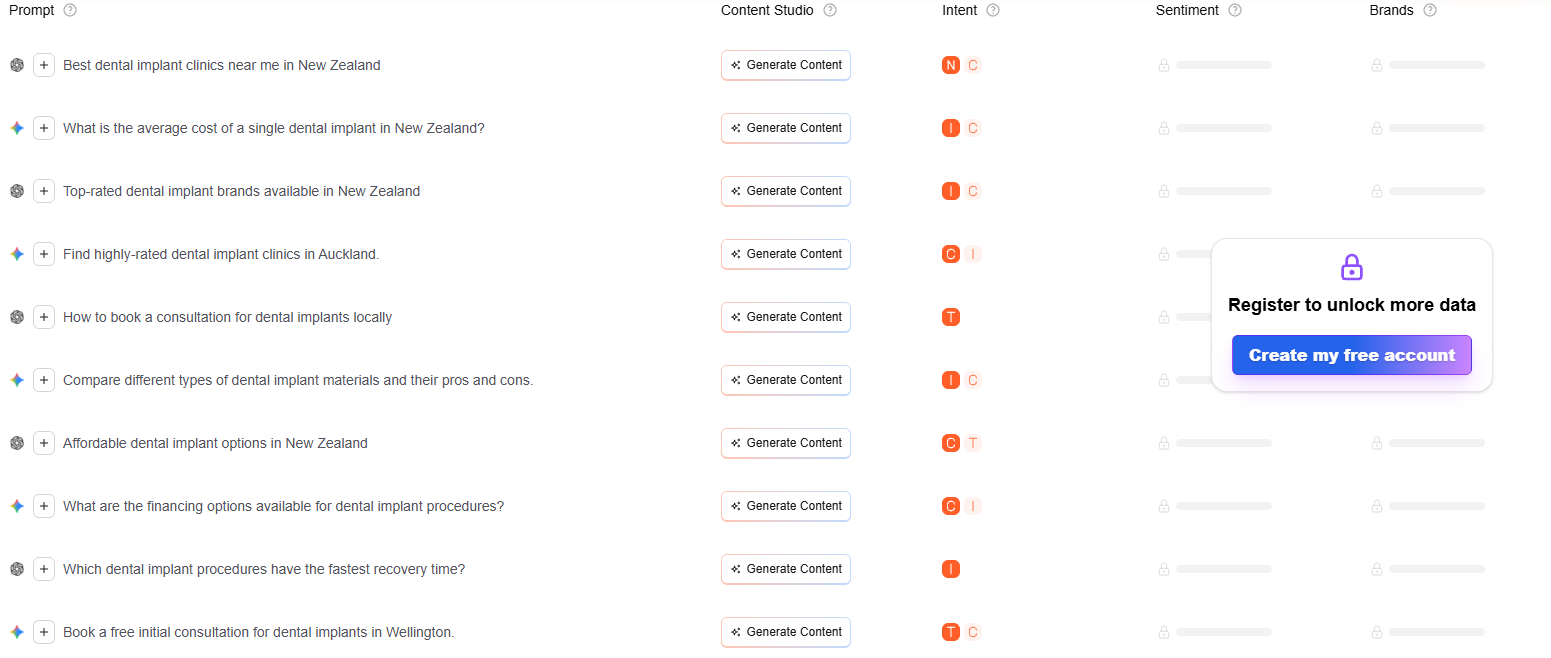
Ask ChatGPT: “List the most common questions people ask about [your topic] in New Zealand.”
How to structure your answers:
Use the question as your heading (H2 or H3). Answer it directly in the first one to two sentences. Then expand with explanation, examples, and context.
For example:
What are dental implants? Dental implants are artificial tooth roots placed in the jaw to support replacement teeth. They work by fusing with the jawbone over time, creating a permanent base for crowns, bridges, or dentures.
This format increases your chances of being picked up in both AI Overviews and ChatGPT responses.
21. Build Trust Signals That AI Systems Recognise
AI platforms don’t just look at your content. They look at your reputation across the web to decide whether your brand is worth citing.
If you’ve been following the techniques above — building links (Techniques 13–15) and collecting reviews (Technique 17) — you’re already building these trust signals. Here’s why they matter even more for AI.
Research shows that pages ranking #1 in Google have a 58% chance of being cited by ChatGPT.

By position 10, that drops to 14%. The correlation is clear: the stronger your traditional SEO signals, the more likely AI systems are to reference you.
Reviews, backlinks, and brand mentions all act as trust signals that AI platforms use to determine credibility.
The more your business is talked about across the web, the more likely you are to be included in AI-generated answers.
We saw this firsthand with Expert SEO.
Despite being a brand new site competing against businesses with a decade of authority, we started appearing in Google AI Overviews and ChatGPT responses within six months — because we combined strong content with consistent link building and review collection.
SEO Techniques to Avoid
Not all SEO techniques are good ones. Some outdated tactics can actively hurt your rankings, and some common “advice” is just wrong.
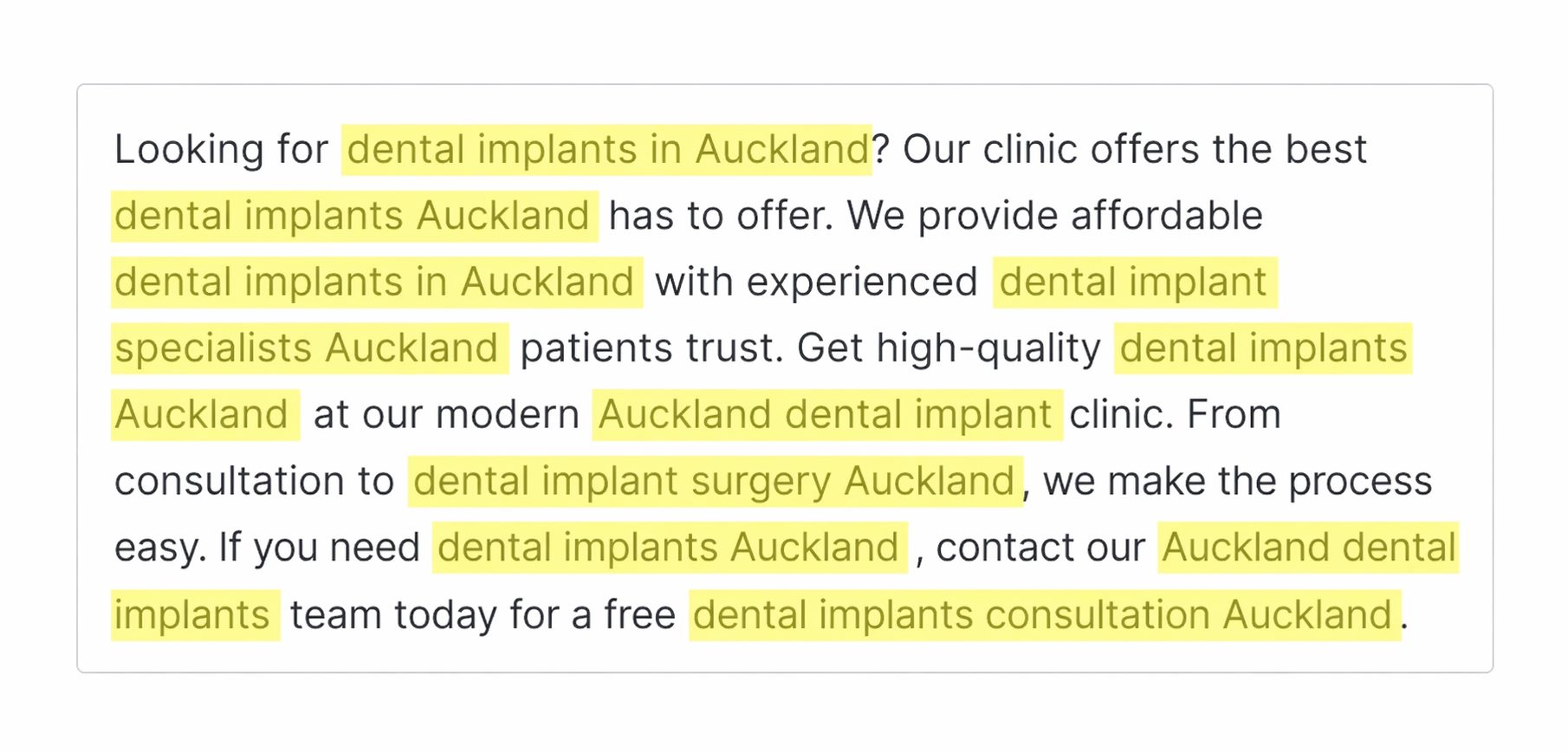
Keyword stuffing. Forcing the same phrase into every paragraph used to work. Now it makes your content read poorly and can trigger Google’s spam filters. Write naturally, use your keyword where it makes sense, and use variations. If it sounds like a robot wrote it, you’ve gone too far.
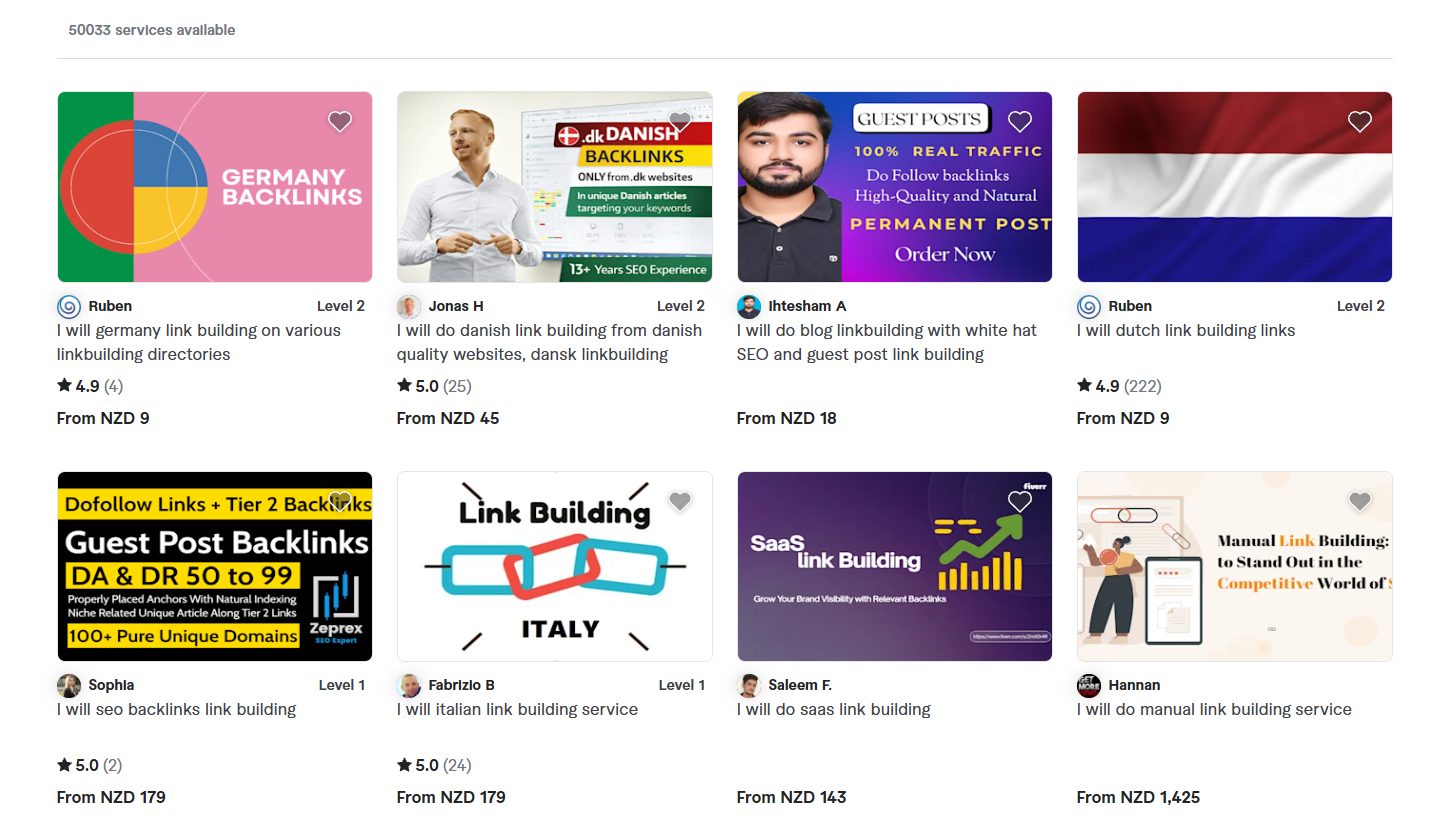
Buying cheap backlinks. “100 backlinks for $50” deals are tempting but harmful. These links come from spammy, irrelevant sites and can result in Google penalties. Focus on earning relevant links from real websites.
Creating thin or duplicate content. Publishing multiple pages with the same content — just swapping suburb names — is a common mistake for NZ businesses targeting multiple locations. Google catches this. Each page needs to be unique and actually useful.
Ignoring search intent. Creating a blog post when Google wants a service page (or vice versa) means you’re fighting against what Google is trying to rank. Always check the SERP before creating content.
Publishing without a plan. Random blog posts with no keyword research or strategy behind them rarely rank for anything. Every piece of content should target a specific keyword and serve a clear purpose.
How to tell if a technique is outdated: Ask yourself — does this feel manipulative? Is the advice from an article published before 2020? Is Google actively penalising sites that do this? If the answer to any of those is yes, find a better approach.
How to Prioritise SEO Techniques (The 80/20 Rule)
You don’t need to implement all 21 techniques at once. In practice, about 20% of SEO techniques drive 80% of the results. It comes down to knowing where to start based on where your business is right now.
If you’re just starting out:
Fix your technical foundation first.
Make sure your site loads fast, works on mobile, and your pages are actually indexed.
Set up Google Search Console so you can track what’s happening. Then optimise your core pages with proper on-page SEO — keyword placement, meta titles, headings.
This alone can deliver noticeable improvements within weeks.
Once your foundation is solid:
Create content that matches search intent.
Build topical authority by publishing supporting content around your core topics. Start link building — even simple directory listings and a few guest posts can make a real difference.
This is the phase where most results start compounding.
When you’re ready to scale:
These are the more advanced SEO techniques. Refresh old content that’s close to ranking. Run competitor gap analysis to find keyword opportunities you’ve missed. Implement AI SEO techniques to expand your visibility beyond traditional search.
Realistic timelines: If you’re a small business doing local SEO in New Zealand, expect to see early traction around the three-month mark and solid results by six months.
For national or more competitive keywords, six to twelve months is more realistic.
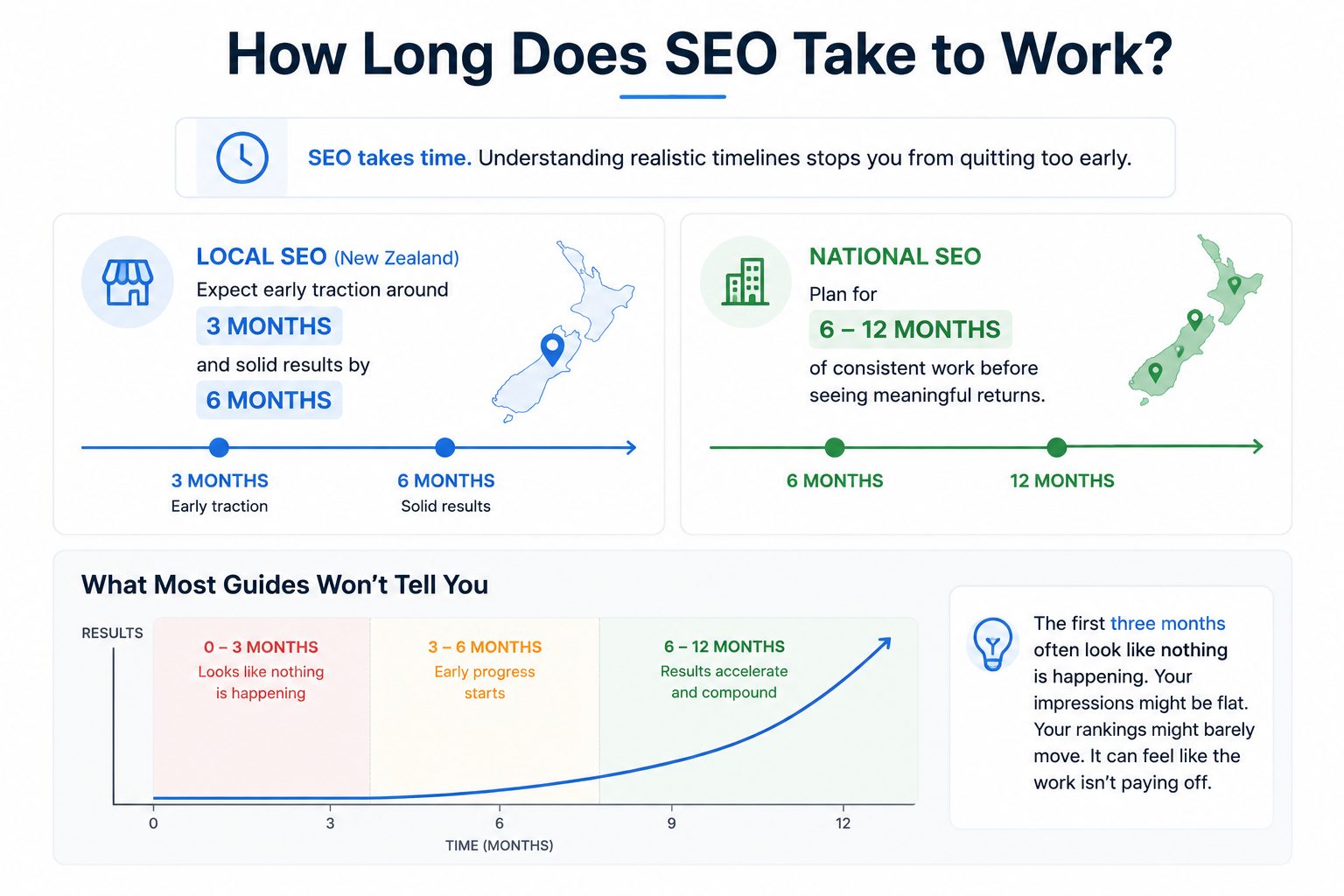
The businesses that fail at SEO almost always quit too early. They stop right before things start to compound. SEO isn’t a quick fix — it’s a system that builds on itself over time.
When to Do It Yourself vs Hire an SEO Expert
You’ve got the techniques. From here, there are two clear paths.
Option 1: Do it yourself. Follow this guide, work through the techniques in order, and be consistent. You can absolutely get results this way. Just expect a learning curve, regular effort, and some trial and error along the way.
Option 2: Work with an SEO expert. If you want faster, more predictable results without having to figure everything out yourself, you can outsource it. You get strategy, execution, and ongoing optimisation handled for you.
We help businesses across New Zealand with their SEO, including:
If you’re happy to DIY, use this guide and work through it properly. If you want it done right and done faster, that’s where we come in.
SEO Techniques: Frequently Asked Questions
What are the 4 types of SEO?
The four traditional types are on-page SEO, technical SEO, off-page SEO, and local SEO. Each covers a different aspect of how your website performs in search. This guide covers all four, plus two additional categories — content SEO and AI SEO — because both are critical in 2026.
Is SEO dead or evolving in 2026?
SEO is evolving, not dead. AI search is changing how people find information — total search usage combining traditional search and AI tools has increased by 26% globally. The core fundamentals (great content, strong technical foundations, quality links) still drive results. The businesses that adapt to AI SEO early while maintaining traditional SEO have a significant advantage.
What are the top 5 SEO strategies?
The five most impactful are keyword research, content creation, on-page optimisation, link building, and technical SEO. These are the foundations everything else builds on. Get these five right consistently and you’ll outperform the majority of your competitors.
What is the 80/20 rule of SEO?
The 80/20 rule means roughly 20% of SEO techniques drive 80% of results. In practice, fixing your technical foundation, creating content that matches search intent, and building a handful of quality links will deliver more impact than trying to implement every technique at once. Focus on the highest-impact techniques first, then expand as your foundation strengthens.