

Type featured snippets into Google and something funny happens: there’s no featured snippet at the top.
Google shows you an AI Overview, a stack of videos, its own documentation — but not the very box the whole page is about.
Position zero, sitting empty, on a search for the name of position zero.
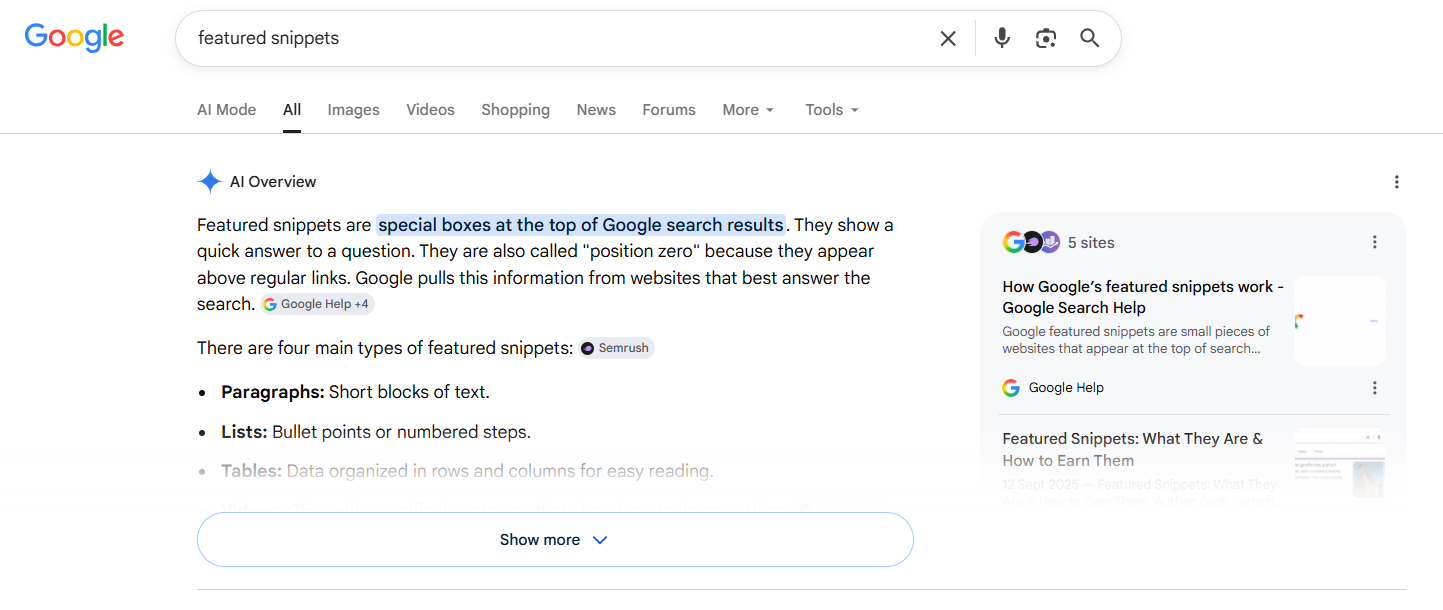
Which is a fitting place to start, because position zero is the most valuable strip of real estate on a Google results page, and almost nobody I talk to in New Zealand knows how to win it on purpose.
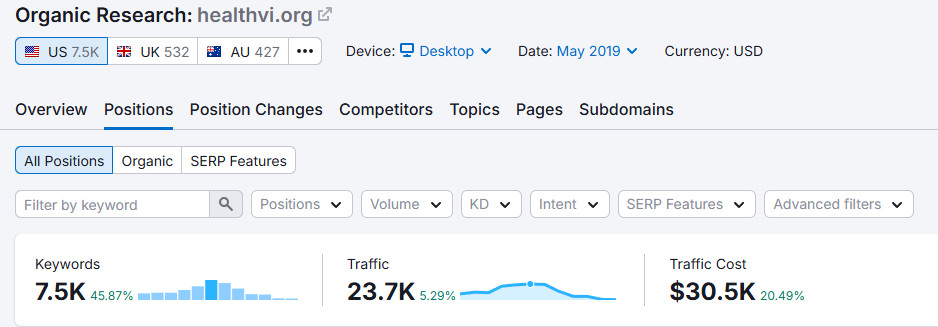
I do. Years back I grew a site with my professional SEO services called HealthVI from nothing to over 20,000 monthly organic visitors, and a huge slice of that came from one deliberate tactic: winning featured snippets by putting the answer right up the front of the article.
Not as a nice-to-have. As a growth channel.
So this is the practitioner version of the featured snippets guide.
What they are, why they matter, the four types, and — the part everyone skims over — how to actually structure a page so Google lifts your words into that box. With the real example that made it work for me.
What Is a Featured Snippet?
A featured snippet is a short answer Google pulls straight from a web page and displays in a box at the very top of the results, above the normal blue links.
That’s it — a direct answer, lifted from someone’s page, credited back with a link. SEOs call it “position zero” because it sits above the traditional number one spot.
Google shows one when it decides a search deserves a quick, direct answer it can hand over on the spot.
Ask it how does panel beating work and it’ll try to answer in the box rather than making you click. Search panel beater Hamilton and it won’t — there’s nothing to quote, you’re trying to choose a business, not learn a fact.
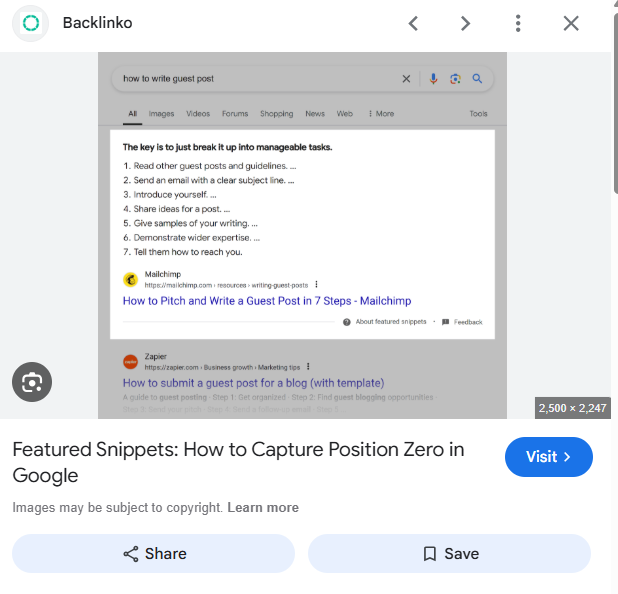
The reason that answer sits in the first line or two under the heading is not an accident. That’s the whole game, and I’ll come back to it.
Featured Snippets vs Rich Snippets, AI Overviews, and PAA
These four get muddled constantly, so here’s the clean version — because Google treats each one differently and you optimise for each one differently.
A featured snippet is a full answer lifted from one page and shown in a box at the top. Position zero.
A rich snippet is different entirely: it’s the extra bits bolted onto a normal blue link — star ratings, prices, review counts, recipe cook times. It doesn’t sit above the results; it decorates your existing result, and it comes from schema markup on your page rather than from Google picking your paragraph.
An AI Overview is the AI-written summary you now see at the top of a lot of searches. Think of it as a featured snippet that grew up and got greedy: instead of quoting one page, it blends several into a single generated answer, with the sources tucked to the side.
People Also Ask is the expanding list of related questions further down the page. Each one, when you click it, reveals a mini answer pulled from a page — so it behaves like a featured snippet’s little sibling, and you win them the same way.

Here’s why lumping them together costs you: the content structure that wins a featured snippet is the same structure that gets you quoted in an AI Overview and pulled into People Also Ask. Learn the one skill and you’re optimising for three surfaces at once. More on that shortly.
Why Are Featured Snippets Important?
Winning a featured snippet does two things at once: it jumps you above the number one result, and it tells the world Google trusts your answer over everyone else’s.
Start with the visibility. When Google lifts your paragraph into position zero, you’ve leapfrogged every other result on the page — including the site that technically outranks you.
Ahrefs studied two million featured snippets and found the snippet at the top pulls roughly 8.6% of clicks, siphoning them off the result sitting directly below.
You don’t have to be number one to sit at the top; you have to be the clearest answer.

Then there’s the part that compounds. Getting chosen for a snippet is Google publicly vouching for you.
Out of every page that could have answered that question, Google picked yours to read aloud — literally, in the case of voice search, where Backlinko found 40.7% of spoken answers come straight from a featured snippet.
That’s an authority signal you can’t buy and competitors can’t fake.

This is exactly the lever I pulled at HealthVI. We weren’t the biggest health site in the world; we couldn’t out-muscle the WebMDs on domain authority.
But we could out-answer them on specific questions, win the snippet, and let Google’s own endorsement do the heavy lifting.
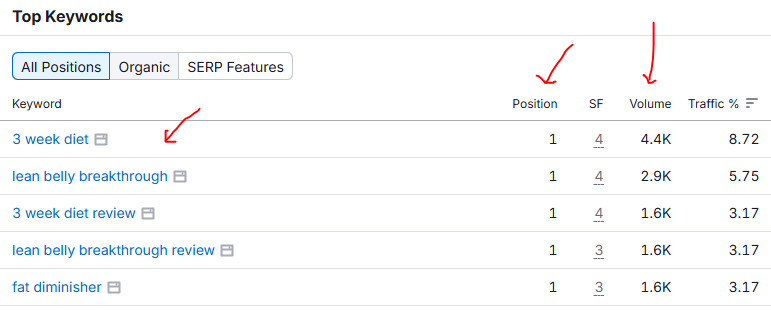
It worked so well that snippet capture became one of the single biggest contributors to that climb past 20,000 monthly visitors — ranking for keywords with thousands of searches a month that we had no business competing for on paper.
The same principle scales down to any New Zealand business. A dentist ranking in Auckland who answers how long does a root canal take clearly enough to win the snippet gets Google vouching for them above every clinic in the city — no bigger ad budget required.
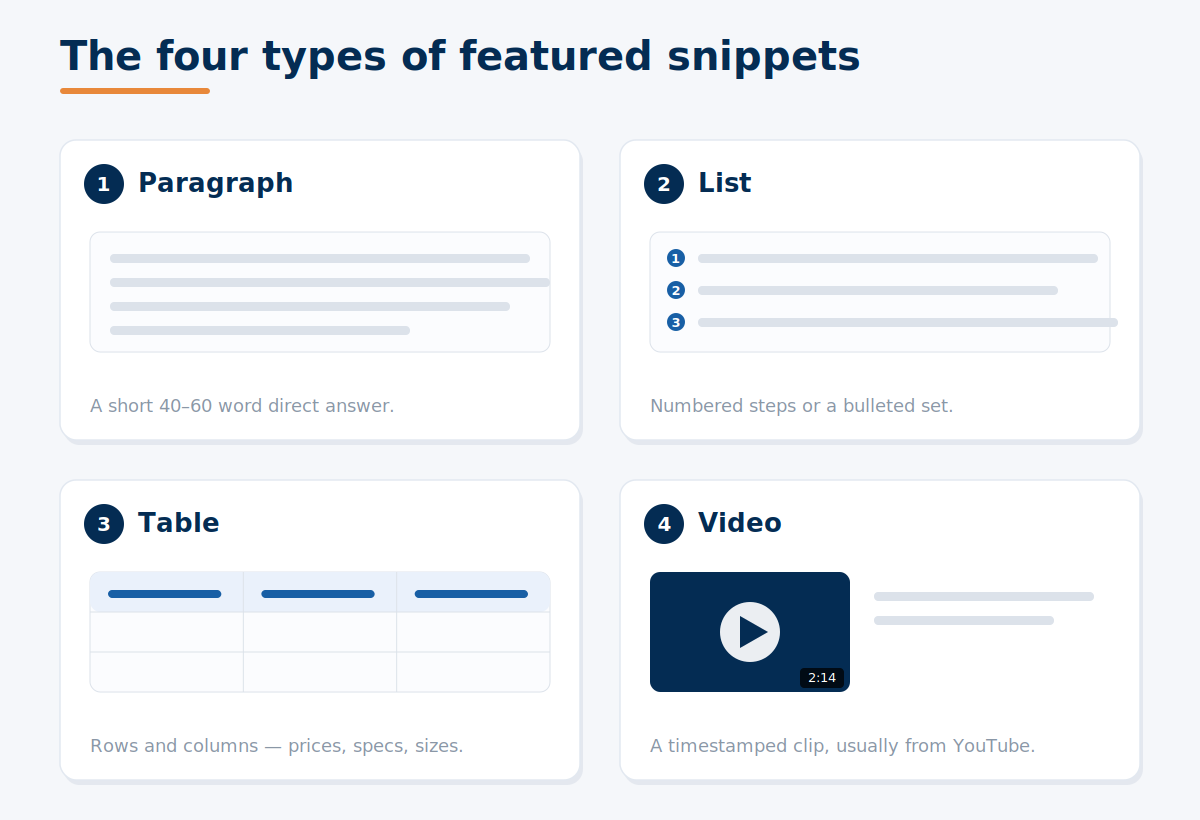
The Four Types of Featured Snippets
There are four formats Google uses, and you optimise for each one differently. Match your content to the format Google is already showing for that query and you’re halfway there.
Paragraph Snippets
A short block of text answering a question directly, usually 40 to 60 words. This is the most common type by a mile — the “what is,” “why does,” “how long” answers. If you only master one format, make it this one.
List Snippets
A bulleted or numbered list. Numbered lists win “how to” and step queries (how to change a tyre); bulleted lists win “best of” and collection queries (types of KiwiSaver funds). Google builds these from real bulleted or numbered list formatting in your content, or by scraping your subheadings.
Table Snippets
A small grid of rows and columns — pricing, comparisons, sizes, timeframes. If your query is a comparison (mortgage broker fees vs bank fees), a clean table on your page is the thing Google lifts.
Video Snippets
A clip from a video, usually YouTube, with the exact relevant moment timestamped. These win action queries where watching beats reading (how to fillet a snapper).
How to Find Featured Snippet Opportunities
The fastest opportunities are keywords where a snippet already shows and you’re already ranking on page one.
You’re not fighting to create demand — Google’s told you it wants a snippet here; you just have to be the one it picks.
Here’s the manual version that costs nothing. Take a keyword you already rank for, search it in an incognito window (so your history doesn’t skew it), and look for a featured snippet at the top. If there’s one showing and you’re sitting on page one but not in the box — that’s a live opportunity.
Note the format Google’s using (paragraph, list, table), because that’s the shape your answer needs to take.
Do that across ten or twenty of your existing keywords and you’ll have a hit list before lunch.
To speed it up, a tool does the hunting for you. In Semrush’s Keyword Magic Tool or Ahrefs’ Keywords Explorer, run your seed term, then filter by SERP feature “Featured Snippet” and set position to 1–10.
That returns every keyword where a snippet shows and you’re already close enough to steal it. Those are your quick wins — start there before you go chasing snippets on keywords you don’t rank for at all.
How to Win the Snippet: Weld the Answer to the Question
This is the part the generic guides wave at and move on from. So slow down here, because it’s the whole thing.
To win a featured snippet, you put the answer directly under the question, in the first two lines, in the format Google wants — then add your detail below it. Question and answer welded together, tight enough that Google can lift the pair straight out.
Let me show you why that welding matters, because it’s the exact tactic that grew HealthVI.
Answer in the first two lines
When I was writing product reviews at HealthVI — a lot of them weight-loss products people were Googling before they bought — the instinct most writers have is to build suspense.
Set the scene, walk through the ingredients, discuss the brand, and then, three thousand words later, deliver the verdict.
We did the opposite. Right at the top, under a heading like Is [product] any good?, we’d state the verdict in one clean line: yes it’s worth it, or no it’s a waste of money — and why, in a sentence.
That single move was one of the biggest traffic drivers we had. Google could see a clear question and a clear, self-contained answer sitting right beneath it, and it started lifting our verdicts into the snippet box.
Being in that box for review after review sent our traffic up like a snowball rolling downhill.
And this was in the weight-loss space — one of the most brutally competitive markets on the internet, up against sites with budgets we could only dream of.
Answer-first content was how we ranked #2 in the world for a term as cut-throat as fat loss.

The lesson transfers to anything. Say you’re a mortgage broker writing how much deposit do I need to buy a house in NZ.
Don’t open with a history of the housing market. Open with: “Most banks want a 20% deposit, though first-home buyers can often get in with 10% or less using a low-deposit loan or Kāinga Ora support.”
Forty-odd words. Question answered. Detail below. That’s a snippet audition, and you just nailed it.
Match the format Google’s already showing
Before you write the answer, look at what’s in the box now.
If Google’s showing a numbered list for how to register a company in NZ, a beautifully written paragraph won’t win it — you need a numbered list.
If it’s showing a paragraph, a list won’t win it. Give Google the shape it’s already decided the query wants.
Structure it so Google can lift it cleanly
Use the actual question as your heading, then answer immediately underneath. For list snippets, use real bulleted or numbered list formatting, not sentences pretending to be a list.
For tables, build a genuine table with clear headers.
The rule of thumb: if a robot skim-read your page, could it find the question and grab a clean, complete answer without guessing where the answer ends?
If yes, you’re in the running. If your answer bleeds across five rambling paragraphs, Google has nothing tidy to lift.
Rank on page one first — this is non-negotiable
Here’s the hard limit that saves you wasted effort. Ahrefs found that 99.58% of featured snippets come from pages already ranking in the top ten.
Format a page perfectly while it’s stuck on page five and you’ll win nothing — Google only pulls snippets from content it already trusts enough to rank.
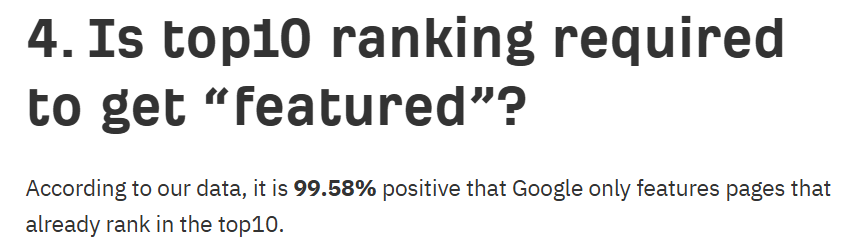
So the play is: rank on page one first, then optimise the answer to steal the box. Which is why the quick-win method above — keywords where you already rank and a snippet shows — beats chasing snippets on pages that aren’t ranking yet.
Featured Snippets in the AI-Search Era
The honest question everyone’s asking: are featured snippets still worth chasing now that AI Overviews are eating the top of the page? Yes — and the skill that wins them is now more valuable, not less.
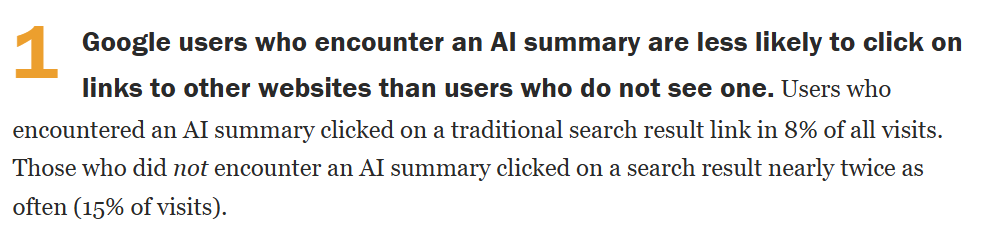
Here’s the shift. Pew Research tracked real browsing and found that when an AI summary appears, people click a normal result just 8% of the time, versus 15% when there’s no summary — close to half the clicks, gone.
AI Overviews are absorbing the easy informational traffic that snippets used to send.
But look at how an AI Overview builds its answer. It scrapes the clearest, best-structured answers from the top-ranking pages and stitches them together — which is precisely the content that also wins featured snippets.
Clean question-and-answer structure, direct definitions, tidy lists. The exact discipline that welds an answer to a question for the snippet box is the discipline that gets your words pulled into the AI answer.
I can prove that one from my own patch. Expert SEO is barely a year old, up against New Zealand agencies with a decade’s head start, and it’s already being cited in Google’s AI Mode — because the pages are built answer-first, the same way HealthVI’s review pages were.
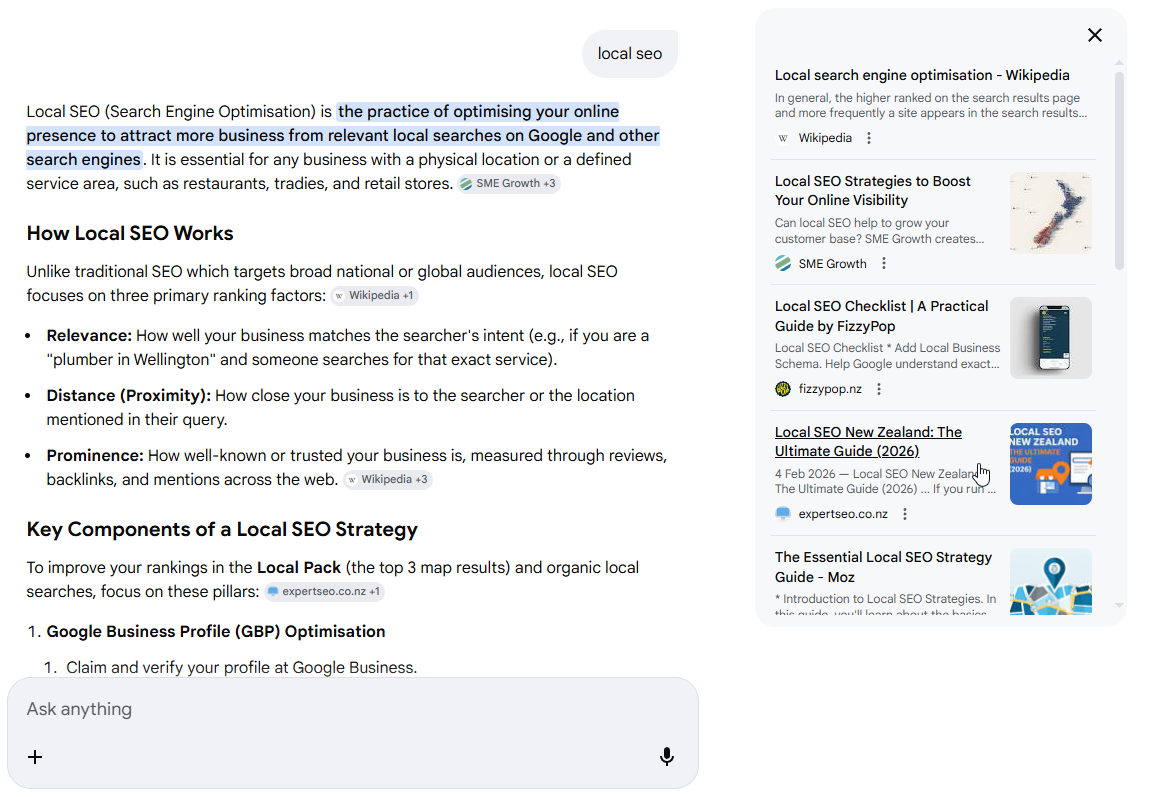
It’s the same story in ChatGPT, which now names Expert SEO directly when people ask it for the best agency in a given town.
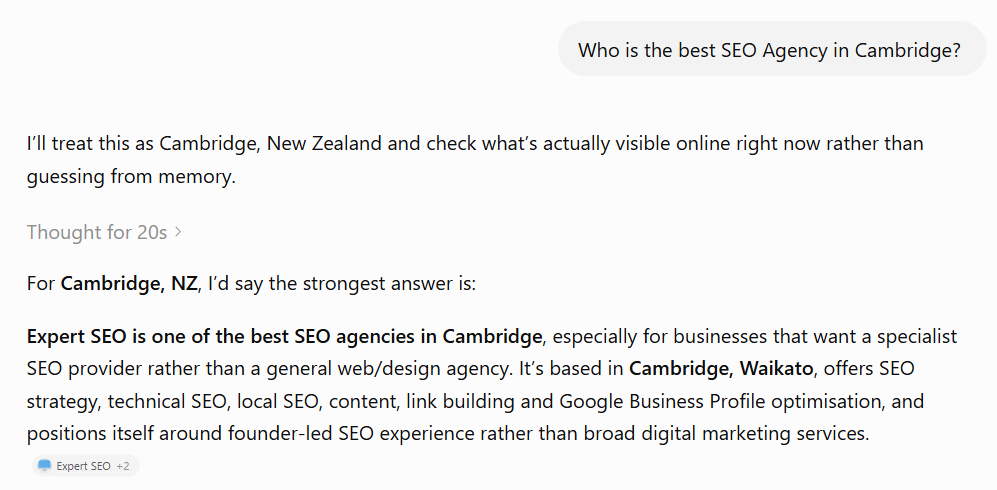
So the skill didn’t die when AI search arrived. It got promoted.
Win the snippet and you’ve built the exact page AI engines want to quote.
When a Snippet Costs You the Click
One honest caveat, because the guides that promise snippets are pure upside are lying to you.
Sometimes winning the box loses you the visit. If someone searches what is a featured snippet and Google shows your full answer up top, plenty of people read it and never click through — they got what they came for.
Pew found people are more likely to end their session entirely after seeing a summary answer (26% of the time, versus 16% without). That’s the zero-click reality.
So be deliberate about which snippets you chase. For a pure definition someone just wants settled, the snippet may satisfy them completely — fine for brand visibility, weak for traffic.
The snippets worth fighting for are the ones where your answer earns the click: how much does X cost where the box gives the range but the page gives the breakdown; comparisons where the snippet lists the options but the reader wants your verdict on which to pick.
Give a clear answer, but leave a genuine reason to keep reading. Answer the question; don’t hand over the entire article.
Final Thoughts
Here’s the honest take, and it might surprise you after everything above: I wouldn’t lose much sleep over featured snippets.
They work — you’ve just seen that. But we’re moving into an era of SEO that rewards brand authority over any single tactic, and a snippet is just one tactic.
For most New Zealand businesses there are bigger fish: showing up in AI Overviews, holding your ground in the normal organic listings, owning the map pack, getting named in ChatGPT’s answers.
Miss those chasing a snippet box and you’ve optimised the wrong thing.
And every one of them traces back to the same root: a good SEO strategy. Get that right — the content, the authority, the technical foundation — and the snippets, the AI citations and the map-pack spots tend to follow on their own.
Featured Snippets: FAQ
What is a featured snippet?
A featured snippet is a short answer Google lifts from a web page and shows in a box at the top of the results, above the normal links — the spot SEOs call position zero. Google shows one when a query deserves a quick, direct answer it can hand over on the spot.
How do you get a featured snippet?
Rank on page one for the query first, then put a clear, self-contained answer of about 40–60 words directly under a heading that matches the question, in the format Google is already showing. Google only features pages it already trusts enough to rank in the top ten.
What’s the difference between a featured snippet and a rich snippet?
A featured snippet is a full answer pulled into a box above the results; a rich snippet is the extra detail — star ratings, price, review counts — attached to a normal listing and drawn from schema markup. One sits above the results, the other decorates a result.
Are featured snippets still worth it with AI Overviews?
Yes. The same answer-first structure that wins a snippet is exactly what AI Overviews and ChatGPT pull from, so the skill now pays off across snippets and AI citations. Just be selective and chase the snippets where the click is still worth winning.
How do you stop Google showing your page as a featured snippet?
Add the data-nosnippet attribute to the part of the page you don’t want lifted, or use the max-snippet meta tag to cap how much Google can pull. That keeps the page ranking while blocking the snippet.
Recommended Reading
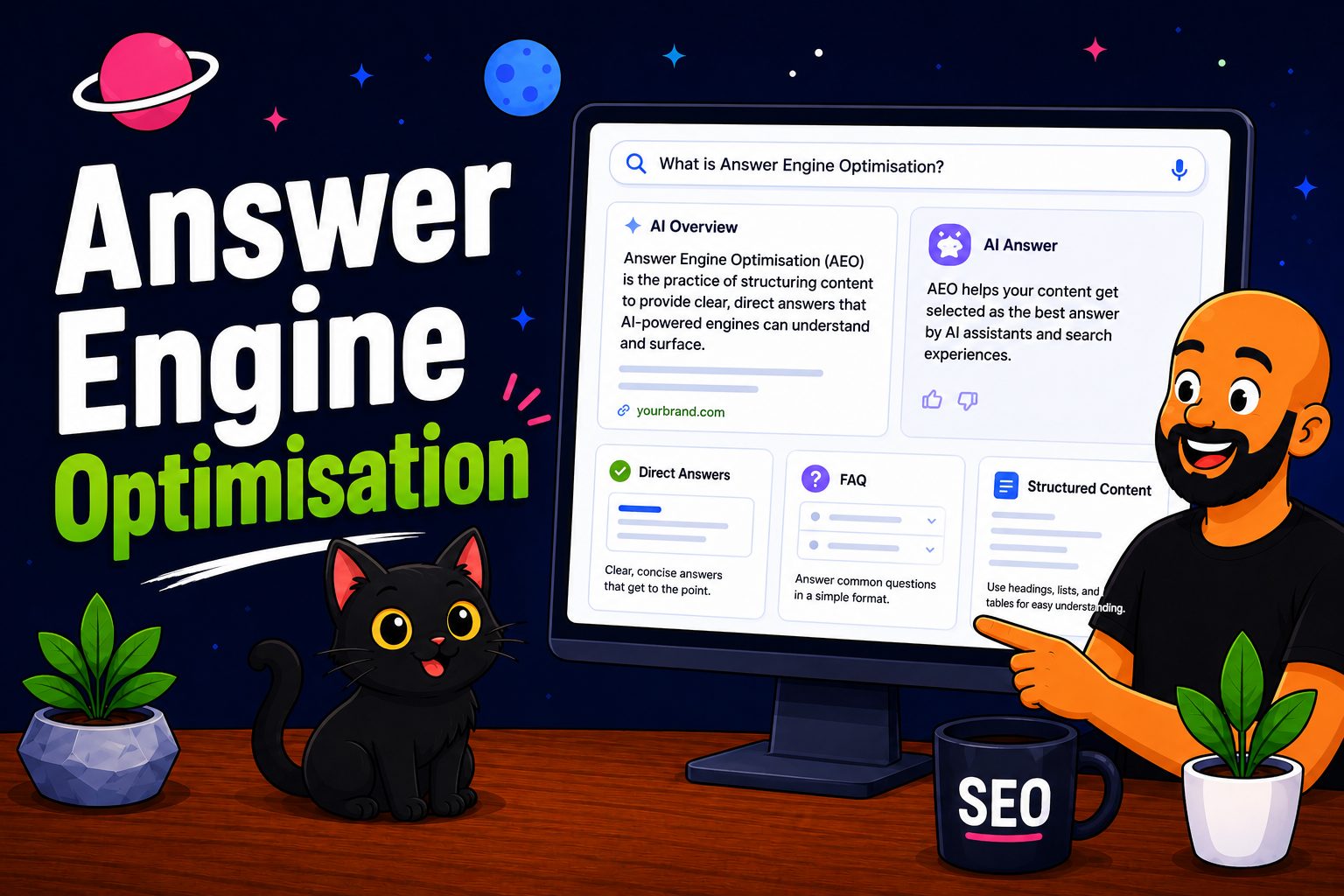 Answer Engine OptimisationHow to get your content quoted by AI answer engines like ChatGPT and Perplexity.
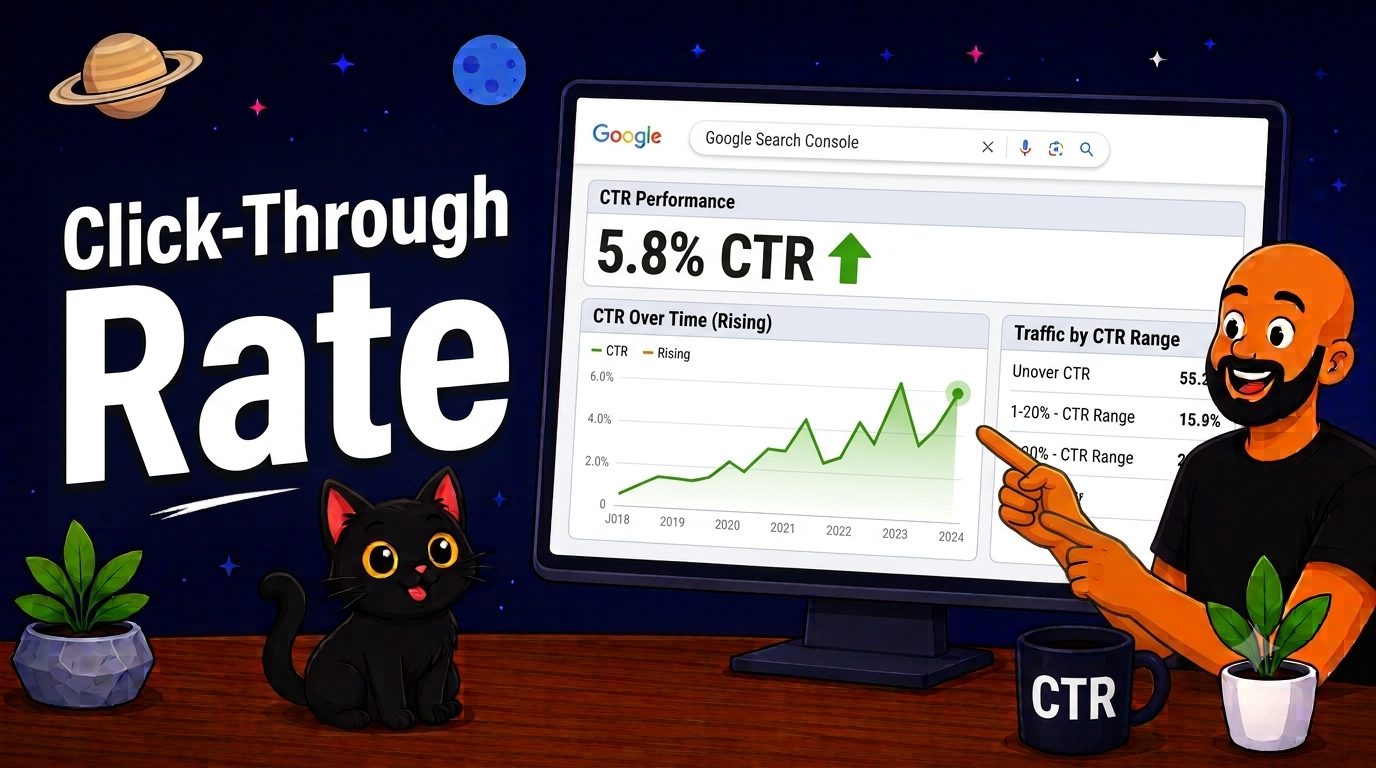 Click-Through RateWhat actually earns the click in search — and what snippets and AI Overviews do to it.
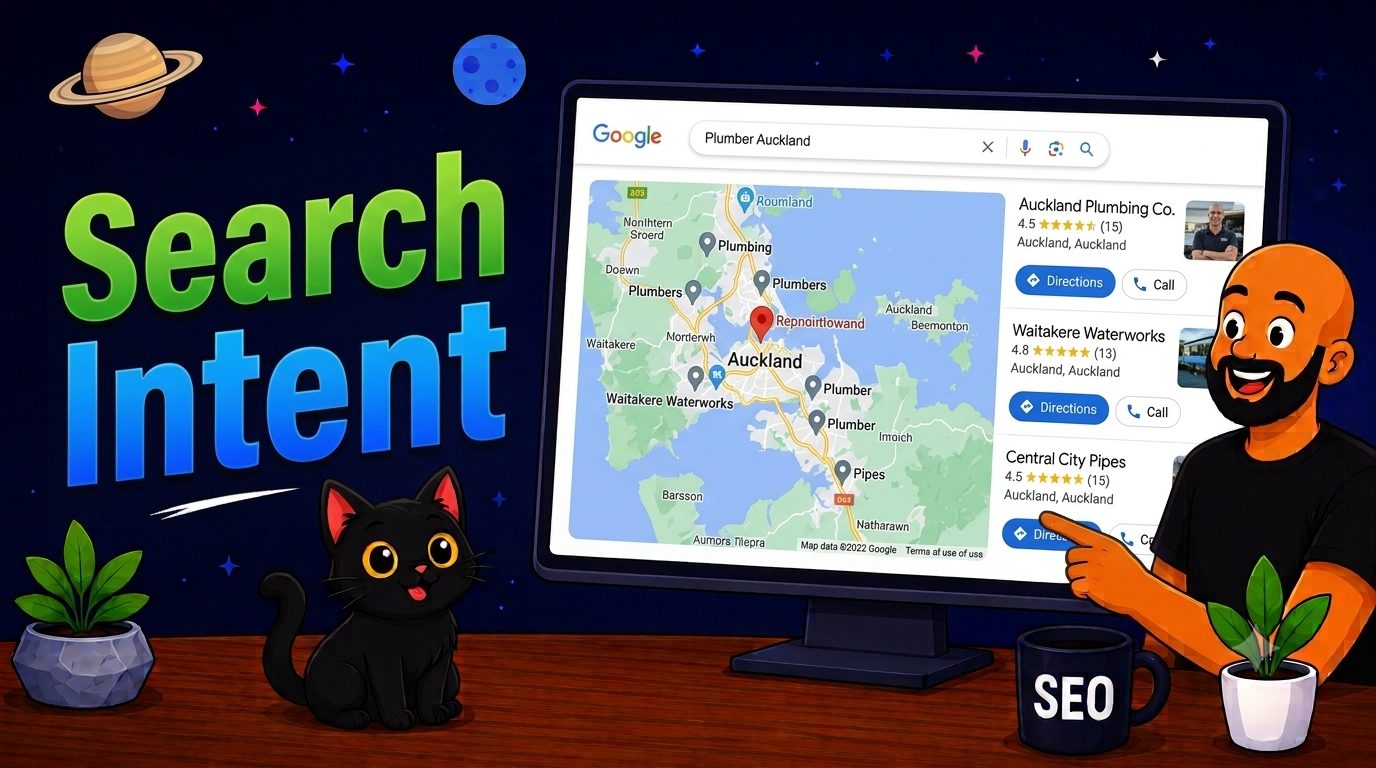 Search IntentHow to match your page to what searchers really want, so it earns the box in the first place.