

Every year someone declares email marketing dead. Every year it quietly out-earns the channel that was supposed to replace it.
Here’s the truth after running it for real: email marketing is the highest-ROI, simplest-to-start marketing channel available to a New Zealand business. Not because it’s clever. Because it’s the only channel where the people on the other end actually asked to hear from you.
This guide covers the lot — what email marketing is, whether it still works in 2026, how to start, which platforms suit NZ businesses, the strategy that gets results, and the New Zealand law you have to follow. No fluff. Just what works.
I’ll also show you real numbers from a health brand I built (HealthVI) that was pulling in tens — sometimes hundreds — of email sign-ups a day.
Key Takeaways
- Highest ROI, simplest to start: most companies earn between $10 and $36 for every $1 spent on email, because it costs almost nothing to send and reaches people who already opted in.
- Email works like SEO — people come to you. You own the list outright, with no algorithm sitting between you and your audience.
- List quality beats list size. A specific lead magnet plus double opt-in attracts real buyers, not dummy-address freebie-hunters.
- You can be live in a week: pick a platform (Mailchimp, Klaviyo or MailerLite), add a signup form and lead magnet, then send a welcome email and a regular newsletter.
- Automation is the highest-leverage part — build welcome, abandoned-cart and re-engagement sequences once and they earn on autopilot.
- Stay compliant with NZ’s Unsolicited Electronic Messages Act 2007: get consent, identify yourself clearly, and include a working unsubscribe.
What is email marketing?
Email marketing is sending commercial messages to a list of people who have opted in to hear from you, using email to promote products, share useful content, and turn subscribers into customers.
That’s it. You collect email addresses from people who want what you offer, then you send them things worth reading — offers, updates, helpful advice — and some of them buy.
The first commercial email went out in 1978 to around 400 people and reportedly drove millions in sales. The tools have changed. The core idea hasn’t: get permission, stay useful, sell without being a pain.
Does email marketing still work in NZ? (Let’s talk ROI)
Yes. And it isn’t close.
Email consistently returns more per dollar than any other digital channel. Litmus found most companies earn between 10 and 36 dollars for every dollar spent on email, with plenty pushing past that.

Why is the return so lopsided? Two reasons.
First, the cost to send is almost nothing. Once your list exists, emailing 500 people or 50,000 costs roughly the same — a few dollars a month on a platform.
Compare that to Google or Facebook ads, where every single click has a price.
Second — and this is the part most guides skip — you’re emailing people who already put their hand up. They’re not cold. They’re not sceptical strangers. They gave you their address because they wanted to hear from you. That’s the highest-intent audience you’ll ever market to.
If you want to know whether it’s “worth it in 2026,” that’s your answer. A channel that costs cents to run and talks to warm buyers isn’t going anywhere.
Why email works like SEO: people come to you
Here’s the way I think about it, and it’s why an SEO agency is telling you to take email seriously.
The best marketing channels are the ones where people come to you — not the ones where you chase, interrupt, or shout.
Search engine optimisation works because someone types a question into Google and finds you at the exact moment they want an answer. You’re not interrupting them.
They came looking. Email works the same way: someone hands you their address because they already want what you’ve got. In both cases the audience initiates.
That’s why both convert far better than a random ad in front of someone who never asked.
Email has one extra advantage on top of that. You own the list. No algorithm sits between you and your audience. When Google updates its ranking system or Meta changes the feed, your reach can drop overnight. Your email list can’t be switched off by someone else’s platform. You send, it lands. That control is rare, and it’s worth a lot.
The two channels are natural partners, and pairing them is exactly what we do as an SEO agency here in New Zealand. SEO brings the right people to your site. Email captures them so you can keep the relationship going long after they’ve left. Run them together and you compound — which is the whole idea behind our SEO services.
The part most people get wrong: quality beats quantity
Everyone obsesses over list size. Big mistake.
A list of 2,000 people who genuinely want your emails will out-earn a list of 20,000 who don’t — every time. A bloated list full of dead addresses drags down your open rates, hurts your deliverability, and eventually lands you in the spam folder for everyone.
The trap is the lead magnet done lazily. Offer a generic freebie and you attract freebie-hunters — people who punch in a dummy address, grab the download, and never open another email. Your list looks big. It earns nothing.
The fix is to build for quality from the first click:
- Make the lead magnet specific to what you sell. A dentist offering “10% off your first check-up” attracts patients. A dentist offering a generic “wellness guide” attracts nobody who’ll ever book.
- Use double opt-in. People confirm their address before they’re on the list. It filters out fakes and bots instantly, and everyone left actually meant to join.
- Ask for a little commitment. A real email in exchange for real value pre-qualifies people. You want buyers, not bargain scavengers.
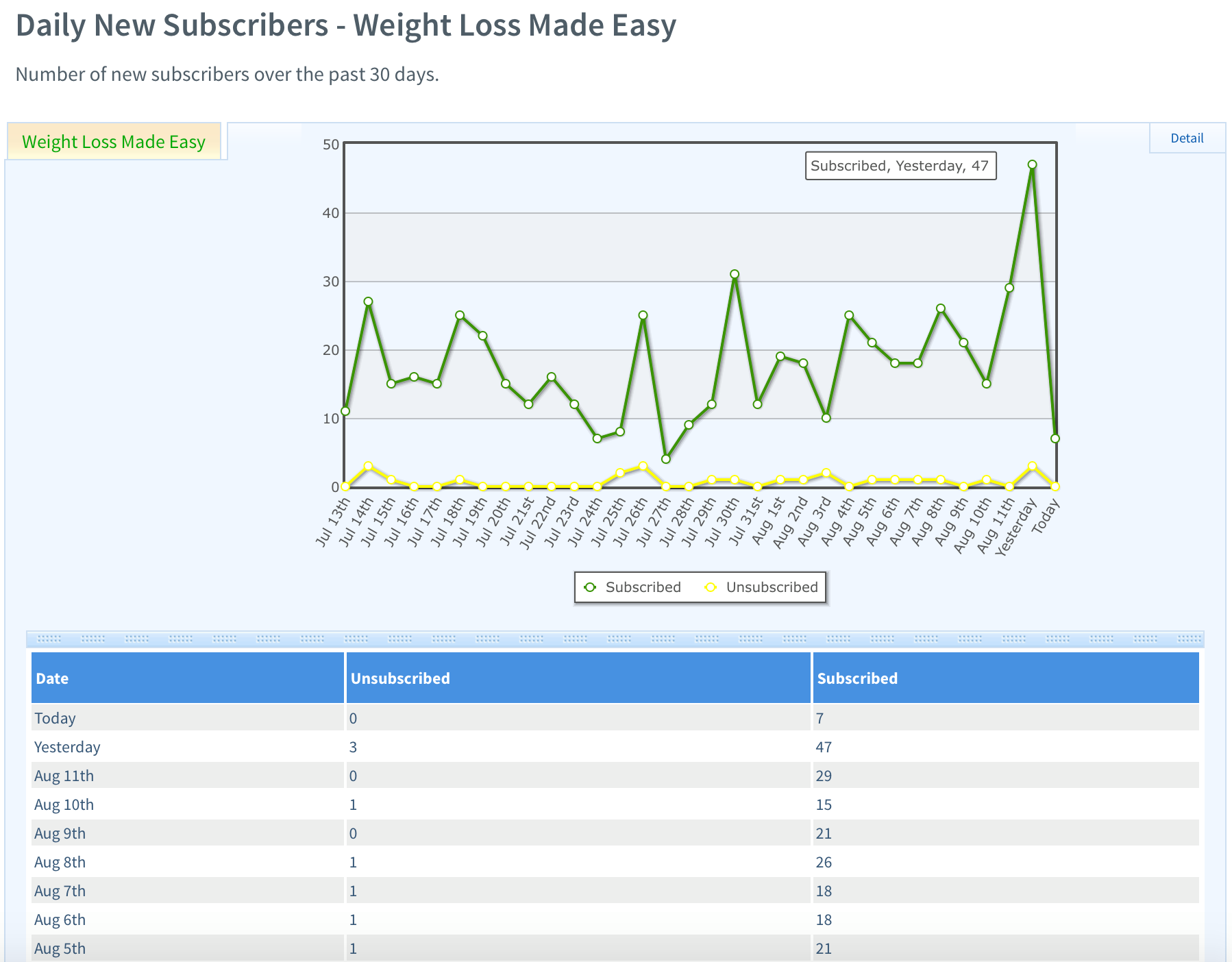
When I ran HealthVI, this is exactly what we got right. The sign-up offers were tied tightly to what our audience actually wanted, so the people joining were the people likely to buy.
At its peak we were adding tens — sometimes hundreds — of subscribers a day, and they were real, engaged readers, not padding.
That list didn’t just sell products. It made HealthVI a name people in the niche paid attention to — the kind of authority that’s built partly through great content and outreach, and partly through owning a direct line to your audience.
How to start email marketing in NZ (step by step)
You can be live this week. Here’s the path.
1. Pick a platform. Your email service provider stores your list, builds your emails, and sends them legally and reliably. More on choosing one below.
2. Build your list the right way. Add a signup form to your website, a timed pop-up, and a specific lead magnet. Turn on double opt-in. Never, ever buy a list (it’s ineffective and, in New Zealand, illegal — more on that shortly).
3. Choose your email types. Most businesses need a handful:
- Welcome email — sent automatically the moment someone joins. Your highest open rate of all. Don’t waste it.
- Newsletter — regular value: tips, news, stories. Keeps you top of mind.
- Promotional email — sales, launches, offers.
- Abandoned cart — for e-commerce, a reminder to people who nearly bought. Often the single highest-earning automation you’ll run.
4. Send your first campaign. One clear subject line. One core message. One obvious call to action. Write like a human, keep it short, and make sure it looks right on a phone — most people will read it there.
5. Measure and improve. Watch open rate, click-through rate, and conversions. Then test. Change one subject line, one button, one send time, and see what moves. Small tweaks compound.

Best email marketing platforms for NZ businesses
Your platform choice matters less than people think — they all send email well. Pick based on what you sell and how much you’ll grow.
Prices below are indicative and in USD unless noted; check current NZD pricing before you commit.

Mailchimp — best all-rounder. The default for a reason. Free tier to start, easy templates, solid automation. Great for local service businesses, newsletters, and anyone easing in. Costs climb as your list grows.
Klaviyo — best for e-commerce. If you’re on Shopify, this is the one. Deep store integration, powerful segmentation, automations built for online retail (abandoned cart, post-purchase, win-back). More expensive, but it earns its keep once you’re selling.
MailerLite — best value. Clean, cheap, genuinely capable. Ideal for small businesses and solo operators who want the essentials without the bloat.
A few NZ-relevant notes: watch whether pricing is billed in NZD or USD (the exchange rate adds up on a big list), and confirm the platform handles New Zealand’s unsubscribe and consent rules cleanly — the major ones do. Don’t overthink it. Start on a free or cheap tier, move up when your list justifies it.
Email marketing strategy that actually works
Sending the same blast to everyone is the fastest way to train people to ignore you. Strategy is what separates email that earns from email that annoys.

Map emails to the customer journey. A brand-new subscriber and a five-time customer are not the same person — don’t email them the same thing. New people need trust and a reason to buy the first time.
Existing customers need reasons to come back. Match the message to the stage.
Segment your list. Split it by behaviour or interest — recent buyers, never-bought, clicked-but-didn’t-purchase — and send each group something relevant. Segmented campaigns consistently and dramatically outperform blasts, because relevance is what earns the open.

Personalise beyond the first name. Using someone’s name is fine, but real personalisation is sending content that fits what they’ve actually done — the product they viewed, the category they buy, the guide they downloaded.
Good email is really just good communication, and it pairs with the rest of your marketing.
The same thinking that drives a solid content marketing and digital marketing strategy applies here: know who you’re talking to, and say something worth their time.
Automation: set it once, earn on autopilot
This is the highest-leverage part of email, and where most NZ businesses leave money on the table.
Automation (or “drip” campaigns) means you build a sequence once, and it runs itself forever. Someone joins, and the right emails go out at the right time without you lifting a finger.

The three sequences worth building first:
- Welcome series — three to five emails that introduce your brand, deliver value, and gently guide new subscribers toward their first purchase.
- Abandoned cart — for e-commerce, a nudge to people who almost bought. This one alone often pays for your whole platform.
- Re-engagement — a “we miss you” sequence for subscribers who’ve gone quiet. Win some back; clean out the rest to protect your list health.
At HealthVI, automated sequences did a lot of the heavy lifting — including affiliate and product promotions that ran in the background while I focused on growing the audience.
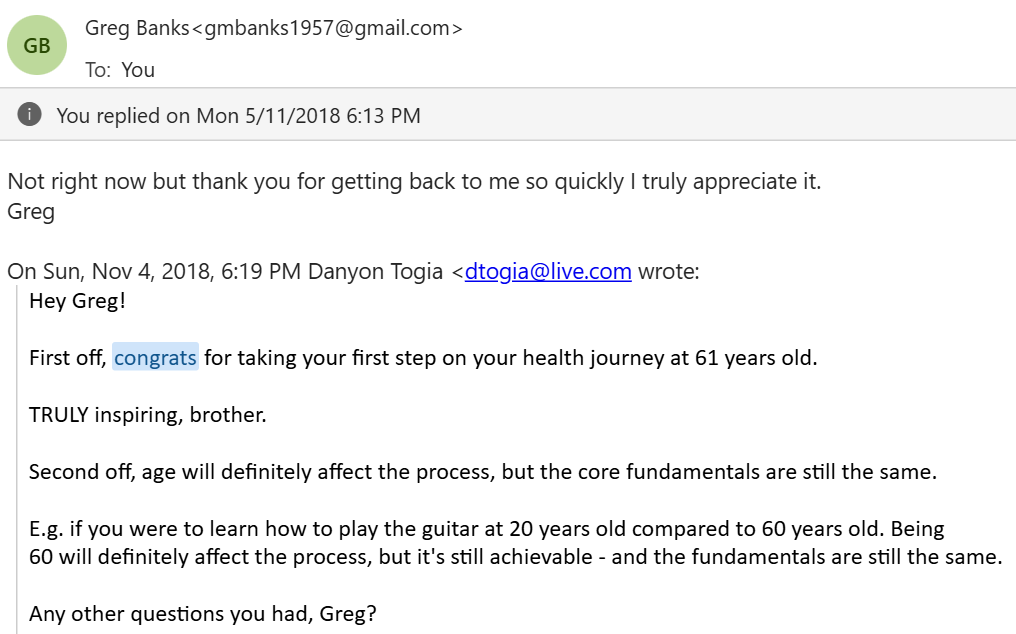
Build the sequence once, and it keeps earning long after you’ve moved on to the next thing. That’s leverage.
Email marketing and NZ law: how to stay compliant
This is where most international guides fail New Zealand businesses. They’ll warn you about America’s CAN-SPAM or Europe’s GDPR — neither of which is your law. Here’s what actually applies to you.
In New Zealand, commercial email is governed by the Unsolicited Electronic Messages Act 2007, enforced by the Department of Internal Affairs (DIA). It comes down to three duties:
1. Get consent. You can only send commercial messages to people who’ve agreed to receive them.
That agreement can be express (they ticked a box, filled a form) or, in limited cases, inferred or deemed — but the safe, clean approach is always to get clear, express opt-in. And it means the obvious: never buy or scrape a list.
2. Identify yourself clearly. Every message must accurately say who sent it and how to contact you. No hiding, no misleading “from” names.
3. Include a working unsubscribe. Every commercial email must carry a functional unsubscribe option that’s clear and easy to find, free to use, and stays valid for at least 30 days. When someone opts out, you must action it within five working days.
None of this is hard. Any reputable platform handles the unsubscribe and sender-ID requirements for you automatically.
Get consent honestly, keep your list clean, and you’ll stay well on the right side of the law — while also, not coincidentally, building exactly the kind of high-quality list that earns.
Best practices and common mistakes
The habits that separate email that works from email that gets deleted:
Do:
- Write subject lines that spark curiosity without lying about what’s inside.
- Keep the design simple and mobile-first — most opens happen on phones.
- Give every email one clear call to action.
- Clean your list regularly; remove people who never open.
- A/B test constantly. One variable at a time.
Don’t:
- Buy or scrape lists (illegal here, and it poisons your deliverability).
- Send for the sake of sending. Every email should earn its place in the inbox.
- Ignore mobile.
- Blast everyone the same message. Segment.
What about the best day and time to send? Mid-week mornings (Tuesday to Thursday) are the reliable default for most NZ businesses. But the honest answer is: test it on your own list. Your audience has its own rhythm, and your data will beat any generic rule.
What good email marketing looks like: the HealthVI story
I’ll leave you with proof rather than theory.
HealthVI was a health and nutrition brand I grew from scratch. Email was central to it.
By tying our sign-up offers tightly to what the audience genuinely wanted, we built a list that grew fast and stayed engaged — tens to hundreds of new subscribers on our best days, made up of real readers who opened, clicked, and bought.
That audience did more than drive sales. It made HealthVI a recognised name in its niche — to the point where editors at major publishers like Healthline were reaching out to me.
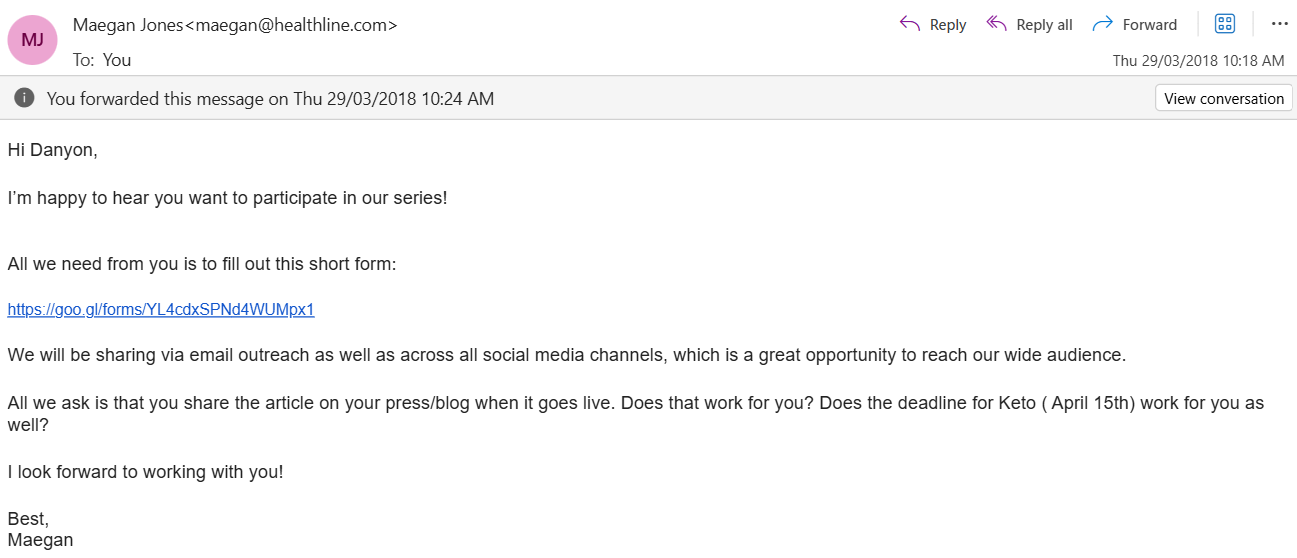
That’s the compounding power of an owned audience. It’s the same principle behind everything we do at Expert SEO: build a genuine audience of the right people, and the results follow.
If you want a hand setting up an email system that pulls in high-quality leads — or an SEO and content engine to feed it — get a free SEO audit and let’s talk about where the biggest wins are for your business.
Email Marketing: FAQ
Is email marketing still worth it in 2026?
Yes. It remains the highest-ROI digital channel — often 10 to 36 dollars back for every dollar spent — because it costs almost nothing to send and reaches people who already opted in. No channel gives you that combination of low cost and a warm audience.
How do I start email marketing?
Pick a platform (Mailchimp, Klaviyo or MailerLite), add a signup form and a specific lead magnet to your website, turn on double opt-in, then send a welcome email followed by a regular newsletter. You can be live within a week.
How much does email marketing cost in NZ?
You can start free on most platforms. Paid plans scale with your list size — small lists often run under NZD $50 a month, rising as you grow. It stays cheap relative to the revenue it generates.
Do I need consent to email people in New Zealand?
Yes. Under the Unsolicited Electronic Messages Act 2007, you can only send commercial email to people who've consented, you must identify yourself clearly, and you must include a working unsubscribe. Never buy a list.
Can you make money from email marketing?
Absolutely — it's one of the most profitable channels there is. Build a quality, engaged list, send relevant offers, and automate the sequences that sell while you sleep. The key is list quality, not list size.
Is there a "3-3-3 rule" for email?
You'll see rules like this floating around (send to three segments, three touchpoints, three times — versions vary). Treat them as loose prompts, not gospel. The only rule that reliably works: send relevant emails to people who want them, and let your own data guide the frequency.
Recommended Reading
 Content Marketing
The engine that fills your email list — how to create content that attracts the right subscribers.
 Digital Marketing Strategy
Where email fits in the bigger picture, and which channel to lead with for your business.
 Affiliate Marketing
One of the most profitable ways to monetise an engaged email audience once you've built one.