
20 SEO Tips to Boost Rankings & Traffic in NZ (2026)
Most New Zealand businesses are doing SEO… but getting weak results.
They either overcomplicate it, chase the wrong tactics, or focus on things that barely move the needle.
The result? No rankings. No traffic. No leads.
The truth is, SEO doesn’t need to be complicated. You just need to focus on the right actions.
This guide breaks down 20 simple, high-impact SEO tips you can actually implement. These are the kind of changes that drive real traffic and real enquiries, not just vanity metrics.
If you apply even a handful of these properly, you’ll start seeing results.
1. Target Keywords That Actually Bring Customers
Most businesses target the wrong keywords and end up with traffic that never converts.
That usually happens because they chase keywords with high search volume instead of keywords with buying intent.
If you rank for keywords that don’t lead to enquiries, you’ll end up with traffic that looks good in a report but does nothing for your bank account.

Here’s how to find better keywords:
Write down every service you offer.
Add your main location to each service.
Search those terms in Google.
Look at what types of pages are ranking.
Prioritise keywords where Google is showing service pages, business websites, map results, or local providers.
That usually means the searcher is looking to take action.
For example:
“dental implants Hamilton” = buyer intent
“roof repairs Auckland” = buyer intent
“SEO services Christchurch” = buyer intent
“how long do dental implants last” = informational intent
“what is SEO” = informational intent
Informational keywords are still useful. But if you’re trying to get leads, start with money keywords first.
A simple way to do this is with ChatGPT Deep Research.
Use this prompt:
I run a [type of business] in [location]. My main services are [list services]. Find high-intent SEO keywords that people in New Zealand would search when they are looking to hire or buy from a business like mine. Once you have the keyword list, don’t just accept it blindly.
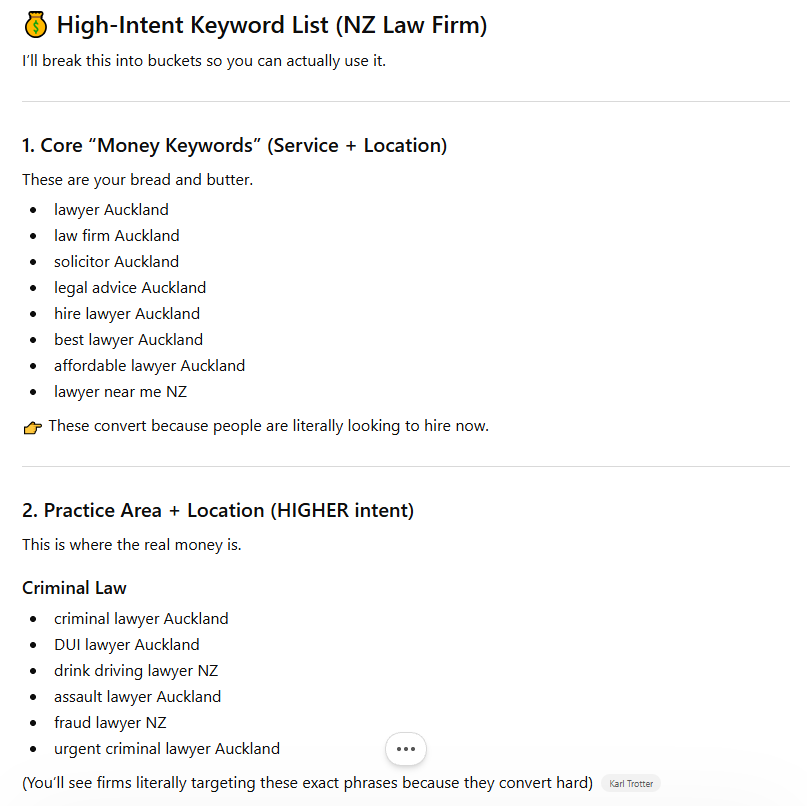
Check the best ones manually in Google.
If the top results are service pages, local businesses, or Google Maps listings, that’s usually a good sign. If the top results are mostly blog posts or definitions, the keyword is probably better for content than a service page.
When you’re doing keyword research, focus on intent before volume.
Example:
If you run a dental clinic in Hamilton, “dental implants Hamilton” is a money keyword because the person is likely comparing clinics or ready to book.

“Dental implant recovery time” is still valuable, but it sits earlier in the buying journey. That would work better as a supporting blog post that links back to your main service page.
That’s how you turn keyword research into leads instead of just traffic.
2. Focus on One Keyword Per Page
One page should target one main keyword. If you try to rank a page for multiple unrelated keywords, it usually won’t rank for any of them.
Here’s how to do it:
Go to your keyword list (from Tip 1)
Assign one primary keyword to each page
Make sure the page content clearly matches that keyword
Avoid creating multiple pages targeting the same keyword
Keep supporting keywords closely related
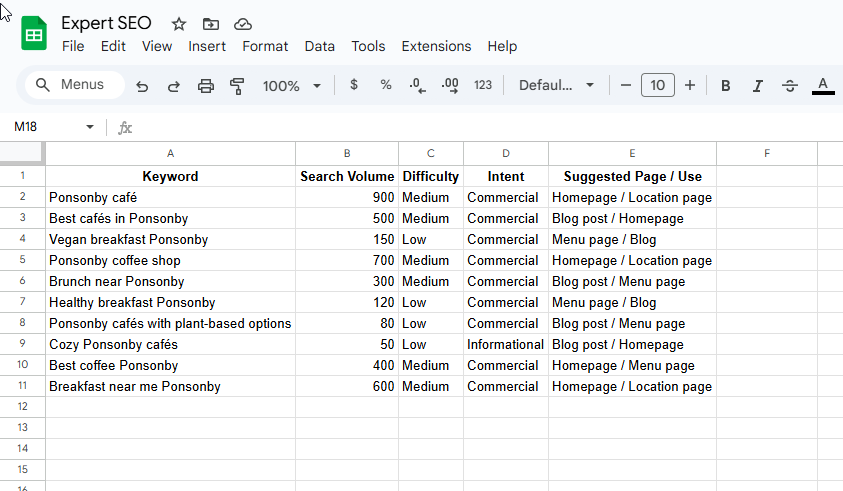
Use a spreadsheet. Create columns for: Page URL, Primary Keyword, Secondary Keywords.
Example:
If you have a page targeting “SEO services Hamilton”, don’t try to also rank that page for “SEO checklist” or “what is SEO”.
Those should be separate pages.
3. Optimise Your Page Titles for Clicks, Not Just Rankings
Ranking on Google means nothing if no one clicks your result.
Your title tag is what people see first. If it doesn’t grab attention or clearly show value, they’ll scroll straight past you.
Here’s how to do it:
Start with your main keyword
Add a clear benefit (what the user gets)
Add specificity (location, year, outcome)
Keep it under ~60 characters
Compare it against the top 5 results
Simple formula:
Keyword + Benefit + Specificity
Tool you can use:
Use ChatGPT to generate 5–10 title variations for your keyword, then compare them in Google and pick the one that stands out the most.
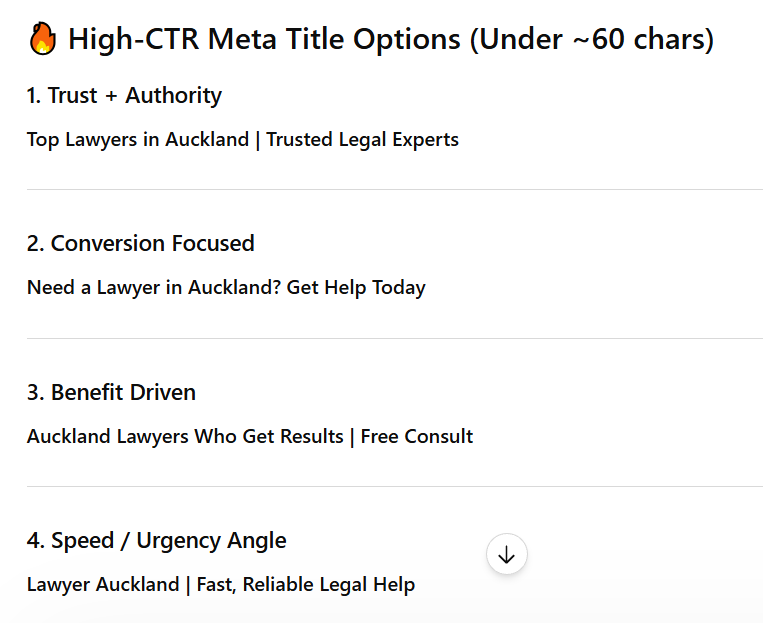
Example:
Instead of:
“SEO Services Hamilton”
Use:
“SEO Services Hamilton: Get More Traffic & Leads (2026)”
4. Make Your Website Load Fast (Start With Easy Wins)
A slow website kills both rankings and conversions.
If your site takes too long to load, people leave. Google sees that and pushes you down.
According to Google, 53% of mobile users abandon a page that takes longer than 3 seconds to load.
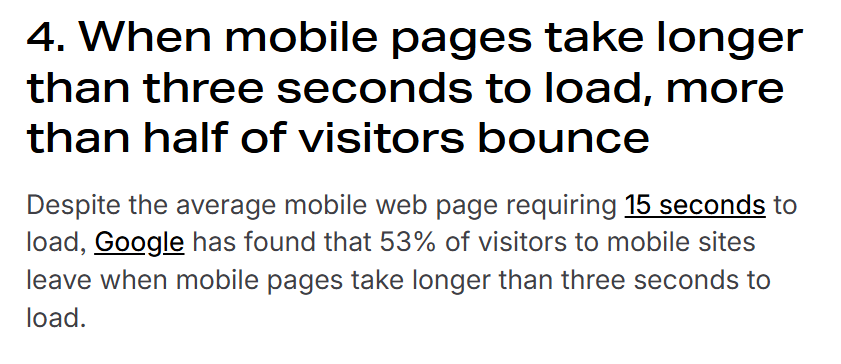
That’s half your potential customers gone before they even see your offer.
Here’s how to fix it quickly (this falls under technical SEO):
Run your site through Google PageSpeed Insights
Install a caching plugin (WP Rocket if using WordPress)
Compress images before uploading (TinyPNG works well)
Remove unnecessary plugins
Upgrade hosting if your site is still slow
Tool you can use:
Google PageSpeed Insights shows what’s slowing your site down.
5. Create a Dedicated Page for Every Service You Offer
This is one of the highest ROI SEO moves you can make.
If you try to list all your services on one page, you limit your ability to rank for each one.
Google ranks pages, not businesses.
Here’s how to do it:
List all your core services
Create one page per service
Assign a unique keyword to each page
Add detailed content about that service
Include location keywords where relevant

Use your keyword list from Tip 1 and match each service to a page.
Example:
A roofing company in Hamilton with pages for:
“roof repairs Hamilton”
“roof replacement Hamilton”
can rank for both.
A competitor with one generic “services” page will struggle to compete.
6. Optimise Your Google Business Profile Properly
If you’re a local business, this drives calls and enquiries directly.
Your Google Business Profile is what shows in Maps and local results. If it’s weak, you lose visibility even if your website is good.
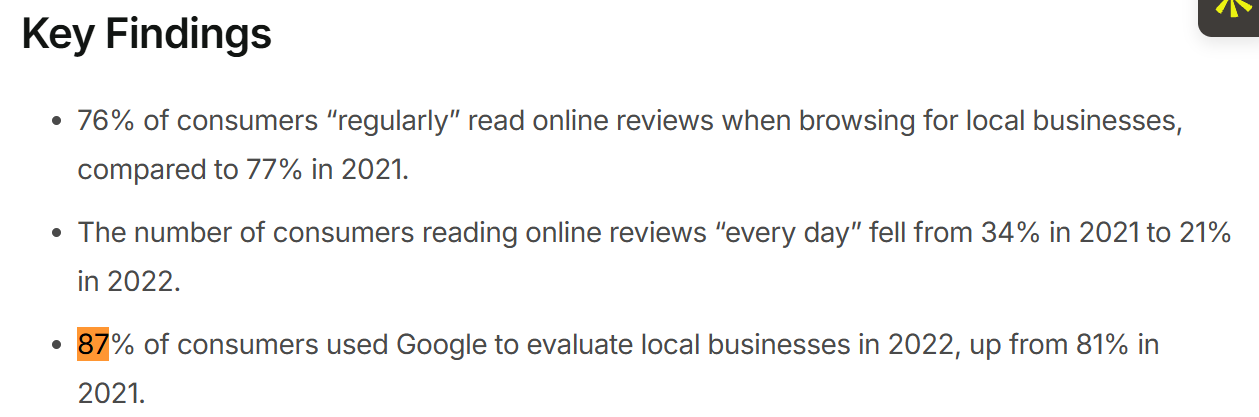
According to BrightLocal, 87% of consumers used Google to evaluate local businesses in the last year.
Claim and verify your profile
Fill out every field (services, description, hours)
Add real photos (team, location, work)
Get consistent reviews (ask every happy customer)
Post updates weekly (offers, jobs, tips)
Tool you can use:
Use your CRM or a simple checklist to request a review after every completed job.
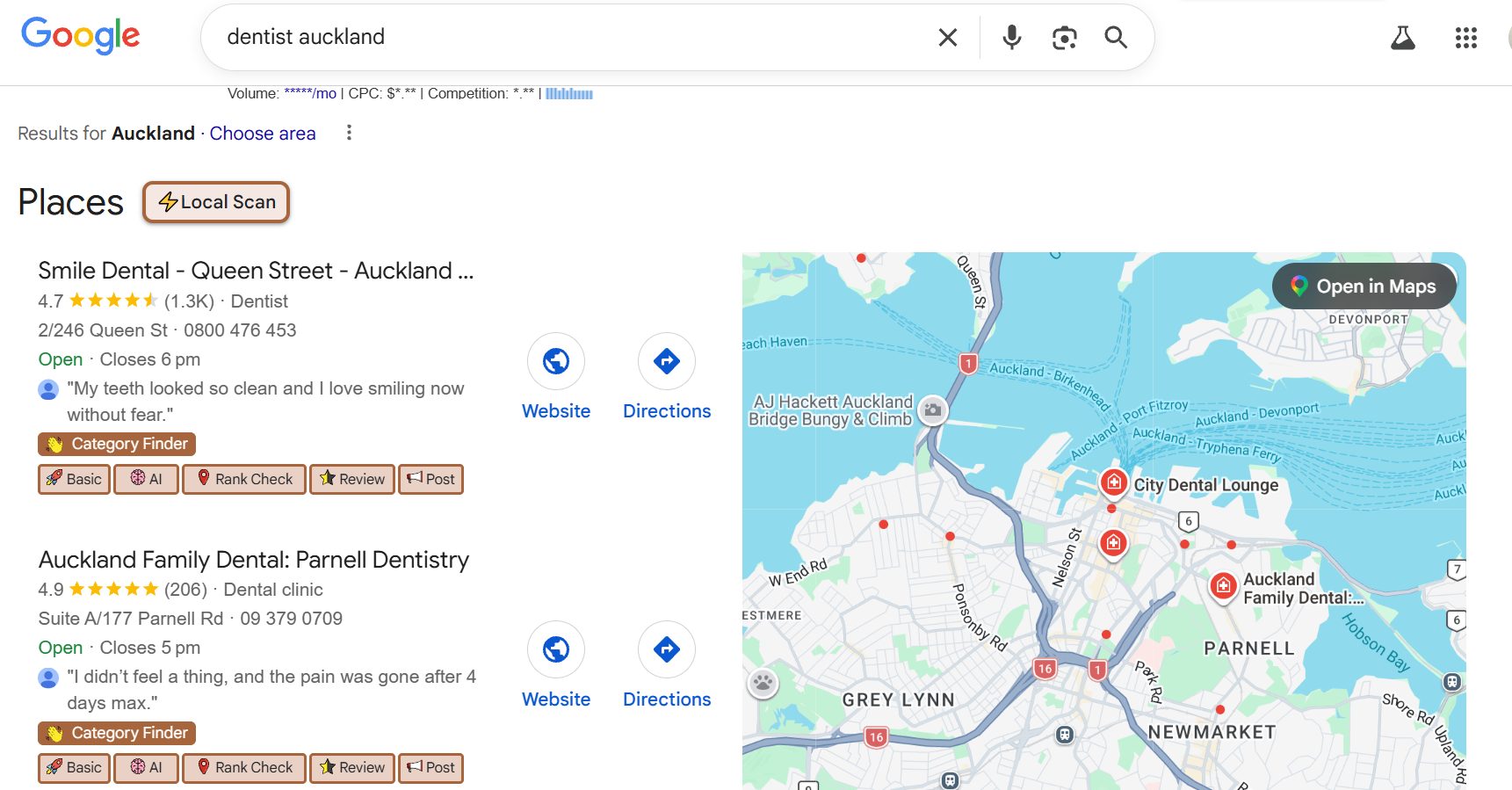
You can also use a tool like GMB Everywhere to analyse the top-ranking businesses for your target keyword and see which primary category they’ve selected.
7. Add Internal Links to Your Important Pages
Internal links help Google understand your site and push authority to key pages.
Most sites don’t use them properly.
Here’s how to do it:
Identify your key pages
Find mentions of those topics in your content
Link naturally within sentences
Use descriptive anchor text (not “click here”)
Don’t overdo it. Keep it relevant

This is how you guide both Google and users toward your most important pages, like your core services.
Tool you can use:
Use a tool like Link Whisper to quickly find internal linking opportunities and get suggestions for which pages to link together.
Example:
If you mention “roof repairs” in a blog post, link that phrase to your roof repairs service page.
8. Create Content Around Real Customer Questions
Content works best when it answers what people are already searching.
Guessing topics leads to wasted time.
Here’s how to do it:
List common questions customers ask you
Search them in Google
Check “People also ask” and related searches
Turn each question into a blog post
Link those posts back to your main service pages to support your overall [SEO content strategy
Tool you can use:
Use ChatGPT: “List 20 questions people ask before hiring a [service] in [location].”

Example:
A Hamilton dentist can create posts like:
“How long do dental implants last?”
“Are dental implants painful?”
Each post brings traffic and links back to the main service page.
9. Use Long-Tail Keywords to Get Faster Wins
Long-tail keywords are easier to rank and often convert better.
They’re more specific, so competition is lower.
According to Ahrefs, long-tail keywords make up the majority of searches and often have clearer intent.

Here’s how to do it:
Take your main keyword
Add modifiers (cost, near me, best, how, vs)
Add location or specific details
Check what’s ranking in Google
Create content targeting those phrases
Tool you can use:
Use ChatGPT Deep Research to generate long-tail keyword opportunities based on your main service and location, then validate them in Google.
Example:
Instead of just “SEO services”, target:
“SEO services Hamilton cost”
“best SEO services NZ for small business”
These are easier to rank and closer to conversion.
10. Add Location Keywords to Key Pages
If you want local traffic, you need to tell Google where you operate.
Without location signals, you’ll struggle to rank in your area.
Here’s how to do it:
Add your main location to page titles
Include location in headings and content
Mention nearby areas naturally
Add your address in the footer
Create location-specific pages if needed
Example:
Instead of just “roof repairs”, use:
“roof repairs Hamilton”
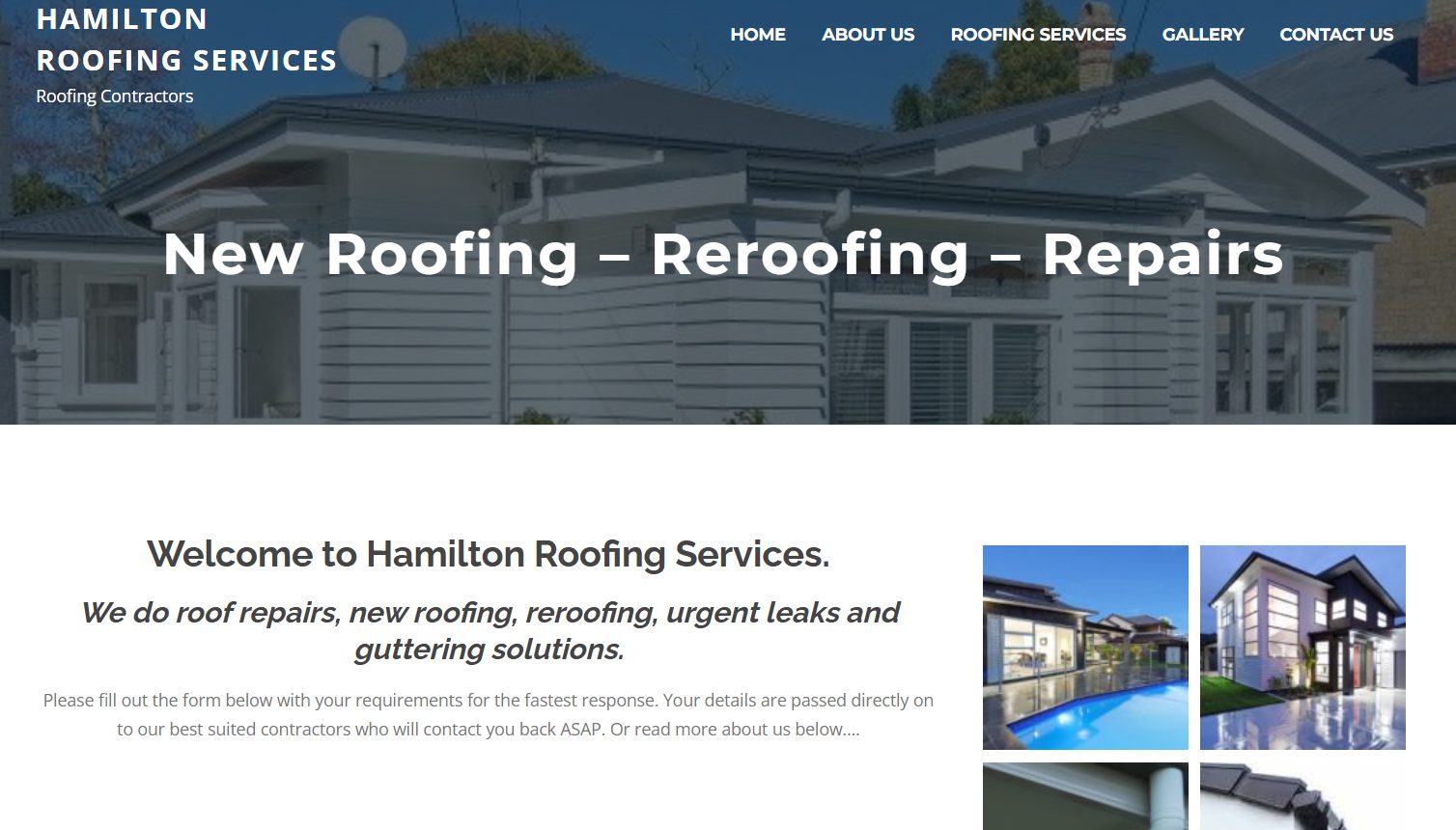
A Hamilton-based business that does this consistently will outrank a generic competitor targeting no location.
11. Structure Your Content So Google Can Understand It
If your content is hard to read, it’s hard to rank.
Google doesn’t just look at keywords. It looks at how your content is structured and how easy it is to understand.
Here’s how to do it:
Use one clear H1 (main title)
Break sections into H2s and H3s
Keep paragraphs short (2–3 lines max)
Use bullet points where possible
Make each section focused on one idea
This makes your content easier for both users and Google to process.
12. Make Your Homepage Crystal Clear
If people land on your homepage and don’t understand what you do in 5 seconds, they leave.
That hurts conversions and sends negative signals to Google.
Here’s how to fix it:
Clearly state what you do (above the fold)
Say who you help
Mention your location
Add a clear call to action
Remove vague or generic wording
You should be able to answer:
What do you do?
Who do you help?
Where are you based?
Tool you can use:
Use ChatGPT: “Rewrite this homepage headline to clearly explain what this business does, who it helps, and where it operates.”
Example:
Instead of:
“Welcome to our website”
Use:
“SEO Services in Hamilton That Drive More Traffic & Leads”
13. Build Backlinks the Right Way (Keep It Simple)
Backlinks are still one of the strongest ranking factors.
But most people either ignore them or do them badly.
According to Backlinko, the number of domains linking to a page strongly correlates with higher rankings.

Here’s how to do proper link-building in New Zealand:
List local directories and submit your business
Reach out to partners or suppliers for links
Get featured on local blogs or news sites
Create useful content worth linking to
Avoid spammy link-building services
Focus on relevant links, not just more links.
A link from a local NZ business directory or partner site is more valuable than dozens of random low-quality links.
14. Optimise Your Images for SEO and Speed
Images can slow your site down and hurt your rankings if not handled properly.
They also help Google understand your content when optimised correctly.
Here’s how to do it:
Rename image files before uploading (e.g. “roof-repairs-hamilton.jpg”)
Add descriptive alt text
Compress images to reduce file size
Use modern formats where possible (like WebP)
Avoid uploading oversized images
Tool you can use:
Use TinyPNG or similar tools to compress images before uploading.
Example:
Instead of uploading “IMG_1234.jpg”, rename it to something relevant to your page.
This helps with both SEO and accessibility.
15. Fix the Basic Technical SEO Issues First
If your site has technical problems, it won’t rank properly no matter how good your content is.
Most websites have simple issues that are easy to fix.
Here’s how to do it using a Semrush Site Audit:
Set up a Site Audit project in Semrush
Run a full crawl of your website
Go to the “Issues” tab and look for high-priority errors
Fix critical issues first (broken links, crawl errors, duplicate pages)
Work through warnings and notices after that

This gives you a clear, prioritised list of what’s actually holding your site back.
Tool you can use:
Use Screaming Frog SEO Spider to run your own crawl and manually inspect issues like broken links, redirects, and duplicate content.
Example:
If Google can’t index your page, it won’t appear in search results at all.
Fixing that alone can unlock traffic immediately.
16. Build Topic Clusters Around Your Services
Topical depth helps you rank across more keywords and builds authority.
Instead of one page per topic, you create a core service page and support it with related content.

Here’s how to do it:
Pick a core service (e.g. “dental implants Hamilton”)
List related questions and subtopics
Create supporting articles for each subtopic
Link all supporting articles back to the main service page
Interlink the supporting articles where relevant
Tool you can use:
Use your keyword list from Tip 1 to group related keywords into clusters around each service.
Example:
Core page: “dental implants Hamilton”
Support pages:
“how long do dental implants last”
“dental implant cost NZ”
“are dental implants painful”
Each supports the main page and pushes authority back to it.
17. Update Old Pages to Get Quick Ranking Gains
It’s often faster to improve existing pages than create new ones.
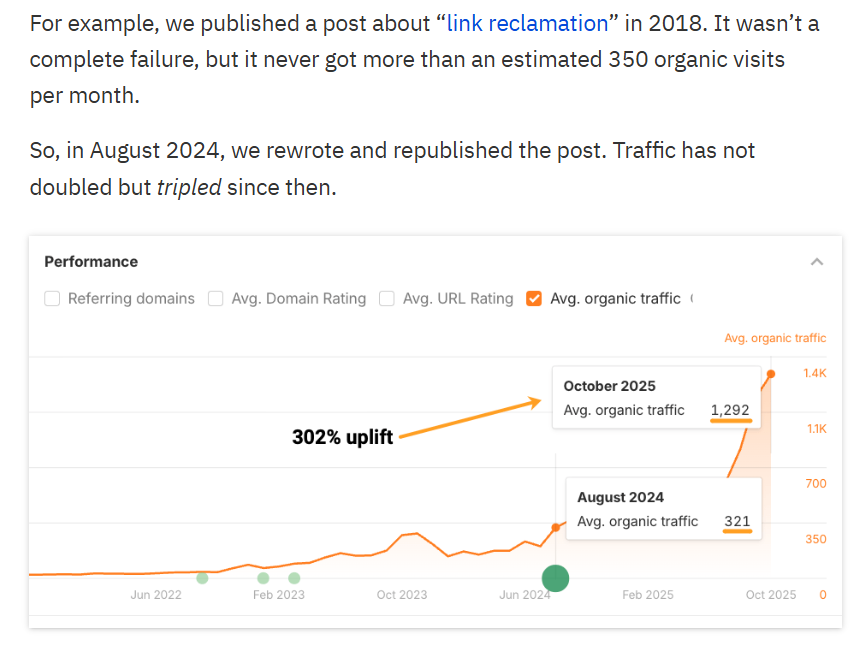
According to Ahrefs, updating and republishing old content can significantly increase traffic.
Here’s how to do it:
Find pages with impressions but low clicks (use Search Console)
Improve the title and meta description
Add more depth and updated information
Improve internal links to the page
Re-publish or update the page date
Tool you can use:
Use Google Search Console → Performance → filter pages with impressions but low CTR.
A blog post ranking on page 2 can often move to page 1 just by improving the title and adding better content.
18. Track What’s Actually Working
If you’re not tracking performance, you’re guessing.
Most people look at the wrong metrics.
Here’s how to do it:
Set up Google Search Console
Track clicks, impressions, and average position
Identify pages gaining or losing traffic
Double down on what’s working
Fix pages that are underperforming
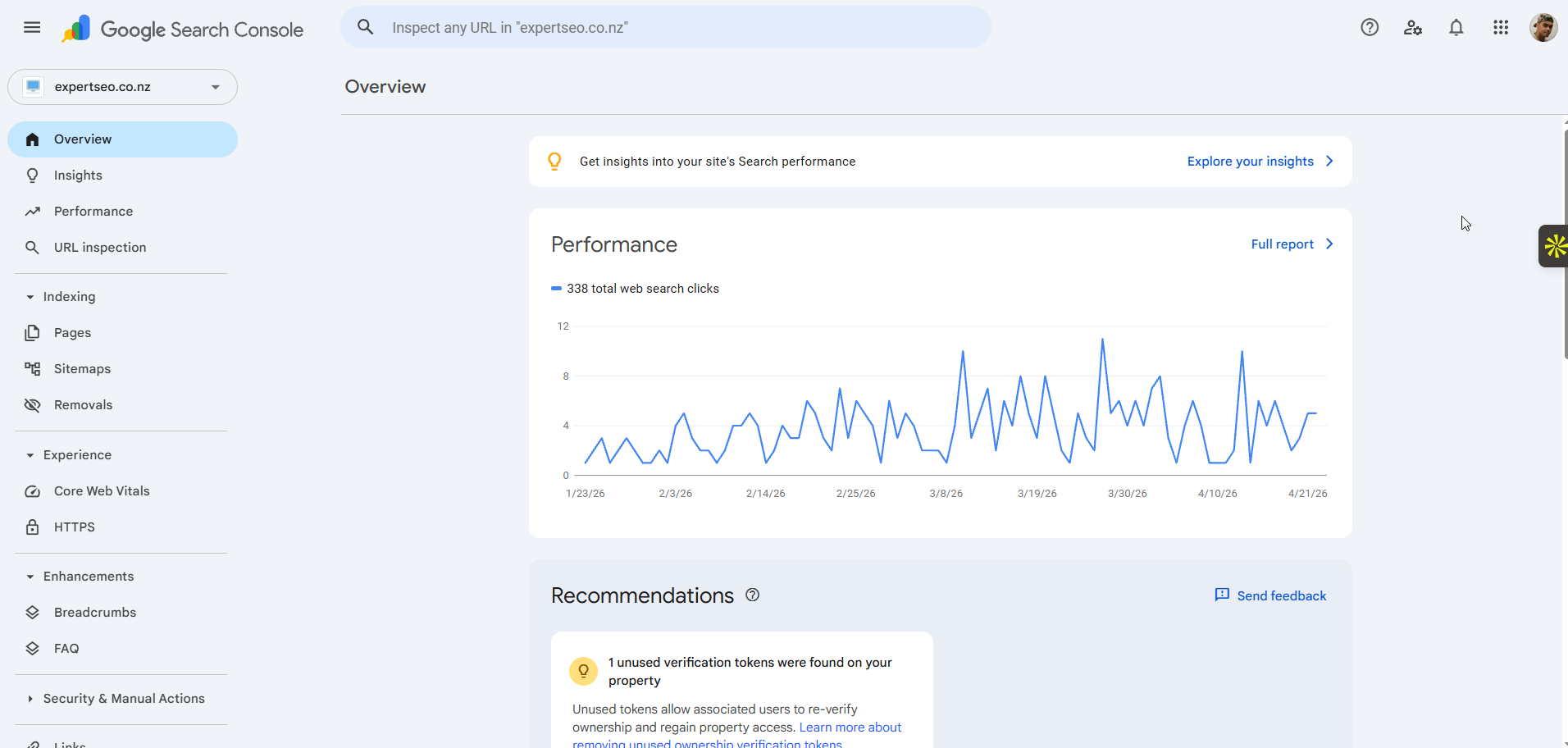
Tool you can use:
Google Search Console for search data, and Google Analytics for user behaviour.
Example:
If one blog post is getting most of your clicks, expand that topic and build more content around it.
19. Go Deep on Topics Instead of Publishing More Pages
Thin content rarely ranks.
Google prefers pages that fully answer the search intent.
Here’s how to do it:
Search your keyword and analyse the top results
List the subtopics they cover
Create a better, more complete version
Add examples, steps, and clarity
Remove fluff and focus on usefulness
Tool you can use:
Use ChatGPT: “Analyse the top 5 results for [keyword] and list the subtopics they cover.”
Example:
A detailed guide that covers cost, process, risks, and benefits will outperform a short, generic page.
20. Stay Consistent (This Is Where Results Come From)
SEO compounds over time.
Most businesses quit before results show up.
According to Ahrefs, only a small percentage of new pages rank in the top 10 within the first year.

Here’s how to do it:
Set a simple weekly SEO schedule
Publish or improve content consistently
Build links gradually over time
Track progress monthly, not daily
Keep going even when results are slow early on
Consistency beats intensity in SEO.
Example:
A business that publishes one solid piece of content per week for 6 months will outperform one that posts 10 articles once and stops.
Want Expert Help With Your SEO?
Reading SEO tips is easy.
Implementing them properly is where most businesses struggle.
SEO is time-consuming, and if you don’t know what you’re doing, you can actually make things worse, not better.
That’s where working with an experienced SEO company makes a difference.
You get a clear strategy. You focus on what actually drives traffic and enquiries. And you avoid the mistakes that hold most businesses back.
If you want help with your SEO, we work with businesses all across New Zealand, including: