
Link velocity gets talked about like a landmine — build links too fast and you’ll trip a penalty. For most businesses doing legitimate SEO, that fear is misplaced.
Link velocity is simply the rate you gain or lose backlinks over time.
And here’s the part the scare articles skip: it’s largely outside your control, and Google’s own team has said it isn’t the ranking factor people think it is.
This guide covers what link velocity is, whether it actually matters, when it becomes a real problem, and what to do instead of worrying about it.
Key Takeaways
- What it is: Link velocity is the rate at which a website gains (or loses) backlinks over a set period, usually measured in links or referring domains per month.
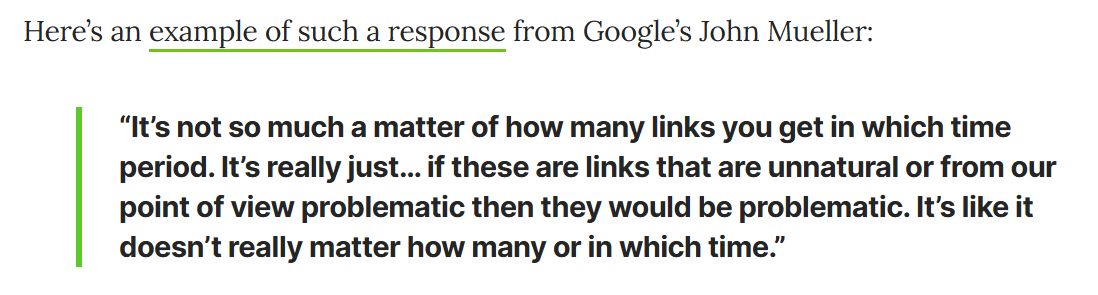
- For most NZ businesses building links legitimately, link velocity is a non-issue — Google’s John Mueller has said it’s not about how many links you get in a time period.
- Google’s Gary Illyes went further and called link velocity a made-up term.
- The one real risk is buying bulk low-quality links fast, which leaves an unnatural footprint. That’s a quality problem, not a speed problem.
- Do the fundamentals — content marketing plus legitimate link building — and your velocity stays natural on its own.
- Stop tracking velocity as a target. Track link quality and consistency instead.
What Is Link Velocity?
Link velocity is the speed at which your website picks up (or drops) backlinks over time.
It’s usually measured in new links, or new referring domains, per month. Fifty new links this month, ten the next — that’s your velocity moving.

The theory goes like this: steady, gradual link growth looks natural, so search engines trust it. A sudden spike looks manufactured, so it raises a flag. A sharp drop can hurt.
That’s the theory. The reality is more relaxed than the theory suggests — which is where most of the confusion lives.
Does Link Velocity Actually Matter for SEO
For the average business, not really.
Even if you were doing SEO in Auckland which is the most competitive place for NZ SEO, it’s still not super important.
And that’s not my opinion alone — it’s close to Google’s own position.
Google’s John Mueller addressed this directly. His point was that it’s not so much about how many links you get in which time period — if the links are unnatural or problematic, that’s the issue, not the speed they arrived at.
Read that again, because it flips the whole fear on its head. Google doesn’t run a stopwatch over your link profile — it looks at whether the links themselves are legitimate.
Gary Illyes from Google went blunter still and called link velocity a made-up term in a Reddit AMA. That’s about as clear a signal as Google gives.

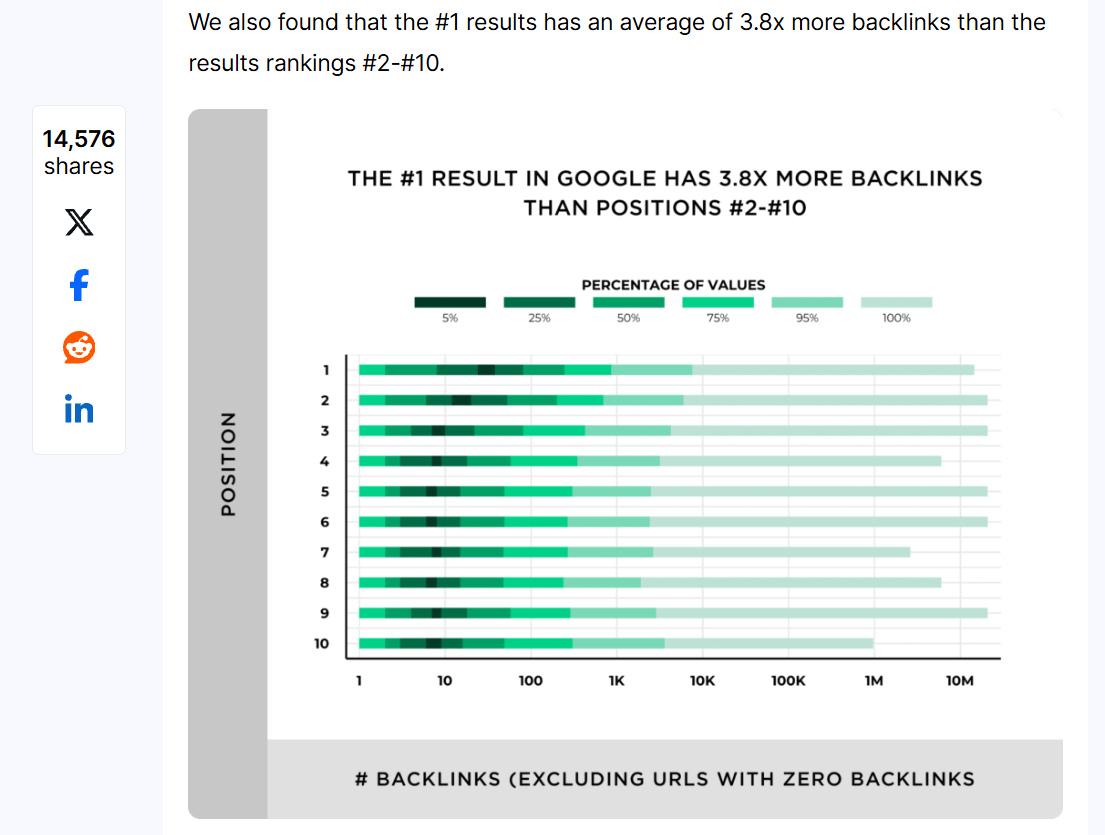
What actually matters is what’s always mattered: the quality of each link and how naturally it was earned. Backlinks are still one of the top three ranking factors — but it’s the strength and legitimacy of the links doing the work, not the pace.
So if your articles earn links fast because one took off, that’s fine. If you publish for weeks and nothing comes, that’s fine too. Neither speed hurts you when the links are real.
When Link Velocity Is Actually a Problem
There’s one situation where velocity genuinely bites: buying bulk low-quality links, fast, in an unnatural pattern.
That’s not really a velocity problem. It’s a quality problem that happens to show up as a velocity spike. A hundred spammy links appearing overnight looks manufactured because it is.
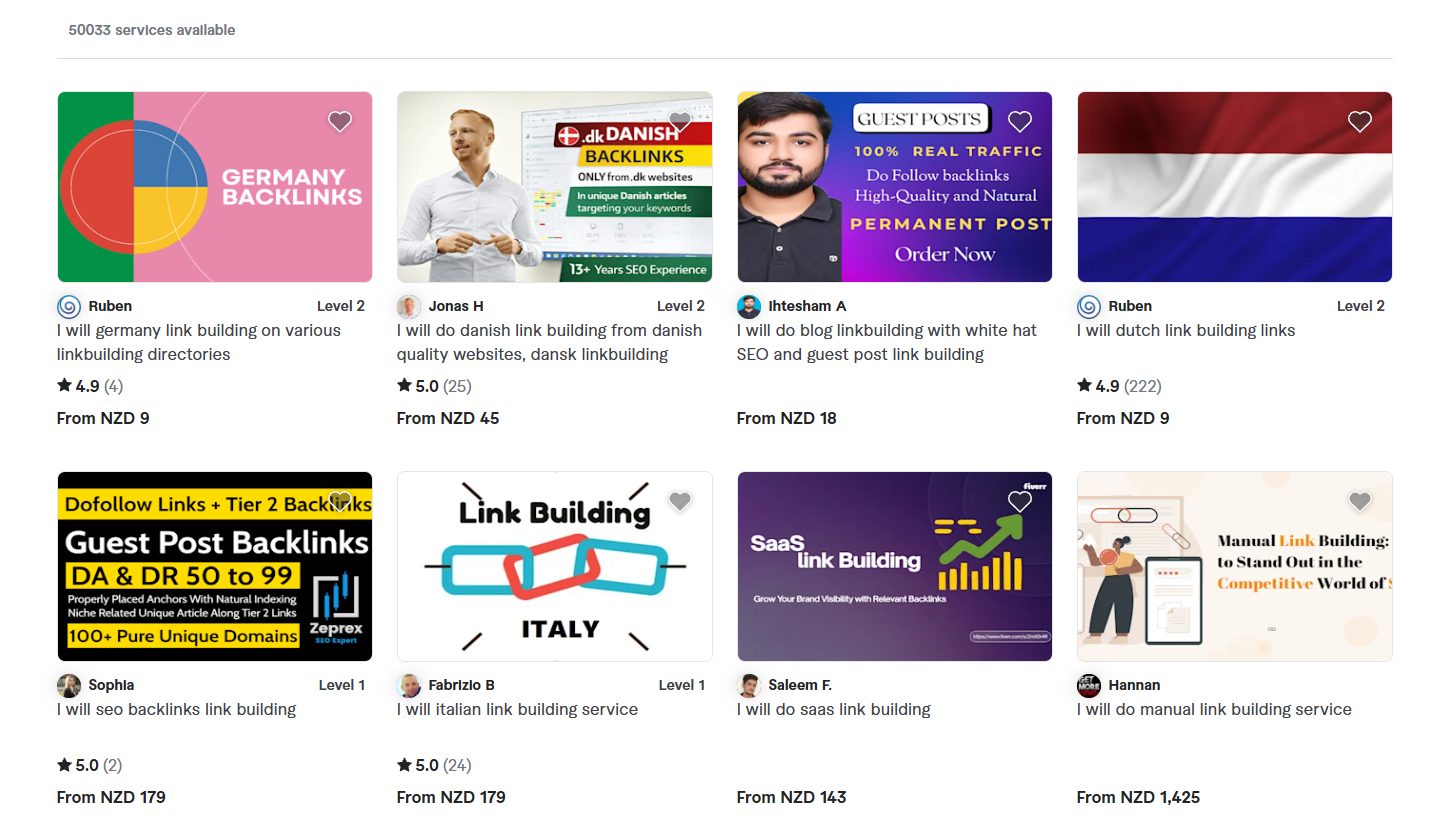
This is the exact kind of thing that creates the problem — bulk, low-quality links you can buy by the hundred.
Let me give you a real one. I was talking to a jandal brand here in New Zealand that wanted help with their SEO.
I ran a backlink analysis. For a relatively new site, they had around 100 backlinks — which sounds great until you look closer. Roughly 80% of them were low quality.
So they’d built a lot of links fast, but they were junk. The result? It did nothing for their SEO. All that velocity, zero payoff — because the links had no quality behind them.
That’s the lesson. Fast wasn’t the problem. Cheap and spammy was.
How to Keep Your Link Velocity Natural Without Thinking About It
The good news: if you do the fundamentals, velocity takes care of itself. You don’t manage it — you make it a byproduct of good work.
Run a content marketing plan. This is the big one. When you publish genuinely useful content, links come in at a natural pace on their own, and you build topical authority at the same time. Natural pace is the whole point — you’re not engineering it, it just happens.
Build links legitimately, a few at a time. Sensible link building — a handful of quality links a month from relevant sites — produces exactly the steady profile the scare articles say you want. No trick required.
Don’t buy spam. The single fastest way to create an unnatural velocity spike is bulk low-quality links. Just don’t. If you’re not buying junk, you’re not creating the problem in the first place.
Do those three and your velocity will look natural because it is natural. There’s nothing left to manage.
How to Check Your Link Velocity
If you’re curious to look — not to obsess, just to look — it takes about a minute.
Open Ahrefs or SEMrush and drop in your domain. Head to the referring domains report and view it over time. You’ll see a graph of new referring domains by month — that’s your velocity.
Scan it for one thing only: any sudden, unexplained spike you didn’t earn. A jump you can explain (a piece went viral, you got press) is fine. An unexplained wall of new links usually means someone’s pointing spam at you, which is worth a look in your backlink audit.
Beyond that one check, there’s not much to do here. This is a “glance occasionally,” not a “track weekly,” metric.
Final Thoughts
If you forget everything else, remember this: stop worrying about link velocity and start worrying about link quality.
The mistake I see over and over is businesses treating velocity like a dial they need to set perfectly, when it’s really just a readout of whether they’re doing good work. Get the quality and the consistency right and the speed sorts itself out.
Most pages never get there at all — around 66% of web pages have zero backlinks. For most sites the real challenge is the opposite of going too fast: building enough good links to matter at all.
So put your energy into content and legitimate links. The velocity graph will look after itself.
If you’d rather have someone build that profile the right way — quality links, natural pace, no junk — that’s what our SEO services handle for businesses across New Zealand.
Link Velocity: FAQ
What is link velocity?
Link velocity is the rate at which a website gains or loses backlinks over time, usually measured in new links or referring domains per month. It's a description of how fast your link profile is growing, not a metric Google officially uses to rank you.
Does link velocity affect SEO rankings?
Not in the way most people fear. Google's John Mueller has said it isn't about how many links you get in a time period — what matters is whether the links are natural or problematic. Gary Illyes from Google has even called link velocity a made-up term.
Can you build backlinks too fast?
If the links are genuine and earned, no — a piece taking off and pulling links quickly is fine. The only real risk is buying bulk low-quality links fast, which looks manufactured. That's a link-quality problem, not a speed problem.
What is a natural link velocity?
A natural velocity is whatever pace results from doing legitimate work — publishing useful content and building a few quality links a month. It varies month to month, and that variation is normal; there's no "correct" number to hit.
How do you check your link velocity?
Open Ahrefs or SEMrush, enter your domain, and view the referring domains report over time. You're looking for one thing only: a sudden, unexplained spike you didn't earn, which can signal someone pointing spam at your site.
Is losing backlinks (negative link velocity) bad?
Losing a few links over time is normal and rarely a problem, as pages get updated or removed. A large, sudden drop is worth investigating, but for most sites the bigger challenge is building enough good links in the first place — around 66% of web pages have none at all.
Recommended Reading
 How Many Backlinks Do You Need to Rank?
The honest answer on how many links you actually need — and why referring domains and quality beat raw count and pace.