

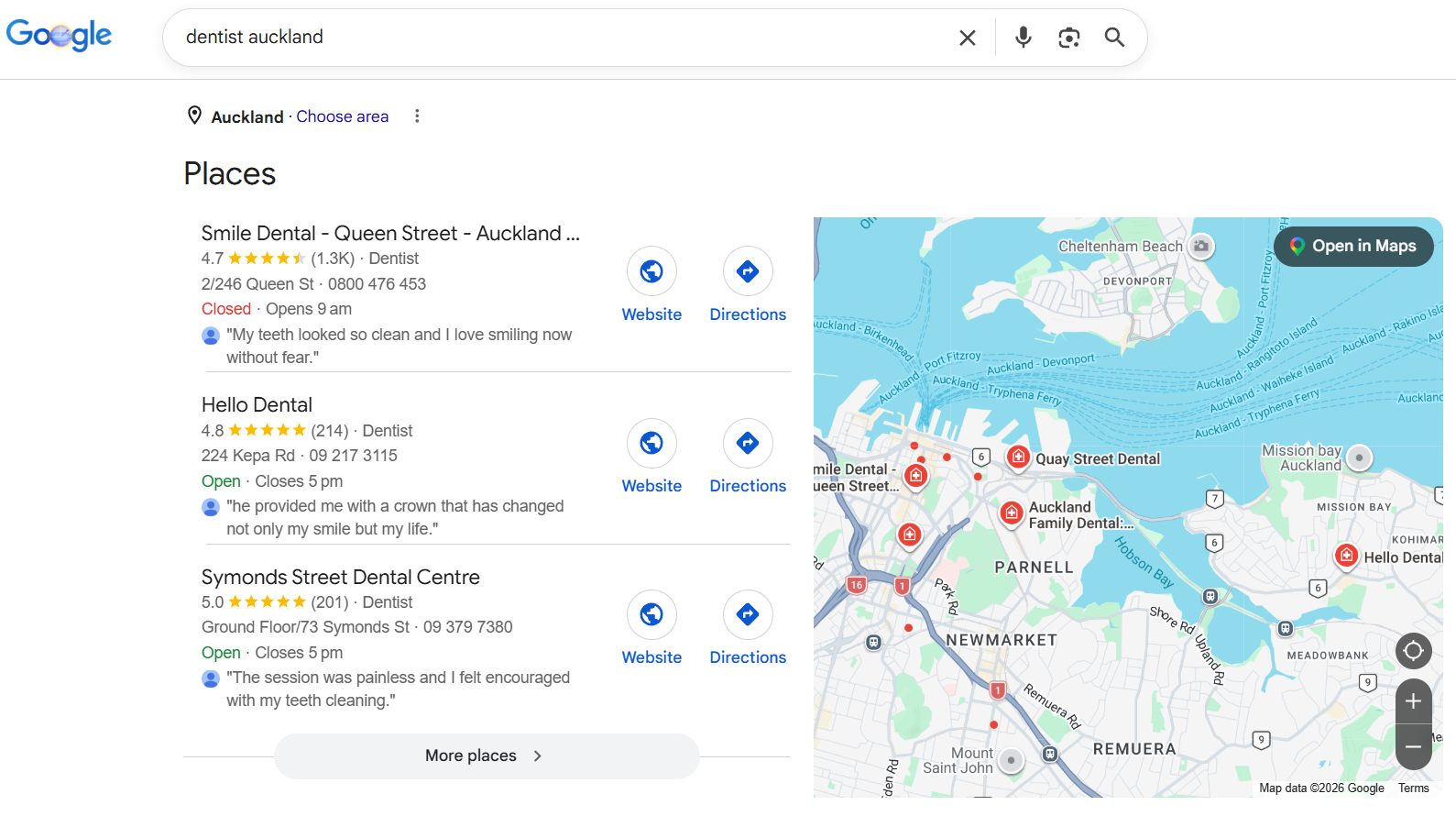
Picture an Auckland dentist.
Good website, decent prices, lovely team — and they’re sitting on page two while the practice down the road, with worse fillings and an uglier site, owns the top of the map.
It’s not bad luck. It’s order of operations.
Every guide you’ve read hands you the same shopping list — Google Business Profile, reviews, citations, content. Tick, tick, tick. What none of them tell you is exactly how to do each one, and in what order gets you results the fastest.
That’s what this is. A roadmap — the 20% of local SEO that drives about 80% of the results, in sequence, built around one Auckland dentist so you can watch it happen instead of just reading about it.
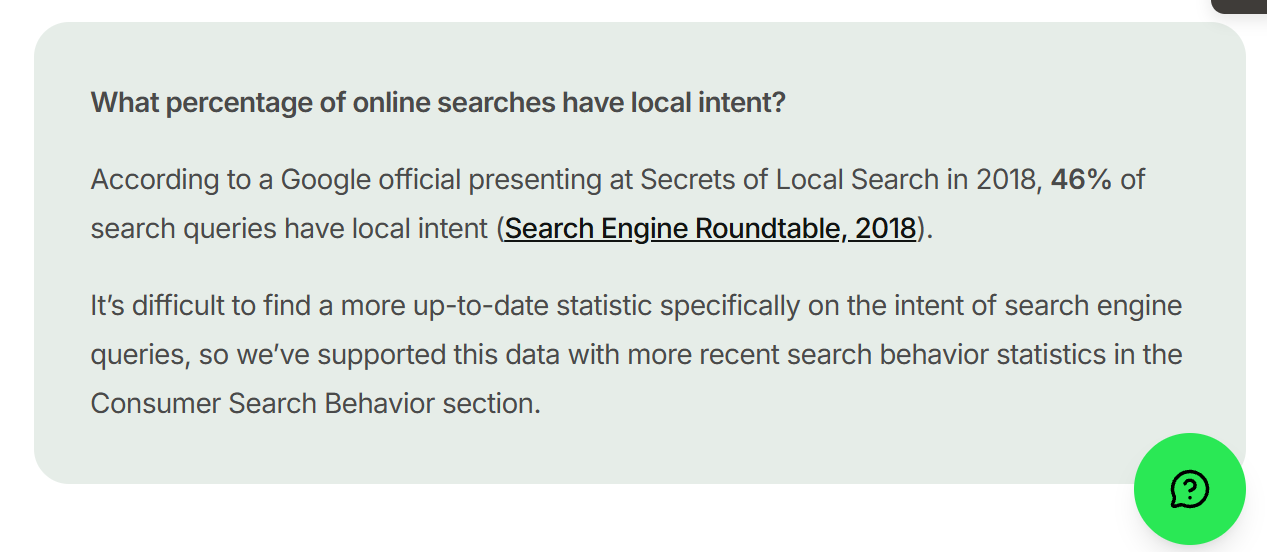
And it’s worth doing, because local search is where the buying happens. Around 46% of all Google searches now carry local intent — nearly half of everything typed into Google is someone looking for something nearby.
The top three map results alone soak up about 42% of the clicks on a local search. That’s the real estate we’re going after.

Here’s the order we’re walking, top to bottom:
- Claim and fully optimise your Google Business Profile
- Get more reviews than your competitors
- Lock your NAP, then build citations
- Build pages that match how people actually search
- Get your on-page SEO right
- Create local content that pulls people in
- Earn local links from your community
- Track what’s working and keep showing up
Let’s start at the top — because if you get the first one wrong, nothing below it matters.
Step 1: Claim and Fully Optimise Your Google Business Profile
This is first for a reason. Google Business Profile factors carry the biggest weight in map pack rankings — more than anything else you can touch.
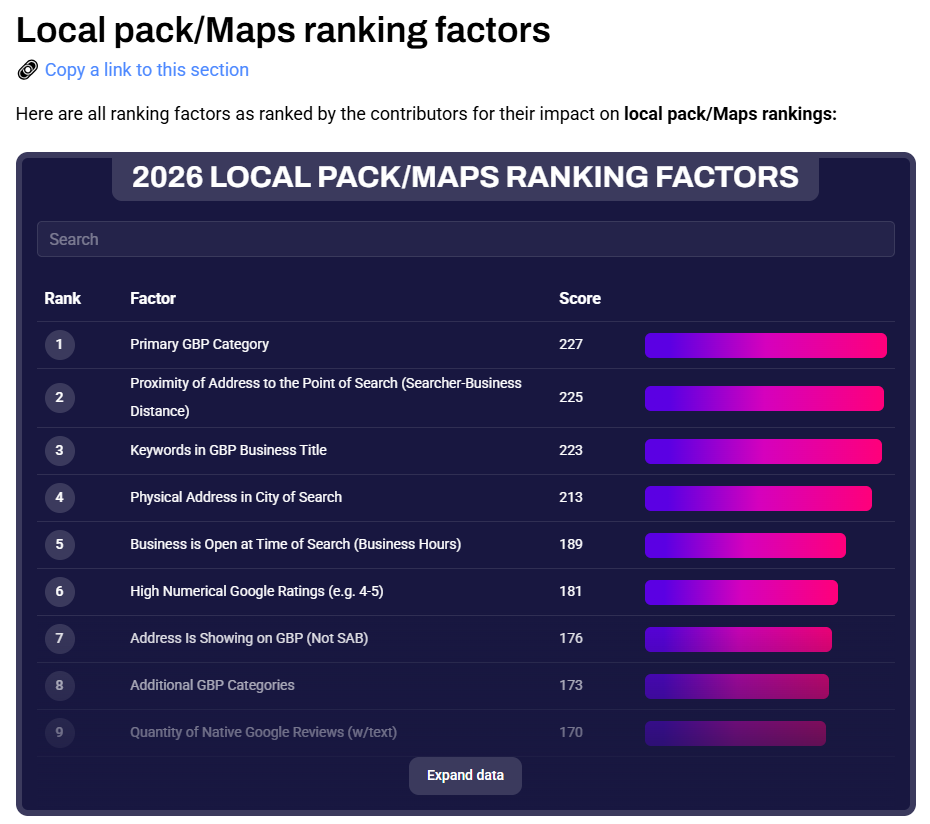
And the single most powerful lever inside that profile is your primary category. Get it right and you’ve done more for your ranking than a month of blog posts. Get it wrong and you’re competing in the wrong race before you’ve laced up.
Your Google Business Profile is your storefront inside the map pack. It’s the thing that shows up with your stars, your photos, your hours, your phone number — before anyone’s even seen your website. Businesses with a complete profile get 70% more visits than the ones who half-fill it in.

Here’s how to actually do it, click by click.
Go to google.com/business and claim your listing (or create it). Google posts a verification code — usually a video or a postcard. Verify before you do anything else; an unverified profile is a locked shop.
Now fill every field. Not “most.” Every one.
- Business name — exactly as it appears on your signage and website, no keyword stuffing
- Address and service area — your real location, plus the suburbs you genuinely serve
- Phone, website, hours — accurate, and matching your site to the letter
Then the big one: category.
Open Edit profile → Business category.
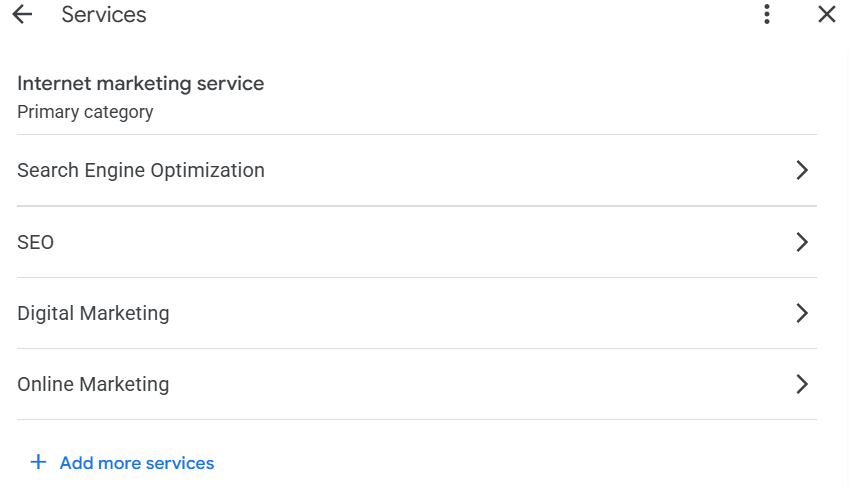
Set your primary category to the closest match to your core service — for our dentist, that’s simply “Dentist.”
Then add the secondary categories that match the high-value stuff you actually want to rank for: “Cosmetic dentist,” “Emergency dental service,” “Teeth whitening service.” Each secondary category is another door Google can send searchers through.
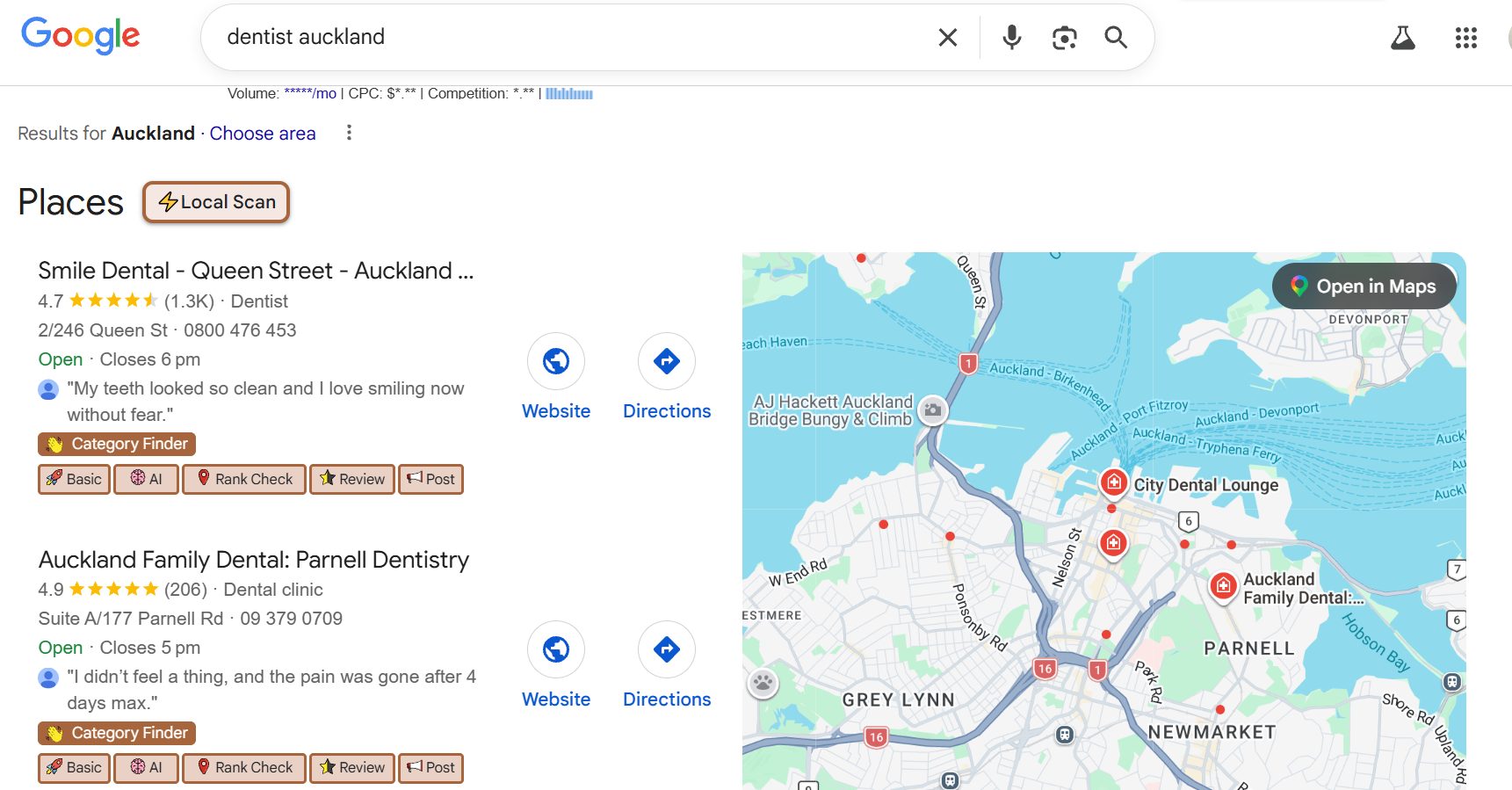
And here’s the move most people miss — you can see exactly what categories your competitors are using.
Install GMB Everywhere (free Chrome extension), search “dentist Auckland,” and it’ll show you the categories behind every listing in the pack.
If the practice sitting at number one is using a category you’re not, that’s a thirty-second fix that can move you up the same afternoon.
Finish the profile off properly: upload real photos (your team, your fit-out, your work), write a description with your services and suburbs woven in naturally, add your services and prices, switch on messaging, and set your hours including public holidays.

That’s the foundation. With the profile claimed, categorised, and full, you’re now actually in the race. Time to win it.
Step 2: Get More Reviews Than Your Competitors
Once two listings look similar to Google, reviews are the tiebreaker — and they’re the tiebreaker for humans, too. 67% of people go on to read reviews after a local search, and 54% click through to the website after reading good ones.

It’s not just the star rating, either. It’s the count, and increasingly it’s the velocity — Google’s started favouring businesses with a steady drip of fresh reviews over ones with a big pile that stopped two years ago.
So let’s look at where you stand. Search “dentist Auckland” and look at the pack.
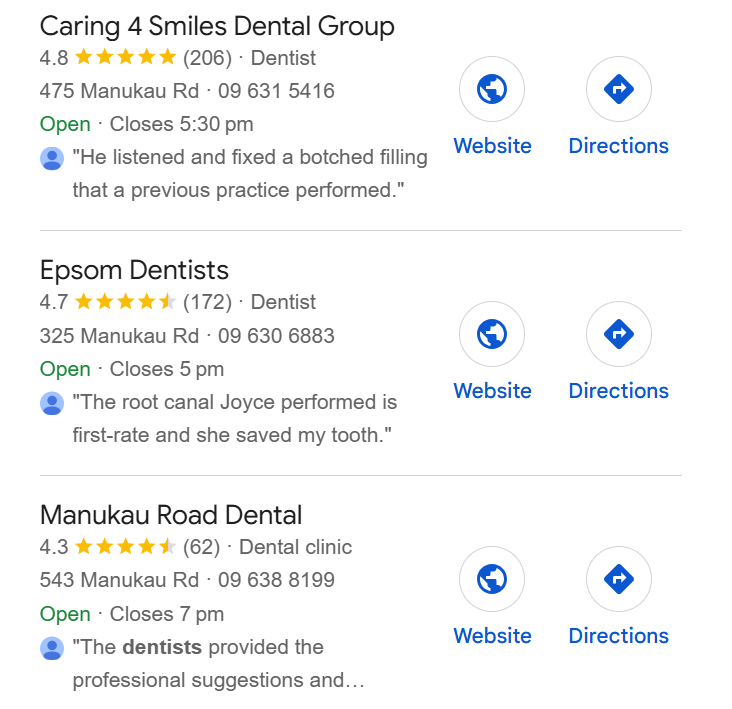
The practice sitting at the top has 206 reviews at 4.8 stars. The one in third spot has 62. If you’re a newer practice sitting on 40, that gap looks like a wall — but really it’s just a number you close, one happy patient at a time.
Here’s the system that actually closes it.
Grab your review link first. In your profile, hit Ask for reviews and Google hands you a short link that drops the customer straight onto your review box — no hunting, no friction.
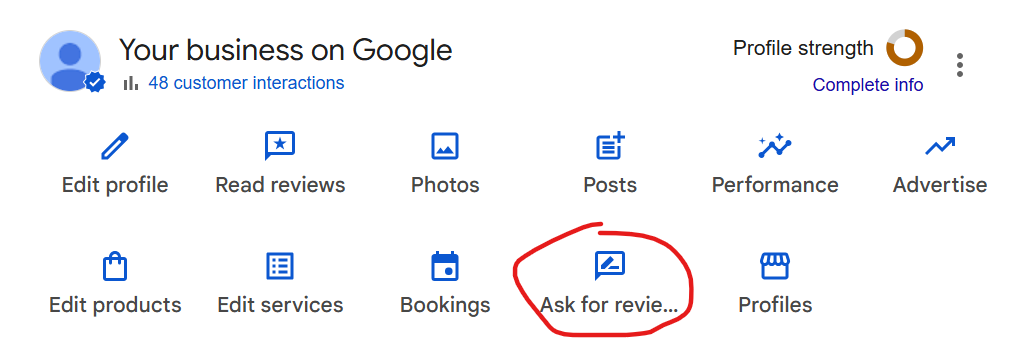
Turn that link into a free QR code (any free QR generator does it). Stick it on the reception desk, the invoice, the appointment-reminder card.
Then nail the timing. The single biggest lever on reviews is when you ask. Send the request right after a good appointment — the moment the patient walks out happy, by text or email, while the relief of a painless filling is still fresh.
One polite follow-up a couple of days later if they don’t bite. That’s it.
And reply to every single one. Thank the good ones, calmly handle the bad ones. Google watches whether you respond — it reads as an active, cared-for business.

Do this for ninety days and 40 becomes 90 becomes 150. The wall stops being a wall.
Step 3: Lock Your NAP, Then Build Citations
NAP stands for Name, Address, Phone — and the goal here is dead simple: those three details should be identical everywhere they appear on the internet.
Why does Google care? Because it cross-checks. When your address says “Level 1, 12 Queen St” on your website but “Unit 1, 12 Queen Street” on an old directory, Google can’t be sure they’re the same business — and uncertainty costs you rankings.
Half of local listings have incorrect information sitting in them right now, which is exactly why fixing yours is such an easy win.

So before you chase new listings, lock the format.
Write your NAP out once, exactly how you want it — same abbreviations, same suite number, same phone format.
Make your Google Business Profile match it, make your website footer match it, and from now on that’s the only version that exists.
Then get listed in the places that matter for a Kiwi business: the big NZ directories like Yellow, Neighbourly, Finda and Localist, plus the industry-specific ones — for a dentist, something like Healthpoint.
Each consistent listing is another little vote that says this business is real, and it’s here.
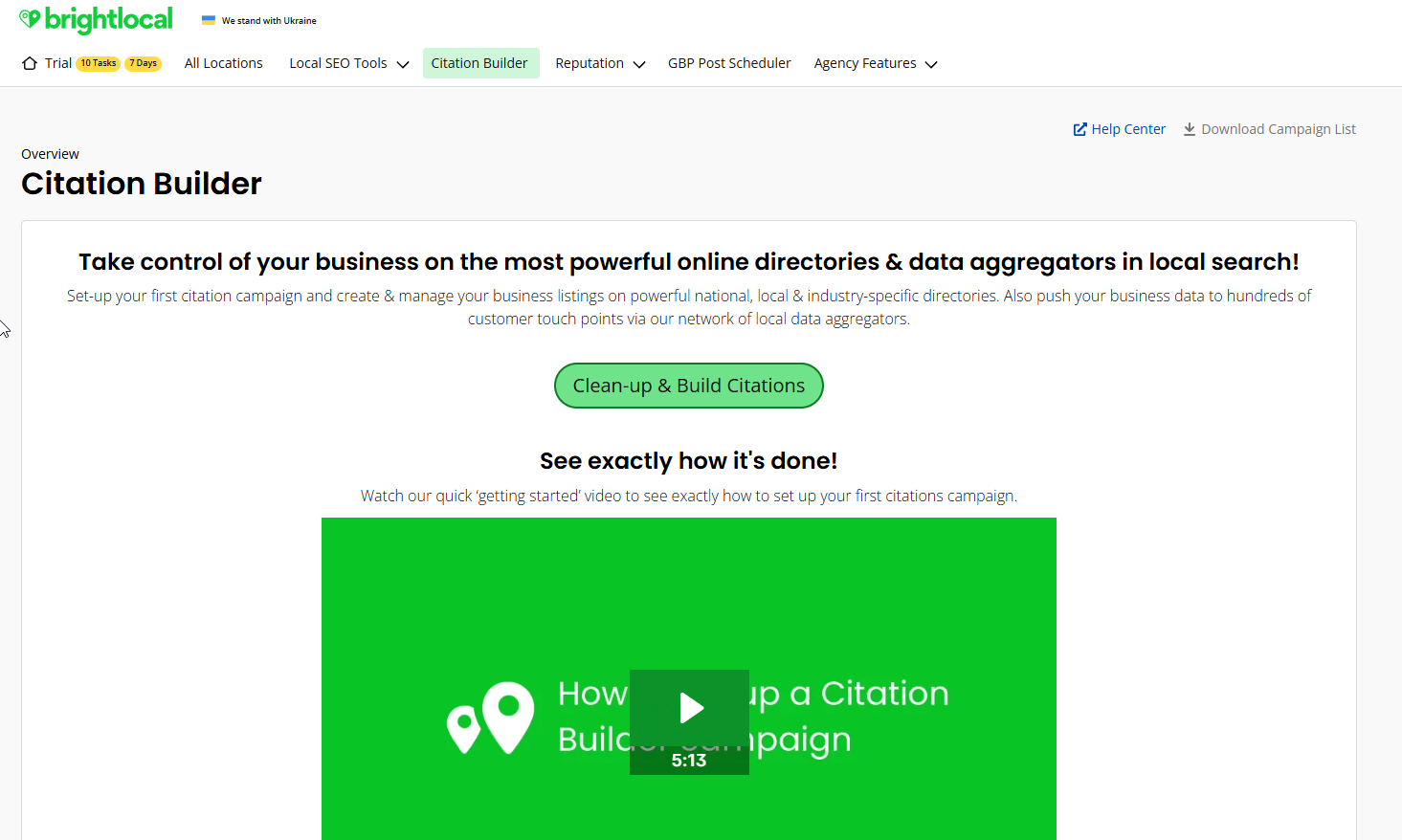
Doing that by hand is a soul-destroying afternoon. So don’t.
Use BrightLocal’s Citation Builder. You enter your details once, and it pushes a clean, consistent listing out to the main directories for you.
One entry, no copy-paste marathon, no typos creeping in across twenty sites. It’s the difference between a job that takes a day and a job that takes ten minutes.
Step 4: Build Pages That Match How People Actually Search
Here’s where most local strategies quietly fall apart. They rely on a single page to rank for everything — every service, every suburb — and a single page just can’t.
A dedicated page for each service is one of the strongest moves you can make for local organic rankings. Google rewards specificity.
A page that’s about emergency dentistry in Auckland will always beat a homepage that mentions it in one line.
The trick is to match real searches, not the way you’d describe yourself. People don’t search “comprehensive dental care solutions.” They search “emergency dentist Auckland” and “teeth whitening Ponsonby.” Each of those is a page.
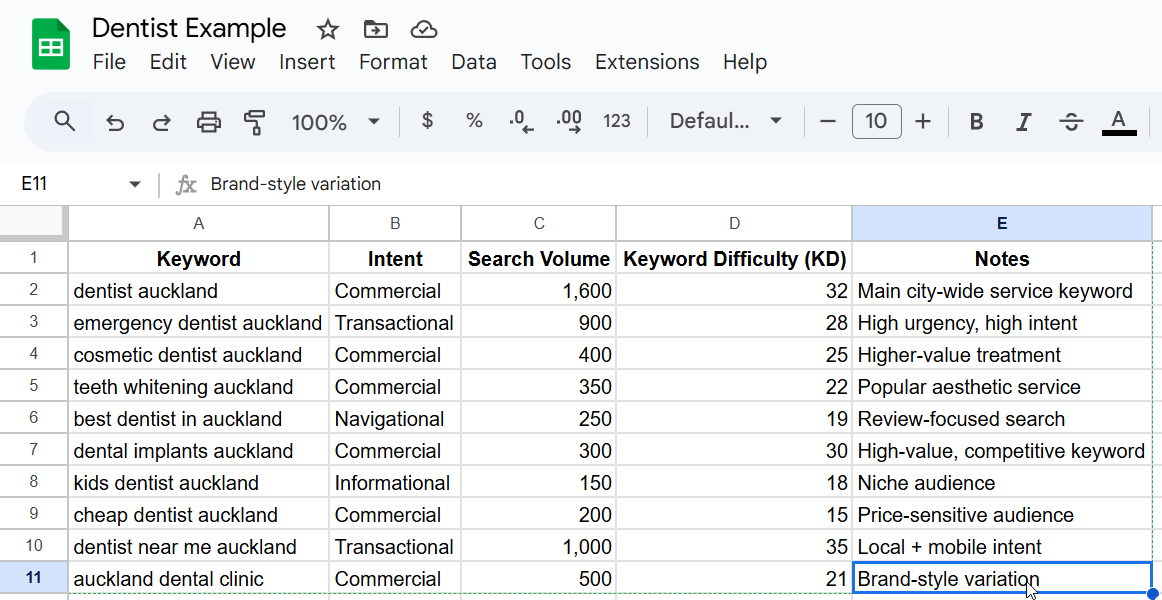
Start by mapping it out — services down one side, areas across the top — and build a page for each combination you genuinely serve.
(Genuinely is the word. Don’t spin up forty thin pages for suburbs you’ve never set foot in; Google sees straight through doorway pages and it’ll cost you.)
Here’s what that map looks like for our dentist:
| What they search | Intent | The page to build |
|---|---|---|
| emergency dentist Auckland | High — they’re in pain, ready now | /emergency-dentist-auckland/ |
| teeth whitening Ponsonby | Commercial — comparing options | /teeth-whitening-ponsonby/ |
| dentist near me | High — ready to book | Google Business Profile + homepage |
| how much does a filling cost NZ | Informational — researching | Blog post |
On each page, work the local keyword into the title, the H1, the URL, and naturally through the copy. Don’t force it — just make sure a search engine reading the page is in no doubt about what you do and where you do it.
This is the same approach behind ranking an Auckland business in any competitive local market — match the page to the search, one intent at a time.
Step 5: Get Your On-Page SEO Right
On-page SEO is how you spell out, in a language Google reads instantly, what each page is about. It’s the bit you fully control, so there’s no excuse to leave it half-done.
Every page needs a clear, keyword-led title and H1, a tidy meta description, sensible internal links between your service pages, and — the one people skip — LocalBusiness schema.
Schema is a snippet of code that hands Google your address, hours and service area on a plate, no guessing required. It’s plumbing, but it’s plumbing that helps you show up.
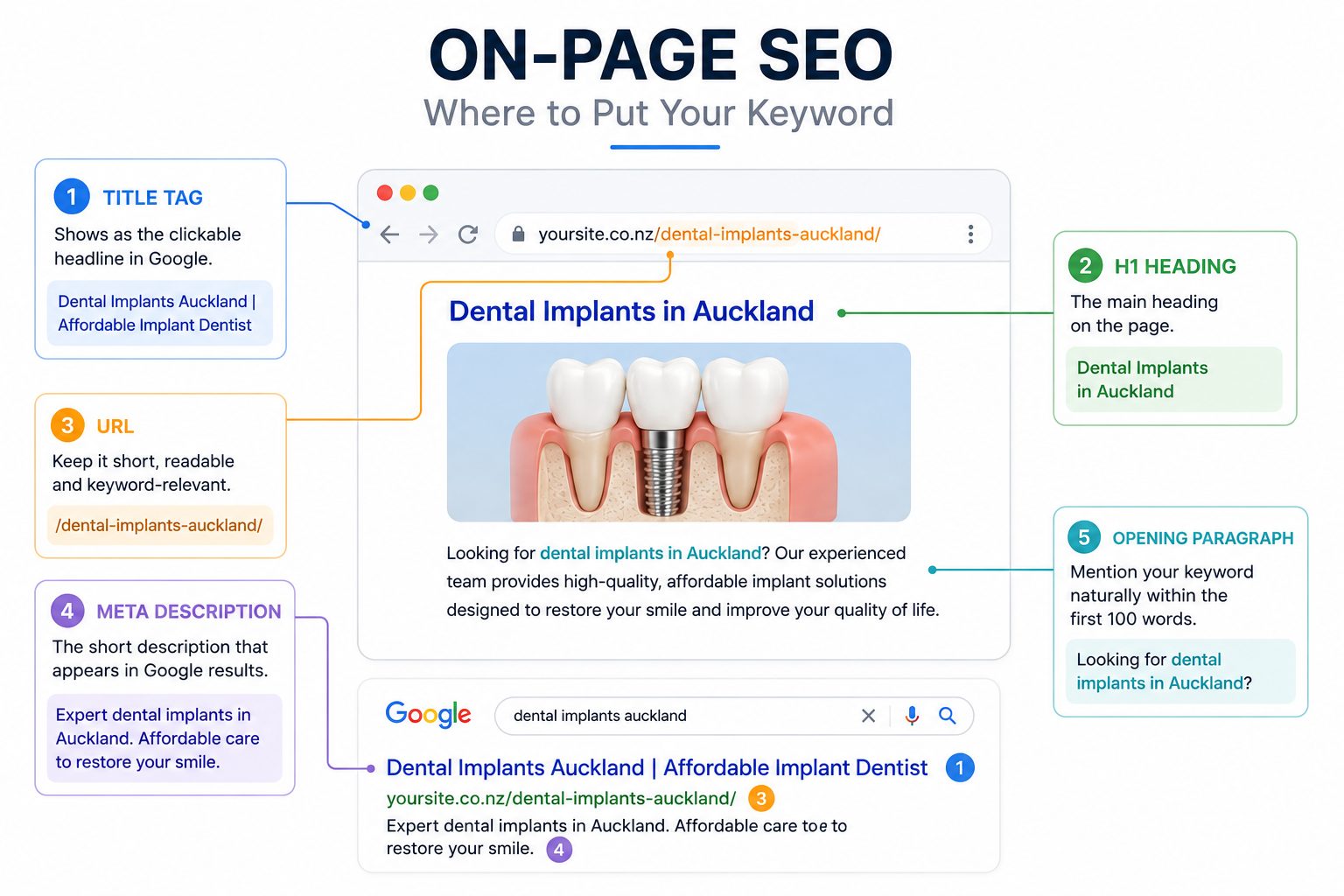
And if your site runs on WordPress, do yourself a favour and install Rank Math.
As you write each page it grades you against the on-page basics in real time — title, keyword usage, meta description, readability — and hands you a live checklist to tick off, so you’re never left guessing whether a page is properly optimised.
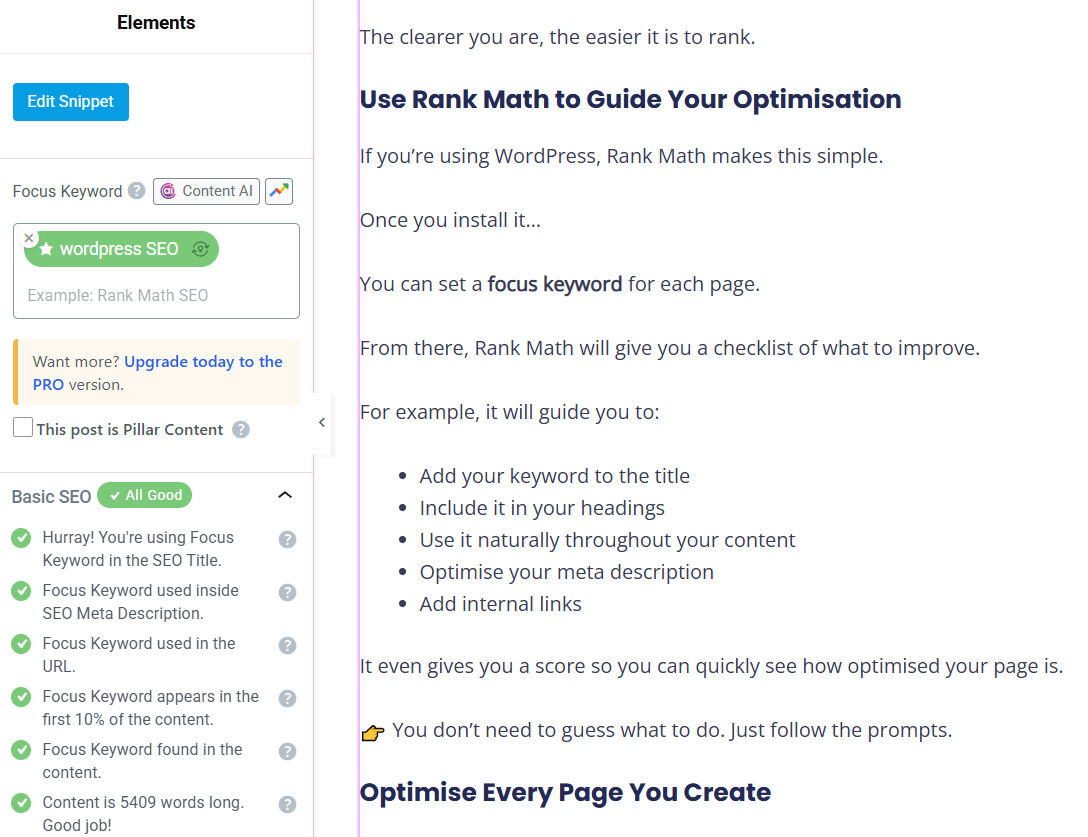
If you want the full checklist for this part, it all lives under on-page SEO — work through it once per page and you’re done.
Step 6: Create Local Content That Pulls People In
Your service pages catch the people who are ready to buy. Local content catches everyone who isn’t there yet — and builds the authority that lifts your whole site.
Here’s the difference. “Emergency dentist Auckland” is someone ready to book. “How much does a filling cost in NZ?” is someone three weeks earlier in the journey, quietly working out whether they can afford to come in.
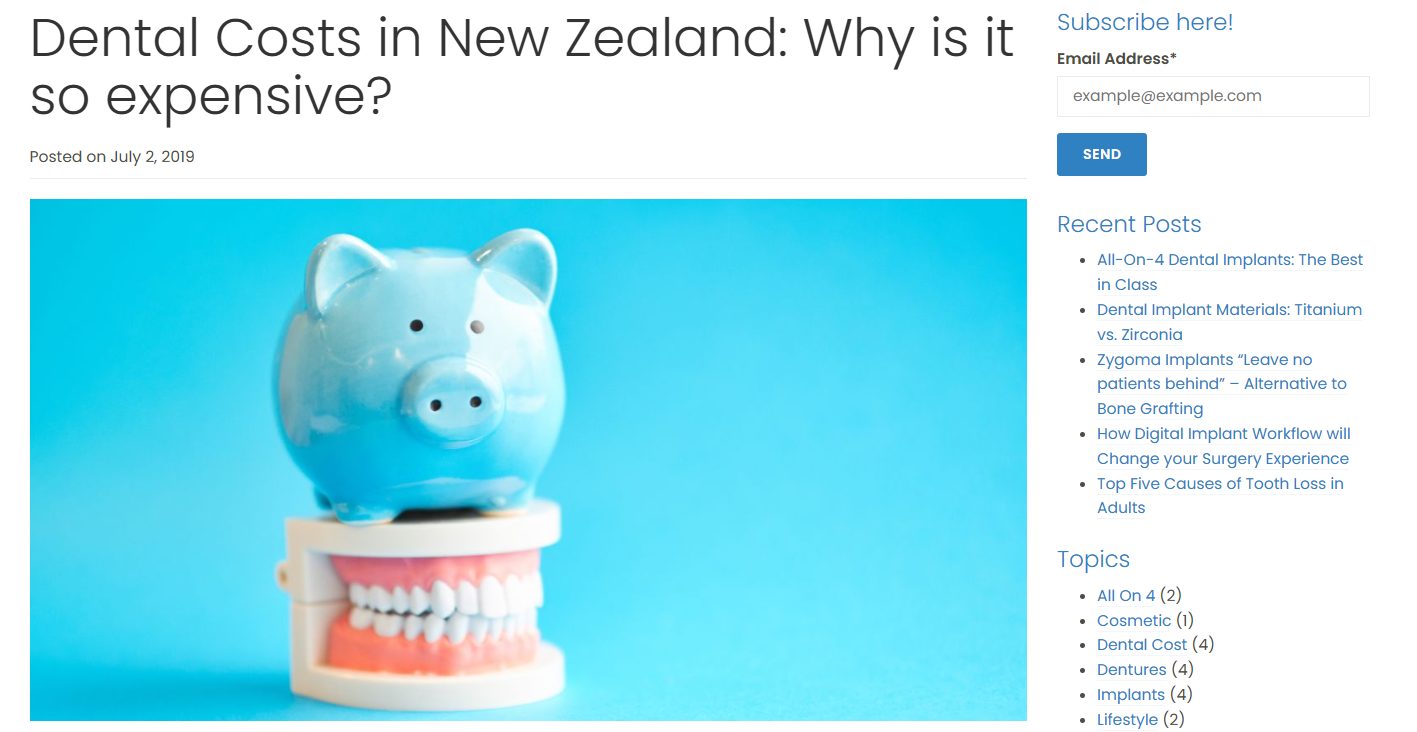
Answer that question well and you’re the practice they already trust by the time they’re ready.
So write the things your patients actually wonder about. Open Google, type your service, and read the People also ask box — it’s a list of real questions, handed to you for free.
For our dentist, that’s posts like “What to do in a dental emergency in Auckland,” “How much does teeth whitening cost in NZ,” and “Are dental payment plans worth it?”
Then, inside each post, link naturally to the service page it relates to. The blog post answers the question; the service page takes the booking.
This is also what gets you cited by AI. The best local content becomes the asset everything else points back to — and the page Google’s AI reaches for when it answers. Our own Local SEO guide is the one I’d point to: it’s now the page that ranks number one in New Zealand and gets pulled straight into Google’s AI answers.
That didn’t happen by accident — it happened because it’s genuinely the most useful page on the topic in the country.
Step 7: Earn Local Links From Your Community
Links are votes of trust. When another website links to yours, it’s telling Google you’re worth paying attention to — and the quality and authority of those links is one of the biggest factors in local organic rankings.
In a market as small as New Zealand, relevance beats volume every single time. One link from a real Kiwi business in your space is worth more than a hundred from some random offshore directory. So forget chasing big national sites. Go local.
A few ways that genuinely work:
- Sponsor something local. The kids’ rugby club, the school gala, a community event — most put their sponsors on a page with a link. You’re supporting your community and earning a relevant local link.
- Partner with nearby businesses. Our dentist cross-refers with a local orthodontist; both link to each other. Real relationship, real link.
- Join the associations. Chamber of commerce, industry bodies — most have a member directory that links out.
But the one that works best is also the one almost nobody does: reach out and contribute something genuinely useful.
Here’s exactly how I’ve done it. I earned a link to my Local SEO guide from a New Zealand business website called BizWin, run by Leo Zeldenrust.
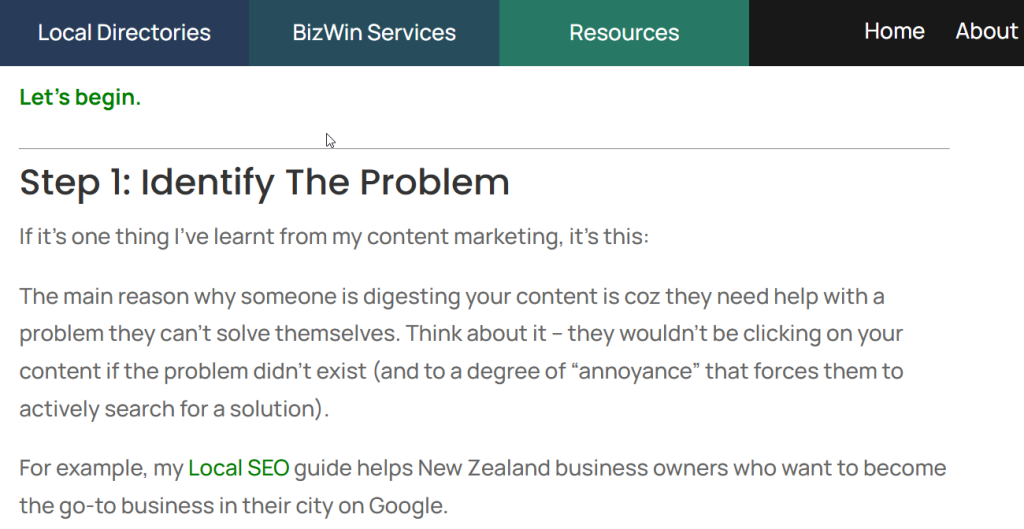
It didn’t come from buying placements or firing off spammy cold emails. I reached out to Leo, offered to write a piece for his audience that was actually worth reading, and within that piece it made sense to reference my guide as a supporting resource. Value first, link second.
That’s the whole game. You’re not begging for links — you’re putting genuinely useful work in front of the right people, and the link is the natural by-product.
Do that a handful of times with real NZ businesses and you’ve built something a competitor can’t buy.
If you want the deeper playbook on this, I’ve broken the whole process down in our guide to link building.
Step 8: Track What’s Working and Keep Showing Up
Local SEO isn’t a set-and-forget job. Rankings drift, competitors push back, Google tweaks things. The businesses that stay on top are the ones that keep an eye on the numbers and keep feeding the machine — fresh reviews, fresh posts, fresh content.
So watch the right things.
Track your map pack position with a tool like Local Falcon, which shows your ranking as a geo-grid — a literal map of where you rank, suburb by suburb, so you can see you’re number one outside your own door but number eight two kilometres away.
Check your Google Business Profile insights for what people search to find you. And use Google Search Console to watch your local queries climb. If anything looks off, a quick SEO audit tells you what’s holding you back.
And here’s the proof this exact roadmap works — because we run it on our own patch.

Expert SEO is a sub-one-year-old domain, and it ranks number one in New Zealand for “local seo” — sitting above Ahrefs and Semrush, two of the biggest names in the industry, who’ve been at it for over a decade. Same playbook you’ve just read.
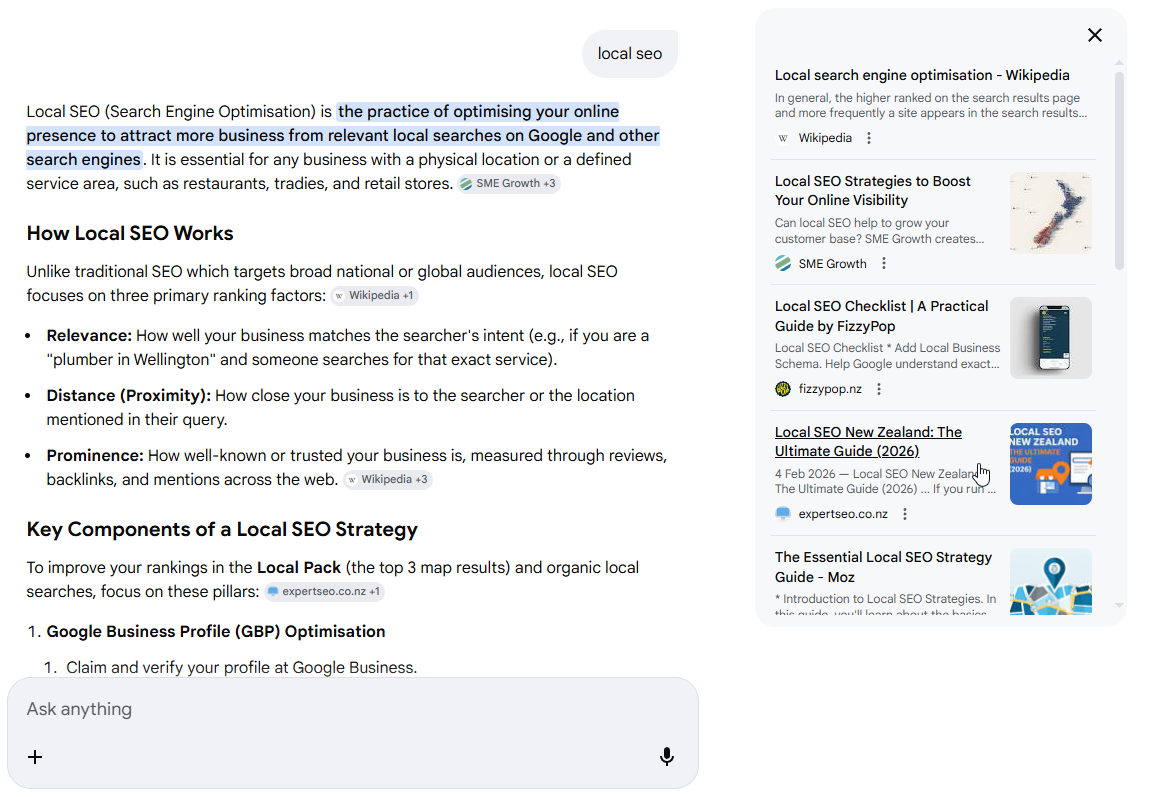
That same page now gets pulled into Google’s AI results as a cited source — the holy grail as search shifts toward AI answers.

And it’s not a one-off. We’re ranking near the top for SEO in Hamilton too — a young site outranking established local agencies, by doing the boring steps in the right order.
That’s the whole point of the roadmap. None of it is clever. All of it is sequenced.
When to Do It Yourself vs Bring in Help
Honestly? Most of this you can do yourself. The steps are simple, the tools are cheap or free, and a determined business owner with a few weekends can claim the map pack in a quiet niche.
Where it gets harder is the competitive ones — a dentist in central Auckland, a lawyer in Wellington — where everyone’s already running this playbook and the gap comes down to who executes it sharper and faster.
That’s exactly the situation SEO for dentists is built for: the high-value treatment keywords are worth thousands per patient, and the map pack is a knife fight.
That’s when done-for-you SEO earns its keep — you keep filling teeth, someone else keeps you top of the map.
And if you’d rather just have a second set of eyes on your plan before you commit, that’s what an SEO consultant is for — a clear read on where the quick wins are for your business, in your market.
Either way, you’ve now got the map. Eight steps, in the order that actually moves the needle, with a real Auckland dentist showing you what each one looks like in the wild.
Start at step one. Get the category right this week. The rest follows — and unlike most things in marketing, it compounds.
Local SEO Strategy: FAQ
What is a local SEO strategy?
What is the 80/20 of local SEO?
What's the difference between local SEO and regular SEO?
How long does a local SEO strategy take to work?
Can I do local SEO myself?
Recommended Reading
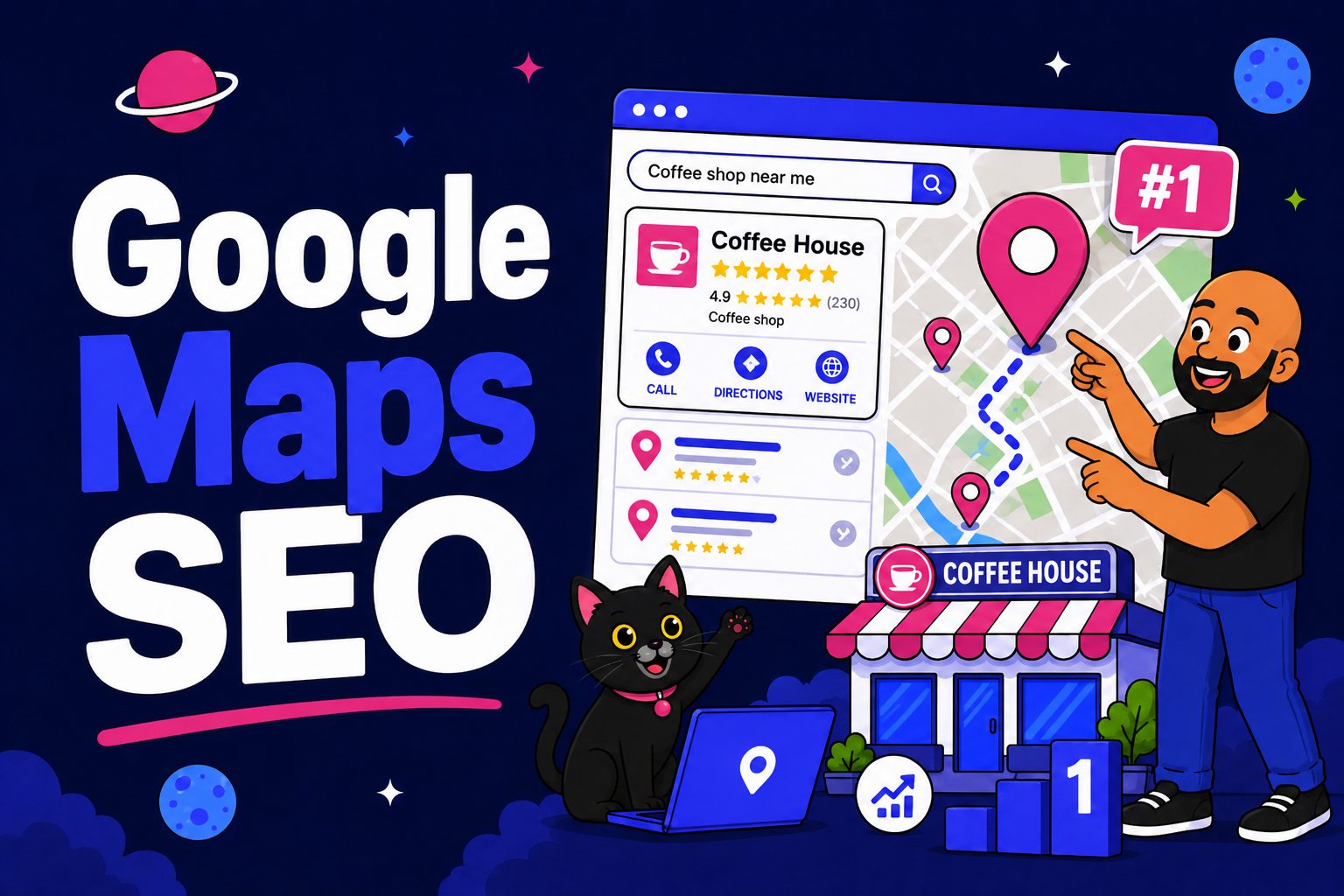
How to get your business into the Google Maps 3-pack, broken down step by step with real NZ examples.
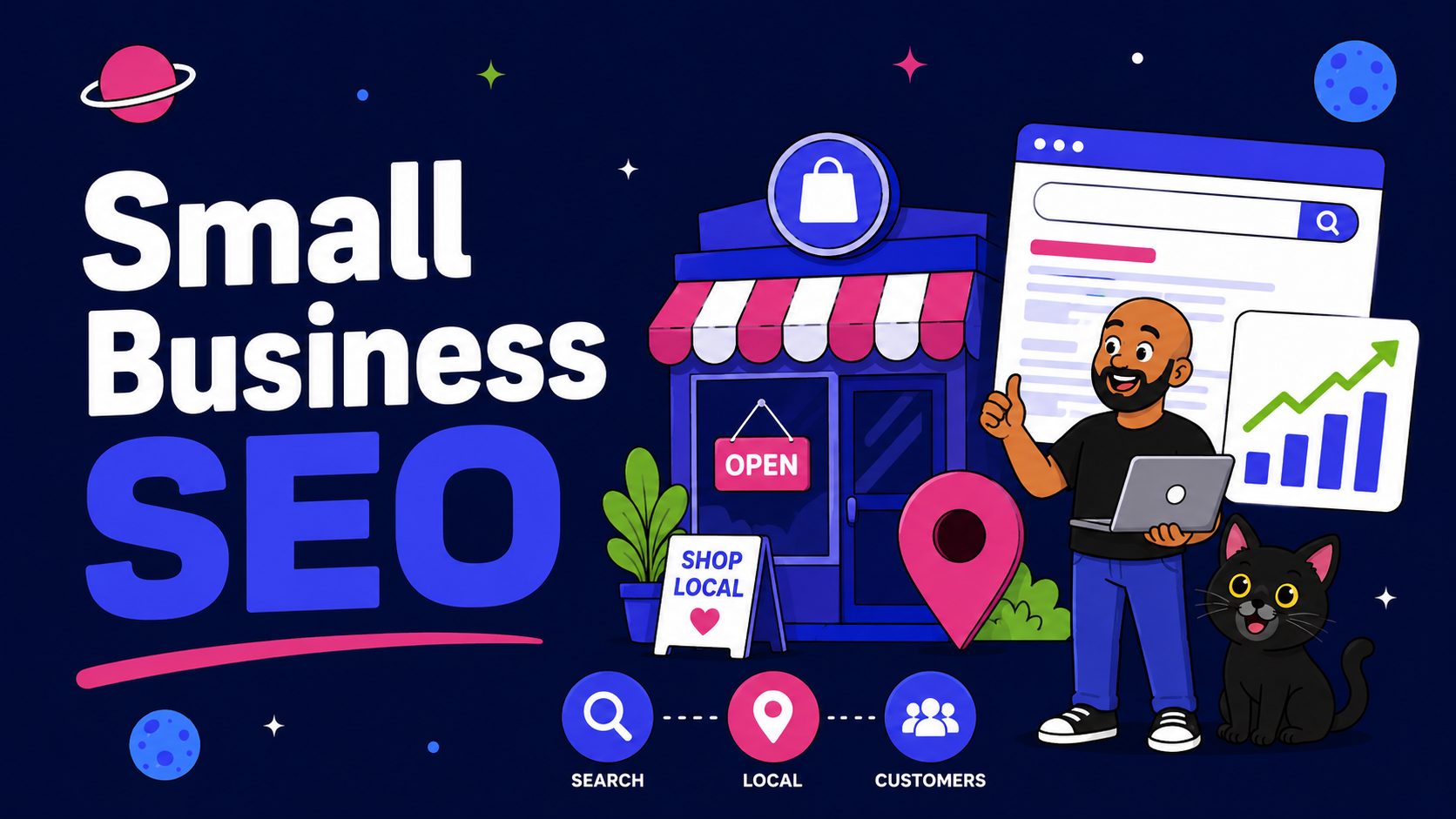
The full SEO playbook for small Kiwi businesses working with a tight budget and not much time.

A prioritised plan to lift your site's rankings, with honest NZ timelines and quick wins first.