
SEO Pricing: How Much Does SEO Cost in NZ? (2026)

You asked three SEO agencies what they charge. One said $500 a month. Another said $5,000. The third wouldn’t give you a number at all until you got on a call.
Sound familiar?
That’s the SEO pricing experience for most New Zealand business owners.
The numbers don’t make sense because the work behind them is rarely the same.
One provider is doing real strategy, content, and authority building. Another is running automated reports and calling it a service. And the third doesn’t want you to know what you’re paying for until you’re already on the hook.
This guide cuts through that. It breaks down what SEO actually costs in New Zealand in 2026, what you’re paying for at each price level, and how to tell whether a quote is worth your money or a waste of it.
How Much Does SEO Cost in New Zealand?
Search engine optimisation in New Zealand typically costs between $1,500 and $8,000+ per month for ongoing services.
One-off projects like technical audits or site migrations range from $3,500 to $10,000+. Hourly consulting sits between $75 and $300 per hour.
Those are wide ranges because SEO covers strategy, technical work, content creation, and authority building all in one engagement. The scope of what you need determines where you land on that scale.
Here’s a more practical breakdown by business type:
| Business Type | Typical Monthly Investment (NZD) | What This Level Suits |
|---|---|---|
| Small / local business | $1,000 – $2,500 | Single-location service businesses in low-to-medium competition markets |
| Mid-size / regional | $2,500 – $5,000 | Businesses targeting multiple locations or moderately competitive keywords |
| National / ecommerce / competitive | $5,000 – $10,000+ | Multi-location businesses, ecommerce stores, or highly competitive industries like law, finance, or health |
These ranges are consistent across every NZ pricing guide currently ranking on Google. If you’re getting quoted significantly below them, the section on cheap SEO below will explain why that should raise a red flag.
For one-off work, expect to pay roughly:
- SEO audit: $500 – $2,000 depending on depth and site size
- Technical SEO setup or migration: $3,500 – $10,000+ depending on complexity
- Strategy-only engagement: $2,000 – $5,000 for a roadmap without ongoing execution
SEO Pricing Models Explained
Most NZ SEO providers use one of four pricing models. The right one depends on what you need and how long you need it for.
Monthly Retainers
This is the most common model and the one that makes the most sense for most businesses.
You pay a fixed monthly fee — typically $1,500 to $8,000+ — and the provider delivers an agreed scope of work each month. That usually includes SEO strategy, content creation, technical optimisation, link building, and reporting.

Monthly retainers work because SEO compounds. The work you do in month one builds the foundation for month three. Month three’s content supports month six’s rankings. Cutting it off after a month means you’ve paid for setup and walked away before the return kicks in.
This is why most serious SEO providers ask for a minimum commitment of six months — not as a lock-in trick but because SEO genuinely needs that runway to produce meaningful results.
Project-Based Pricing
This is a fixed fee for a specific piece of work. A site audit. A technical migration. A keyword strategy document. Something with a clear start and end.
Typical range: $2,500 – $5,000+ depending on complexity.
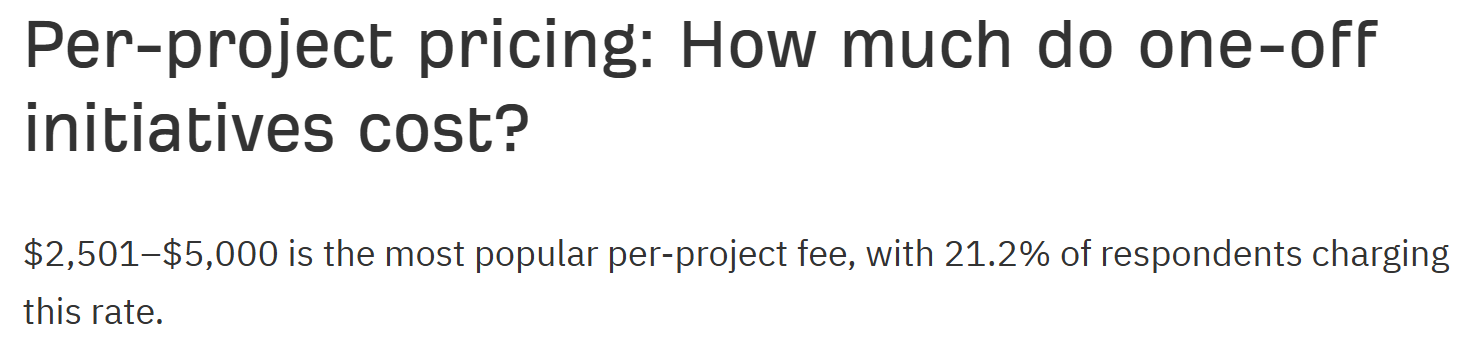
Project-based pricing makes sense when you have a specific problem to solve but don’t need ongoing support. It doesn’t work for sustained growth — that requires consistent effort over time.
Hourly Consulting
Some SEO consultants charge by the hour, typically $75+ per hour in New Zealand.
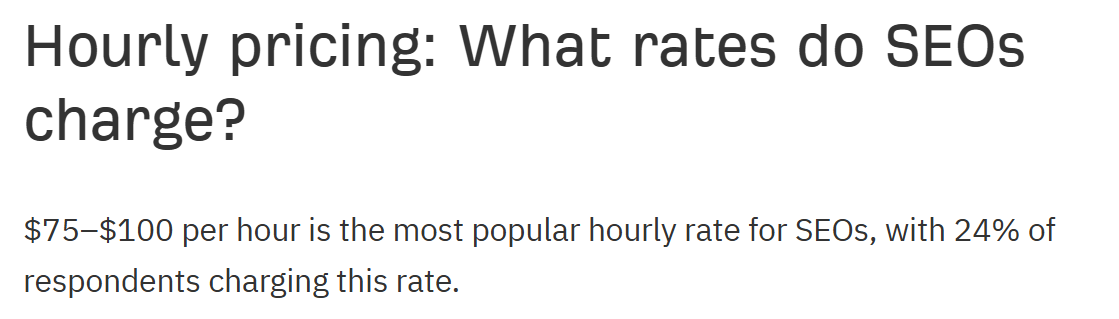
This works for strategy sessions, second opinions, or training your internal team. It doesn’t work for execution-heavy SEO campaigns because the costs become unpredictable and the incentive structure is wrong — you’re paying for time, not outcomes.
Performance-Based Pricing
A small number of providers charge based on results — you only pay when rankings improve or traffic increases.
This sounds appealing, but in practice it’s often risky. Performance-based models incentivise short-term tactics over long-term strategy.
The provider is motivated to get fast wins, which can mean cutting corners on link quality or content depth. When the contract ends, so does the strategy, and you’re often left with a fragile foundation.
Most experienced SEO providers avoid this model because it creates misaligned incentives. If a provider is genuinely confident in their work, they’ll back it with a guarantee or a free trial period — not a payment structure that encourages shortcuts.
What You Actually Get at Each Price Level
This is the section most pricing guides skip. They tell you the ranges but never explain what the money actually buys. Here’s what each tier looks like in practice.
Under $1,000 per Month
At this price point, there’s almost no room for real SEO work. Here’s the maths.
The tools alone — Ahrefs, SEMrush, Screaming Frog, rank tracking, reporting software — cost $300 to $500 per month. Add GST, business overheads, and the provider’s margin, and there’s virtually nothing left for actual strategy, content, or link building.
What you typically get at this level is automated reporting, basic on-page tweaks, maybe a blog post written by someone overseas who doesn’t understand your market.
No real strategy. No meaningful link building. No one with experience actually looking at your site and thinking about how to grow it.
In many cases, work at this level does more harm than good. Low-quality links can trigger Google penalties. Thin content can dilute your site’s authority. And the opportunity cost of spending 6 to 12 months on something that was never going to work is significant.
$1,500 – $3,000 per Month
This is where real SEO starts in New Zealand.
At this level, you should expect a proper keyword strategy, on-page optimisation of your core pages (service pages, location pages), one to two content assets per month, foundational link building, Google Business Profile optimisation, and monthly reporting with a strategy call.

This budget works for small businesses in low-to-medium competition local markets.
If you’re a tradie in Hamilton, a café in Tauranga, or a small professional services firm targeting one city, this range can deliver solid results over 6 to 12 months.
Where it starts to stretch thin is in competitive markets.
If you’re a lawyer in Auckland or a dentist competing across multiple suburbs, this budget usually isn’t enough to build the content depth and authority required to outrank established competitors.
$3,000 – $5,000 per Month
This is the level where most NZ businesses in competitive niches need to be.
You should expect everything in the tier below, plus two to three content assets per month, consistent manual link outreach and digital PR, competitor gap analysis, conversion tracking, schema implementation, and more frequent strategic check-ins.
At this level, the provider has enough budget to do real, sustained work.
They can create content clusters, build genuine authority through quality links, fix technical issues properly, and actually move the needle in competitive SERPs.
This is also where the economics of SEO delivery start to make sense for the provider. Once you factor in senior strategy time, quality content writing, manual outreach, tool costs, and reporting, margins collapse below about $3,000 per month. That’s why providers who charge less are almost always cutting corners somewhere — they have to.
$5,000 – $10,000+ per Month
This is for businesses that want to dominate their market.
Everything from the tier below, plus four to six content assets per month with editorial planning, advanced technical work (site architecture, structured data, template-level optimisation), multi-location page systems, stronger digital PR cadence, CRO experiments, and executive-level reporting.
This tier suits national service providers, ecommerce businesses, multi-location companies, and anyone in a high-competition, high-value industry where the return on ranking justifies the investment.
At these budgets, SEO becomes a core growth engine for the business — not a side channel but the primary driver of qualified traffic and leads.
What Drives the Cost of SEO
SEO pricing isn’t arbitrary. Six main factors determine what you’ll pay, and understanding them is how you avoid overpaying or underinvesting.
Competition level. Ranking for “plumber Cambridge” is a different job than ranking for “lawyer Auckland.”
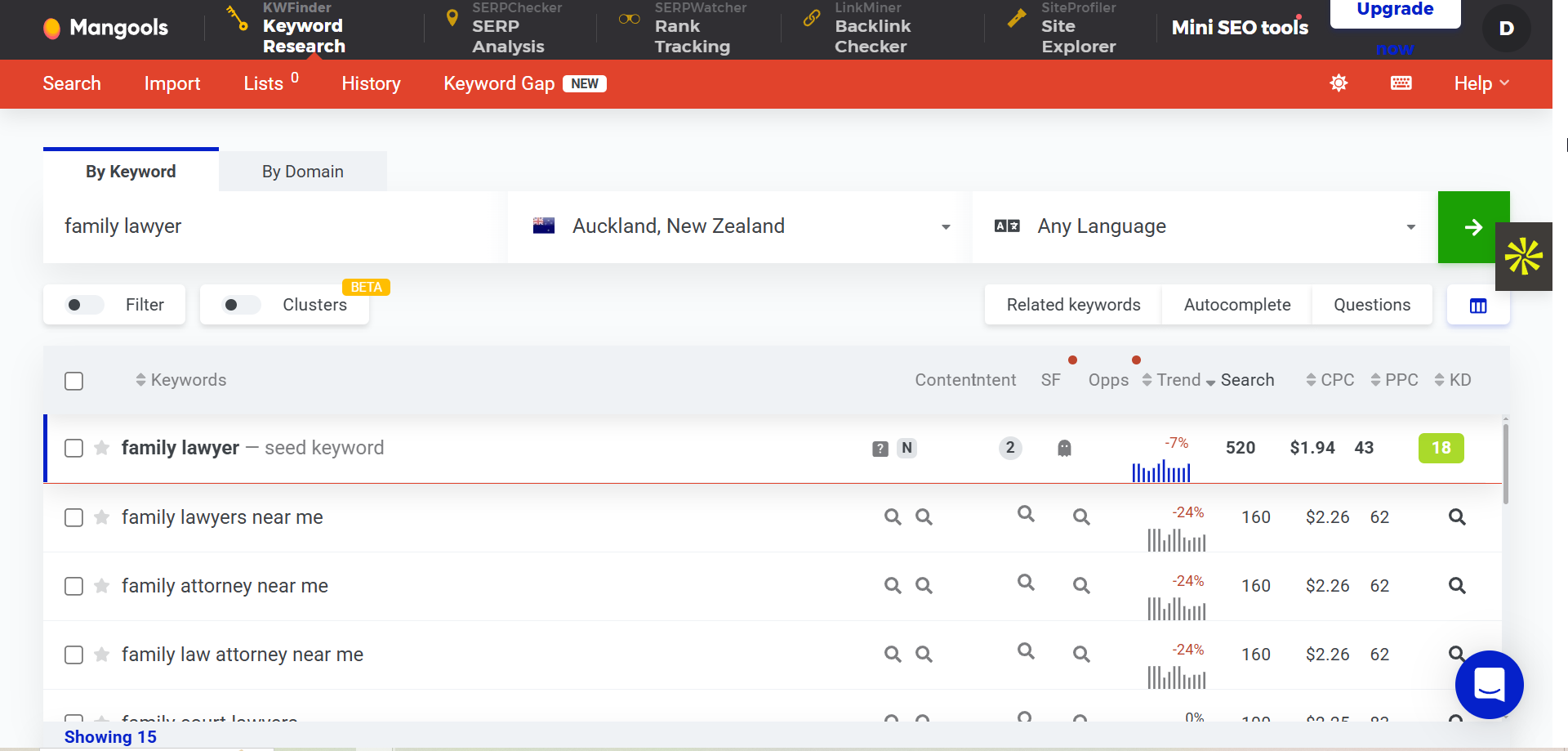
The more competitors fighting for the same keywords, the more content, links, and technical work it takes to win. More competition means a bigger investment.
Current website health. A brand-new site built on solid foundations needs less upfront work than a five-year-old site with broken links, duplicate pages, no mobile optimisation, and a history of cheap SEO. If your site needs significant technical repair before growth work can even begin, the first few months will cost more.
Scope of targeting. Local SEO for one city costs less than regional or national campaigns. Ecommerce SEO across hundreds of product pages costs more again. The broader your targeting, the more pages, content, and authority you need.
Content needs. If you already have a well-structured site with decent content, optimisation is faster. If everything needs to be built from scratch — service pages, location pages, blog content, supporting guides — the content production cost adds up.
Authority gap. If your competitors have been building their sites and link profiles for years, you’re starting from behind. Closing that gap takes sustained link building and content investment. The bigger the gap, the longer it takes and the more it costs.
AI search readiness. Content now needs to work across Google, ChatGPT, and AI Overviews — not just traditional blue-link rankings. Structuring content for AI extraction adds to the scope, but it’s becoming essential. Businesses that ignore this are leaving visibility on the table.
Here’s where New Zealand actually has an advantage that most international pricing guides miss: the NZ market is smaller.
For many local and regional keywords, the competition is significantly lower than in the US, UK, or Australia. That means faster results are possible in many niches, and the investment required to compete is often lower than the global averages suggest.
A Hamilton tradie targeting “plumber Hamilton” is in a completely different competition bracket than a Sydney lawyer targeting “family lawyer Sydney.”
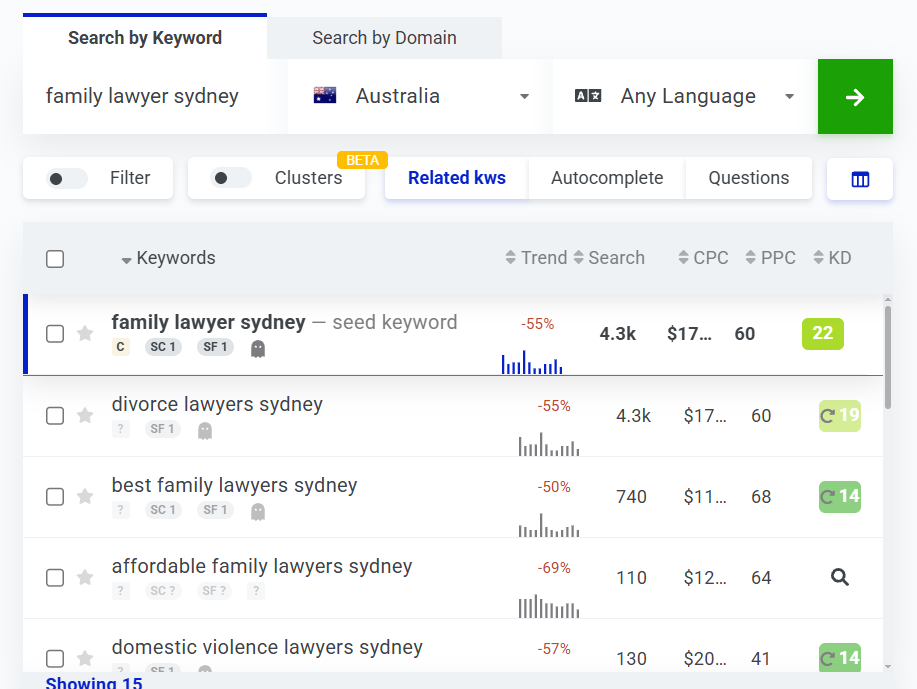
The NZ business can realistically see strong results from a $2,000 to $3,000 per month investment. The Sydney lawyer might need $8,000 or more.
Why Cheap SEO Is the Most Expensive Mistake You Can Make
If an SEO provider charges $500 a month, ask yourself one question: what can they possibly be doing for that money?
Usually one of three things. Either the work is fully automated — software generating reports and making basic tweaks with no human strategy behind it.
Or the execution is outsourced offshore to someone writing generic content and building links from irrelevant directories. Or the provider is doing almost nothing and hoping you don’t notice for a few months before you cancel.
None of these scenarios grow your business. Several of them can actively damage it.
I saw this first-hand last year. A dental practice got in touch about our SEO services. When I told them the price, they said they already had someone doing their SEO for $500 a month.
So I had a look at their site. They were sitting on page three for virtually every term that mattered to their business. Not page one. Not even page two. Page three — where almost nobody clicks.
That $500 a month wasn’t building anything.
It was a direct debit going out every month for work that wasn’t moving the needle at all.
The SEO provider was collecting easy paycheques, and the dental practice was flushing money on a service that was producing zero results. The rankings proved it.
That’s the real cost of cheap SEO. It’s not just the money you spend. It’s the months or years you waste thinking someone is working on your growth when nothing is actually happening.
The Real Damage Cheap SEO Causes
Low-quality backlinks from spammy websites can trigger Google penalties.
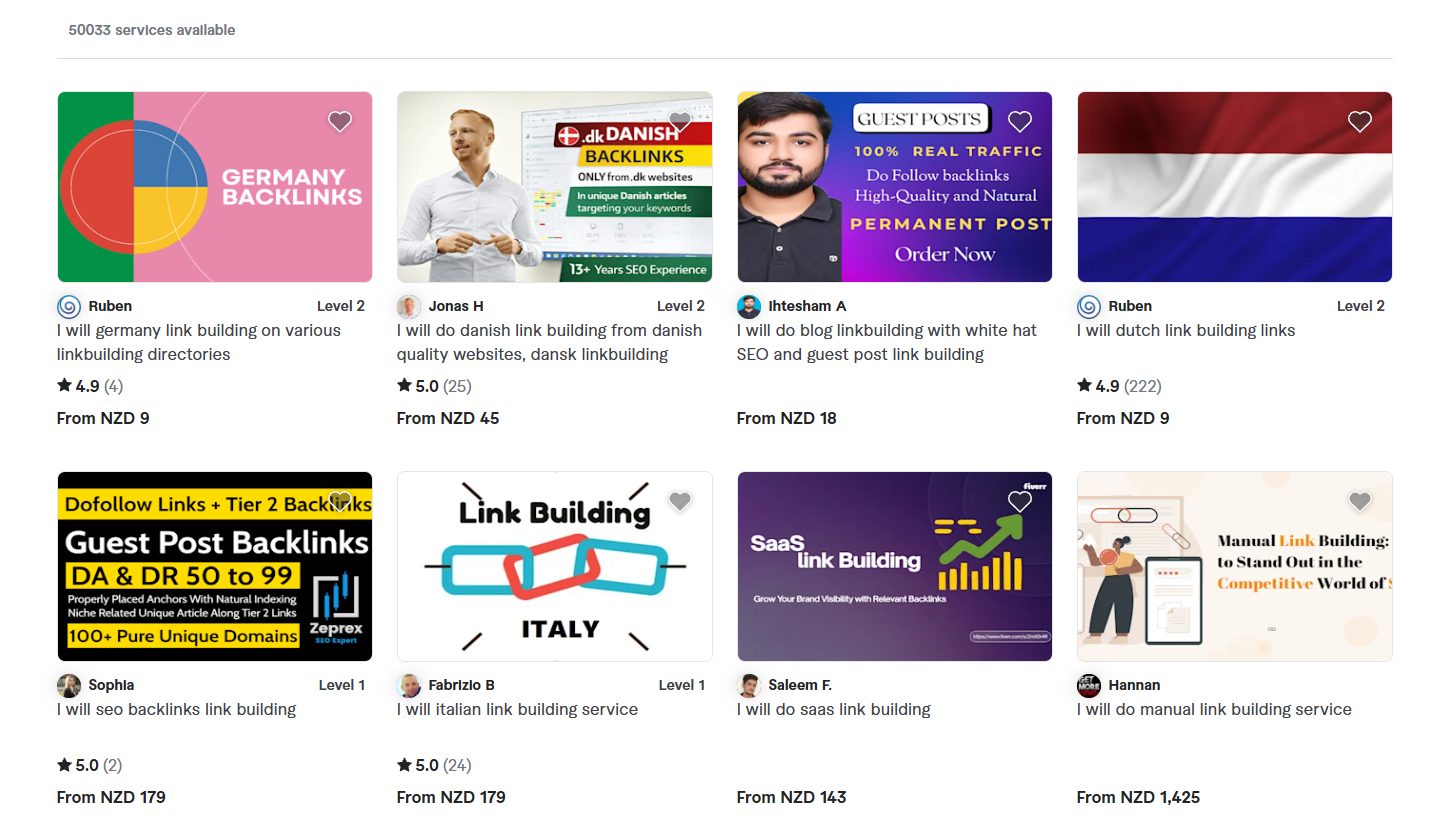
Once your site is penalised, recovering can take months of work and thousands of dollars — often more than the proper SEO investment would have cost in the first place.
Thin, generic content written by someone who doesn’t understand your market or your customers dilutes your site’s authority. Instead of building trust with Google, you’re adding noise that makes it harder for your real pages to rank.
And then there’s the opportunity cost.
If you spend 6 to 12 months on a $500 per month service that produces nothing, you haven’t just lost $3,000 to $6,000.
You’ve lost a year of potential growth. A year where your competitors were building their content, their authority, and their rankings while you stood still.
The Practitioner’s Perspective
Any SEO professional who actually delivers results knows the ROI their work produces. A properly executed SEO campaign that generates 20 to 50 qualified leads per month is worth tens of thousands of dollars to the client.
That kind of outcome requires deep expertise, quality tools, consistent content, strategic link building, and real time invested in understanding the client’s market. None of that happens at $500 a month.
The providers who charge $3,000 to $5,000 per month aren’t overcharging. They’re pricing for the work required to actually move the needle.
The ones who charge $500 are either doing a fraction of the work or subsidising your campaign with shortcuts that will eventually cost more than they save.
Think of it this way. If SEO delivers a median ROI of 748% — and the data in the next section shows it does — then the real risk is paying for something that was never going to deliver a return in the first place.
The Real ROI of SEO (With NZ Examples)
SEO is one of the highest-ROI marketing channels available to NZ businesses. And unlike paid ads, the results compound — every month builds on the last.
Industry data from 2026 shows that a well-executed SEO campaign delivers a median ROI of 748% — roughly $22 back for every $1 invested.

SEO leads close at 14.6% compared to 1.7% for outbound marketing, and the average cost per lead through SEO is around $31 compared to $198 for PPC.

Those aren’t theoretical numbers. Here’s what that looks like in practice.
Real Example: From Zero to 23,000+ Monthly Visitors
We took a health and wellness website — HealthVI — from zero organic presence to over 23,000 monthly visitors within 12 months.
The site generated over $30,000 per month in organic traffic value and the business increased revenue by 10x through SEO alone.
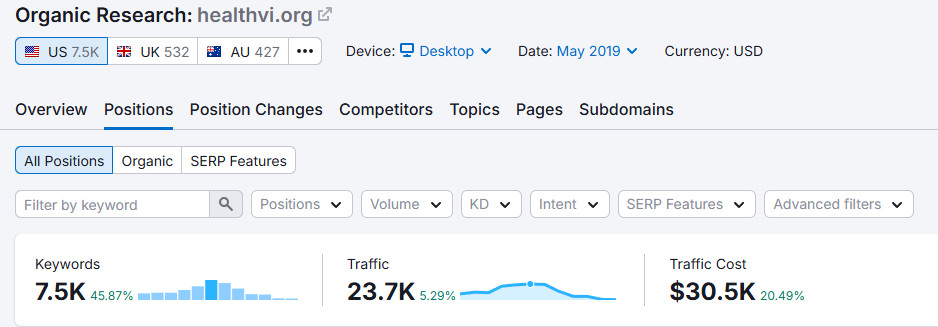
We captured top positions for buyer-intent keywords with 4,400+, 2,900+, and 1,600+ monthly searches, outranking competitors who had held those positions for years.
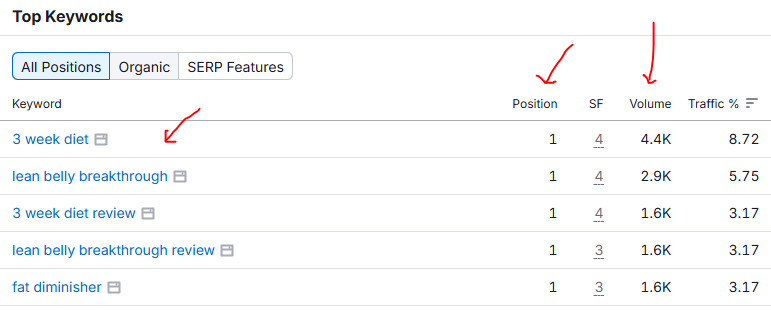
That result came from the same approach we use for every campaign: deep keyword research, clear strategy, quality content built around real search intent, and consistent authority building.
SEO vs Google Ads: The Compounding Difference
Google Ads gives you visibility the moment you pay. Turn off the budget, the traffic stops instantly.
SEO works differently. The traffic doesn’t stop when you pause the work. Pages that rank continue to attract visitors for months or years. Every piece of content, every link, every technical improvement compounds on the previous month’s work.
Month three might look like nothing is happening. Month six, you start to see movement. Month twelve, the growth curve steepens. And the leads keep coming without paying per click.
For an NZ business spending $3,000 per month on SEO, that’s $36,000 per year. If that investment generates 30 qualified leads per month by month twelve — at a 20% close rate with a $2,000 average customer value — that’s $12,000 in new revenue every month from a channel that keeps compounding. The maths speaks for itself.
What Your First 6 Months of SEO Should Look Like
SEO doesn’t produce overnight results. But if you know what to expect at each stage, you can tell whether your investment is on track or whether your provider is stalling.
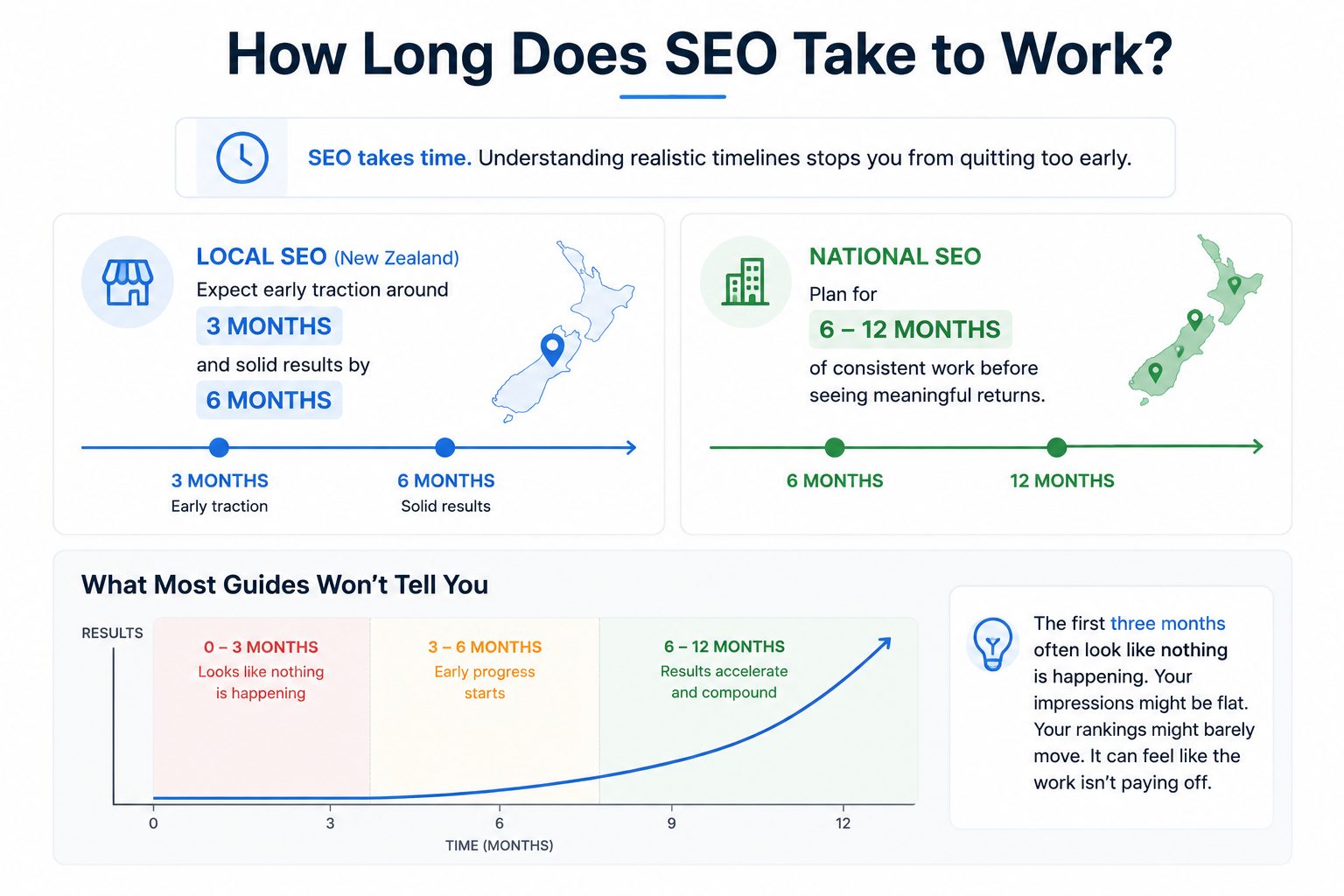
Month 1 is foundation work. A proper provider will audit your site, research your competitors, build a keyword strategy, set up tracking, and start fixing the most critical technical issues. You shouldn’t expect traffic growth in month one. You should expect a clear roadmap and visible work.
Months 2 to 3 are where content starts going live and pages get optimised. You’ll see early impressions appearing in Google Search Console. Keywords will start showing up in the rankings, usually on page two or three. Traffic might tick up slightly, but this phase is still mostly about building the foundation.
Months 4 to 6 are where momentum builds. Rankings start moving up. Traffic begins to grow. Some keywords break onto page one. If you’re in a local market with moderate competition, you might start seeing leads come through. This is the inflection point — the work from months one to three is starting to compound.
Months 6 to 12 are where the real payoff happens. Rankings strengthen as your content matures and your authority grows. Traffic compounds month over month. Lead flow becomes more consistent and predictable. This is the phase where SEO starts to feel like it was worth every dollar.
Here’s the critical insight that most pricing guides never mention: the businesses that “tried SEO and it didn’t work” almost always quit in months two to four. They paid for the setup, got impatient with the lack of immediate results, and pulled the plug right before the compounding effect would have kicked in.
Expert SEO itself is a real-world example of this timeline. Within six months of launch, competing against businesses with ten years of authority, it was already ranking for competitive NZ keywords, appearing in Google AI Overviews, and being cited in ChatGPT responses.

That didn’t happen by month two. It happened because the work in those early months laid the foundation for everything that followed.
How to Tell If an SEO Quote Is Fair
You don’t need to be an SEO expert to evaluate a proposal. You just need to ask the right questions. If the answers are vague, the quote probably isn’t worth the paper it’s printed on.
What a Good Proposal Includes
A legitimate SEO provider should clearly explain their strategy — not just “we’ll do SEO” but specifically what they’ll work on and why. That means defined deliverables each month, a realistic timeline with milestones, transparent pricing with no hidden costs, and a clear explanation of how they’ll measure and report progress.
If the proposal reads like a template with your business name swapped in, that’s a red flag. Good SEO is tailored to your market, your competition, and your goals. Generic proposals produce generic results.
Red Flags That Should Make You Walk Away
Guaranteed #1 rankings. Google itself says no one can guarantee this. Any provider who promises it is either lying or doesn’t understand how search works.
Suspiciously low pricing. If the quote is $500 per month and they’re promising the world, reread the section above about why that maths doesn’t work.
No explanation of what work is done. If they won’t tell you exactly what happens each month, they either don’t know or don’t want you to find out. Neither is acceptable.
No case studies or proof. If a provider has been doing SEO for years but can’t show you a single real result, that tells you everything.
Long contracts with no reporting. Being asked to commit for 12 months isn’t inherently bad — SEO takes time. Being asked to commit with no visibility into what’s happening is.
Questions to Ask Before Signing
These five questions will tell you almost everything you need to know:
- Who will actually do the work? Is it a senior strategist or a graduate following a checklist? Is the work done in-house or outsourced offshore?
- How do you build links? Manual outreach to relevant sites is good. Buying links from directories or link farms is dangerous. Make them explain their process.
- Can I see examples of content you’ve created? The quality of the content will tell you whether they understand your industry or are producing generic filler.
- What does your reporting look like? Clear, monthly, tied to business metrics (traffic, leads, revenue) is good. Vanity metrics and jargon-heavy dashboards are not.
- What happens if it doesn’t work? A confident provider has an answer for this. Whether it’s a guarantee, a trial period, or a clear escalation process, they should be able to tell you how they handle underperformance.
When to Do It Yourself vs Work With an SEO Expert
If you’ve got time, a willingness to learn, and you’re in a low-competition niche, doing SEO yourself can work. There are plenty of businesses that have built solid organic traffic by following a structured SEO checklist and staying consistent.
But there’s a point where DIY stops making sense.
If your market is competitive, if you’re in a high-value industry where every lead counts, or if you simply don’t have the hours to invest in learning and executing SEO properly — working with the right provider will outperform DIY every time.
The key word is “right.” Not cheapest. Not the one with the fanciest website. The one that can show you real results, explain their strategy clearly, and back their work with accountability.
Why an Agency Costs Less Than Hiring In-House
A lot of business owners consider hiring someone in-house to handle SEO. The maths often surprises them.
An SEO specialist in New Zealand earns between $65,000 and $95,000 per year depending on experience and location.
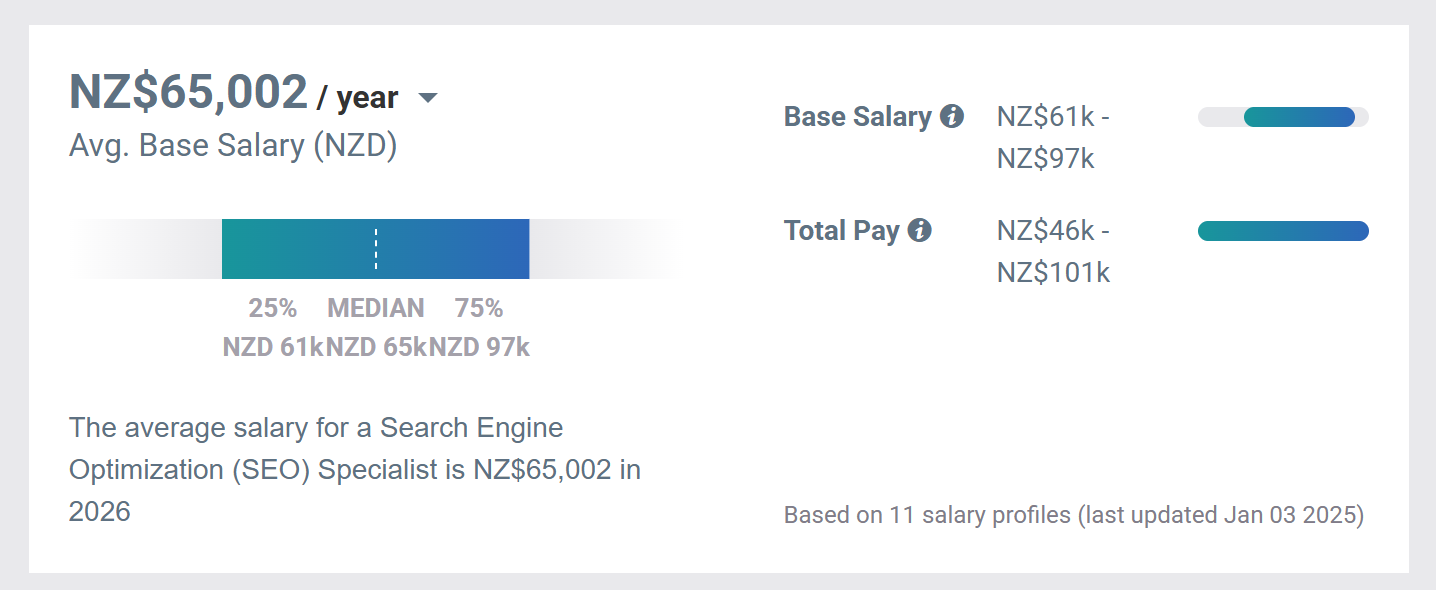
But SEO requires multiple skillsets. You also need content writing, which means another hire at $85,000 to $90,000.
That’s $150,000 to $185,000 per year in salary alone — before tools ($5,000 to $10,000 per year), training, management overhead, and the risk that your single hire doesn’t have the breadth of experience to cover strategy, technical, content, and link building.
Compare that to a quality agency retainer of $3,000 to $5,000 per month — that’s $36,000 to $60,000 per year for access to senior strategy, content production, technical expertise, and link building capability. It’s a fraction of the in-house cost with broader capability.
In-house hiring starts to make sense for large enterprises with $10M+ revenue, complex ongoing needs, and the budget to build a proper team. For most NZ SMEs, an agency is the better investment by a significant margin.
Our Approach
We help businesses across New Zealand grow through search. Our SEO services start from $3,250 per month, which reflects the level of experience behind the work — over a decade of competing in some of the most difficult SEO markets internationally, from health and finance to gaming.
That experience is why we can offer a six-month growth guarantee and a free first month. We’ve done this at a level where we’re confident putting our money where our mouth is.
We currently work with businesses in:
- SEO Auckland Services
- SEO Hamilton Services
- SEO Tauranga Services
- SEO Christchurch Services
- SEO Wellington Services
- SEO Queenstown Services
If you’re happy doing it yourself, use this guide alongside the checklist and work through it properly. If you want it done right and done faster, that’s where we come in.
SEO Pricing NZ: Frequently Asked Questions
How much does SEO cost in New Zealand?
SEO in New Zealand typically costs between $1,500 and $8,000+ per month for ongoing services. The exact cost depends on your competition level, the scope of work required, and whether you’re targeting local, regional, or national searches. Small businesses in low-competition local markets can see results from $1,500 to $2,500 per month, while businesses in competitive industries usually need $3,000 to $5,000+ per month.
Why does SEO cost so much?
Because real SEO involves strategy, technical work, content creation, link building, and ongoing optimisation. The tools alone cost hundreds of dollars per month. Add experienced practitioners, quality content writers, and the time required to build genuine authority, and margins only work above a certain price point. Anything significantly below $1,500 per month is usually cutting corners that will cost you more in the long run.
Is SEO worth the money for a small business?
Yes — if you choose the right provider and commit to the timeline. SEO delivers a median ROI of 748% across industries, and leads from organic search close at 8.5 times the rate of outbound marketing. Even a modest investment of $2,000 per month that generates 15 qualified leads per month is transformational for most small businesses. The key is patience and choosing a provider who does real work, not busywork.
How long does SEO take to show results?
Most businesses see early indicators — increasing impressions, keywords starting to rank — within two to three months. Meaningful traffic and lead growth typically builds over six to twelve months. SEO compounds over time, which means the results get better the longer you invest. The businesses that fail at SEO are almost always the ones who quit before the compounding effect kicks in.
Can anyone guarantee #1 rankings on Google?
No. Google itself says no one can guarantee a specific ranking position. Any provider who promises #1 rankings is either dishonest or doesn’t understand how search works. What a good provider can guarantee is measurable improvement in your organic visibility, rankings, and traffic within an agreed timeframe. That’s real accountability without irresponsible promises.
What's the difference between SEO and Google Ads?
Google Ads gives you instant visibility, but you pay for every click and the traffic stops the moment your budget runs out. SEO builds organic visibility that compounds over time. Once your pages rank, they keep attracting visitors without a per-click cost. Most businesses benefit from both, but SEO is the channel that builds long-term equity. Over 12 months, SEO consistently delivers leads at a lower cost per acquisition than PPC.