If you’ve never built a link in your life and you want a first strategy that won’t melt your brain, resource page link building is the one I’d point you to.
The whole idea fits in a sentence: some websites keep a page of helpful links for their audience, and your job is to get your page added to that list.
Type a search into Google. Find pages that curate links on your topic. Ask to be included.
No guest posts to write, no journalists to cold-pitch, no digital PR budget — just a search bar, a bit of email, and something on your site worth linking to.
So this guide walks through exactly how it works, step by step, with New Zealand examples the whole way.
And then I’m going to be honest with you about something most guides won’t touch: whether this strategy is still worth your time in 2026, or whether you’re better off spending those hours elsewhere.
Let’s get into it.
What Is Resource Page Link Building?
Resource page link building is the process of getting your website added to a page that curates and links out to useful resources on a topic.
A resource page is exactly what it sounds like. A page someone has built to point their audience at the best stuff on a subject: the best guides, the best tools, the best calculators, the best reading.
Think of a Citizens Advice Bureau page listing tenancy resources. Or a university library page linking to research tools. Or a tramping club page pointing members to gear guides and track info.
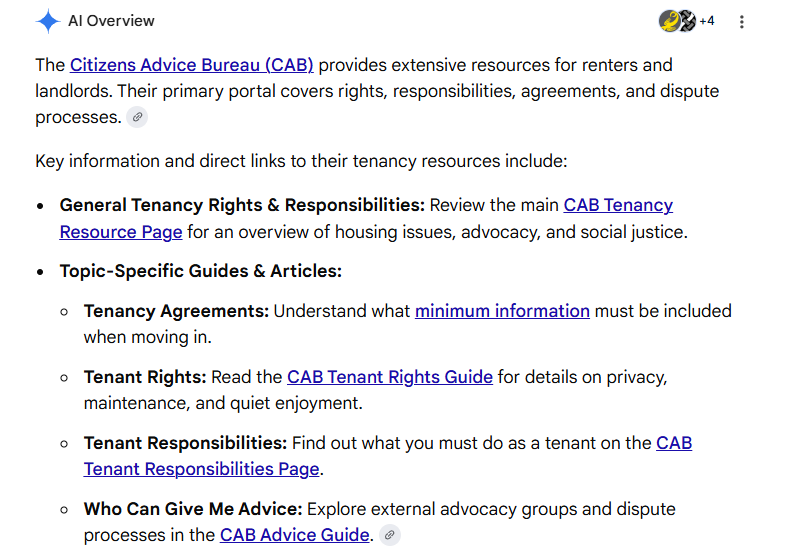
Every one of those outbound links is a backlink to somebody. Resource page link building is simply the craft of making one of them point to you.
Here’s why it’s the beginner’s strategy. Most link building asks you to give the other person a reason to care.
A resource page has already decided it wants to link out — that’s the entire point of the page. You’re not talking them into anything. You’re just showing them a resource that fits a list they already maintain.
It’s one flavour of off-page SEO — the work you do beyond your own website to build authority. And it’s about the gentlest introduction to it there is.
Why Resource Page Link Building Works
It works because your link genuinely makes their page better. A resource page lives or dies on how useful its list is. Add a great resource and you’ve done the owner a favour, not asked them for one.
That’s the mechanism. But to see why the link is worth chasing in the first place, you need to understand what a backlink actually does.
Think of links as votes. When another website links to you, it’s vouching for you — telling Google your page is worth pointing people to.
Rack up enough of those votes from trusted sites and Google starts treating your site as more credible, which is one of the biggest levers you have on where you rank.
And most sites have almost none. An Ahrefs study of over a billion pages found 66.31% of them have zero backlinks. Not a few. None. So even a handful of good links puts you ahead of the majority of the web.
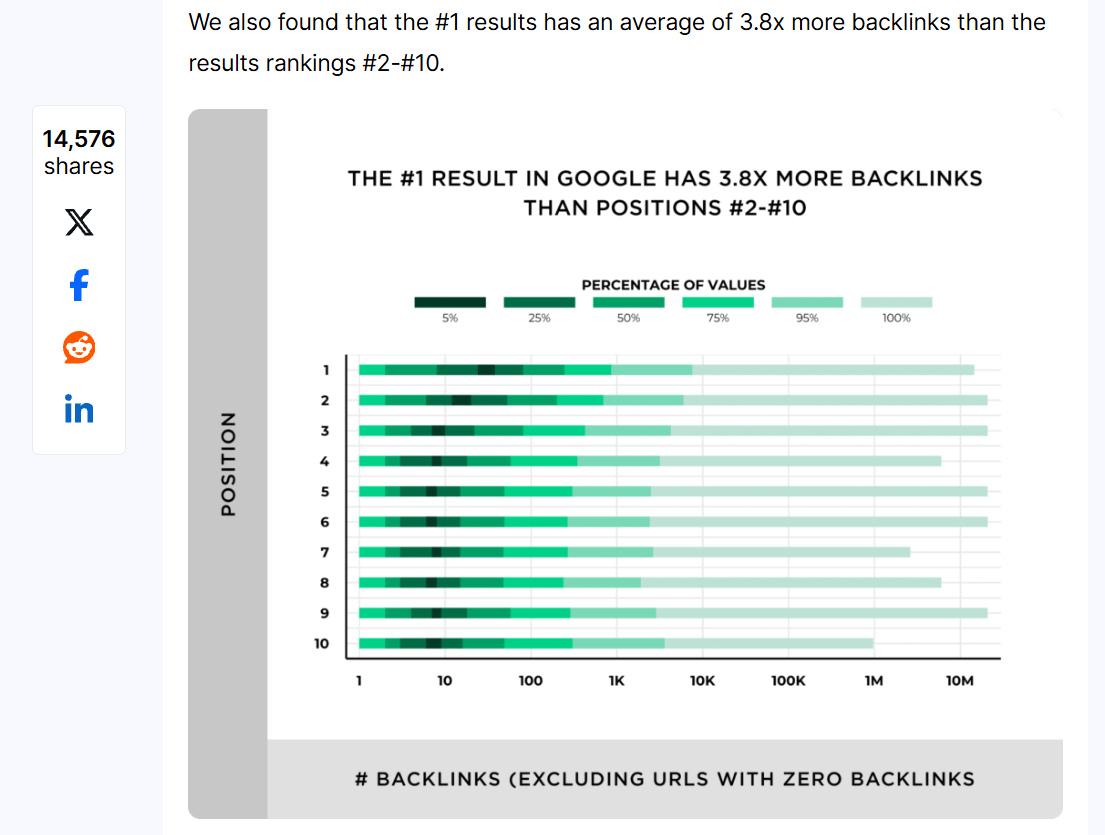
The links themselves aren’t decoration either. Backlinko studied 11.8 million search results and found the #1 result has, on average, 3.8x more backlinks than the pages sitting in positions two through ten. More quality links, higher rankings.
The correlation is about as clean as SEO gets.
Resource page links are a nice type of vote to collect. They’re editorial (a human chose to add you), they’re topically relevant (they sit on a page about your subject), and they’re often on older, trusted domains like schools, associations and government sites.
That’s a quality signal, not just a quantity one.
How to Do Resource Page Link Building
The process is six steps: build something worth linking to, find relevant resource pages, vet them, find the right person, pitch, and follow up.
None of it is complicated. It’s just repetitive, which is exactly why it suits a beginner — you can learn the whole loop on your first afternoon.
Here’s how I’d run it.
Step 1: Create something actually worth linking to
Before you pitch anyone, you need a resource that earns its spot. This is the part beginners skip, and it’s the part that decides everything.
A resource page owner is curating the best links on a topic. Your homepage or a thin service page won’t cut it. You need a genuine asset: an in-depth guide, a free tool, a calculator, a piece of original data, a template.
Say you run an outdoor gear store in Auckland. Nobody’s adding “Auckland outdoor store” to a resource page.
But publish a proper New Zealand Great Walks packing checklist — printable, thorough, genuinely the best one out there — and suddenly tramping clubs, DOC-adjacent blogs and hiking resource pages have a reason to link you.
That guide is what makes SEO for an Auckland business like this actually work; the link rides on the asset.
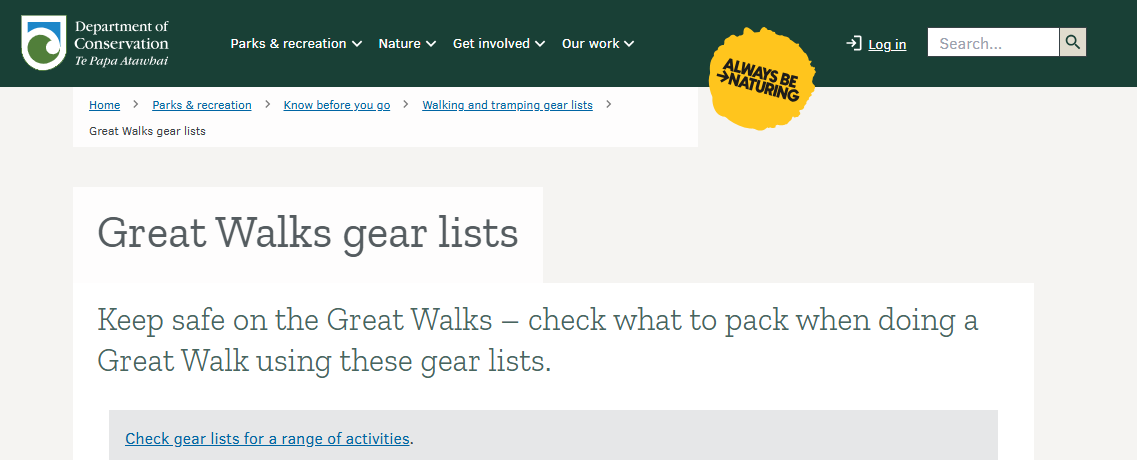
The test: would you link to this if it wasn’t yours? If the honest answer is no, build the asset first. Everything downstream depends on it.
Step 2: Find relevant resource pages
Once you’ve got the asset, you go hunting. And this is where Google’s search operators do the heavy lifting.
Search operators are little commands that filter Google’s results. For resource pages, you combine your topic with the words these pages tend to use in their titles and URLs.
Here are the ones I’d start with. Swap “your keyword” for your actual topic:
your keyword + inurl:resourcesyour keyword + intitle:resourcesyour keyword + "useful links"your keyword + "helpful resources"your keyword + "recommended reading"
So our Auckland gear store might search tramping + inurl:resources or hiking new zealand + "useful links".
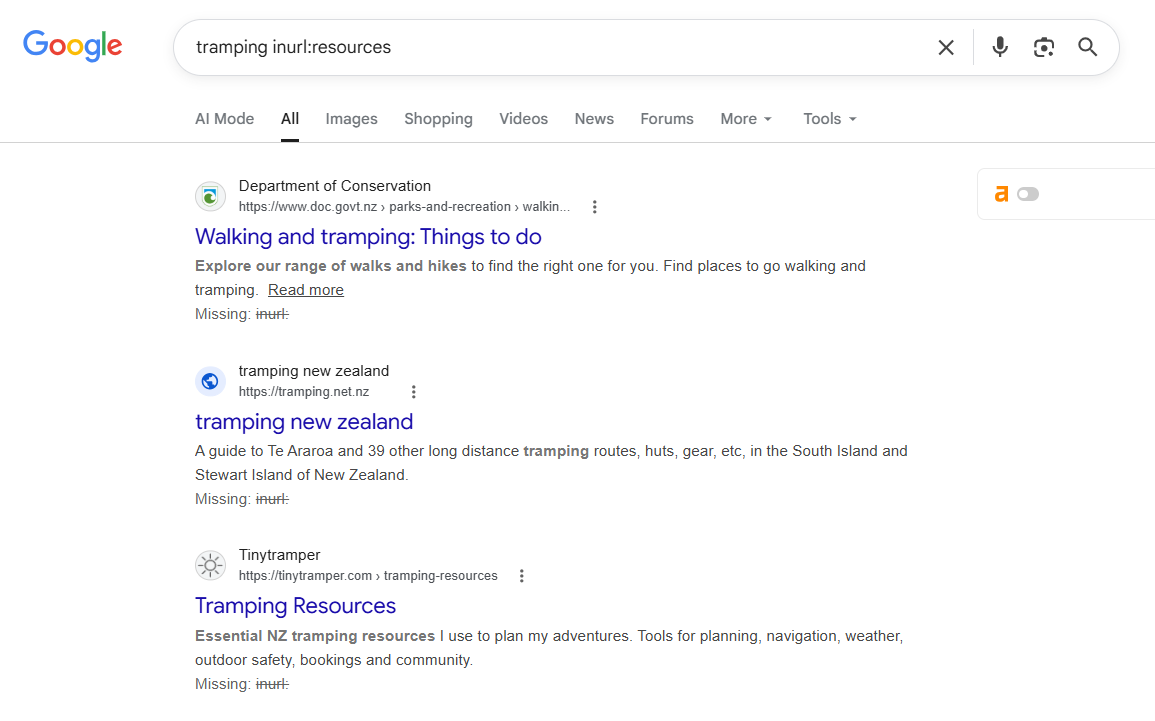
Don’t stop at the obvious ones. A lot of pages curate links without ever using the word “resources.”
To find those, search for your keyword + "best blogs", your keyword + "further reading", or best [your thing] to surface listicles that function as resource pages even though they’d never show up under inurl:resources.
Widen your net with broader keywords too. A Hamilton personal trainer shouldn’t only search “personal training” — they should also try “fitness,” “health” and “exercise,” because a resource page about general wellbeing might happily link a great training guide.
Casting wide like this is often how getting found in Hamilton starts for a local operator — on the pages the narrow searches skip.
Step 3: Vet the pages before you waste time
You’ll end up with a long list, and most of it will be junk. Vetting is how you avoid pouring hours into pages that’ll never help you.
Run each prospect through three quick filters:
Is it actually relevant? The page has to be about your topic (or close to it). A link from a page your audience would never visit does little for you.
Is anyone still maintaining it? A resource page last touched in 2013, stuffed with dead links, isn’t getting updated for you either. You want pages that look cared for.
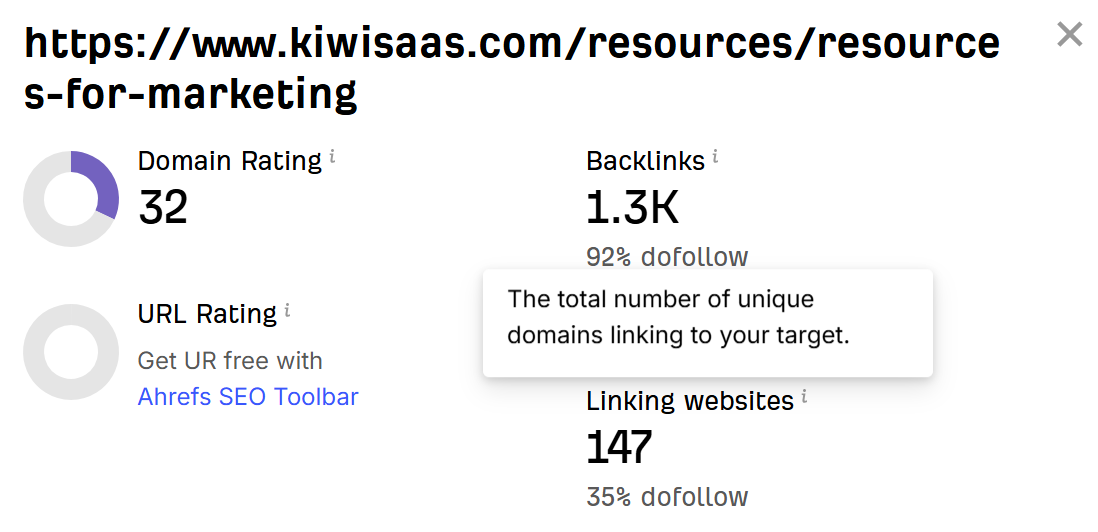
Is it worth having a link from? Drop the domain into a free checker like Ahrefs’ Website Authority Checker and glance at the Domain Rating. As a rough beginner rule, a DR of 10 or higher is worth pursuing. Below that, don’t stress about it too much — relevance matters more than a perfect score.
One more filter: skip the pages that clearly won’t link to you. Some only link to .govt.nz and .ac.nz sites. Some only link to their own stuff.
As soon as you can see a page isn’t the type to add an outside resource, cross it off and move on. Your time is the scarce resource here — spend it on realistic targets.
Step 4: Find the right person to email
This is the step that quietly decides your success rate, and almost everyone gets it wrong.
If a page has a “Suggest a resource” or “Submit a link” button, brilliant — use it. That page is literally asking you to pitch.
If it doesn’t, you need to find the human who actually manages the page. Not the generic info@ inbox — that’s where pitches go to die. The specific person.
On a business site, that might be the marketing or content person. On a university page, it’s often a librarian or a department coordinator.
Dig around the site’s about or staff pages, then use a free tool like Hunter.io to find or verify their email address.
For a business chasing SEO in Tauranga, five minutes finding the right coordinator to pitch a regional tourism body beats fifty generic emails to a contact form. Precision beats volume every time here.
Step 5: Send a pitch that doesn’t sound like a robot
Now you reach out. Keep it short, make it personal, and make it easy for them to say yes.
A workable structure looks like this:
Hi [Name],
I was reading through your [specific page name] — the section on [specific thing] was genuinely useful.
I recently put together [your resource]: [link]. It’s [one line on what it is and who it helps].
Might be a fit under your [section name] if you’re ever updating the page. Either way, thanks for keeping such a handy list.
Cheers, [Your name]
Notice what that email does. It proves you actually looked at the page. It tells them exactly what you’ve got and where it might slot in. And it doesn’t beg.
There’s a sharper version of this too. Before you email, scan the resource page for broken links — dead links that go nowhere.
A free tool like Ahrefs’ SEO Toolbar or Screaming Frog will flag them.
Then your email leads with a favour: “Heads up, a couple of links on your page are broken — here they are. And while I’m here, I’ve got a resource that might fit.”
Now you’re helping them fix their page, not just asking for something. That’s broken link building bolted onto your outreach, and it can lift your response rate considerably.
Step 6: Follow up once, then move on
Most people who’d say yes just didn’t see your first email. A single, polite follow-up a week later catches a good chunk of them.
One nudge. That’s the etiquette. If they don’t bite after that, let it go and put your energy into the next prospect. Chasing people who’ve already ignored you twice is how outreach turns miserable.
Resource Page Link Building for New Zealand Businesses
The strategy works the same in New Zealand, but the pool is smaller — which cuts both ways.
There are fewer NZ resource pages than in the US or UK, so you’ll find fewer targets. But there’s also far less competition chasing them, and a local link often carries more relevance for a business serving a local market.
A few NZ-specific angles worth knowing.
Lean on local institutions. New Zealand has a solid base of trustworthy sites that keep resource and links pages: universities and polytechs (.ac.nz), government and council sites (.govt.nz), industry associations, and community organisations like the Citizens Advice Bureau.
A link from one of those carries real weight.
Regional and tourism directories are gold for the right business. A Queenstown adventure operator, for instance, has a natural path to links from regional tourism resource pages, activity roundups and “things to do” lists that local sites maintain.
That kind of geographically-themed link is exactly what helps getting found in Queenstown searches, because it ties your site to the place you actually serve.
Widen beyond “NZ-only” pages. Because the local pool is thin, don’t restrict yourself to New Zealand sites.
A genuinely great NZ resource — that Great Walks checklist, a regional wine guide, a native-planting calculator — can earn links from international resource pages too. Good content doesn’t respect borders.
If you’re running a smaller operation, this is also one of the more realistic strategies to do yourself without a budget, which is why it comes up so often in small business SEO conversations. You trade time for links instead of money.
Should You Still Use Resource Page Link Building in 2026?
Here’s the honest part. Resource page link building still works — but I wouldn’t make it my main strategy in 2026, and I want to tell you why before you sink a month into it.
Three things have changed.
It’s slow, and the numbers are brutal. Outreach has always been a grind, but the response rates lay it bare.
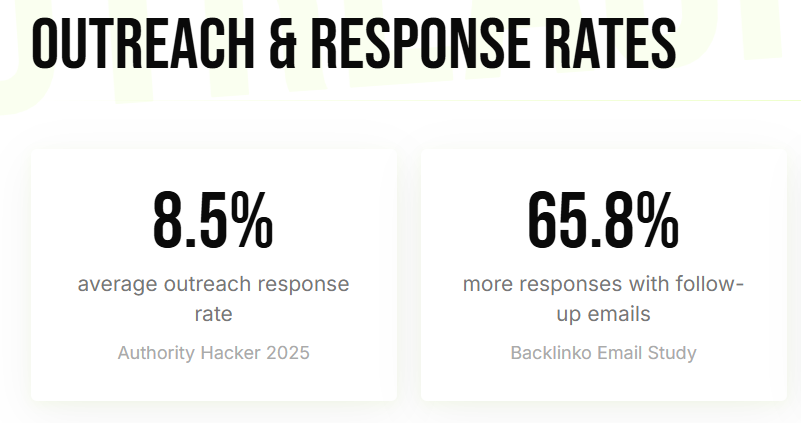
Across the industry, the average link building outreach response rate sits around 8.5%, and analyses have found it takes roughly 292 emails to land a single link.
Do the maths on that. To earn ten resource page links, you might be sending the better part of 3,000 emails. That’s not a weekend project.
People want money now. This is the big shift. Resource pages were meant to be a genuine “here’s the best stuff” list. More and more, though, the person on the other end sees your pitch and sees a payday — they’ll add your link, but only if you pay a fee.
It’s become an inventory to them, not a favour to their readers. Publisher placement fees have climbed 20–40% in recent years as site owners have worked out what their links are worth, with the average “acceptable” price for a single quality backlink now sitting around US$500.
And paying is a trap. The moment money changes hands for a link, you’ve stepped outside Google’s spam policies, which treat link buying as manipulation.
Worse, a resource page that sells its spots is usually a low-quality page stuffed with paid links anyway — the exact opposite of the trusted, editorial link you came for. So you’d be paying for a link that’s both risky and weak.
So where does that leave you?
If you get a pitch and the reply is “sure, that’ll be [some amount],” walk away. A free link on a genuine resource page is a great link. A paid one on the same page isn’t worth the risk.
Sometimes someone will add your stuff for free because it’s genuinely good — those are the ones worth chasing. But you have to accept that a lot of doors will ask for a toll, and the right move is to turn around.
Resource page link building is still worth doing when: you’re brand new and want to learn outreach on easy mode; you’ve got a genuinely excellent linkable asset; or you serve a niche with active, well-maintained resource pages (education, tourism, health and community sectors are strong here).
For everyone else in 2026, I’d treat it as one small tactic in the mix — not the whole plan.
Common Mistakes to Avoid
Most resource page campaigns fail for the same handful of reasons, and every one of them is avoidable.
Pitching before you’ve got the asset. If you’re emailing people to link a thin page, you’ve lost before you started. Build the genuinely-linkable thing first.
Emailing the contact form. Generic inboxes swallow pitches. Find the real person or don’t bother.
Sending the same template to everyone. A copy-paste email with no sign you read their page reads as spam, and it gets treated like spam. Personalise the first two lines at minimum.
Chasing DR instead of relevance. A perfectly on-topic link from a modest site beats a random link from a big one. Don’t let a shiny Domain Rating pull you toward pages your audience would never read.
Paying the fee. Covered above, but it’s the one that can actually hurt you, so it earns a second mention. If they ask for money, it’s not a resource page link anymore. It’s a bought link with all the risk that carries.
Treating it as your whole SEO plan. Links are one part of the picture.
A mortgage broker who lands ten resource links but has a slow, thin website still won’t rank — which is why SEO for mortgage brokers, or any competitive niche, needs the on-page and technical foundations sorted alongside the link building, not instead of it.
Final Thoughts
If it were my money and my time, here’s what I’d actually do: build one resource page campaign to learn the ropes, land a few free links off the back of a great asset, and then move my energy toward strategies with better leverage — digital PR, genuinely original data, the kind of content that earns links without you having to ask.
Resource page link building still works — it’s just been picked over. The easy wins that made it famous a decade ago are mostly gone, and what’s left takes patience and a real asset to pull off cleanly. As a first strategy, it’s still the best classroom in link building. As a main strategy in 2026, it’s a hard way to make a living.
You can absolutely run this yourself — that’s the beauty of it.
But if the outreach grind isn’t how you want to spend your weeks, or you’d rather have the whole SEO engine built properly the first time, that’s what we do at Expert SEO.
Whether you want it fully handled through our done-for-you SEO or just a second opinion from an SEO consultant before you commit a month to outreach, the door’s open.
Resource Page Link Building: FAQ
Is resource page link building still worth it in 2026?
Yes, but as a starter tactic rather than a main strategy. It's still the easiest way to learn link building and can earn genuine editorial links from trusted sites. The catch is that it's slow, and many page owners now ask for payment — which you should refuse.
Is link building illegal?
No. Link building is a normal, accepted part of SEO. What breaks Google's guidelines is buying links to manipulate rankings. Earning links because your content deserves them is completely fine.
What is a resource page example?
A university library page listing recommended research tools, a Citizens Advice Bureau page linking to tenancy resources, or a tramping club page pointing to gear guides and track info. Any page built mainly to curate and link out to helpful resources on a topic counts.
How long does resource page link building take to work?
The outreach itself is ongoing, and links take time to affect rankings. Industry data puts the average time to see a ranking movement after gaining a link at around three months, so treat it as a slow, compounding play, not a quick win.
What are the best tools for resource page link building?
Google search operators for finding pages, Ahrefs or Semrush for checking domain authority and competitor backlinks, Screaming Frog or Ahrefs' SEO Toolbar for spotting broken links, and Hunter.io for finding the right person's email address.